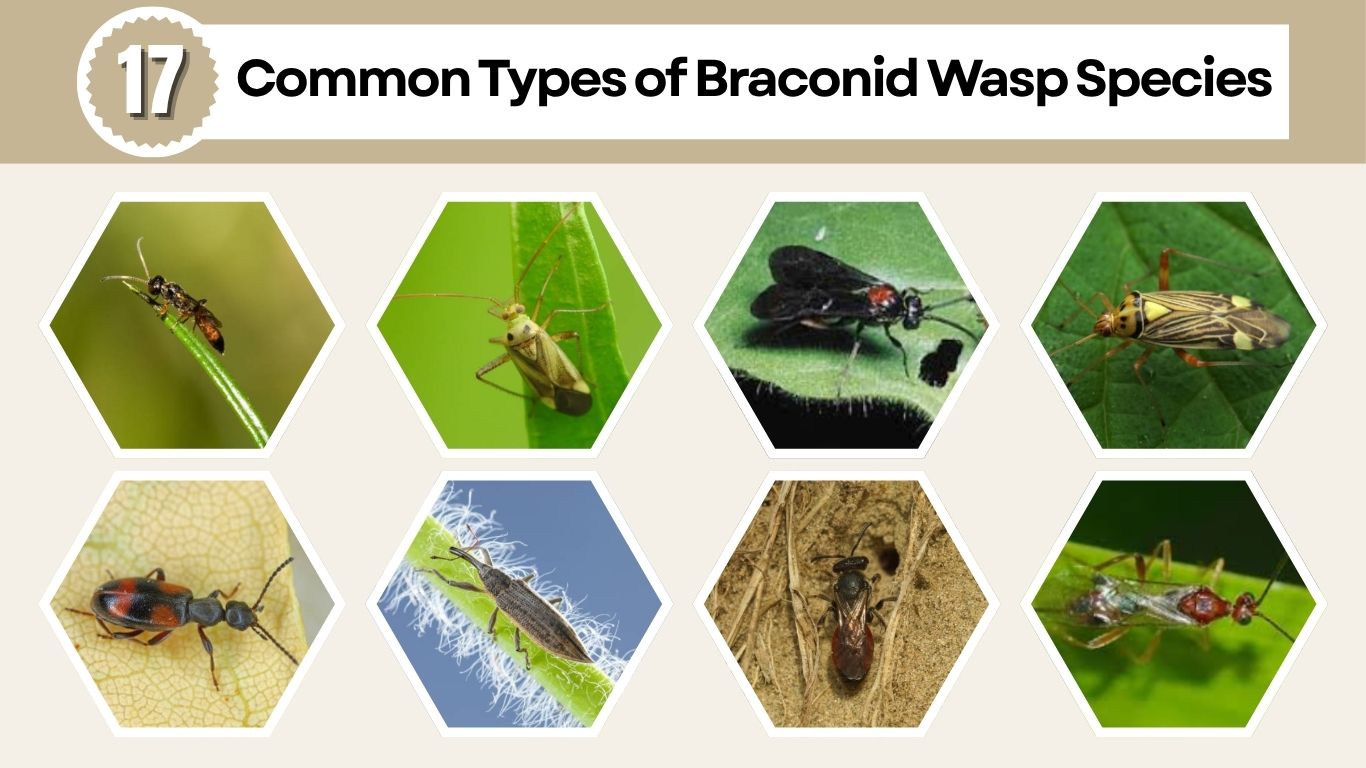
Braconid wasps are a large group of parasitic insects belonging to the Braconidae family. These tiny wasps are found in many ecosystems around the world and are especially important in agriculture because they naturally control harmful insect pests. Most species lay their eggs inside or on other insects, where the developing larvae feed on the host.
Farmers, gardeners, and researchers value braconid wasps for their role in biological pest management. They help reduce the need for chemical pesticides by targeting caterpillars, beetle larvae, aphids, and other destructive pests. From forests to crop fields and greenhouses, these beneficial insects support healthier and more sustainable ecosystems.
1. Cotesia Wasp
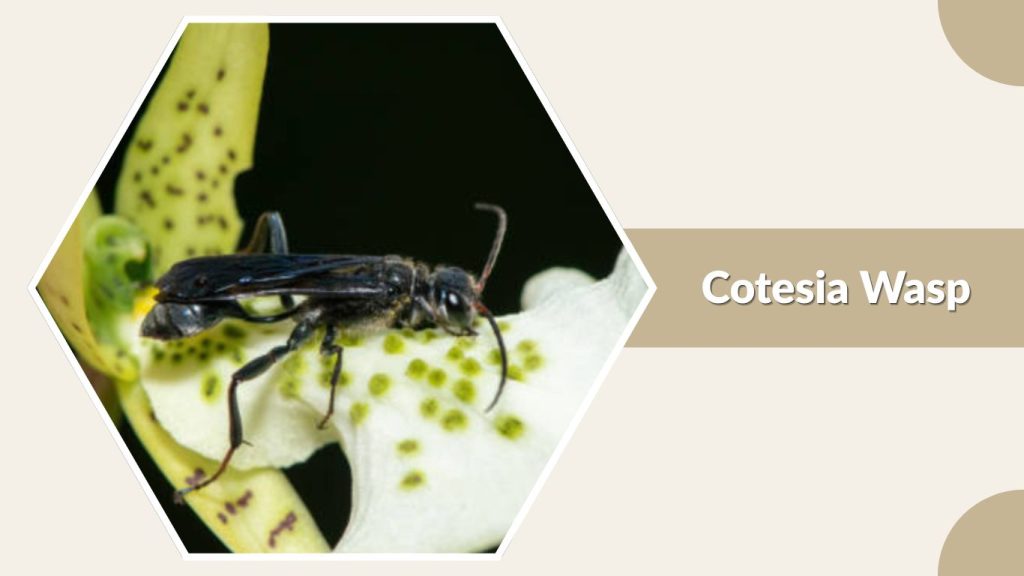
Cotesia wasps are small parasitic insects belonging to the Braconidae family. They are widely known for controlling caterpillar populations in agricultural ecosystems. These wasps play an important role in biological pest management because they naturally reduce harmful insect numbers without damaging crops.
Identification and Appearance
Cotesia wasps are tiny, slender insects that usually measure only a few millimeters in length. Their bodies are commonly black or dark brown with transparent wings. Female wasps possess a specialized ovipositor used to lay eggs inside host caterpillars. Despite their small size, they are highly active and efficient hunters in gardens and farms.
Characteristics
- Small body size with narrow waist
- Dark-colored body and clear wings
- Parasitic behavior toward caterpillars
- Excellent natural pest controllers
- Females use ovipositors to inject eggs
- Commonly found in agricultural fields
- Harmless to humans and pets
Habitat and Distribution
Cotesia wasps are distributed across many regions of the world, especially in tropical and temperate climates. They are commonly found in crop fields, forests, vegetable gardens, and grasslands where caterpillar hosts are abundant. Their presence is often beneficial for farmers because they help maintain ecological balance naturally.
Importance in Agriculture
These wasps are considered highly valuable in integrated pest management programs. By parasitizing destructive caterpillars, they help reduce the need for chemical pesticides. Farmers and researchers often encourage Cotesia populations to protect crops such as corn, cabbage, and tomatoes from serious pest damage.
2. Bracon hebetor
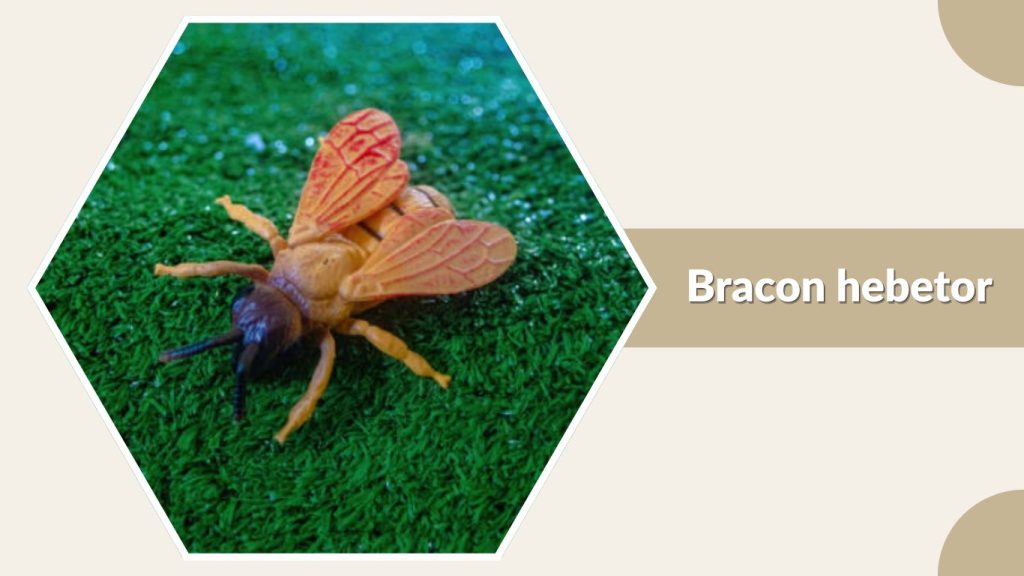
Bracon hebetor is a well-known parasitic wasp species used in biological pest control. It mainly attacks the larvae of moths and other stored-product pests. Because of its effectiveness in reducing insect infestations, this wasp is widely studied and used in agriculture and grain storage facilities.
Identification and Appearance
Bracon hebetor is a tiny wasp with a slim body and long antennae. Its color ranges from yellowish-brown to dark brown. Females have a sharp ovipositor that allows them to paralyze host larvae before laying eggs. The species is highly active and can quickly locate hidden insect hosts.
Characteristics
- Small parasitic wasp species
- Attacks moth and beetle larvae
- Yellowish-brown or dark brown body
- Females paralyze hosts before egg laying
- Useful in stored-grain pest control
- Fast reproductive cycle
- Harmless to humans
Habitat and Distribution
This wasp is found in many parts of the world, especially in warm and dry environments. It commonly lives in grain warehouses, food storage areas, farms, and agricultural fields. The insect prefers places where host larvae are abundant and easily accessible.
Importance in Agriculture
Bracon hebetor is highly valuable for controlling stored-product pests naturally. It reduces infestations in grains, nuts, and dried foods without relying heavily on chemical pesticides. Farmers and storage managers often use this species as part of eco-friendly pest management programs.
3. Aphidius colemani
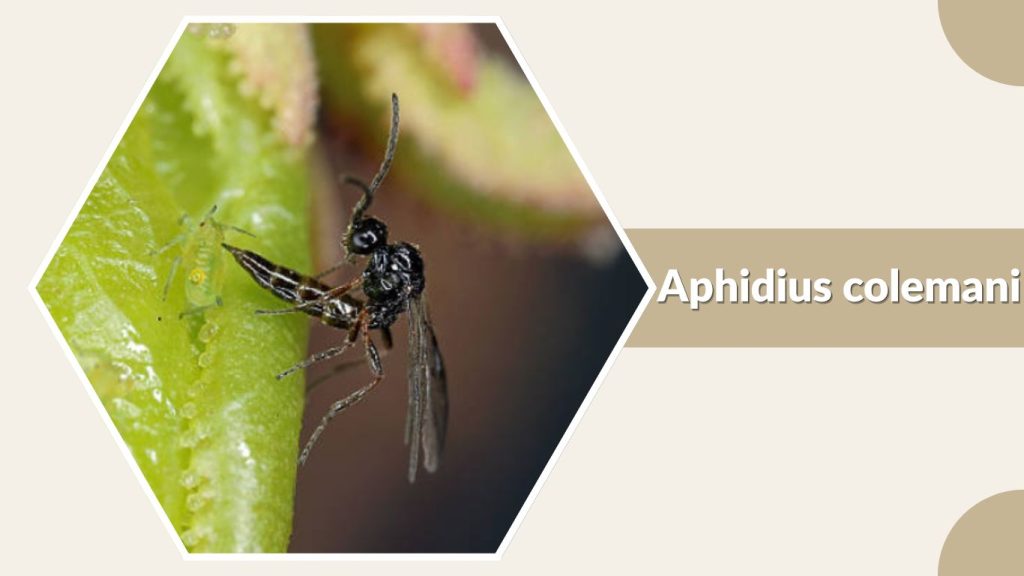
Aphidius colemani is a small parasitic wasp famous for controlling aphid populations. It is widely used in greenhouses and crop farms because of its ability to target harmful aphids effectively. This species is considered one of the most beneficial insects in modern biological control systems.
Identification and Appearance
Aphidius colemani has a delicate black body with long antennae and transparent wings. The female lays eggs inside aphids, where the larvae develop and eventually kill the host. Infected aphids become swollen and form “mummies,” which are easy to identify on plants.
Characteristics
- Tiny black parasitic wasp
- Specializes in attacking aphids
- Transparent wings and slender body
- Creates aphid mummies after parasitism
- Common in greenhouses and farms
- Effective biological control agent
- Safe for plants, humans, and animals
Habitat and Distribution
This wasp is distributed worldwide and thrives in agricultural fields, gardens, and greenhouse environments. It is especially common in areas with heavy aphid infestations. Warm climates and controlled greenhouse conditions support rapid population growth.
Importance in Agriculture
Aphidius colemani helps farmers reduce aphid damage naturally. It protects vegetables, ornamental plants, and fruit crops without harmful pesticide use. Because of its efficiency and eco-friendly nature, it is widely released in commercial greenhouse pest management programs.
4. Diachasma alloeum
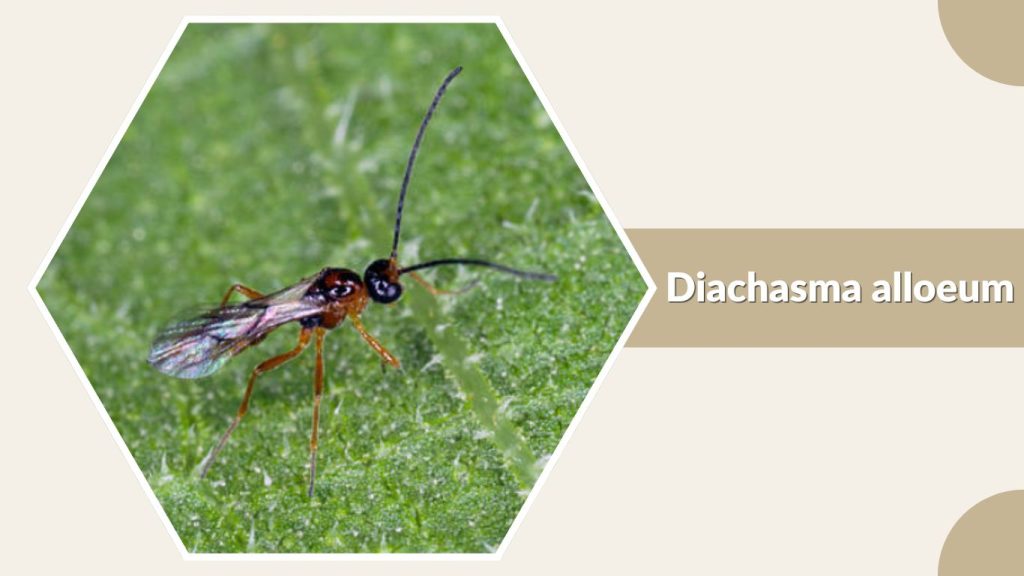
Diachasma alloeum is a braconid wasp species primarily known for parasitizing apple maggot larvae. Its role in controlling pest populations in orchards makes it a valuable insect for ecological and agricultural management. The wasp contributes to natural pest suppression without relying on chemical treatments.
Identification and Appearance
Diachasma alloeum is a small, slender wasp, typically dark brown to black in color. Its wings are transparent with subtle veining, and it has long antennae that help detect host larvae. Females use their ovipositors to deposit eggs directly into host larvae, allowing their offspring to develop safely inside.
Characteristics
- Parasitizes apple maggot larvae
- Small, dark-colored body
- Transparent wings with fine veins
- Females possess a long ovipositor
- Important for natural pest control
- Harmless to humans and animals
- Found commonly in orchards and surrounding vegetation
Habitat and Distribution
This species is mainly found in North American apple orchards and nearby wild habitats. It thrives in areas where apple maggot populations are present. Its presence is often associated with healthy orchard ecosystems, providing an important ecological service by naturally controlling pest outbreaks.
Importance in Agriculture
Diachasma alloeum is utilized in integrated pest management programs to reduce reliance on chemical pesticides. By parasitizing apple maggot larvae, it helps prevent crop damage and ensures better fruit quality. Growers often encourage its populations to maintain a balanced ecosystem while promoting sustainable agricultural practices.
5. Atanycolus initiator
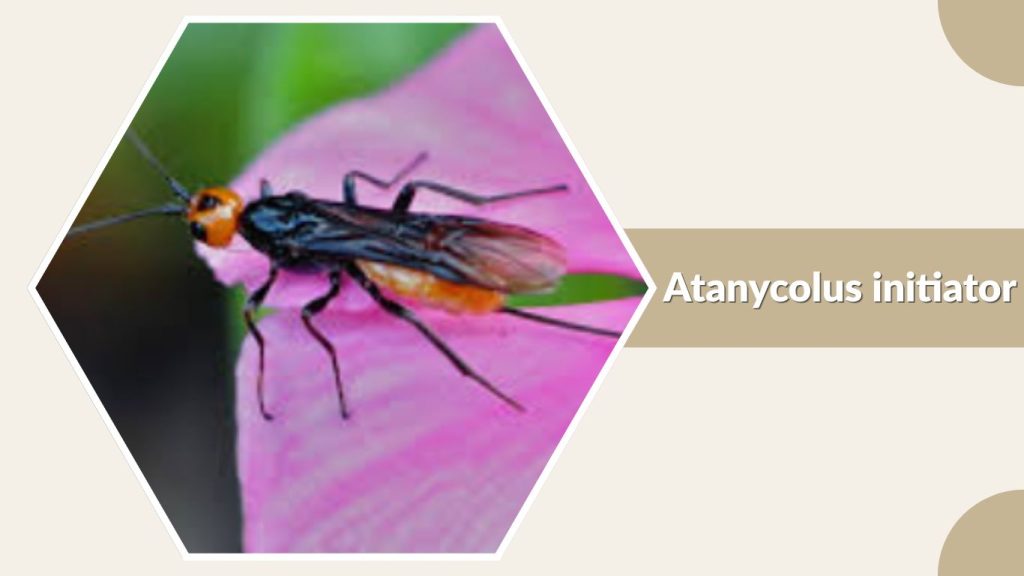
Atanycolus initiator is a braconid wasp recognized for its parasitism of wood-boring and leaf-mining caterpillars. Its behavior is critical in reducing pest populations that damage trees and ornamental plants. This species is considered a beneficial insect in forestry and horticulture management.
Identification and Appearance
Atanycolus initiator has a slender, dark body with metallic highlights, and transparent wings that allow agile flight. The female uses a sharp ovipositor to deposit eggs into host larvae. The wasp’s small size and quick movement make it efficient in locating hosts hidden within plant tissues.
Characteristics
- Parasitic on wood-boring and leaf-mining larvae
- Slender, dark-colored body with metallic sheen
- Transparent wings for agile flight
- Females use ovipositors to lay eggs in hosts
- Beneficial in forestry and horticulture
- Reduces pest-related plant damage
- Harmless to humans
Habitat and Distribution
This wasp is commonly found in forests, orchards, and ornamental gardens. It prefers environments with abundant host larvae inside trees or plants. The species is distributed in temperate regions, where it helps maintain the ecological balance by naturally suppressing pest populations.
Importance in Agriculture
Atanycolus initiator is an important component of biological pest control programs. By targeting larvae that harm trees and plants, it minimizes crop and timber damage. Its use in integrated pest management reduces chemical pesticide dependence, supporting sustainable forestry and garden practices.
6. Glyptapanteles liparidis
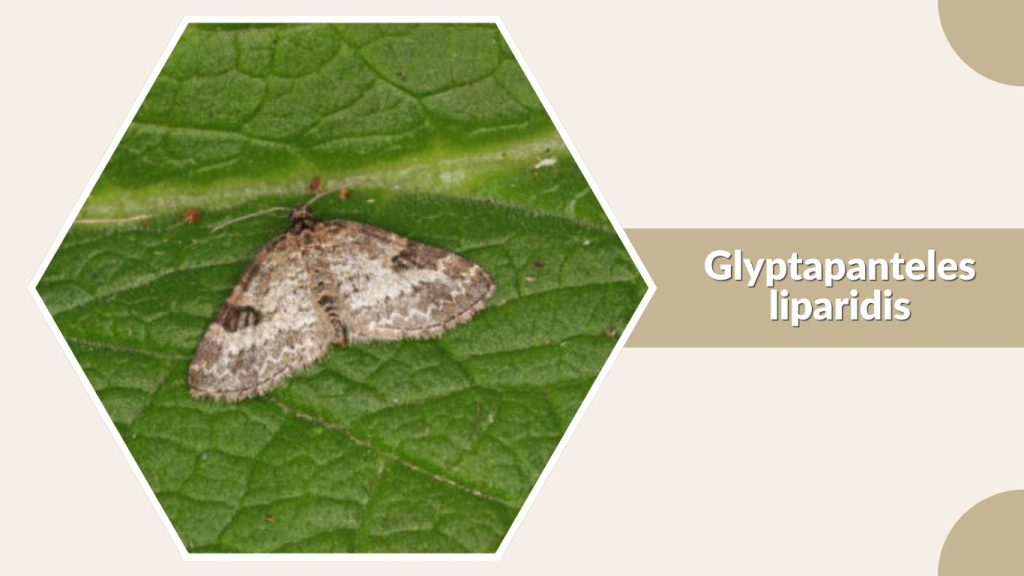
Glyptapanteles liparidis is a braconid wasp species that parasitizes caterpillars, especially those of moths and butterflies. Its parasitic activity makes it a natural pest control agent in both agricultural fields and natural ecosystems, reducing the need for chemical insecticides.
Identification and Appearance
This wasp is very small, usually just a few millimeters long, with a dark, slender body and transparent wings. The female has a long ovipositor used to inject eggs into host caterpillars. The larvae develop inside the host, ultimately killing it. Its subtle coloration helps it remain inconspicuous while hunting.
Characteristics
- Parasitizes moth and butterfly caterpillars
- Tiny, dark-colored body
- Transparent wings with delicate venation
- Female ovipositor used for egg-laying inside hosts
- Important natural pest controller
- Found in gardens and agricultural fields
- Harmless to humans
Habitat and Distribution
Glyptapanteles liparidis is commonly found in temperate regions, particularly in areas with abundant caterpillar hosts. It thrives in orchards, vegetable gardens, and natural woodlands. Its presence is crucial for maintaining ecological balance by naturally regulating herbivorous insect populations.
Importance in Agriculture
This species plays a key role in integrated pest management. By parasitizing caterpillars that damage crops, it reduces crop loss and minimizes the need for chemical treatments. Farmers and ecologists often encourage its populations to enhance sustainable agricultural practices and maintain healthy ecosystems.
7. Meteorus pulchricornis
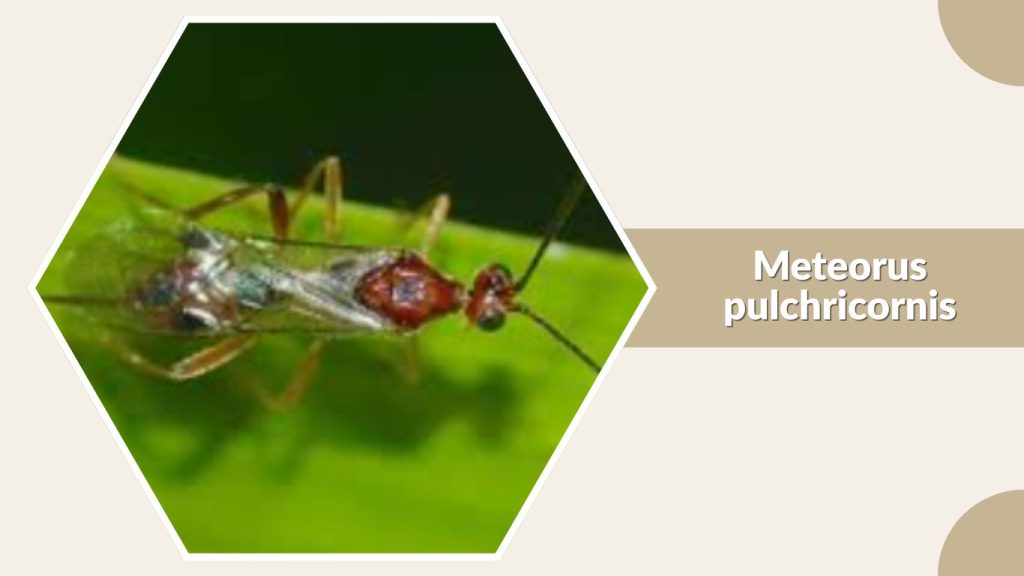
Meteorus pulchricornis is a braconid wasp species known for parasitizing lepidopteran larvae, including many pest species. Its parasitic behavior is beneficial for controlling insect populations in both forests and agricultural landscapes, promoting natural pest management.
Identification and Appearance
Meteorus pulchricornis has a slender, black or dark brown body with long antennae and transparent wings. The female uses her ovipositor to lay eggs inside host caterpillars. The developing larvae consume the host from within, ultimately leading to the host’s death. The wasp’s small size and rapid movement help it efficiently locate hosts.
Characteristics
- Parasitizes lepidopteran larvae
- Slender, dark-colored body
- Transparent wings for agile flight
- Female ovipositor injects eggs into hosts
- Effective in natural pest control
- Found in forests, orchards, and gardens
- Harmless to humans
Habitat and Distribution
This species is widely distributed across temperate regions. It inhabits forests, orchards, and agricultural areas where host larvae are abundant. Its presence helps maintain ecological balance and reduces the reliance on chemical pest control methods.
Importance in Agriculture
Meteorus pulchricornis is an effective agent in integrated pest management programs. By targeting pest caterpillars, it protects crops and ornamental plants from damage. Its natural parasitism reduces chemical pesticide use, supporting sustainable and environmentally friendly agricultural practices.
8. Opius dissitus
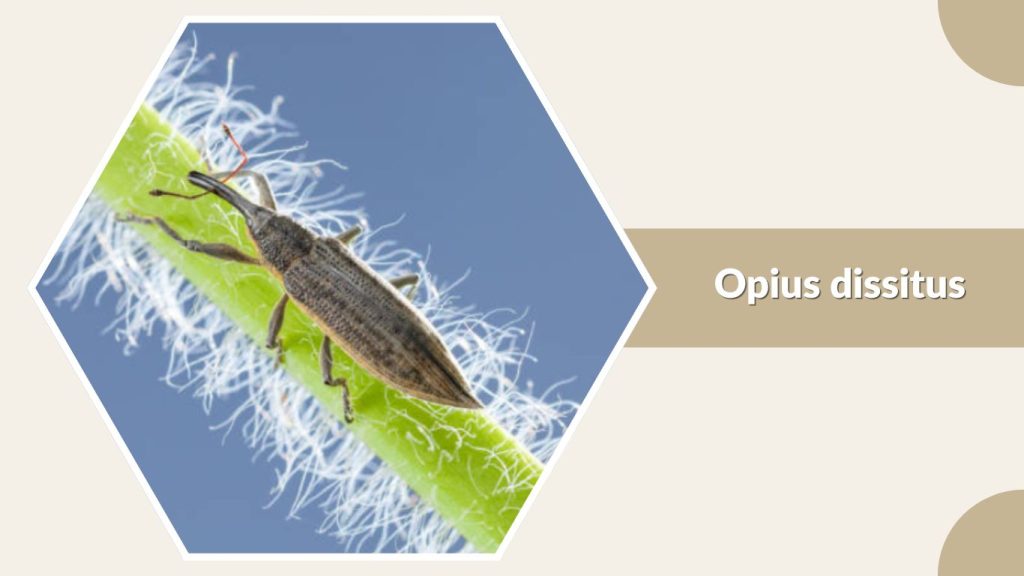
Opius dissitus is a small braconid wasp that mainly parasitizes leafminer larvae. It is widely valued in agriculture because leafminers can seriously damage vegetables and ornamental plants. This wasp naturally suppresses pest populations and helps farmers maintain healthier crops.
Identification and Appearance
Opius dissitus has a tiny, slender body that is usually black or dark brown. It possesses transparent wings and long antennae that help detect host insects hidden inside leaves. Females use a sharp ovipositor to insert eggs into leafminer larvae, where the young wasps later develop.
Characteristics
- Parasitizes leafminer larvae
- Tiny black or dark brown body
- Transparent wings with narrow shape
- Long antennae for locating hosts
- Female lays eggs inside leaf tissues
- Beneficial natural pest controller
- Harmless to humans and pets
Habitat and Distribution
This species is commonly found in vegetable farms, greenhouses, gardens, and crop fields. It prefers areas with high leafminer infestations. Opius dissitus occurs in many temperate and tropical regions where agricultural production is common.
Importance in Agriculture
Opius dissitus is highly useful in biological control programs because it reduces leafminer damage without chemical pesticides. Farmers often use it in integrated pest management systems to protect crops such as tomatoes, beans, and cucumbers while supporting environmentally friendly farming practices.
9. Doryctes erythromelas
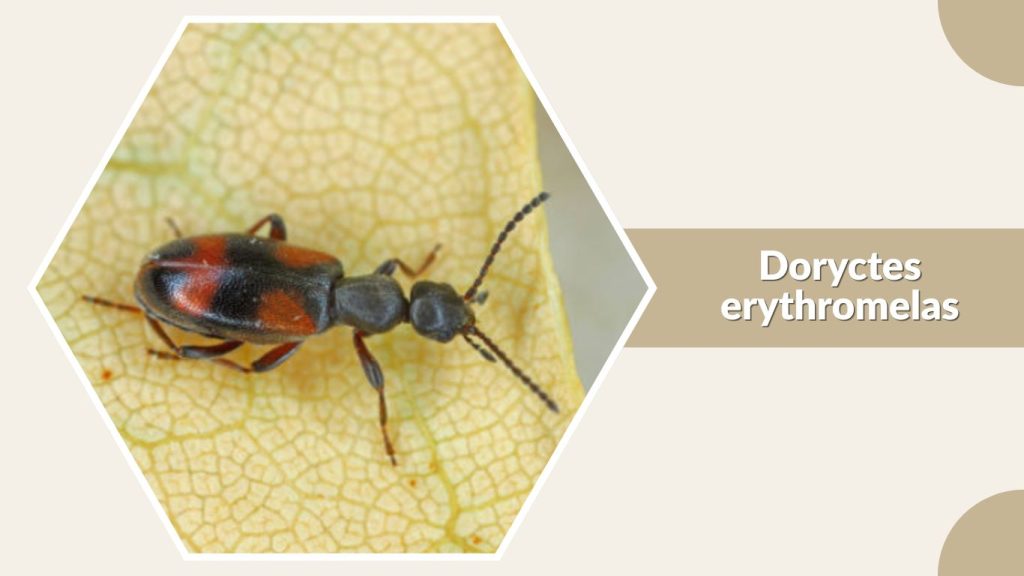
Doryctes erythromelas is a braconid wasp species known for attacking wood-boring beetle larvae. It plays an important ecological role by controlling pests that damage trees and wooden plants. This species is especially beneficial in forest ecosystems and orchards.
Identification and Appearance
Doryctes erythromelas has a narrow, elongated body with dark brown or black coloration. Its wings are clear, and females have a noticeable ovipositor used to place eggs into host larvae hidden inside wood. The species is active and capable of locating hosts deep within tree bark.
Characteristics
- Parasitoid of wood-boring beetle larvae
- Slender dark-colored body
- Clear transparent wings
- Females possess long ovipositors
- Helps protect trees from pests
- Common in forests and orchards
- Safe for humans and animals
Habitat and Distribution
This wasp is found in forests, wooded regions, orchards, and areas with decaying or infested trees. It thrives where wood-boring beetles are abundant. The species is distributed across several temperate regions and contributes to maintaining healthy forest ecosystems.
Importance in Agriculture
Doryctes erythromelas helps reduce damage caused by wood-boring insects in orchards and forests. Its natural parasitic behavior decreases the need for chemical insecticides and supports sustainable forestry practices. Researchers consider it an important beneficial insect for long-term ecological pest management.
10. Macrocentrus grandii
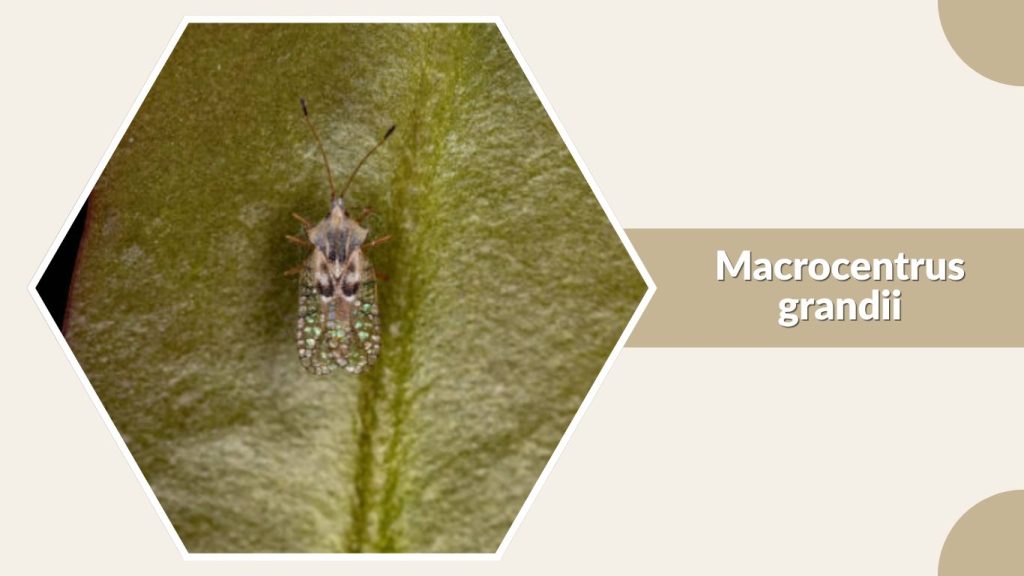
Macrocentrus grandii is a beneficial braconid wasp widely recognized for parasitizing corn borer larvae. It is commonly used in biological control programs to reduce destructive crop pests naturally. This species plays an important role in maintaining healthier agricultural systems with reduced pesticide dependence.
Identification and Appearance
Macrocentrus grandii is a slender wasp with a light brown to dark brown body and long antennae. Its transparent wings help it move quickly through crop fields while searching for hosts. Females use a thin ovipositor to deposit eggs inside corn borer larvae hidden within plant stems.
Characteristics
- Parasitoid of corn borer larvae
- Slender light brown or dark brown body
- Long antennae and clear wings
- Females inject eggs into host larvae
- Important biological control insect
- Common in corn-growing regions
- Harmless to humans and livestock
Habitat and Distribution
This wasp is commonly found in cornfields, grasslands, and agricultural areas with high corn borer populations. It occurs mainly in temperate regions and thrives where host insects are abundant. Farmers often encourage its presence to support natural pest suppression.
Importance in Agriculture
Macrocentrus grandii is highly valuable for controlling European corn borers, which are serious crop pests. Its parasitic activity reduces crop damage and lowers pesticide usage. This helps farmers improve crop productivity while promoting environmentally sustainable farming methods.
11. Habrobracon gelechiae
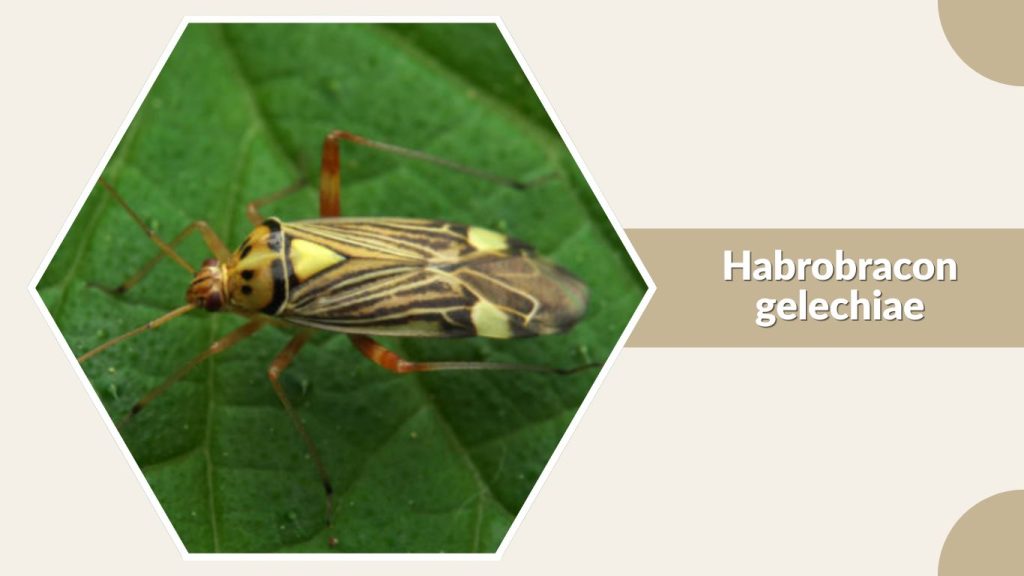
Habrobracon gelechiae is a small parasitic wasp species known for attacking moth larvae that infest stored products and crops. It is considered an effective biological control agent because it naturally limits pest populations in food storage and agricultural environments.
Identification and Appearance
Habrobracon gelechiae has a tiny, narrow body with yellowish-brown coloration and transparent wings. Females possess a pointed ovipositor used to paralyze host larvae before laying eggs. The species is active and efficient at locating hidden larvae in grains and dried products.
Characteristics
- Parasitizes moth larvae in stored products
- Small yellowish-brown body
- Transparent wings and long antennae
- Females paralyze hosts before egg laying
- Useful in biological pest control
- Common in storage facilities and farms
- Harmless to humans
Habitat and Distribution
This wasp is widely distributed in warm and temperate regions. It commonly inhabits grain storage facilities, warehouses, farms, and food-processing areas where host larvae are present. Its adaptability allows it to survive in both indoor and outdoor environments.
Importance in Agriculture
Habrobracon gelechiae is important for protecting stored grains and agricultural products from insect damage. By naturally suppressing pest larvae, it reduces the need for chemical fumigation and pesticides. This makes it a valuable species in eco-friendly pest management systems.
12. Cardiochiles nigriceps
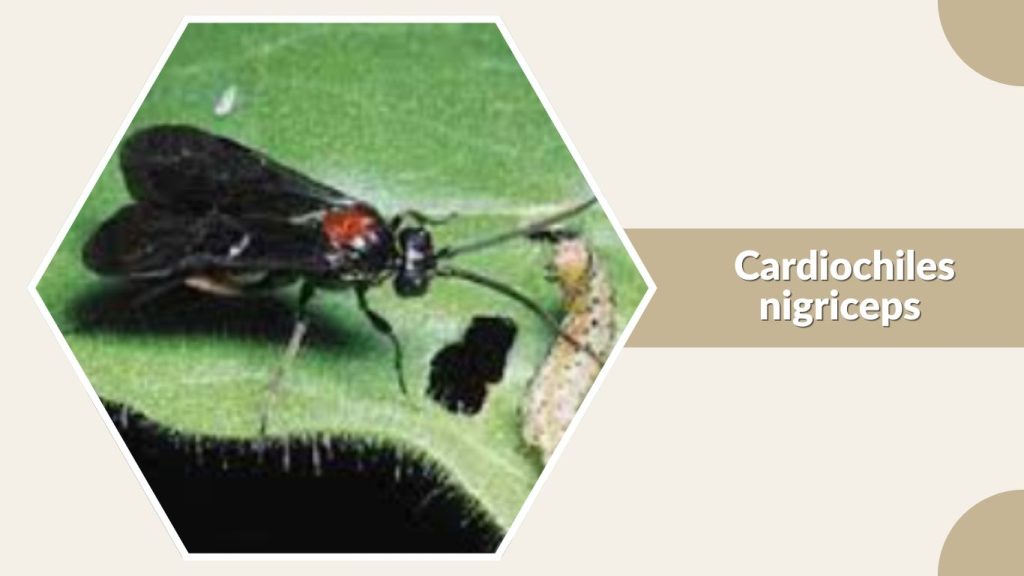
Cardiochiles nigriceps is a braconid wasp species known for parasitizing tobacco budworm and other moth caterpillars. It is highly beneficial in agriculture because these caterpillars can severely damage crops such as tobacco, cotton, and tomatoes. The wasp helps farmers manage pests naturally.
Identification and Appearance
Cardiochiles nigriceps is a small, slender wasp with a dark brown or black body and transparent wings. It has long antennae that assist in locating host caterpillars. Females use their ovipositors to lay eggs inside larvae, where the young wasps develop until the host dies.
Characteristics
- Parasitoid of tobacco budworm larvae
- Small dark-colored body
- Transparent wings and long antennae
- Females lay eggs inside caterpillars
- Effective biological pest control insect
- Common in agricultural fields
- Harmless to humans and animals
Habitat and Distribution
This species is commonly found in tobacco fields, cotton farms, vegetable gardens, and grasslands. It occurs mainly in warm and temperate regions where caterpillar hosts are available. The wasp thrives in agricultural ecosystems with abundant pest populations.
Importance in Agriculture
Cardiochiles nigriceps is widely used in integrated pest management programs. By targeting destructive caterpillars, it reduces crop damage and minimizes pesticide use. Farmers benefit from healthier crops and more environmentally friendly farming practices through the natural action of this wasp.
13. Microplitis croceipes
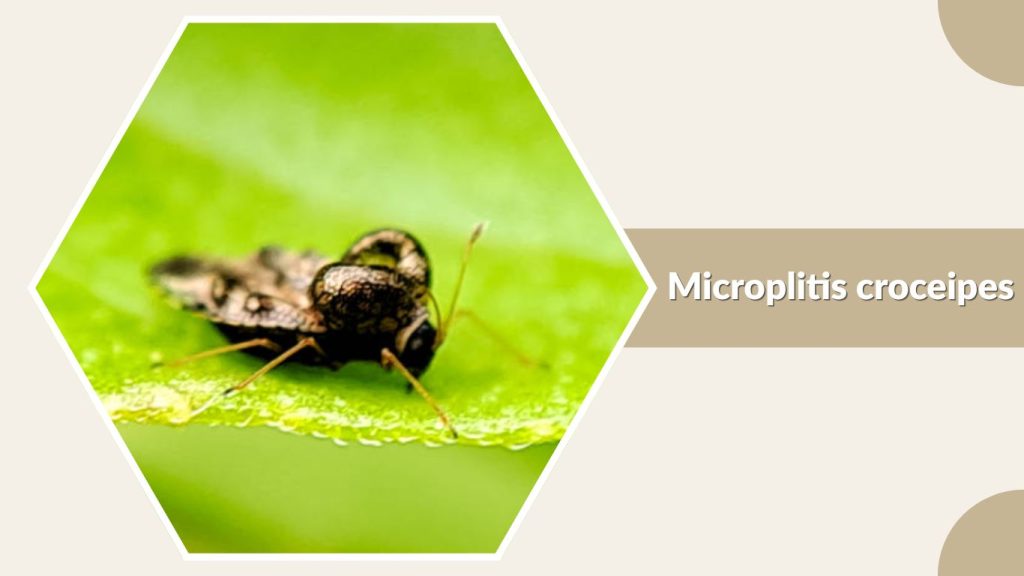
Microplitis croceipes is a small parasitic braconid wasp that attacks various caterpillar pests, especially corn earworms and tobacco budworms. It is considered an important biological control insect because it naturally suppresses harmful agricultural pests.
Identification and Appearance
Microplitis croceipes has a compact, slender body that is usually black or dark brown. Its wings are transparent, and it possesses long antennae for detecting host insects. Female wasps inject eggs into caterpillars, where the developing larvae feed internally on the host.
Characteristics
- Parasitoid of caterpillar pests
- Small black or dark brown body
- Long antennae and clear wings
- Females deposit eggs inside hosts
- Important natural pest controller
- Common in crop fields and gardens
- Safe for humans and pets
Habitat and Distribution
This wasp is widely distributed in agricultural regions and is commonly found in cornfields, cotton fields, vegetable farms, and gardens. It thrives in warm climates with abundant caterpillar populations and adapts well to cultivated landscapes.
Importance in Agriculture
Microplitis croceipes helps reduce damage caused by destructive caterpillars in major crops. Its role in biological pest management lowers the need for chemical pesticides and supports sustainable agriculture. Researchers and farmers value this species for maintaining ecological balance in farming systems.
14. Aleiodes indiscretus
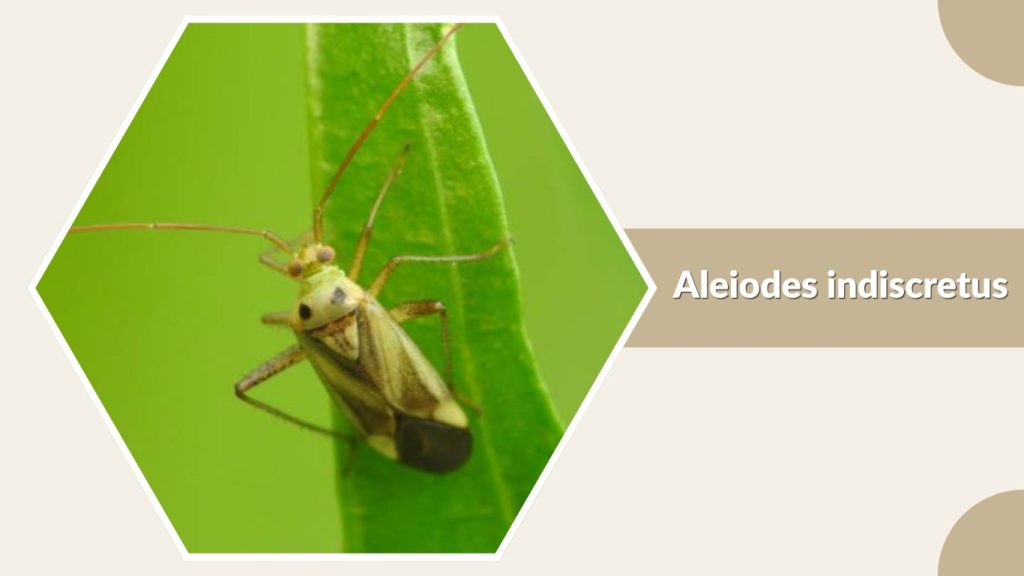
Aleiodes indiscretus is a parasitic braconid wasp known for attacking caterpillar hosts. It belongs to a group of wasps famous for turning parasitized caterpillars into hardened “mummies.” This species contributes significantly to natural pest control in forests and agricultural environments.
Identification and Appearance
Aleiodes indiscretus is a small wasp with a slender black or brown body and transparent wings. It has long antennae that help detect suitable caterpillar hosts. Females inject eggs into caterpillars, and the developing larvae feed internally until the host eventually becomes mummified.
Characteristics
- Parasitizes caterpillar larvae
- Small slender dark-colored body
- Transparent wings with delicate veins
- Creates mummified caterpillar hosts
- Important natural pest controller
- Common in forests and gardens
- Harmless to humans and animals
Habitat and Distribution
This species is commonly found in forests, grasslands, gardens, and agricultural fields. It prefers habitats with abundant caterpillar populations. Aleiodes indiscretus occurs in various temperate regions where it naturally regulates herbivorous insect numbers.
Importance in Agriculture
Aleiodes indiscretus helps farmers and gardeners by reducing populations of harmful caterpillars. Its natural parasitic activity decreases crop and plant damage while lowering dependence on chemical insecticides. This makes it valuable in sustainable pest management systems.
15. Rogas lymantriae
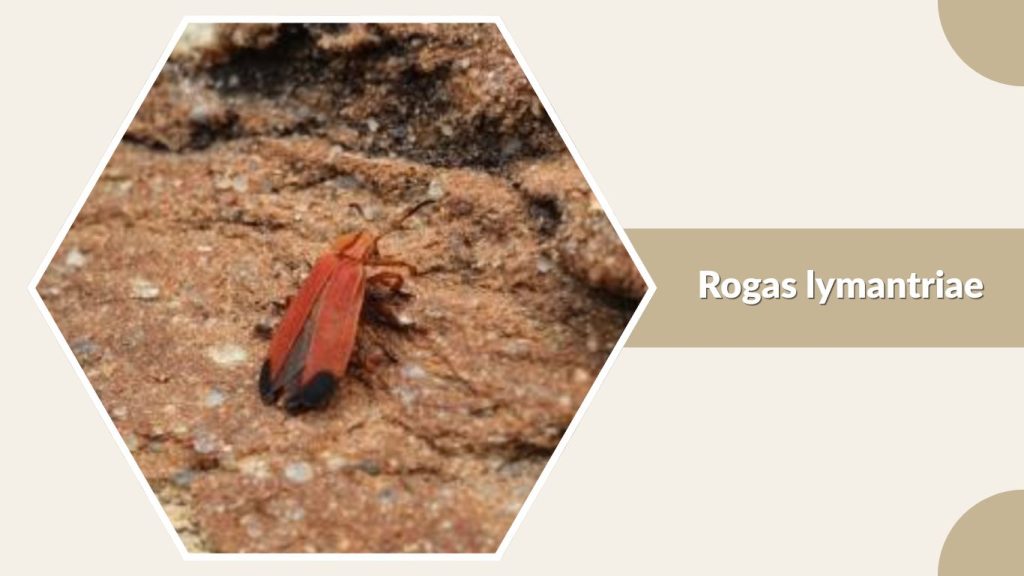
Rogas lymantriae is a braconid wasp species recognized for parasitizing moth caterpillars, including several forest pests. It plays a beneficial role in controlling insect outbreaks that can damage trees, crops, and ornamental plants.
Identification and Appearance
Rogas lymantriae has a narrow body that is usually brown or black with transparent wings. The female possesses a long ovipositor for depositing eggs inside caterpillars. After parasitism, the developing larvae consume the host internally before emerging as adult wasps.
Characteristics
- Parasitoid of moth caterpillars
- Slender brown or black body
- Clear transparent wings
- Females use ovipositors for egg laying
- Useful in forest pest control
- Found in woodlands and agricultural areas
- Harmless to people and pets
Habitat and Distribution
This wasp commonly inhabits forests, orchards, and shrublands where moth caterpillars are abundant. It is distributed across several temperate regions and thrives in ecosystems with dense vegetation and suitable host insects.
Importance in Agriculture
Rogas lymantriae is valuable in biological control because it naturally suppresses caterpillar pests that threaten crops and forests. Its activity helps reduce pesticide use and supports healthier ecosystems, making it an important insect for sustainable agriculture and forestry management.
16. Chelonus inanitus
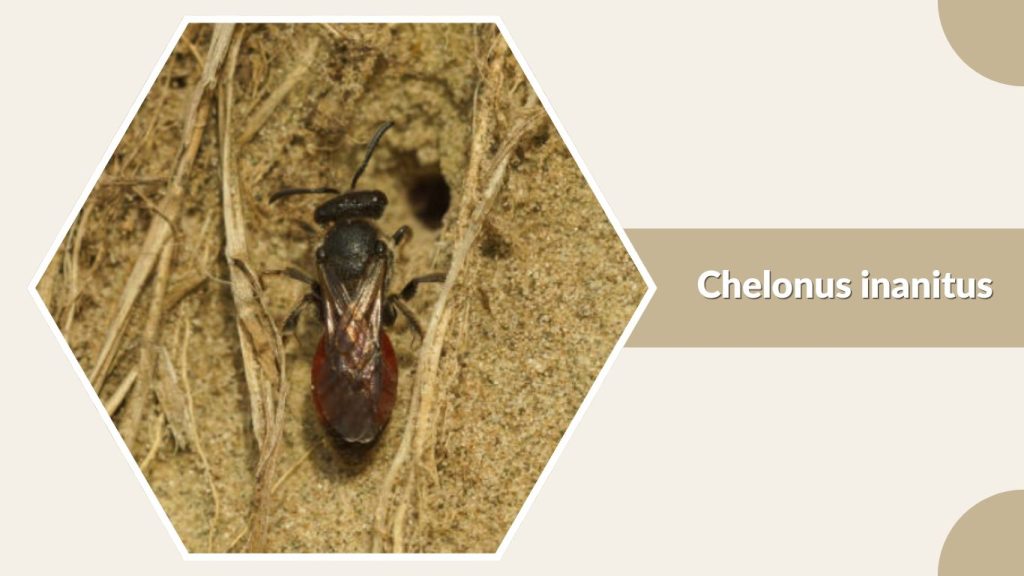
Chelonus inanitus is a braconid wasp species known for parasitizing the eggs and larvae of moth pests. It is highly beneficial in agriculture because it attacks insects before they can seriously damage crops. This species is widely studied for its effectiveness in biological pest control programs.
Identification and Appearance
Chelonus inanitus is a small wasp with a compact black or dark brown body and transparent wings. Unlike many parasitoid wasps, females lay eggs directly into the eggs of host insects. The developing larvae continue growing inside the host as it matures, eventually killing it.
Characteristics
- Parasitizes moth eggs and larvae
- Small dark-colored compact body
- Transparent wings and long antennae
- Females inject eggs into host eggs
- Effective biological control insect
- Common in crop-growing regions
- Harmless to humans and animals
Habitat and Distribution
This species is commonly found in agricultural fields, gardens, and greenhouses where moth pests are abundant. It thrives in warm and temperate climates and adapts well to cultivated environments with suitable host populations.
Importance in Agriculture
Chelonus inanitus helps farmers manage destructive moth pests naturally. By attacking pests at early developmental stages, it reduces crop damage and lowers pesticide use. Its effectiveness makes it an important species in integrated pest management systems.
17. Vipio mlokossewiczi
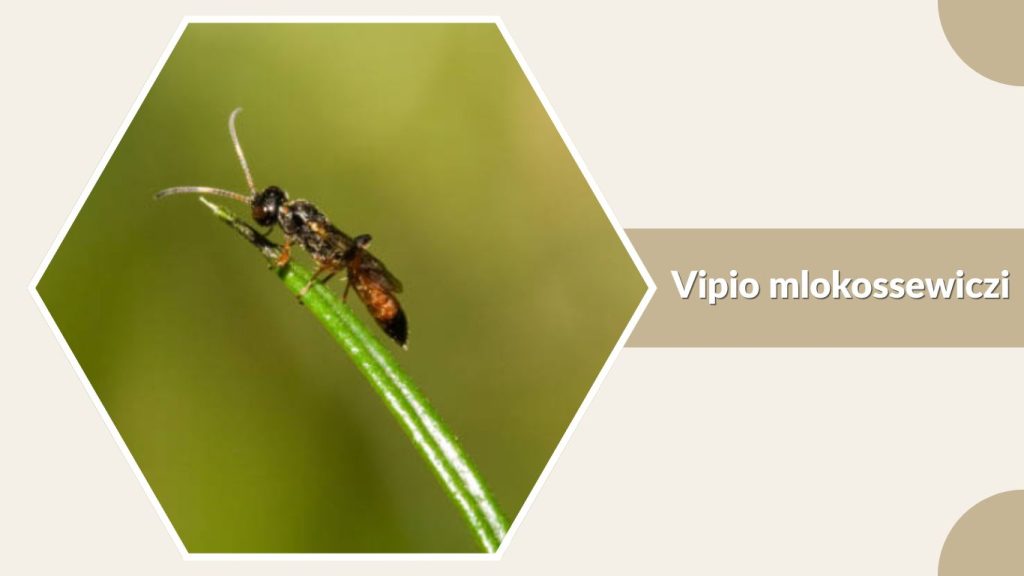
Vipio mlokossewiczi is a parasitic braconid wasp that primarily attacks wood-boring insect larvae. It is an important beneficial insect in forest ecosystems because it helps reduce populations of pests that weaken trees and woody plants.
Identification and Appearance
Vipio mlokossewiczi has a long, slender body that is generally dark brown or black with clear wings. Females possess an elongated ovipositor used to reach larvae hidden deep inside wood or bark. Its strong flight ability helps it search efficiently for concealed hosts.
Characteristics
- Parasitoid of wood-boring insect larvae
- Long slender dark-colored body
- Transparent wings with narrow shape
- Females have elongated ovipositors
- Important for forest pest management
- Common in wooded environments
- Harmless to humans and pets
Habitat and Distribution
This wasp is mainly found in forests, orchards, and wooded landscapes where wood-boring insects are common. It occurs in several temperate regions and prefers habitats with mature trees and decaying wood that support host populations.
Importance in Agriculture
Vipio mlokossewiczi contributes to the protection of forests and orchard trees by naturally controlling destructive wood-boring pests. Its parasitic behavior reduces the need for chemical insecticides and supports environmentally sustainable forestry and agricultural practices.
FAQs
What is a braconid wasp?
A braconid wasp is a small parasitic insect belonging to the Braconidae family. These wasps usually lay their eggs inside or on other insects, especially caterpillars and larvae. They are considered beneficial because they naturally control harmful pest populations in farms, gardens, and forests.
Are braconid wasps dangerous to humans?
No, braconid wasps are generally harmless to humans and pets. Most species are tiny and rarely sting people. Their primary focus is locating insect hosts for reproduction, making them beneficial insects rather than dangerous pests in agricultural and natural environments.
What do braconid wasps eat?
Adult braconid wasps commonly feed on nectar, pollen, and plant fluids. Their larvae develop by feeding on host insects such as caterpillars, aphids, or beetle larvae. This feeding behavior helps reduce harmful insect populations naturally in crops and gardens.
Why are braconid wasps important in agriculture?
Braconid wasps are important because they act as natural biological control agents. They help farmers reduce destructive pests without relying heavily on chemical pesticides. This supports environmentally friendly farming practices and promotes healthier ecosystems in agricultural areas.
Where are braconid wasps commonly found?
Braconid wasps are found worldwide in forests, grasslands, farms, orchards, gardens, and greenhouses. They thrive in places where host insects are abundant. Different species prefer different habitats depending on the type of pests they parasitize.