
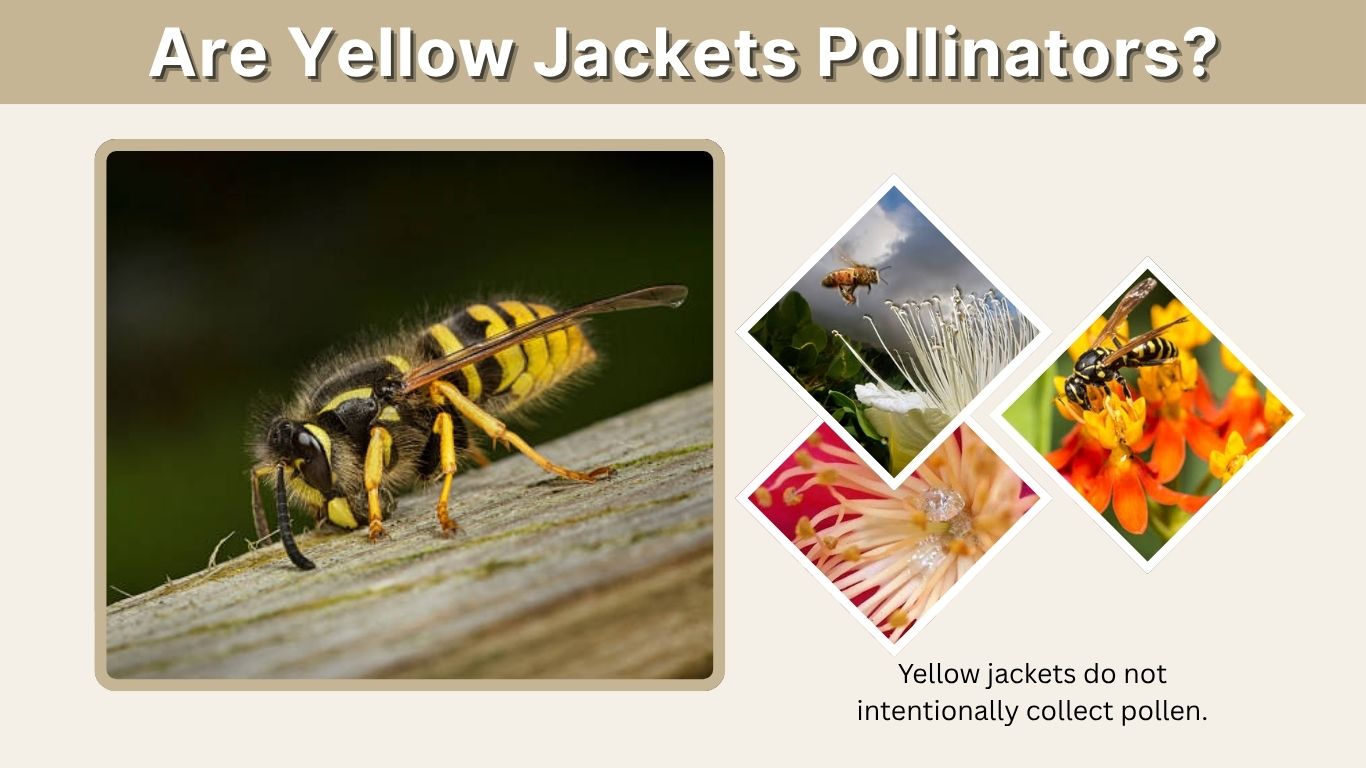
Are Yellow Jackets Pollinators? Their Surprising Role
Yellow jackets are best known for their painful stings and habit of visiting outdoor meals, but they also have a beneficial side. Yellow jackets are … Read More
Yellow jackets are best known for their painful stings and habit of visiting outdoor meals, but they also have a beneficial side. Yellow jackets are … Read More
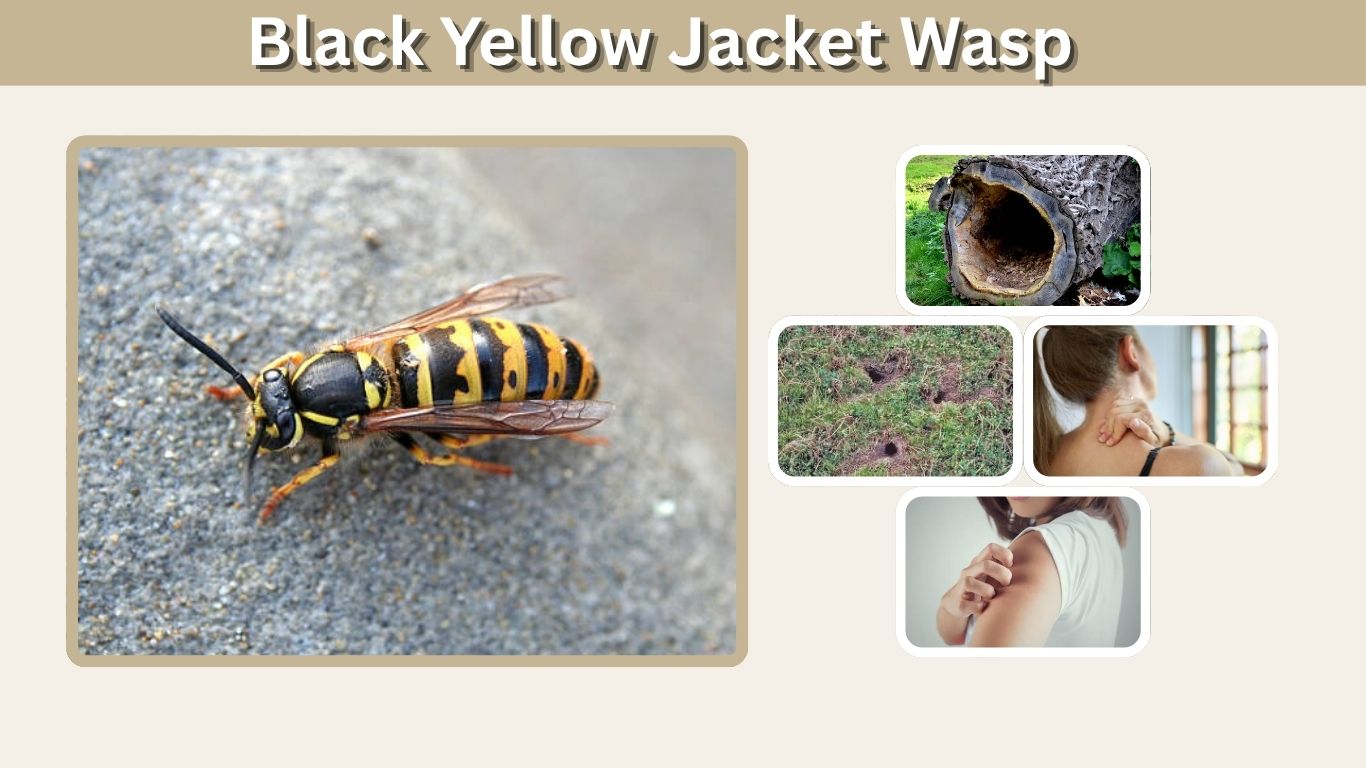
A black yellow jacket is a small social wasp recognized by its bold black-and-yellow markings, smooth body, rapid flight, and painful sting. Although people frequently … Read More
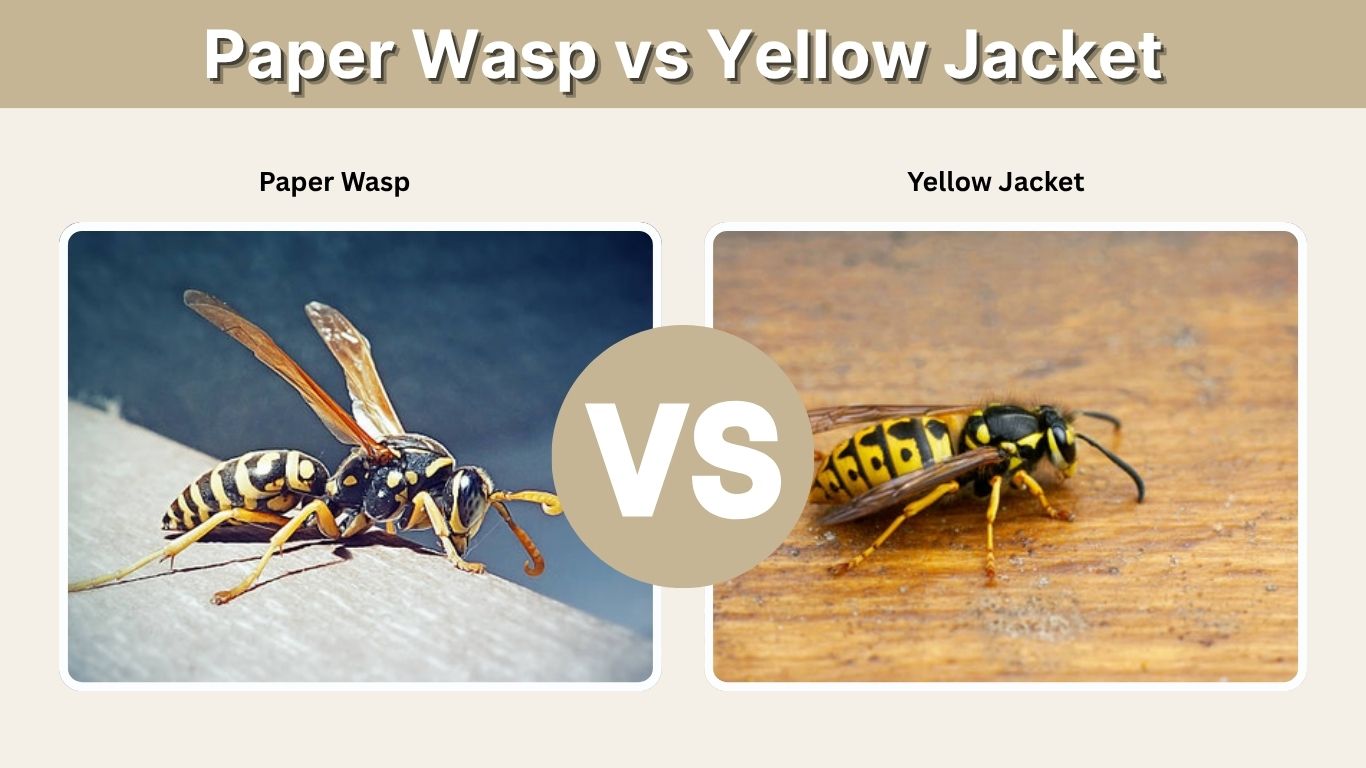
Paper wasps and yellow jackets are often confused because both may have yellow-and-black markings, narrow waists, and painful stings. However, their body shape, nesting habits, … Read More
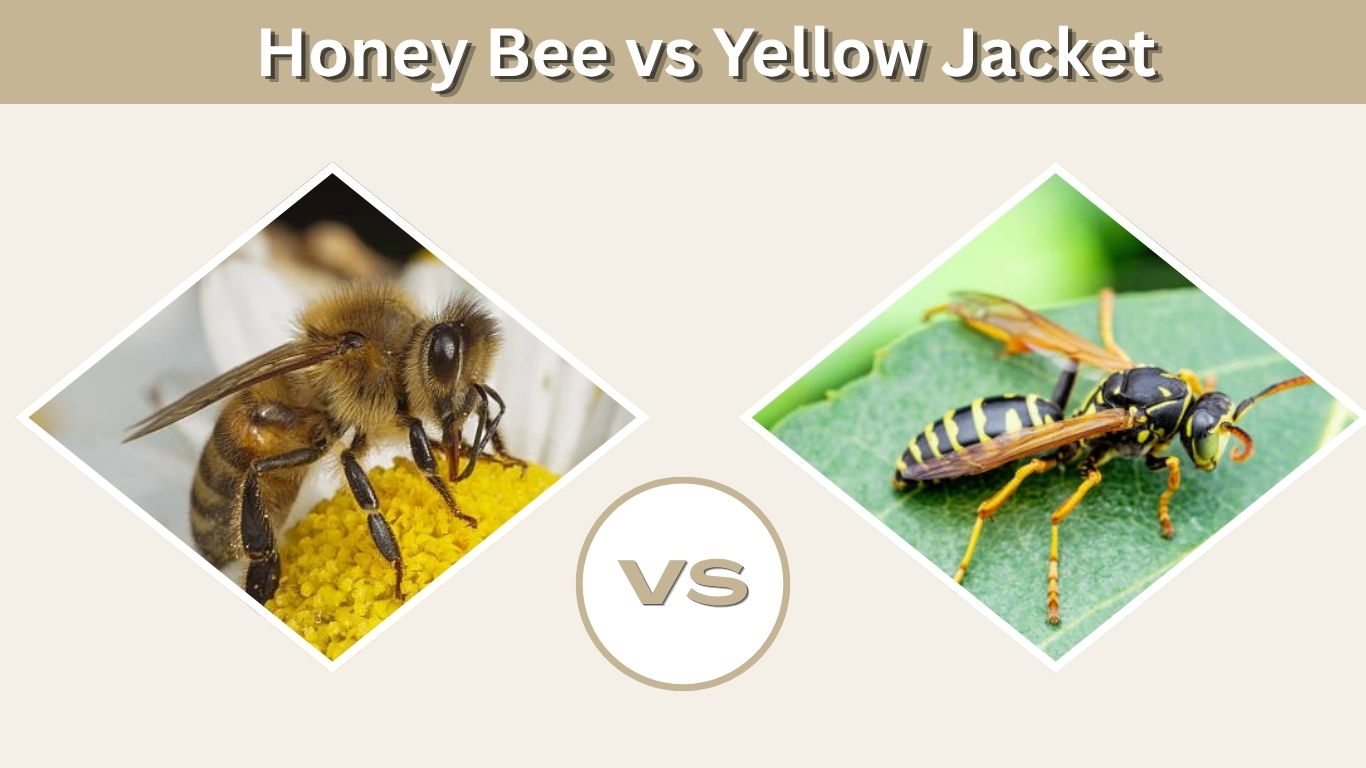
Honey bees and yellow jackets are similar in size, but they are different insects with distinct appearances, diets, nests, and stinging behaviors. A honey bee … Read More
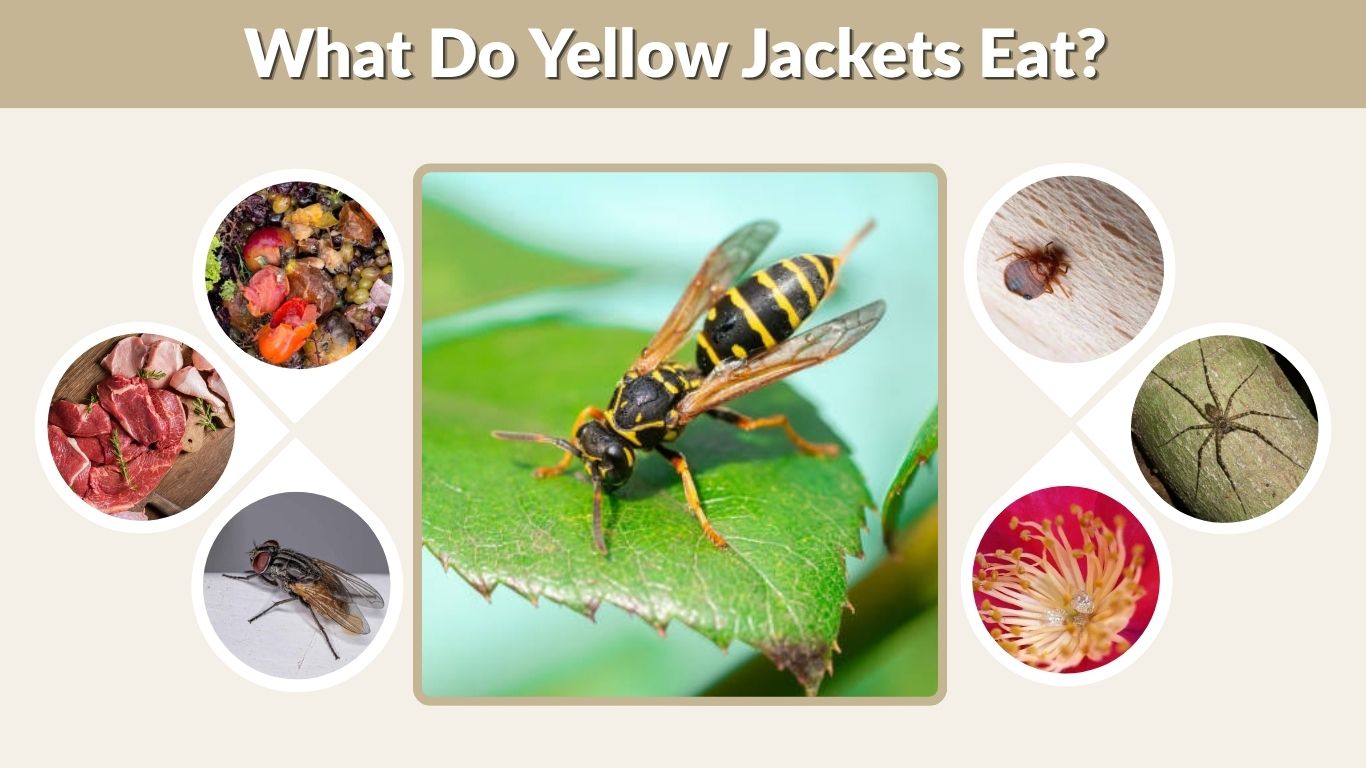
Yellow jackets are opportunistic predators and scavengers that eat both natural foods and human leftovers. Their diet changes with the season and the needs of … Read More
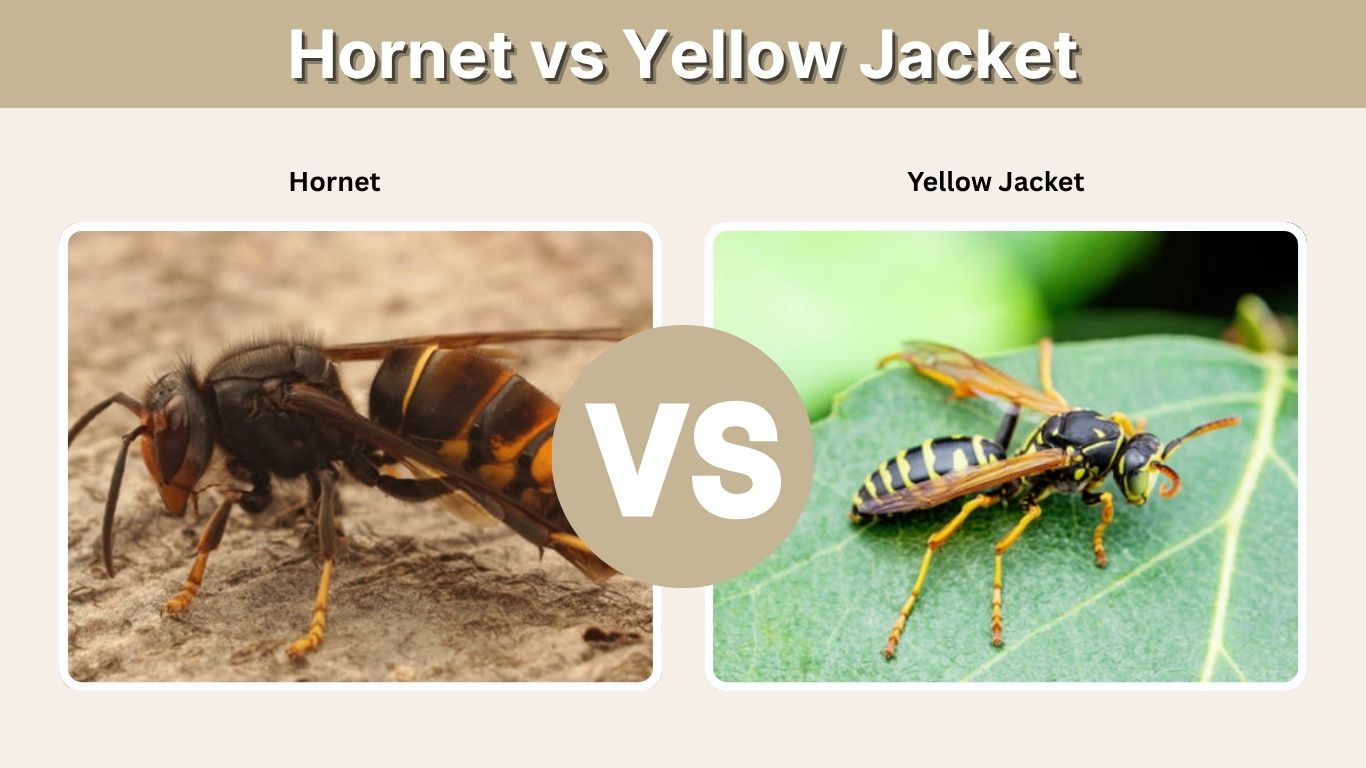
Hornets and yellow jackets are closely related social wasps, but they differ in size, color, nesting habits, and behavior. Yellow jackets are usually small, brightly … Read More
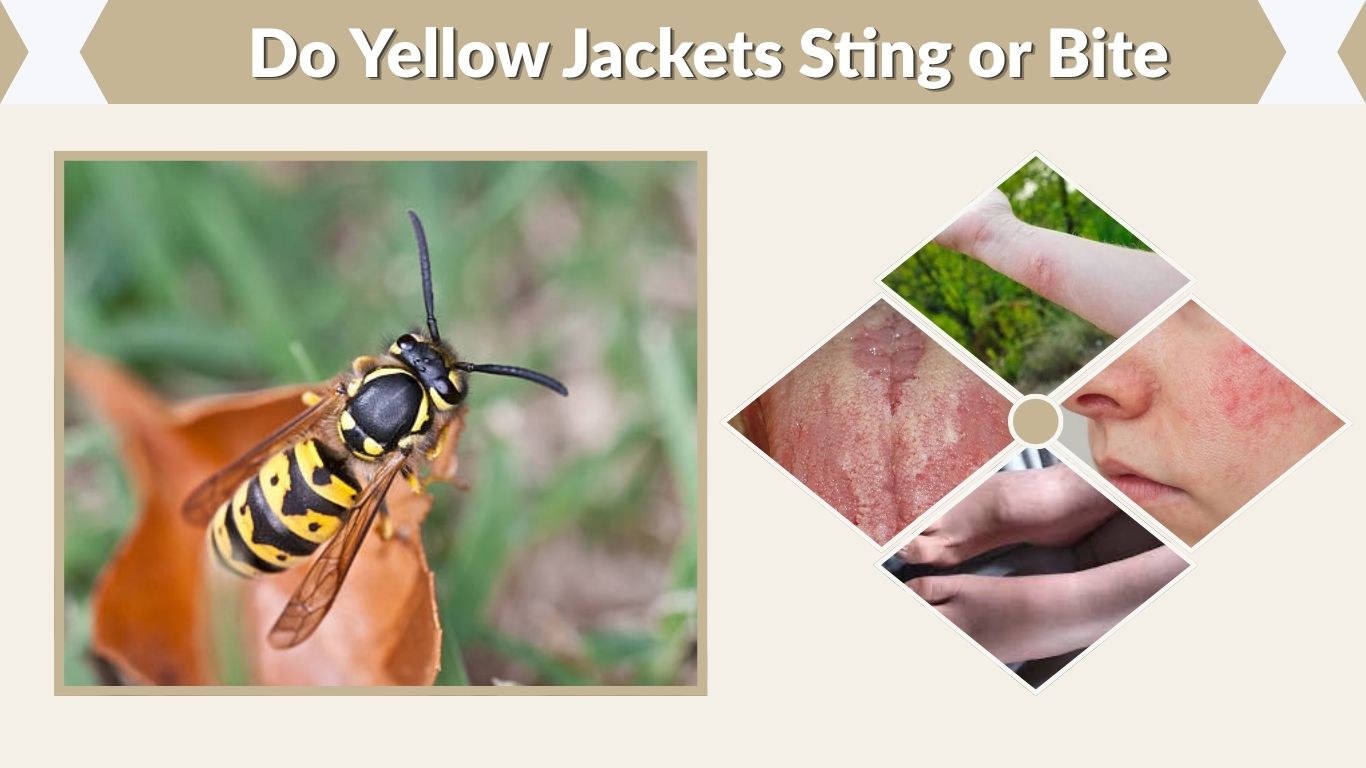
Yellow jackets primarily sting, but they can also use their strong jaws to bite or grip. For humans, the painful injury usually comes from the … Read More
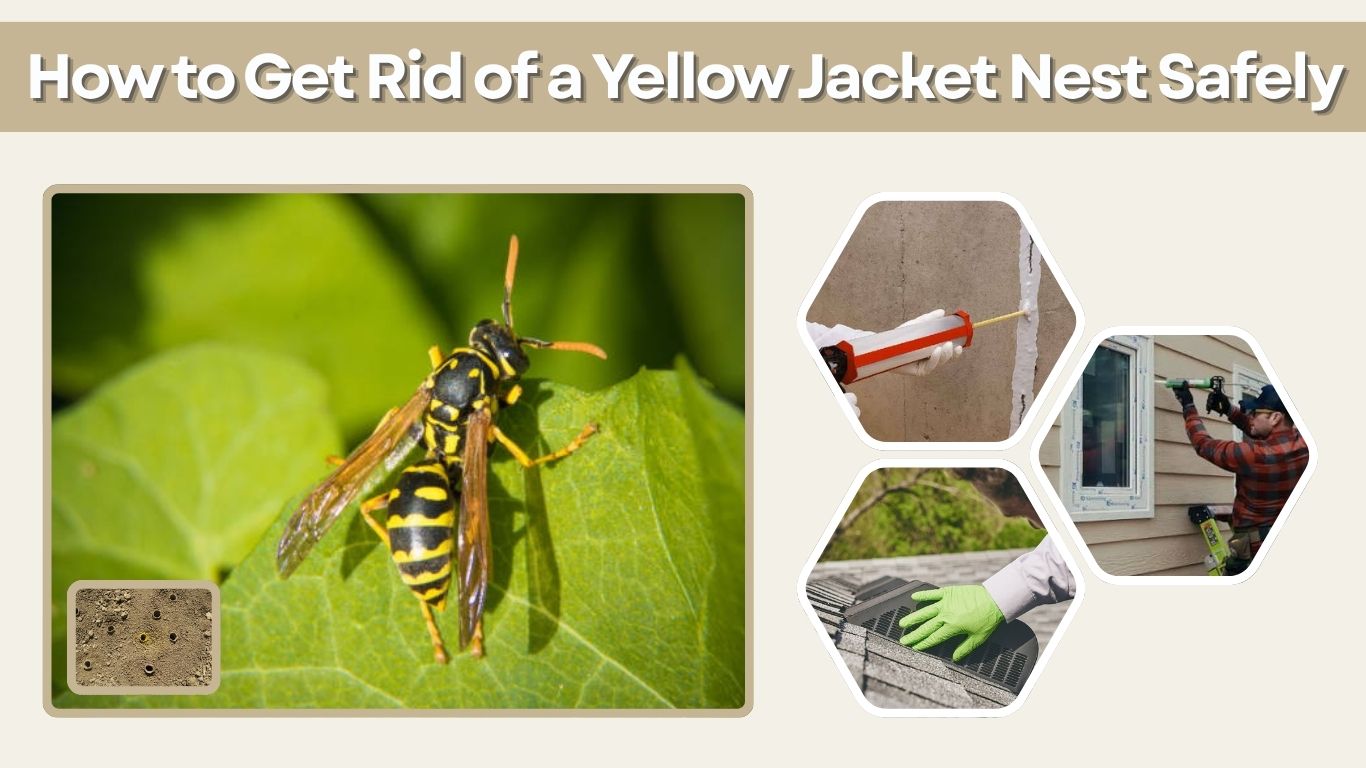
Yellow jacket nests can become dangerous when they are close to your home, yard, deck, attic, siding, or walkway. These wasps are defensive around their … Read More
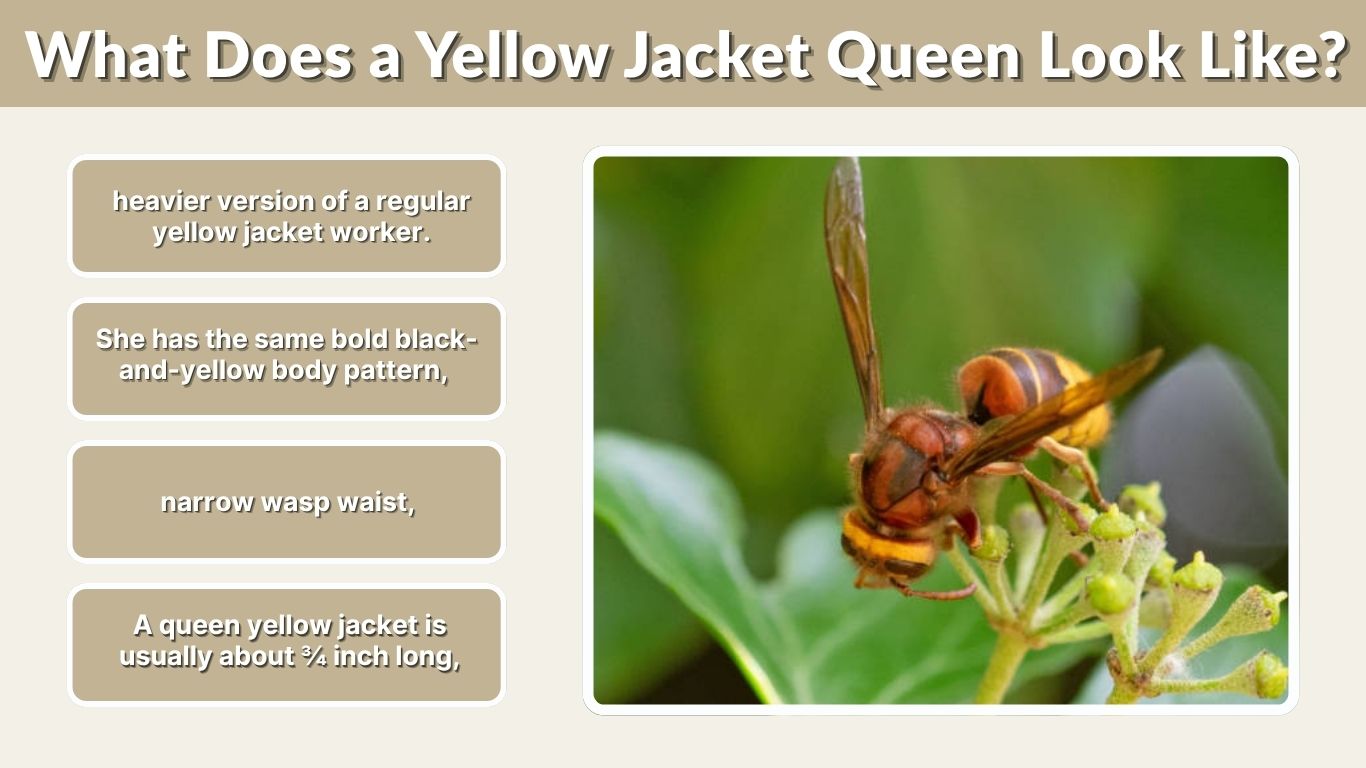
A yellow jacket queen looks like a larger, heavier version of a regular yellow jacket worker. She has the same bold black-and-yellow body pattern, narrow … Read More
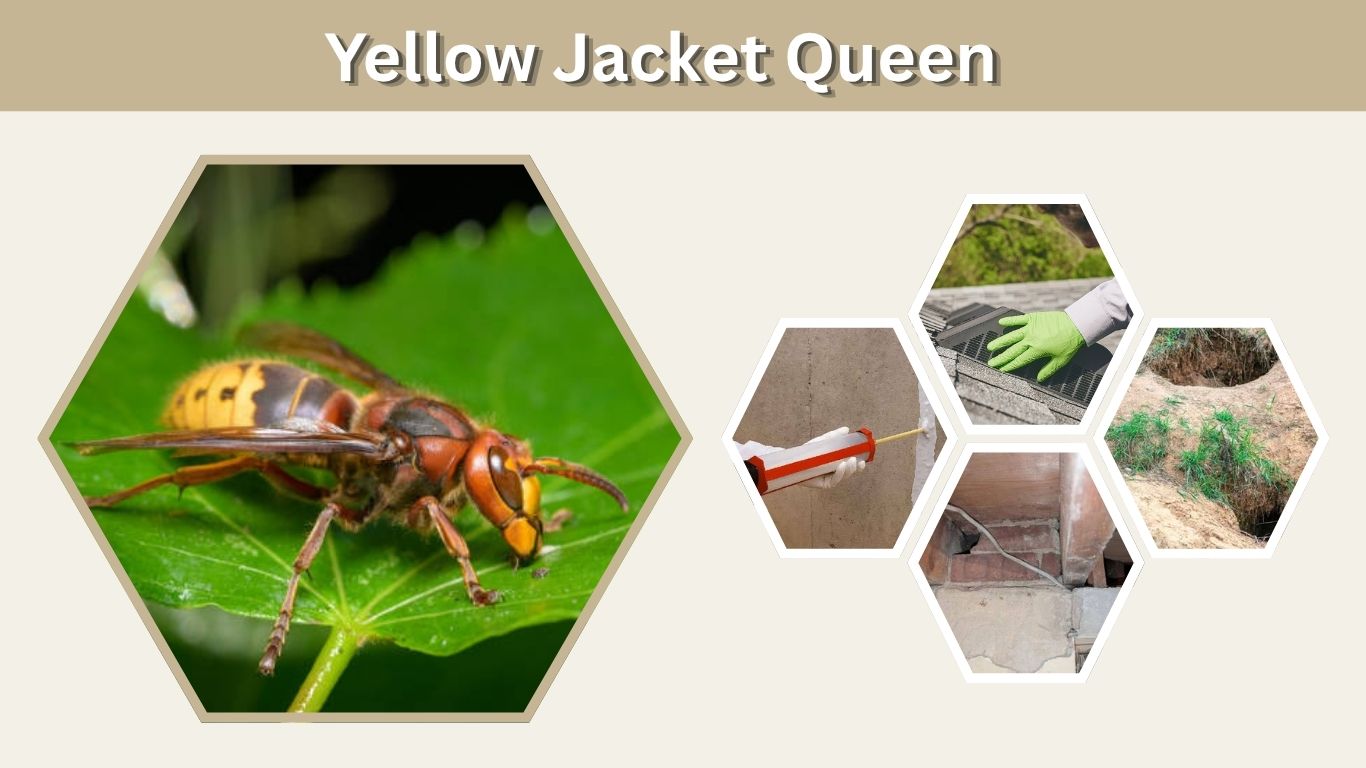
A yellow jacket queen is the most important member of a yellow jacket colony. She starts the nest, lays eggs, and produces the workers that … Read More