
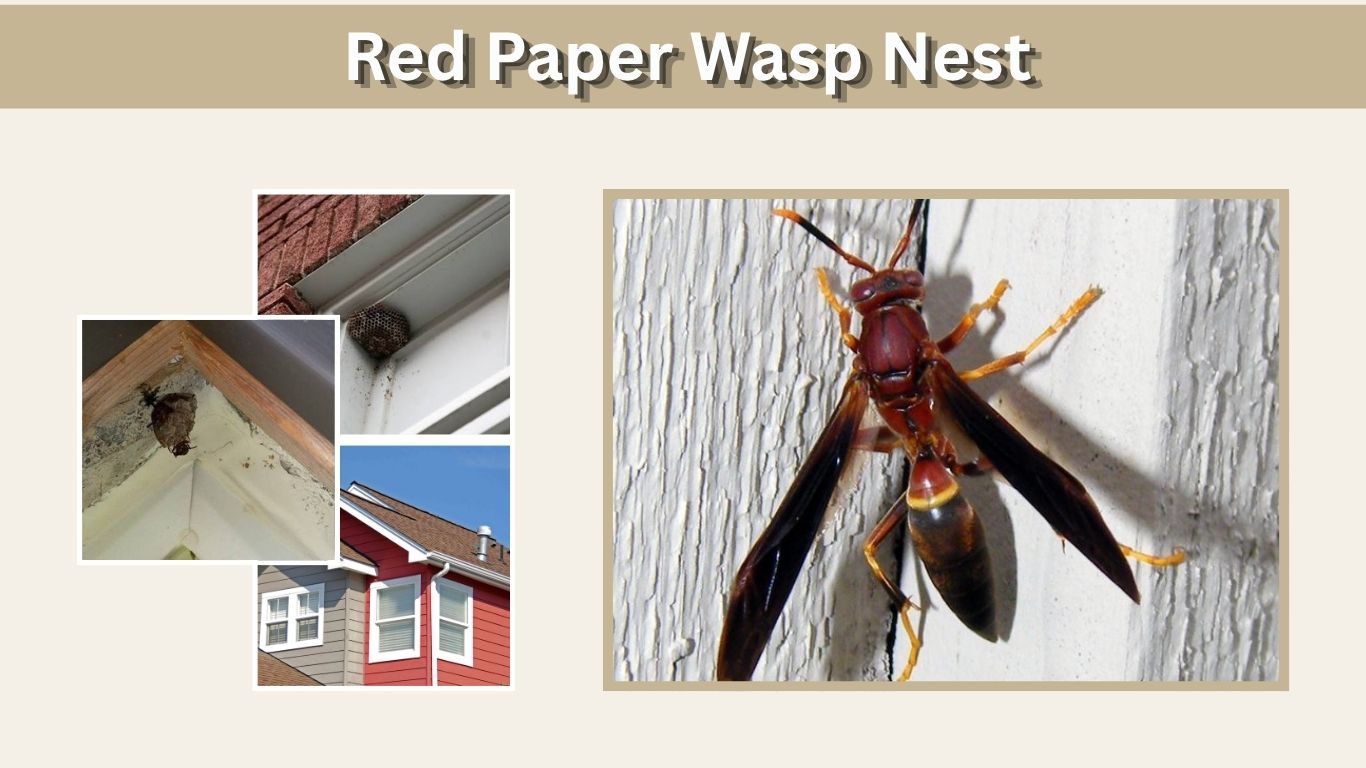
Red Paper Wasp Nest: Location, Size, and Safe Removal
A red paper wasp nest is an open, umbrella-shaped comb made from chewed wood fibers. These nests commonly appear beneath roof eaves, porches, decks, sheds, … Read More
A red paper wasp nest is an open, umbrella-shaped comb made from chewed wood fibers. These nests commonly appear beneath roof eaves, porches, decks, sheds, … Read More
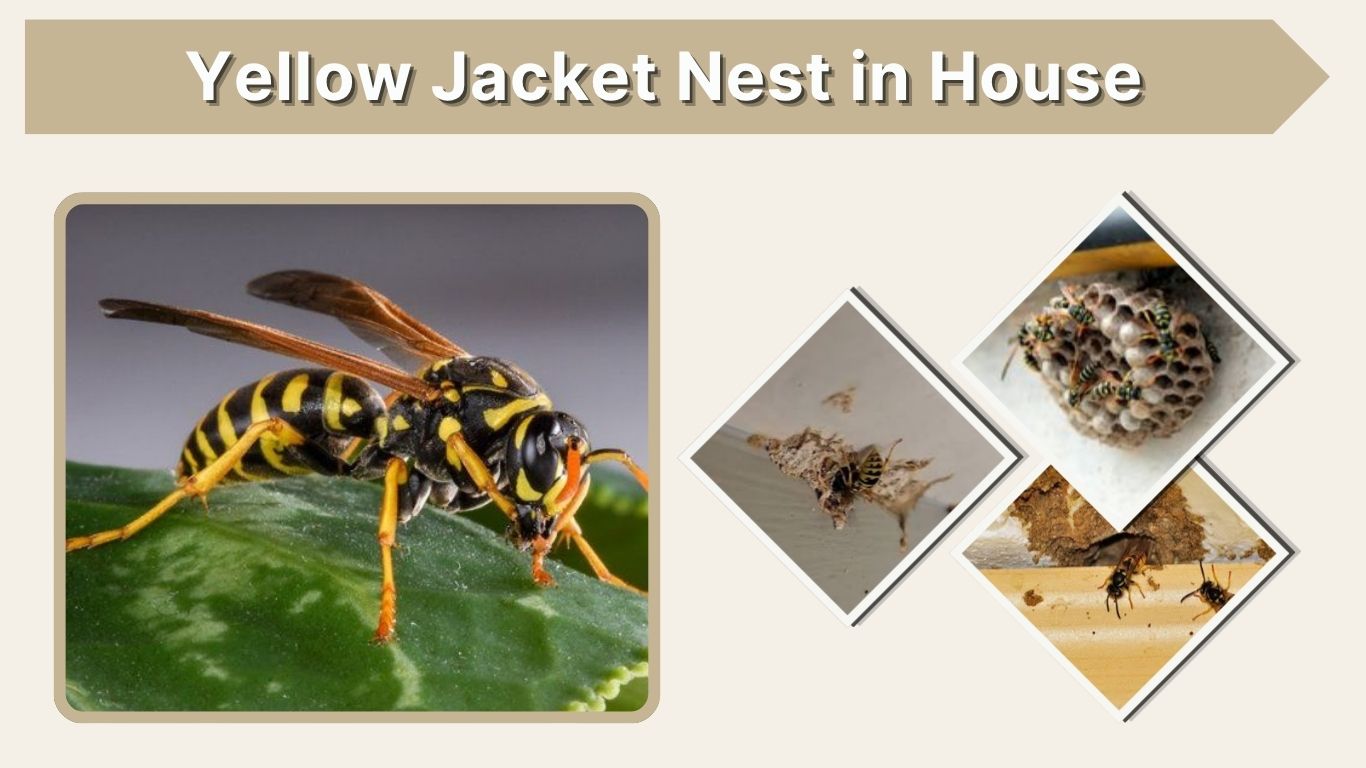
A yellow jacket nest inside a house can create a serious stinging hazard, particularly when the colony is hidden behind siding, inside a wall, beneath … Read More
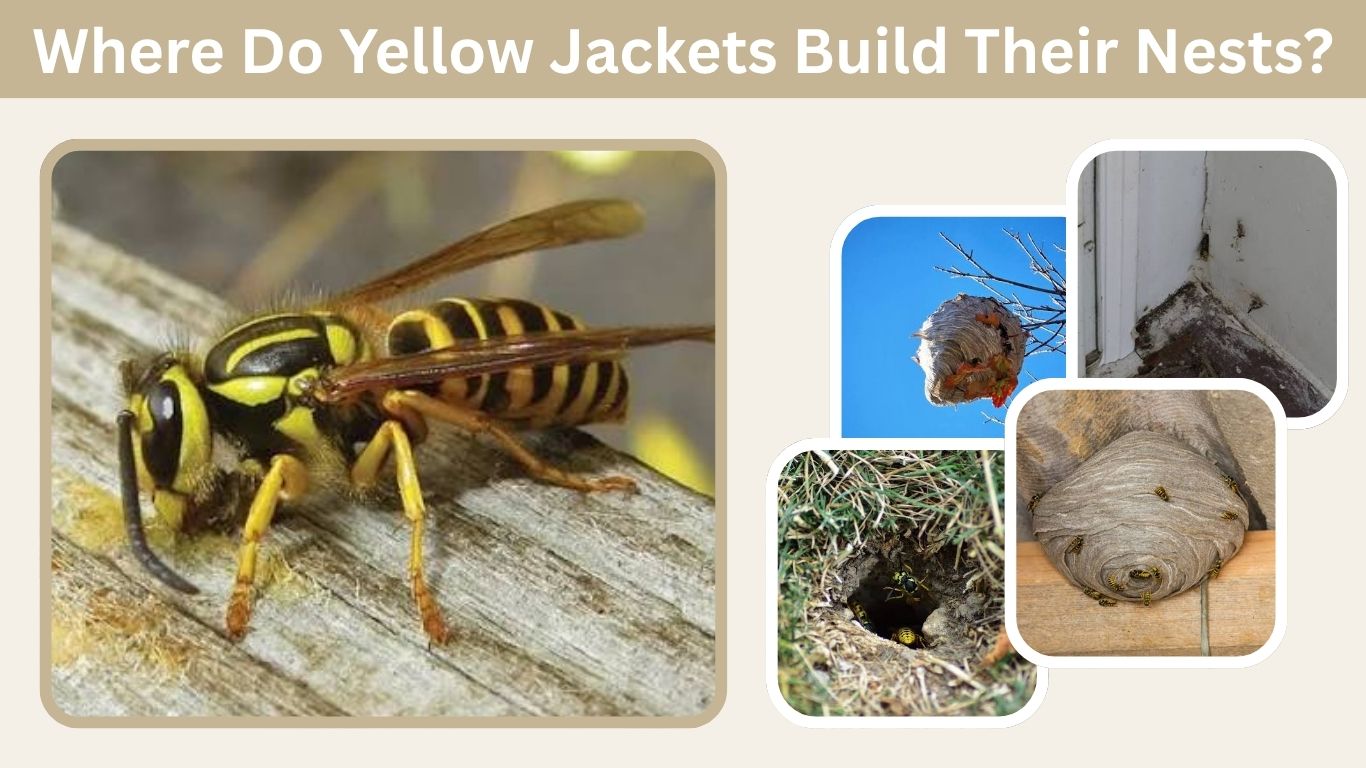
Yellow jackets build nests in protected places where rain, predators, and human activity are less likely to disturb the colony. Many species nest underground in … Read More
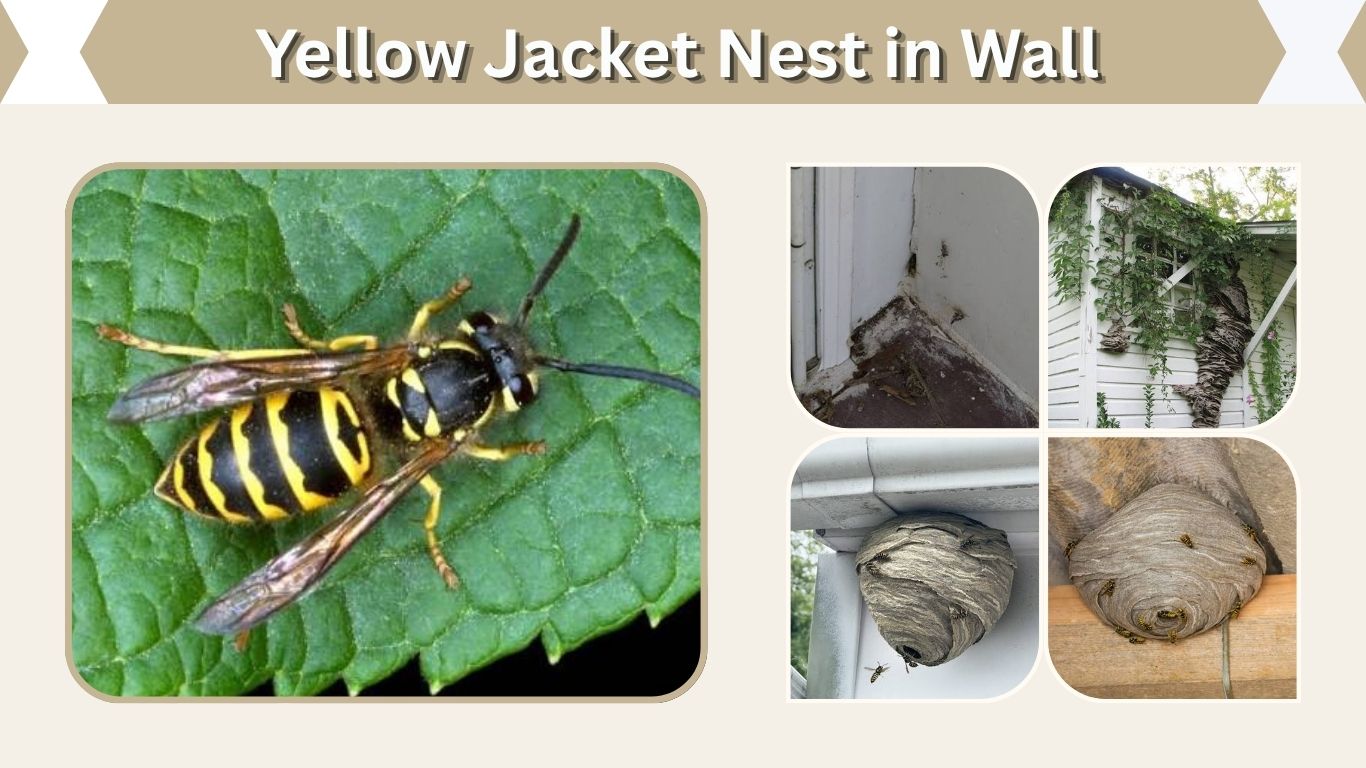
A yellow jacket nest in a wall can remain hidden for weeks while the colony grows inside the structure. Homeowners may first notice wasps entering … Read More
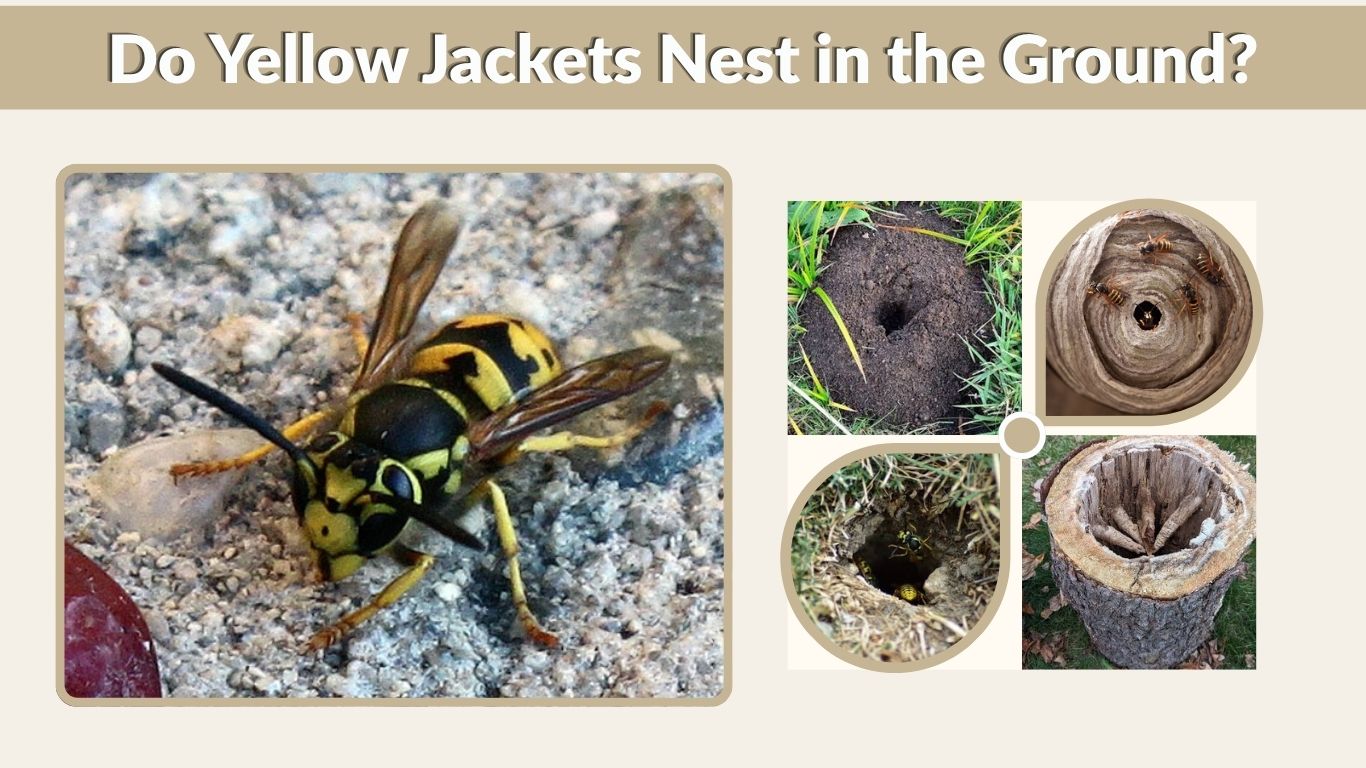
Yes, many yellow jacket species build nests in the ground, commonly inside abandoned rodent burrows and other protected soil cavities. The visible entrance may be … Read More
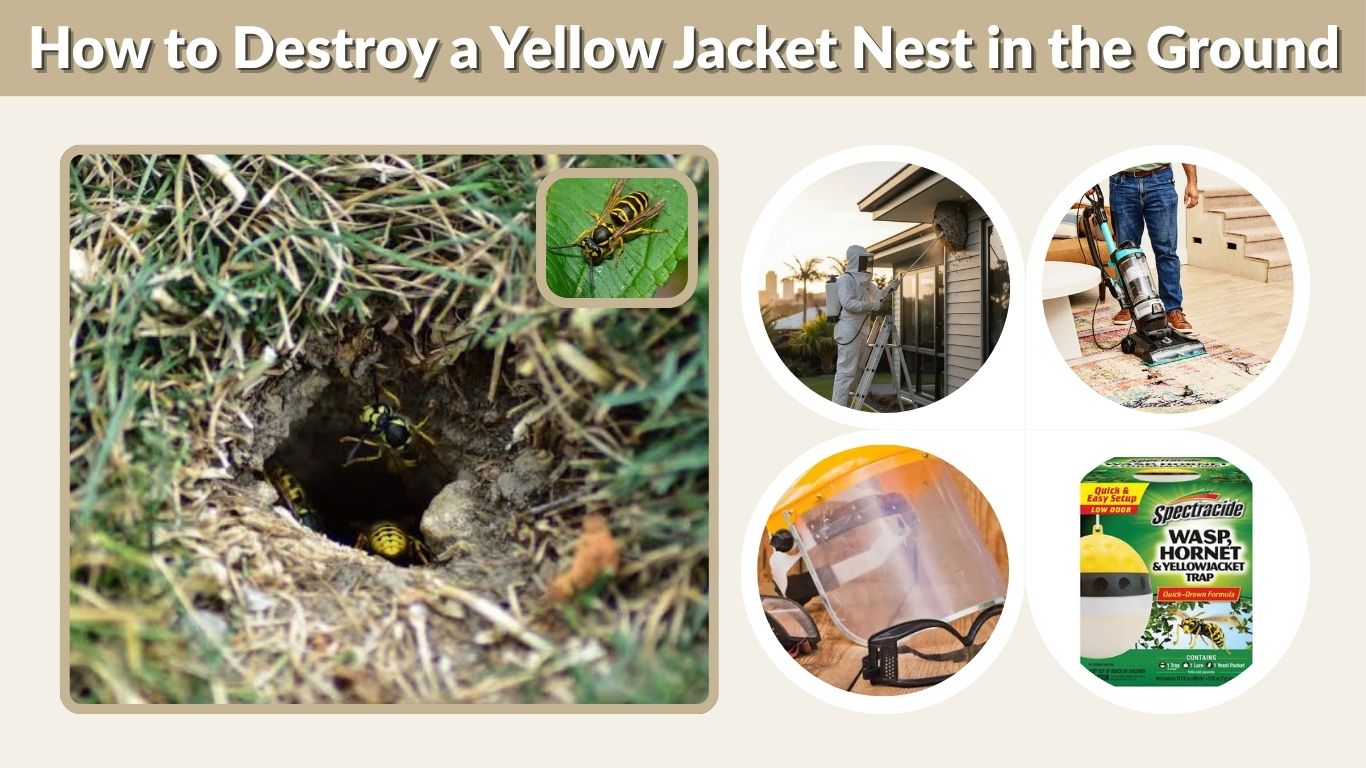
An underground yellow jacket nest can become dangerous when it is near a walkway, lawn, play area, doorway, or garden. Yellow jackets aggressively defend their … Read More
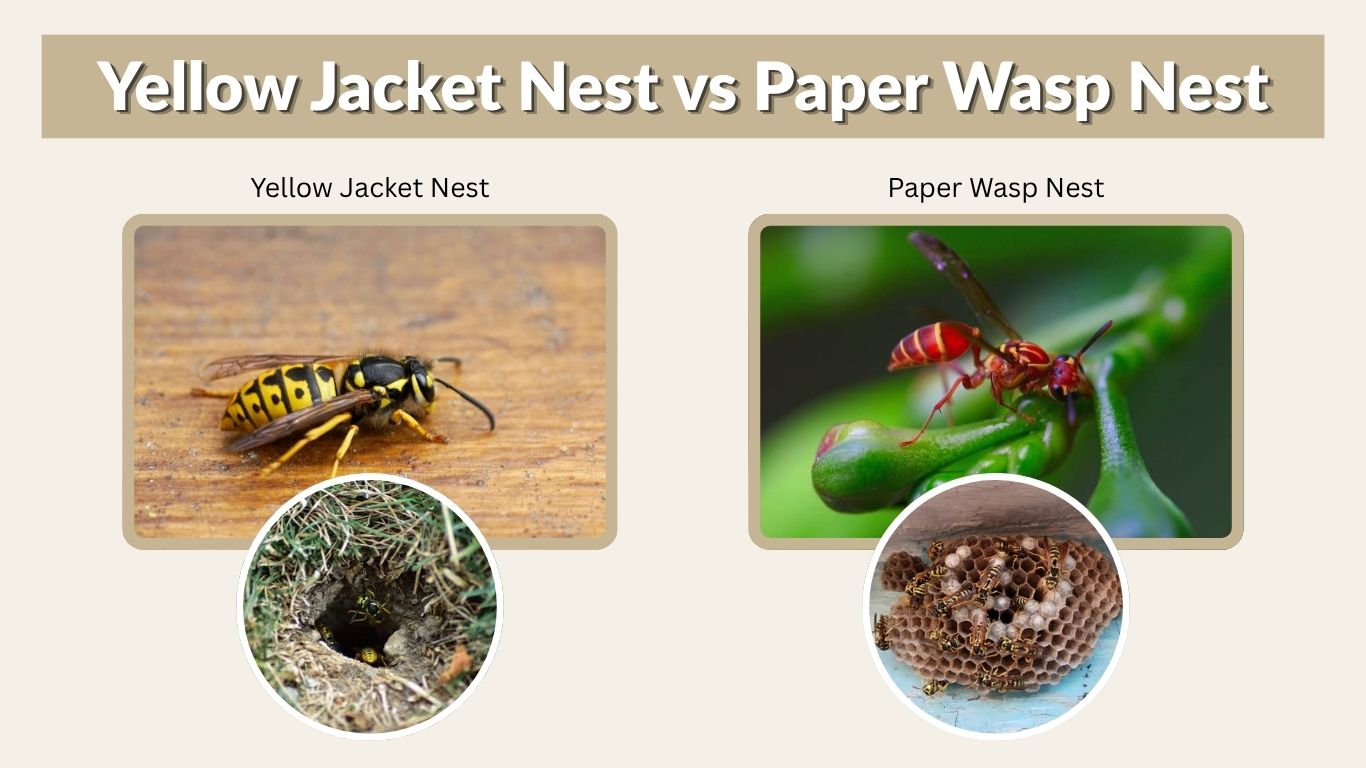
A paper wasp nest usually looks like a small, upside-down umbrella with uncovered hexagonal cells. A yellow jacket nest is typically enclosed by a layered … Read More
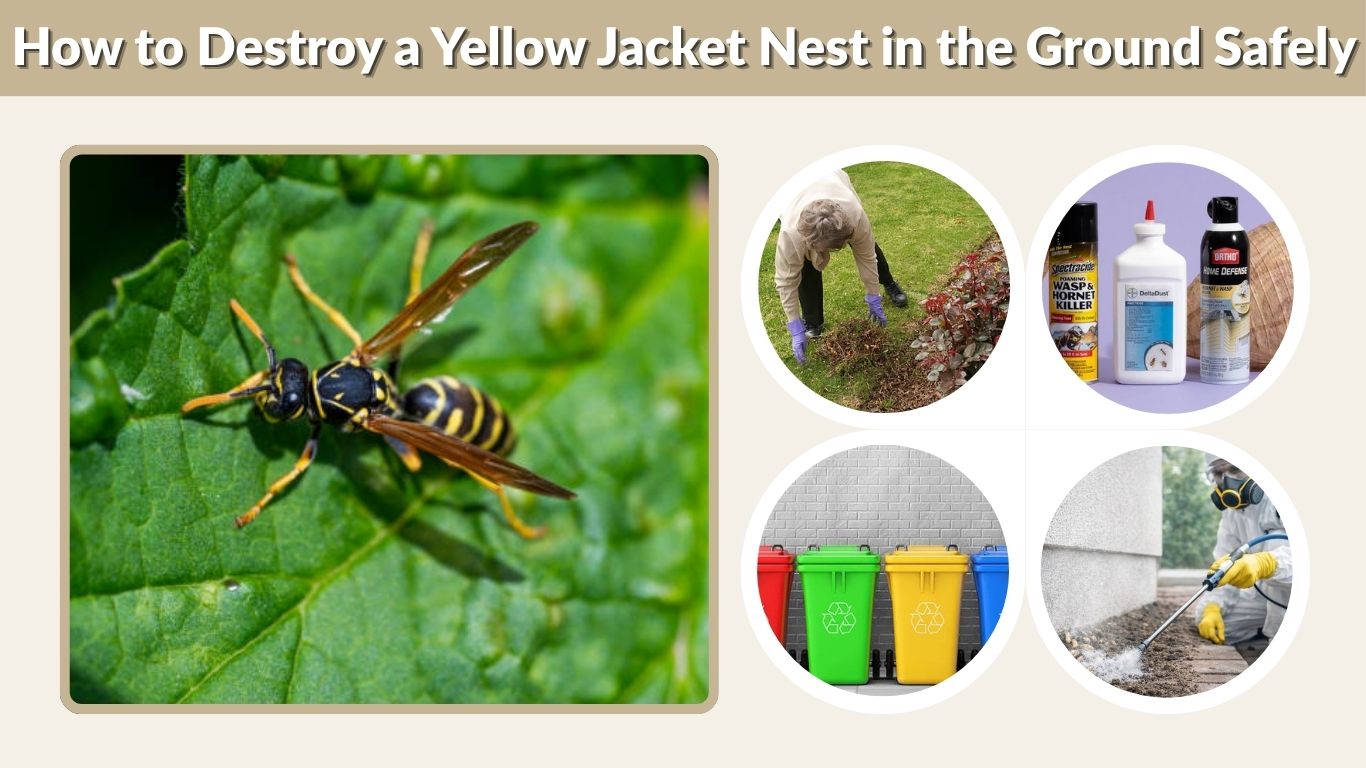
Finding yellow jackets flying into a small hole in your lawn can be alarming. These social wasps often occupy abandoned rodent burrows and other underground … Read More
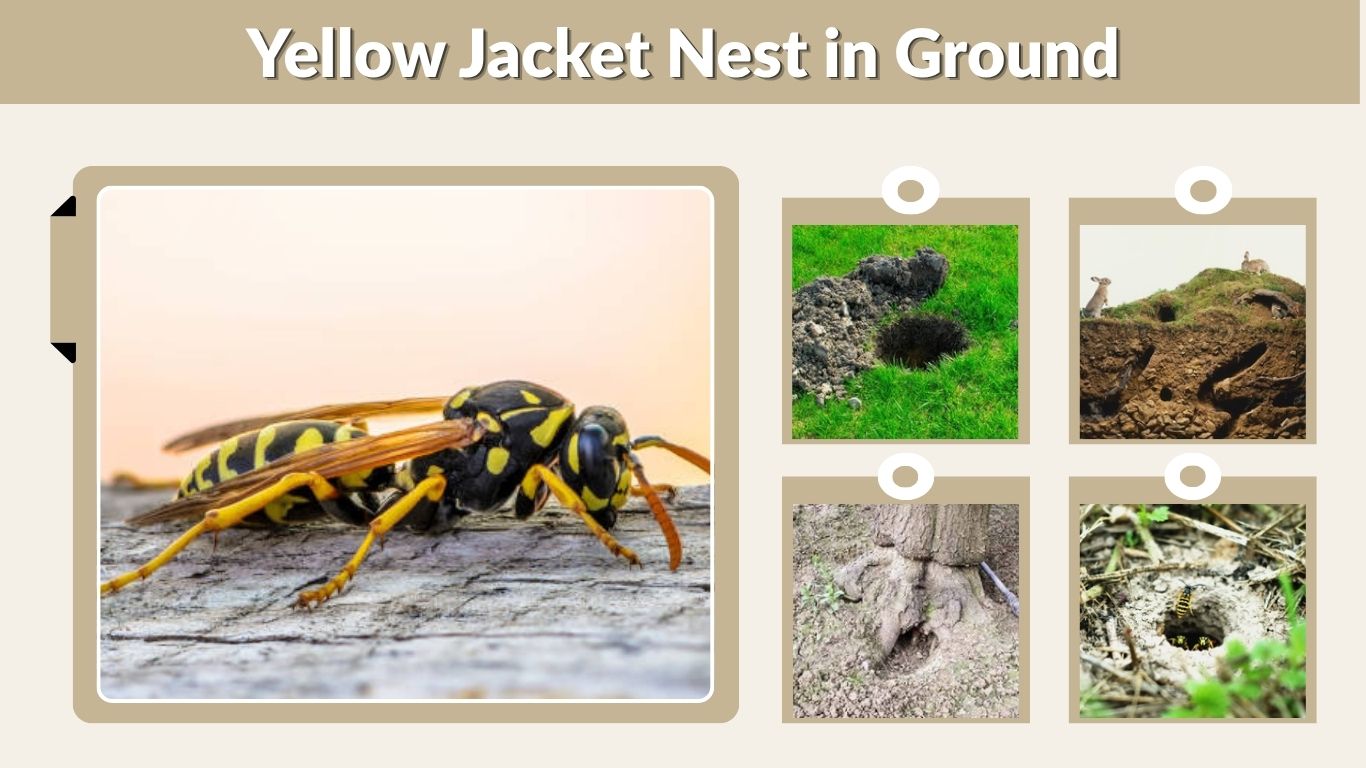
A yellow jacket nest in the ground can be difficult to notice until someone walks nearby, operates a lawn mower, or accidentally disturbs its entrance. … Read More
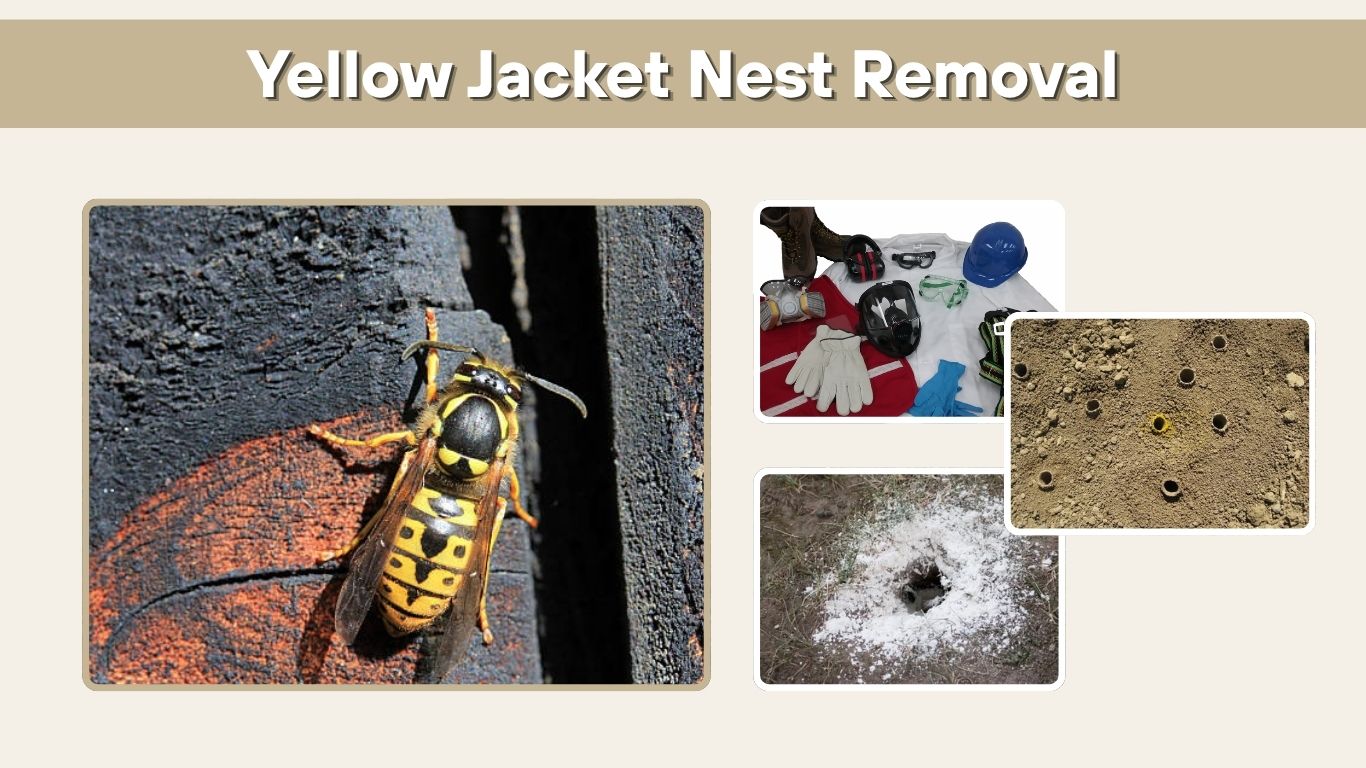
Yellow jacket nest removal can be dangerous because these social wasps aggressively defend their colony and may sting repeatedly. Nests may be underground, beneath decks, … Read More