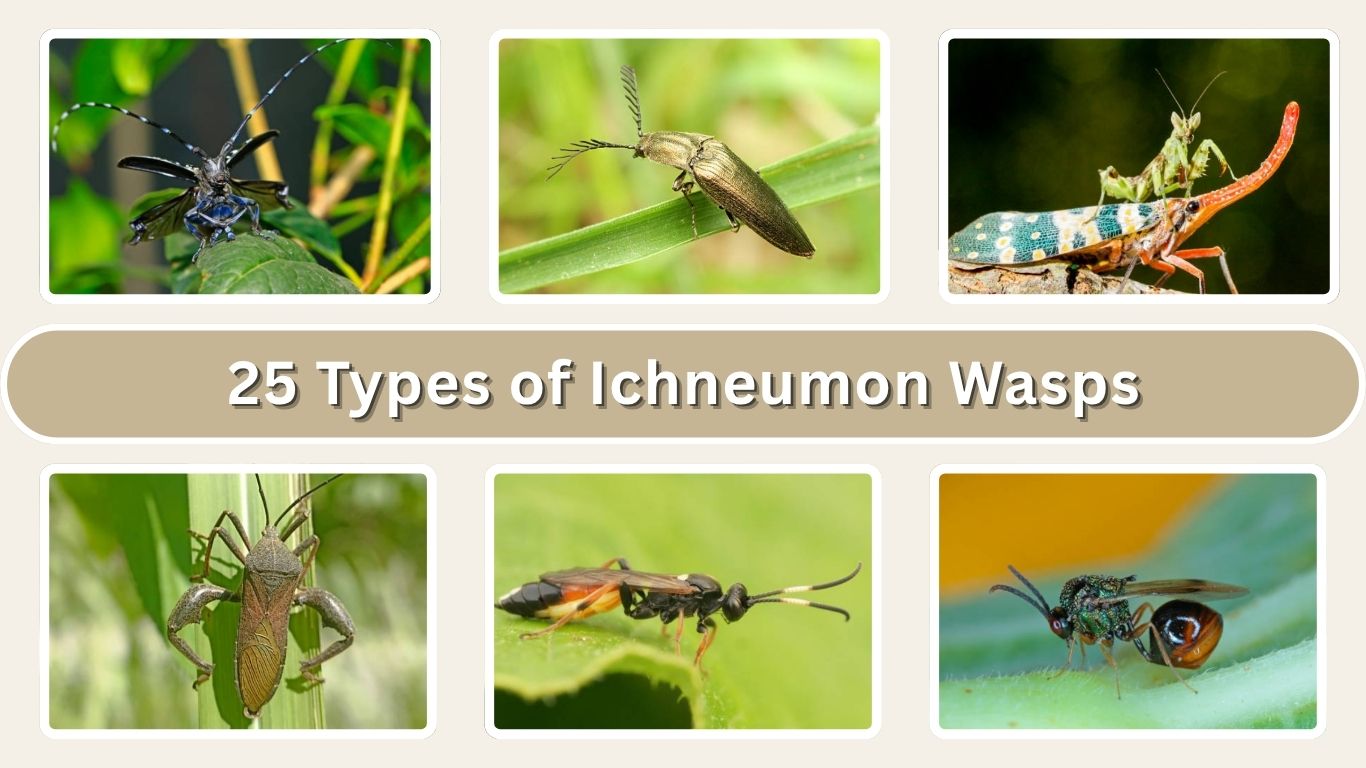
Ichneumon wasps are a diverse group of parasitoid insects known for their long bodies and remarkable ability to control pest populations in nature. They play a crucial ecological role by laying their eggs inside or on other insects, especially caterpillars and wood-boring larvae. Although their appearance can seem intimidating, most ichneumon wasps are harmless to humans and highly beneficial to ecosystems, agriculture, and forestry.
1. Giant Ichneumon Wasp
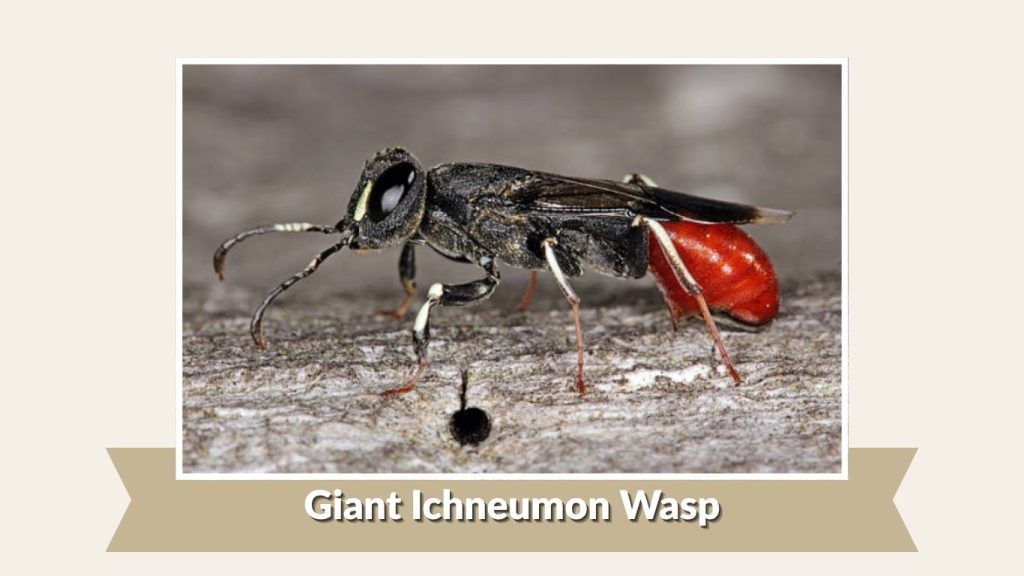
The Giant Ichneumon Wasp is one of the most fascinating members of the ichneumon wasp family. Known for its extremely long body and needle-like ovipositor, this insect is often mistaken for a dangerous stinging wasp. In reality, it is harmless to humans and plays an important role in forest ecosystems by helping control wood-boring insect populations.
Identification
- Large, slender black body
- Reddish-brown legs
- Very long ovipositor in females
- Transparent amber-colored wings
- Body length can reach over 2 inches
- Slow-moving and non-aggressive behavior
Habitat
Giant Ichneumon Wasps are commonly found in forests, woodlands, gardens, and areas with dead or decaying trees. Females search for tree trunks containing wood-boring larvae, especially pigeon horntail larvae. Using their long ovipositor, they drill deep into the wood and lay eggs inside the host insect. Their larvae then develop by feeding on the host, making these wasps effective natural pest controllers.
Behavior
Despite their intimidating appearance, Giant Ichneumon Wasps rarely interact with humans and do not attack people. Adults are often seen flying slowly around fallen logs or tree bark during warm months. They mainly feed on nectar and tree sap, while their larvae survive as parasitoids inside other insects. This unique life cycle helps maintain ecological balance in forest environments.
2. Short-tailed Ichneumon Wasp
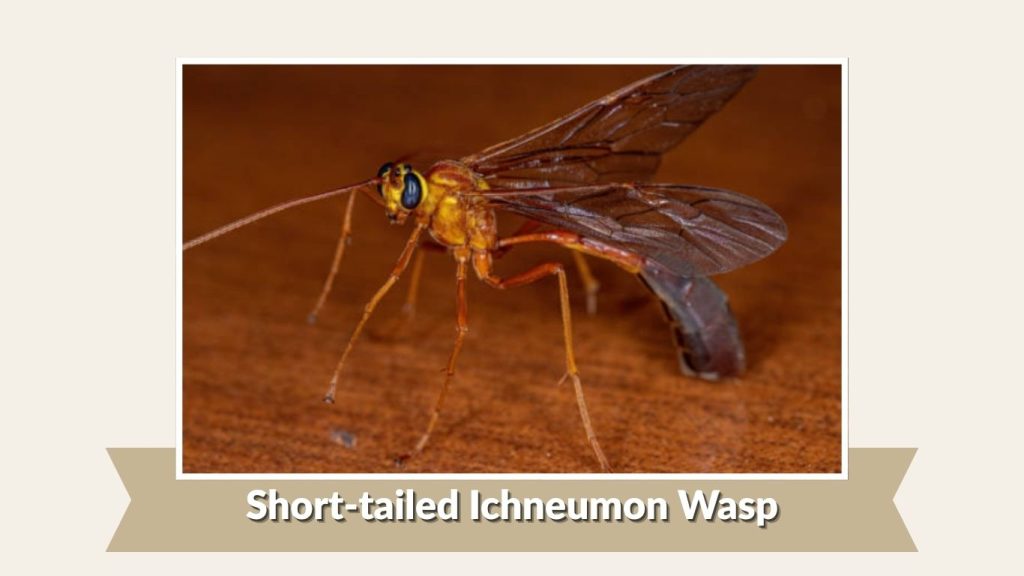
The Short-tailed Ichneumon Wasp is a smaller and less noticeable species compared to the giant varieties. It belongs to the large ichneumon wasp family and is valued for its role in controlling harmful insects. These wasps are harmless to humans and are commonly seen around gardens, shrubs, and wooded habitats during warmer seasons.
Identification
- Slim black or dark brown body
- Shorter ovipositor than many ichneumon wasps
- Long antennae with many segments
- Narrow waist and delicate appearance
- Transparent wings with dark veins
- Usually around 1–2 centimeters long
Habitat
Short-tailed Ichneumon Wasps live in forests, meadows, gardens, and farmland areas where host insects are abundant. They are especially attracted to locations with caterpillars, beetle larvae, or other soft-bodied insects. Females search leaves, bark, and stems for suitable hosts where they can lay eggs. Because they help reduce pest populations naturally, these wasps are considered beneficial insects in agriculture and gardening.
Behavior
These wasps are active during the daytime and are often seen flying quietly among plants. Adult wasps feed mainly on flower nectar and sugary substances, while their larvae develop inside host insects. The larvae slowly consume the host as they grow. Although their appearance may seem alarming, Short-tailed Ichneumon Wasps are non-aggressive and rarely come into contact with people.
3. Darwin Wasp
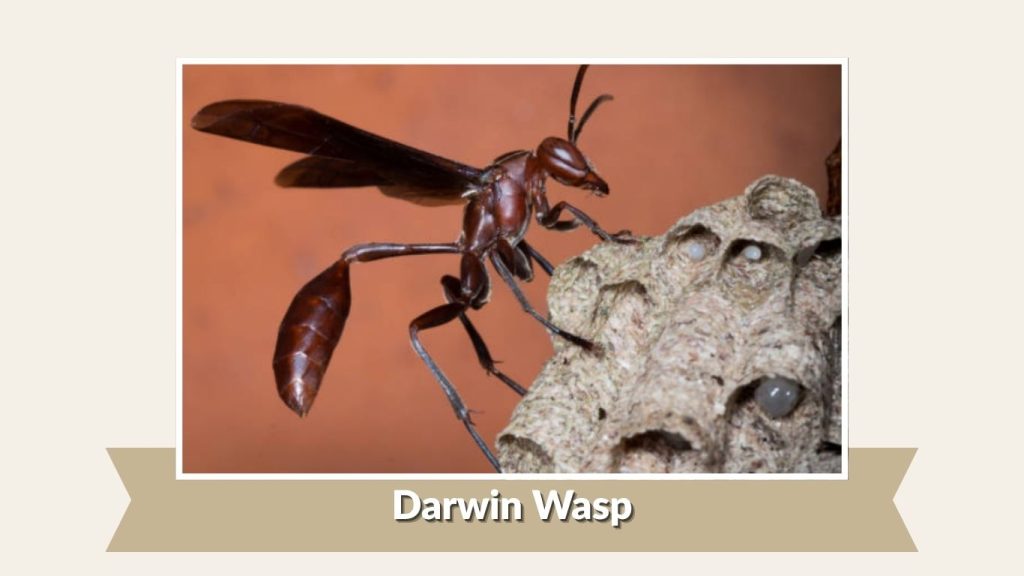
The Darwin Wasp is a remarkable ichneumon wasp known for its complex parasitic behavior and important ecological role. Like many ichneumon wasps, it helps control populations of caterpillars and other insects in natural environments. These wasps are commonly studied because of their unique reproductive methods and highly specialized life cycle.
Identification
- Slender black or dark reddish body
- Long segmented antennae
- Thin waist with elongated abdomen
- Females often have a visible ovipositor
- Clear wings with delicate vein patterns
- Medium-sized body with graceful movement
Habitat
Darwin Wasps are found in forests, grasslands, gardens, and agricultural regions where host insects are available. They prefer habitats rich in caterpillars, moth larvae, and beetle larvae. Females carefully search plants, bark, or leaf surfaces to locate suitable hosts for egg-laying. These wasps are especially common in areas with healthy vegetation and balanced insect populations.
Behavior
Darwin Wasps are solitary insects and spend much of their time searching for hosts. After locating a suitable insect, the female deposits an egg inside or on the host’s body. Once hatched, the larva feeds on the host and eventually completes its development. Adult wasps mainly consume nectar and plant fluids. Although they may look intimidating because of their long bodies and ovipositors, Darwin Wasps are harmless to humans and rarely show aggressive behavior.
4. Cryptus Ichneumon Wasp
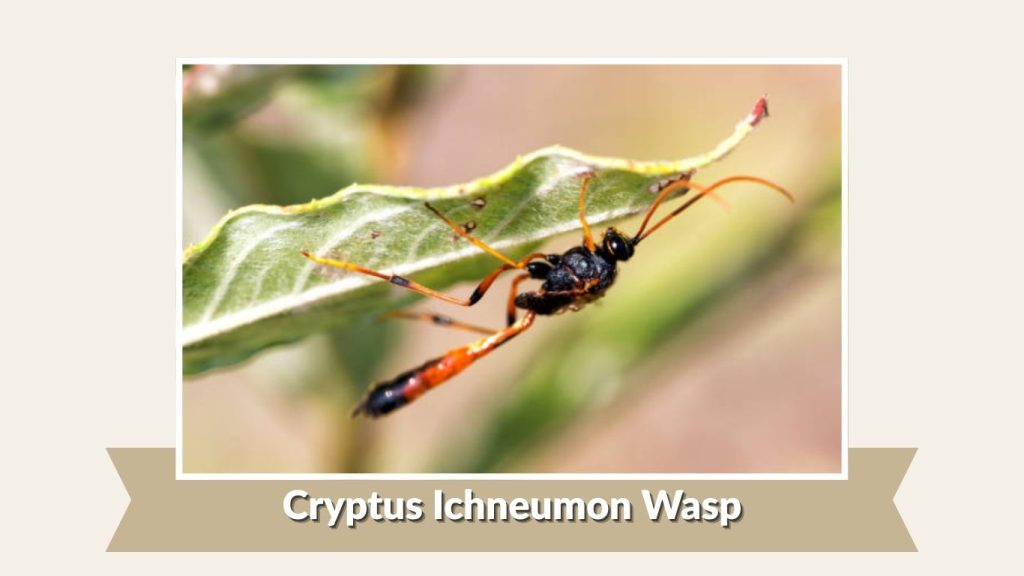
The Cryptus Ichneumon Wasp is a small parasitic wasp belonging to the large ichneumon family. It is known for helping maintain ecological balance by targeting the larvae and pupae of other insects. Although not as visually striking as larger ichneumon species, it plays an important role in natural pest control within forests, gardens, and agricultural areas.
Identification
- Slender black or brown body
- Long thread-like antennae
- Narrow waist and elongated abdomen
- Clear wings with fine dark veins
- Females possess a short ovipositor
- Small to medium body size
Habitat
Cryptus Ichneumon Wasps are commonly found in woodlands, gardens, meadows, and crop fields. They prefer environments where caterpillars, beetle larvae, and moth pupae are abundant. These wasps often hide among leaves, bark, and vegetation while searching for hosts. Their ability to adapt to different habitats allows them to survive in both wild and cultivated landscapes.
Behavior
These wasps are solitary and highly active during warm daylight hours. Females locate hidden insect hosts and deposit eggs inside them using the ovipositor. After hatching, the larva develops by feeding on the host insect. Adult Cryptus Wasps mainly feed on nectar and sugary plant fluids. Despite their parasitic nature toward insects, they are harmless to humans and are considered beneficial because they naturally reduce pest populations without damaging plants.
5. Ophion Ichneumon Wasp
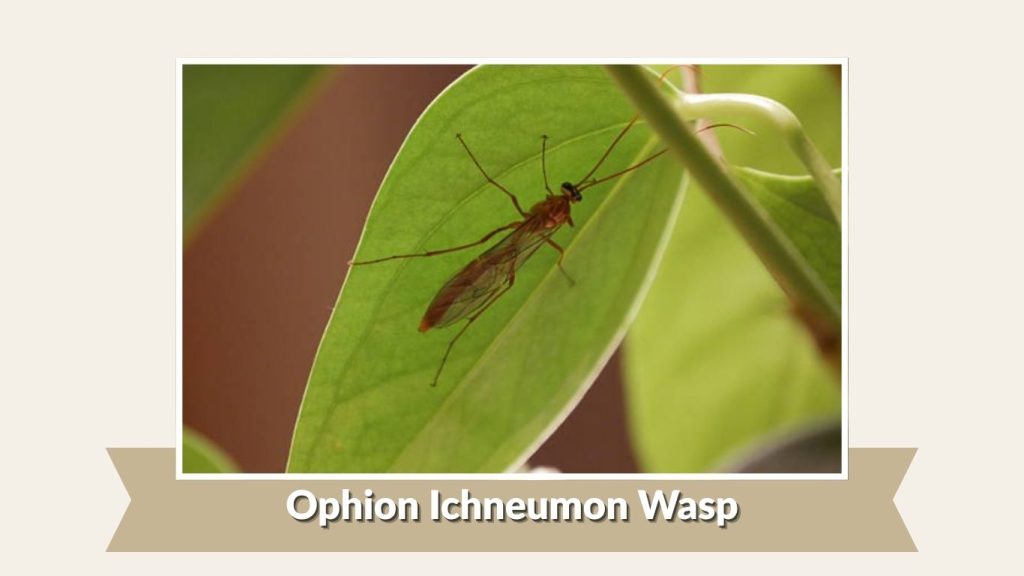
The Ophion Ichneumon Wasp is a nocturnal species recognized for its orange-brown body and graceful appearance. Unlike many darker ichneumon wasps, this species has a lighter color and is often attracted to lights at night. It is an important parasitic insect that helps control moth and caterpillar populations in natural and agricultural ecosystems.
Identification
- Slender orange or reddish-brown body
- Very long curved antennae
- Large transparent wings
- Narrow waist and elongated abdomen
- Females have a thin ovipositor
- Large eyes adapted for nighttime activity
Habitat
Ophion Ichneumon Wasps are found in forests, gardens, grasslands, and farmland areas. They prefer habitats where moth caterpillars are common because these insects serve as hosts for their larvae. During the daytime, they usually rest among plants or tree branches. At night, adults become active and may fly around outdoor lights or illuminated windows.
Behavior
This species is mostly active after sunset, making it different from many daytime wasps. Females search for caterpillars and inject eggs directly into the host’s body. The developing larvae feed internally until fully grown. Adult Ophion Wasps mainly survive on nectar and plant liquids. Although their long body and rapid flight may appear intimidating, they are harmless to humans and rarely sting unless handled roughly.
6. Netelia Ichneumon Wasp
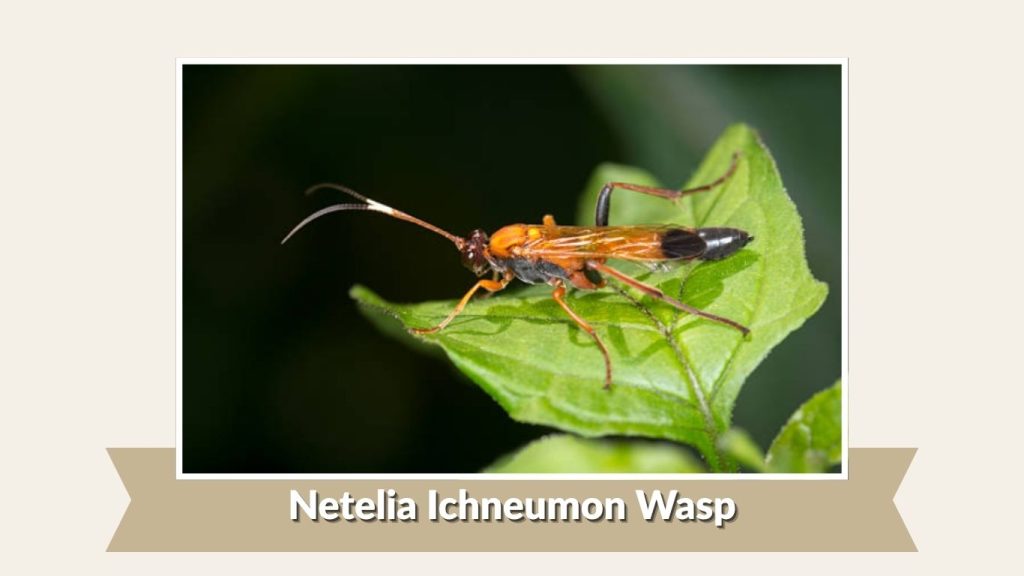
The Netelia Ichneumon Wasp is a fast-flying parasitic wasp commonly seen in warm environments with abundant vegetation. It belongs to a group of ichneumon wasps known for their slender bodies and active hunting behavior. These wasps are beneficial insects because they help control caterpillar populations naturally in forests, gardens, and agricultural fields.
Identification
- Slim yellowish-orange or brown body
- Long antennae with many segments
- Transparent wings with visible veins
- Narrow waist and elongated abdomen
- Females possess a fine ovipositor
- Quick and agile flying movement
Habitat
Netelia Ichneumon Wasps are usually found in forests, meadows, crop fields, and gardens rich in host insects. They prefer areas where caterpillars and moth larvae are plentiful. During the day, adults can often be spotted flying around plants or resting on leaves. Their presence is especially common in warm and humid regions with dense vegetation.
Behavior
These wasps are highly active and spend much of their time searching for hosts. Females use their ovipositor to place eggs inside caterpillars, where the developing larvae feed and grow. Adult Netelia Wasps mainly consume nectar and sugary plant fluids for energy. Despite being parasitoids of other insects, they are harmless to humans and rarely show defensive behavior unless disturbed directly.
7. Pimpla Ichneumon Wasp
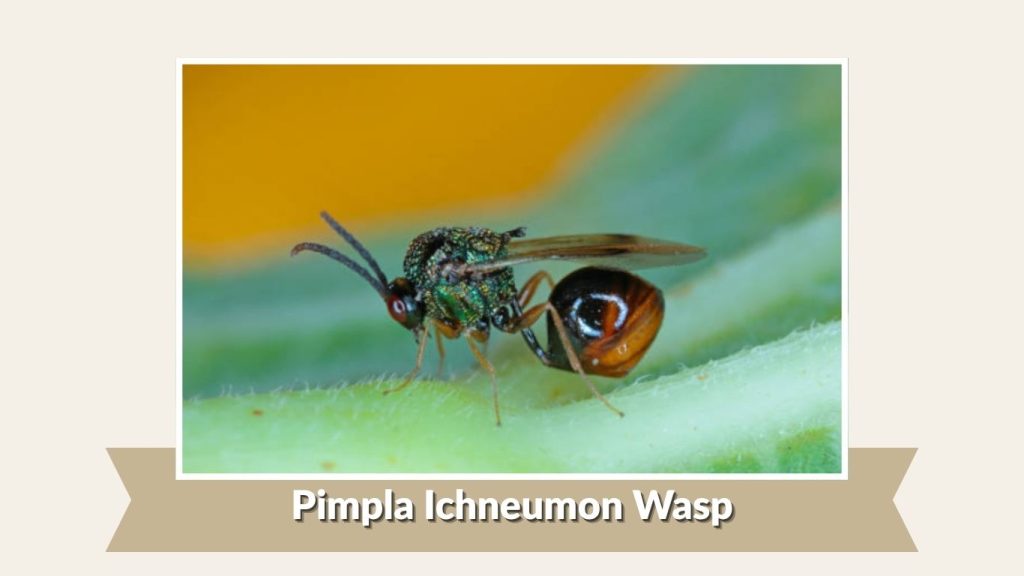
The Pimpla Ichneumon Wasp is a well-known parasitic wasp recognized for its smooth black body and efficient hunting behavior. It belongs to the ichneumon family and is highly beneficial in controlling moths, butterflies, and beetle pests. These wasps are commonly found in gardens and wooded habitats where insect hosts are abundant.
Identification
- Glossy black or dark brown body
- Long antennae with multiple segments
- Slim waist and elongated abdomen
- Transparent wings with dark veins
- Females have a short, sturdy ovipositor
- Medium-sized body with smooth appearance
Habitat
Pimpla Ichneumon Wasps live in forests, gardens, orchards, and agricultural fields. They are especially attracted to areas containing caterpillars and insect pupae hidden in bark, leaves, or cocoons. Adults may rest on flowers, tree trunks, or shrubs while searching for hosts. Their adaptability allows them to thrive in both natural and human-managed environments.
Behavior
These wasps are solitary hunters and spend much of their time locating insect pupae or larvae. Females use the ovipositor to inject eggs into hidden hosts. After hatching, the larvae develop by feeding on the host insect. Adult Pimpla Wasps mainly feed on nectar and sugary liquids. Although their appearance can seem intimidating, they are harmless to people and provide valuable natural pest control in ecosystems and gardens.
8. Rhyssa Persuasoria
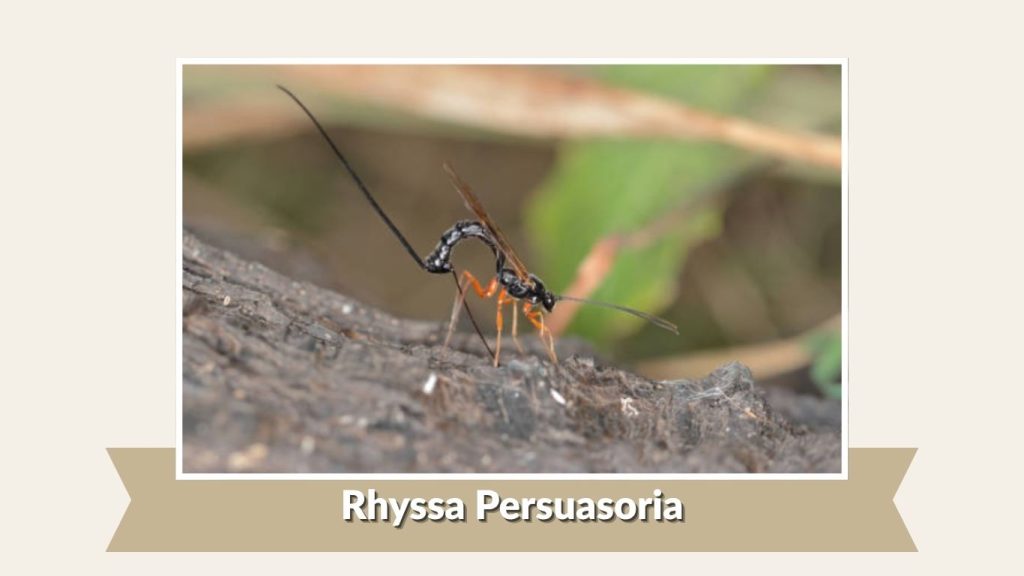
Rhyssa Persuasoria is one of the largest and most striking ichneumon wasps found in forests. It is famous for its extremely long ovipositor, which females use to drill deep into wood in search of hidden insect larvae. This species plays an important ecological role by controlling wood-boring insects that damage trees.
Identification
- Long black body with white markings
- Reddish-orange legs
- Extremely long ovipositor in females
- Clear amber-tinted wings
- Slender curved abdomen
- Body length can exceed 3 centimeters
Habitat
Rhyssa Persuasoria is commonly found in forests, woodlands, and areas with dead or decaying trees. It prefers habitats where wood-boring insects, especially horntail larvae, are present. Females are often seen walking slowly on tree trunks while searching for hosts hidden deep inside the wood. This species is most active during warm months in temperate regions.
Behavior
The female uses her long ovipositor like a drill to reach larvae buried inside tree trunks. After laying an egg, the developing wasp larva feeds on the host insect until maturity. Adult wasps mainly feed on nectar and tree sap. Despite their impressive size and unusual appearance, Rhyssa Persuasoria is harmless to humans and rarely shows aggression. Their behavior makes them valuable natural controllers of forest pests.
9. Enicospilus Ichneumon Wasp
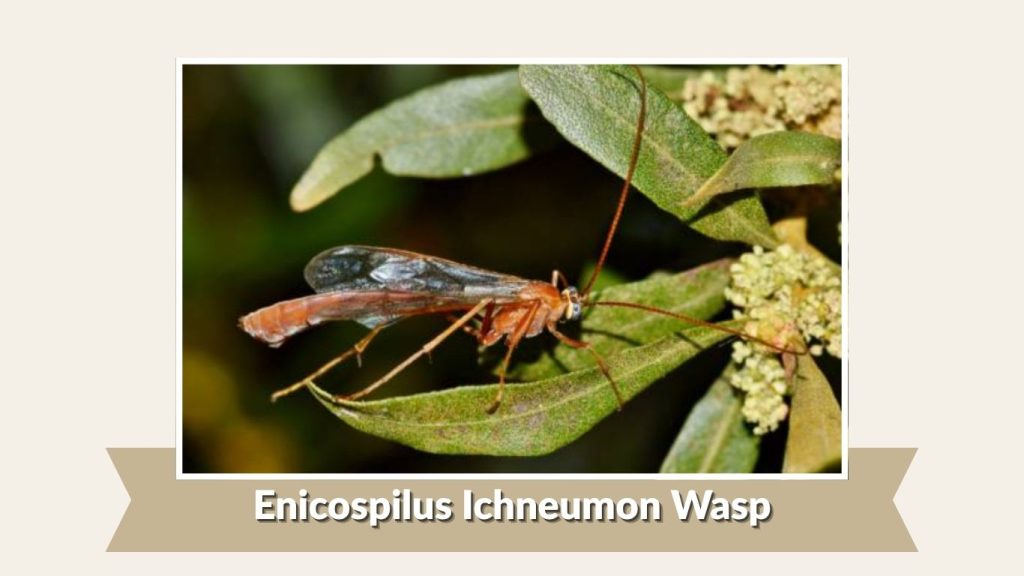
The Enicospilus Ichneumon Wasp is a slender nocturnal wasp known for its pale brown color and delicate wings. It belongs to a group of ichneumon wasps that are active mainly at night and often gather around lights. These wasps are beneficial predators because their larvae develop inside caterpillars and other soft-bodied insects.
Identification
- Light brown or orange-brown body
- Very long antennae
- Large transparent wings with dark veins
- Thin waist and curved abdomen
- Females have a fine ovipositor
- Large eyes adapted for low light conditions
Habitat
Enicospilus Wasps are commonly found in forests, grasslands, gardens, and agricultural fields. They prefer warm environments where moth caterpillars are abundant. During the daytime, they usually hide among leaves or vegetation. At night, adults become active and are frequently attracted to lamps, porch lights, and illuminated windows.
Behavior
This species is mainly nocturnal and spends much of the night searching for caterpillar hosts. Females insert eggs into the host insect using their ovipositor. The larva develops inside the caterpillar and eventually completes its growth there. Adult wasps feed on nectar and plant fluids for energy. Although they may appear intimidating because of their large wings and fast flight, Enicospilus Ichneumon Wasps are harmless to humans and rarely sting.
10. Campoletis Ichneumon Wasp
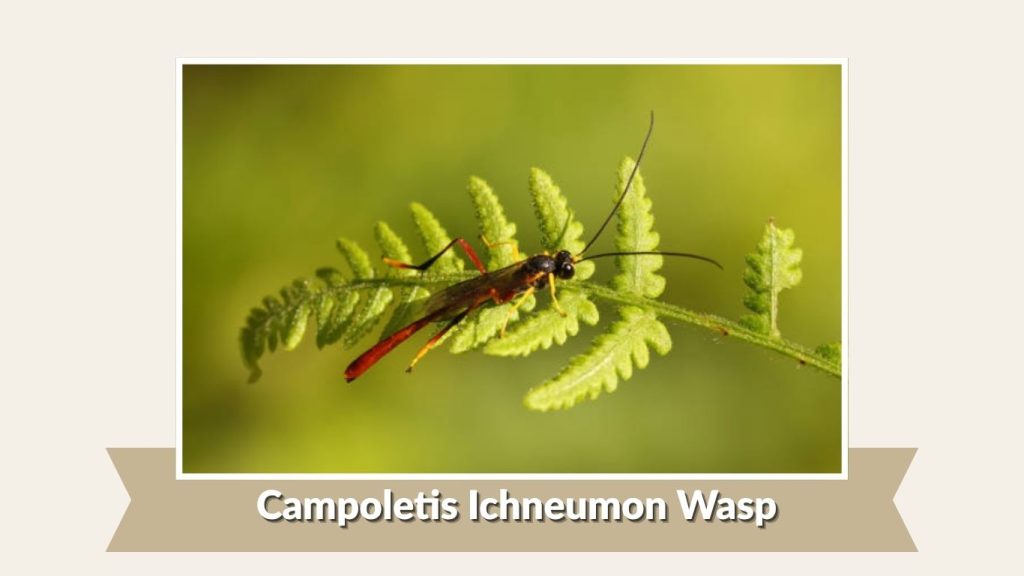
The Campoletis Ichneumon Wasp is a small but highly useful parasitic wasp that helps control agricultural pests. It is commonly used in biological pest management because its larvae target destructive caterpillars. Farmers and gardeners value this species for reducing crop damage naturally without relying heavily on chemical pesticides.
Identification
- Small slender black body
- Long thread-like antennae
- Narrow waist with elongated abdomen
- Transparent wings with fine veins
- Females possess a short ovipositor
- Fast-moving and active behavior
Habitat
Campoletis Ichneumon Wasps are found in gardens, crop fields, meadows, and forests where caterpillar populations are common. They are especially attracted to plants heavily infested with moth or butterfly larvae. Adults often rest on leaves and flowers while searching for hosts. Their adaptability allows them to survive in both wild habitats and agricultural environments.
Behavior
These wasps are solitary parasitoids and spend most of their time locating suitable caterpillar hosts. Females lay eggs inside the host insect, where the developing larva feeds internally. Adult Campoletis Wasps mainly consume nectar and sugary plant liquids. Despite their role as insect parasites, they are harmless to humans and provide important ecological benefits by naturally controlling crop pests and reducing insect outbreaks.
11. Trogus Lapidator
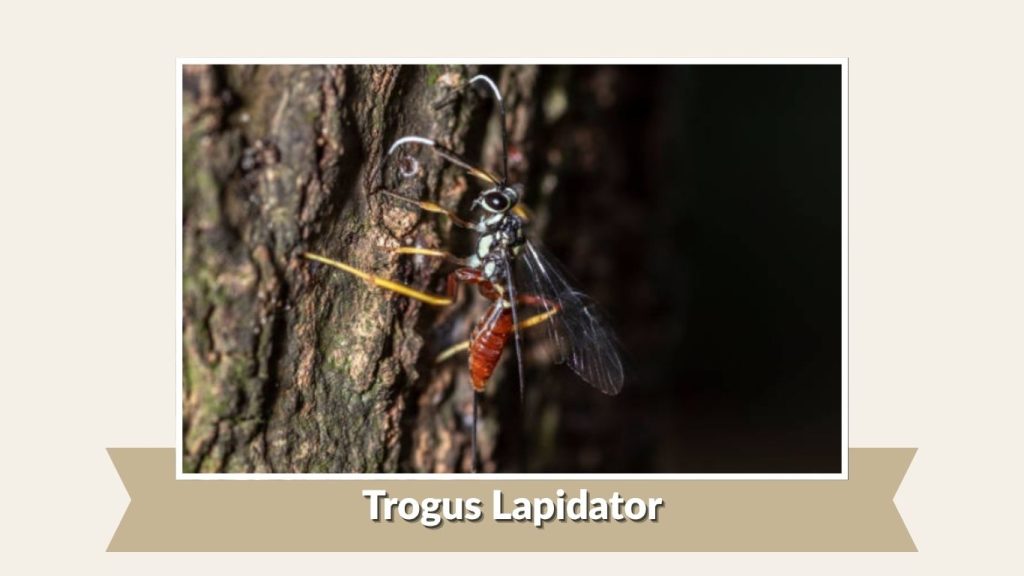
Trogus Lapidator is a colorful ichneumon wasp species best known for parasitizing swallowtail butterfly caterpillars. Its striking appearance and specialized hunting behavior make it one of the more recognizable members of the ichneumon family. Although it affects butterfly larvae, it still plays an important role in maintaining ecological balance in natural habitats.
Identification
- Black body with yellow markings
- Reddish-orange legs
- Long segmented antennae
- Narrow waist and elongated abdomen
- Transparent wings with smoky tint
- Medium to large body size
Habitat
Trogus Lapidator is commonly found in meadows, gardens, woodland edges, and areas where swallowtail butterflies are present. It prefers habitats with flowering plants because adults feed on nectar. Females search carefully among leaves and stems for butterfly caterpillars that can serve as hosts for their developing larvae.
Behavior
This wasp is solitary and highly specialized in targeting swallowtail caterpillars. The female deposits an egg inside the caterpillar, where the larva slowly develops by feeding internally. Adult wasps are active during the daytime and are often seen visiting flowers for nectar. Despite their bold colors and active flight, Trogus Lapidator wasps are harmless to humans and rarely display aggressive behavior. Their presence contributes to the natural regulation of insect populations in healthy ecosystems.
12. Ichneumon Suspiciosus
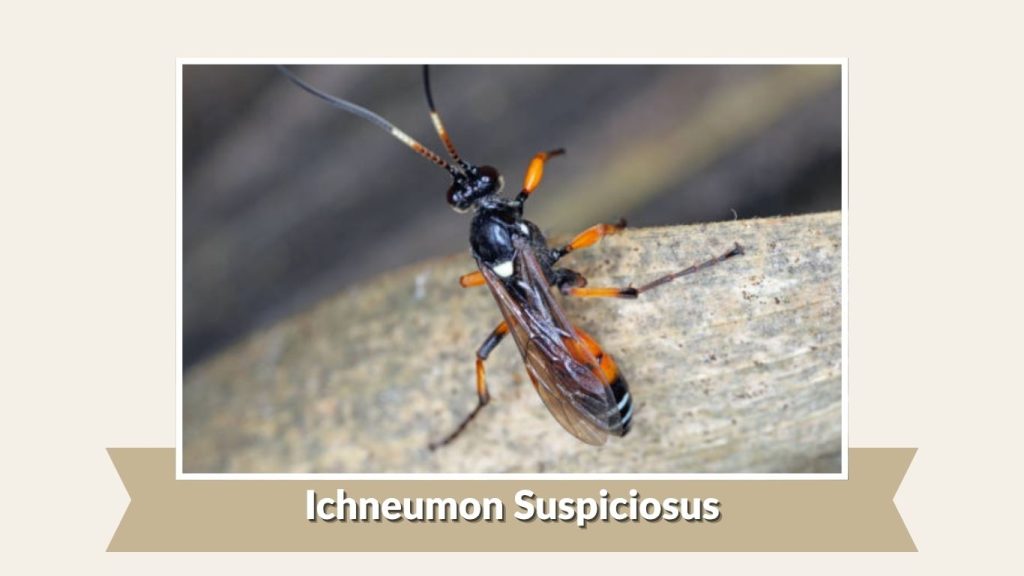
Ichneumon Suspiciosus is a classic member of the ichneumon wasp family, recognized for its slender body and active parasitic lifestyle. Like many ichneumon wasps, it helps regulate insect populations by targeting caterpillars and other larvae. This species is commonly found in natural habitats where vegetation and host insects are plentiful.
Identification
- Long black or dark brown body
- Thin waist with elongated abdomen
- Long segmented antennae
- Transparent wings with delicate veins
- Females possess a visible ovipositor
- Medium-sized and slender appearance
Habitat
Ichneumon Suspiciosus inhabits forests, gardens, grasslands, and shrub-covered areas. It prefers locations rich in moth and butterfly larvae, which provide ideal hosts for reproduction. Adults are often seen resting on leaves, tree bark, or flowers while searching for food and suitable egg-laying sites. Warm weather and dense vegetation support healthy populations of this species.
Behavior
These wasps are solitary insects that spend much of their time searching for hidden hosts. Females inject eggs into caterpillars or insect larvae using the ovipositor. The developing young feed internally until they complete their growth. Adult Ichneumon Suspiciosus wasps mainly consume nectar and plant juices. Although their appearance may seem intimidating, they are harmless to humans and serve as beneficial natural pest controllers in many ecosystems.
13. Dolichomitus Imperator
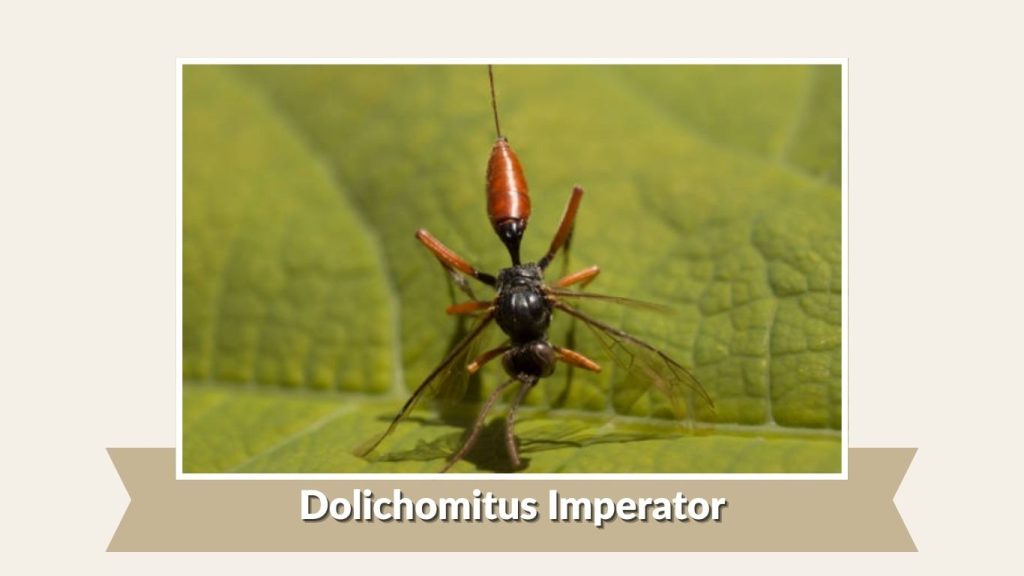
Dolichomitus Imperator is a large and impressive ichneumon wasp known for its extremely long ovipositor and elegant body shape. This species is commonly associated with wooded environments where it hunts wood-boring insect larvae hidden deep inside tree trunks. Its unique appearance makes it one of the most striking ichneumon wasps in nature.
Identification
- Long black body with orange markings
- Very long ovipositor in females
- Slender abdomen and narrow waist
- Long antennae with many segments
- Transparent wings with dark veins
- Large body size with graceful movement
Habitat
Dolichomitus Imperator is mainly found in forests, woodland edges, and areas with dead or decaying wood. It prefers habitats where beetle larvae and other wood-boring insects are abundant. Females often explore tree bark and fallen logs while searching for hidden hosts. This species thrives in warm, humid environments rich in mature trees.
Behavior
The female uses her long ovipositor to drill into wood and place eggs near concealed insect larvae. After hatching, the wasp larva feeds on the host until fully developed. Adult wasps mainly consume nectar and plant fluids for energy. Despite their large size and intimidating appearance, Dolichomitus Imperator wasps are harmless to humans and rarely become aggressive. Their parasitic behavior helps reduce populations of insects that damage trees and forest ecosystems.
14. Amblyteles Armatorius
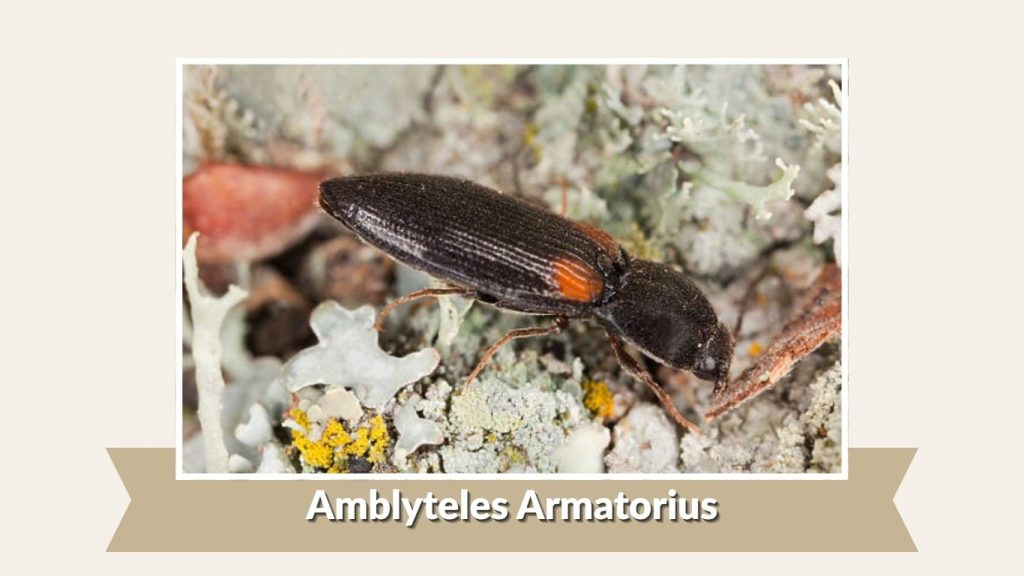
Amblyteles Armatorius is a brightly colored ichneumon wasp recognized for its bold yellow and black markings. This species is often seen visiting flowers during warm months and is considered an important beneficial insect because it parasitizes caterpillars and other insect larvae. Its vivid appearance sometimes causes people to mistake it for a stinging wasp.
Identification
- Black body with bright yellow bands
- Long segmented antennae
- Narrow waist and elongated abdomen
- Transparent wings with dark edges
- Females have a short ovipositor
- Medium-sized body with striking coloration
Habitat
Amblyteles Armatorius lives in meadows, gardens, woodland edges, and grassy fields. It is commonly found in areas with abundant flowering plants and caterpillar populations. Adults frequently visit flowers for nectar, while females search nearby vegetation for suitable hosts. This species is widespread in temperate regions with healthy plant growth.
Behavior
These wasps are active during the daytime and are often seen flying slowly between flowers. Females lay eggs inside caterpillars or insect larvae, where the young develop as parasitoids. Adult wasps feed mainly on nectar and sugary plant liquids. Although their bright warning colors may appear threatening, Amblyteles Armatorius is harmless to humans and rarely attempts to sting. Their natural pest-control abilities make them valuable insects in gardens and natural ecosystems.
15. Xorides Indicator
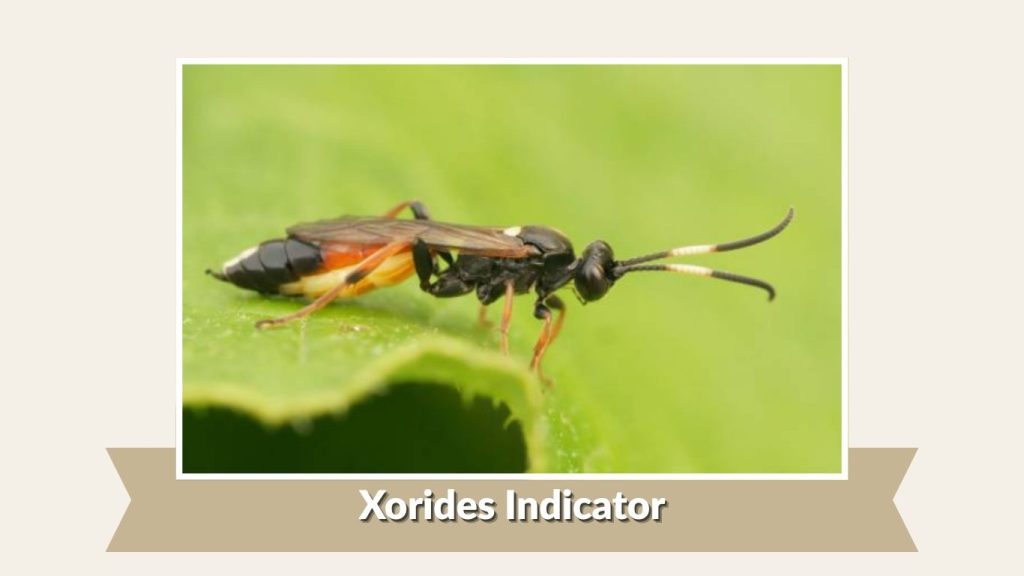
Xorides Indicator is a slender ichneumon wasp species known for targeting wood-boring beetle larvae hidden inside trees. It belongs to a specialized group of parasitoid wasps that help protect forests by naturally controlling insects that damage wood. Its long body and careful searching behavior make it an interesting species to observe in woodland habitats.
Identification
- Slim black or dark brown body
- Long antennae with many segments
- Elongated abdomen with narrow waist
- Females possess a long ovipositor
- Clear wings with fine dark veins
- Medium-sized body with graceful appearance
Habitat
Xorides Indicator is commonly found in forests, woodland edges, parks, and areas with dead or aging trees. It prefers habitats where wood-boring beetles are abundant because their larvae serve as hosts. Females are often seen exploring bark surfaces and fallen logs while searching for insects hidden beneath the wood.
Behavior
This species is solitary and spends much of its time locating concealed beetle larvae. The female drills through bark using her ovipositor and deposits eggs near the host insect. After hatching, the larva feeds on the host until maturity. Adult Xorides Indicator wasps mainly consume nectar and plant fluids. Although they may appear intimidating due to their long ovipositor, they are harmless to humans and play an important role in maintaining healthy forest ecosystems.
16. Megarhyssa Macrurus
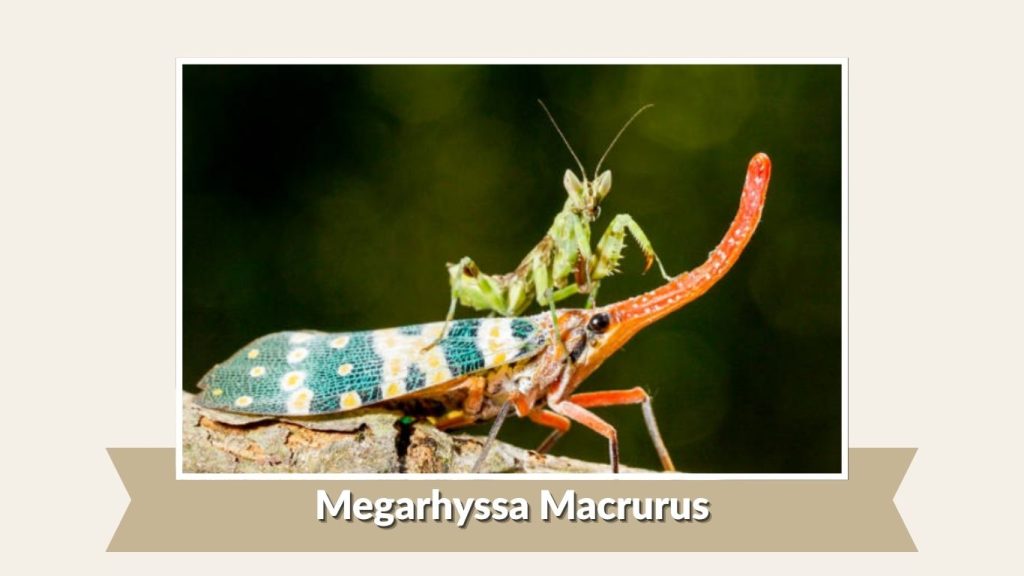
Megarhyssa Macrurus is one of the largest and most recognizable ichneumon wasps in North America. It is famous for the female’s extremely long ovipositor, which can be several times longer than her body. Despite its dramatic appearance, this wasp is harmless to humans and is highly beneficial in controlling wood-boring insect populations.
Identification
- Long black body with yellow markings
- Reddish-brown legs
- Extremely long thread-like ovipositor
- Transparent amber-colored wings
- Slender curved abdomen
- Body length can exceed 2 inches
Habitat
Megarhyssa Macrurus is commonly found in forests, wooded parks, and areas with dead or decaying trees. It prefers habitats containing horntail larvae hidden deep within tree trunks. Females are often seen walking slowly across bark surfaces while searching for the exact location of hosts inside the wood. This species is most active during warm summer months.
Behavior
The female uses her remarkable ovipositor to drill deep into wood and lay eggs near hidden horntail larvae. After hatching, the developing wasp larva feeds on the host insect until fully grown. Adult wasps survive mainly on nectar and tree sap. Although their size may appear frightening, Megarhyssa Macrurus wasps are peaceful insects that rarely interact with people. Their parasitic behavior helps maintain the natural balance of forest ecosystems.
17. Glypta Ceratites
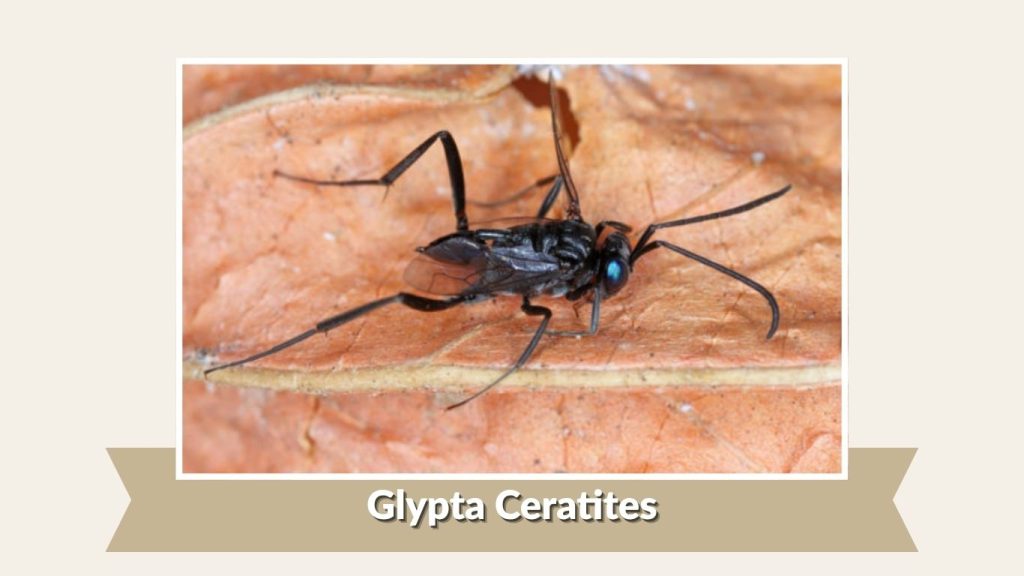
Glypta Ceratites is a small parasitic ichneumon wasp that plays an important role in controlling insect populations in natural ecosystems. Although it is less well known than larger ichneumon species, it is highly effective at locating hidden caterpillars and other larvae. Its slim body and quiet behavior allow it to move easily through dense vegetation.
Identification
- Small slender black body
- Long thread-like antennae
- Narrow waist with elongated abdomen
- Transparent wings with delicate veins
- Females have a short ovipositor
- Smooth and lightweight appearance
Habitat
Glypta Ceratites is commonly found in forests, gardens, grasslands, and shrub-covered areas. It prefers habitats with plenty of caterpillars and insect larvae that can serve as hosts. Adults are often seen resting on leaves, stems, or flowers while searching for food and suitable egg-laying sites. Warm, vegetation-rich environments support healthy populations of this species.
Behavior
This wasp is solitary and spends most of its life searching for hidden hosts among plants and foliage. Females insert eggs into caterpillars or insect larvae using the ovipositor. The developing larvae feed internally until maturity. Adult Glypta Ceratites wasps mainly consume nectar and sugary plant fluids. Despite their parasitic lifestyle toward insects, they are harmless to humans and are considered beneficial because they naturally help reduce pest populations.
18. Ctenochares Bicolorus
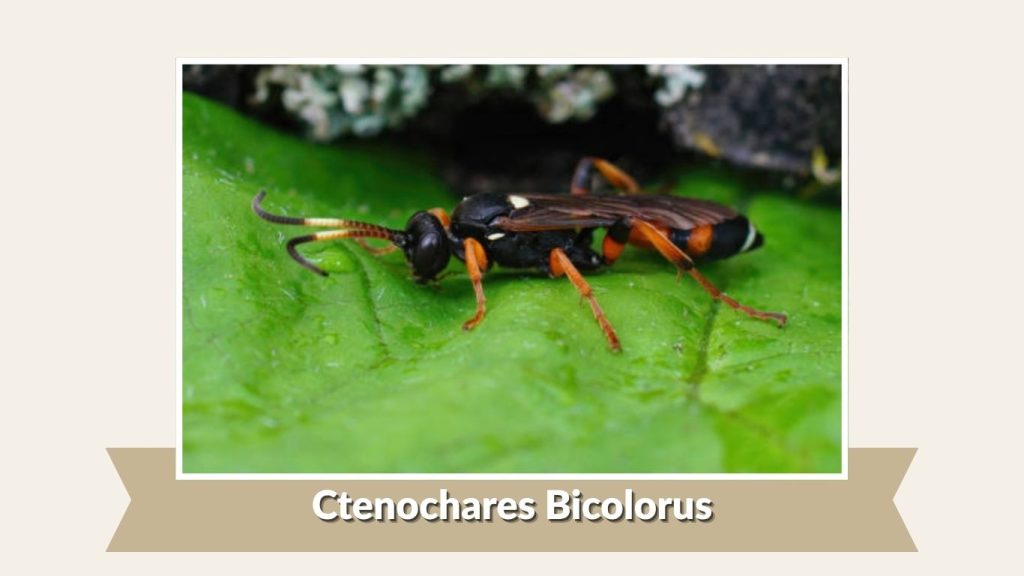
Ctenochares Bicolorus is a distinctive ichneumon wasp species known for its slender body and contrasting color pattern. Like many ichneumon wasps, it acts as a parasitoid of caterpillars and other insect larvae, helping maintain balance within natural ecosystems. Its elegant appearance and active flight make it a noticeable insect in warm outdoor environments.
Identification
- Black and reddish-orange body coloration
- Long segmented antennae
- Thin waist with elongated abdomen
- Transparent wings with dark veins
- Females possess a slender ovipositor
- Medium-sized and graceful appearance
Habitat
Ctenochares Bicolorus is commonly found in forests, gardens, grasslands, and areas with dense vegetation. It prefers habitats where caterpillars and moth larvae are abundant. Adults are often seen resting on leaves or visiting flowers for nectar. This species is especially active in warm weather and thrives in regions with rich plant growth.
Behavior
These wasps are solitary insects that spend much of their time searching for suitable hosts. Females use the ovipositor to place eggs inside caterpillars or insect larvae. After hatching, the larvae develop by feeding on the host internally. Adult Ctenochares Bicolorus wasps mainly consume nectar and plant juices. Although their appearance may seem intimidating, they are harmless to humans and provide valuable natural pest control in gardens and forests.
19. Exetastes Cinctipes
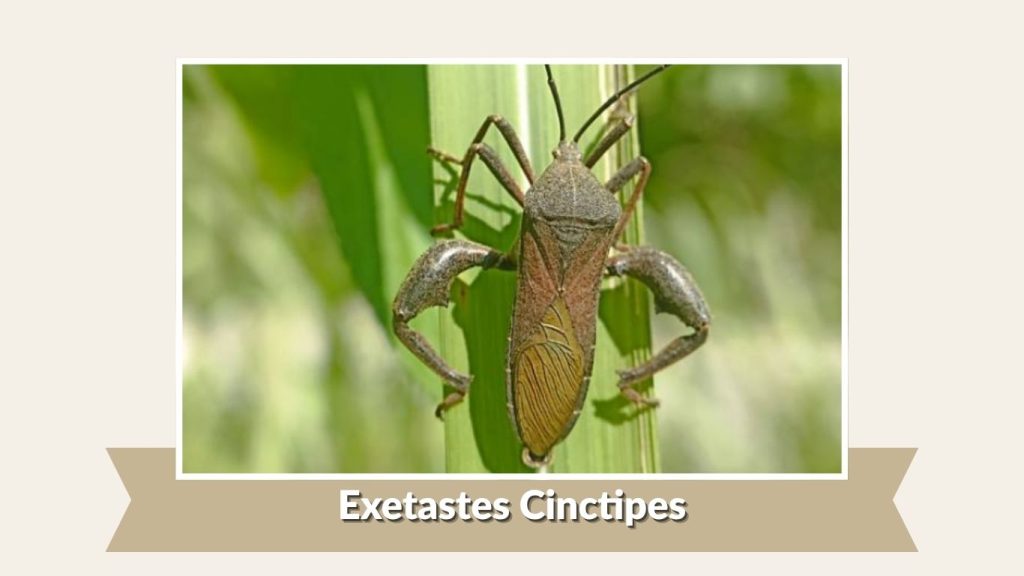
Exetastes Cinctipes is a small to medium-sized ichneumon wasp known for its role in controlling caterpillar populations in natural and agricultural environments. It is a solitary parasitoid that quietly searches vegetation for suitable insect hosts. Although not very conspicuous, it is an important beneficial insect in many ecosystems.
Identification
- Slender black or dark brown body
- Long, thin segmented antennae
- Narrow waist and elongated abdomen
- Transparent wings with fine veins
- Females have a short, visible ovipositor
- Compact and agile body structure
Habitat
Exetastes Cinctipes is commonly found in gardens, forests, meadows, and farmland areas. It prefers locations where moth and butterfly caterpillars are abundant. Adults are often seen resting on leaves, grasses, or low shrubs. Their distribution is closely tied to healthy vegetation and active insect populations, especially in warm seasons.
Behavior
This wasp is a solitary parasitoid that locates caterpillars hidden among plants. The female lays eggs inside the host using her ovipositor. The developing larva feeds internally until it completes its growth. Adult Exetastes Cinctipes wasps feed on nectar and plant juices for energy. Despite their parasitic relationship with other insects, they are harmless to humans and play a beneficial role by naturally reducing pest populations in agricultural and natural environments.
20. Lissonota Lineolaris
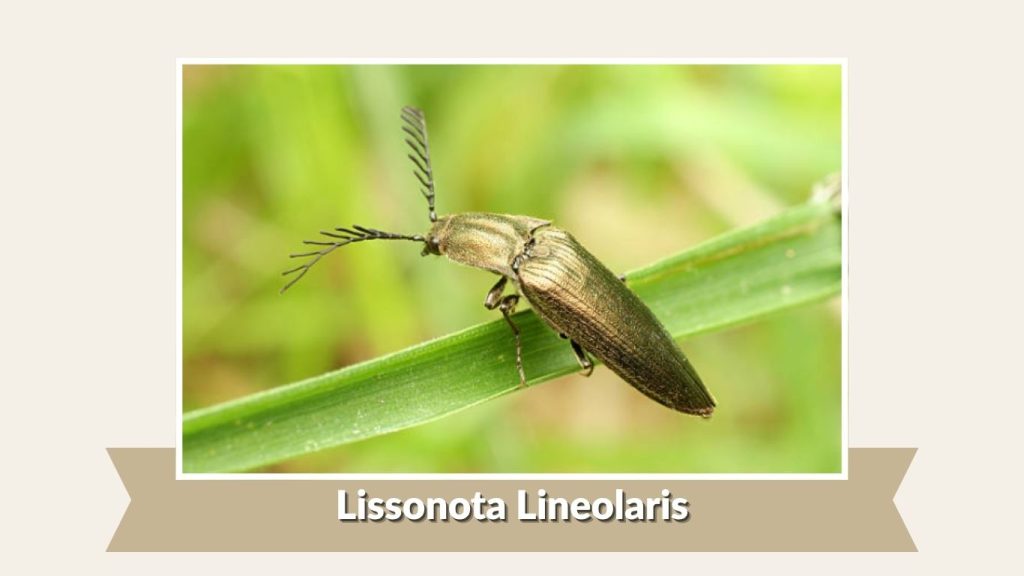
Lissonota Lineolaris is a slender ichneumon wasp species known for its quiet behavior and role as a natural biological control agent. It primarily targets caterpillars and other soft-bodied insect larvae, helping to maintain ecological balance in grasslands, gardens, and forested areas. Though small and often overlooked, it is an effective parasitoid in many environments.
Identification
- Slim black or dark brown body
- Long segmented antennae
- Narrow waist with elongated abdomen
- Transparent wings with fine venation
- Females have a short, thin ovipositor
- Delicate and lightweight appearance
Habitat
Lissonota Lineolaris is commonly found in meadows, forests, gardens, and agricultural fields. It prefers habitats rich in caterpillars and moth larvae, which serve as hosts for its offspring. Adults are often seen resting on low vegetation or moving slowly through plants while searching for prey. It thrives in warm, moderately humid environments with dense plant cover.
Behavior
This species is solitary and spends much of its time locating hidden insect larvae among leaves and stems. The female deposits eggs inside the host insect, where the developing larva feeds internally until maturity. Adult wasps feed mainly on nectar and plant fluids. Despite their parasitic lifestyle toward insects, Lissonota Lineolaris is completely harmless to humans and is considered beneficial for natural pest control in both wild and cultivated ecosystems.
21. Diadegma Insulare
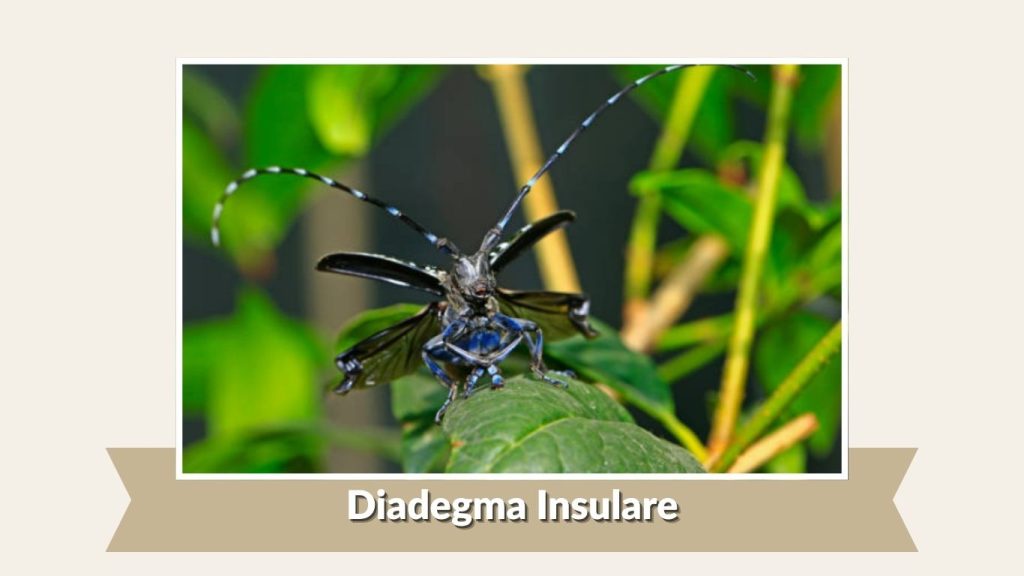
Diadegma Insulare is a well-known parasitoid ichneumon wasp widely recognized for its effectiveness in controlling diamondback moth populations, a major pest of cruciferous crops. It is an important species in biological pest management and is often studied for its role in agriculture.
Identification
- Small slender black body
- Long thread-like antennae
- Narrow waist and elongated abdomen
- Transparent wings with fine dark veins
- Females have a short ovipositor
- Lightweight and agile appearance
Habitat
Diadegma Insulare is commonly found in agricultural fields, vegetable gardens, meadows, and nearby wild vegetation. It is especially abundant in areas where cabbage, mustard, broccoli, and other cruciferous plants grow, as these support diamondback moth larvae. Adults often move quickly among leaves in search of hosts.
Behavior
This wasp is a highly specialized parasitoid that targets moth caterpillars, particularly the diamondback moth. The female lays a single egg inside the host, and the developing larva feeds internally until it matures. Adult wasps primarily feed on nectar and honeydew for energy. Despite their parasitic nature toward pests, Diadegma Insulare is harmless to humans and highly beneficial in agriculture due to its natural pest-control abilities.
22. Venturia Canescens
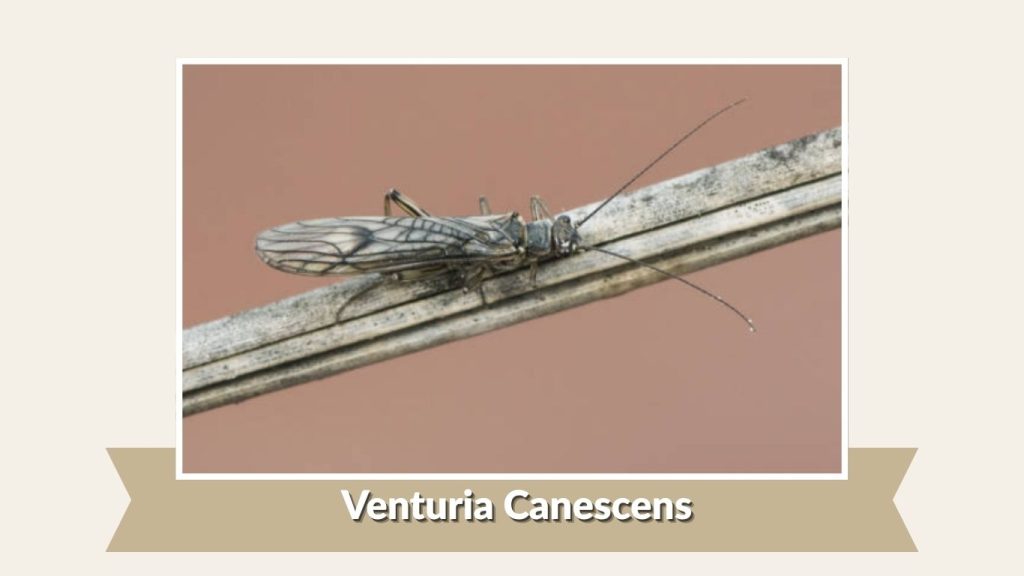
Venturia Canescens is a small ichneumon wasp known for its important role in biological control, especially against stored-product pests like moth larvae. It is widely studied because of its ability to survive in human-managed environments such as grain storage areas while still acting as a natural parasitoid.
Identification
- Small slender black or dark brown body
- Long segmented antennae
- Narrow waist with elongated abdomen
- Transparent wings with delicate veins
- Females have a short, slightly curved ovipositor
- Fine and lightweight body structure
Habitat
Venturia Canescens is commonly found in grain storage facilities, warehouses, food storage areas, and also in natural habitats like fields and gardens. It prefers environments where moth larvae infest stored food products or dried plant material. It can adapt well to both indoor and outdoor conditions.
Behavior
This wasp is a solitary parasitoid that targets moth larvae, especially those found in stored grains and food products. The female lays eggs inside the host, and the developing larvae consume it from within. Adults feed on nectar and sugary substances for energy. Despite its association with stored food pests, Venturia Canescens is harmless to humans and is considered highly beneficial for natural pest management in both agricultural and storage environments.
23. Bathyplectes curculionis
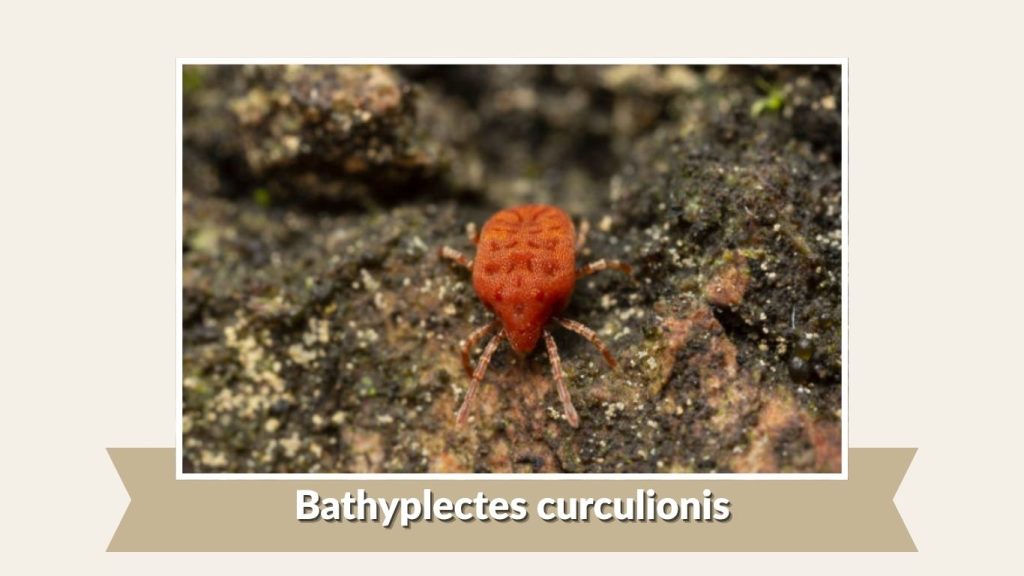
Bathyplectes curculionis is a small ichneumon wasp best known for its role in controlling alfalfa weevil populations. It is an important biological control agent in agriculture, especially in regions where alfalfa crops are widely cultivated. This species is valued for its efficiency in reducing pest damage without harming plants or beneficial insects.
Identification
- Very small slender black body
- Long thread-like antennae
- Narrow waist with elongated abdomen
- Transparent wings with fine veins
- Females have a short ovipositor
- Delicate and fast-moving appearance
Habitat
Bathyplectes curculionis is commonly found in agricultural fields, especially alfalfa farms, as well as grasslands and nearby vegetation areas. It prefers environments where alfalfa weevil larvae are present, since these serve as its primary hosts. Adults are often seen flying low over crops or resting on leaves during warm daylight hours.
Behavior
This wasp is a solitary parasitoid that targets alfalfa weevil larvae. The female inserts an egg into the host, and the developing larva feeds internally, eventually killing it. Adult wasps feed mainly on nectar and honeydew for energy. Despite its parasitic relationship with crop pests, Bathyplectes curculionis is completely harmless to humans and is highly beneficial in agriculture due to its natural pest-control abilities.
24. Theronia atalantae
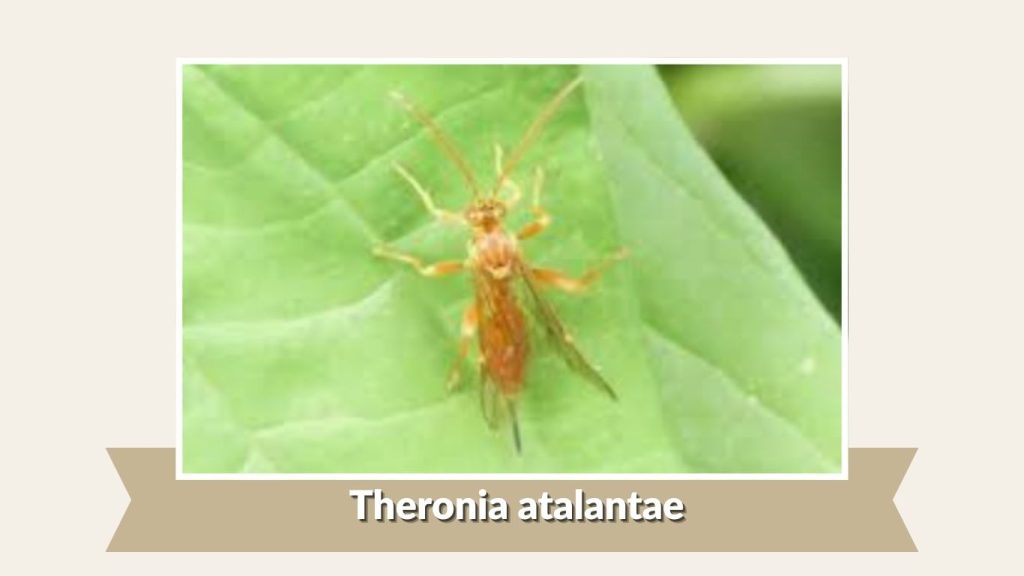
Theronia atalantae is a striking ichneumon wasp species known for its relatively large size and bold coloration. It is a generalist parasitoid that targets a variety of caterpillars and pupae, making it an important natural regulator of insect populations in forests and gardens.
Identification
- Large black body with yellow markings
- Long segmented antennae
- Narrow waist and elongated abdomen
- Transparent wings with dark venation
- Females have a visible ovipositor
- Robust and strong-looking body
Habitat
Theronia atalantae is commonly found in forests, woodland edges, gardens, and agricultural areas. It prefers habitats where a wide range of caterpillars and pupae are available. Adults are often seen resting on tree trunks, foliage, or flowers while searching for hosts or feeding.
Behavior
This species is a solitary parasitoid that attacks caterpillars and pupae of various moths and butterflies. The female lays eggs on or inside the host, where the larvae develop by feeding on it. Adult wasps feed on nectar and plant fluids. Although it has a bold appearance and active flight, Theronia atalantae is harmless to humans and plays a beneficial role by helping control pest insect populations in natural ecosystems.
25. Ephialtes manifestator
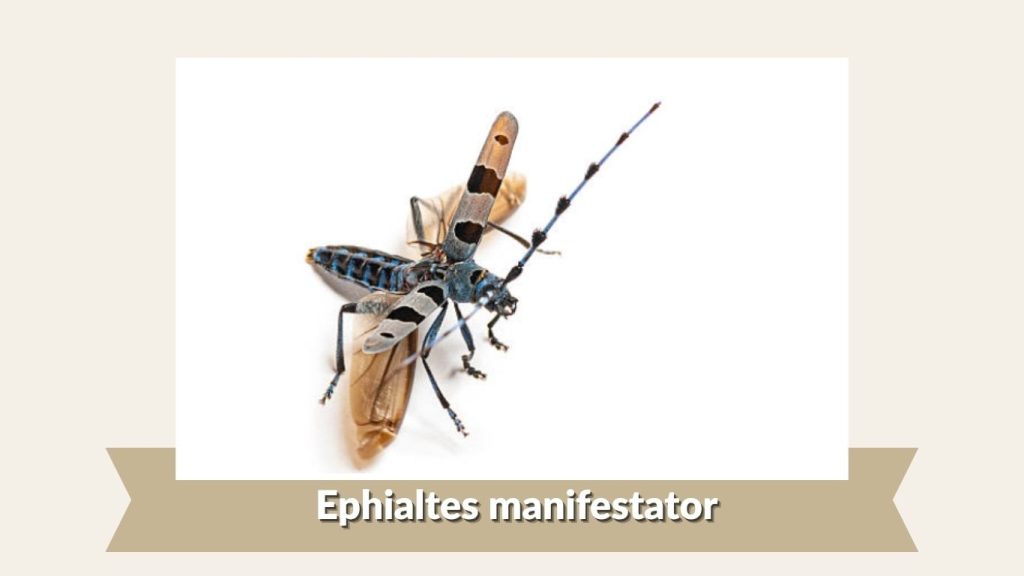
Ephialtes manifestator is a well-known ichneumon wasp recognized for its long ovipositor and specialization in parasitizing wood-boring beetle larvae. It is commonly found in forested areas and is an important natural control agent of insects that live inside dead or decaying wood.
Identification
- Slender black body with reddish markings
- Very long ovipositor in females
- Long segmented antennae
- Narrow waist and elongated abdomen
- Transparent wings with dark veins
- Medium to large body size
Habitat
Ephialtes manifestator is mainly found in forests, woodland edges, and areas with dead logs or decaying trees. It prefers habitats where beetle larvae live inside wood, especially in pine and other coniferous trees. Females are often seen exploring tree trunks and fallen logs in search of concealed hosts.
Behavior
This species is a solitary parasitoid that targets wood-boring beetle larvae hidden deep inside wood. The female uses her long ovipositor to drill through bark and lay eggs near the host. The developing larvae feed on the beetle larvae until fully mature. Adult wasps feed on nectar and plant fluids. Despite its large size and intimidating appearance, Ephialtes manifestator is harmless to humans and plays a valuable ecological role in controlling forest pest insects.