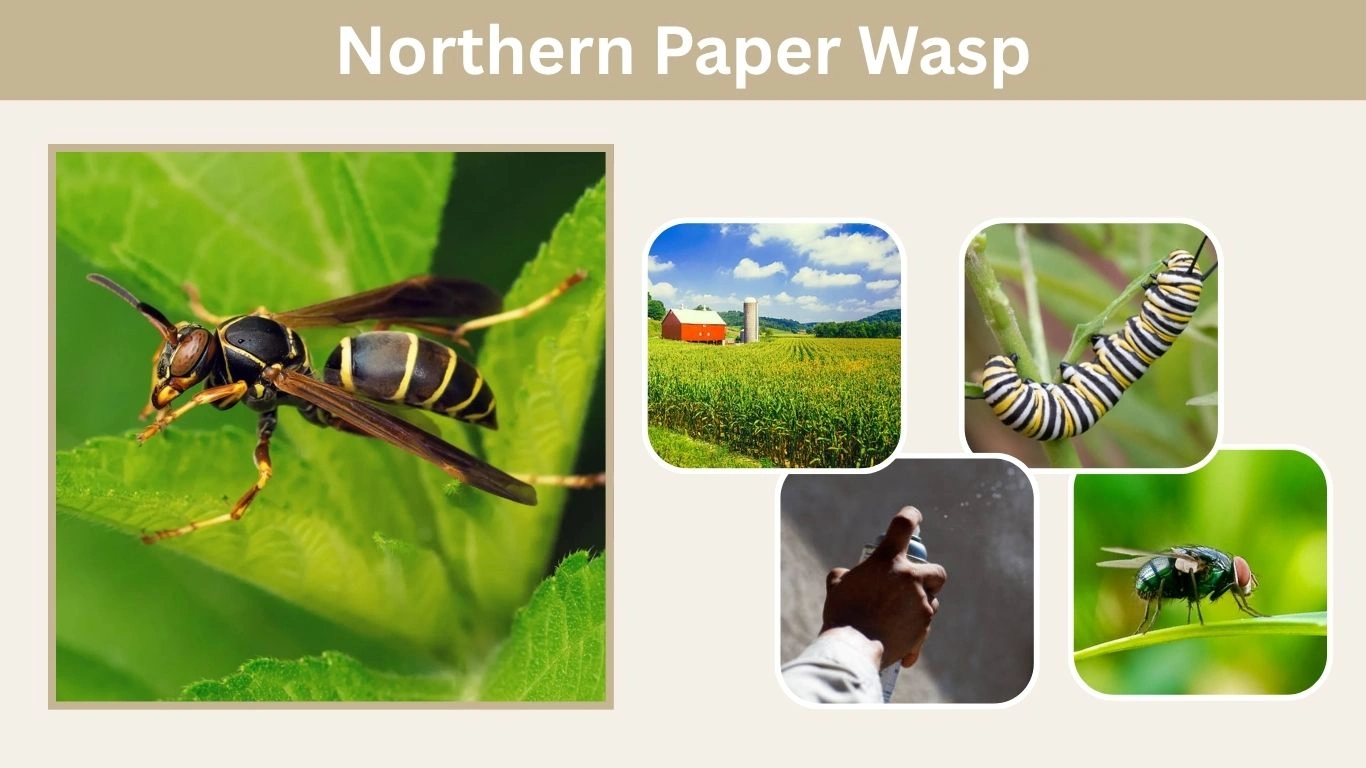
The northern paper wasp is a common social wasp found throughout much of North America. Known for its slender body, long legs, and umbrella-shaped paper nests, this species often lives near homes, gardens, and wooded areas. Although northern paper wasps can sting, they are generally less aggressive than yellow jackets and usually attack only when defending their nests. These wasps also play an important ecological role by feeding on pest insects and pollinating flowers. Understanding northern paper wasp behavior, nest structure, sting symptoms, and identification can help homeowners manage encounters safely.
What Is a Northern Paper Wasp?
The northern paper wasp is a social wasp belonging to the species Polistes fuscatus. It is one of the most recognizable paper wasps in North America and is commonly found around buildings, trees, porches, and outdoor structures.
Unlike highly aggressive wasps that live in enclosed colonies underground, northern paper wasps build open paper nests that hang from sheltered surfaces. Their colonies are smaller and usually less defensive unless disturbed directly.
Key Facts About Northern Paper Wasps
- Scientific name is Polistes fuscatus
- Builds open paper comb nests
- Social colony-forming wasp
- Common in North America
- Feeds on insects and nectar
Why They Are Called Paper Wasps
Northern paper wasps create nests from chewed wood fibers mixed with saliva. This material dries into a paper-like texture that forms lightweight honeycomb structures.
The nests are usually gray or brown and remain exposed without outer coverings, unlike hornet nests.
What Does a Northern Paper Wasp Look Like?
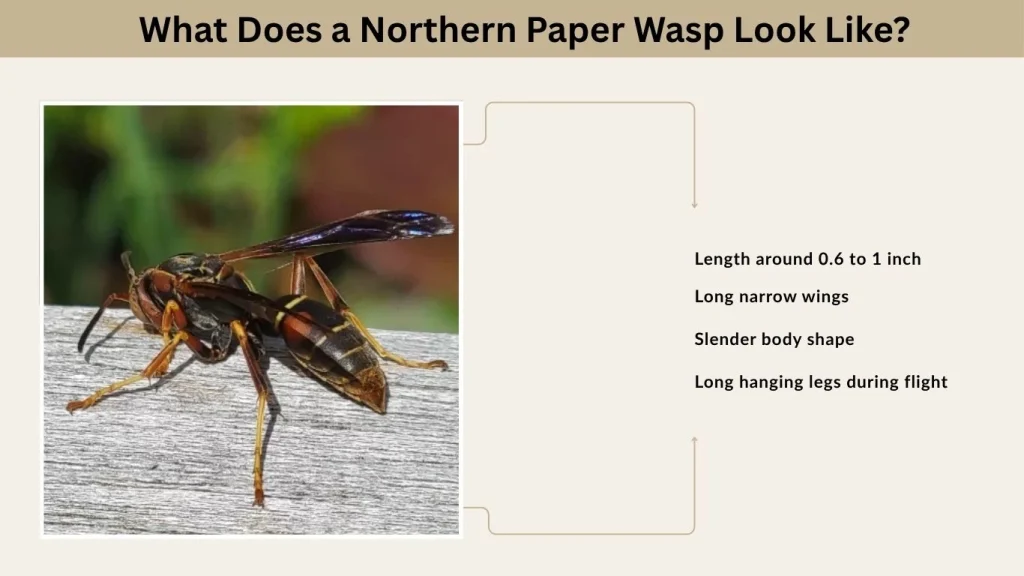
Northern paper wasps have long slender bodies with narrow waists and dangling legs that hang during flight. Their coloration varies, but many individuals display dark brown or black bodies with yellow or orange markings.
Some wasps also have pale yellow facial patterns that help distinguish them from similar species.
Northern Paper Wasp Size
Northern paper wasps are medium-sized compared to other common stinging insects.
Typical size characteristics include:
- Length around 0.6 to 1 inch
- Long narrow wings
- Slender body shape
- Long hanging legs during flight
Northern Paper Wasp Identification
Several features help identify northern paper wasps correctly.
- Open umbrella-shaped nests
- Thin elongated bodies
- Slow graceful flight
- Narrow waist structure
- Yellow facial markings
These physical traits help separate them from yellow jackets, hornets, and bees.
Northern Paper Wasp Queen and Colony Structure
Northern paper wasp colonies operate with a social hierarchy centered around a queen. In spring, fertilized queens emerge from winter hiding places and begin constructing small nests independently.
As the colony grows, worker wasps take over nest maintenance, feeding larvae, and protecting the nest.
Northern Paper Wasp Queen
The queen is usually the largest female in the colony and is responsible for laying eggs throughout the nesting season.
Queen responsibilities include:
- Building the first nest cells
- Laying eggs
- Defending the colony
- Controlling worker behavior
Northern Paper Wasp Male vs Female
Male and female northern paper wasps differ in several ways.
- Females possess stingers
- Males cannot sting
- Females perform nest work
- Males focus mainly on mating
Males often have slightly different facial coloration and body proportions compared to worker females.
Northern Paper Wasp Life Cycle
The northern paper wasp life cycle follows seasonal patterns that begin in spring and end when cold weather arrives.
In early spring, queens start new nests and lay eggs inside paper comb cells. Larvae hatch and develop into worker wasps that help expand the colony throughout summer.
Early Northern Paper Wasp Activity
Spring activity often includes:
- Queens emerging from winter shelter
- Small nest construction
- Egg laying
- Feeding developing larvae
Seasonal Colony Development
As summer progresses, colonies may contain dozens of workers. By late summer or early fall, males and future queens are produced for reproduction.
Most workers and old queens die as temperatures drop, while newly fertilized queens survive winter in protected hiding places.
Northern Paper Wasp Nest Identification
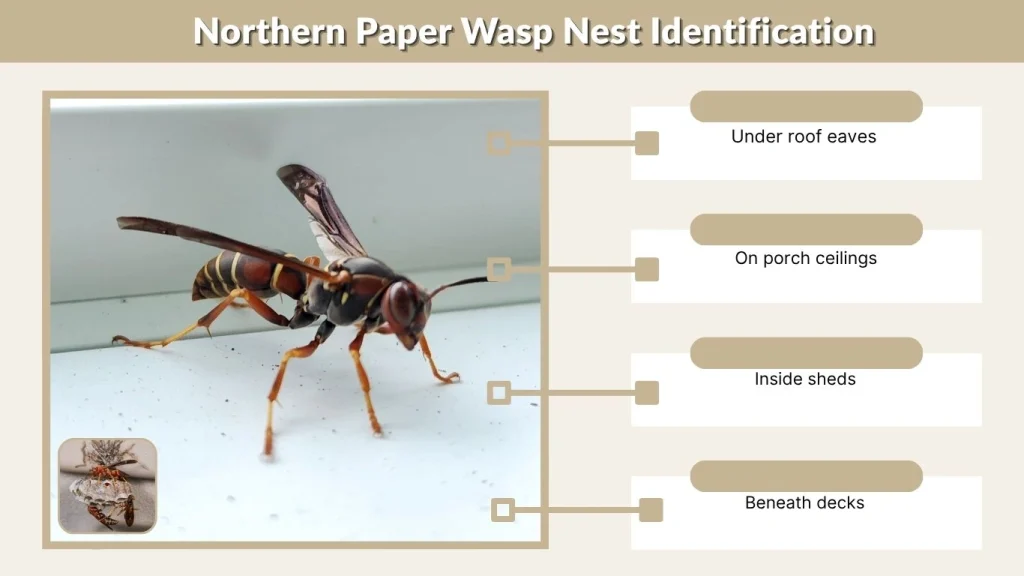
Northern paper wasp nests are among the easiest wasp nests to recognize because they remain open and exposed rather than enclosed inside thick paper coverings.
The nests consist of hexagonal paper cells arranged in a single hanging comb.
Common Nest Locations
Northern paper wasps frequently build nests:
- Under roof eaves
- On porch ceilings
- Inside sheds
- Beneath decks
- Around window frames
Northern Paper Wasp in House or Wall
Occasionally, northern paper wasps may enter wall voids, attics, or indoor spaces while searching for nesting locations or shelter.
Small openings around siding, vents, or roofing materials may allow queens to explore indoor structures during spring nest-building season.
Do Northern Paper Wasps Sting?
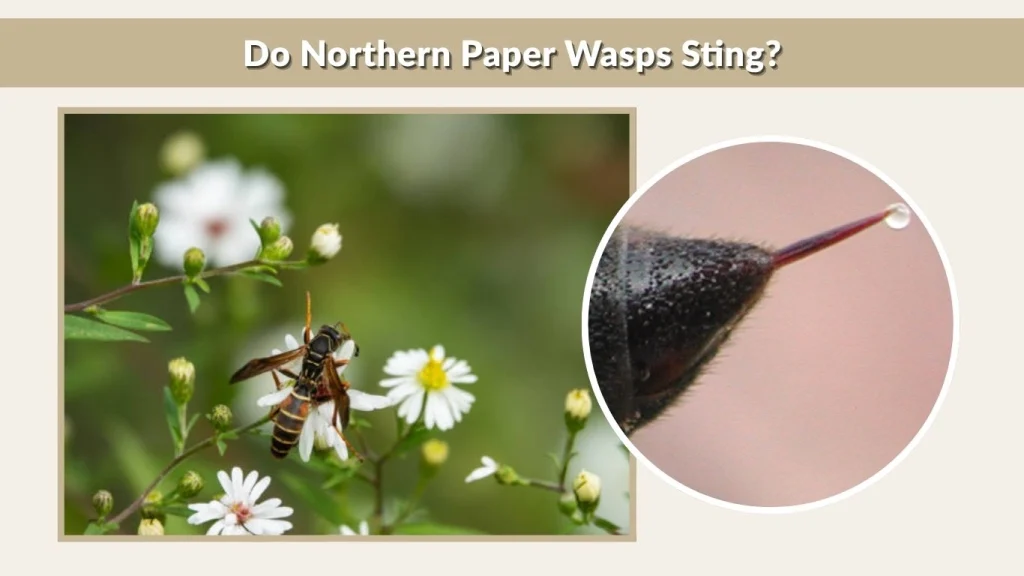
Northern paper wasps are capable of stinging, but they are generally less aggressive than yellow jackets or hornets. Most stings occur when people accidentally disturb nests or attempt removal without protection.
Female wasps use venomous stingers for colony defense and can sting multiple times if threatened.
Northern Paper Wasp Sting Pain
A northern paper wasp sting usually causes immediate burning pain followed by redness and swelling.
Common sting effects include:
- Sharp burning sensation
- Localized swelling
- Redness
- Mild itching
- Temporary soreness
Are Northern Paper Wasps Dangerous?
For most healthy people, northern paper wasp stings are painful but not medically serious. However, individuals with insect sting allergies may experience severe reactions that require emergency medical attention.
Northern Paper Wasp Sting Treatment
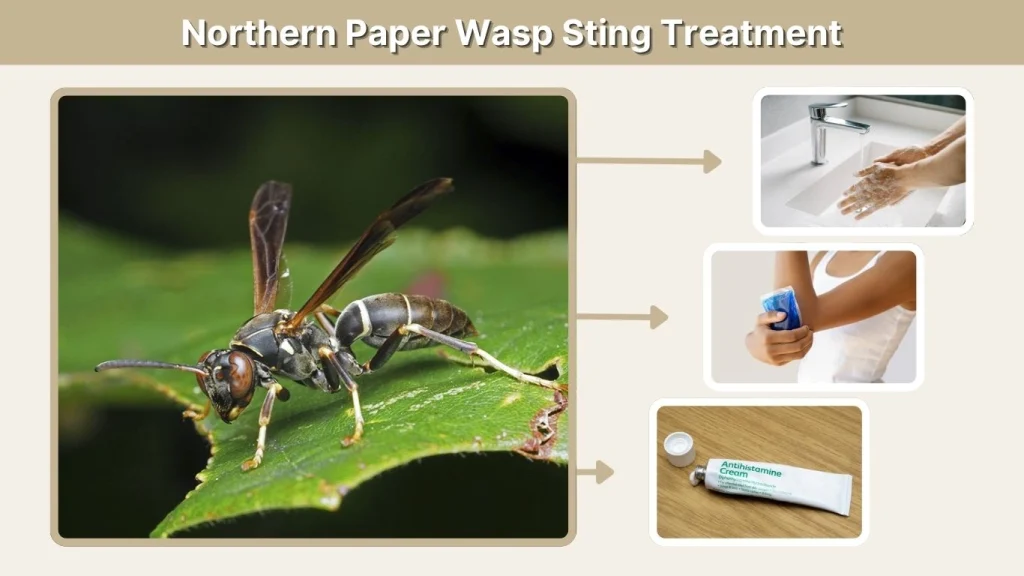
Most northern paper wasp stings can be treated at home using simple first-aid measures. Symptoms usually improve within several hours or days depending on the severity of the sting and the individual’s sensitivity.
Keeping the sting area clean and reducing swelling quickly can help minimize discomfort and prevent irritation from worsening.
Basic Sting Treatment Steps
Recommended treatment methods include:
- Wash the sting area with soap and water
- Apply a cold compress or ice pack
- Elevate swollen areas if possible
- Use antihistamines for itching
- Take over-the-counter pain relievers if needed
When Medical Attention Is Necessary
Some symptoms may indicate a serious allergic reaction that requires immediate medical care.
Warning signs include:
- Difficulty breathing
- Swelling of the throat or face
- Severe dizziness
- Rapid heartbeat
- Widespread hives
People with known insect sting allergies should remain cautious around all paper wasps.
Are Northern Paper Wasps Aggressive?
Northern paper wasps are generally considered less aggressive than yellow jackets or hornets. They usually focus on hunting insects, gathering nectar, and protecting the colony rather than attacking humans.
However, they may become defensive if someone approaches or disturbs the nest too closely.
Northern Paper Wasp Temperament
Northern paper wasps often display calmer behavior than many other social wasps.
Typical behaviors include:
- Hovering near nests
- Warning intruders by flying nearby
- Avoiding unnecessary conflict
- Defending nests only when threatened
Northern Paper Wasp vs Yellow Jacket
Although both species can sting, important behavioral differences exist between them.
| Feature | Northern Paper Wasp | Yellow Jacket |
| Body Shape | Slender | Thick and compact |
| Nest Style | Open paper comb | Enclosed nest |
| Aggression | Moderate | Highly aggressive |
| Flight Style | Slow and hanging legs | Fast direct flight |
| Feeding Habits | Hunts insects and nectar | Attracted to sugary foods |
Northern paper wasps are usually easier to avoid because they rarely swarm aggressively unless the nest is disturbed.
Northern Paper Wasp vs European Paper Wasp
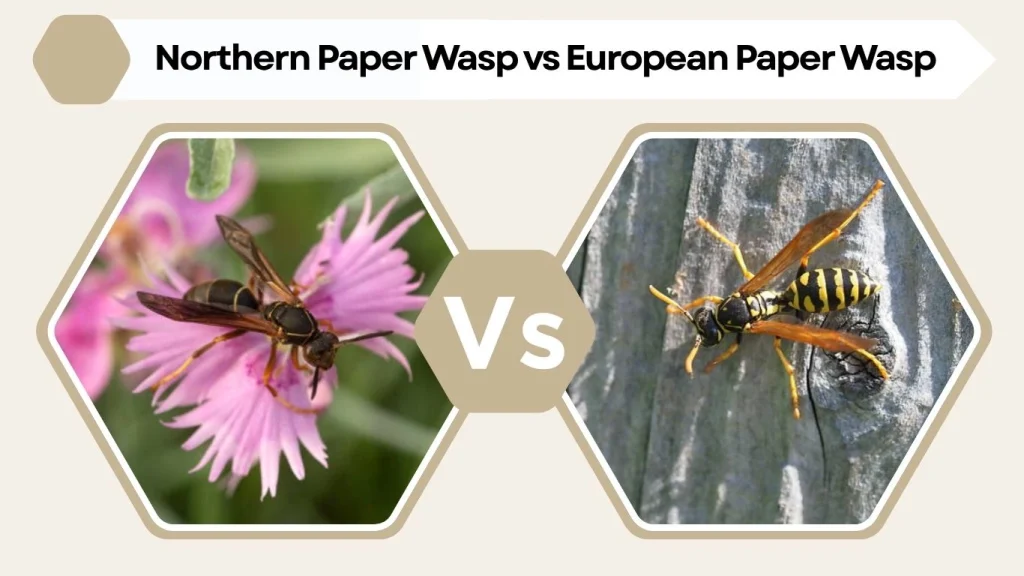
Northern paper wasps are often confused with European paper wasps because both species build similar open nests and share yellow markings.
However, European paper wasps usually display brighter yellow coloration and slightly different facial markings.
Main Differences Between the Two Species
- Northern paper wasps often appear darker
- European paper wasps show brighter yellow stripes
- Facial markings differ slightly
- Geographic ranges overlap in some regions
Which Species Is More Aggressive?
Both species are relatively mild compared to yellow jackets, though individual colonies may behave differently depending on environmental conditions and nest disturbance.
In most cases, both species avoid humans whenever possible.
Northern Paper Wasp Habitat and Range
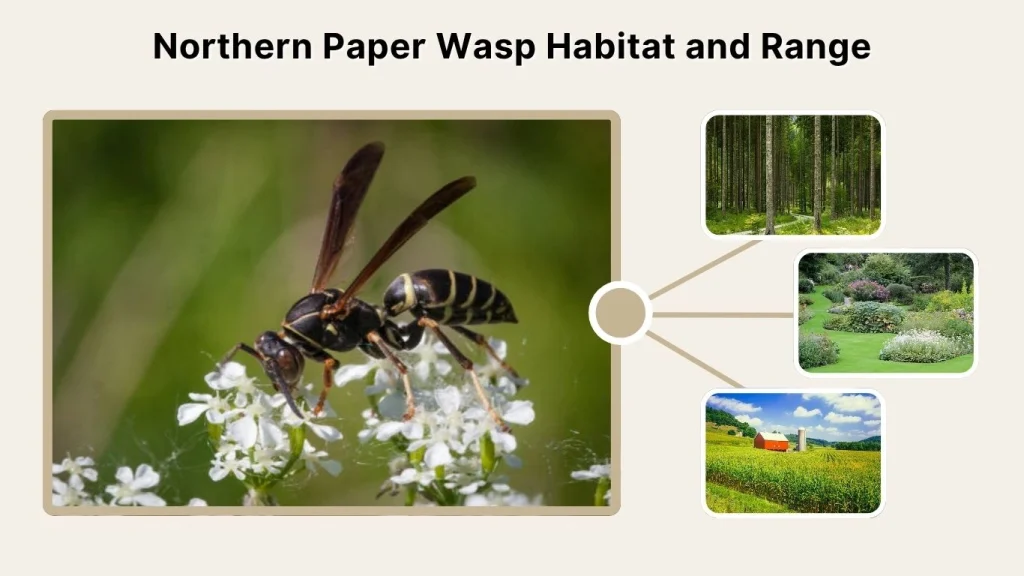
Northern paper wasps are widespread throughout much of North America and adapt well to both natural and urban environments. They commonly live near forests, gardens, homes, barns, and outdoor structures.
Their preference for sheltered nesting areas makes porches, garages, and roof overhangs especially attractive.
Where Northern Paper Wasps Live
Northern paper wasps commonly inhabit:
- Wooded areas
- Residential neighborhoods
- Gardens and parks
- Farms and barns
- Outdoor structures
Northern Paper Wasps in Northern States
These wasps are frequently reported in states such as:
- New Jersey
- Ohio
- Massachusetts
- Alabama
- Northern California
Seasonal activity usually peaks during warmer spring and summer months.
What Do Northern Paper Wasps Eat?
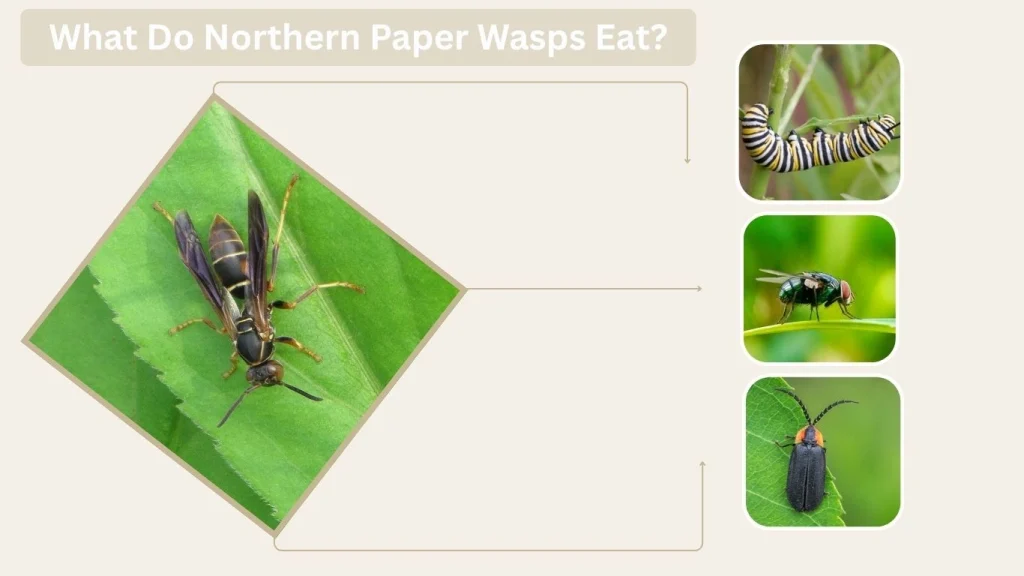
Northern paper wasps feed on both sugary foods and insects. Adult wasps commonly consume nectar and fruit juices, while larvae receive protein-rich insects collected by worker wasps.
Their hunting behavior helps reduce populations of many garden pests.
Common Foods of Northern Paper Wasps
Northern paper wasps commonly eat:
- Caterpillars
- Flies
- Beetles
- Nectar
- Fruit juices
Northern Paper Wasp Predators
Several animals prey on northern paper wasps and their nests.
Natural predators include:
- Birds
- Spiders
- Praying mantises
- Raccoons
- Larger insects
Predation helps control wasp populations naturally in many ecosystems.
How to Get Rid of Northern Paper Wasps
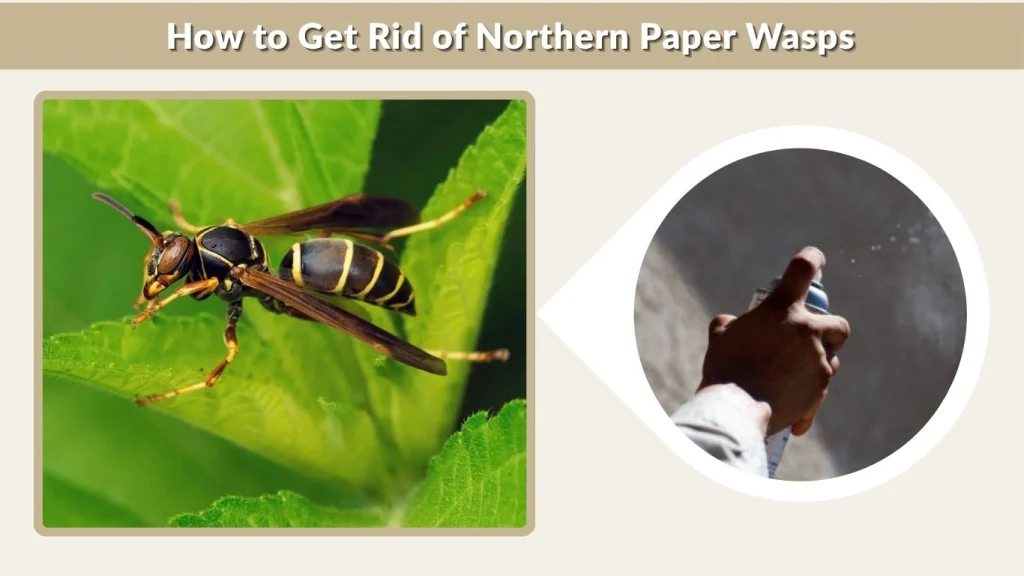
Northern paper wasp nests should only be removed carefully, especially when colonies are active. Small early-season nests are easier and safer to remove than large mature colonies.
Protective clothing and caution are important because disturbed wasps may sting defensively.
Northern Paper Wasp Removal Tips
- Remove small nests early in spring
- Use protective clothing
- Apply approved wasp sprays carefully
- Remove food attractants nearby
- Seal entry gaps around structures
Northern Paper Wasp Traps
Commercial and homemade traps may help reduce wasp activity around outdoor spaces.
Common trap methods include:
- Sugar-water traps
- Commercial pheromone traps
- Bottle traps
- Food-baited traps
Professional pest control services may be safest for large or difficult-to-reach nests.
Interesting Northern Paper Wasp Facts
Northern paper wasps possess several remarkable traits that make them unique among insects.
Fascinating Northern Paper Wasp Facts
- They can recognize individual faces
- Colonies are relatively small
- Only females can sting
- Nests are made from chewed wood fibers
- Queens survive winter in sheltered areas
Why Northern Paper Wasps Matter
Northern paper wasps play valuable ecological roles by controlling pest insects and helping pollinate flowering plants. Although people often fear wasps because of stings, these insects contribute significantly to healthy ecosystems.
Understanding their behavior can help reduce unnecessary fear and encourage safer coexistence.
FAQs
Do northern paper wasps sting humans?
Yes, female northern paper wasps can sting humans when they feel threatened or when their nests are disturbed. Most stings happen accidentally during outdoor activities or nest removal attempts.
Are northern paper wasps more aggressive than yellow jackets?
No, northern paper wasps are generally less aggressive than yellow jackets. They usually avoid conflict unless someone gets too close to the nest, while yellow jackets are often more defensive and aggressive around food and nesting areas.
How painful is a northern paper wasp sting?
A northern paper wasp sting is usually described as a sharp burning pain followed by redness and swelling. The discomfort often improves within a few hours, though mild irritation may last for several days.
What does a northern paper wasp nest look like?
Northern paper wasp nests are open umbrella-shaped structures made from gray or brown paper-like material. The nests contain visible hexagonal cells and are commonly attached under roof eaves, porches, or sheltered outdoor surfaces.
Should northern paper wasp nests be removed?
Small nests located far from human activity may not require removal because northern paper wasps help control pest insects. However, nests near doors, walkways, or living areas may need careful removal for safety reasons.