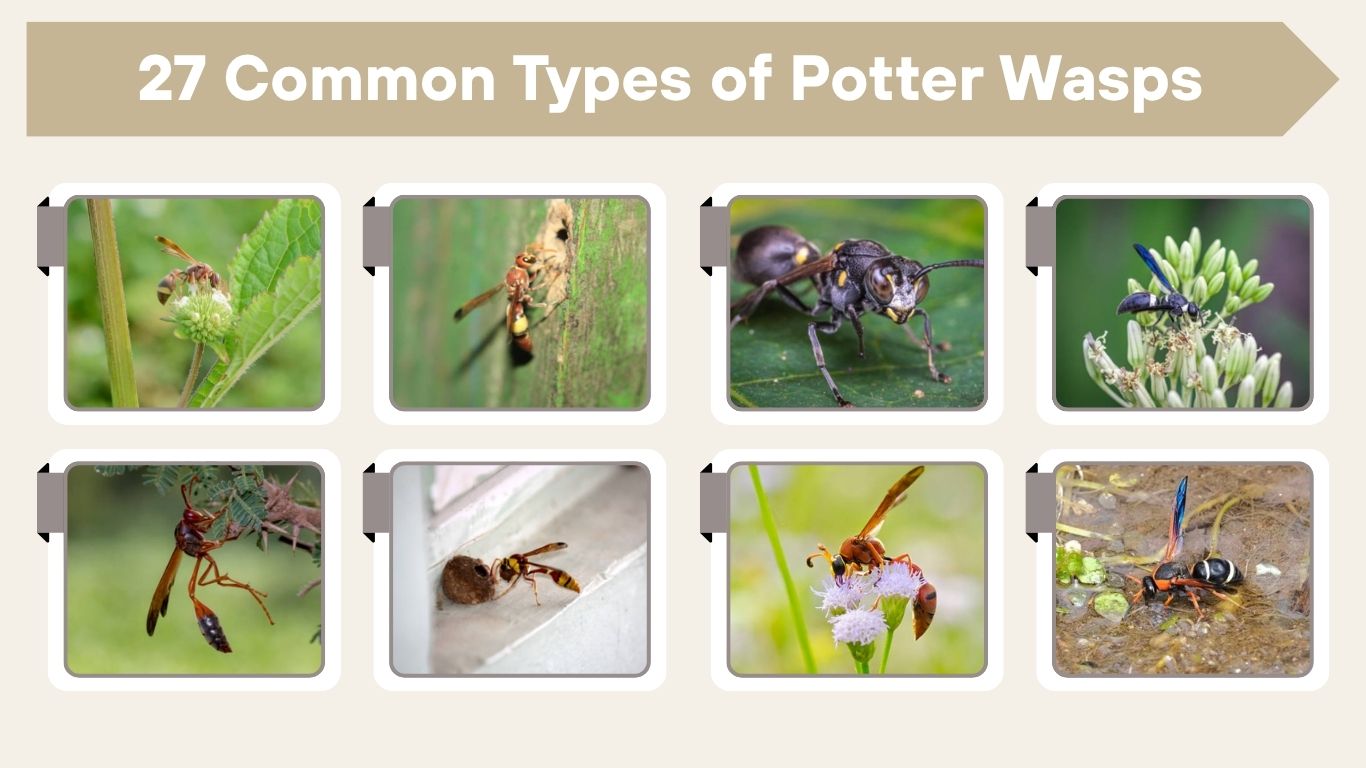
Potter wasps are fascinating solitary insects known for their remarkable mud nest-building abilities and important role in natural pest control. Found in forests, gardens, deserts, and tropical regions worldwide, these wasps help maintain ecological balance by hunting caterpillars and other soft-bodied insects. Unlike social wasps, potter wasps are generally peaceful and rarely sting humans unless threatened. Their unique body shapes, colorful markings, and carefully crafted mud nests make them some of the most interesting members of the wasp family. This guide explores 27 common types of potter wasps, including their identification, habitat, behavior, and lifecycle characteristics.
1. Blue Potter Wasp
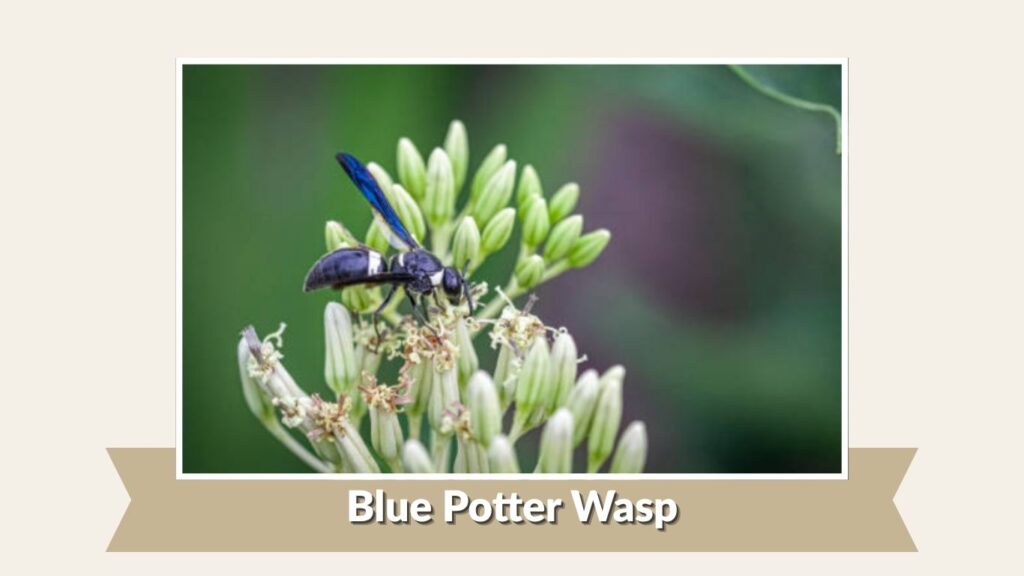
Blue Potter Wasps are solitary insects recognized for their shiny metallic blue bodies and unique mud nest-building behavior. They play an important ecological role by controlling caterpillar populations and assisting with pollination while feeding on flower nectar. These wasps are generally calm and prefer avoiding human interaction unless directly threatened or disturbed near their nests.
Identification
- Metallic blue or deep blue-black body color
- Slim body with a narrow waist
- Smooth and glossy outer surface
- Medium-sized wings with dark shading
- Long legs visible during flight
- Females carry mud for nest construction
Habitat and Distribution
Blue Potter Wasps are commonly found in tropical and subtropical environments with access to mud and flowering plants. They prefer gardens, forest edges, open woodlands, and rural areas where nesting sites are available. These wasps often build nests under roofs, on walls, inside hollow stems, or attached to rocks and tree branches. Their distribution includes regions of Asia, Africa, and Australia, where warm temperatures support their active lifestyle and breeding cycle throughout much of the year.
Behavior and Diet
Blue Potter Wasps are solitary hunters that spend most of their time searching for prey and suitable nesting materials. Females capture caterpillars or soft-bodied insects, paralyze them, and place them inside mud chambers for developing larvae. Adult wasps mainly feed on nectar collected from flowers, which also helps support pollination in local ecosystems. They are usually non-aggressive and rarely sting humans unless handled or threatened near their nesting sites. Their independent behavior differs greatly from the colony-based lifestyle of social wasps.
Lifecycle
The lifecycle of the Blue Potter Wasp begins when the female constructs a mud nest divided into small chambers. She places one egg and several paralyzed insects inside each chamber before sealing it with mud. After hatching, the larva feeds on the stored prey until it grows fully. It then forms a pupa within the chamber and undergoes transformation into an adult wasp. Once development is complete, the adult emerges from the nest and begins searching for food, mates, and nesting locations to continue the cycle.
2. Black Potter Wasp
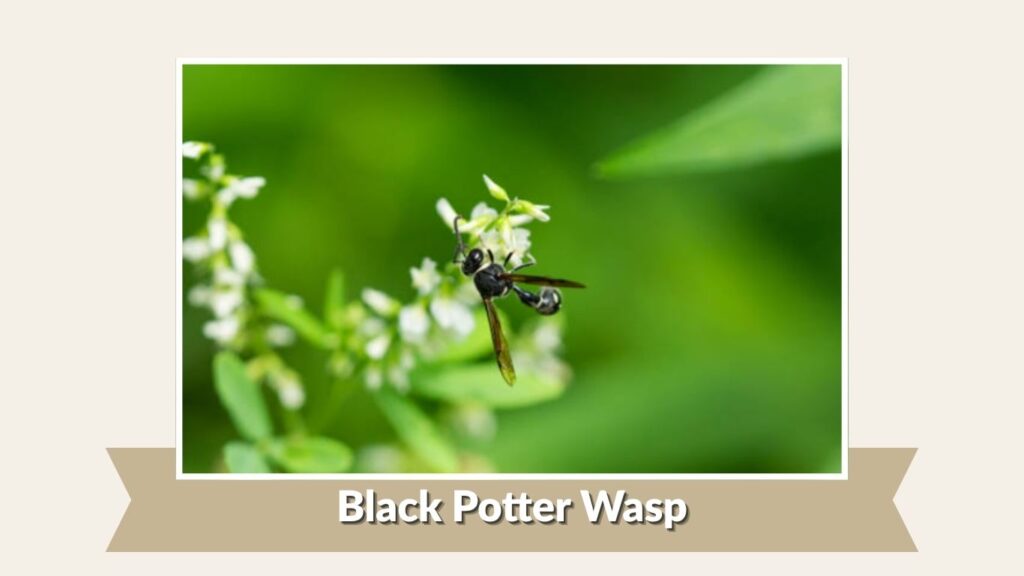
Black Potter Wasps are solitary insects known for their dark body coloration and remarkable mud nest-building abilities. They are beneficial predators that help reduce populations of harmful caterpillars and other soft-bodied insects. These wasps are generally peaceful and spend most of their lives hunting, collecting mud, and caring for their developing offspring in carefully constructed nesting chambers.
Identification
- Solid black or dark charcoal body color
- Narrow waist connecting the thorax and abdomen
- Smooth and slightly glossy appearance
- Medium-sized body with folded wings at rest
- Long antennae and slender legs
- Strong mandibles used for carrying mud and prey
Habitat and Distribution
Black Potter Wasps are commonly found in warm and temperate regions across forests, gardens, farms, and open countryside. They prefer habitats with easy access to moist soil for nest building and abundant insect prey for feeding larvae. These wasps frequently build mud nests under roof edges, on walls, inside hollow plant stems, or attached to rocks and tree bark. Their adaptability allows them to survive in both natural ecosystems and urban environments where flowering plants and sheltered nesting spaces are available throughout the season.
Behavior and Diet
Black Potter Wasps are solitary hunters that do not form colonies like social wasps. Females actively search for caterpillars, beetle larvae, and other soft-bodied insects to stock their nests. Adult wasps mainly feed on nectar and occasionally visit flowers during the daytime. They are typically calm around humans and only sting when directly threatened or handled. Their hunting behavior helps maintain ecological balance by naturally controlling pest populations in gardens and agricultural areas while supporting pollination through regular flower visits.
Lifecycle
The female Black Potter Wasp begins the reproductive cycle by building a series of mud chambers in a protected location. Each chamber receives a single egg along with several paralyzed insects as food for the future larva. After sealing the chamber, the larva hatches and consumes the stored prey while developing. Once fully grown, it enters the pupal stage inside the nest before transforming into an adult wasp. The mature wasp eventually breaks out of the chamber and starts the cycle again through feeding, mating, and nest construction.
3. Red Potter Wasp
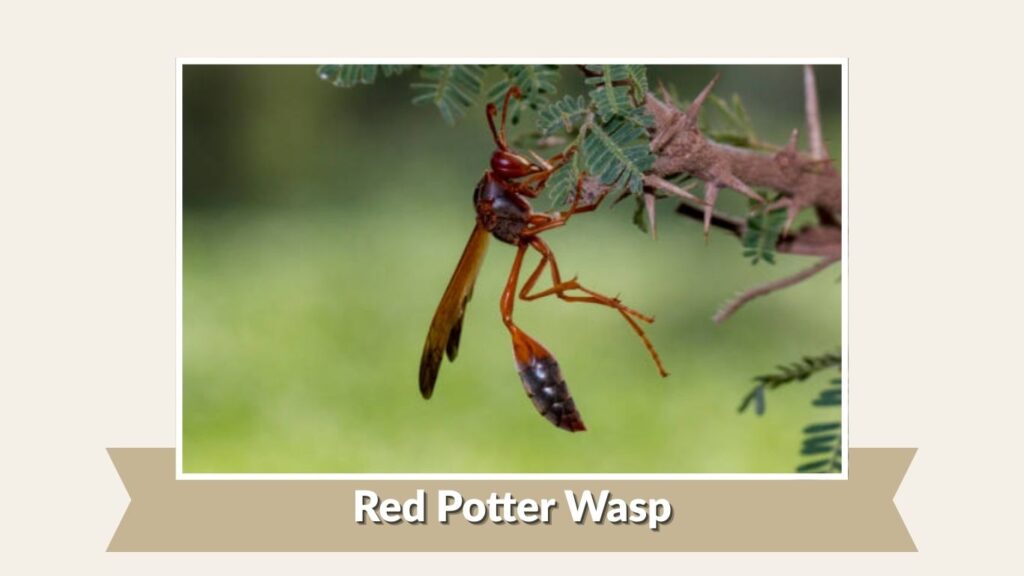
Red Potter Wasps are colorful solitary wasps recognized for their reddish or rust-colored bodies and their ability to create small mud nests. They are important natural predators that help control insect populations in gardens and forests. These wasps are usually non-aggressive and spend most of their time gathering mud, hunting prey, and feeding on flower nectar in warm outdoor environments.
Identification
- Reddish-brown or rusty red body coloration
- Narrow waist between the thorax and abdomen
- Smooth body with a slightly shiny texture
- Medium-sized wings that appear smoky or dark
- Long legs and curved antennae
- Females carry mud pellets during nest building
Habitat and Distribution
Red Potter Wasps are widely distributed in tropical and subtropical regions, especially in forests, gardens, farmland, and open woodland areas. They prefer warm habitats with nearby water or moist soil for collecting mud. These wasps often build nests under leaves, roof edges, tree branches, walls, and rock surfaces. Their presence is common in both rural and urban areas where flowering plants and insect prey are plentiful. Sheltered nesting sites help protect their developing larvae from harsh weather and predators.
Behavior and Diet
Red Potter Wasps are solitary insects that live and hunt independently rather than forming colonies. Females actively search for caterpillars and soft-bodied insects, which are paralyzed and stored inside nest chambers as food for larvae. Adult wasps mainly feed on nectar and are frequently seen visiting flowers during sunny weather. They are generally peaceful toward humans and rarely sting unless disturbed directly. Their hunting activities provide natural pest control, making them beneficial insects in gardens and agricultural ecosystems.
Lifecycle
The lifecycle of the Red Potter Wasp begins when the female creates mud chambers in a safe location. She places a single egg and several paralyzed prey items inside each chamber before sealing it with mud. After the egg hatches, the larva feeds on the stored insects until it reaches full growth. It then develops into a pupa inside the chamber before transforming into an adult wasp. Once mature, the adult emerges and begins feeding, mating, and constructing nests to continue the reproductive cycle.
4. Mason Potter Wasp
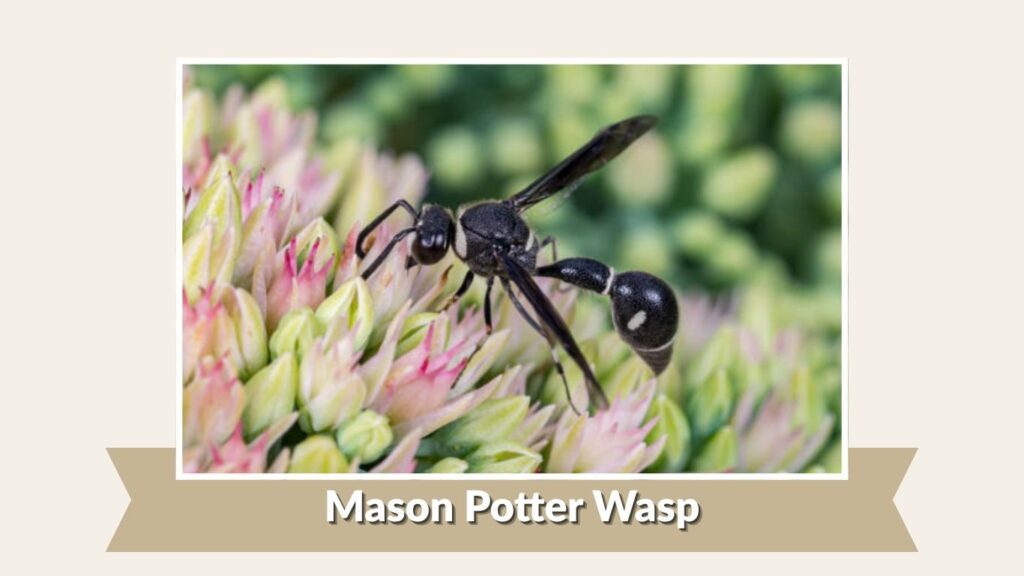
Mason Potter Wasps are solitary insects famous for building strong mud nests that resemble small pots or clay chambers. These wasps are considered beneficial because they prey on caterpillars and other garden pests. They are calm by nature and usually avoid conflict with humans while spending their time gathering mud, hunting insects, and feeding on flower nectar in outdoor habitats.
Identification
- Dark brown or black body with yellow markings
- Distinct narrow waist connecting body sections
- Medium-sized body with folded wings at rest
- Strong mandibles used for shaping mud nests
- Long antennae and slender legs
- Rounded mud nests often found near homes or trees
Habitat and Distribution
Mason Potter Wasps are found in tropical, subtropical, and temperate regions around the world. They commonly inhabit gardens, forests, grasslands, farms, and urban areas where mud and insect prey are available. These wasps prefer sheltered nesting locations such as walls, ceilings, tree branches, rock surfaces, and hollow plant stems. Their ability to adapt to human environments allows them to thrive near houses and buildings, especially in warm climates with flowering plants and moist soil for nest construction.
Behavior and Diet
Mason Potter Wasps are solitary hunters that work independently rather than living in colonies. Females collect mud to build protective chambers for their eggs and developing larvae. They hunt caterpillars, beetle larvae, and similar soft-bodied insects, which are paralyzed and stored as food. Adult wasps mainly consume nectar from flowers and may contribute to pollination while feeding. They are usually non-aggressive toward humans and only sting when directly threatened or disturbed near their nests or while handling them.
Lifecycle
The female Mason Potter Wasp begins the lifecycle by constructing mud chambers in a secure location. Each chamber receives one egg along with several paralyzed insects to nourish the larva after hatching. The larva feeds on the stored prey until fully developed and then forms a pupa inside the sealed chamber. During this stage, it transforms into an adult wasp. Once mature, the adult breaks through the mud wall and emerges to search for food, mates, and suitable nesting sites for reproduction.
5. Yellow Potter Wasp
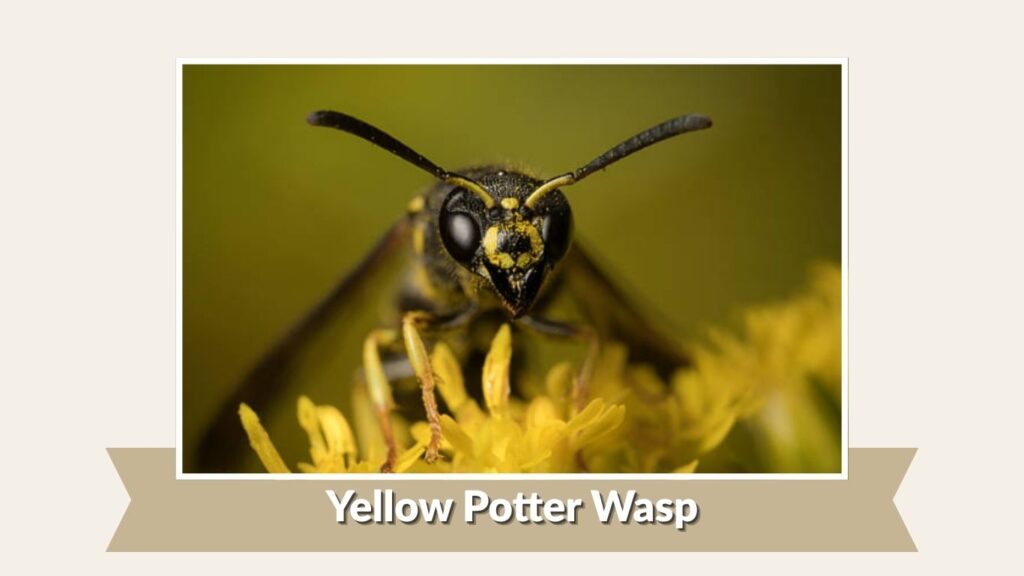
Yellow Potter Wasps are brightly colored solitary wasps known for their yellow and black patterns and their skillful mud nest construction. They are beneficial insects that help control caterpillar populations and support pollination while feeding on nectar. These wasps are generally peaceful and spend most of their time hunting prey, gathering mud, and protecting their developing offspring in carefully sealed chambers.
Identification
- Bright yellow body with black markings
- Thin waist connecting the thorax and abdomen
- Smooth body with shiny outer covering
- Medium-sized transparent or smoky wings
- Long antennae and slender legs
- Females often seen carrying mud or prey insects
Habitat and Distribution
Yellow Potter Wasps are commonly found in tropical and temperate regions across gardens, forests, farms, and open grasslands. They prefer areas with flowering plants, moist soil, and sheltered nesting locations. These wasps frequently build mud nests under roof edges, inside hollow stems, on walls, or attached to rocks and branches. Their adaptability allows them to live near human settlements as well as in natural environments. Warm climates with abundant insect prey provide ideal conditions for their survival and reproduction throughout the active season.
Behavior and Diet
Yellow Potter Wasps are solitary insects that hunt independently instead of forming social colonies. Females search for caterpillars and other soft-bodied insects, which are paralyzed and stored in mud chambers for their larvae. Adult wasps mainly feed on nectar collected from flowers and may occasionally consume plant juices. They are usually calm around humans and rarely sting unless threatened or disturbed near their nests. Their natural hunting behavior helps reduce pest populations, making them valuable insects in gardens and agricultural ecosystems.
Lifecycle
The lifecycle of the Yellow Potter Wasp starts when the female builds small mud chambers in a protected area. She places one egg and several paralyzed prey insects inside each chamber before sealing it with mud. After hatching, the larva feeds on the stored prey while growing inside the nest. Once fully developed, it enters the pupal stage and gradually transforms into an adult wasp. The mature wasp later emerges from the chamber and begins searching for food, mates, and suitable nesting sites to continue the cycle.
6. Asian Potter Wasp
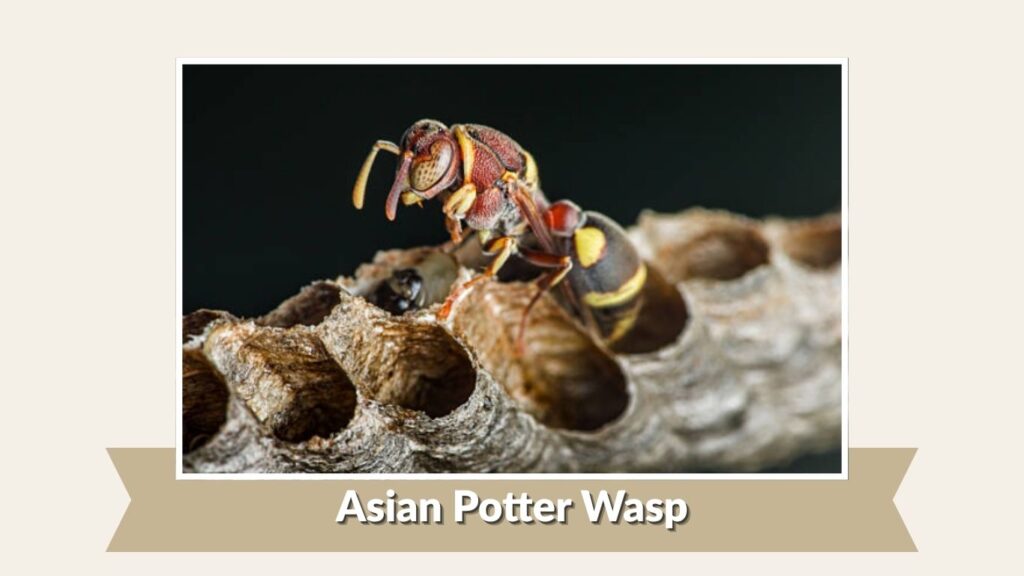
Asian Potter Wasps are solitary mud-building wasps commonly found across many parts of Asia. They are known for their slender bodies, careful nest construction, and helpful role in controlling insect populations. These wasps are usually non-aggressive and spend their time hunting caterpillars, collecting mud, and feeding on flower nectar in forests, gardens, and agricultural landscapes throughout warm regions.
Identification
- Black or dark brown body with yellow markings
- Slender waist and elongated abdomen
- Medium-sized wings with smoky appearance
- Smooth body surface with slight shine
- Long antennae and narrow legs
- Females often seen carrying mud pellets or prey
Habitat and Distribution
Asian Potter Wasps are widely distributed throughout South Asia, Southeast Asia, and East Asia. They inhabit gardens, forest edges, farmland, parks, and rural areas where insect prey and nesting materials are available. These wasps prefer warm climates and often construct mud nests on walls, under roofs, inside hollow stems, or attached to rocks and tree branches. Their adaptability allows them to survive in both natural habitats and populated urban environments. Areas with flowering plants and moist soil provide ideal conditions for feeding and reproduction during active seasons.
Behavior and Diet
Asian Potter Wasps are solitary hunters that work independently rather than living in colonies. Females search for caterpillars, beetle larvae, and other soft-bodied insects to place inside nest chambers as food for developing larvae. Adult wasps mainly consume nectar from flowers and may assist with pollination while feeding. They are generally peaceful toward humans and rarely sting unless handled or threatened near their nests. Their hunting activity helps naturally reduce harmful insect populations in gardens and agricultural ecosystems.
Lifecycle
The lifecycle of the Asian Potter Wasp begins when the female builds a mud nest containing several small chambers. Each chamber is supplied with paralyzed prey and a single egg before being sealed with mud. After hatching, the larva feeds on the stored insects until fully grown. It then enters the pupal stage inside the chamber and gradually transforms into an adult wasp. Once mature, the adult breaks through the mud seal and emerges to feed, mate, and construct new nests for the next generation.
7. European Potter Wasp
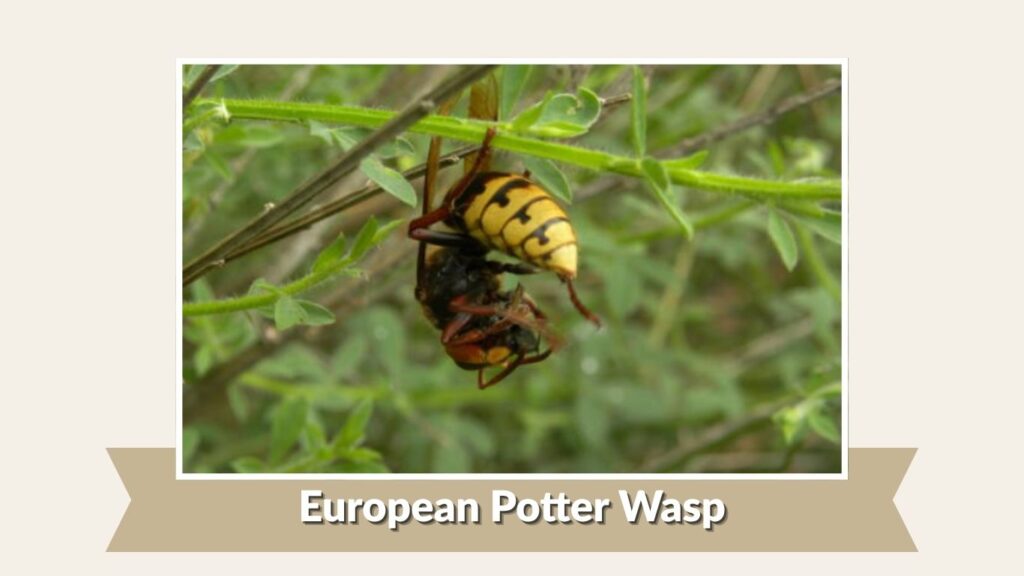
European Potter Wasps are solitary insects known for their neat mud nests and effective hunting behavior. They are commonly found in warm parts of Europe and nearby regions, where they help control caterpillar populations naturally. These wasps are generally calm and spend much of their time collecting mud, hunting prey, and feeding on nectar from flowering plants in outdoor environments.
Identification
- Black body with yellow or orange markings
- Distinct narrow waist and rounded abdomen
- Medium-sized body with folded wings at rest
- Smooth outer surface with slight gloss
- Long antennae and slender legs
- Mud nests shaped like small clay pots
Habitat and Distribution
European Potter Wasps are widely distributed across southern and central Europe, as well as parts of North Africa and western Asia. They inhabit gardens, woodlands, farmland, grasslands, and rural settlements where suitable nesting sites and insect prey are available. These wasps often build mud nests on walls, rocks, tree branches, and sheltered corners of buildings. Warm climates with flowering vegetation and moist soil support their feeding and nesting activities. They are also commonly seen near human homes because of their adaptability to urban and suburban environments.
Behavior and Diet
European Potter Wasps are solitary hunters that do not live in social colonies. Females capture caterpillars and soft-bodied insects, paralyzing them before storing them inside mud chambers for their larvae. Adult wasps mainly feed on flower nectar and occasionally on plant juices. They are usually peaceful around humans and rarely sting unless directly disturbed. Their hunting behavior provides natural pest control in gardens and agricultural areas, while their flower visits contribute to pollination in local ecosystems during the warmer months of the year.
Lifecycle
The female European Potter Wasp begins the lifecycle by constructing mud chambers in a protected location. Each chamber contains one egg along with several paralyzed prey insects for the developing larva. After hatching, the larva feeds on the stored prey until it becomes fully grown. It then forms a pupa within the sealed chamber and gradually transforms into an adult wasp. Once development is complete, the adult emerges from the mud nest and begins searching for food, mates, and suitable nesting areas for reproduction.
8. Australian Potter Wasp
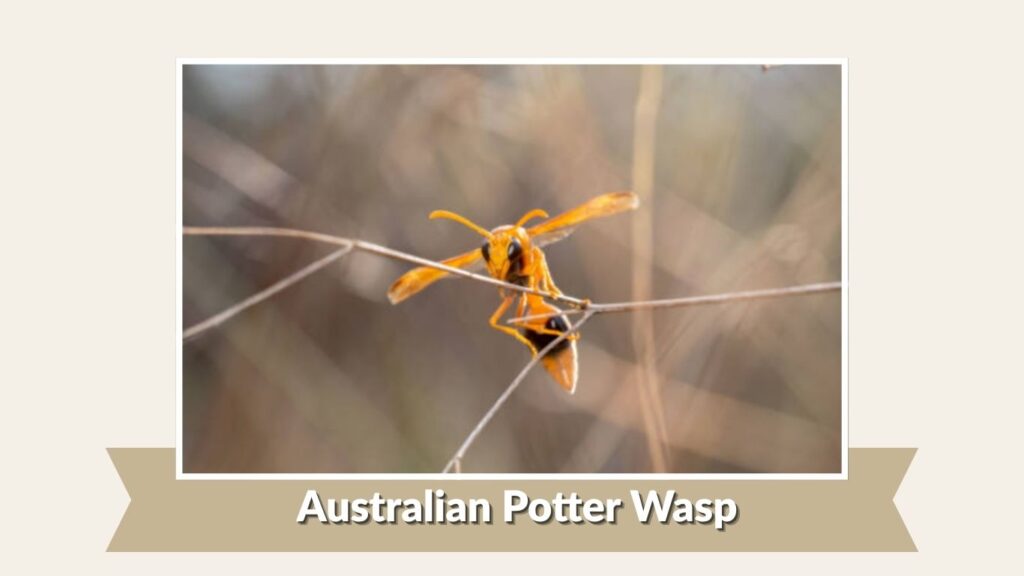
Australian Potter Wasps are solitary mud-building wasps native to various regions of Australia. They are recognized for their impressive nest-building skills and their role in controlling insect populations. These wasps are usually non-aggressive and spend most of their lives hunting prey, gathering mud, and feeding on nectar in forests, gardens, and dry open landscapes across the continent.
Identification
- Black or dark brown body with yellow markings
- Slim waist connecting the thorax and abdomen
- Medium-sized body with narrow wings
- Smooth and shiny outer surface
- Long legs and curved antennae
- Mud nests attached to rocks, branches, or buildings
Habitat and Distribution
Australian Potter Wasps are widely distributed throughout Australia, especially in woodlands, grasslands, gardens, forests, and semi-arid regions. They prefer habitats with access to moist soil for mud collection and abundant flowering plants for nectar feeding. These wasps commonly build nests under roof edges, on tree trunks, inside hollow stems, and on rocky surfaces. Their adaptability allows them to survive in both natural ecosystems and urban environments. Warm temperatures and open spaces with insect prey create favorable conditions for nesting and reproduction throughout much of the year.
Behavior and Diet
Australian Potter Wasps are solitary hunters that work independently rather than forming colonies. Females search for caterpillars and other soft-bodied insects, which are paralyzed and stored inside mud chambers as food for developing larvae. Adult wasps mainly feed on nectar from flowers and occasionally on plant juices. They are generally peaceful toward humans and rarely sting unless threatened or disturbed near their nests. Their hunting behavior helps naturally reduce pest populations, making them valuable insects in gardens, forests, and agricultural environments.
Lifecycle
The lifecycle of the Australian Potter Wasp begins when the female constructs a mud nest divided into separate chambers. Each chamber receives one egg and several paralyzed insects before being sealed with mud. After hatching, the larva feeds on the stored prey while developing inside the chamber. It later enters the pupal stage, where transformation into an adult wasp occurs. Once fully developed, the adult emerges from the mud nest and begins feeding, mating, and searching for suitable nesting sites to continue the reproductive cycle.
9. Metallic Potter Wasp
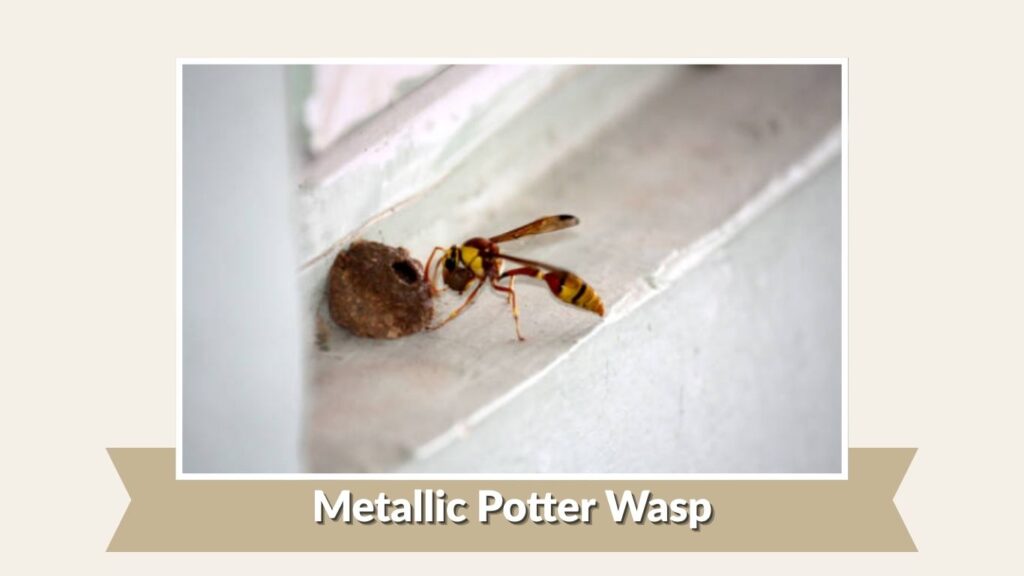
Metallic Potter Wasps are striking solitary wasps known for their shiny metallic colors, which may appear blue, green, purple, or bronze in sunlight. These wasps are skilled mud nest builders and important natural predators of soft-bodied insects. They are generally peaceful insects that spend their time hunting prey, collecting nectar, and constructing protective mud chambers for their developing offspring.
Identification
- Metallic blue, green, bronze, or purple body coloration
- Slender body with a narrow waist
- Smooth and glossy exoskeleton
- Medium-sized transparent or smoky wings
- Long legs and curved antennae
- Females often seen carrying mud or caterpillars
Habitat and Distribution
Metallic Potter Wasps are found in tropical, subtropical, and warm temperate regions around the world. They commonly inhabit forests, gardens, grasslands, farmland, and urban parks where flowering plants and moist soil are available. These wasps build mud nests on walls, rocks, tree branches, and sheltered building surfaces. Their colorful appearance often makes them noticeable in sunny environments. Warm climates with abundant insect prey support their active feeding and nesting behavior, while sheltered nesting areas help protect larvae from predators and changing weather conditions.
Behavior and Diet
Metallic Potter Wasps are solitary hunters that do not form colonies. Females search for caterpillars and other soft-bodied insects, which are paralyzed and stored in mud chambers as food for larvae. Adult wasps mainly feed on nectar from flowers and may contribute to pollination during feeding. They are usually calm around humans and rarely sting unless directly threatened. Their hunting activities help control insect populations naturally, making them beneficial insects in gardens and agricultural landscapes where pest management is important.
Lifecycle
The lifecycle of the Metallic Potter Wasp begins when the female builds small mud chambers in a protected location. Each chamber contains a single egg and several paralyzed insects to feed the future larva. After hatching, the larva consumes the stored prey while growing inside the sealed nest. It later enters the pupal stage and gradually transforms into an adult wasp. Once development is complete, the adult breaks through the mud chamber and emerges to search for food, mates, and suitable nesting sites for the next generation.
10. Striped Potter Wasp
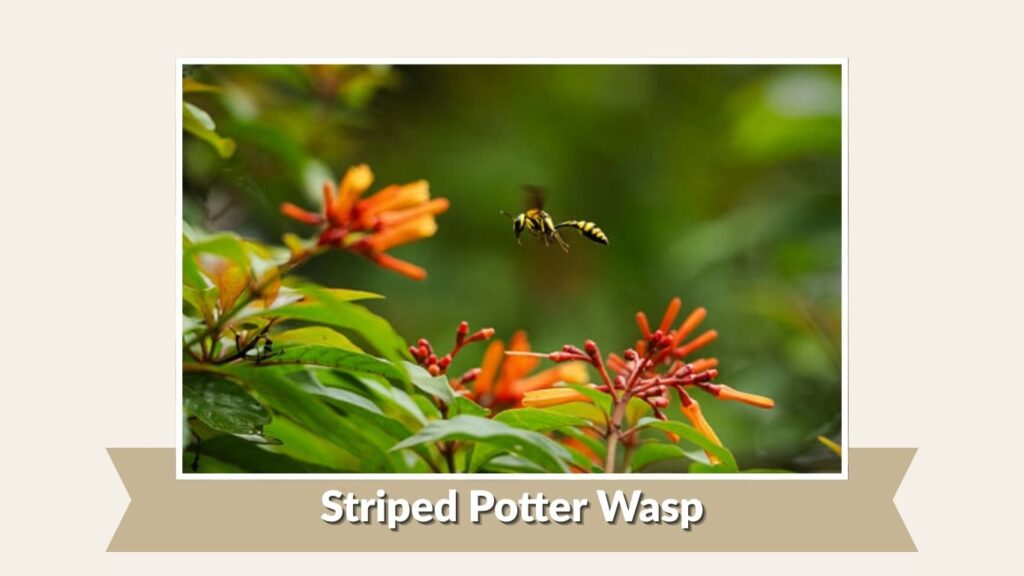
Striped Potter Wasps are solitary mud-building wasps recognized for their bold striped patterns across the body and abdomen. These insects are beneficial predators that help reduce populations of caterpillars and other small insects. They are generally calm around humans and spend most of their lives collecting mud, hunting prey, and feeding on flower nectar in warm outdoor habitats.
Identification
- Black or dark brown body with yellow or orange stripes
- Distinct narrow waist between body sections
- Smooth and slightly glossy outer surface
- Medium-sized wings with smoky coloration
- Long legs and curved antennae
- Striped abdomen clearly visible during flight or rest
Habitat and Distribution
Striped Potter Wasps are found in tropical and temperate regions across forests, grasslands, gardens, farmland, and suburban areas. They prefer habitats with flowering plants, moist soil, and sheltered nesting sites. These wasps commonly build mud nests under roof edges, on walls, tree branches, hollow stems, and rocky surfaces. Their adaptability allows them to survive near human settlements as well as in natural ecosystems. Warm climates and environments with abundant insect prey support their nesting and feeding activities throughout the active season.
Behavior and Diet
Striped Potter Wasps are solitary hunters that work independently rather than forming colonies. Females search for caterpillars and other soft-bodied insects, which are paralyzed and stored inside mud chambers as food for larvae. Adult wasps mainly feed on nectar from flowers and occasionally on plant juices. They are usually non-aggressive and rarely sting humans unless directly threatened or disturbed near their nests. Their hunting behavior helps naturally control pest populations, making them useful insects in gardens and agricultural landscapes.
Lifecycle
The lifecycle of the Striped Potter Wasp begins when the female builds a mud nest divided into several chambers. Each chamber receives one egg and multiple paralyzed prey insects before being sealed with mud. After hatching, the larva feeds on the stored insects while growing inside the chamber. It later enters the pupal stage, where it transforms into an adult wasp. Once fully developed, the adult emerges from the nest and begins searching for food, mates, and suitable nesting areas to continue the reproductive cycle.
11. Giant Potter Wasp
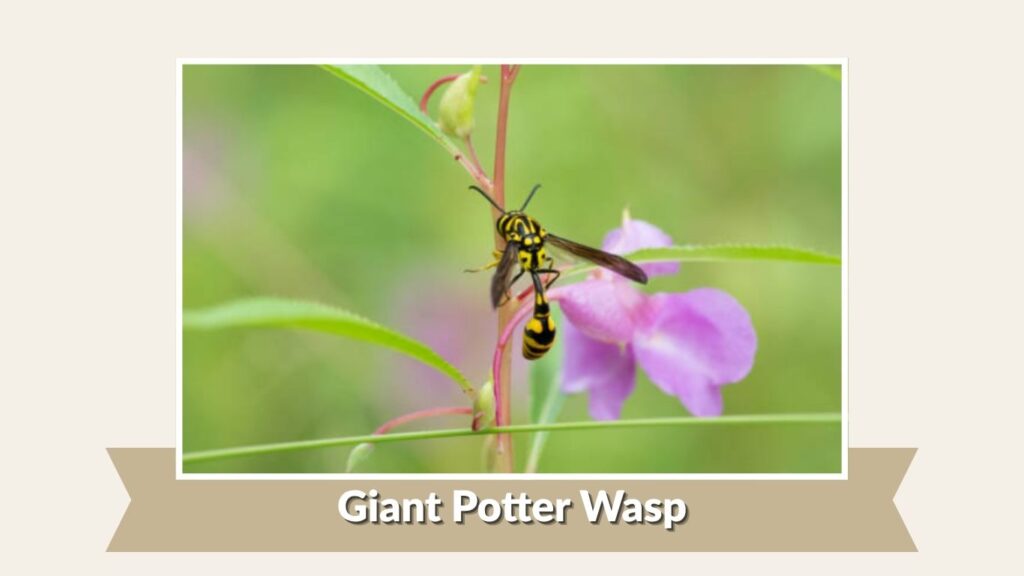
Giant Potter Wasps are among the largest members of the potter wasp group and are known for their powerful build and impressive mud nests. Despite their large size, they are usually solitary and non-aggressive insects. These wasps play an important ecological role by controlling caterpillar populations and helping maintain balance in forests, gardens, and other natural habitats.
Identification
- Large body compared to other potter wasps
- Black, brown, or reddish coloration with yellow markings
- Strong narrow waist and broad abdomen
- Long wings with dark or smoky appearance
- Powerful mandibles used for nest construction
- Long legs and curved antennae
Habitat and Distribution
Giant Potter Wasps are found in tropical and subtropical regions across Asia, Africa, and parts of Australia. They commonly inhabit forests, woodland edges, gardens, grasslands, and rural landscapes with abundant insect prey and moist soil. These wasps build large mud nests on walls, tree trunks, rocks, and sheltered structures. Warm climates with flowering plants provide ideal feeding conditions for adults, while protected nesting areas help safeguard developing larvae from predators and harsh environmental conditions throughout the breeding season.
Behavior and Diet
Giant Potter Wasps are solitary hunters that spend much of their time searching for caterpillars and other soft-bodied insects. Females paralyze prey and place them inside mud chambers as food for larvae. Adult wasps mainly feed on nectar from flowers and occasionally consume plant juices. They are generally calm around humans and rarely sting unless threatened or handled. Their hunting behavior makes them beneficial insects because they naturally reduce populations of harmful garden and agricultural pests in many ecosystems.
Lifecycle
The lifecycle of the Giant Potter Wasp begins when the female builds a strong mud nest divided into several chambers. Each chamber receives a single egg and multiple paralyzed prey insects before being sealed with mud. After hatching, the larva feeds on the stored prey while growing inside the chamber. It later enters the pupal stage and gradually transforms into an adult wasp. Once fully developed, the adult breaks through the mud wall and emerges to feed, mate, and begin constructing nests for the next generation.
12. Common Potter Wasp
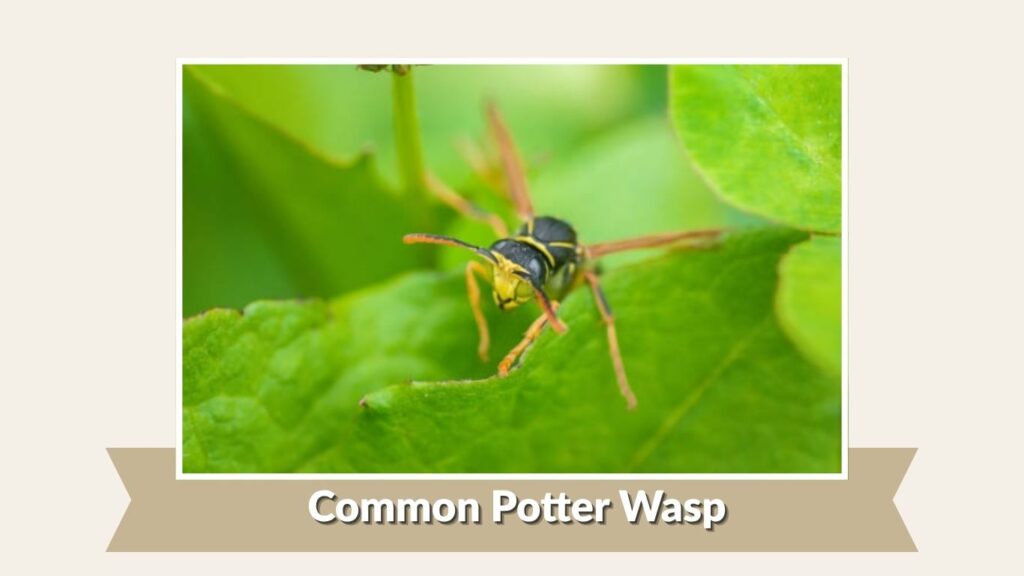
Common Potter Wasps are solitary insects widely recognized for their mud nest-building behavior and their role in controlling harmful insect populations. They are often seen in gardens, forests, and near homes where suitable nesting areas are available. These wasps are generally peaceful and spend their time hunting prey, collecting mud, and feeding on nectar from flowering plants.
Identification
- Black or dark brown body with yellow markings
- Narrow waist connecting the thorax and abdomen
- Medium-sized body with folded wings at rest
- Smooth and slightly shiny outer surface
- Long antennae and slender legs
- Small mud nests shaped like pots or tubes
Habitat and Distribution
Common Potter Wasps are found across tropical, subtropical, and temperate regions around the world. They inhabit gardens, forests, farmland, parks, and suburban areas where insect prey and mud are easily available. These wasps often construct mud nests on walls, tree branches, rocks, under roof edges, and inside hollow stems. Their ability to adapt to both natural and human environments makes them widespread in many regions. Warm temperatures, flowering plants, and sheltered nesting sites provide ideal conditions for feeding and reproduction throughout the active months.
Behavior and Diet
Common Potter Wasps are solitary hunters that live independently instead of forming social colonies. Females hunt caterpillars, beetle larvae, and other soft-bodied insects, which are paralyzed and stored inside mud chambers for developing larvae. Adult wasps mainly feed on flower nectar and occasionally on plant juices. They are usually calm around humans and rarely sting unless directly threatened or disturbed near their nests. Their natural hunting behavior helps reduce pest populations, making them beneficial insects in gardens and agricultural ecosystems.
Lifecycle
The lifecycle of the Common Potter Wasp begins when the female builds a mud nest containing several chambers. Each chamber receives one egg and multiple paralyzed insects before being sealed with mud. After hatching, the larva feeds on the stored prey until fully grown. It then forms a pupa inside the chamber and gradually transforms into an adult wasp. Once mature, the adult emerges from the nest and begins feeding, mating, and searching for suitable nesting sites to continue the reproductive cycle.
13. Golden Potter Wasp
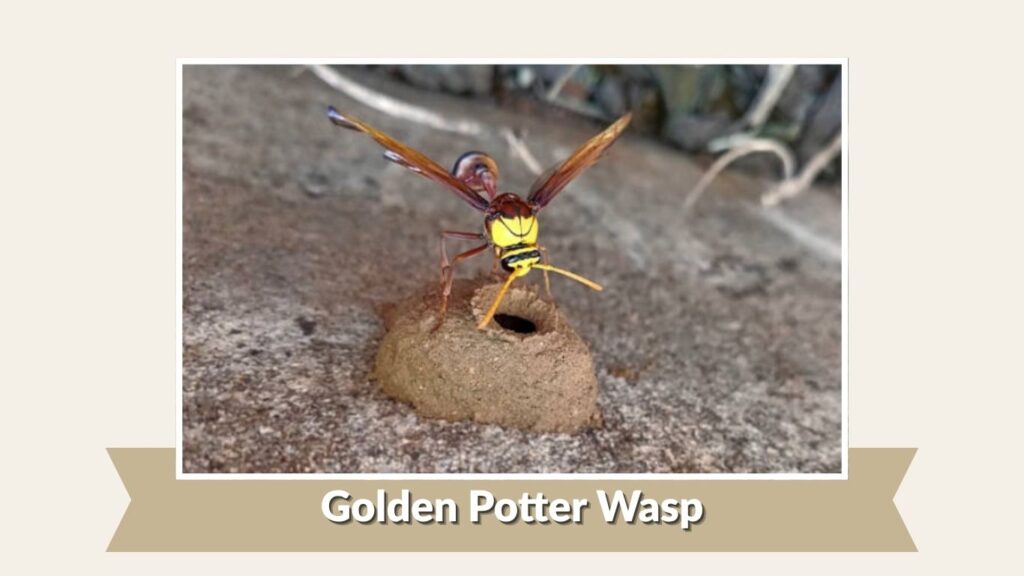
Golden Potter Wasps are attractive solitary wasps known for their golden-yellow coloration and carefully crafted mud nests. They are beneficial insects that help control populations of caterpillars and other soft-bodied pests. These wasps are usually calm and spend much of their time collecting mud, hunting prey, and feeding on nectar in sunny gardens, forests, and open natural habitats.
Identification
- Bright golden-yellow or yellow-orange body coloration
- Slim waist connecting the thorax and abdomen
- Smooth and shiny body surface
- Medium-sized transparent or smoky wings
- Long legs and curved antennae
- Rounded abdomen with darker markings in some species
Habitat and Distribution
Golden Potter Wasps are commonly found in tropical and subtropical regions across Asia, Africa, and parts of Australia. They inhabit gardens, forest edges, grasslands, farmland, and urban parks where flowering plants and moist soil are available. These wasps build mud nests on walls, branches, rocks, and sheltered corners of buildings. Warm climates with abundant insect prey support their feeding and breeding activities. Their adaptability allows them to survive in both natural ecosystems and areas close to human settlements throughout the warmer seasons.
Behavior and Diet
Golden Potter Wasps are solitary hunters that work independently rather than living in colonies. Females search for caterpillars and soft-bodied insects, which are paralyzed and stored inside mud chambers for developing larvae. Adult wasps mainly feed on nectar from flowers and occasionally consume plant juices. They are generally peaceful toward humans and rarely sting unless directly threatened. Their hunting activities naturally reduce pest populations, making them valuable insects in gardens and agricultural environments where biological pest control is beneficial.
Lifecycle
The lifecycle of the Golden Potter Wasp begins when the female constructs small mud chambers in a sheltered location. Each chamber receives one egg and several paralyzed prey insects before being sealed with mud. After hatching, the larva feeds on the stored prey while developing inside the chamber. It later enters the pupal stage, where transformation into an adult wasp occurs. Once fully mature, the adult breaks through the mud nest and emerges to feed, mate, and create nests for the next generation.
14. Brown Potter Wasp
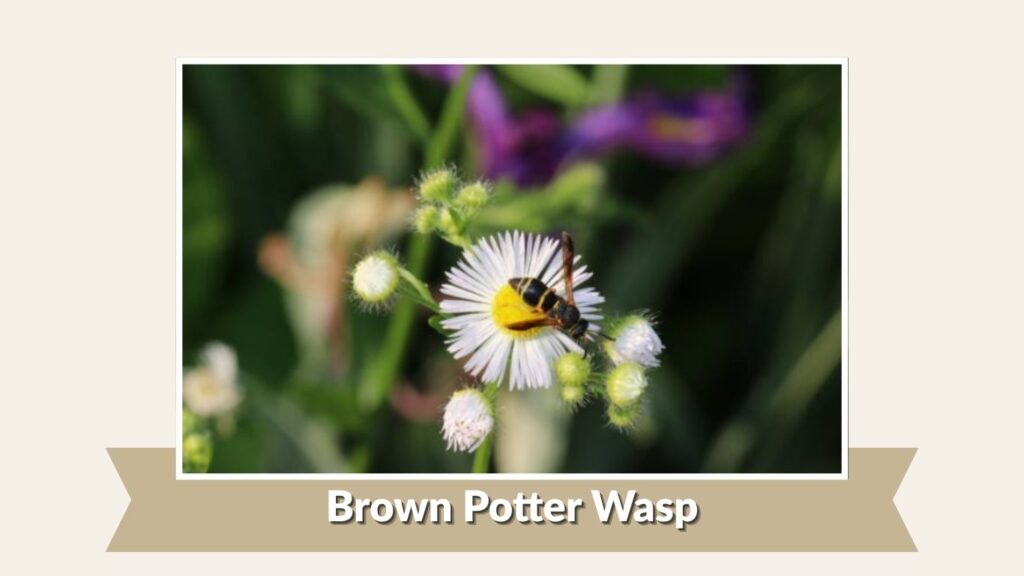
Brown Potter Wasps are solitary mud-building insects recognized for their earthy brown coloration and useful role in controlling insect pests. They are commonly found in gardens, forests, and rural areas where suitable nesting materials and prey are available. These wasps are generally peaceful and spend most of their time constructing mud nests, hunting insects, and feeding on flower nectar.
Identification
- Brown or reddish-brown body coloration
- Narrow waist between the thorax and abdomen
- Smooth and slightly glossy outer surface
- Medium-sized body with dark folded wings
- Long antennae and slender legs
- Females often carry mud while building nests
Habitat and Distribution
Brown Potter Wasps are distributed across tropical, subtropical, and temperate regions worldwide. They inhabit gardens, woodland edges, farmland, grasslands, and urban areas where moist soil and flowering plants are available. These wasps often construct mud nests on walls, rocks, tree trunks, under roof edges, and inside hollow stems. Warm environments with abundant caterpillars and other soft-bodied insects provide favorable conditions for feeding and reproduction. Their adaptability allows them to thrive in both natural ecosystems and areas close to human settlements.
Behavior and Diet
Brown Potter Wasps are solitary hunters that live independently rather than forming colonies. Females search for caterpillars, beetle larvae, and similar insects, which are paralyzed and placed inside mud chambers as food for developing larvae. Adult wasps mainly feed on nectar from flowers and occasionally on plant juices. They are usually calm around humans and rarely sting unless threatened or disturbed near their nests. Their hunting behavior helps naturally reduce pest populations, making them beneficial insects in gardens and agricultural environments.
Lifecycle
The lifecycle of the Brown Potter Wasp begins when the female builds several mud chambers in a protected location. Each chamber contains one egg and multiple paralyzed prey insects before being sealed with mud. After hatching, the larva feeds on the stored insects while growing inside the chamber. It later forms a pupa and gradually transforms into an adult wasp. Once development is complete, the adult emerges from the mud nest and begins feeding, mating, and searching for suitable nesting sites for reproduction.
15. Mud Potter Wasp
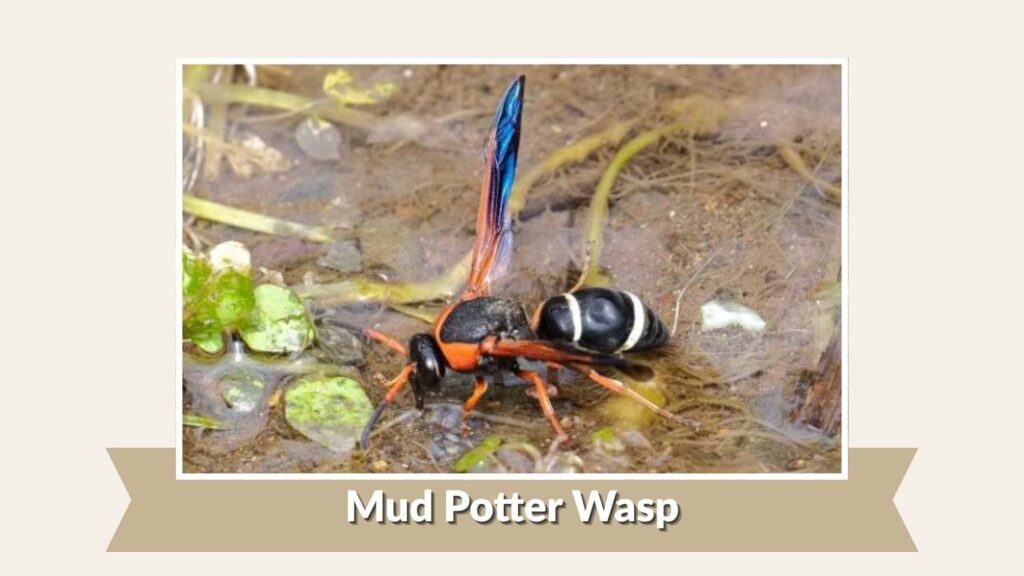
Mud Potter Wasps are solitary insects best known for building small clay-like nests from mud. These wasps are important natural predators that help control caterpillar populations in gardens and forests. They are generally non-aggressive and spend most of their time gathering mud, hunting prey, and feeding on nectar from flowering plants in warm outdoor environments.
Identification
- Brown, black, or reddish body coloration
- Distinct narrow waist and rounded abdomen
- Smooth body with a slightly glossy texture
- Medium-sized wings with smoky appearance
- Long legs and curved antennae
- Small mud nests shaped like pots or tubes
Habitat and Distribution
Mud Potter Wasps are found throughout tropical, subtropical, and temperate regions worldwide. They commonly inhabit gardens, forests, farmland, parks, and suburban areas where moist soil and insect prey are available. These wasps build mud nests under roof edges, on walls, tree branches, rocks, and inside hollow stems. Warm climates with flowering plants provide ideal feeding conditions for adults. Their adaptability allows them to survive close to human settlements as well as in natural ecosystems, especially in areas with sheltered nesting locations and soft soil for mud collection.
Behavior and Diet
Mud Potter Wasps are solitary hunters that do not live in colonies. Females search for caterpillars and other soft-bodied insects, which are paralyzed and stored inside mud chambers for their larvae. Adult wasps mainly feed on nectar collected from flowers and occasionally on plant juices. They are generally calm around humans and rarely sting unless directly threatened or disturbed near their nests. Their hunting activities naturally reduce pest populations, making them beneficial insects in gardens, farms, and other agricultural environments.
Lifecycle
The lifecycle of the Mud Potter Wasp begins when the female constructs mud chambers in a protected location. Each chamber receives one egg and several paralyzed prey insects before being sealed with mud. After hatching, the larva feeds on the stored insects while developing inside the chamber. It later enters the pupal stage and gradually transforms into an adult wasp. Once fully developed, the adult emerges from the nest and begins feeding, mating, and searching for suitable nesting sites to continue the reproductive cycle.
16. Ringed Potter Wasp
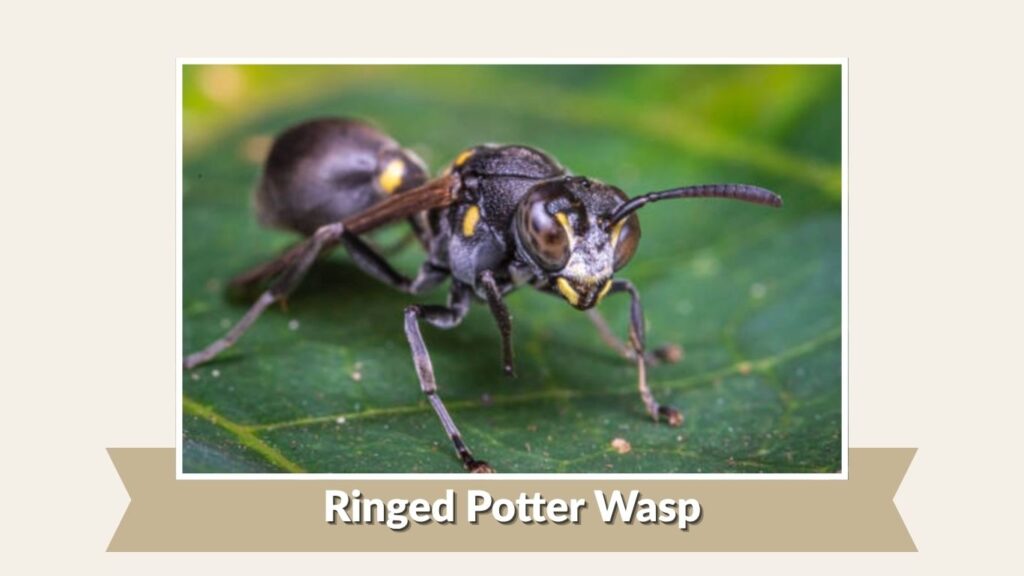
Ringed Potter Wasps are solitary mud-building wasps recognized for the ring-like bands or markings across their abdomen. These insects are beneficial predators that help manage populations of caterpillars and other small insects. They are generally peaceful and spend most of their lives collecting mud, hunting prey, and feeding on nectar in gardens, forests, and open natural habitats.
Identification
- Black or dark brown body with ring-shaped markings
- Yellow, orange, or pale bands around the abdomen
- Narrow waist connecting body sections
- Smooth and glossy outer surface
- Medium-sized smoky or transparent wings
- Long antennae and slender legs
Habitat and Distribution
Ringed Potter Wasps are found in tropical and temperate regions across Asia, Africa, Europe, and Australia. They commonly inhabit gardens, woodland edges, farmland, grasslands, and urban parks where flowering plants and moist soil are available. These wasps often build mud nests under roof edges, on walls, rocks, tree branches, and inside hollow stems. Warm climates with abundant insect prey provide ideal conditions for feeding and reproduction. Their adaptability allows them to survive in both natural ecosystems and human-populated environments throughout the active season.
Behavior and Diet
Ringed Potter Wasps are solitary hunters that live independently instead of forming colonies. Females hunt caterpillars and other soft-bodied insects, paralyzing them before placing them inside mud chambers for developing larvae. Adult wasps mainly feed on nectar from flowers and may occasionally consume plant juices. They are usually calm around humans and rarely sting unless directly threatened or disturbed near their nests. Their hunting behavior naturally reduces pest populations, making them beneficial insects in gardens and agricultural environments.
Lifecycle
The lifecycle of the Ringed Potter Wasp begins when the female constructs a mud nest divided into separate chambers. Each chamber contains one egg along with several paralyzed prey insects to feed the future larva. After hatching, the larva consumes the stored prey while developing inside the sealed chamber. It later forms a pupa and gradually transforms into an adult wasp. Once fully mature, the adult emerges from the nest and begins feeding, mating, and searching for suitable nesting locations for reproduction.
17. Tropical Potter Wasp
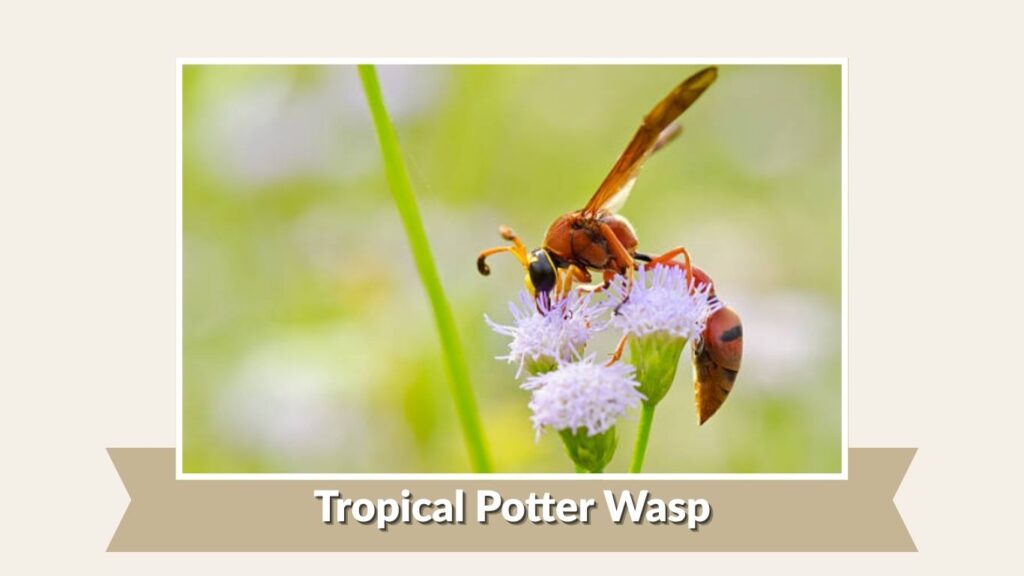
Tropical Potter Wasps are solitary insects commonly found in warm tropical climates where they build mud nests and hunt small insects. They are important natural predators that help control caterpillar populations in forests and gardens. These wasps are generally calm and spend most of their time collecting mud, searching for prey, and feeding on flower nectar in sunny environments.
Identification
- Black, brown, or reddish body with yellow markings
- Narrow waist and elongated abdomen
- Smooth and shiny outer surface
- Medium-sized wings with smoky appearance
- Long antennae and slender legs
- Females often seen carrying mud or prey insects
Habitat and Distribution
Tropical Potter Wasps are widely distributed across tropical regions of Asia, Africa, Central America, South America, and northern Australia. They inhabit rainforests, gardens, farmland, grasslands, and woodland edges where warm temperatures support year-round activity. These wasps commonly build mud nests on walls, rocks, tree branches, under leaves, and inside hollow stems. Moist soil and abundant flowering plants provide ideal conditions for feeding and nesting. Their adaptability allows them to survive in both dense natural forests and areas close to human settlements.
Behavior and Diet
Tropical Potter Wasps are solitary hunters that work independently rather than living in colonies. Females hunt caterpillars, beetle larvae, and other soft-bodied insects, which are paralyzed and stored in mud chambers as food for developing larvae. Adult wasps mainly feed on nectar from flowers and occasionally consume plant juices. They are generally non-aggressive toward humans and rarely sting unless directly threatened or disturbed. Their hunting activities naturally reduce pest populations, making them beneficial insects in tropical ecosystems and agricultural environments.
Lifecycle
The lifecycle of the Tropical Potter Wasp begins when the female constructs mud chambers in a sheltered location. Each chamber receives one egg and several paralyzed insects before being sealed with mud. After hatching, the larva feeds on the stored prey while growing inside the chamber. It later forms a pupa and gradually transforms into an adult wasp. Once fully developed, the adult emerges from the mud nest and begins feeding, mating, and searching for suitable nesting sites to continue the reproductive cycle.
18. Spotted Potter Wasp
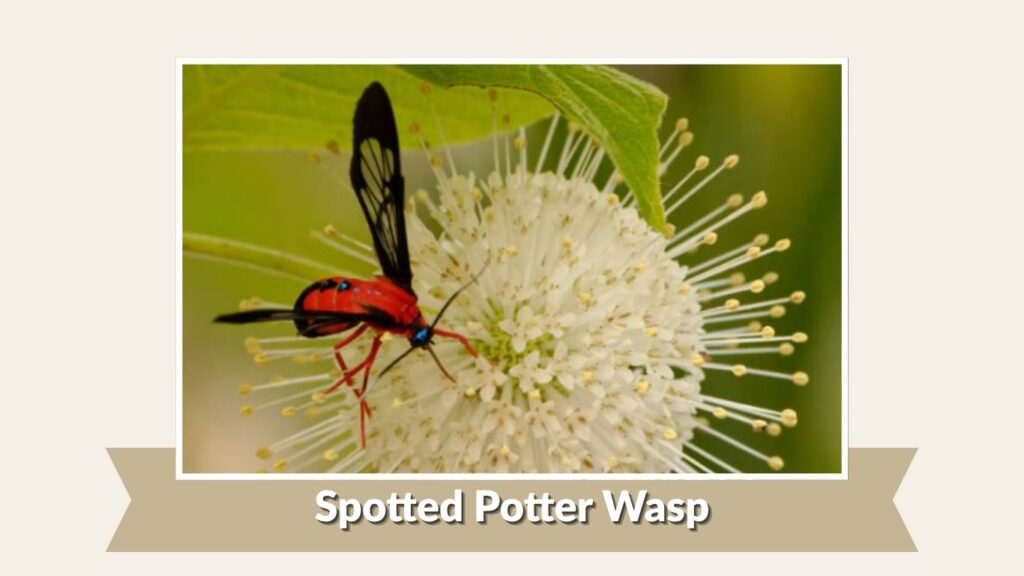
Spotted Potter Wasps are solitary mud-building insects known for the distinctive spots or markings on their bodies and abdomens. These wasps are beneficial predators that help control populations of caterpillars and other soft-bodied insects. They are generally peaceful and spend much of their time collecting mud, hunting prey, and feeding on nectar in warm natural habitats.
Identification
- Black or brown body with pale or yellow spots
- Narrow waist connecting the thorax and abdomen
- Smooth and slightly glossy outer surface
- Medium-sized wings with smoky coloration
- Long antennae and slender legs
- Distinct spotted markings visible on the abdomen
Habitat and Distribution
Spotted Potter Wasps are found in tropical and temperate regions across Asia, Africa, Australia, and parts of Europe. They commonly inhabit gardens, forests, grasslands, farmland, and suburban areas where flowering plants and moist soil are available. These wasps build mud nests under roof edges, on walls, rocks, tree branches, and inside hollow plant stems. Warm climates with abundant insect prey provide favorable conditions for feeding and reproduction. Their adaptability allows them to survive in both natural ecosystems and human-populated environments throughout the warmer seasons.
Behavior and Diet
Spotted Potter Wasps are solitary hunters that do not form social colonies. Females search for caterpillars and other soft-bodied insects, which are paralyzed and stored in mud chambers for developing larvae. Adult wasps mainly feed on nectar from flowers and occasionally on plant juices. They are generally calm around humans and rarely sting unless directly threatened or disturbed near their nests. Their hunting behavior naturally reduces pest populations, making them useful insects in gardens and agricultural ecosystems.
Lifecycle
The lifecycle of the Spotted Potter Wasp begins when the female constructs a mud nest containing several chambers. Each chamber receives one egg and multiple paralyzed prey insects before being sealed with mud. After hatching, the larva feeds on the stored prey while developing inside the chamber. It later forms a pupa and gradually transforms into an adult wasp. Once mature, the adult emerges from the mud nest and begins feeding, mating, and searching for suitable nesting sites to continue the reproductive cycle.
19. Long-Horned Potter Wasp
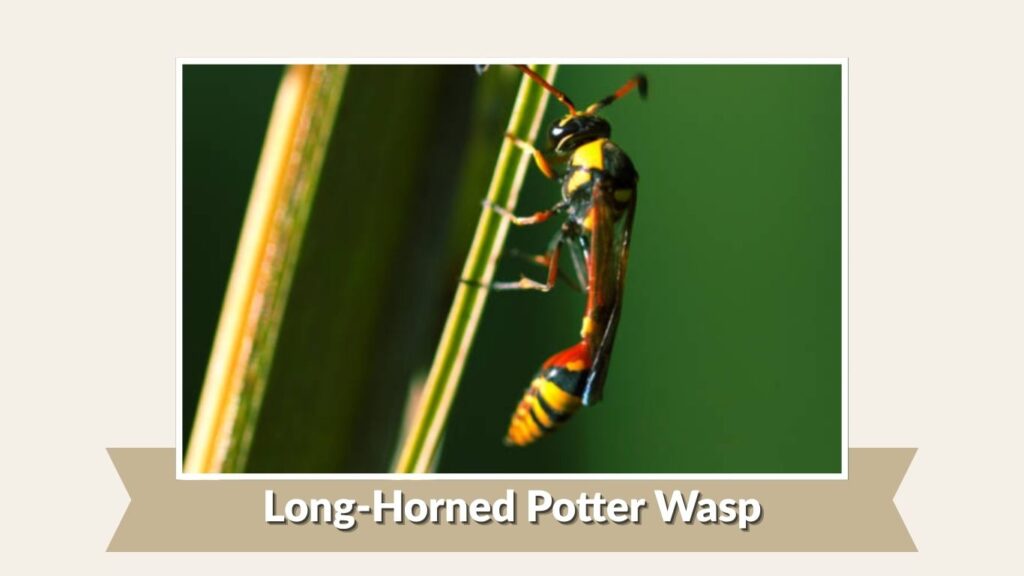
Long-Horned Potter Wasps are solitary mud-building insects recognized for their unusually long antennae and slender body shape. They are beneficial predators that help control caterpillars and other small insects in natural ecosystems. These wasps are generally peaceful and spend most of their time gathering mud, hunting prey, and feeding on nectar from flowers in warm outdoor habitats.
Identification
- Long curved antennae longer than many other potter wasps
- Black, brown, or reddish body with yellow markings
- Narrow waist and elongated abdomen
- Smooth and glossy outer surface
- Medium-sized smoky or transparent wings
- Long slender legs visible during flight
Habitat and Distribution
Long-Horned Potter Wasps are commonly found in tropical and subtropical regions across Asia, Africa, and Australia. They inhabit gardens, forest edges, grasslands, farmland, and woodland areas where moist soil and insect prey are available. These wasps build mud nests on walls, rocks, tree branches, under roof edges, and inside hollow plant stems. Warm climates with flowering vegetation provide ideal feeding conditions for adults. Their adaptability allows them to survive in both natural environments and areas close to human settlements throughout much of the active season.
Behavior and Diet
Long-Horned Potter Wasps are solitary hunters that live independently instead of forming colonies. Females hunt caterpillars, beetle larvae, and other soft-bodied insects, which are paralyzed and stored in mud chambers as food for developing larvae. Adult wasps mainly feed on nectar from flowers and occasionally on plant juices. They are usually calm around humans and rarely sting unless threatened or disturbed near their nests. Their hunting activities naturally reduce pest populations, making them beneficial insects in gardens and agricultural ecosystems.
Lifecycle
The lifecycle of the Long-Horned Potter Wasp begins when the female constructs a mud nest divided into several chambers. Each chamber contains one egg and multiple paralyzed prey insects before being sealed with mud. After hatching, the larva feeds on the stored insects while developing inside the chamber. It later enters the pupal stage and gradually transforms into an adult wasp. Once fully developed, the adult emerges from the mud nest and begins feeding, mating, and searching for suitable nesting locations to continue the reproductive cycle.
20. Forest Potter Wasp
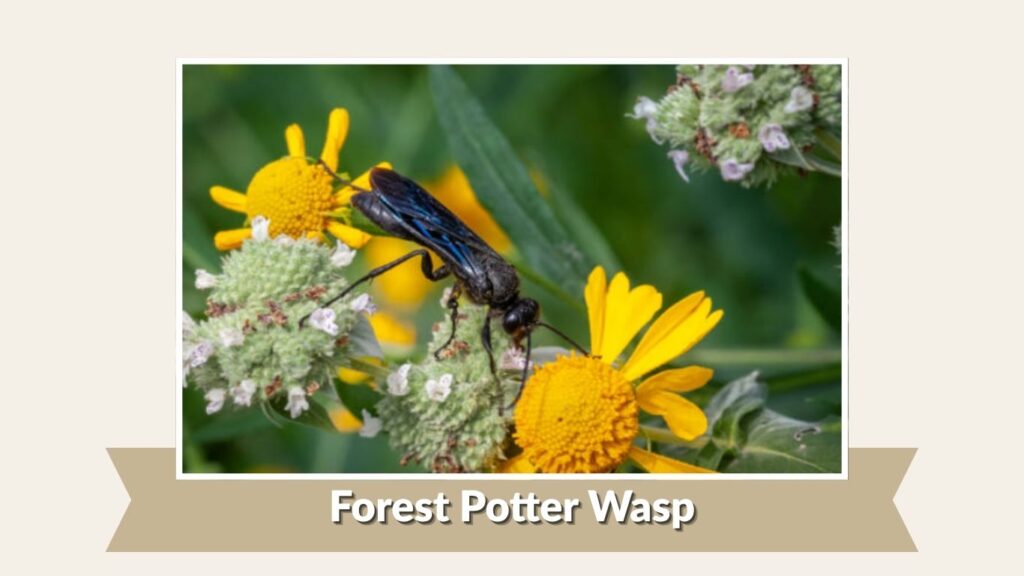
Forest Potter Wasps are solitary mud-building insects commonly found in wooded environments and dense vegetation. They are important natural predators that help control caterpillar populations in forest ecosystems. These wasps are generally calm and spend much of their time searching for prey, collecting mud for nests, and feeding on nectar from flowering plants within forest habitats.
Identification
- Black or dark brown body with yellow or reddish markings
- Slender waist and elongated abdomen
- Smooth and slightly shiny outer surface
- Medium-sized smoky or transparent wings
- Long antennae and narrow legs
- Strong mandibles used for shaping mud nests
Habitat and Distribution
Forest Potter Wasps are distributed across tropical and temperate forest regions in Asia, Africa, Australia, and parts of Europe. They commonly inhabit woodlands, forest edges, jungle clearings, and heavily vegetated gardens where insect prey and moist soil are available. These wasps often build mud nests on tree trunks, branches, rocks, under leaves, and inside hollow stems. Forest environments with warm temperatures and abundant flowering plants provide excellent feeding and nesting conditions. Their presence is especially common in areas with dense vegetation and reliable water sources.
Behavior and Diet
Forest Potter Wasps are solitary hunters that work independently rather than living in colonies. Females search for caterpillars and other soft-bodied insects, which are paralyzed and stored inside mud chambers for developing larvae. Adult wasps mainly feed on nectar collected from forest flowers and occasionally on plant juices. They are usually peaceful toward humans and rarely sting unless directly threatened. Their hunting behavior helps naturally control insect populations, supporting ecological balance within forest ecosystems and nearby agricultural environments.
Lifecycle
The lifecycle of the Forest Potter Wasp begins when the female constructs mud chambers in sheltered forest locations. Each chamber receives one egg and several paralyzed prey insects before being sealed with mud. After hatching, the larva feeds on the stored prey while growing inside the chamber. It later forms a pupa and gradually transforms into an adult wasp. Once fully mature, the adult emerges from the mud nest and begins feeding, mating, and searching for suitable nesting sites to continue the reproductive cycle.
21. Desert Potter Wasp
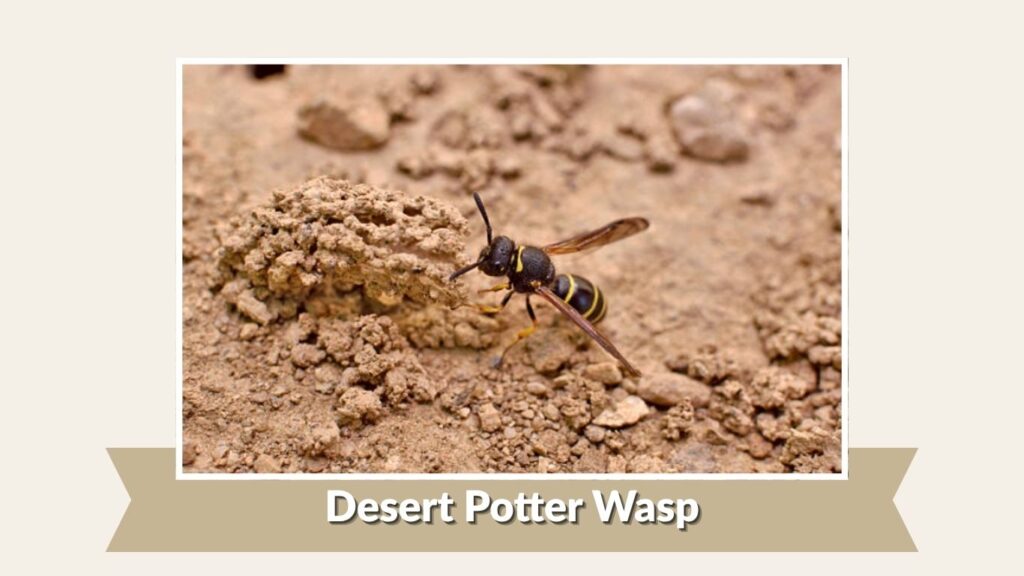
Desert Potter Wasps are solitary insects specially adapted to dry and hot environments where they build mud nests and hunt small insects. They are important predators that help control caterpillar populations in arid ecosystems. These wasps are generally peaceful and spend most of their time searching for prey, collecting mud from limited water sources, and feeding on nectar from desert plants.
Identification
- Sandy brown, reddish, or dark body coloration
- Narrow waist and elongated abdomen
- Smooth outer surface with slight gloss
- Medium-sized wings with smoky appearance
- Long legs adapted for movement on hot surfaces
- Curved antennae and strong mandibles for mud shaping
Habitat and Distribution
Desert Potter Wasps are found in arid and semi-arid regions across Africa, Asia, Australia, and parts of the Americas. They commonly inhabit deserts, dry grasslands, scrublands, and rocky landscapes where flowering desert plants and insect prey are available. These wasps build mud nests on rocks, cliffs, dry walls, tree branches, and sheltered crevices. Because water is limited in desert environments, they often collect mud near temporary water sources or damp soil after rainfall. Their ability to tolerate high temperatures helps them survive in harsh desert climates.
Behavior and Diet
Desert Potter Wasps are solitary hunters that live independently rather than forming colonies. Females hunt caterpillars and other soft-bodied insects, paralyzing them before storing them inside mud chambers for larvae. Adult wasps mainly feed on nectar from desert flowers and occasionally on plant juices. They are generally calm around humans and rarely sting unless directly threatened. Their hunting activities naturally reduce pest populations and contribute to ecological balance within desert and dryland ecosystems.
Lifecycle
The lifecycle of the Desert Potter Wasp begins when the female constructs a mud nest in a sheltered desert location. Each chamber contains one egg and several paralyzed prey insects before being sealed with mud. After hatching, the larva feeds on the stored prey while developing safely inside the chamber. It later enters the pupal stage and gradually transforms into an adult wasp. Once fully mature, the adult emerges from the nest and begins feeding, mating, and searching for suitable nesting sites to continue the reproductive cycle.
22. Narrow-Waisted Potter Wasp
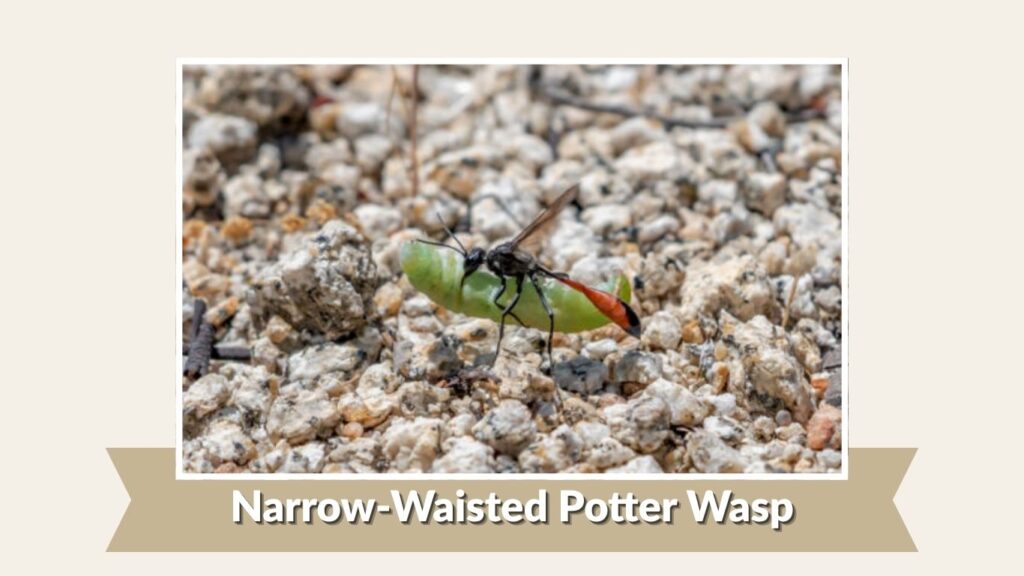
Narrow-Waisted Potter Wasps are solitary mud-building insects recognized for their extremely thin waist between the thorax and abdomen. They are skilled hunters that help control populations of caterpillars and other soft-bodied insects. These wasps are generally peaceful and spend most of their lives collecting mud, building nests, hunting prey, and feeding on flower nectar in warm outdoor habitats.
Identification
- Extremely thin and elongated waist section
- Black, brown, or reddish body with yellow markings
- Smooth and slightly glossy outer surface
- Medium-sized smoky or transparent wings
- Long legs and curved antennae
- Slender abdomen attached behind the narrow waist
Habitat and Distribution
Narrow-Waisted Potter Wasps are widely distributed across tropical and subtropical regions in Asia, Africa, Australia, and parts of the Americas. They inhabit gardens, forests, grasslands, farmland, and suburban areas where flowering plants and moist soil are available. These wasps commonly build mud nests under roof edges, on walls, rocks, tree branches, and inside hollow stems. Warm climates with abundant insect prey provide excellent conditions for feeding and reproduction. Their adaptability allows them to survive in both natural ecosystems and areas close to human settlements.
Behavior and Diet
Narrow-Waisted Potter Wasps are solitary hunters that live independently rather than forming social colonies. Females hunt caterpillars and similar soft-bodied insects, which are paralyzed and stored inside mud chambers for developing larvae. Adult wasps mainly feed on nectar from flowers and occasionally consume plant juices. They are usually calm around humans and rarely sting unless threatened or disturbed near their nests. Their hunting behavior naturally reduces pest populations, making them beneficial insects in gardens and agricultural ecosystems.
Lifecycle
The lifecycle of the Narrow-Waisted Potter Wasp begins when the female constructs a mud nest divided into several chambers. Each chamber contains one egg and multiple paralyzed prey insects before being sealed with mud. After hatching, the larva feeds on the stored prey while growing inside the chamber. It later forms a pupa and gradually transforms into an adult wasp. Once fully mature, the adult emerges from the mud nest and begins feeding, mating, and searching for suitable nesting locations to continue the reproductive cycle.
23. Small Potter Wasp
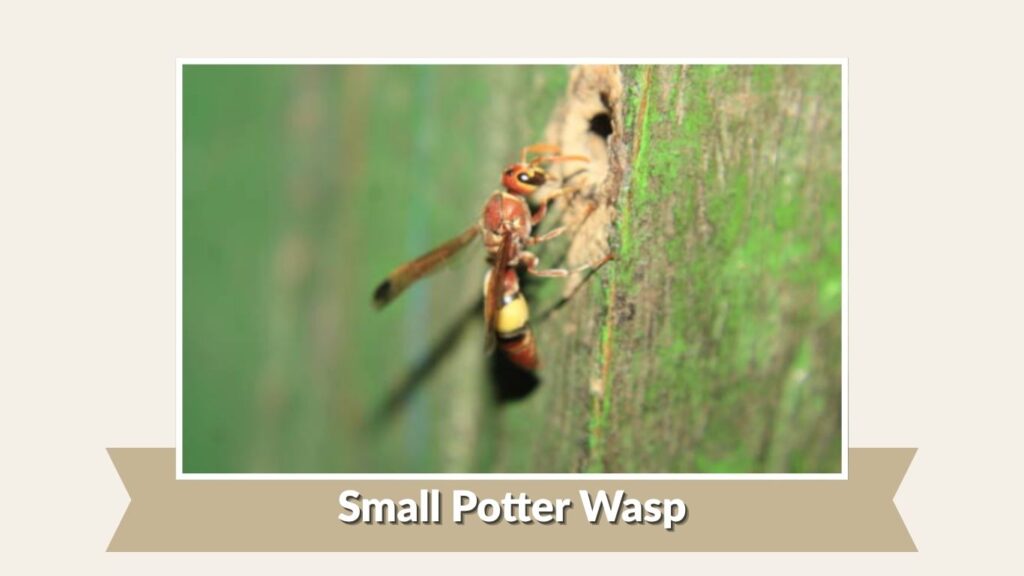
Small Potter Wasps are tiny solitary insects known for their delicate mud nests and active hunting behavior. Despite their small size, they are effective predators that help control caterpillars and other soft-bodied insects. These wasps are generally harmless to humans and spend much of their time collecting mud, feeding on nectar, and preparing nests for their developing larvae.
Identification
- Small and slender body structure
- Black, brown, or reddish coloration with pale markings
- Very narrow waist between body sections
- Smooth and slightly shiny outer surface
- Small transparent or smoky wings
- Long antennae and thin legs
Habitat and Distribution
Small Potter Wasps are found in tropical, subtropical, and temperate regions worldwide. They commonly inhabit gardens, forests, grasslands, farmland, and urban areas where flowering plants and moist soil are available. These wasps often build tiny mud nests on walls, rocks, under leaves, inside hollow stems, and beneath roof edges. Warm climates with abundant insect prey support their feeding and nesting activities. Their small size allows them to use narrow spaces for shelter and nesting, helping them survive in both natural habitats and populated environments.
Behavior and Diet
Small Potter Wasps are solitary hunters that work independently instead of forming colonies. Females search for tiny caterpillars and other soft-bodied insects, which are paralyzed and stored in mud chambers for developing larvae. Adult wasps mainly feed on flower nectar and occasionally consume plant juices. They are generally calm around humans and rarely sting unless directly threatened or disturbed near their nests. Their hunting behavior naturally helps reduce pest populations, making them useful insects in gardens and agricultural ecosystems.
Lifecycle
The lifecycle of the Small Potter Wasp begins when the female constructs small mud chambers in a sheltered location. Each chamber contains one egg and several paralyzed prey insects before being sealed with mud. After hatching, the larva feeds on the stored insects while developing inside the chamber. It later enters the pupal stage and gradually transforms into an adult wasp. Once fully mature, the adult emerges from the nest and begins feeding, mating, and searching for suitable nesting areas to continue the reproductive cycle.
24. Scarlet Potter Wasp
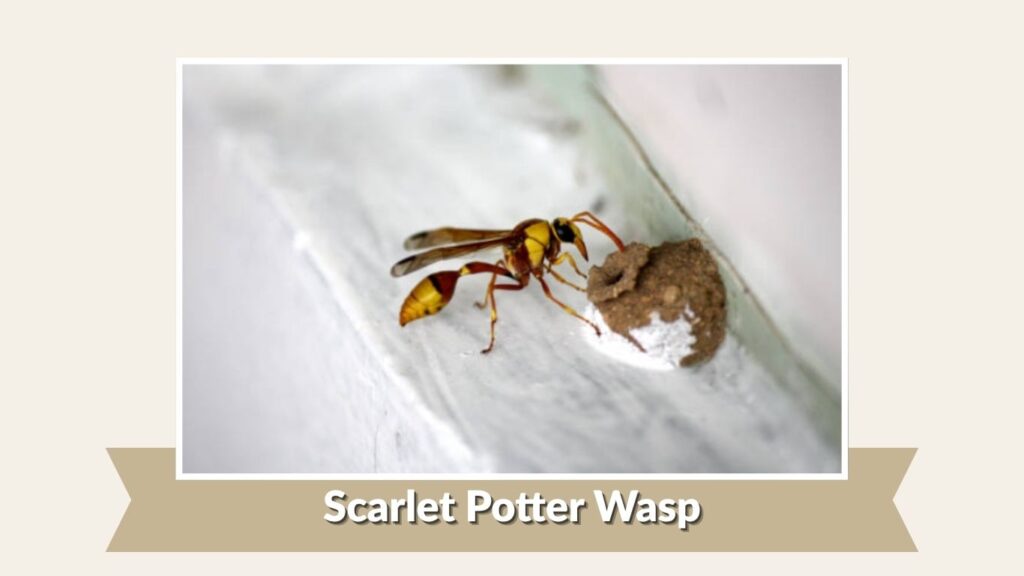
Scarlet Potter Wasps are brightly colored solitary insects recognized for their vivid red or scarlet body tones and skillful mud nest construction. They are beneficial predators that help control populations of caterpillars and other small insects. These wasps are usually peaceful and spend most of their time hunting prey, collecting mud, and feeding on nectar in warm natural environments.
Identification
- Bright scarlet red or reddish-orange body coloration
- Narrow waist connecting the thorax and abdomen
- Smooth and glossy outer surface
- Medium-sized smoky or transparent wings
- Long antennae and slender legs
- Dark markings may appear on the abdomen or thorax
Habitat and Distribution
Scarlet Potter Wasps are commonly found in tropical and subtropical regions across Asia, Africa, and parts of Australia. They inhabit forests, gardens, grasslands, farmland, and woodland edges where flowering plants and moist soil are available. These wasps build mud nests on walls, rocks, tree branches, under leaves, and sheltered building surfaces. Warm climates provide ideal conditions for feeding and reproduction throughout the active season. Their adaptability allows them to survive in both natural ecosystems and areas near human settlements with suitable nesting locations.
Behavior and Diet
Scarlet Potter Wasps are solitary hunters that do not form social colonies. Females search for caterpillars and other soft-bodied insects, which are paralyzed and stored inside mud chambers for developing larvae. Adult wasps mainly feed on nectar from flowers and occasionally consume plant juices. They are generally calm around humans and rarely sting unless directly threatened or disturbed near their nests. Their hunting activities naturally reduce pest populations, making them valuable insects in gardens and agricultural environments.
Lifecycle
The lifecycle of the Scarlet Potter Wasp begins when the female constructs mud chambers in a protected location. Each chamber receives one egg and several paralyzed prey insects before being sealed with mud. After hatching, the larva feeds on the stored prey while growing inside the chamber. It later forms a pupa and gradually transforms into an adult wasp. Once fully developed, the adult emerges from the mud nest and begins feeding, mating, and searching for suitable nesting sites to continue the reproductive cycle.
25. Ivory Potter Wasp
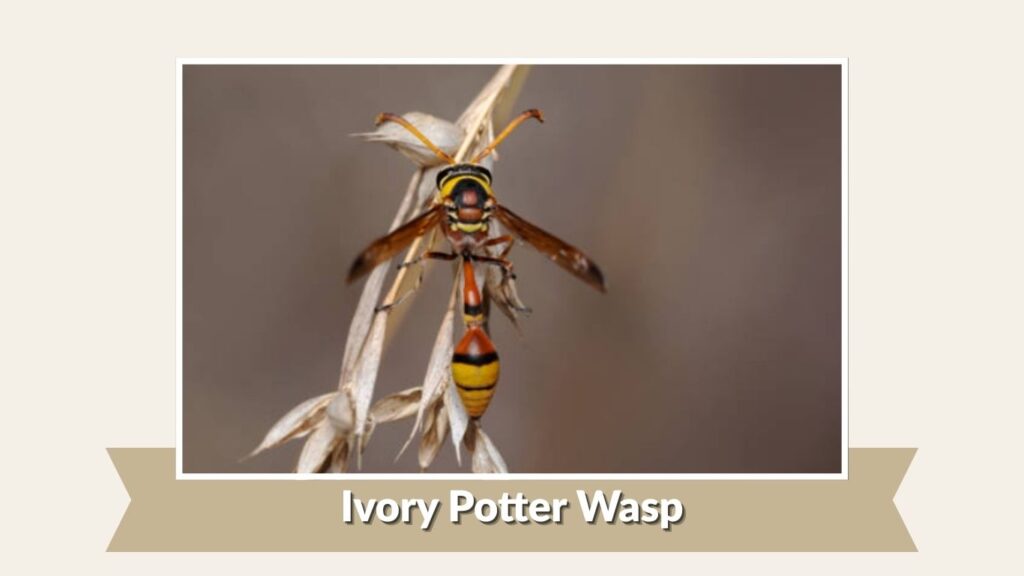
Ivory Potter Wasps are solitary mud-building insects known for their pale ivory or cream-colored markings that contrast with their darker bodies. They are beneficial predators that help control caterpillars and other soft-bodied insects in natural ecosystems. These wasps are generally calm and spend most of their lives collecting mud, hunting prey, and feeding on nectar from flowering plants.
Identification
- Dark body with ivory, cream, or pale yellow markings
- Narrow waist connecting the thorax and abdomen
- Smooth and slightly glossy outer surface
- Medium-sized wings with smoky appearance
- Long antennae and slender legs
- Pale bands or spots often visible on the abdomen
Habitat and Distribution
Ivory Potter Wasps are commonly found in tropical and subtropical regions across Asia, Africa, and Australia. They inhabit gardens, forests, woodland edges, grasslands, and farmland where flowering plants and moist soil are available. These wasps build mud nests under roof edges, on walls, rocks, tree branches, and inside hollow stems. Warm climates with abundant insect prey provide ideal conditions for feeding and reproduction. Their adaptability allows them to survive in both natural habitats and areas close to human settlements throughout the active season.
Behavior and Diet
Ivory Potter Wasps are solitary hunters that work independently rather than living in colonies. Females hunt caterpillars and other soft-bodied insects, which are paralyzed and stored inside mud chambers as food for developing larvae. Adult wasps mainly feed on nectar collected from flowers and occasionally consume plant juices. They are generally peaceful toward humans and rarely sting unless directly threatened or disturbed near their nests. Their hunting behavior naturally reduces pest populations, making them useful insects in gardens and agricultural ecosystems.
Lifecycle
The lifecycle of the Ivory Potter Wasp begins when the female constructs several mud chambers in a sheltered location. Each chamber receives one egg and multiple paralyzed prey insects before being sealed with mud. After hatching, the larva feeds on the stored prey while developing inside the chamber. It later forms a pupa and gradually transforms into an adult wasp. Once fully mature, the adult emerges from the mud nest and begins feeding, mating, and searching for suitable nesting sites to continue the reproductive cycle.
26. Rusty Potter Wasp
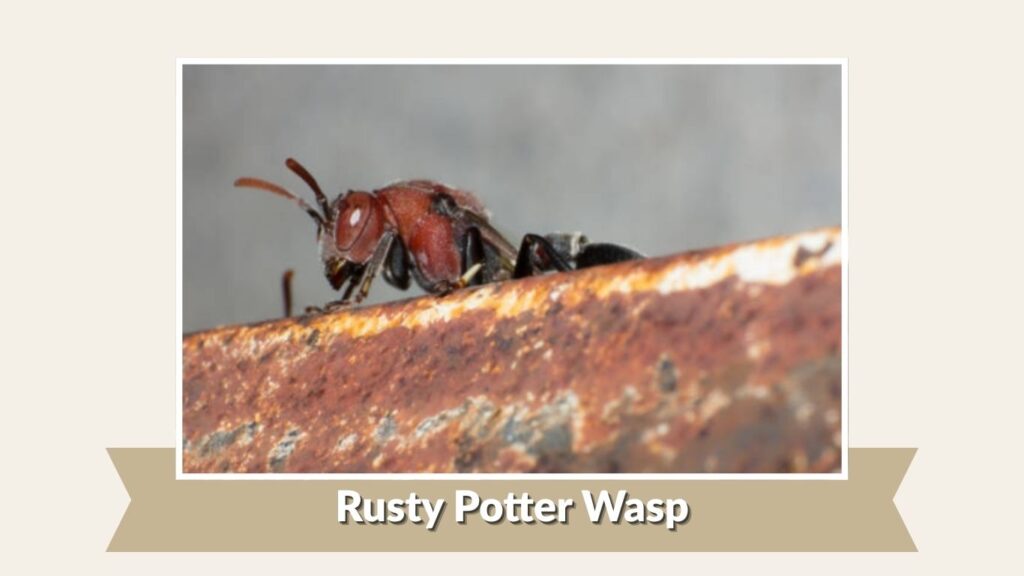
Rusty Potter Wasps are solitary insects recognized for their rusty brown or reddish body coloration and their ability to construct durable mud nests. They are beneficial predators that help control caterpillar populations in gardens and natural habitats. These wasps are usually calm and spend much of their time hunting prey, collecting mud, and feeding on nectar from flowering plants.
Identification
- Rusty brown or reddish-brown body coloration
- Narrow waist connecting the thorax and abdomen
- Smooth and slightly glossy outer surface
- Medium-sized smoky or transparent wings
- Long antennae and slender legs
- Darker markings may appear on the abdomen or thorax
Habitat and Distribution
Rusty Potter Wasps are found in tropical, subtropical, and warm temperate regions across Asia, Africa, Australia, and parts of the Americas. They inhabit forests, gardens, grasslands, farmland, and suburban areas where moist soil and insect prey are available. These wasps commonly build mud nests under roof edges, on rocks, walls, tree branches, and inside hollow stems. Warm climates with flowering plants provide ideal conditions for feeding and nesting. Their adaptability allows them to survive near human settlements as well as in natural ecosystems throughout the active season.
Behavior and Diet
Rusty Potter Wasps are solitary hunters that do not form social colonies. Females search for caterpillars and other soft-bodied insects, which are paralyzed and stored inside mud chambers for developing larvae. Adult wasps mainly feed on nectar from flowers and occasionally on plant juices. They are generally peaceful toward humans and rarely sting unless directly threatened or disturbed near their nests. Their hunting behavior naturally reduces pest populations, making them beneficial insects in gardens and agricultural environments.
Lifecycle
The lifecycle of the Rusty Potter Wasp begins when the female constructs a mud nest divided into several chambers. Each chamber receives one egg and multiple paralyzed prey insects before being sealed with mud. After hatching, the larva feeds on the stored insects while developing inside the chamber. It later enters the pupal stage and gradually transforms into an adult wasp. Once fully developed, the adult emerges from the mud nest and begins feeding, mating, and searching for suitable nesting locations to continue the reproductive cycle.
27. Dark-Banded Potter Wasp
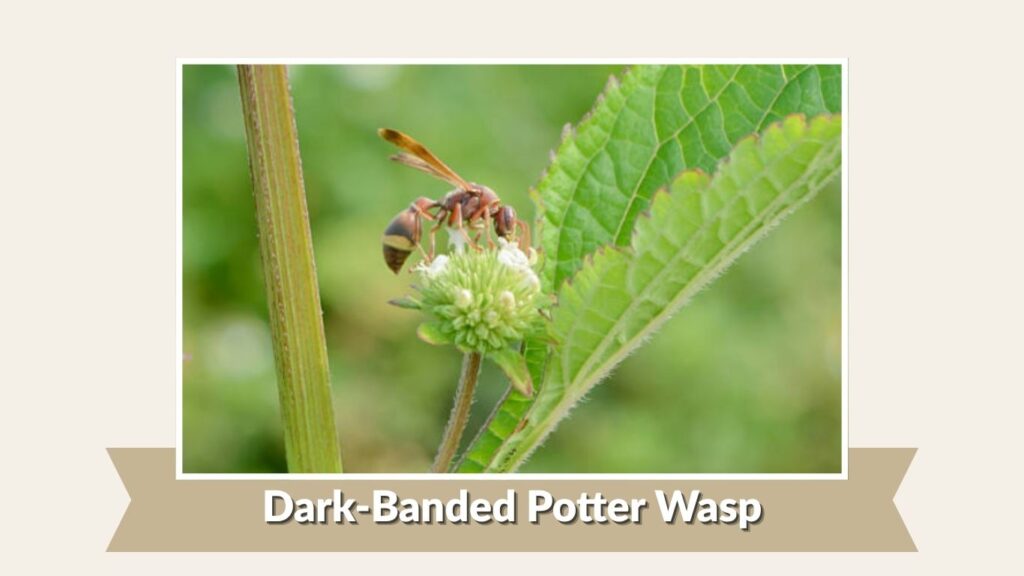
Dark-Banded Potter Wasps are solitary mud-building insects known for the dark bands across their abdomen and their helpful role in controlling insect pests. They are skilled hunters that capture caterpillars and other soft-bodied insects for their larvae. These wasps are generally peaceful and spend most of their time collecting mud, feeding on nectar, and constructing protective nests in warm environments.
Identification
- Dark brown or black body with distinct dark abdominal bands
- Narrow waist connecting the thorax and abdomen
- Smooth and slightly glossy outer surface
- Medium-sized smoky or transparent wings
- Long antennae and slender legs
- Rounded abdomen with visible banded patterns
Habitat and Distribution
Dark-Banded Potter Wasps are commonly found in tropical and subtropical regions across Asia, Africa, Australia, and parts of the Americas. They inhabit gardens, forests, farmland, grasslands, and suburban environments where moist soil and flowering plants are available. These wasps build mud nests on walls, rocks, tree branches, under roof edges, and inside hollow stems. Warm climates with abundant insect prey provide ideal conditions for feeding and reproduction. Their adaptability allows them to thrive in both natural habitats and human-populated areas during active seasons.
Behavior and Diet
Dark-Banded Potter Wasps are solitary hunters that work independently rather than forming colonies. Females search for caterpillars and similar soft-bodied insects, which are paralyzed and stored inside mud chambers for developing larvae. Adult wasps mainly feed on nectar from flowers and occasionally consume plant juices. They are usually calm around humans and rarely sting unless directly threatened or disturbed near their nests. Their hunting activities naturally reduce pest populations, making them beneficial insects in gardens and agricultural ecosystems.
Lifecycle
The lifecycle of the Dark-Banded Potter Wasp begins when the female constructs a mud nest divided into several chambers. Each chamber contains one egg and multiple paralyzed prey insects before being sealed with mud. After hatching, the larva feeds on the stored prey while developing inside the chamber. It later forms a pupa and gradually transforms into an adult wasp. Once fully mature, the adult emerges from the mud nest and begins feeding, mating, and searching for suitable nesting sites to continue the reproductive cycle.
FAQs
Are potter wasps dangerous to humans?
Potter wasps are generally not dangerous to humans because they are solitary and non-aggressive insects. They usually avoid contact with people and only sting when directly threatened, handled, or disturbed near their nests. Their sting is typically mild compared to social wasps and rarely causes serious problems unless a person has an allergy.
What do potter wasps eat?
Adult potter wasps mainly feed on nectar from flowers and sometimes consume plant juices. Their larvae feed on paralyzed caterpillars and other soft-bodied insects stored inside mud chambers by the female wasp. This feeding behavior helps naturally control harmful insect populations in gardens and agricultural environments.
Where do potter wasps build their nests?
Potter wasps build nests from mud in sheltered locations such as walls, roof edges, rocks, tree branches, hollow stems, and under leaves. Some species create pot-shaped nests, while others form tube-like chambers. These nests protect eggs and larvae from predators and harsh weather conditions during development.
Are potter wasps beneficial for gardens?
Yes, potter wasps are highly beneficial for gardens because they prey on caterpillars and other insects that damage plants. Their hunting activities naturally reduce pest populations without the need for chemical pesticides. Adult wasps also visit flowers for nectar, which may contribute to pollination in garden ecosystems.
How long do potter wasps live?
The lifespan of a potter wasp depends on the species and environmental conditions. Adult potter wasps usually live for several weeks to a few months. Most of their life cycle is spent developing inside the mud nest as larvae and pupae before emerging as fully grown adults ready to reproduce.