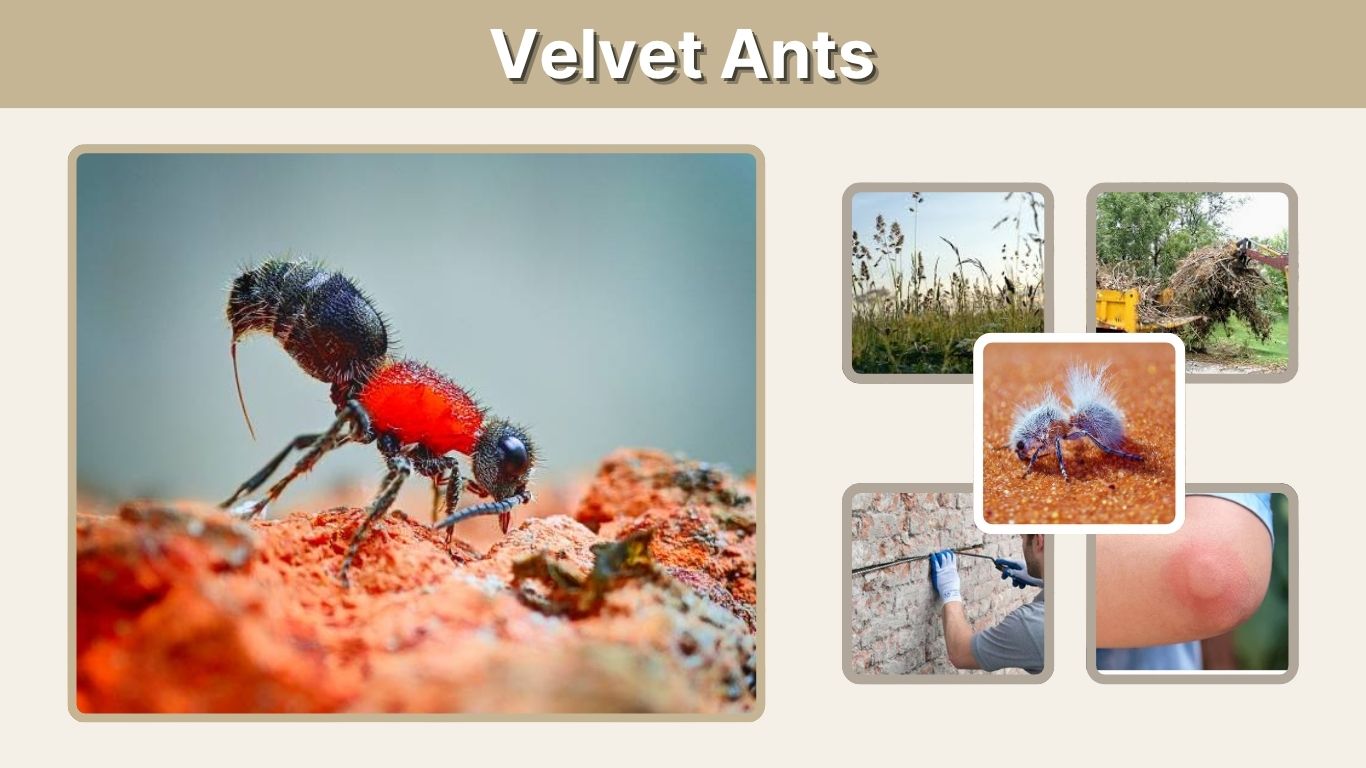
Velvet ants are among the most unusual insects in North America. Despite their name, they are not true ants but a type of wingless wasp known for their bright colors and incredibly painful sting. Often called “cow killers,” these insects have earned a reputation for toughness and powerful defenses. Many people encounter red velvet ants in gardens, yards, and natural areas and wonder whether they are dangerous. Understanding their appearance, behavior, and habitat can help you safely identify and appreciate these fascinating insects.
What Is a Velvet Ant?
Velvet ants belong to the wasp family Mutillidae and are found throughout many parts of the world. Their bodies are covered in dense, velvety hairs that give them their common name. While they resemble large ants, they are actually solitary wasps with unique adaptations that help them survive in harsh environments.
Are Velvet Ants Actually Ants?
The name “velvet ant” is misleading because these insects are not ants at all. Female velvet ants lack wings, which causes them to resemble ants when moving across the ground. However, their anatomy and life cycle place them within the wasp family.
Why Are Velvet Ants Called Cow Killers?
The nickname “cow killer” comes from the extreme pain associated with their sting. Although the sting is very painful, velvet ants cannot kill cows, humans, or other large animals. The name is simply an exaggeration that developed over time.
What Do Velvet Ants Look Like?
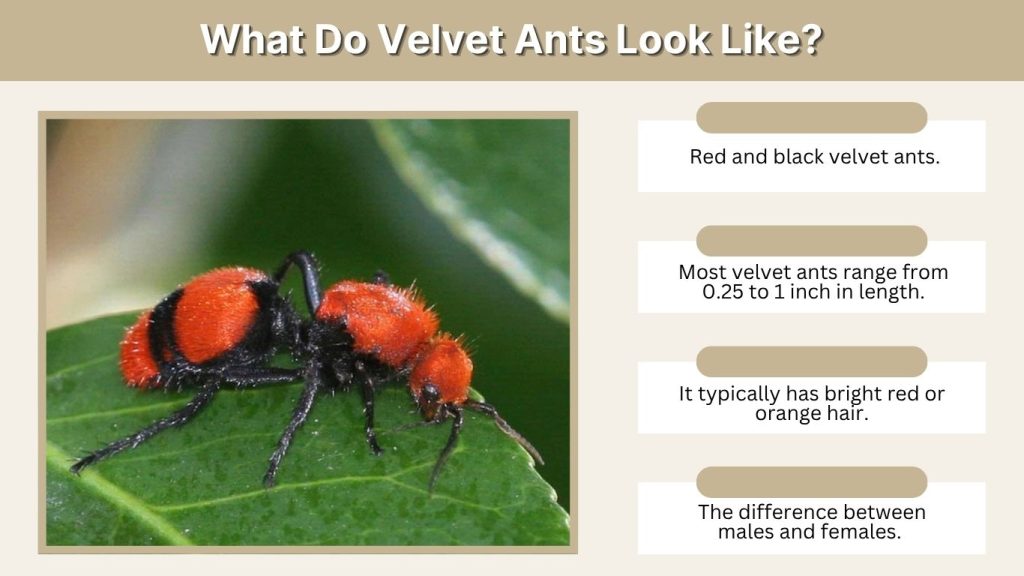
Velvet ants are easy to recognize because of their bright warning colors and fuzzy appearance. Their coloration helps warn predators that they are difficult and unpleasant to attack. Different species vary significantly in color, size, and markings.
Common Velvet Ant Colors
Many velvet ant species display striking color combinations, including:
- Red and black velvet ants
- Orange and black velvet ants
- White velvet ants
- Blue velvet ants
- Yellow velvet ants
- Solid black velvet ants
Velvet Ant Size
Most velvet ants range from 0.25 to 1 inch in length. Some species appear much larger because of their thick body hair and robust exoskeleton. The eastern velvet ant is one of the most commonly recognized species in North America.
Red Velvet Ant Identification
The red velvet ant is perhaps the most famous species. It typically has bright red or orange hair covering part of its body, combined with black markings. This coloration serves as a warning signal to predators and helps reduce attacks.
Male vs Female Velvet Ants
One of the most interesting aspects of velvet ant biology is the difference between males and females. These differences affect their appearance, behavior, and ability to defend themselves. Understanding these distinctions can help with identification in the field.
Female Velvet Ants
Female velvet ants spend most of their time walking on the ground in search of host nests where they can lay eggs. They possess a powerful stinger and are responsible for the painful stings associated with the group.
Male Velvet Ants
Male velvet ants have wings and are often seen flying near flowers or searching for mates. Unlike females, males do not have stingers and cannot sting people.
Key Differences
- Females are wingless.
- Males have wings.
- Females can sting.
- Males cannot sting.
- Females spend more time on the ground.
- Males are more commonly observed flying.
Velvet Ant Sting and Pain
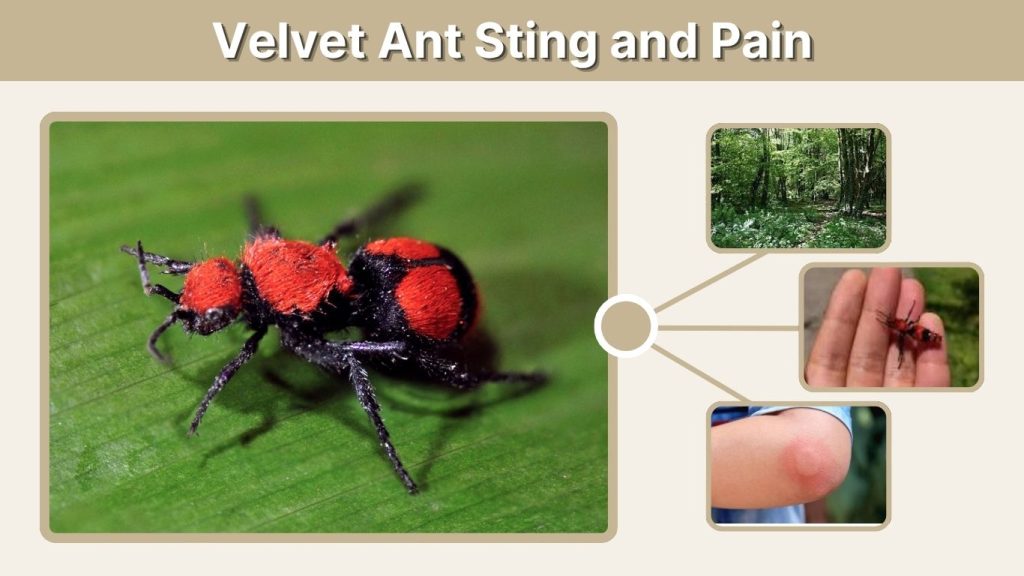
The velvet ant sting is one of the primary reasons these insects attract attention. Their sting ranks among the most painful insect stings and serves as an effective defense against predators. Fortunately, velvet ants are not aggressive and usually sting only when handled or threatened.
How Painful Is a Velvet Ant Sting?
Many entomologists describe the sting as intensely painful and immediate. The pain can be sharp and burning, often lasting several minutes before gradually fading. While the experience can be unpleasant, most healthy individuals recover without serious complications.
What Happens After a Sting?
People who are stung may experience localized symptoms around the affected area. Reactions vary depending on individual sensitivity and the location of the sting. Most symptoms disappear within a short period.
Velvet Ant Sting Symptoms
Common symptoms include:
- Immediate sharp pain
- Redness around the sting site
- Mild swelling
- Tenderness
- Temporary burning sensation
Are Velvet Ants Dangerous?
Velvet ants are famous for their painful sting, which often leads people to assume they are highly dangerous. In reality, these insects are not aggressive and rarely cause problems unless someone attempts to touch or handle them. Their bright coloration serves as a warning that helps prevent encounters with predators and people.
Are Velvet Ants Poisonous?
Velvet ants are venomous rather than poisonous. Their venom is delivered through a sting and is used strictly for defense. They do not spread toxins through touch and are generally harmless when left undisturbed.
Are Red Velvet Ants Dangerous to Humans?
For most people, a sting causes temporary pain and irritation rather than serious injury. Individuals with allergies to insect venom should exercise caution, but severe reactions are uncommon. The best approach is simply to observe velvet ants from a safe distance and avoid handling them.
Where Do Velvet Ants Live?
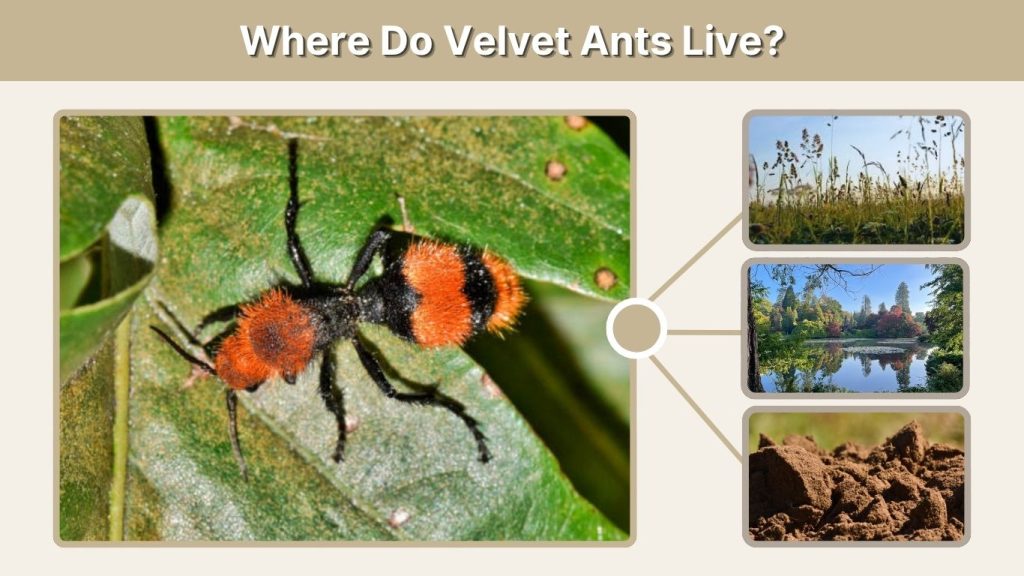
Velvet ants are widely distributed across warm and dry regions of North America. They thrive in sandy soils, grasslands, forests, deserts, and open fields where suitable host insects are available. Because they are solitary wasps, they do not form large colonies. Instead, individual females search for nests of bees and other wasps where they can lay their eggs.
Velvet Ant Habitat
Velvet ants are commonly found in:
- Dry grasslands
- Woodland edges
- Desert regions
- Gardens and parks
- Sandy soils
- Open fields
States Where Velvet Ants Are Common
Several states are well known for their velvet ant populations:
- Texas
- Florida
- Arizona
- California
- Virginia
- Oklahoma
The eastern velvet ant is especially common throughout the southeastern United States.
What Do Velvet Ants Eat?
Although velvet ants are known primarily for their sting, their feeding habits are equally interesting. Adult velvet ants and their larvae consume very different foods. Their diet helps support their role in local ecosystems and contributes to natural insect population control.
Adult Velvet Ant Diet
Adult velvet ants typically feed on nectar and other sugary substances found in flowers. As they move between plants, they may occasionally contribute to pollination.
Larval Feeding Habits
The larvae are parasitic and develop inside the nests of other insects. Female velvet ants place their eggs near the larvae or pupae of ground-nesting bees and wasps. Once hatched, the velvet ant larva feeds on the host, completing its development within the protected nest.
Why Are Velvet Ants So Hard to Kill?
Velvet ants have evolved several remarkable defenses that make them difficult for predators to attack. These adaptations have helped them survive in environments filled with birds, reptiles, mammals, and other insect-eating animals.
Tough Exoskeleton
One reason velvet ants are difficult to kill is their exceptionally hard outer shell. Their exoskeleton is much thicker than that of many other insects and provides protection from crushing attacks.
Multiple Defense Mechanisms
Velvet ants rely on several defenses working together:
- Bright warning colors
- Extremely painful sting
- Tough exoskeleton
- Fast movement
- Squeaking or chirping sounds
- Chemical warning signals
These features make predators think twice before attacking.
Natural Predators
Despite their defenses, some animals can successfully prey on velvet ants. Common predators include certain birds, reptiles, spiders, and specialized insect hunters that have adapted to overcome their protections.
Common Velvet Ant Species
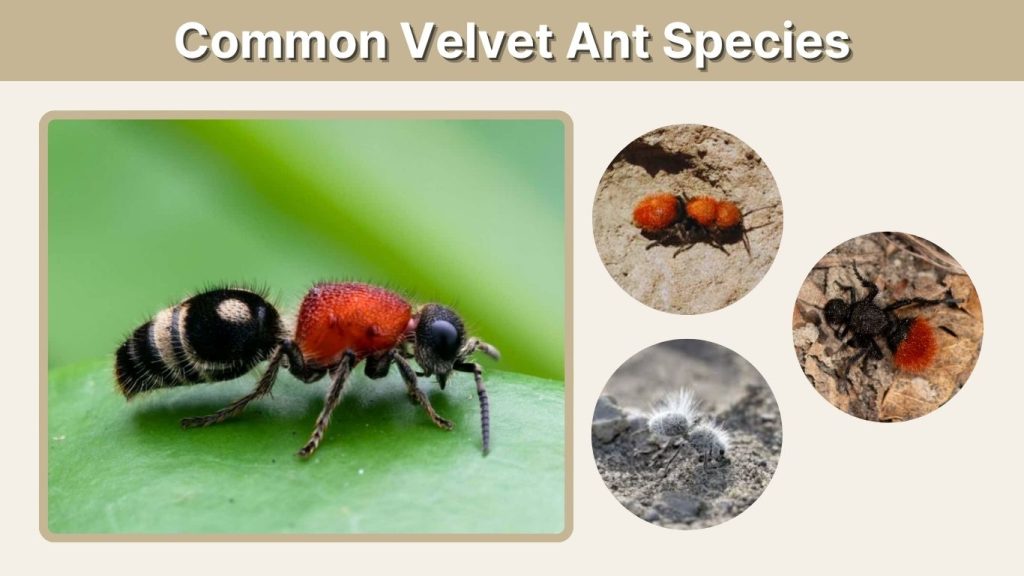
There are more than 7,000 species of velvet ants worldwide. While many look similar, several species are particularly well known because of their appearance, distribution, or painful sting.
Eastern Velvet Ant
The eastern velvet ant is the species most people associate with the term “cow killer.” It has bright red coloration and is widespread throughout the eastern and southern United States.
Thistledown Velvet Ant
This species is recognized by its distinctive white hair covering much of its body. The coloration gives it a soft appearance despite its powerful defenses.
Pacific Velvet Ant
Found in western regions of North America, the Pacific velvet ant displays unique color patterns and occupies a variety of habitats.
Klug’s Velvet Ant
Klug’s velvet ant is another striking species known for its contrasting body colors and strong defensive adaptations.
How to Get Rid of Velvet Ants
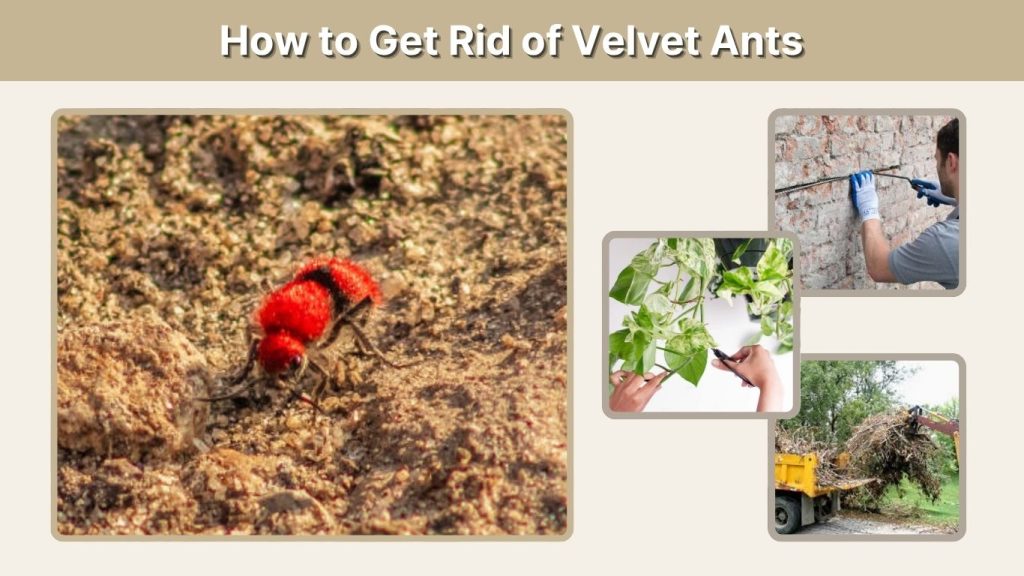
Velvet ants rarely require control because they are solitary insects and do not infest homes. However, people may wish to reduce their presence in areas where children, pets, or outdoor activities increase the likelihood of accidental contact.
Prevention Methods
Simple habitat modifications can discourage velvet ants from remaining near homes.
Recommended measures include:
- Remove debris piles
- Reduce exposed sandy soil
- Seal cracks around buildings
- Maintain trimmed vegetation
- Limit nesting opportunities for host insects
When Professional Control Is Needed
Professional pest control is rarely necessary. Because velvet ants do not establish colonies, eliminating a single individual usually resolves the immediate concern. Large recurring populations may indicate an abundance of ground-nesting bees or wasps nearby.
FAQs
Velvet ants often generate curiosity because of their unusual appearance and reputation. Understanding the facts behind common questions can help prevent unnecessary fear.
Do Velvet Ants Bite?
Velvet ants do not bite humans. Female velvet ants defend themselves using a sting, while males lack stingers altogether.
Do Velvet Ants Fly?
Only male velvet ants can fly because they have wings. Females are wingless and spend their lives walking on the ground.
Can Velvet Ants Enter Homes?
Although it is uncommon, individual velvet ants may occasionally wander indoors through open doors, garages, or cracks. They do not establish nests inside houses.
Why Is the Sting So Famous?
The sting is famous because it is extremely painful compared to many other insect stings. This powerful defense helps protect velvet ants from predators despite their small size.