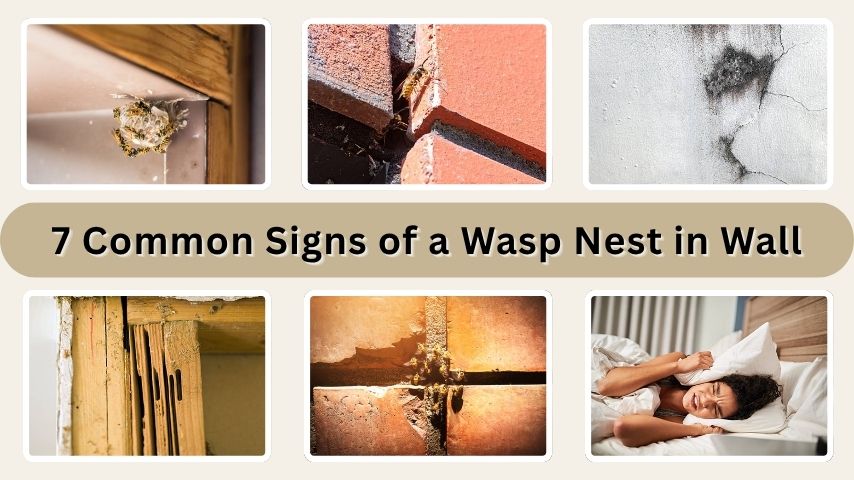
A wasp nest inside a wall can be difficult to notice at first because it is hidden from view. However, certain warning signs can help you identify the problem early. Buzzing sounds, wasps entering cracks, wall stains, and increased activity may all point to a hidden nest. Knowing these signs can help you take action before the colony grows larger.
1. Buzzing Sounds

A buzzing sound coming from inside the wall is one of the most common signs of a wasp nest. Wasps are active insects, and when they build a nest in a wall void, their movement can create a steady or faint buzzing noise. This sound may become more noticeable during the daytime when wasps are most active.
Why Buzzing Sounds Happen
Buzzing sounds usually happen because wasps are flying, moving, and working inside the wall cavity. The noise may come from their wings, their movement around the nest, or their activity as they expand the nest. In many cases, the sound is soft at first but may become louder as the colony grows.
Where You May Hear the Sound
You may hear buzzing sounds near areas where wasps commonly enter the wall. These areas include:
- Around window frames
- Near roof edges
- Inside exterior walls
- Around siding gaps
- Near attic walls
- Close to wall cracks or holes
When the Buzzing Is Most Noticeable
The buzzing is often easier to hear during the day because wasps are more active in warm daylight hours. You may notice the sound more clearly when the room is quiet. If the noise continues for several days and seems to come from the same wall area, there may be a nest inside.
Why You Should Not Ignore It
Ignoring buzzing sounds in the wall can allow the nest to grow larger. A bigger nest may lead to more wasps entering and leaving the structure. It can also increase the chance of wasps finding their way indoors through small gaps, vents, or openings.
2. Wasps Entering Cracks
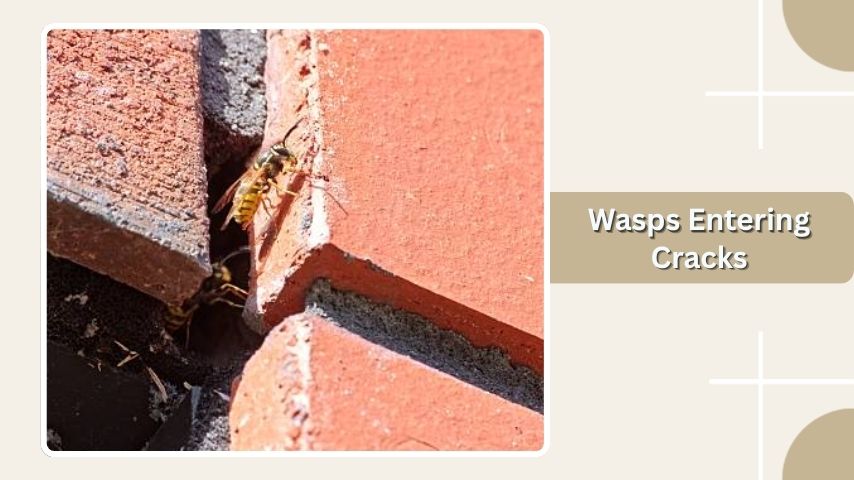
Wasps entering cracks in a wall is a strong sign that a nest may be hidden inside. These insects often use small openings as entry points to reach wall voids, roof gaps, or siding spaces. If you notice wasps repeatedly going into the same crack, it may mean they are using that spot as the main entrance to their nest.
Why Wasps Use Wall Cracks
Wasps look for protected spaces where they can build their nests safely. A crack in the wall gives them access to a hidden area where the nest is protected from weather, people, and predators. Once they find a suitable opening, they may continue using it throughout the nesting season.
Common Crack Areas to Watch
You may see wasps entering cracks in different parts of the home, such as:
- Gaps around window frames
- Cracks in exterior walls
- Openings near rooflines
- Holes in siding
- Spaces around vents
- Gaps near utility lines
What Repeated Entry Means
If one or two wasps enter a crack once, it may not always mean there is a nest. However, if several wasps keep entering the same crack throughout the day, it is a more serious warning sign. This repeated movement usually means the wasps have established a regular path to a nest inside the wall.
Why This Sign Should Be Taken Seriously
A wall crack can hide a growing wasp colony. As the nest becomes larger, the number of wasps around the opening may increase. This can make the area risky, especially near doors, windows, patios, or walkways where people often pass by.
3. Wasps Exiting Cracks
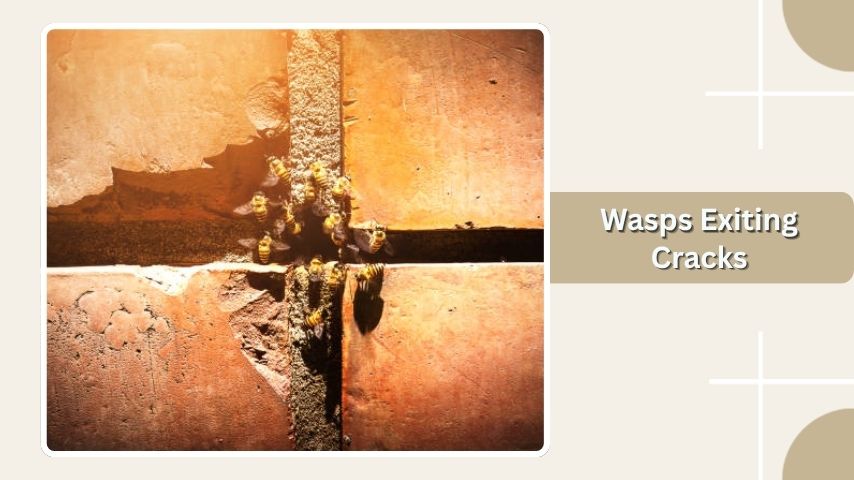
Wasps exiting cracks in a wall can be another clear sign of a hidden nest. If you notice wasps coming out from the same gap again and again, they may be leaving a nest built inside the wall cavity. This movement is usually more active during the daytime when wasps are searching for food and materials.
Why Wasps Come Out of Wall Cracks
Wasps leave the nest to collect food, water, and nesting materials. If the nest is inside the wall, they will use the same crack or opening as an exit point. Over time, this spot may become a busy route for wasps moving in and out throughout the day.
Signs of Repeated Exit Activity
You may notice several signs that wasps are using a crack as an exit point, such as:
- Wasps coming out from the same opening
- More activity during warm daylight hours
- Wasps flying in a direct path away from the wall
- Increased movement near siding or window frames
- Wasps returning to the same crack later
When This Activity Becomes a Concern
Seeing one wasp leave a crack may not always mean there is a nest. However, repeated exit activity from the same wall area is a stronger warning sign. If the number of wasps increases over several days, the colony may be growing inside the wall.
Why You Should Avoid Blocking the Crack
Blocking the crack without removing the nest can make the problem worse. Wasps trapped inside the wall may search for another way out, sometimes entering living spaces through vents, light fixtures, or small gaps. It is safer to treat repeated exit activity as a serious warning sign.
4. Wall Tapping Noises
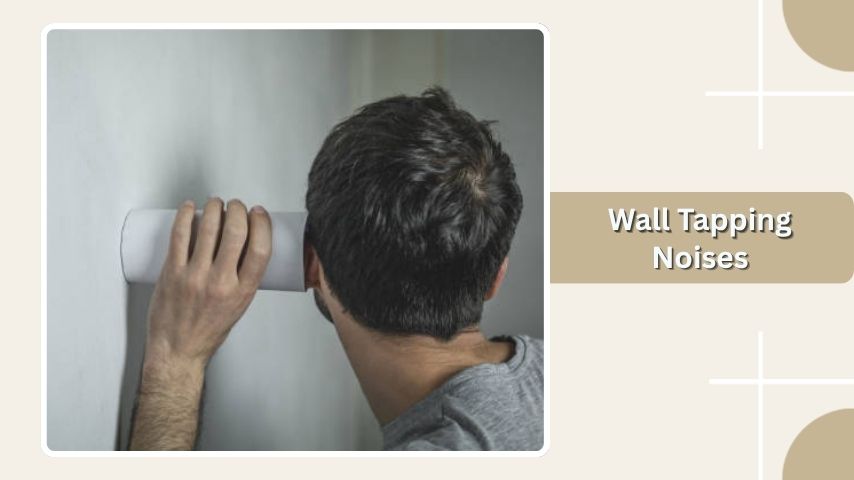
Wall tapping noises can be a warning sign of a wasp nest hidden inside the wall. These sounds may be light, irregular, or difficult to notice at first. They often happen when wasps move around inside the wall cavity, work on the nest, or come into contact with the wall surface.
Why Wall Tapping Noises Happen
Wall tapping noises may happen when wasps crawl, chew, or move inside the wall void. As the colony grows, more wasps may become active in the same space. Their movement can create faint tapping, scratching, or rustling sounds behind the wall.
Common Times to Hear Tapping
You may notice wall tapping noises more clearly during certain times, such as:
- During quiet parts of the day
- In the morning when wasps become active
- On warm afternoons
- Near the same wall area repeatedly
- When the room is silent
- Close to cracks, siding gaps, or attic walls
How This Sign Differs From Other Noises
Not every tapping sound means there is a wasp nest. Plumbing, wind, pests, or house settling can also cause noises inside walls. However, if the tapping happens near an area where wasps are entering or exiting, it may be connected to nest activity.
Why You Should Pay Attention
Wall tapping noises should not be ignored when they continue for several days. A hidden nest can grow larger over time, leading to more wasp activity around the home. Paying attention early can help prevent the problem from becoming harder to manage.
5. Chewed Wall Material
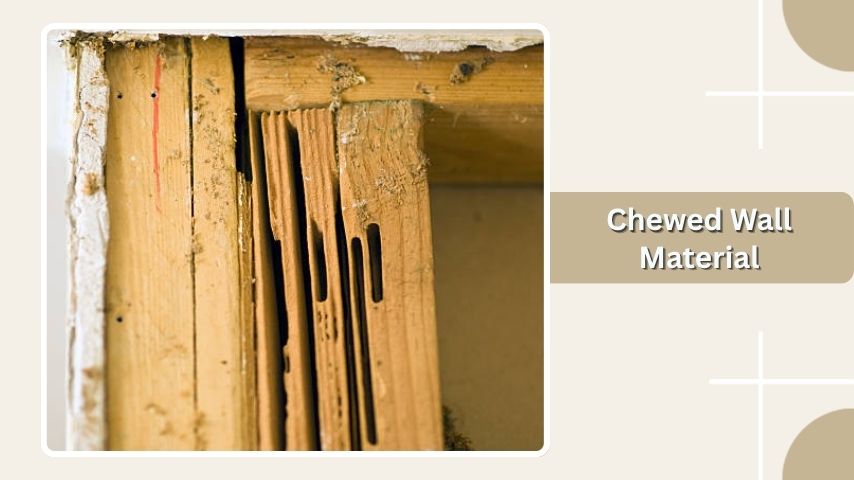
Chewed wall material can be a noticeable sign of a wasp nest inside a wall. Wasps often scrape and chew wood, drywall, or other soft materials to help build and expand their nest. If you see small bits of damaged material near a wall crack or entry point, it may be linked to wasp activity.
Why Wasps Chew Wall Material
Wasps chew materials to create a paper-like substance for nest building. They mix the chewed fibers with saliva and use it to form nest layers. When a nest is inside a wall, this chewing activity may affect nearby wood, drywall, insulation, or siding.
Signs of Chewed Material
You may notice chewed wall material in several ways, such as:
- Small wood fibers near cracks
- Thin paper-like debris
- Damaged siding edges
- Tiny bits of drywall dust
- Rough areas around entry holes
- Soft or weakened wall spots
Where Chewed Material May Appear
Chewed material often appears close to the wasps’ entry point. You may find it near window frames, siding gaps, roof edges, attic walls, or exterior cracks. The damage may be small at first, but it can become easier to notice as the nest grows.
Why This Sign Matters
Chewed wall material should not be ignored because it may show that wasps are actively building or expanding a nest. If the colony continues to grow, the hidden nest may become harder to remove and may increase wasp activity around the home.
6. Stains on Walls
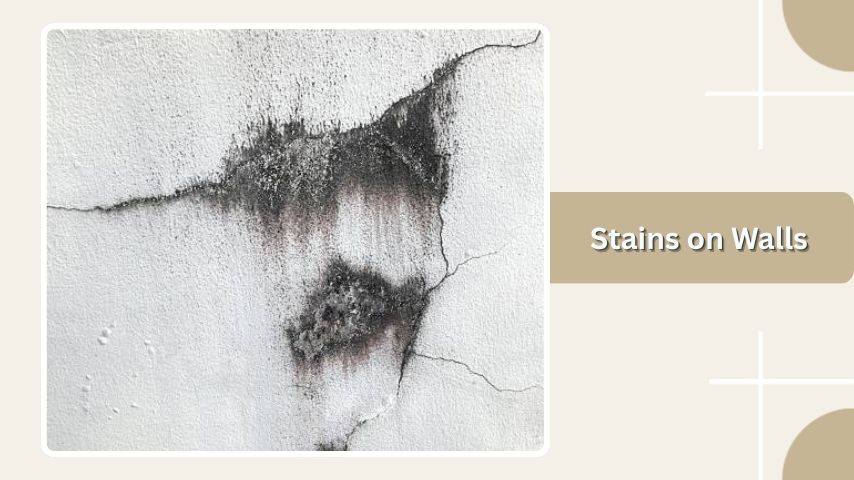
Stains on walls can be a warning sign of a wasp nest hidden inside the wall. These stains may appear when moisture, nest material, or insect activity affects the wall surface. While stains can have many causes, they should be checked carefully if they appear near areas with frequent wasp movement.
Why Wall Stains May Appear
Wall stains may appear when a wasp nest is active inside the wall cavity. Nest material, moisture, or waste from the colony may affect the surface over time. In some cases, the stain may look like a dark patch, damp mark, or discolored area near the hidden nest.
Common Signs of Wall Stains
You may notice wall stains in different forms, such as:
- Dark patches on the wall
- Yellowish or brown marks
- Damp-looking areas
- Discoloration near cracks
- Stains close to siding gaps
- Marks around window or roof edges
Where Stains Are Usually Found
These stains are often found near the wall area where wasps are entering or exiting. They may appear around exterior walls, attic walls, window frames, rooflines, or siding gaps. If the stain is close to wasp activity, it may be connected to a hidden nest.
Why This Sign Should Not Be Ignored
Wall stains should not be ignored when they appear with other signs of wasp activity. A hidden nest can continue to grow inside the wall, and the affected area may become worse over time. Checking the source early can help prevent a larger infestation.
7. Increased Wasp Activity
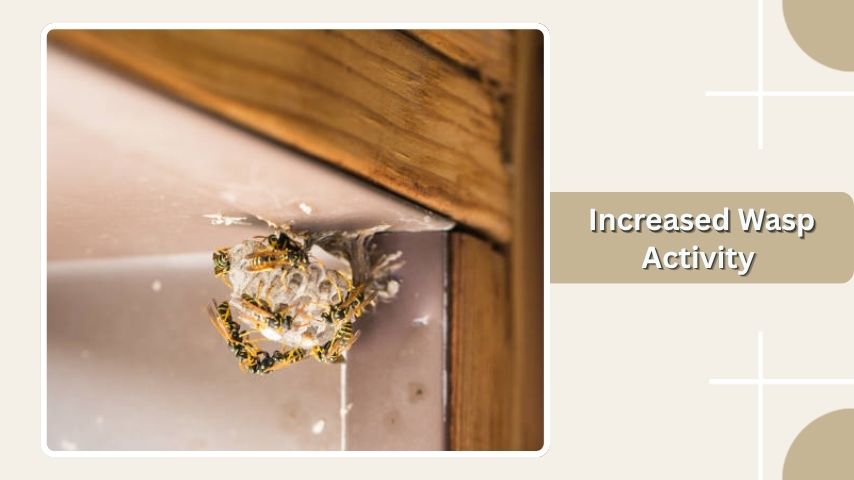
Increased wasp activity around your home can be a clear sign of a nest hidden inside the wall. If you see more wasps than usual flying near one area, they may be using a small opening to reach their nest. This activity is often easier to notice during warm daylight hours.
Why Wasp Activity Increases
Wasp activity increases when a colony grows larger. More wasps leave the nest to search for food, water, and nesting materials. If the nest is inside a wall, you may see them flying around the same wall, window, roof edge, or siding gap repeatedly.
Common Places to Notice More Wasps
You may notice increased wasp activity in several areas, such as:
- Around exterior walls
- Near window frames
- Close to rooflines
- Around siding gaps
- Near wall cracks or holes
- Close to doors, patios, or decks
What Repeated Activity Means
Repeated wasp activity in the same area usually means there is a reason they keep returning. If they are flying toward a crack or gap, they may be entering a hidden nest. This pattern is more concerning than seeing a single wasp flying around the yard.
Why You Should Take Action Early
Increased wasp activity should not be ignored because the colony may continue to grow. As more wasps gather near the wall, the risk of stings and indoor entry can increase. Noticing this sign early can help prevent a larger problem later.
FAQs
Can wasps really build a nest inside a wall?
Yes, wasps can build nests inside wall voids if they find a small crack, hole, or gap. Wall spaces give them shelter from weather and predators. If you see wasps entering or exiting the same wall opening, there may be a hidden nest inside.
What does a wasp nest in a wall sound like?
A wasp nest in a wall may create buzzing, tapping, scratching, or faint rustling sounds. These noises are often easier to hear when the room is quiet. The sound may become louder as the colony grows and more wasps move inside the wall.
Is it dangerous to have a wasp nest in the wall?
Yes, a wasp nest in the wall can be dangerous, especially if the colony grows large. Wasps may become defensive if they feel disturbed. They may also find their way indoors through vents, cracks, or small openings, increasing the risk of stings.
Should I block the crack where wasps are entering?
No, you should not block the crack while the nest is still active. Trapped wasps may look for another way out and could enter your living space. It is better to identify the nest location and use safe removal methods or contact a pest control professional.
When should I call a professional for a wasp nest in a wall?
You should call a professional if wasps are repeatedly entering or exiting a wall, if you hear sounds inside the wall, or if activity is increasing. A hidden nest can be difficult and risky to remove without proper tools and protection.