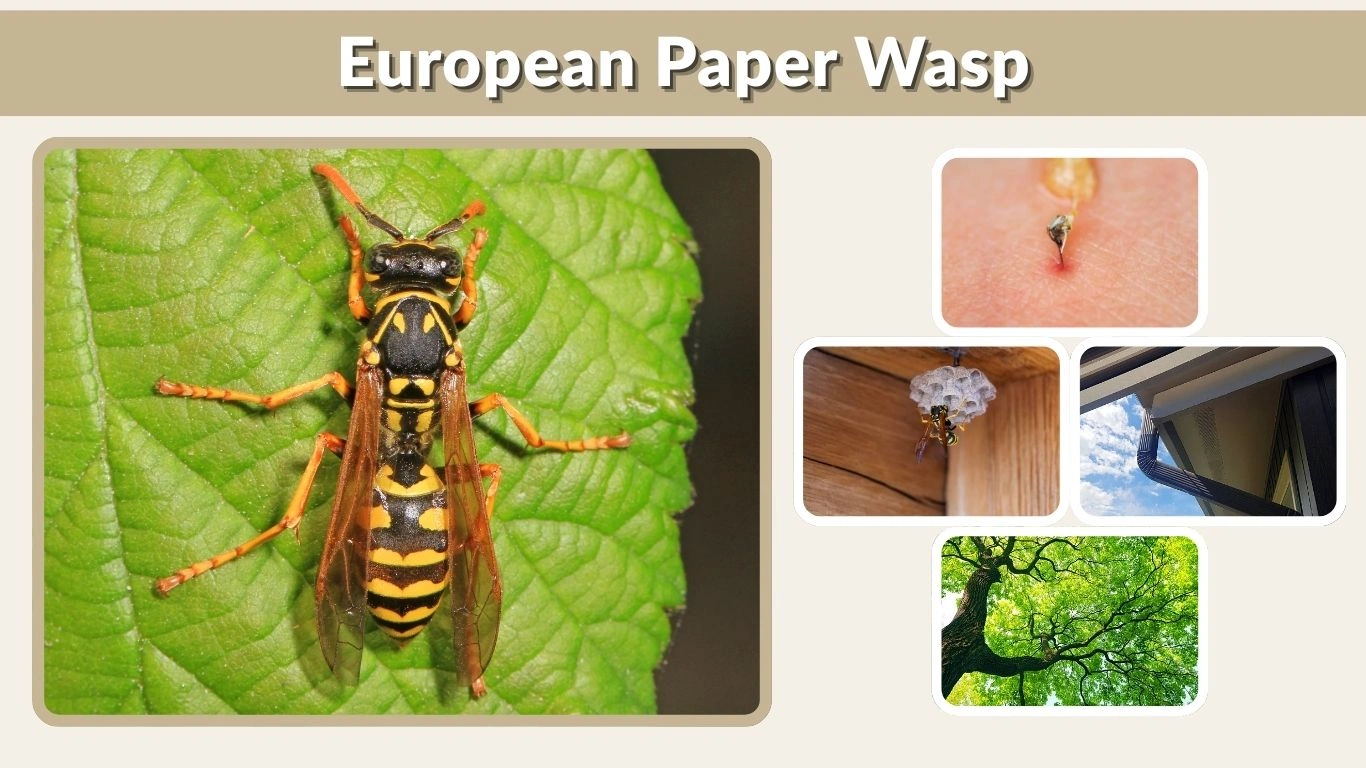
The European paper wasp is a common insect found in many parts of the world, especially around homes and gardens. Known for its yellow and black markings and slender body, it is often confused with more aggressive species like yellow jackets. While it can sting, it is generally less aggressive and plays a useful role in controlling pests. However, its nests near human spaces can cause concern. In this guide, you’ll learn how to identify the European paper wasp, understand its behavior, and know how to deal with it safely.
What Is a European Paper Wasp?
The European paper wasp is a social wasp species recognized for its slim body, long legs, and open paper-like nests. Its scientific name is Polistes dominula, and it is one of the most widespread paper wasp species in the world.
Scientific Classification
The European paper wasp belongs to the Vespidae family, which includes many species of wasps and hornets. Its scientific name, Polistes dominula, is commonly used in research and identification.
Unlike solitary wasps, this species lives in small social groups or colonies. These colonies are typically smaller than those of more aggressive wasps like yellow jackets.
Understanding its classification helps explain its behavior, including nest building and social structure.
Origin and Global Spread
Originally native to Europe, the European paper wasp has spread to many other regions. It is now commonly found in North America, Australia, and New Zealand.
Its ability to adapt to urban and suburban environments has contributed to its rapid spread. It often builds nests on buildings, fences, and other man-made structures.This adaptability has made it one of the most successful and widely distributed wasp species.
European Paper Wasp Identification
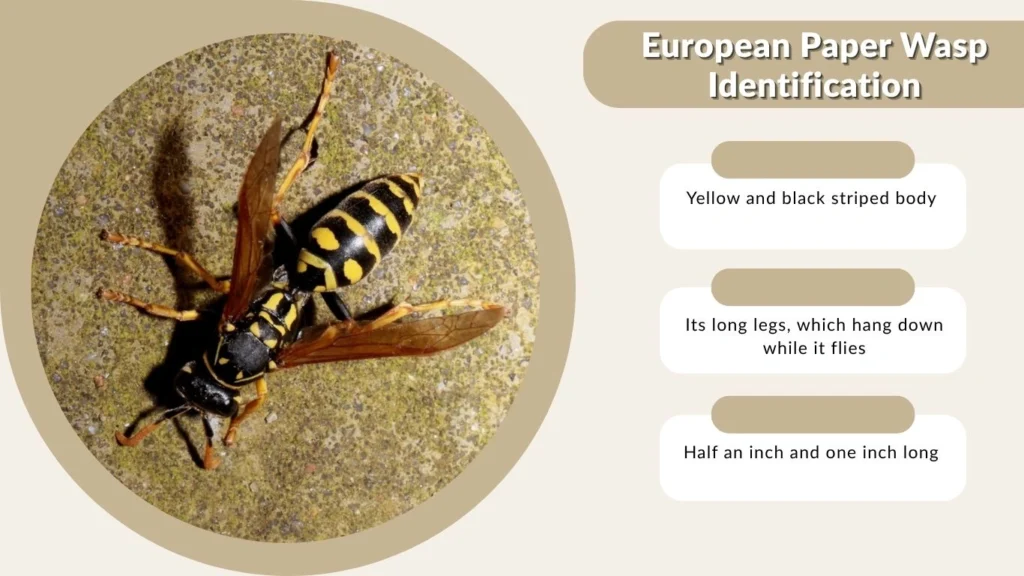
Correct identification is important because this species is often mistaken for more aggressive wasps. Knowing the differences can help reduce unnecessary fear.
Key Physical Features
The European paper wasp has a yellow and black striped body, similar to other wasps. However, its body is more slender and less bulky than that of a yellow jacket.
One of its most distinctive features is its long legs, which hang down while it flies. This gives it a different flight appearance compared to other wasps. It also has a narrow waist that connects its thorax and abdomen, giving it a more elongated look.
Size and Appearance
European paper wasps are usually between half an inch and one inch long. This makes them smaller than hornets but similar in size to other wasps.
Their body is streamlined and lightweight, which allows them to move quickly. Their coloration is bright and noticeable, making them easy to identify once you know what to look for. Compared to yellow jackets, they appear less compact and more elongated.
European Paper Wasp Queen
The queen is the most important member of the colony, responsible for starting and maintaining the nest.
Role of the Queen
The queen begins the colony in early spring by building a small nest and laying the first eggs. These eggs develop into worker wasps that help expand the colony.
As the colony grows, the queen focuses mainly on laying eggs while the workers take care of feeding and nest maintenance.
This division of roles allows the colony to grow efficiently throughout the season.
How to Identify the Queen
The queen is slightly larger than the worker wasps, but the difference can be subtle. She has the same yellow and black coloring as the rest of the colony. She is most active at the beginning of the season when she is building the nest and laying eggs. Later in the season, she is less visible as worker wasps take over most of the activity outside the nest.
European Paper Wasp Nest
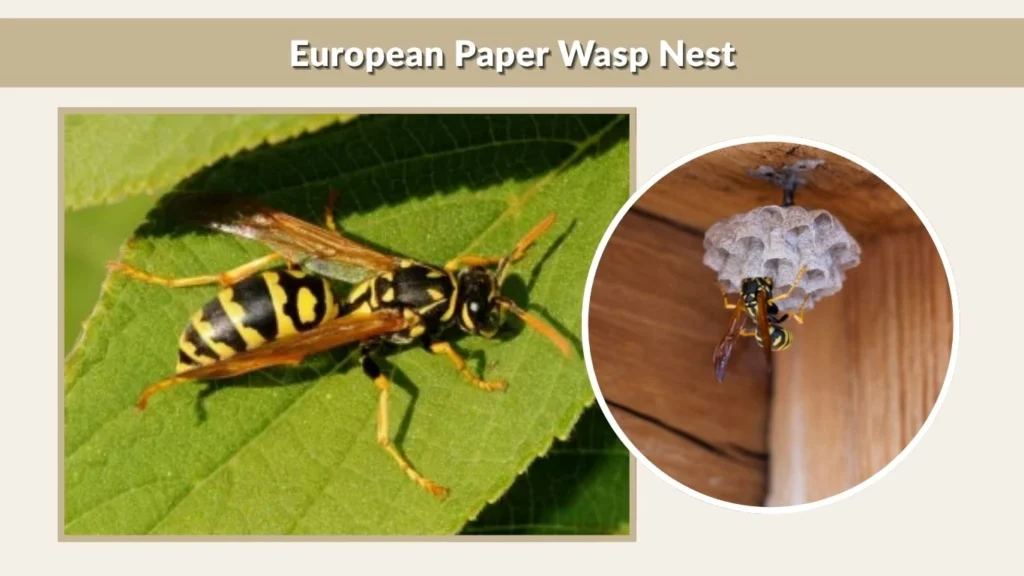
The nest of the European paper wasp is one of its most recognizable features. It is very different from the enclosed nests of other wasp species.
- Open, umbrella-shaped structure
- Made from paper-like material
- Visible hexagonal cells
- Usually small in size
- No outer covering
These nests are often found under roof eaves, on fences, or attached to branches. Because they are open, you can see the individual cells where larvae develop.
The wasps create the nest by chewing wood fibers and mixing them with saliva to form a paper-like material. This process gives the nest its unique texture. Unlike enclosed nests, these structures are easier to spot and identify early.
European Paper Wasp Sting
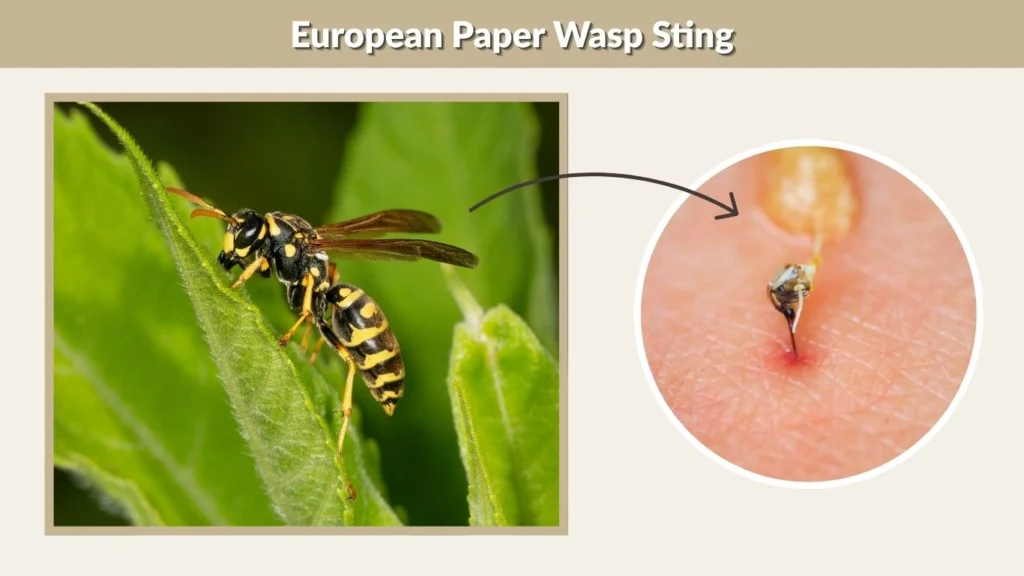
The sting of the European paper wasp is a common concern, especially when nests are located near homes.
How Painful Is the Sting?
The sting is considered moderately painful. It can feel sharp and sudden but is usually less intense than the sting of more aggressive wasps like yellow jackets.
The pain typically fades after a short period, although some swelling and redness may remain.For most people, the sting is uncomfortable but not dangerous.
When They Sting
European paper wasps are not highly aggressive and usually sting only when they feel threatened.
Common situations that may trigger a sting include:
- Disturbing the nest
- Sudden movements near the wasp
- Attempting to handle or remove them
They are generally more defensive than aggressive, meaning they prefer to avoid conflict unless necessary.
European Paper Wasp vs Yellow Jacket
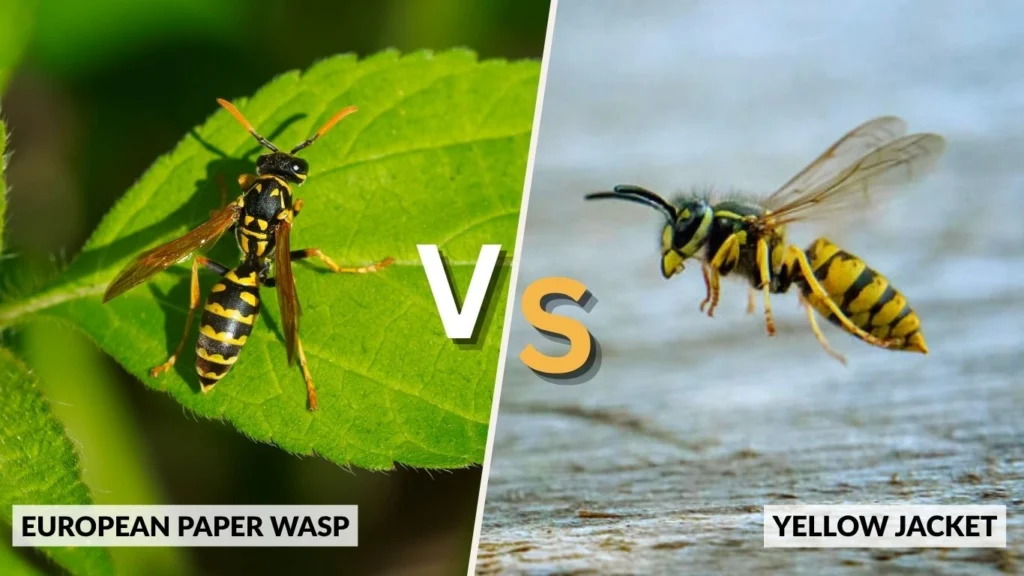
This comparison is important because the two species are often confused, yet their behavior and risk levels are quite different.
| Feature | European Paper Wasp | Yellow Jacket |
| Body Shape | Slender | Stocky |
| Behavior | Less aggressive | Highly aggressive |
| Nest | Open structure | Enclosed nest |
| Sting | Moderate | More aggressive stinging |
| Diet | Insects, nectar | Sugary foods, meat |
European paper wasps are generally calmer and less likely to sting unless provoked. Yellow jackets, on the other hand, are more aggressive and more likely to sting repeatedly.
Understanding this difference can help you respond appropriately when encountering these insects.
European Wasp vs European Paper Wasp
Understanding the difference between the European paper wasp and the European wasp is important because they are often confused, yet they behave very differently and pose different levels of risk. The European wasp is generally more aggressive and more likely to become a nuisance around food sources, while the European paper wasp is more passive and less likely to attack unless disturbed.
| Feature | European Paper Wasp | European Wasp |
| Nest Type | Open, umbrella-shaped | Enclosed, hidden |
| Aggression | Lower, defensive | Higher, more aggressive |
| Size | Smaller and slender | Larger and stockier |
| Habitat | Exposed areas (eaves, branches) | Underground or hidden spaces |
| Behavior | Less attracted to food | Highly attracted to human food |
European wasps are commonly seen around outdoor meals and garbage because they are attracted to sugary foods and meat. In contrast, European paper wasps are more focused on hunting insects and gathering nectar, making them beneficial for controlling pests. This difference in diet and behavior makes European paper wasps less likely to become a problem unless their nest is directly disturbed.
Northern Paper Wasp vs European Paper Wasp
The northern paper wasp and the European paper wasp share similarities in appearance and nesting habits, but they differ in origin, coloration, and adaptability. The northern paper wasp is native to North America, while the European paper wasp is an introduced species that has spread widely due to its adaptability.
| Feature | European Paper Wasp | Northern Paper Wasp |
| Origin | Europe (invasive in many regions) | North America (native) |
| Color | Bright yellow and black | Darker brown and reddish tones |
| Behavior | Highly adaptable to urban areas | More natural habitat preference |
| Spread | Rapid and widespread | Limited to native range |
European paper wasps tend to thrive in human environments such as buildings, fences, and outdoor structures, which has allowed them to spread quickly across different regions. Northern paper wasps, while similar in behavior, are less commonly found in dense urban settings and are more associated with natural habitats. These differences can help in identifying which species you are dealing with.
European Hornet vs Paper Wasp
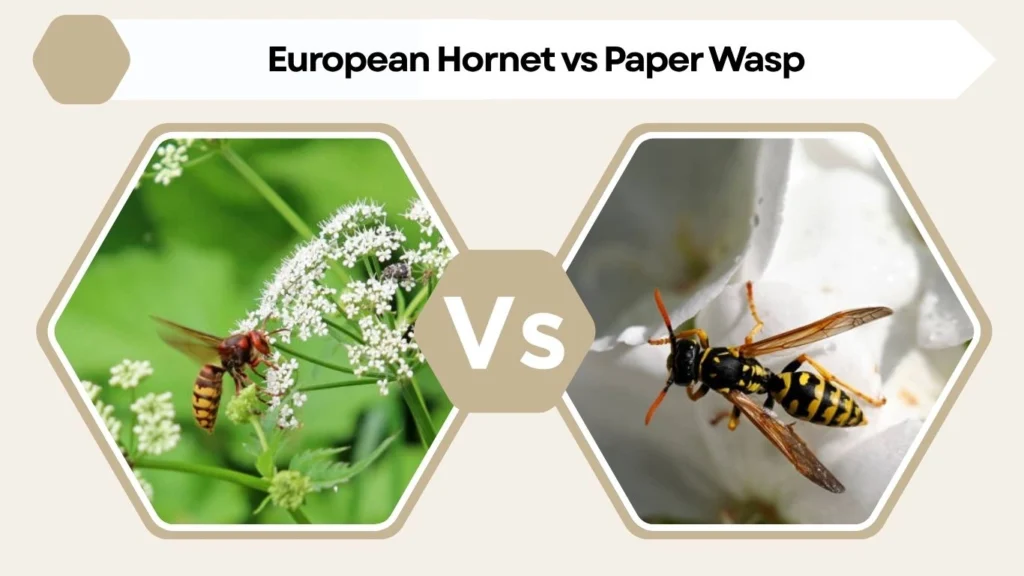
Another common comparison is between the European hornet and the European paper wasp, mainly due to their similar coloring. However, they are quite different in size, behavior, and nesting style, which makes identification relatively straightforward once you know the key distinctions.
| Feature | European Paper Wasp | European Hornet |
| Size | Smaller (0.5–1 inch) | Much larger (up to 1.5 inches) |
| Body Shape | Slender | Thick and robust |
| Nest | Open and visible | Enclosed and hidden |
| Aggression | Moderate, defensive | Defensive but less aggressive than yellow jackets |
| Sound | Quiet flight | Loud buzzing flight |
European hornets are significantly larger and produce a loud buzzing sound when flying, which often makes them more noticeable. Their nests are usually enclosed and hidden inside tree cavities or walls, unlike the open nests of paper wasps. While both insects can sting, hornets are generally less likely to attack unless provoked, whereas paper wasps may defend their nest if approached too closely.
Habitat and Distribution
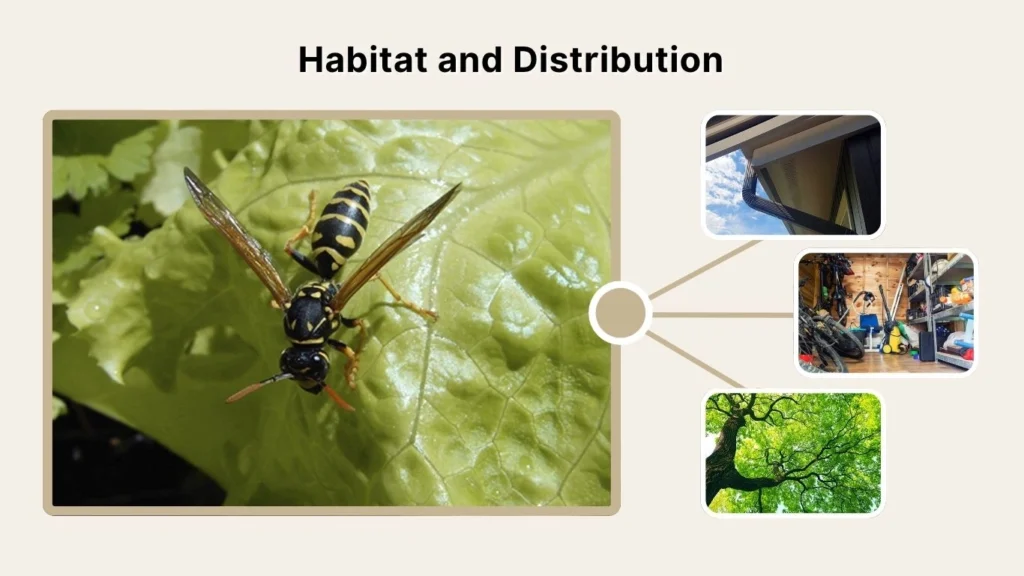
European paper wasps are highly adaptable insects that can thrive in a wide range of environments, which has contributed to their global spread. They are now commonly found in Europe, North America, Australia, and New Zealand, making them one of the most widespread wasp species in the world.
- Found across Europe, North America, Australia, and New Zealand
- Common in urban and suburban areas
- Prefer sheltered locations like roofs and structures
- Thrive in warm climates
- Most active during spring and summer
These wasps prefer to build their nests in sheltered locations such as under roof eaves, inside sheds, or on fences and tree branches. Their ability to adapt to human-made structures has allowed them to coexist closely with people. They are most active during warmer months when food sources are abundant and colony activity is at its peak.
Behavior and Diet
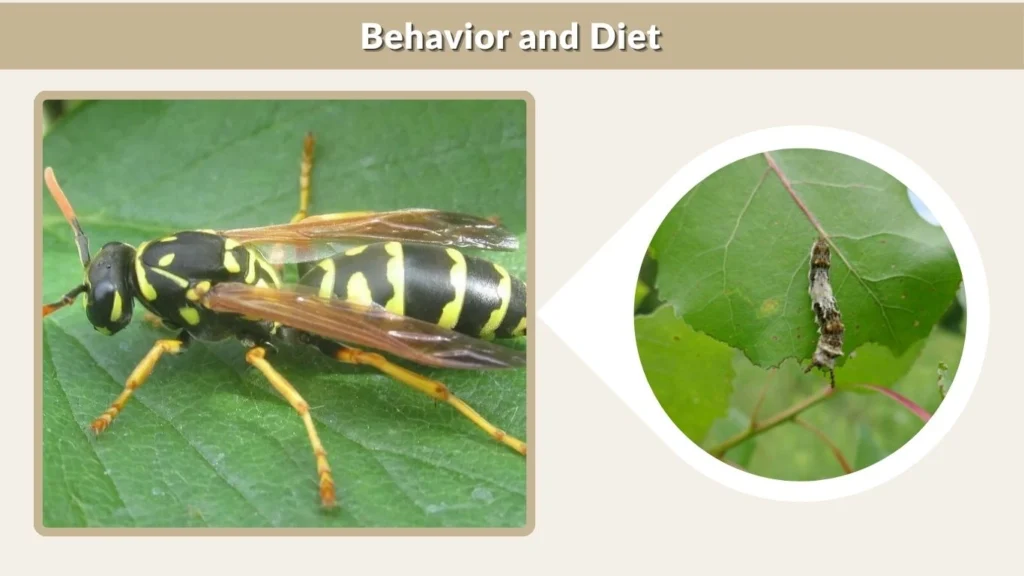
European paper wasps play an important ecological role due to their feeding habits and behavior. Unlike more aggressive wasp species, they are relatively calm and contribute to natural pest control.
- Feed on insects, caterpillars, and nectar
- Help control garden pests
- Active during daylight hours
- Live in small colonies
- Less aggressive unless threatened
These wasps primarily hunt insects, which they use to feed their larvae. This makes them beneficial in gardens and agricultural areas, as they help reduce populations of harmful pests. Adult wasps also consume nectar, contributing to pollination. Their behavior is generally non-aggressive, and they tend to avoid conflict unless their nest is disturbed.
How to Get Rid of European Paper Wasps
Removing European paper wasps should be done carefully to avoid stings. While they are less aggressive than other species, they will defend their nest if they feel threatened.
- Remove nests at night when activity is low
- Wear protective clothing
- Use insecticide sprays carefully
- Avoid disturbing active nests
- Contact professionals for large infestations
The safest time to remove a nest is at night because most wasps are inside and less active. Protective clothing is essential to reduce the risk of stings. For larger nests or difficult locations, professional pest control services are recommended to ensure safe and effective removal.
European Paper Wasp Trap
Traps can be an effective way to manage wasp populations, especially in outdoor areas where nests are not easily accessible. Using traps correctly can reduce the number of wasps without causing unnecessary disturbance.
- Use sugar-based or protein bait
- Place traps away from living spaces
- Check and replace bait regularly
- Combine traps with prevention methods
- Use commercial or DIY options
Placing traps away from areas where people gather helps draw wasps away from human activity. Regular maintenance ensures the traps remain effective. Combining traps with other prevention strategies, such as removing food sources and sealing entry points, provides the best results.
FAQs
What is a European paper wasp?
A European paper wasp is a social wasp species known for its slender body, yellow and black markings, and open paper-like nests. It is less aggressive than many other wasps and plays a role in controlling insect populations.
Are European paper wasps aggressive?
European paper wasps are generally not aggressive and will only sting when they feel threatened or when their nest is disturbed. They are more defensive than aggressive compared to species like yellow jackets.
How do you identify a European paper wasp nest?
Their nests are open, umbrella-shaped structures made of paper-like material. The hexagonal cells are visible, and the nest does not have an outer covering, which makes it easy to distinguish from other wasp nests.
How do you get rid of European paper wasps safely?
Small nests can be removed at night using protective gear and insecticide sprays. For larger nests or hard-to-reach areas, it is best to contact professional pest control services.
Where are European paper wasps commonly found?
They are found worldwide, including Europe, North America, Australia, and New Zealand. They prefer warm climates and often build nests on buildings, fences, and other sheltered structures.