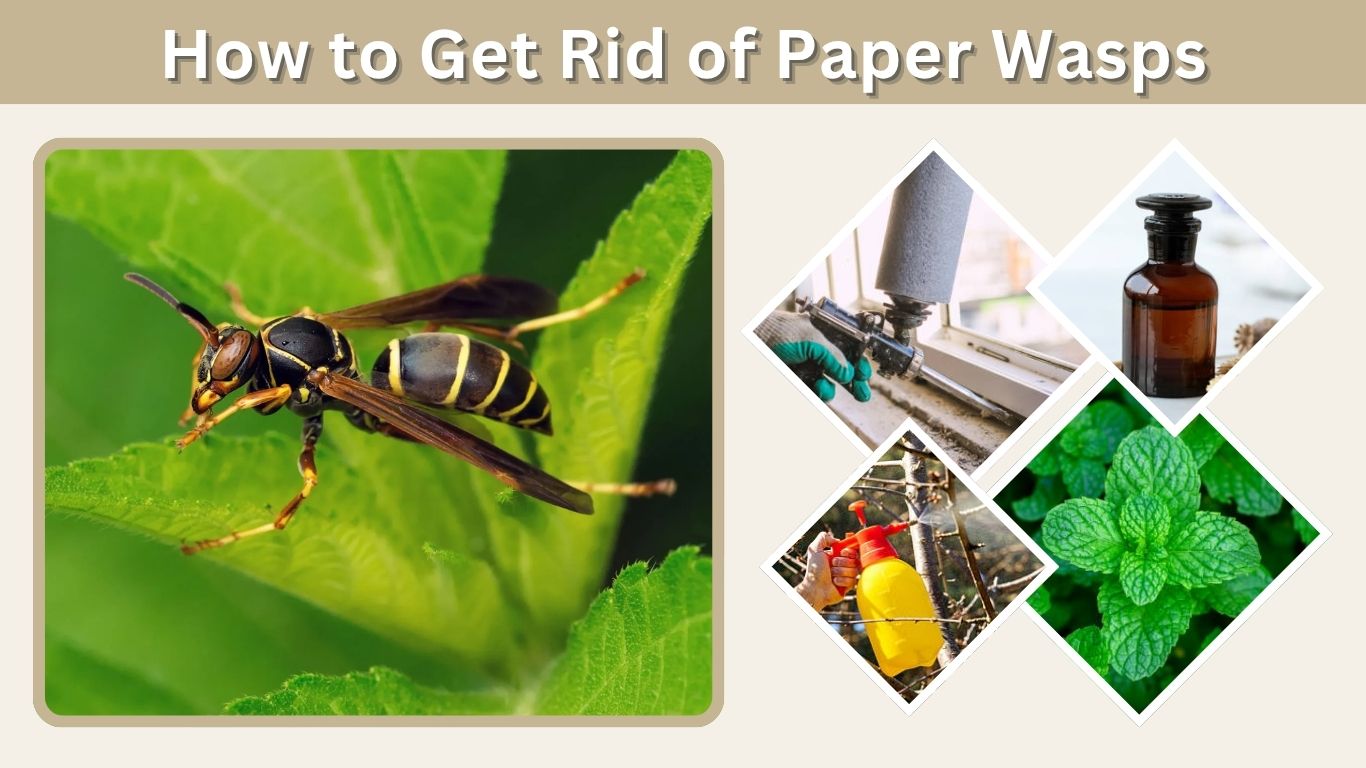
Paper wasps are common stinging insects that build papery nests in eaves, trees, attics, walls, and sheds. While they help control garden pests, their stings can be painful and dangerous for allergic individuals. Removing nests safely requires proper identification and understanding of their behavior. This guide explains how to identify paper wasps and their nests, remove them naturally or chemically, and implement preventive measures to reduce infestations, keeping your home and yard safe throughout the warmer months.
Understanding Paper Wasps
Knowing the types of paper wasps and their nesting habits is essential for safe removal. Different species—red, European, northern, yellow, and Asian paper wasps—have unique behaviors and preferred nesting locations. Understanding these factors helps homeowners choose the most effective method to remove nests without risking stings and ensures long-term control of wasp populations.
Common Species of Paper Wasps
- Red paper wasp
- European paper wasp
- Northern paper wasp
- Yellow paper wasp
- Asian paper wasp
Nesting Habits
- Build papery nests from chewed plant fibers
- Common locations: eaves, attics, trees, wall cavities, sheds
- Nest size varies: small, medium, or large colonies
Behavior and Risks
- Active during warm months, especially dawn and dusk
- Can become aggressive if nests are disturbed
- Stings are painful and may trigger allergic reactions
Identifying Paper Wasp Nests
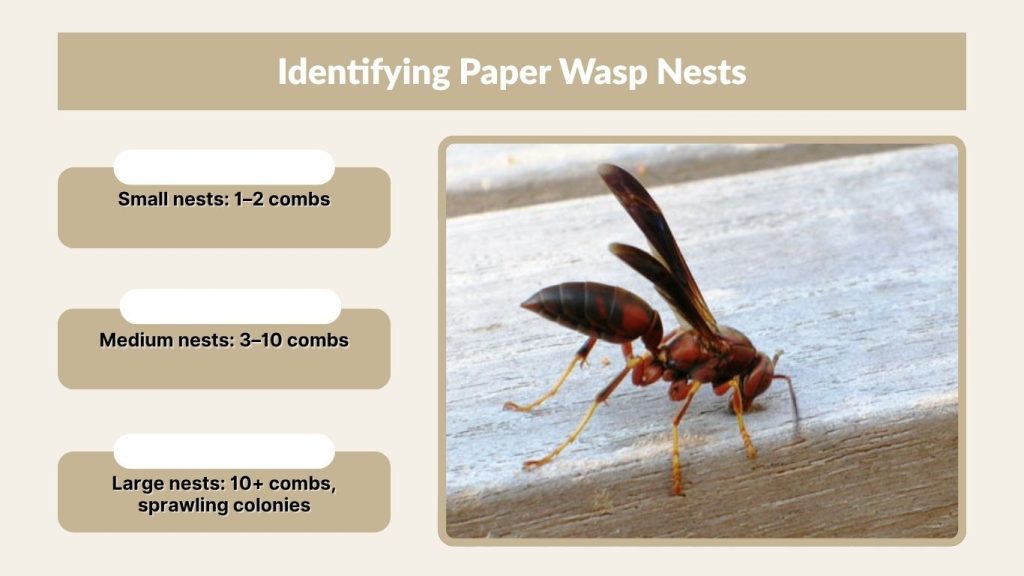
Correctly identifying nests is crucial for safe removal. Paper wasp nests differ in size, shape, and location. Recognizing these differences allows for targeted and safe removal methods, whether using natural deterrents, traps, or chemical treatments, while minimizing the risk of wasp stings and damage to property.
Types of Nests
- Small nests: 1–2 combs
- Medium nests: 3–10 combs
- Large nests: 10+ combs, sprawling colonies
Nest Locations
- Trees and shrubs
- Under eaves, porches, and roof overhangs
- Inside attics, walls, or under siding
Signs of Infestation
- Frequent wasp activity near a location
- Visible paper nests
- Buzzing sounds or flying patterns
Natural Methods to Remove Paper Wasps
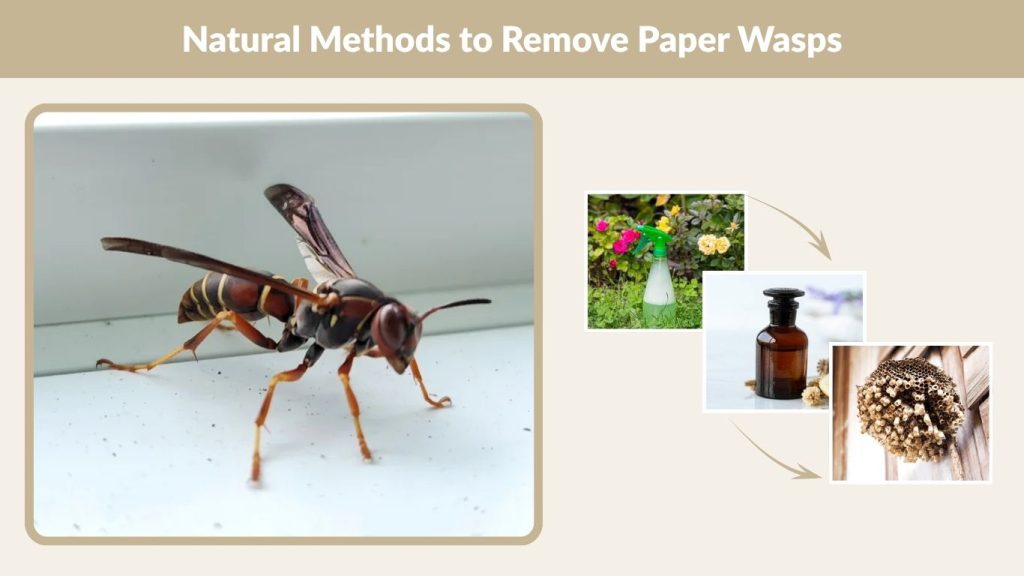
Homeowners can use safe, non-chemical methods to remove paper wasps, especially for small or accessible nests. Techniques like soap sprays, essential oils, and decoy nests deter wasps without harming humans, pets, or beneficial insects. Timing, protective clothing, and proper execution are key to successfully reducing wasp populations naturally.
Soap and Water Spray
- Mix dish soap with water in a spray bottle
- Spray directly on the nest during evening or night
- Soap clogs wasps’ spiracles, killing or immobilizing them
Essential Oil Solutions
- Peppermint, eucalyptus, or citronella oils can repel wasps
- Mix with water and spray around nests or entry points
- Repeat weekly during active wasp season
Physical Deterrents
- Hang brown paper bags near nests to discourage expansion
- Use decoy nests to prevent new colony formation
- Remove old or abandoned nests promptly
Chemical Treatments for Paper Wasps
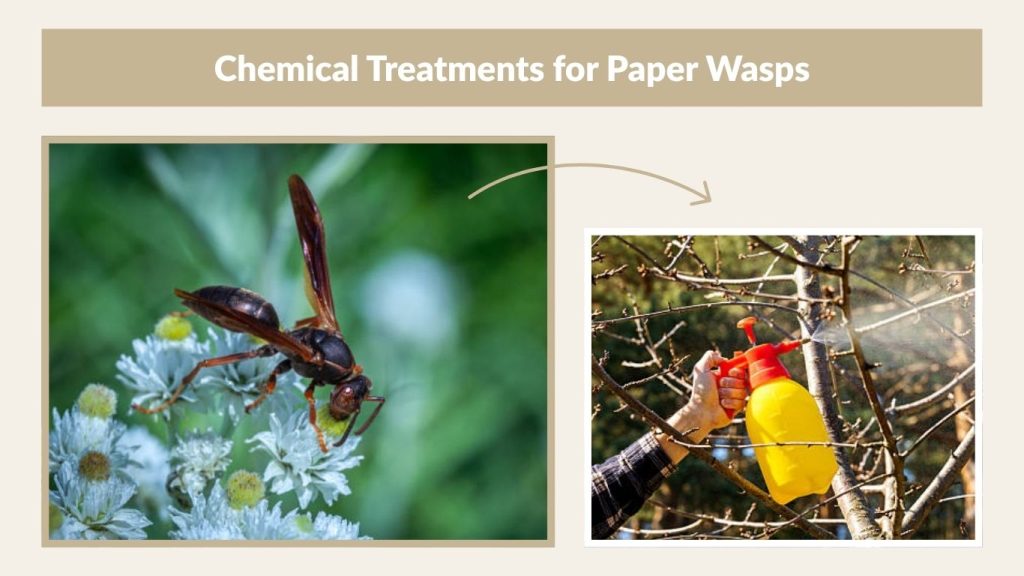
When natural methods are insufficient or nests are large or hard to reach, chemical treatments can be effective. Insecticidal sprays or dusts specifically labeled for wasps can quickly reduce populations. Safety precautions, such as wearing protective clothing and applying sprays during evening hours, are essential to avoid stings and prevent accidental exposure to humans, pets, or beneficial insects.
Insecticidal Sprays
- Use sprays labeled for wasps and hornets
- Apply directly to the nest at night
- Stand at a safe distance and wear protective gear
Wasp Dusts
- Powder insecticides can be applied to nest entrances
- Effective for nests inside wall cavities or attics
- Avoid inhaling dust; use gloves and masks
Professional Pest Control
- Recommended for very large nests or inaccessible locations
- Experts have specialized equipment and experience
- Ensures safe, complete removal without harming property or humans
Removing Nests Safely
Physical removal of paper wasp nests requires caution. Timing, protective clothing, and correct techniques are critical. Nests should be removed during night when wasps are less active. Proper disposal of nests prevents re-infestation. This section explains step-by-step methods to remove small, medium, and large nests without causing wasp aggression or stings.
Small Nests
- Spray with soap or insecticide at night
- Gently knock down nest using a long stick
- Seal in a plastic bag and dispose
Large or High Nests
- Consider professional removal for high or giant nests
- Use protective clothing, gloves, and eye protection
- Avoid standing directly under the nest
Disposal Tips
- Place nest in sealed bag or container
- Freeze or leave sealed in the sun to ensure all wasps are dead
- Clean surrounding area to remove residual pheromones
Preventing Future Paper Wasp Infestations
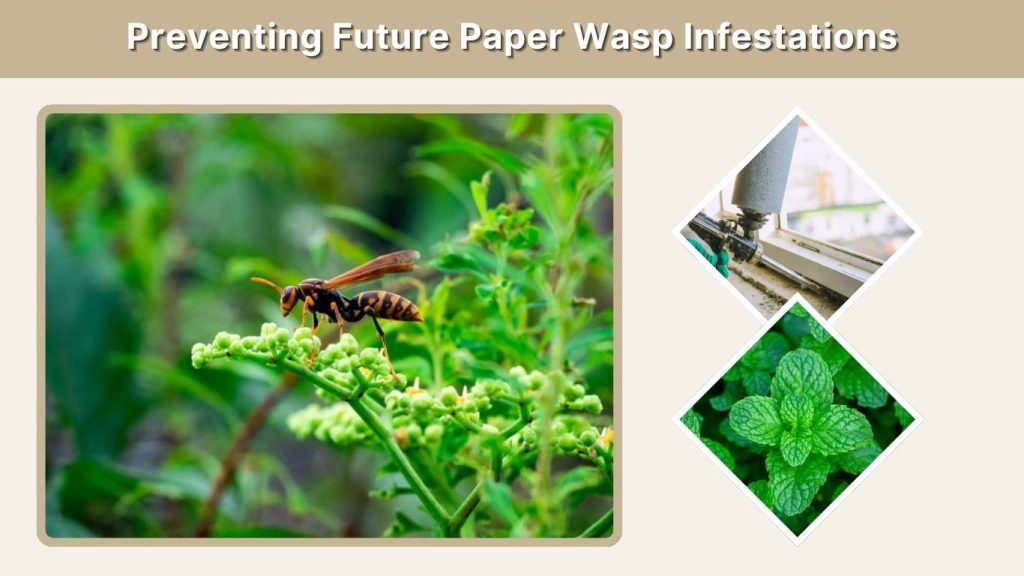
After removal, prevention is the most effective long-term strategy. Modifying the environment, using natural deterrents, and regular monitoring keep paper wasps from returning. Simple steps like sealing entry points, trimming vegetation, and hanging decoy nests make your home and yard less attractive to wasps while reducing the need for chemical interventions.
Habitat Modification
- Seal cracks, wall cavities, and attic openings
- Remove old nests, debris, and clutter
- Trim shrubs and vegetation near buildings
Natural Deterrents
- Hang decoy nests to prevent new colonies
- Plant wasp-repelling herbs like peppermint, citronella, or eucalyptus
- Apply essential oil sprays around eaves and entrances
Regular Monitoring
- Inspect eaves, attics, sheds, and walls weekly
- Remove small nests promptly before they expand
- Keep outdoor areas clean and free of food debris
FAQs
How can I safely get rid of a paper wasp nest?
Wear protective clothing, approach the nest at night when wasps are less active, and use a soap spray, essential oil solution, or insecticide to immobilize the wasps before removing the nest.
Can I remove paper wasps naturally without chemicals?
Yes. Soap sprays, peppermint or vinegar solutions, decoy nests, and brown paper bag methods can help deter or eliminate wasps safely.
How do I identify different types of paper wasps?
Red paper wasps are reddish-brown, yellow paper wasps have yellow markings, and European paper wasps are black-and-yellow with larger colonies.
How can I prevent paper wasps from returning?
Seal cracks and wall openings, remove old nests, trim vegetation near your home, hang decoy nests, and use natural repellents like peppermint or citronella.
Are paper wasps beneficial to the environment?
Yes. Paper wasps control garden pests such as caterpillars and other insects, making them valuable for natural pest management despite being a nuisance.