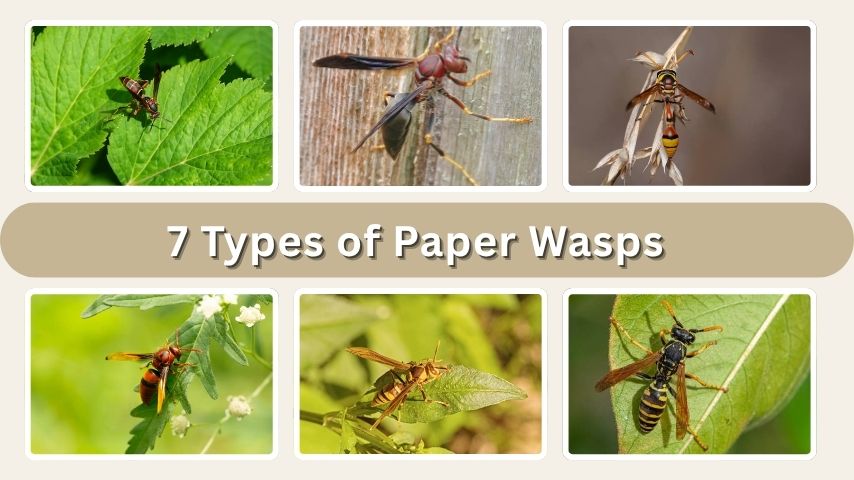
Paper wasps are some of the most common stinging insects found throughout Texas. These social wasps are known for their slender bodies, dangling legs, and umbrella-shaped paper nests built under roofs, tree branches, and outdoor structures. While they can sting when threatened, paper wasps also play an important role in controlling garden pests by hunting caterpillars and other insects. Texas is home to several paper wasp species with different colors, sizes, and nesting habits. Learning to identify them can help homeowners and nature lovers better understand these beneficial but sometimes intimidating insects.
1. European Paper Wasp
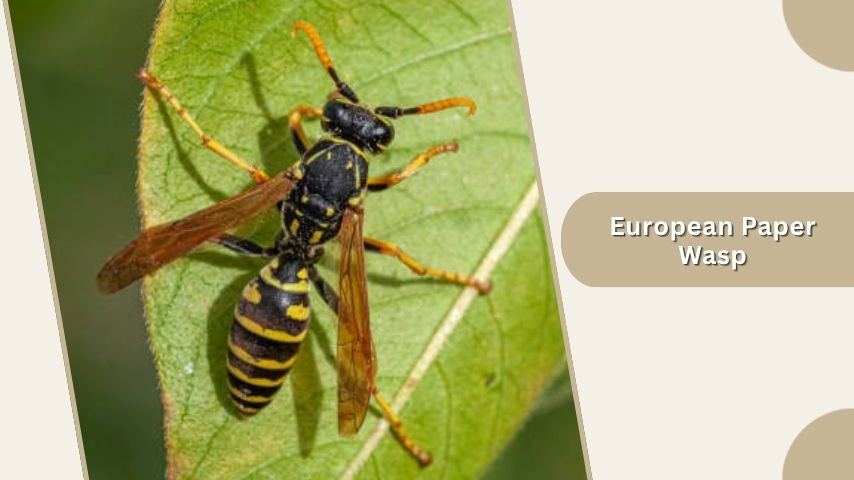
The European Paper Wasp is one of the most common paper wasps found in Texas. Originally native to Europe, this species has spread widely across North America and is now frequently seen around homes, gardens, barns, and outdoor structures. It builds umbrella-shaped paper nests and becomes especially active during warm months.
Identification
- Yellow and black striped body
- Slender body with long dangling legs
- Orange-tinted antennae
- Narrow waist between body segments
- Usually about 0.6 to 0.8 inches long
Habitat and Distribution
European Paper Wasps thrive in both urban and rural environments throughout Texas. They commonly build nests under roof edges, porch ceilings, window frames, and sheltered outdoor structures. Their nests are usually attached to flat surfaces and remain exposed without outer coverings.
Behavior and Diet
These wasps feed mainly on nectar, sugary liquids, and small insects. Adults often hunt caterpillars and other soft-bodied insects to feed developing larvae inside the nest. Although they may appear aggressive near nests, they usually avoid humans unless disturbed directly.
Nesting and Lifecycle
Queens begin building nests during spring after surviving winter in protected hiding spots. Worker wasps later expand the nest and care for larvae throughout summer. By late fall, colonies decline, and only newly fertilized queens survive to begin the cycle again the following year.
2. Red Paper Wasp
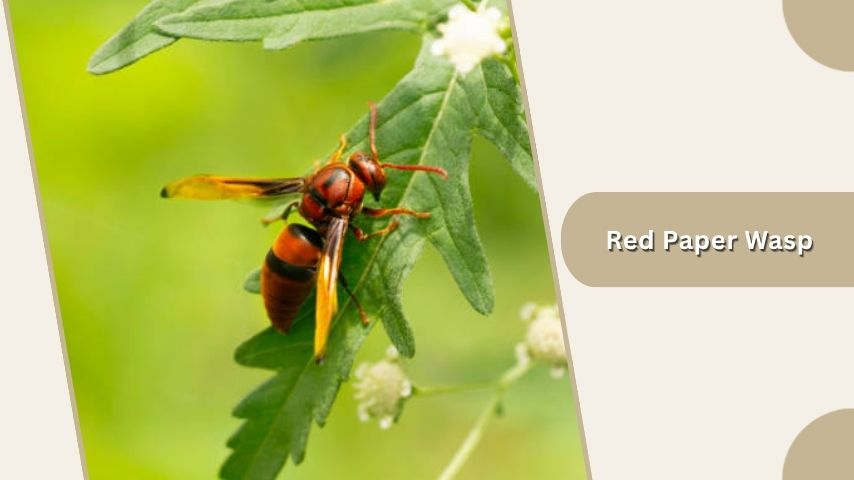
The Red Paper Wasp is one of the largest and most recognizable paper wasps found in Texas. Its reddish-orange body makes it easy to identify compared to other wasp species. These wasps are commonly seen in warm southern regions where they build open paper nests beneath roofs, tree branches, and outdoor structures.
Identification
- Reddish-orange body color
- Long slender legs
- Dark smoky wings
- Narrow waist structure
- Usually about 1 inch long
Habitat and Distribution
Red Paper Wasps are widespread across Texas, especially in warm and humid areas. They often build nests under eaves, decks, barns, sheds, and porch ceilings. Natural nesting sites may include hollow trees, shrubs, and protected rock surfaces.
Behavior and Diet
These wasps feed on nectar, fruit juices, and small insects. They are beneficial predators because they hunt caterpillars and garden pests to feed their larvae. Red Paper Wasps can become defensive when nests are threatened, but they generally avoid human interaction.
Nesting and Lifecycle
Queens emerge during spring and begin constructing small paper nests from chewed wood fibers. Worker wasps later help expand the colony and care for developing larvae. Colonies grow through summer before declining in autumn, leaving only future queens to survive winter.
3. Golden Paper Wasp
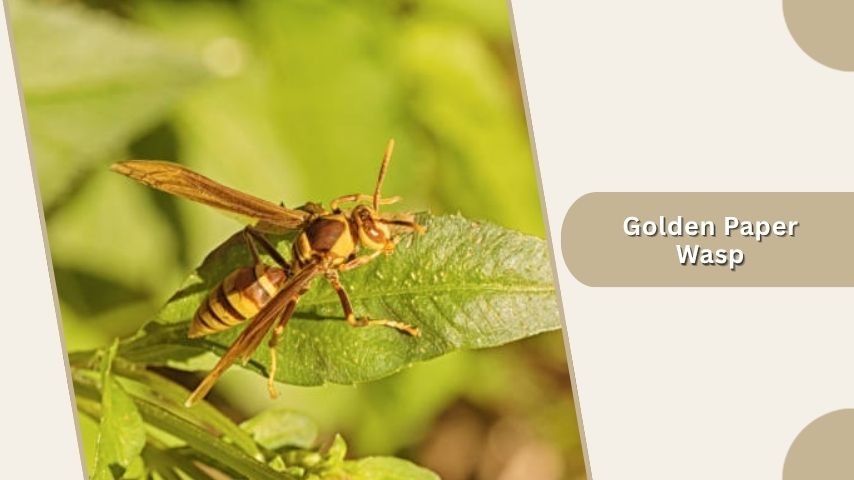
The Golden Paper Wasp is a brightly colored paper wasp species commonly found in Texas and other southern states. Its golden-brown body and graceful appearance make it one of the more attractive paper wasps in the region. These wasps are active during warm seasons and are often seen near gardens, flowers, and wooded habitats.
Identification
- Golden-brown or yellowish body
- Slender narrow waist
- Long dangling legs
- Amber-colored wings
- Usually around 0.8 to 1 inch long
Habitat and Distribution
Golden Paper Wasps prefer warm habitats with access to flowers, water, and sheltered nesting areas. In Texas, they are commonly found around forests, gardens, parks, barns, and residential buildings where protected nesting surfaces are available.
Behavior and Diet
These wasps feed mainly on nectar and sugary plant materials, but they also hunt insects to feed their larvae. Caterpillars and other soft-bodied insects are common prey. Golden Paper Wasps are generally less aggressive away from their nests and help control pest populations naturally.
Nesting and Lifecycle
Queens begin building paper nests during spring using wood fibers mixed with saliva. Colonies grow throughout summer as worker wasps collect food and protect developing larvae. By late fall, most colony members die, while newly fertilized queens survive winter in sheltered locations.
4. Northern Paper Wasp
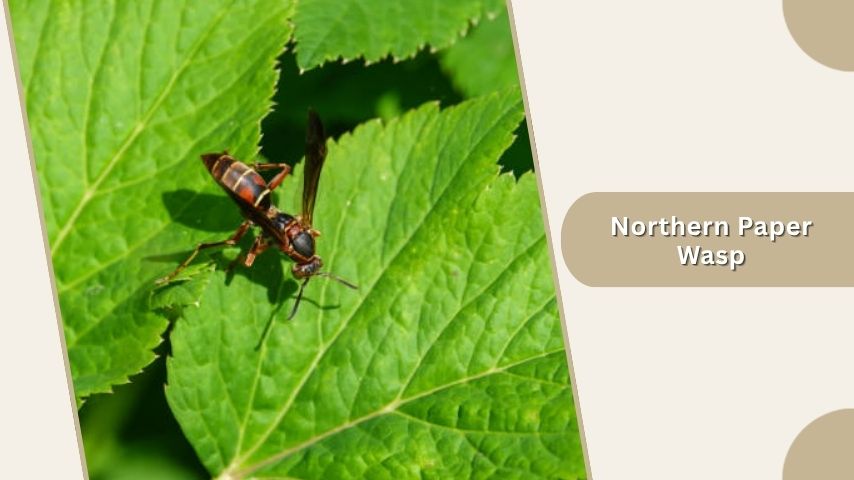
The Northern Paper Wasp is a common social wasp species found in parts of Texas, especially in wooded and suburban areas. It is known for building open paper nests and helping control insect populations. Although it resembles other paper wasps, its markings and body coloration help distinguish it from similar species.
Identification
- Black and yellow body markings
- Slender body with narrow waist
- Long legs that hang during flight
- Dark antennae
- Usually about 0.7 to 1 inch long
Habitat and Distribution
Northern Paper Wasps live in forests, gardens, parks, and residential neighborhoods throughout parts of Texas. They commonly build nests beneath roof overhangs, tree branches, decks, and other protected outdoor surfaces that provide shelter from rain and direct sunlight.
Behavior and Diet
These wasps feed on flower nectar, sugary liquids, and small insects. They are useful predators because they capture caterpillars, flies, and other pests to feed developing larvae. Northern Paper Wasps are generally calm unless their nests are disturbed.
Nesting and Lifecycle
A queen begins building a small paper nest during spring after emerging from winter shelter. Worker wasps later expand the nest and care for larvae during summer. As temperatures cool in autumn, colonies decline and only future queens survive through winter.
5. Guinea Paper Wasp
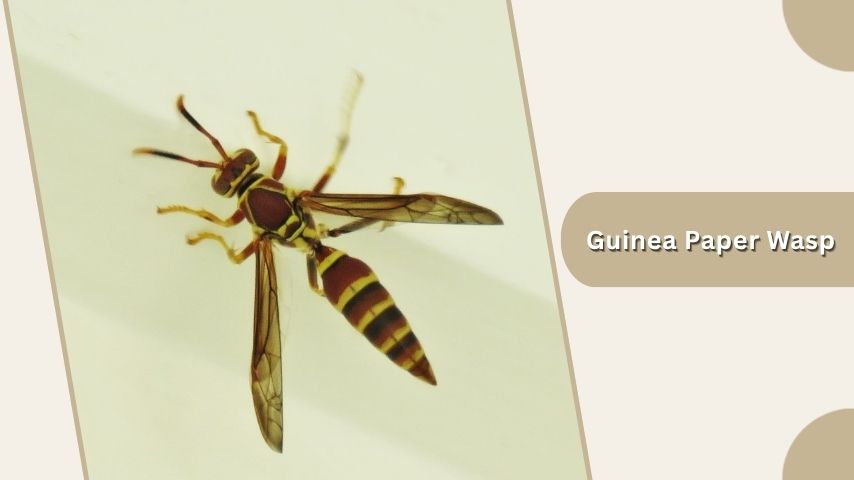
The Guinea Paper Wasp is a tropical-looking paper wasp species occasionally found in warmer parts of Texas. It is recognized for its darker body coloration and slender appearance. Like other paper wasps, this species builds exposed paper nests and plays an important role in controlling insect populations.
Identification
- Dark reddish-brown or black body
- Thin narrow waist
- Long dangling legs
- Smoky brown wings
- Usually around 0.8 to 1 inch long
Habitat and Distribution
Guinea Paper Wasps prefer warm environments with sheltered nesting areas and nearby food sources. In Texas, they may be found around gardens, wooded areas, barns, sheds, and residential structures where protected surfaces allow safe nest construction.
Behavior and Diet
These wasps feed on nectar, sugary plant fluids, and small insects. They actively hunt caterpillars and other soft-bodied insects to feed larvae within the nest. Guinea Paper Wasps are usually non-aggressive unless they feel their colony is threatened.
Nesting and Lifecycle
Queens begin nest construction during spring by chewing wood fibers into paper-like material. Worker wasps later expand the colony and help care for eggs and larvae throughout summer. By autumn, colonies decline, and only fertilized queens survive to overwinter in sheltered places.
6. Ringed Paper Wasp
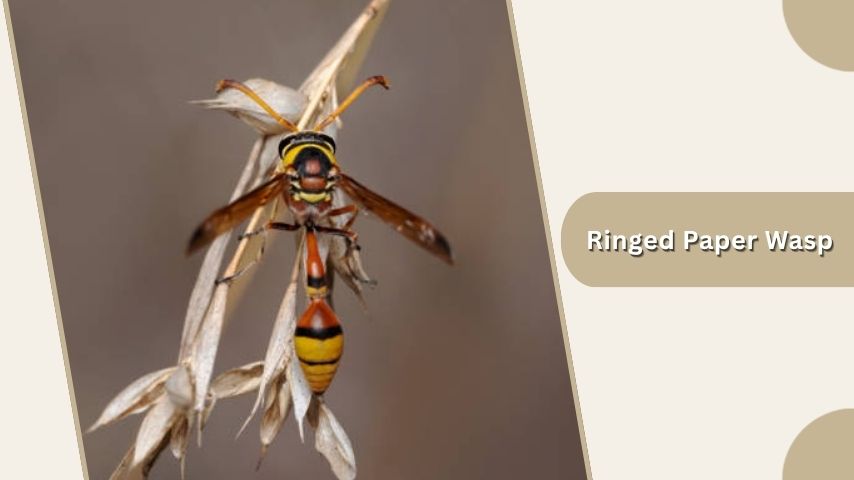
The Ringed Paper Wasp is a slender social wasp species found in Texas and other southern regions of the United States. It is known for its banded body markings and exposed paper nests. These wasps are commonly seen around gardens, wooded areas, and buildings during the warmer months of the year.
Identification
- Black body with yellow rings or bands
- Long narrow waist
- Thin dangling legs during flight
- Dark translucent wings
- Usually about 0.7 to 1 inch long
Habitat and Distribution
Ringed Paper Wasps prefer warm habitats with nearby vegetation and sheltered nesting areas. In Texas, they often build nests beneath roof edges, porch ceilings, tree branches, and outdoor structures protected from heavy rain and strong sunlight.
Behavior and Diet
These wasps feed on nectar, fruit juices, and small insects. They hunt caterpillars, flies, and other garden pests to feed developing larvae inside the nest. Ringed Paper Wasps are beneficial to ecosystems because they naturally help control insect populations.
Nesting and Lifecycle
Queens emerge in spring and begin constructing small paper nests using chewed wood fibers. Worker wasps later help enlarge the colony and protect developing larvae throughout summer. As colder weather arrives, colonies decline and only future queens survive the winter season.
7. Metric Paper Wasp
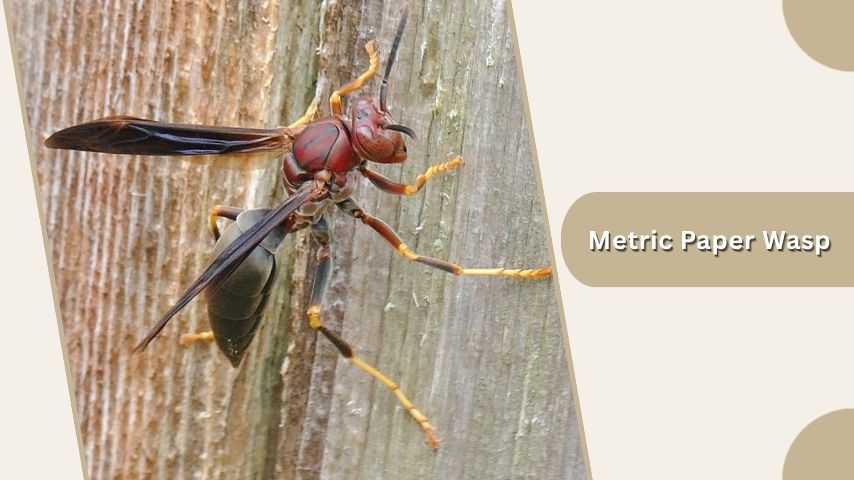
The Metric Paper Wasp is a dark-colored paper wasp species found in parts of Texas, especially in wooded and suburban habitats. It is known for its slim body, long legs, and social nesting behavior. Like other paper wasps, this species builds exposed umbrella-shaped nests and helps reduce insect populations naturally.
Identification
- Dark brown or black body
- Yellow or orange markings on the abdomen
- Long dangling legs
- Narrow waist structure
- Usually around 0.6 to 1 inch long
Habitat and Distribution
Metric Paper Wasps commonly live in forests, gardens, parks, and residential areas across Texas. They prefer sheltered nesting locations such as roof overhangs, tree branches, attics, sheds, and porch ceilings where nests remain protected from weather conditions.
Behavior and Diet
These wasps feed on nectar, sugary liquids, and soft-bodied insects. They frequently hunt caterpillars and other small pests to feed their larvae. Metric Paper Wasps are generally calm away from nests but may defend colonies if disturbed closely.
Nesting and Lifecycle
Queens survive winter in protected hiding spots before emerging during spring to begin building new paper nests. Worker wasps later assist with nest expansion, food collection, and larval care throughout summer. Most colony members die in autumn while future queens survive until the following spring.
FAQs
Are paper wasps in Texas dangerous?
Paper wasps in Texas can sting if they feel threatened, especially near their nests. However, they are generally less aggressive than yellowjackets or hornets. Most species prefer avoiding humans and only defend themselves when disturbed or handled directly.
What do paper wasps eat?
Paper wasps feed on nectar, sugary liquids, and small insects. Adult wasps often hunt caterpillars, flies, and other soft-bodied insects to feed developing larvae. Because of this behavior, they can help reduce pest populations in gardens and natural habitats.
Where do paper wasps build nests?
Paper wasps usually build open umbrella-shaped nests under roof overhangs, porch ceilings, tree branches, sheds, decks, and other protected outdoor surfaces. Their nests are made from chewed wood fibers mixed with saliva to create a paper-like material.
How can you identify a paper wasp?
Paper wasps typically have slender bodies, narrow waists, long dangling legs, and exposed paper nests. Many species display yellow, black, red, or brown body colors depending on the type. Their thin body shape helps separate them from bulkier wasps.
Are paper wasps beneficial to the environment?
Yes, paper wasps are beneficial because they help control insect populations by hunting caterpillars and other garden pests. They also visit flowers while feeding on nectar, which may assist with pollination in some environments.