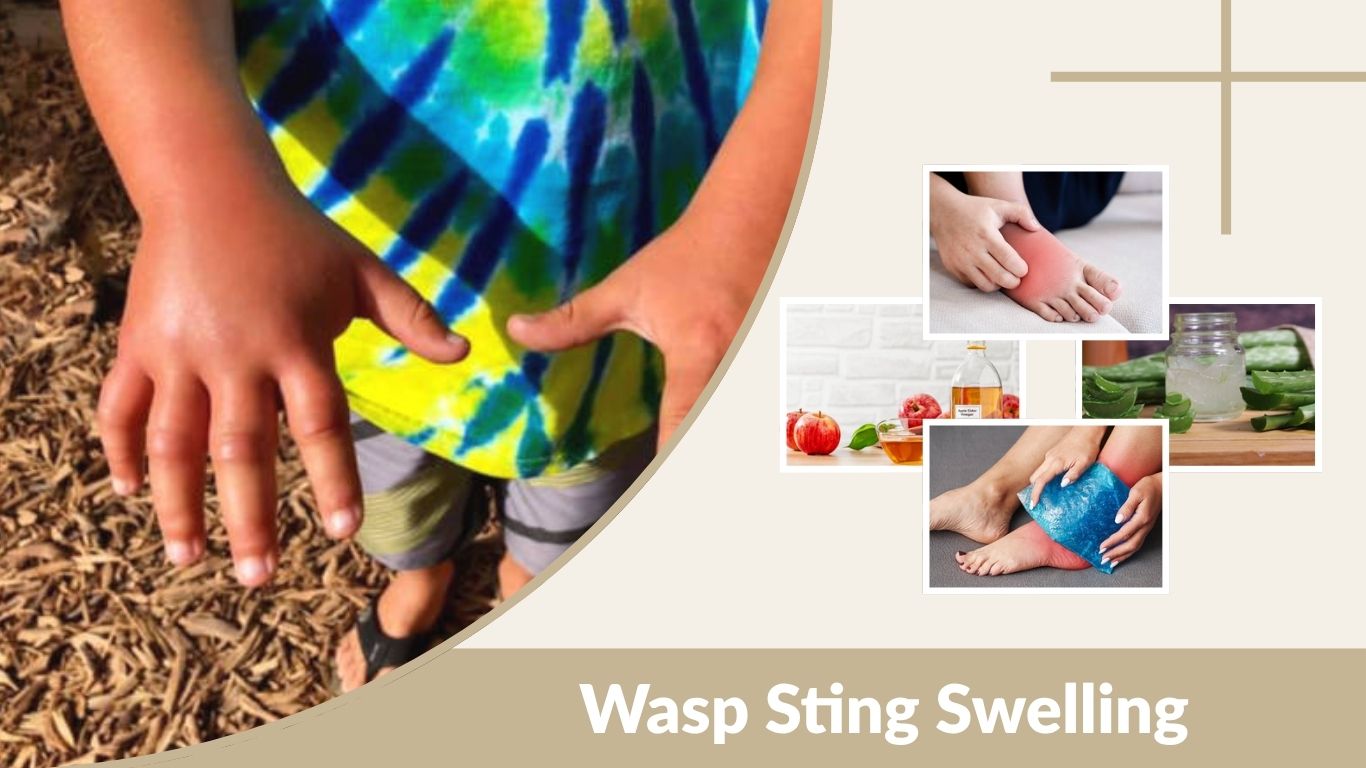
A wasp sting can cause immediate pain followed by noticeable swelling, which often worries people—especially when it seems to get worse after a few hours. In most cases, this swelling is a normal reaction of the body to venom injected during the sting. Understanding why it happens, how long it lasts, and what you can do about it can help you manage symptoms effectively and avoid unnecessary concern.
What Causes Swelling From a Wasp Sting
Swelling from a wasp sting is primarily caused by the body’s immune response to the venom. When a wasp stings, it injects venom into the skin, which contains proteins that irritate tissues and trigger inflammation.
Your immune system reacts by releasing chemicals like histamine. This leads to:
- Increased blood flow to the affected area
- Fluid buildup under the skin
- Redness and warmth
This process is what causes the visible swelling. For most people, this reaction is mild and localized. However, some individuals may experience a stronger response, especially if they are more sensitive to insect venom.
It’s important to distinguish between normal swelling and an allergic reaction. Normal swelling stays near the sting site, while allergic reactions may involve widespread swelling or other symptoms like breathing difficulty.
How Long Does Swelling From a Wasp Sting Last
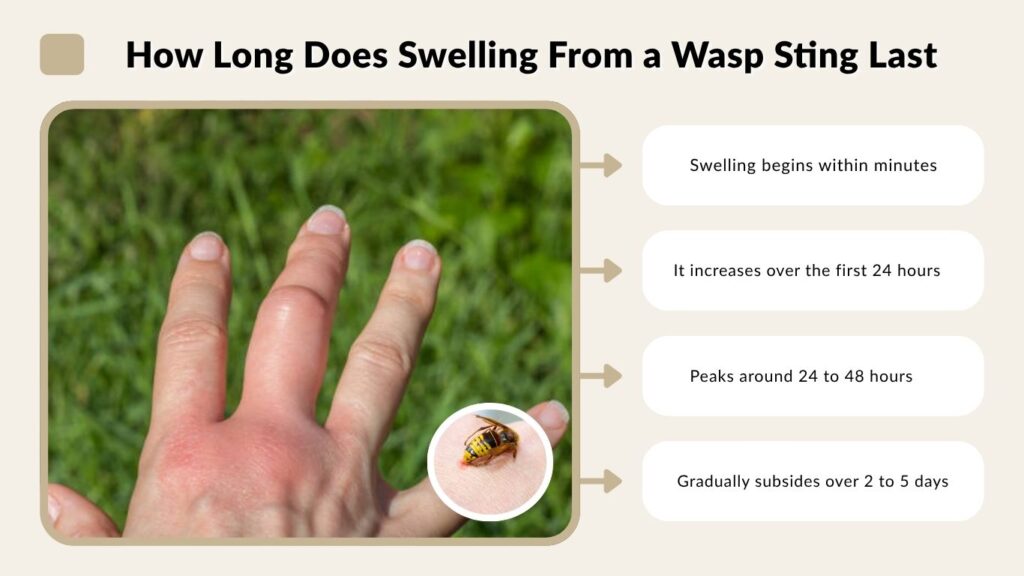
Swelling from a wasp sting usually follows a predictable pattern, though the intensity can vary from person to person.
In most cases:
- Swelling begins within minutes
- It increases over the first 24 hours
- Peaks around 24 to 48 hours
- Gradually subsides over 2 to 5 days
For some people, especially those with a stronger local reaction, swelling can last up to a week. It may also appear worse on the second day, which is completely normal and not necessarily a sign of a problem.
Swelling after 24 or even 48 hours often concerns people, but this delayed peak is part of the body’s natural inflammatory response. As long as the swelling is not spreading rapidly or accompanied by severe symptoms, it is generally harmless.
However, if swelling continues to worsen beyond a few days or does not improve at all, it may require medical attention.
How to Reduce Swelling From a Wasp Sting
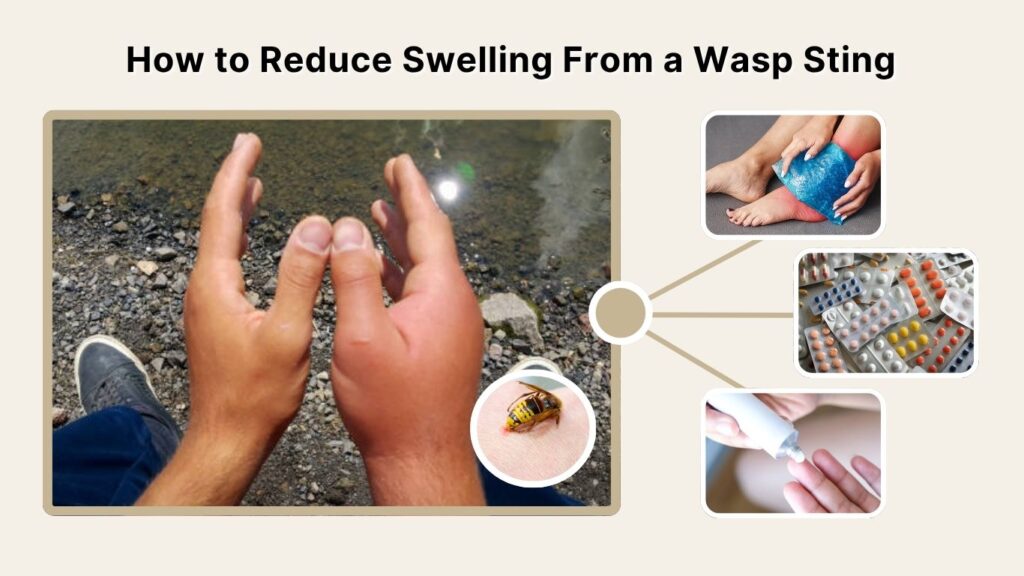
Reducing swelling quickly can make a big difference in comfort and recovery. Fortunately, there are several simple methods that work effectively.
Apply a Cold Compress
A cold compress is one of the fastest ways to reduce swelling. Cold temperatures constrict blood vessels, which helps limit fluid buildup and inflammation. Apply ice wrapped in a cloth for 10–15 minutes at a time, several times a day.
Take Antihistamines
Over-the-counter antihistamines can help reduce the body’s allergic response to the venom. They work by blocking histamine, which is responsible for swelling and itching. This can significantly reduce discomfort, especially in the first 24 hours.
Elevate the Affected Area
If the sting is on your hand, arm, or leg, keeping it elevated can help reduce swelling. Elevation prevents fluid from accumulating in the area and promotes better circulation.
Use Topical Treatments
Creams containing hydrocortisone or soothing agents can help calm the skin. These treatments reduce inflammation and relieve itching, making the swelling less noticeable over time.
Using a combination of these methods often provides the best results, especially when started soon after the sting.
Home Remedies for Wasp Sting Swelling
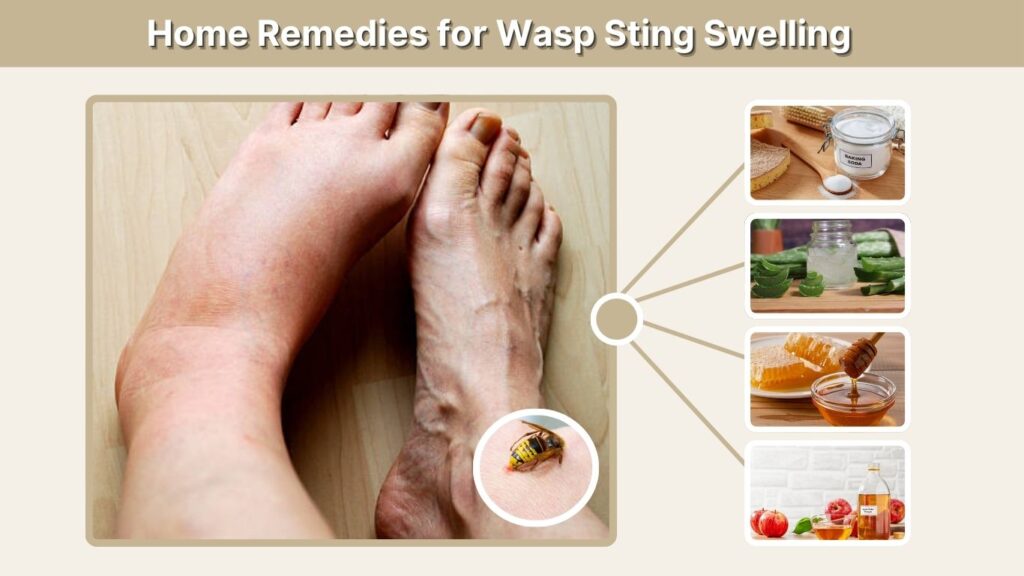
In addition to medical treatments, several home remedies can help ease swelling naturally. These options are easy to apply and may provide additional relief.
Baking Soda Paste
Mix baking soda with a small amount of water to form a paste and apply it to the sting area. It may help neutralize irritation and reduce inflammation.
Aloe Vera
Aloe vera has natural anti-inflammatory properties. Applying fresh aloe gel can soothe the skin, reduce redness, and support healing.
Honey
Honey is known for its antibacterial and soothing effects. A small amount applied to the sting can help calm irritation and reduce swelling.
Apple Cider Vinegar
Apple cider vinegar may help balance the skin’s pH and reduce discomfort. Dab a small amount onto the area using a cotton ball.
While these remedies are generally safe, they should be used on clean, intact skin and avoided if irritation increases.
Swelling in Different Body Areas After a Wasp Sting
The location of the sting can significantly affect how swelling appears. Some areas of the body tend to swell more than others due to differences in tissue and blood flow.
Swelling in the hands and fingers is often more noticeable because the skin is tight and there is limited space for fluid expansion. Even a small amount of swelling can make the area feel stiff or uncomfortable.
Facial swelling, especially around the eyes or lips, can look alarming. The skin in these areas is thinner and more sensitive, so swelling may appear more severe even if the reaction is still mild.
Stings on the feet or legs may cause swelling that makes walking uncomfortable. In these cases, keeping the area elevated can help reduce fluid buildup.
Although swelling may look worse in certain areas, it is often still part of a normal reaction unless accompanied by other serious symptoms.
Common Symptoms Along With Swelling
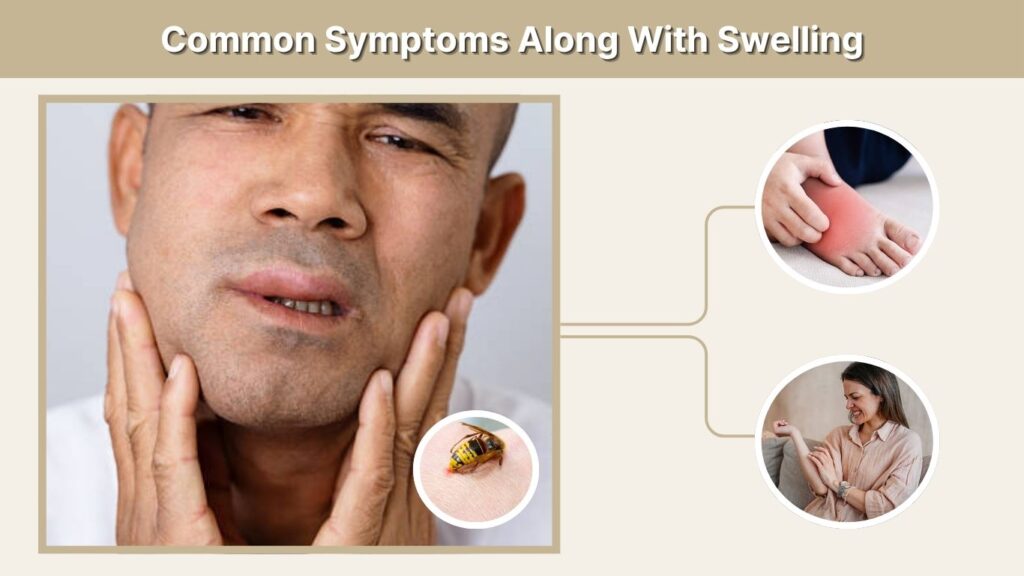
Swelling from a wasp sting rarely occurs on its own. It is usually accompanied by several other mild symptoms that are part of the body’s natural reaction to venom.
Some of the most common symptoms include:
- Redness: The area around the sting often becomes red due to increased blood flow
- Itching: Histamine release can cause persistent itching
- Pain or burning sensation: This is usually immediate and may last a few hours
- Warmth: The swollen area may feel warm to the touch
- Mild inflammation: Slight firmness or tightness around the sting
These symptoms typically improve as the swelling goes down. While they can be uncomfortable, they are generally not dangerous and can be managed with simple treatments.
When Swelling From a Wasp Sting Is Serious
Although most wasp stings are harmless, there are situations where swelling may indicate a more serious issue. Recognizing these signs early is important for safety.
Severe Local Reaction
Some people experience large swelling that extends beyond the sting site. For example, a sting on the hand may cause swelling across the entire arm. While uncomfortable, this is usually not dangerous but may require stronger medication.
Rapidly Spreading Swelling
If swelling spreads quickly or continues to expand significantly after 48 hours, it should be monitored closely. This could indicate an abnormal reaction.
Delayed Swelling
In some cases, swelling may appear or worsen after a day or two. This delayed reaction is not uncommon, but if it becomes severe, medical advice may be needed.
Signs of an Allergic Reaction
Seek immediate medical attention if any of the following occur:
- Difficulty breathing
- Swelling of the face, lips, or throat
- Dizziness or fainting
- Rapid heartbeat
These symptoms may indicate a serious allergic reaction and require urgent care.
How to Prevent Swelling After a Wasp Sting
While you cannot always avoid being stung, you can reduce the chances of severe swelling by taking quick and proper action.
Some effective preventive steps include:
- Clean the area immediately: Wash the sting site with soap and water to reduce irritation
- Apply ice right away: Early cooling helps limit inflammation before it worsens
- Avoid scratching: Scratching can increase irritation and make swelling worse
- Use protective clothing: When outdoors, especially in areas with wasps, cover exposed skin
Taking these steps early can significantly reduce how much swelling develops.
FAQs
How long does swelling last after a wasp sting
Swelling typically lasts between 2 to 5 days, with the peak occurring within the first 24 to 48 hours. In some cases, mild swelling may persist for up to a week. As long as it gradually improves and does not spread significantly, it is considered normal.
Is swelling after 48 hours normal
Yes, it is common for swelling to peak or appear worse after 48 hours. This is part of the body’s delayed inflammatory response to venom. However, if the swelling continues to worsen significantly or is accompanied by severe symptoms, it should be checked by a doctor.
What is the fastest way to reduce swelling
The fastest way to reduce swelling is to apply a cold compress as soon as possible, combined with antihistamines to control the body’s reaction. Elevating the affected area and using soothing creams can also speed up recovery and improve comfort.
When should I see a doctor for swelling
You should see a doctor if swelling becomes severe, spreads rapidly, lasts longer than a week without improvement, or is accompanied by symptoms like difficulty breathing, dizziness, or swelling of the face and throat. These may indicate a more serious reaction.
Conclusion
Swelling from a wasp sting is a common and usually harmless reaction caused by the body responding to venom. While it can look alarming—especially after 24 to 48 hours—it typically resolves on its own within a few days. Simple treatments like cold compresses, antihistamines, and home remedies can help manage symptoms effectively.