Fig wasps are tiny insects that share one of the most fascinating relationships in nature with fig trees. These small wasps play a major role in pollination, helping figs reproduce while using the fruits as a safe place to lay eggs and develop. Some species are pollinators, while others simply live inside the figs without helping the tree directly. Found mainly in tropical and subtropical regions, fig wasps are incredibly diverse. In this guide, you will discover 23 common types of fig wasps, along with their identification, habitat, behavior, and lifecycle details.
1. Pegoscapus Wasps
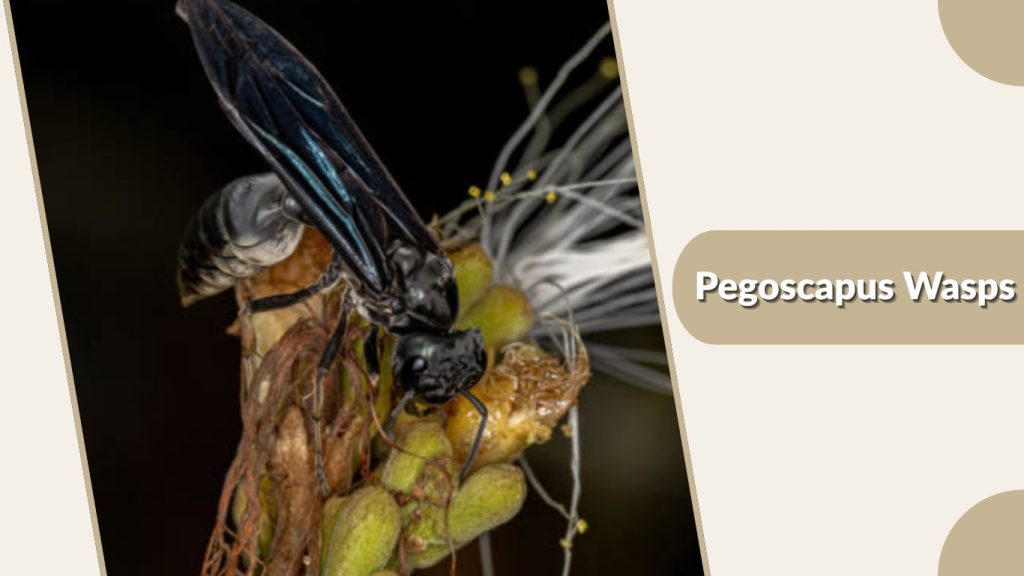
Pegoscapus wasps are tiny fig wasps known for their close relationship with New World fig trees. These insects play an important role in pollinating figs and completing their own life cycle inside the fruit. Most species are extremely small and rarely noticed by people, but they are essential for tropical ecosystems and fig reproduction.
Identification
- Very small body, usually under 3 mm long
- Dark brown to black coloration
- Females often have wings for dispersal
- Males are smaller and may be wingless
- Long antennae with segmented appearance
- Narrow waist typical of tiny wasps
- Strong jaws used to enter fig fruits
Habitat and Distribution
Pegoscapus wasps are commonly found in tropical and subtropical regions of the Americas. They live wherever suitable fig trees grow, especially in rainforests, woodland edges, and humid habitats. These wasps spend much of their lives inside fig fruits, making them difficult to observe in the wild. Different Pegoscapus species are usually associated with specific fig tree species.
Behavior and Diet
These wasps have a highly specialized relationship with fig trees. Female wasps enter immature figs through a tiny opening called the ostiole. Inside the fig, they pollinate the flowers while laying eggs. Adult wasps feed mainly on nutrients found within the fig structure during development. Their entire behavior revolves around locating suitable figs for reproduction and pollination.
Lifecycle
The lifecycle of Pegoscapus wasps takes place mostly inside figs. Females enter receptive figs and lay eggs inside some of the flowers. Larvae develop safely within the fig tissue while the fruit matures. Male wasps usually emerge first, mate with females inside the fig, and often die there. Fertilized females then leave the fig carrying pollen to repeat the cycle in another fig fruit.
2. Ceratosolen Wasps
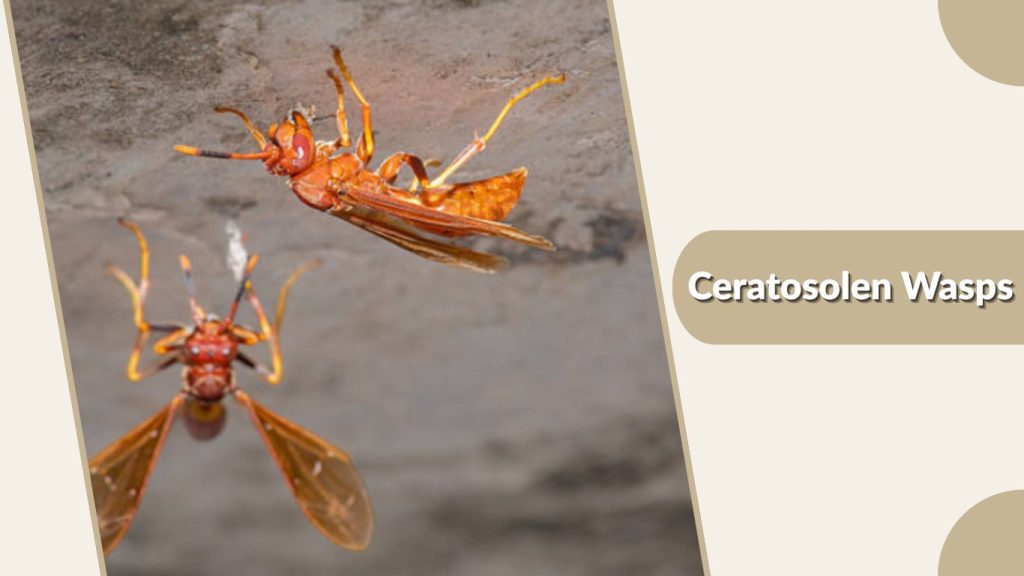
Ceratosolen wasps are small pollinating fig wasps mainly associated with fig trees in Asia and surrounding tropical regions. These insects are famous for their highly specialized mutual relationship with figs, where both the wasp and the tree depend on each other for survival and reproduction. Their tiny size and hidden lifestyle make them rarely seen outside fig fruits.
Identification
- Tiny body usually measuring 1–3 mm
- Brown, yellowish, or black coloration
- Females possess wings for travel between figs
- Males are often wingless
- Slender antennae with multiple segments
- Smooth and narrow abdomen
- Strong head and jaws adapted for entering figs
Habitat and Distribution
Ceratosolen wasps are commonly found in tropical forests, gardens, and woodland habitats where fig trees grow naturally. They are especially widespread across Southeast Asia, India, China, and nearby islands. These wasps spend most of their lives inside figs, only emerging briefly to locate another suitable fig for egg laying and pollination.
Behavior and Diet
Female Ceratosolen wasps actively search for receptive figs using chemical signals released by fig trees. Once inside the fig, they pollinate the internal flowers while depositing eggs. The adults rely on nutrients available within the fig structure during development. Their behavior is closely synchronized with the flowering cycle of their host fig species.
Lifecycle
The lifecycle begins when a female enters a young fig and lays eggs inside selected flowers. The larvae grow within protective chambers formed inside the fig. Male wasps hatch first and mate with emerging females before chewing exit holes through the fig wall. Fertilized females collect pollen and fly away to locate another fig, continuing the reproductive cycle.
3. Blastophaga Wasps
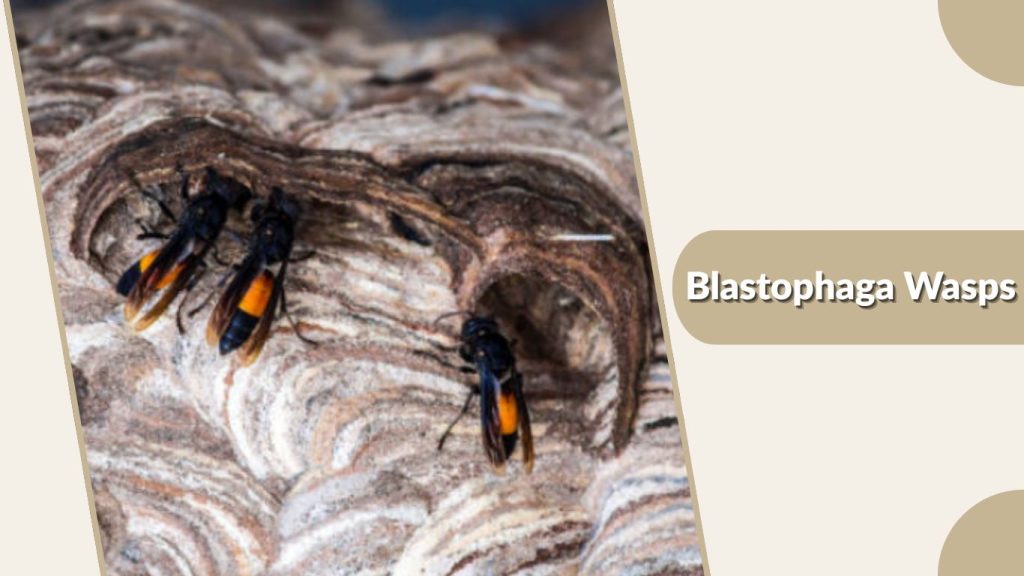
Blastophaga wasps are among the most well-known fig wasps because of their close connection with common fig trees. These tiny insects are important pollinators that help figs produce seeds and fruit. Their entire existence depends on fig trees, making them one of the best examples of insect-plant mutualism in nature.
Identification
- Extremely small body around 1–2 mm long
- Yellowish-brown to dark brown coloration
- Females have transparent wings
- Males are usually wingless
- Compact body with a narrow waist
- Curved antennae with segmented structure
- Strong head used for squeezing into figs
Habitat and Distribution
Blastophaga wasps are commonly found in Mediterranean regions, parts of Asia, and areas where edible fig trees are cultivated. They prefer warm climates with abundant fig growth. Most of their lives are spent hidden inside figs, emerging only when searching for new fruits suitable for reproduction and pollination.
Behavior and Diet
Female Blastophaga wasps enter figs through a tiny opening to pollinate flowers and lay eggs. During this process, they often lose their wings due to the narrow entrance. Adults depend on nutrients found within the fig during development. Their behavior is highly synchronized with fig flowering cycles, ensuring successful pollination and reproduction.
Lifecycle
The lifecycle starts when a female wasp enters a receptive fig and lays eggs inside some of the flowers. Larvae develop safely within gall-like chambers inside the fig. Male wasps emerge first, mate with females, and help create escape tunnels. Fertilized females gather pollen before leaving the fig to search for another suitable fruit where the cycle begins again.
4. Eupristina Wasps
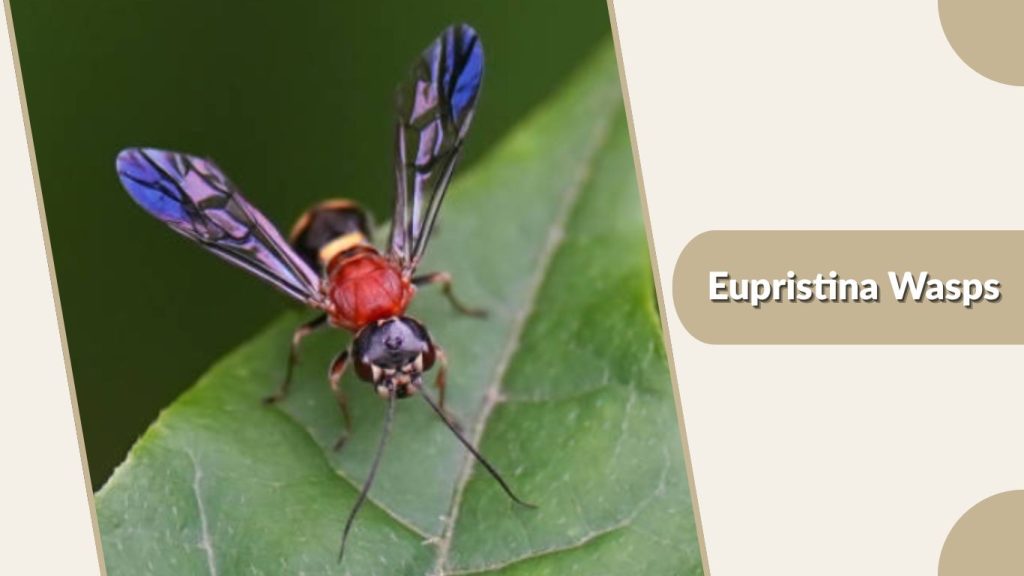
Eupristina wasps are tiny fig-pollinating insects commonly associated with banyan and other tropical fig trees. These wasps are essential for the reproduction of many Asian fig species because they transport pollen between figs while laying eggs. Their hidden lifestyle inside fig fruits makes them fascinating but rarely noticed insects.
Identification
- Tiny body usually 1–3 mm long
- Brownish-yellow or dark brown coloration
- Females possess clear functional wings
- Males are smaller and commonly wingless
- Slender legs and segmented antennae
- Narrow waist with smooth body surface
- Strong jaws adapted for entering figs
Habitat and Distribution
Eupristina wasps are widely distributed throughout tropical and subtropical Asia. They are commonly found in forests, parks, gardens, and urban areas where banyan or related fig trees grow. These wasps remain closely tied to their host fig species and spend nearly all stages of life within the fig structure itself.
Behavior and Diet
Female Eupristina wasps locate receptive figs using scent signals released by the tree. After entering the fig, they pollinate internal flowers and deposit eggs into selected florets. Adults survive mainly on resources obtained during their development inside the fig. Their behavior is carefully timed with the fig’s flowering cycle to ensure successful reproduction.
Lifecycle
The lifecycle begins when a fertilized female enters a young fig carrying pollen from another tree. Eggs are laid inside some flowers, where larvae later develop within protected chambers. Male wasps emerge first, mate with females inside the fig, and often never leave the fruit. Female wasps then collect pollen and exit through small openings to locate another receptive fig.
5. Elisabethiella Wasps
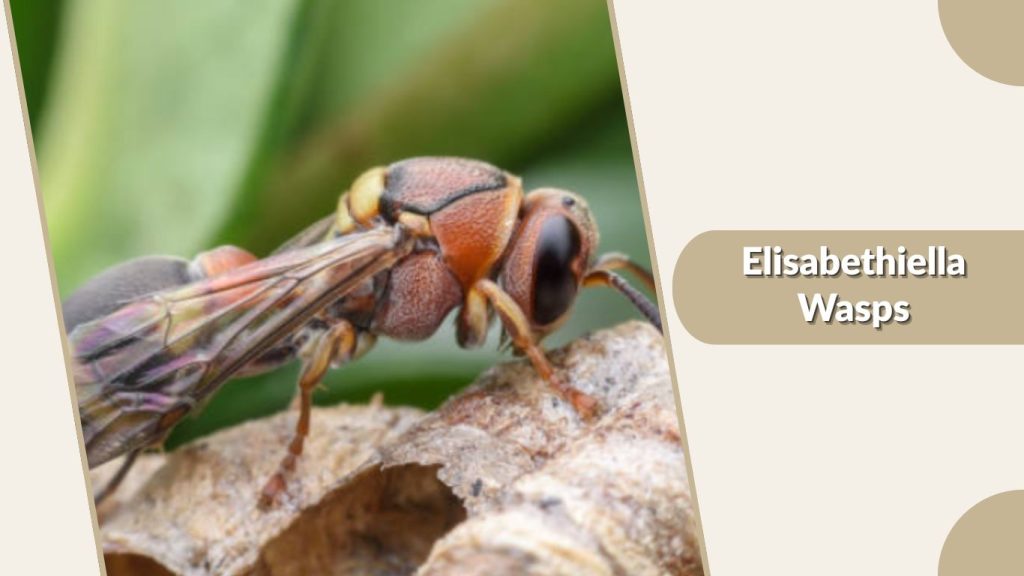
Elisabethiella wasps are specialized fig wasps that live in close partnership with African fig trees. These tiny insects are important pollinators that help maintain healthy fig populations in tropical ecosystems. Like many fig wasps, they spend nearly their entire lives hidden inside figs, making them difficult to observe in nature.
Identification
- Very small body measuring about 1–3 mm
- Brown to dark reddish coloration
- Females usually have transparent wings
- Males are smaller and often wingless
- Long segmented antennae
- Narrow abdomen with smooth texture
- Strong mandibles for entering fig openings
Habitat and Distribution
Elisabethiella wasps are primarily found in tropical regions of Africa where native fig trees grow. They inhabit rainforests, savannas, woodland areas, and riverine habitats. These wasps depend entirely on specific fig species, so their distribution closely matches the range of their host trees.
Behavior and Diet
Female Elisabethiella wasps search for receptive figs using chemical scents released by the tree. Once inside the fig, they pollinate flowers while laying eggs in selected ovules. Adult wasps obtain nourishment during their immature stages within the fig. Their survival depends completely on maintaining the delicate pollination partnership with fig trees.
Lifecycle
The lifecycle starts when a female enters a receptive fig carrying pollen from another fruit. Eggs hatch into larvae that develop inside protected chambers within the fig. Male wasps emerge first, mate with females inside the fig, and often remain there for life. Fertilized females collect pollen before exiting the fig and flying away to locate another suitable fruit for reproduction.
6. Kradibia Wasps
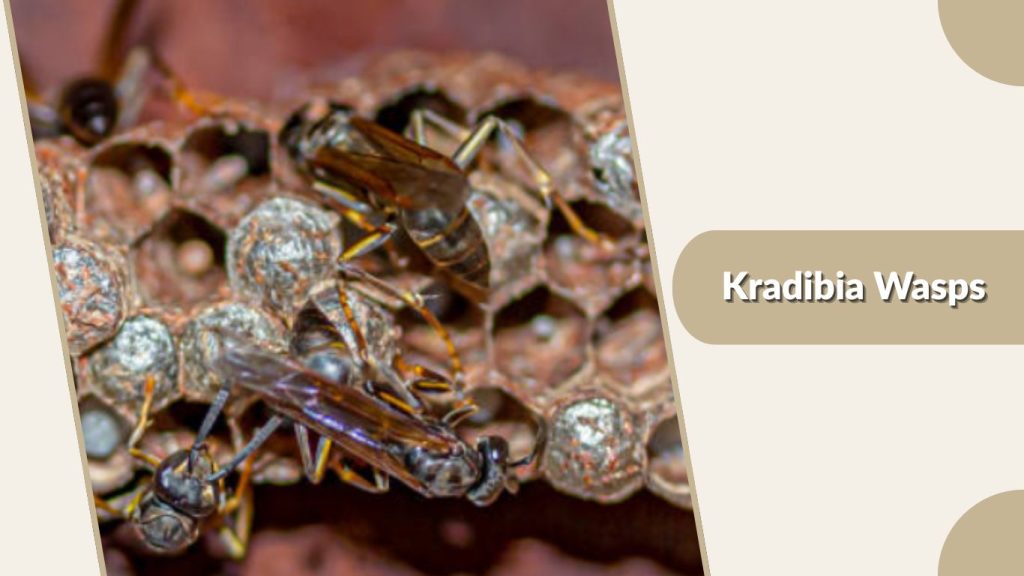
Kradibia wasps are small fig-associated insects commonly linked with tropical fig trees in Asia. These wasps are important pollinators that maintain the reproductive cycle of their host figs. Their lives are closely connected to fig fruits, where they reproduce, develop, and complete most stages of their lifecycle in a protected environment.
Identification
- Tiny body usually 1–2.5 mm long
- Dark brown or black coloration
- Females have delicate transparent wings
- Males are often wingless and smaller
- Segmented antennae with curved shape
- Narrow waist and compact abdomen
- Strong head adapted for entering figs
Habitat and Distribution
Kradibia wasps are mainly distributed across tropical and subtropical parts of Asia. They inhabit forests, gardens, and woodland regions containing suitable fig tree species. These wasps spend most of their lives hidden inside figs and are generally only visible for a short period when females emerge to find new host fruits.
Behavior and Diet
Female Kradibia wasps locate receptive figs by detecting chemical signals emitted by the tree. After entering the fig, they pollinate the internal flowers while depositing eggs. The developing larvae feed within specialized chambers inside the fig tissue. Adult behavior is strongly synchronized with the reproductive timing of their host fig species.
Lifecycle
The lifecycle begins when a female enters a young fig carrying pollen from another fruit. Eggs are laid within selected flowers, where larvae safely develop. Male wasps emerge first and mate with females inside the fig before chewing escape passages. Fertilized females gather pollen and leave the fig to locate another receptive fruit, continuing the cycle.
7. Pleistodontes Wasps
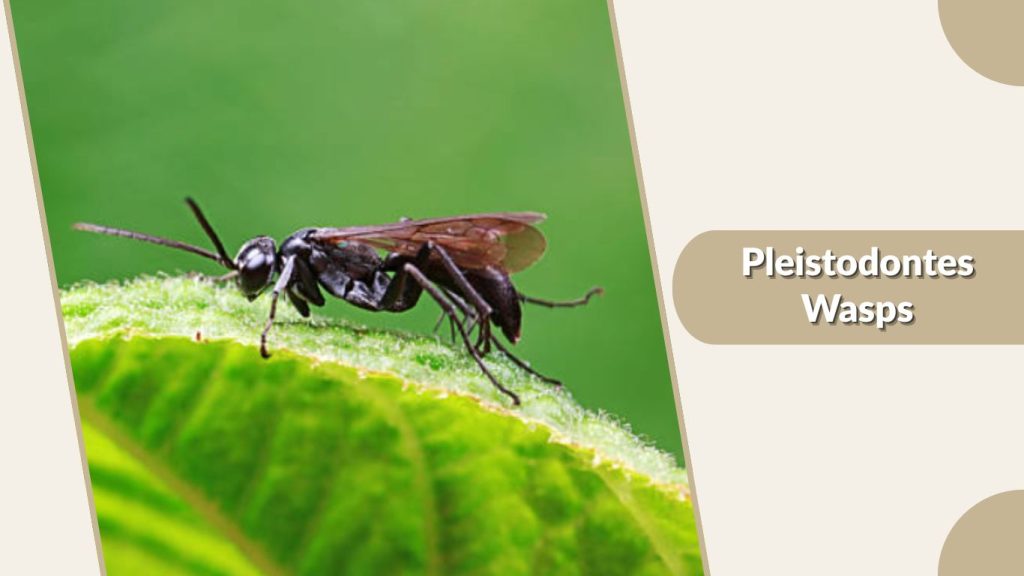
Pleistodontes wasps are tiny pollinating fig wasps mostly associated with Australian fig trees. These insects play a major role in maintaining fig reproduction by transferring pollen between fruits while laying eggs. Their close relationship with specific fig species makes them an important part of many tropical and subtropical ecosystems.
Identification
- Small body usually around 1–3 mm long
- Yellowish-brown to dark brown coloration
- Females possess transparent wings
- Males are smaller and commonly wingless
- Segmented antennae with slender shape
- Compact body with narrow waist
- Strong jaws adapted for entering figs
Habitat and Distribution
Pleistodontes wasps are mainly found in Australia and nearby Pacific regions where native fig trees grow naturally. They inhabit rainforests, coastal forests, urban parks, and woodland habitats. Their range closely follows the distribution of their host fig species, as they rely completely on figs for reproduction and development.
Behavior and Diet
Female Pleistodontes wasps use scent signals from receptive figs to locate suitable fruits. After entering the fig, they pollinate flowers while laying eggs in selected ovules. Larvae feed safely within chambers formed inside the fig tissue. Adult wasps live only briefly outside figs and focus mainly on reproduction and pollination.
Lifecycle
The lifecycle starts when a fertilized female enters a young fig carrying pollen from another tree. Eggs develop into larvae inside protective chambers within the fig. Male wasps hatch first, mate with females, and often remain inside the fruit. Female wasps then collect pollen and exit through small openings to search for another receptive fig, continuing the species cycle.
8. Platyscapa Wasps
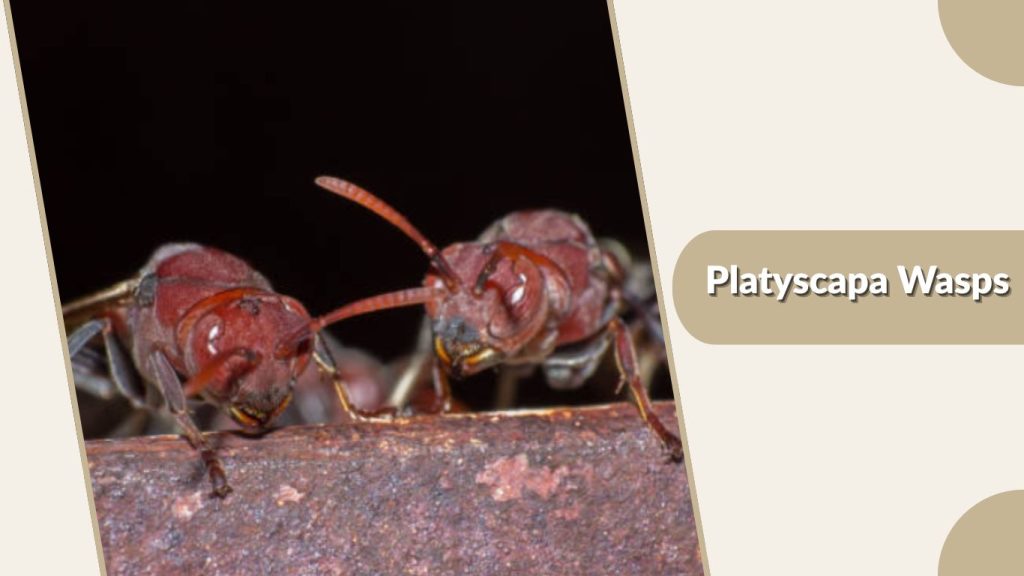
Platyscapa wasps are specialized fig-pollinating insects commonly associated with tropical fig trees in Asia and Africa. These tiny wasps are essential for fig reproduction because they transfer pollen while laying eggs inside the fig flowers. Their survival is completely tied to the lifecycle of their host fig species.
Identification
- Tiny body measuring about 1–3 mm
- Brown, reddish-brown, or black coloration
- Females have clear functional wings
- Males are smaller and usually wingless
- Long segmented antennae
- Narrow waist with smooth body texture
- Strong mandibles used to enter figs
Habitat and Distribution
Platyscapa wasps are widely distributed in tropical forests, woodland regions, and gardens containing fig trees. They are commonly found in parts of Asia, Africa, and nearby tropical regions. Since these wasps depend on specific fig species, their distribution closely follows the natural range of their host trees.
Behavior and Diet
Female Platyscapa wasps are attracted to figs by chemical scents released during the flowering stage. Once inside the fig, they pollinate internal flowers and lay eggs in selected florets. Developing larvae feed within gall-like chambers formed inside the fig tissue. Adult wasps spend very little time outside figs and focus mainly on reproduction.
Lifecycle
The lifecycle begins when a female enters a receptive fig carrying pollen from another fruit. Eggs hatch into larvae that grow safely inside the fig. Male wasps emerge first, mate with females within the fig, and often never leave the fruit. Fertilized females collect pollen before exiting the fig to search for another suitable host fruit where the cycle continues.
9. Waterstoniella Wasps
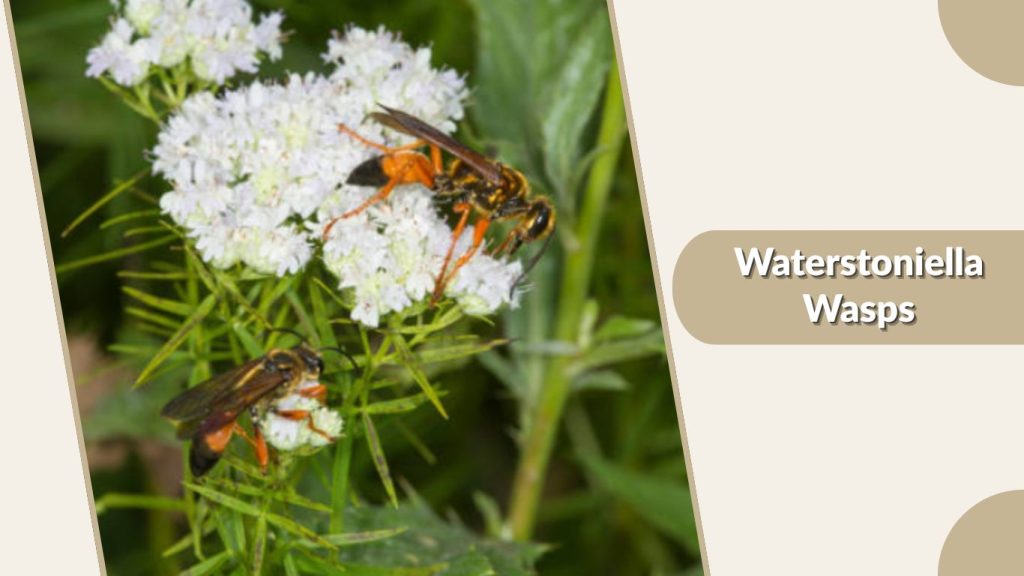
Waterstoniella wasps are tiny fig-associated insects known for their close relationship with tropical fig trees. These wasps act as pollinators and help support the reproduction of figs in forest ecosystems. Like other fig wasps, they spend most of their lives hidden within fig fruits, emerging only briefly to locate new host figs.
Identification
- Extremely small body around 1–2 mm long
- Brown to dark brown coloration
- Females possess delicate transparent wings
- Males are smaller and often wingless
- Segmented antennae with slender appearance
- Narrow abdomen and compact body shape
- Strong jaws adapted for squeezing into figs
Habitat and Distribution
Waterstoniella wasps are commonly found in tropical and subtropical regions where native fig trees grow. They inhabit rainforest environments, woodland edges, and humid forest habitats. Their distribution depends heavily on the availability of specific fig species that serve as hosts for breeding and development.
Behavior and Diet
Female Waterstoniella wasps search for receptive figs using chemical signals released by fig trees. After entering the fig through a tiny opening, they pollinate flowers and lay eggs in selected florets. Larvae feed safely within chambers inside the fig tissue. Adult wasps focus mainly on reproduction and rarely survive long outside the fig environment.
Lifecycle
The lifecycle starts when a fertilized female enters a young fig carrying pollen from another fruit. Eggs develop into larvae inside protected chambers within the fig. Male wasps emerge first, mate with females inside the fruit, and may help create escape tunnels. Female wasps then gather pollen and leave the fig to locate another receptive fruit, continuing the reproductive cycle.
10. Dolichoris Wasps
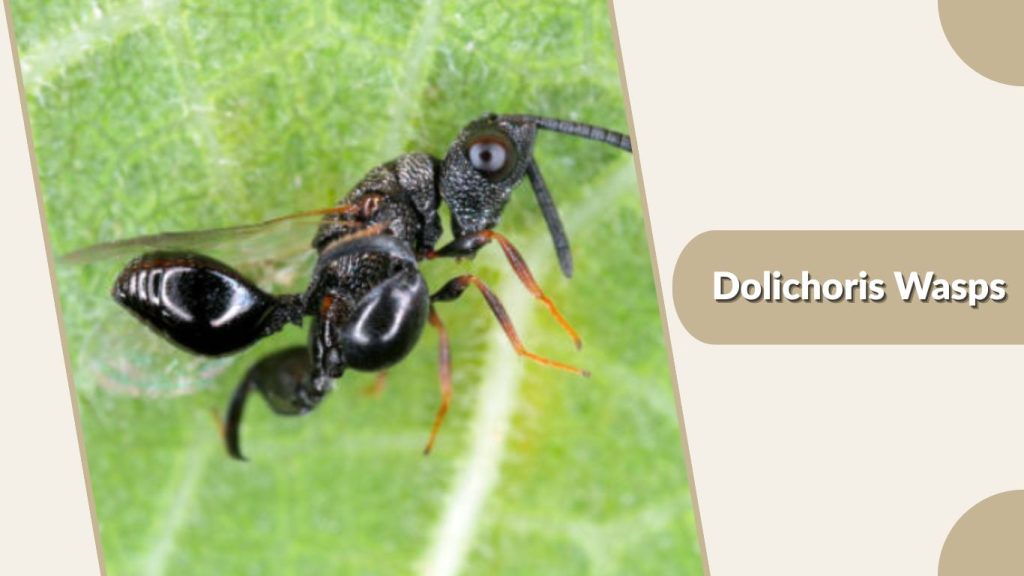
Dolichoris wasps are tiny fig wasps that share a highly specialized relationship with tropical fig trees. These insects help pollinate figs while using the fruit as a safe place for reproduction and larval development. Their secretive lifestyle inside figs makes them difficult to observe, but they are important members of forest ecosystems.
Identification
- Small body usually measuring 1–3 mm
- Dark brown or black coloration
- Females possess transparent wings
- Males are often wingless and smaller
- Long segmented antennae
- Narrow waist with slender body shape
- Strong mouthparts adapted for entering figs
Habitat and Distribution
Dolichoris wasps are found in tropical regions where suitable fig trees grow naturally. They inhabit rainforests, woodland areas, and humid environments rich in fig species. Their distribution is closely linked to the presence of their host figs because they depend completely on them for reproduction and survival.
Behavior and Diet
Female Dolichoris wasps are attracted to receptive figs by scent chemicals produced by the tree. Once inside the fig, they pollinate flowers and lay eggs within selected ovules. Larvae develop inside protected chambers formed by the fig tissue. Adult wasps spend little time outside the fig and focus mainly on reproduction and pollination.
Lifecycle
The lifecycle begins when a fertilized female enters a receptive fig carrying pollen from another fruit. Eggs hatch into larvae that develop safely inside the fig. Male wasps emerge first and mate with females before helping create exit passages. Fertilized females collect pollen from the fig flowers and leave to search for another suitable fig, where the cycle starts again.
11. Liporrhopalum Wasps
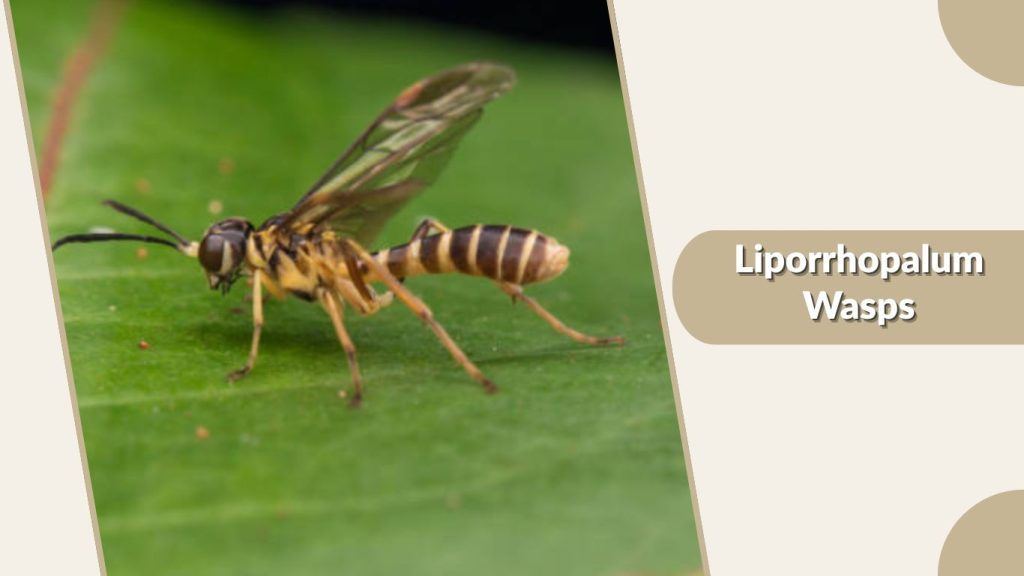
Liporrhopalum wasps are tiny fig-associated insects that live in a close partnership with tropical fig trees. These wasps are part of the complex fig ecosystem, where they help with pollination and reproduction. Most of their lives are spent hidden inside figs, making them difficult to notice in natural habitats.
Identification
- Very small body usually under 3 mm
- Brown to black coloration
- Females have clear functional wings
- Males are smaller and often wingless
- Long segmented antennae
- Compact body with narrow waist
- Strong jaws designed for entering fig openings
Habitat and Distribution
Liporrhopalum wasps are mainly found in tropical and subtropical forests where fig trees grow naturally. They occur in humid woodland environments, rainforests, and areas with abundant native figs. Their distribution closely follows the range of their host fig species because they rely entirely on figs for development and reproduction.
Behavior and Diet
Female Liporrhopalum wasps locate receptive figs through chemical signals released by fig trees. After entering the fig, they pollinate flowers and deposit eggs in selected florets. Developing larvae feed within protected chambers inside the fig tissue. Adult wasps generally live only a short time outside figs and focus mainly on reproduction.
Lifecycle
The lifecycle starts when a fertilized female enters a young fig carrying pollen from another fruit. Eggs hatch into larvae that grow within specialized chambers inside the fig. Male wasps emerge first, mate with females, and may help chew escape openings. Female wasps then collect pollen and leave the fig to search for another receptive fruit, continuing the reproductive cycle.
12. Agaon Wasps
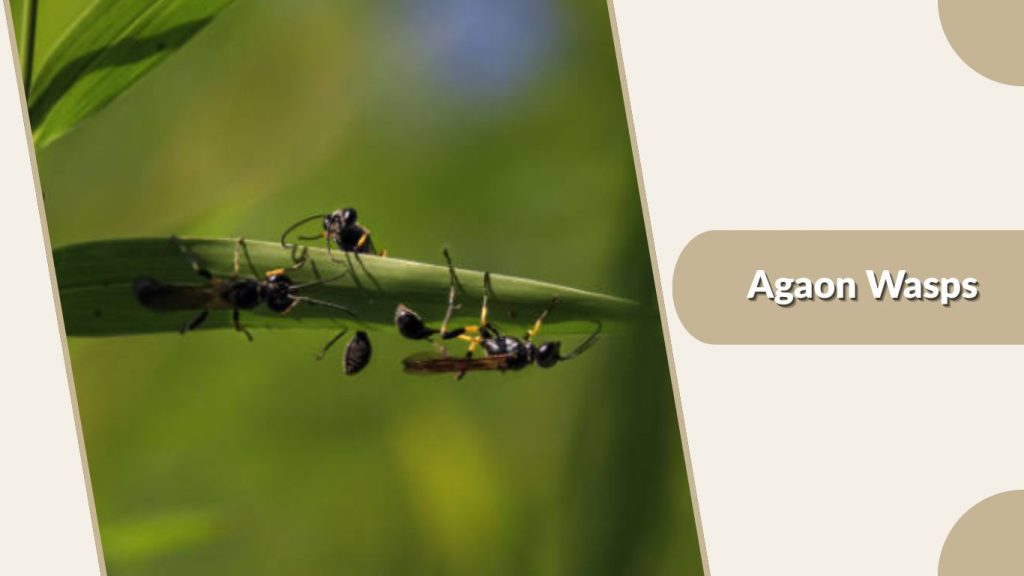
Agaon wasps are tiny pollinating fig wasps that belong to the family Agaonidae, the primary group responsible for fig pollination worldwide. These insects have one of the most specialized relationships in nature, depending entirely on fig trees for survival while helping the trees reproduce through pollination.
Identification
- Tiny body usually 1–3 mm long
- Yellowish-brown, reddish, or dark coloration
- Females possess transparent wings
- Males are commonly wingless
- Segmented antennae with curved appearance
- Narrow waist and compact body
- Strong head and jaws adapted for entering figs
Habitat and Distribution
Agaon wasps are distributed throughout tropical and subtropical regions wherever fig trees naturally occur. They inhabit rainforests, woodland areas, savannas, and even urban parks with fig trees. Their distribution depends directly on the presence of compatible fig species because each type of wasp is usually linked to a particular fig tree.
Behavior and Diet
Female Agaon wasps search for receptive figs using scent cues produced by the tree. Once inside, they pollinate internal flowers while laying eggs in selected ovules. Larvae develop within protective chambers inside the fig tissue. Adult wasps spend most of their energy on reproduction and usually survive only briefly outside figs.
Lifecycle
The lifecycle begins when a female carrying pollen enters a young receptive fig. Eggs hatch into larvae that develop safely within the fig. Male wasps emerge first, mate with females inside the fruit, and often never leave the fig. Female wasps then gather pollen before exiting the fig through small openings to locate another suitable fruit and continue the cycle.
13. Tetrapus Wasps
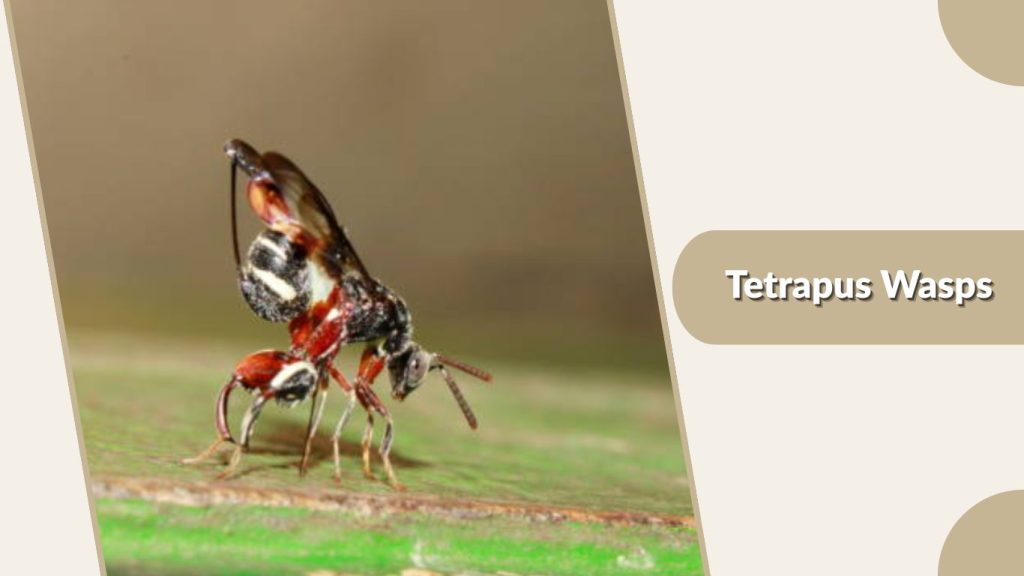
Tetrapus wasps are among the oldest known groups of fig-pollinating wasps and are closely associated with fig trees in the Americas. These tiny insects are essential pollinators that maintain the reproductive cycle of many tropical figs. Their specialized partnership with fig trees has existed for millions of years.
Identification
- Tiny body usually about 1–3 mm long
- Brownish-yellow to dark brown coloration
- Females have transparent wings
- Males are smaller and commonly wingless
- Long segmented antennae
- Slender body with narrow waist
- Strong jaws adapted for entering fig fruits
Habitat and Distribution
Tetrapus wasps are mainly found in Central and South America where tropical fig trees grow naturally. They inhabit rainforests, humid woodlands, and riverine forest habitats. Their range closely follows the distribution of the specific fig species they depend on for reproduction and larval development.
Behavior and Diet
Female Tetrapus wasps are attracted to receptive figs by scent chemicals released by the tree. After entering the fig, they pollinate the internal flowers while laying eggs in selected ovules. Larvae feed safely within chambers formed by the fig tissue. Adult wasps spend only a short time outside figs, focusing mainly on finding suitable host fruits.
Lifecycle
The lifecycle begins when a fertilized female enters a receptive fig carrying pollen from another fruit. Eggs hatch into larvae that develop inside protected chambers within the fig. Male wasps emerge first, mate with females, and may create tunnels for escape. Female wasps then collect pollen before leaving the fig to locate another receptive fruit, continuing the reproductive cycle.
14. Courtella Wasps
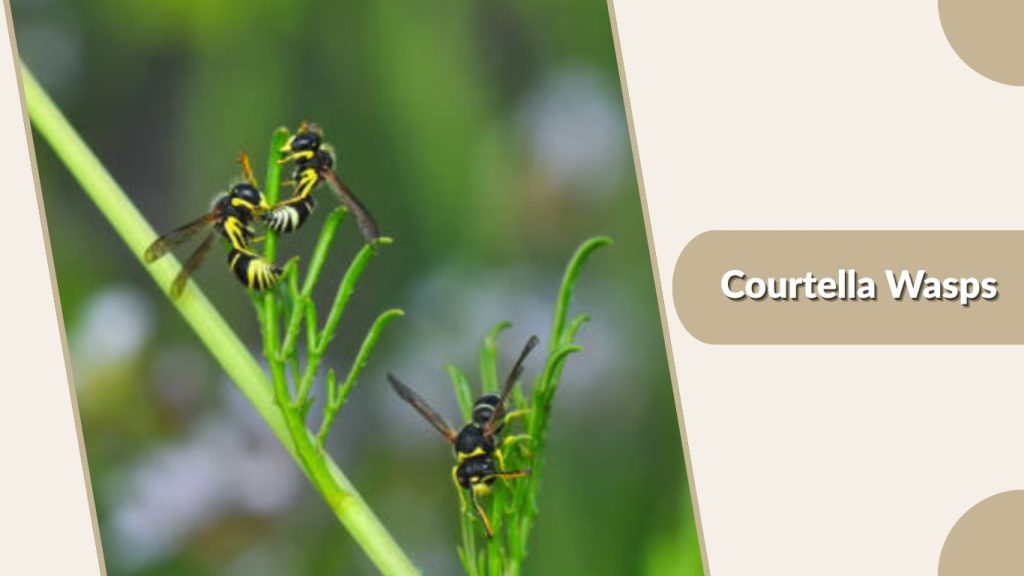
Courtella wasps are tiny fig-associated insects that maintain a specialized relationship with tropical fig trees. These wasps help support fig reproduction through pollination while using the figs as protected sites for breeding and larval growth. Their small size and hidden lifestyle make them difficult to spot in natural environments.
Identification
- Very small body measuring around 1–2 mm
- Brown to dark brown coloration
- Females possess transparent wings
- Males are usually wingless and smaller
- Slender segmented antennae
- Compact body with narrow waist
- Strong mandibles adapted for entering figs
Habitat and Distribution
Courtella wasps are found in tropical forest habitats where native fig trees grow naturally. They are commonly associated with humid woodland areas, rainforest ecosystems, and regions rich in fig diversity. Their distribution closely depends on the range of their host fig species because they rely entirely on figs for survival.
Behavior and Diet
Female Courtella wasps locate receptive figs through scent signals produced by fig trees. Once inside a fig, they pollinate flowers and lay eggs within selected ovules. Larvae develop inside protective chambers formed by the fig tissue. Adult wasps spend most of their lives focused on reproduction and rarely remain outside figs for long periods.
Lifecycle
The lifecycle starts when a fertilized female enters a receptive fig carrying pollen from another fruit. Eggs hatch into larvae that grow safely inside the fig chambers. Male wasps emerge first, mate with females, and may chew openings for escape. Female wasps then collect pollen and leave the fig in search of another suitable fruit to continue the reproductive cycle.
15. Deilagaon Wasps
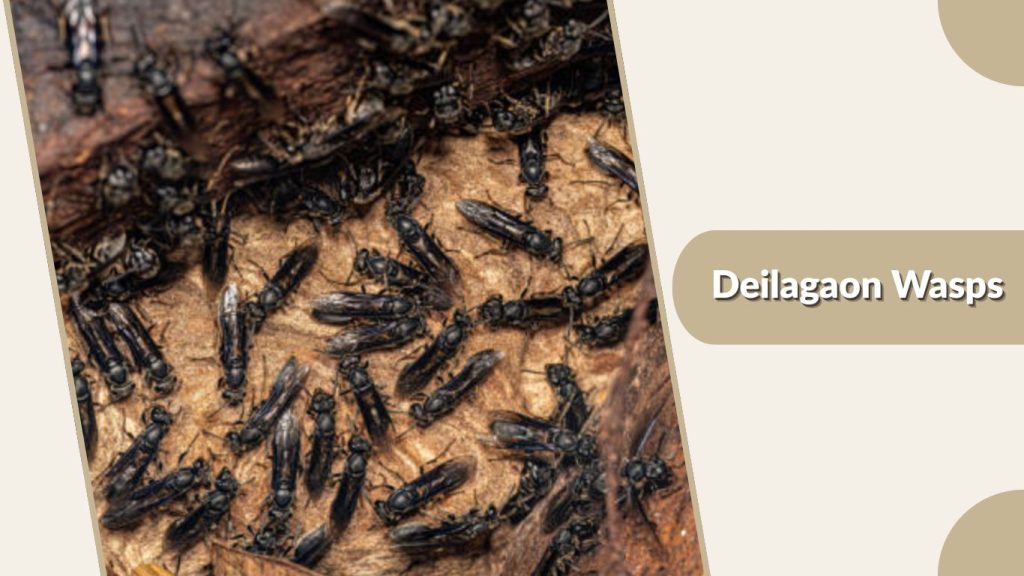
Deilagaon wasps are tiny fig-pollinating insects closely linked with tropical fig trees. These wasps are important for maintaining the reproductive success of their host figs because they transfer pollen while laying eggs inside the fruit. Like most fig wasps, they spend nearly their entire lives hidden within figs.
Identification
- Small body usually 1–3 mm long
- Brownish-yellow to dark brown coloration
- Females possess clear wings
- Males are smaller and often wingless
- Segmented antennae with slender appearance
- Narrow waist and compact abdomen
- Strong jaws used for entering fig openings
Habitat and Distribution
Deilagaon wasps are found mainly in tropical and subtropical regions where suitable fig species grow. They inhabit forests, woodland edges, and humid natural environments rich in fig trees. Their distribution is closely tied to their host figs because each wasp species usually depends on a specific type of fig tree.
Behavior and Diet
Female Deilagaon wasps search for receptive figs using chemical scents released by the tree. After entering the fig, they pollinate the flowers and deposit eggs inside selected ovules. Larvae feed within protected chambers inside the fig tissue. Adult wasps spend only a short period outside figs and focus mainly on reproduction.
Lifecycle
The lifecycle begins when a fertilized female carrying pollen enters a receptive fig. Eggs develop into larvae inside specialized chambers within the fruit. Male wasps emerge first, mate with females inside the fig, and may help create exit tunnels. Fertilized females then gather pollen before leaving the fig to locate another receptive fruit, continuing the cycle.
16. Nigeriella Wasps
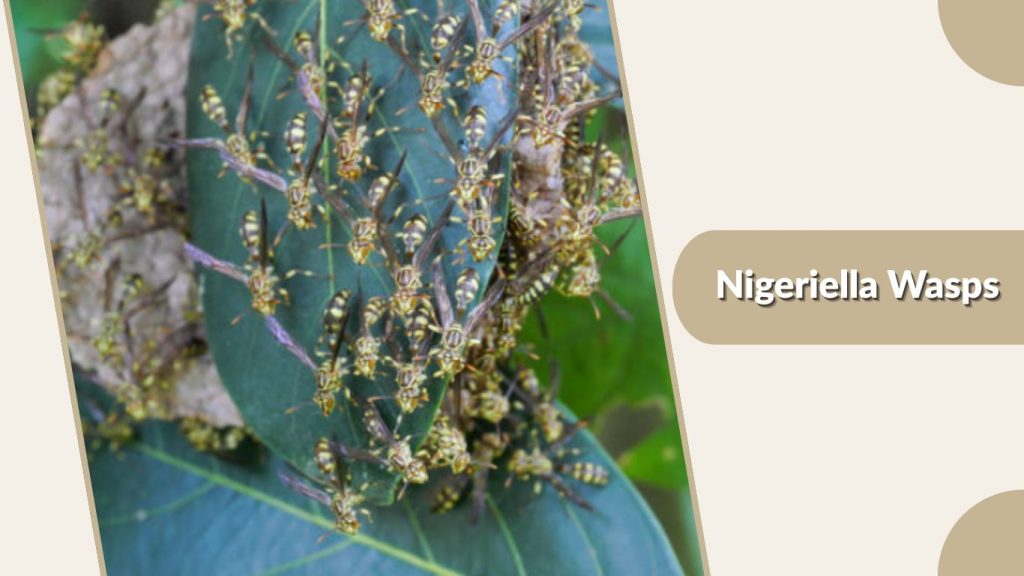
Nigeriella wasps are tiny fig-associated insects known for their close ecological relationship with tropical fig trees. These wasps serve as pollinators and help maintain healthy fig reproduction in forest ecosystems. Most stages of their lives occur inside figs, where they develop in a protected environment.
Identification
- Tiny body measuring around 1–3 mm
- Dark brown to black coloration
- Females possess transparent wings
- Males are smaller and often wingless
- Slender segmented antennae
- Narrow waist with compact body shape
- Strong mandibles adapted for entering figs
Habitat and Distribution
Nigeriella wasps are primarily found in tropical African regions where native fig trees grow naturally. They inhabit rainforests, woodland habitats, and humid forest edges. Their range is strongly connected to the distribution of their host fig species because they rely entirely on figs for reproduction and larval development.
Behavior and Diet
Female Nigeriella wasps are attracted to receptive figs through scent chemicals released by the tree. Once inside the fig, they pollinate flowers and lay eggs within selected ovules. Larvae feed and develop inside specialized chambers formed by the fig tissue. Adult wasps focus mainly on reproduction and usually live only briefly outside figs.
Lifecycle
The lifecycle begins when a fertilized female enters a receptive fig carrying pollen from another fruit. Eggs hatch into larvae that grow safely within the fig chambers. Male wasps emerge first, mate with females inside the fruit, and may assist by creating exit holes. Female wasps then collect pollen before leaving the fig to search for another suitable host fruit, continuing the reproductive cycle.
17. Alfonsiella Wasps
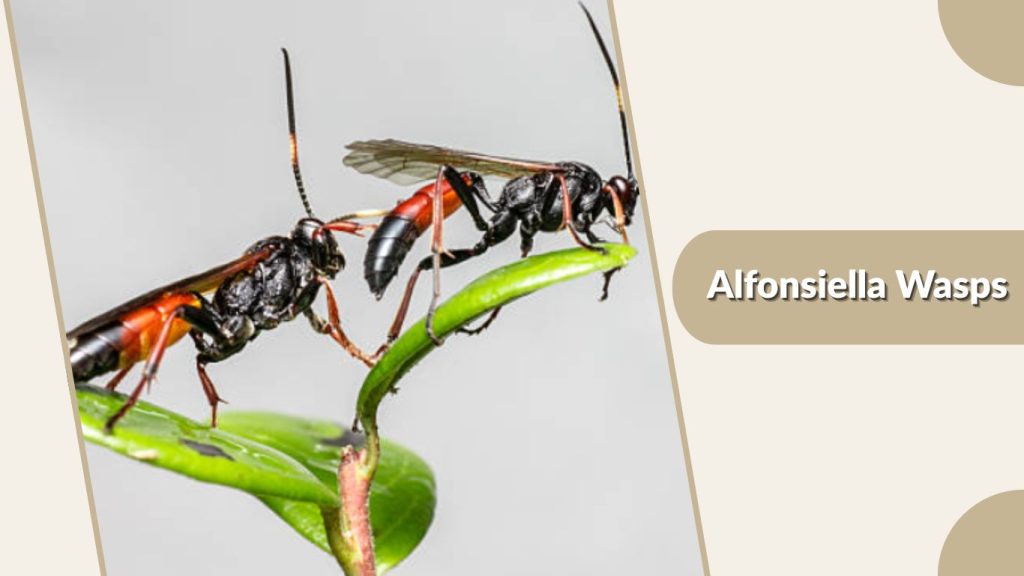
Alfonsiella wasps are tiny fig-pollinating insects associated mainly with tropical fig trees in Africa. These wasps are essential for the reproduction of their host figs because they transport pollen while laying eggs inside the fig flowers. Their entire lifecycle is closely connected to the protected environment inside fig fruits.
Identification
- Very small body usually around 1–2.5 mm
- Brown to dark reddish coloration
- Females possess delicate transparent wings
- Males are smaller and generally wingless
- Long segmented antennae
- Narrow waist with compact abdomen
- Strong jaws adapted for entering figs
Habitat and Distribution
Alfonsiella wasps are mainly distributed across tropical African forests and woodland habitats where native fig trees grow naturally. They are commonly found in humid environments, forest edges, and riverine woodlands. Their range closely follows the distribution of the specific fig species they depend on for survival.
Behavior and Diet
Female Alfonsiella wasps use scent signals from receptive figs to locate suitable fruits. After entering a fig, they pollinate internal flowers and lay eggs in selected ovules. Developing larvae feed within chambers formed by the fig tissue. Adult wasps spend very little time outside figs and are mainly focused on pollination and reproduction.
Lifecycle
The lifecycle begins when a fertilized female carrying pollen enters a receptive fig. Eggs hatch into larvae that grow safely inside specialized chambers within the fruit. Male wasps emerge first, mate with females inside the fig, and may help create escape tunnels. Female wasps then collect pollen before leaving the fig to locate another receptive fruit and continue the cycle.
18. Allotriozoon Wasps
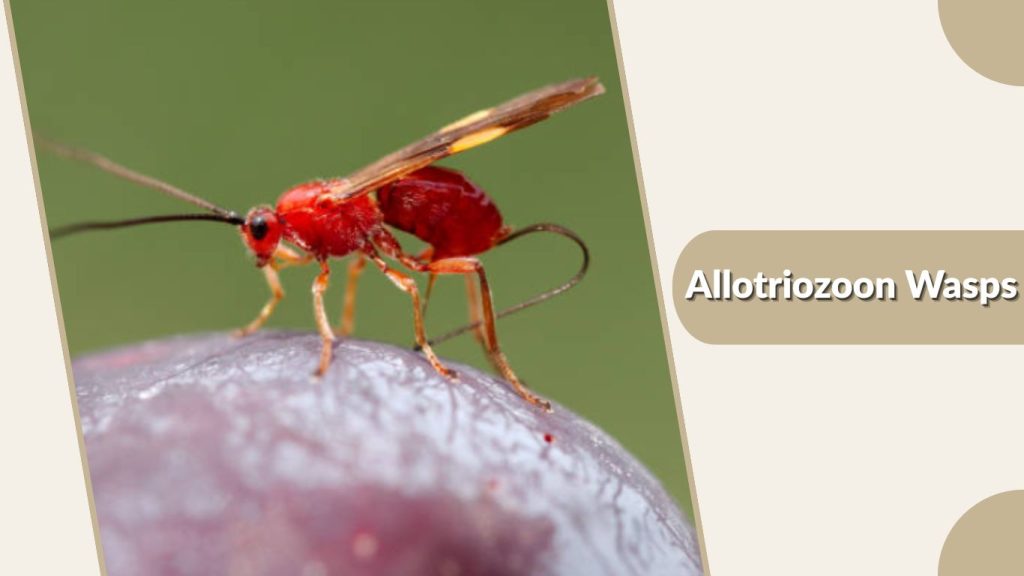
Allotriozoon wasps are tiny fig-associated insects that maintain a highly specialized relationship with tropical fig trees. These wasps help pollinate figs while using the fruit as a protected place for reproduction and larval growth. Like many fig wasps, they are rarely seen because most of their lives are spent inside figs.
Identification
- Tiny body usually measuring 1–3 mm
- Brown or dark brown coloration
- Females possess transparent wings
- Males are smaller and often wingless
- Segmented antennae with slender shape
- Compact body with narrow waist
- Strong jaws adapted for entering fig openings
Habitat and Distribution
Allotriozoon wasps are found in tropical forest habitats where suitable fig trees naturally occur. They inhabit rainforests, woodland regions, and humid environments rich in fig diversity. Their distribution closely matches the range of their host fig species because they rely entirely on figs for reproduction and development.
Behavior and Diet
Female Allotriozoon wasps locate receptive figs through scent chemicals released by the tree. After entering the fig, they pollinate internal flowers while laying eggs in selected ovules. Larvae feed within protected chambers formed by the fig tissue. Adult wasps generally survive only a short time outside figs and focus mainly on reproduction.
Lifecycle
The lifecycle begins when a fertilized female carrying pollen enters a receptive fig. Eggs develop into larvae inside specialized chambers within the fruit. Male wasps emerge first, mate with females inside the fig, and may chew exit passages. Fertilized females then collect pollen before leaving the fig to search for another suitable fruit where the reproductive cycle continues.
19. Josephiella Wasps
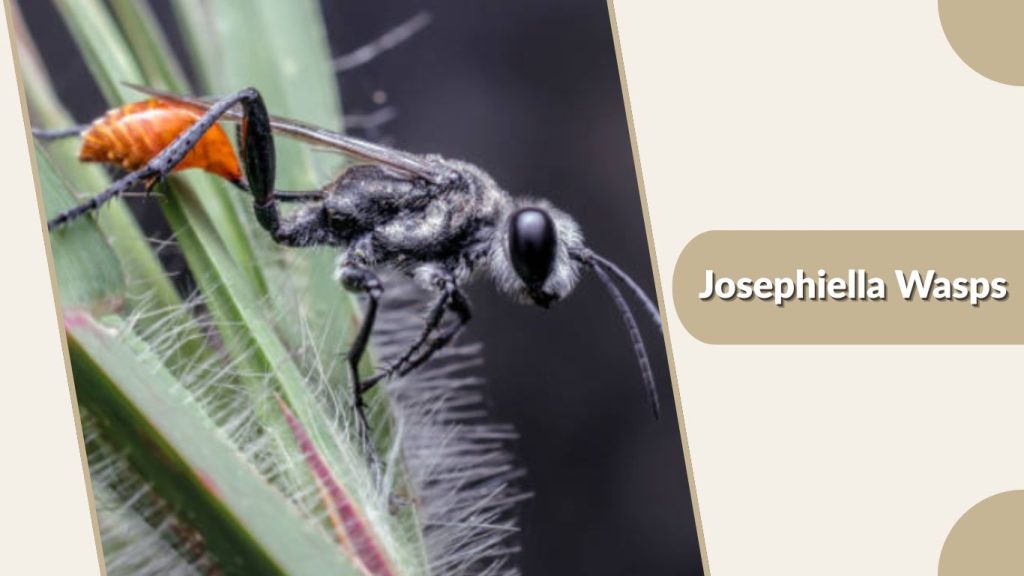
Josephiella wasps are tiny fig-pollinating insects closely associated with tropical fig trees. These wasps play an important role in maintaining fig reproduction by carrying pollen between figs while laying eggs inside the flowers. Their hidden lifestyle inside fig fruits makes them difficult to observe in the wild.
Identification
- Small body usually around 1–3 mm long
- Brown to dark brown coloration
- Females possess clear functional wings
- Males are smaller and commonly wingless
- Long segmented antennae
- Narrow waist with compact body shape
- Strong mandibles adapted for entering figs
Habitat and Distribution
Josephiella wasps are found in tropical and subtropical forests where native fig trees grow naturally. They inhabit humid woodland areas, rainforests, and regions with abundant fig species. Their distribution closely follows the range of their host fig trees because they depend entirely on figs for survival and reproduction.
Behavior and Diet
Female Josephiella wasps use chemical signals released by receptive figs to locate suitable fruits. After entering a fig, they pollinate flowers and deposit eggs in selected ovules. Larvae grow inside protected chambers formed by the fig tissue. Adult wasps spend very little time outside figs and focus mainly on reproduction and pollination.
Lifecycle
The lifecycle begins when a fertilized female enters a receptive fig carrying pollen from another fruit. Eggs hatch into larvae that develop safely within specialized chambers inside the fig. Male wasps emerge first, mate with females inside the fruit, and may help create exit holes. Female wasps then collect pollen before leaving the fig to search for another receptive fruit, continuing the reproductive cycle.
20. Walkerella Wasps
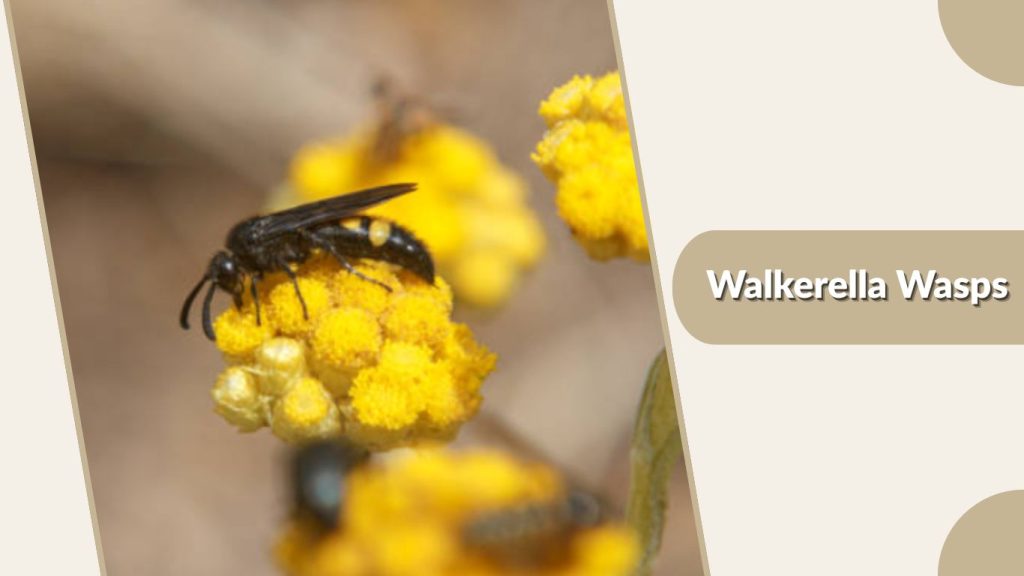
Walkerella wasps are tiny fig-associated insects that share a specialized relationship with tropical fig trees. These wasps assist with fig pollination while using the fruit as a secure environment for reproduction and larval development. Their entire lifecycle is closely connected to the flowering and fruiting stages of figs.
Identification
- Very small body usually measuring 1–2.5 mm
- Brownish or dark brown coloration
- Females possess transparent wings
- Males are smaller and often wingless
- Slender segmented antennae
- Narrow waist with compact abdomen
- Strong jaws adapted for entering figs
Habitat and Distribution
Walkerella wasps are mainly found in tropical and subtropical regions where native fig trees grow. They inhabit forests, humid woodlands, and rainforest environments rich in fig diversity. Their distribution depends heavily on the presence of suitable host fig species because they rely entirely on figs for reproduction.
Behavior and Diet
Female Walkerella wasps search for receptive figs using scent chemicals produced by fig trees. Once inside the fig, they pollinate flowers and lay eggs in selected ovules. Larvae feed and develop inside specialized chambers formed within the fig tissue. Adult wasps spend only a short time outside figs and focus mainly on reproduction.
Lifecycle
The lifecycle starts when a fertilized female carrying pollen enters a receptive fig. Eggs hatch into larvae that grow safely inside the fig chambers. Male wasps emerge first, mate with females inside the fruit, and may create small exit tunnels. Female wasps then collect pollen before leaving the fig to locate another receptive fruit where the cycle continues.
21. Anidarnes Wasps
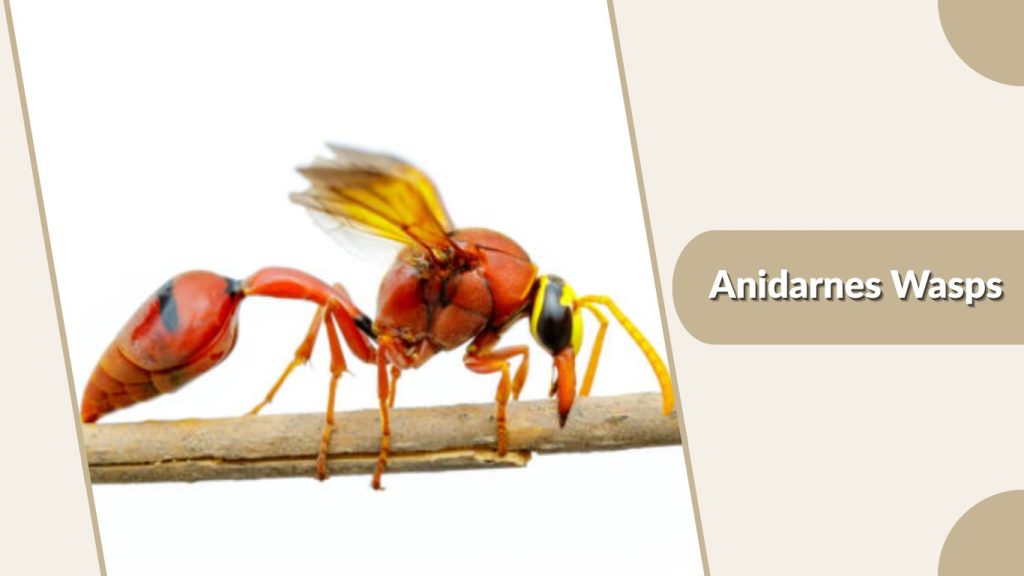
Anidarnes wasps are tiny fig-associated insects commonly found living within tropical fig ecosystems. Unlike some fig wasps that mainly pollinate figs, certain Anidarnes species may act as non-pollinating fig wasps while still depending on figs for reproduction and development. Their presence contributes to the complex community of insects living inside fig fruits.
Identification
- Tiny body usually around 1–3 mm long
- Dark brown or black coloration
- Females possess delicate wings
- Males are smaller and may be wingless
- Long segmented antennae
- Narrow waist and compact body shape
- Strong ovipositor used for laying eggs in figs
Habitat and Distribution
Anidarnes wasps are distributed across tropical and subtropical regions where fig trees naturally occur. They are commonly found in rainforests, woodland habitats, and humid areas rich in fig species. Their distribution closely follows the range of their preferred host figs because they rely on figs for breeding and larval growth.
Behavior and Diet
Female Anidarnes wasps locate suitable figs through chemical signals released by the fruit. Some species lay eggs from outside the fig using a long ovipositor, while others may enter the fruit directly. Larvae develop within chambers inside the fig tissue and feed on plant resources during growth. Adult wasps spend little time outside the fig environment.
Lifecycle
The lifecycle begins when a female lays eggs inside or into a receptive fig. Eggs hatch into larvae that develop within protected chambers in the fig tissue. Male wasps usually emerge first and mate with females before the females disperse. Fertilized females then search for another suitable fig where they can lay eggs and continue the species lifecycle.
22. Idarnes Wasps
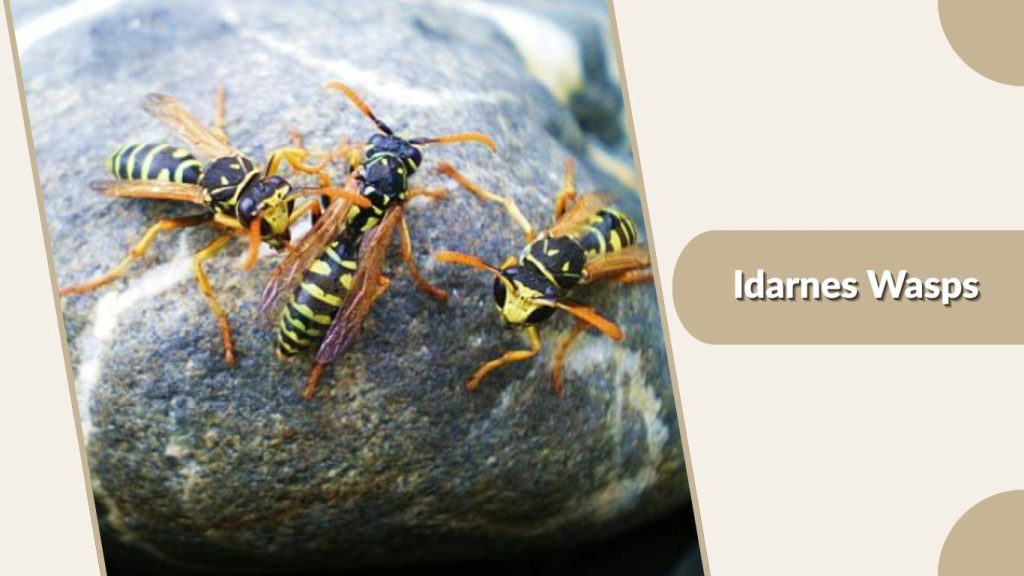
Idarnes wasps are tiny fig-associated insects commonly found in tropical fig ecosystems, especially in the Americas. Many species are non-pollinating fig wasps that use figs for reproduction without directly helping in pollination. Even so, they are an important part of the complex insect communities living inside fig fruits.
Identification
- Small body usually around 1–4 mm long
- Brown, reddish-brown, or black coloration
- Females often have slender wings
- Males are smaller and may be wingless
- Long segmented antennae
- Thin waist with elongated body shape
- Females possess a long ovipositor for egg laying
Habitat and Distribution
Idarnes wasps are mainly distributed throughout tropical and subtropical regions of Central and South America. They inhabit rainforests, woodland areas, and habitats where native fig trees grow naturally. Their distribution closely matches the range of their preferred fig hosts because they depend on figs for development and reproduction.
Behavior and Diet
Female Idarnes wasps often lay eggs from outside the fig by inserting their ovipositor through the fig wall. Larvae develop within chambers inside the fig tissue and feed on plant resources during growth. Unlike pollinating fig wasps, many Idarnes species do not transport pollen, but they still rely completely on figs to complete their lifecycle.
Lifecycle
The lifecycle begins when a female deposits eggs into a receptive fig. Eggs hatch into larvae that grow inside specialized chambers within the fruit. Male wasps emerge first and mate with females either inside or near the fig. Fertilized females then disperse to locate new receptive figs where they can lay eggs and continue the reproductive cycle.
23. Sycophaga Wasps
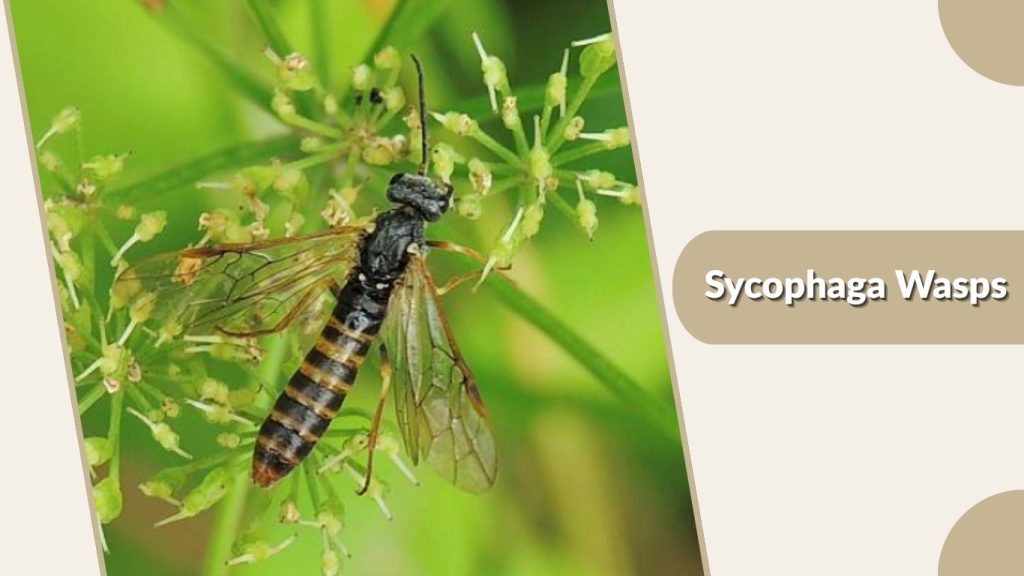
Sycophaga wasps are tiny fig-associated insects that belong to a group of mostly non-pollinating fig wasps. These insects rely on fig fruits for reproduction and larval development, often sharing the same figs with pollinating wasp species. They are an important part of the diverse ecosystem found inside tropical fig fruits.
Identification
- Tiny body usually measuring 1–4 mm
- Brown, yellowish-brown, or black coloration
- Females possess functional wings
- Males are smaller and may be wingless
- Long segmented antennae
- Slender body with narrow waist
- Females often have a noticeable ovipositor
Habitat and Distribution
Sycophaga wasps are widely distributed across tropical and subtropical regions where fig trees naturally occur. They inhabit rainforests, woodland habitats, and humid environments rich in fig diversity. Their range is closely connected to the availability of suitable fig species used for breeding and larval development.
Behavior and Diet
Female Sycophaga wasps usually lay eggs into figs using a long ovipositor, sometimes without entering the fruit itself. Larvae develop within chambers inside the fig tissue and feed on plant resources during growth. These wasps often coexist with pollinating fig wasps and other fig-dwelling insects within the same fruit.
Lifecycle
The lifecycle begins when a female deposits eggs into a receptive fig. Eggs hatch into larvae that grow safely within specialized chambers inside the fig tissue. Male wasps generally emerge before females and mate shortly afterward. Fertilized females then leave the fig and search for another suitable fruit where they can continue the reproductive cycle.
FAQs
What are fig wasps?
Fig wasps are tiny insects that live in close association with fig trees. Many species help pollinate figs while laying their eggs inside the fruit. These wasps and fig trees depend on each other for survival, making them an important example of mutualism in nature.
Are fig wasps dangerous to humans?
Fig wasps are not dangerous to humans. They are extremely small, rarely sting people, and usually spend most of their lives inside figs. Their main role is pollination and reproduction within fig fruits rather than interacting with humans or animals.
Do all fig wasps pollinate figs?
No, not all fig wasps are pollinators. Some species actively pollinate fig flowers, while others are non-pollinating fig wasps that use the fig only for reproduction. Both types can live inside the same fig ecosystem.
Where are fig wasps commonly found?
Fig wasps are mainly found in tropical and subtropical regions where fig trees grow naturally. They are especially common in rainforests, woodlands, gardens, and humid environments rich in fig species across Asia, Africa, Australia, and the Americas.
How do fig wasps enter figs?
Female fig wasps enter figs through a tiny natural opening called the ostiole. They squeeze through this narrow passage to reach the flowers inside the fig, where they pollinate the flowers and lay their eggs.