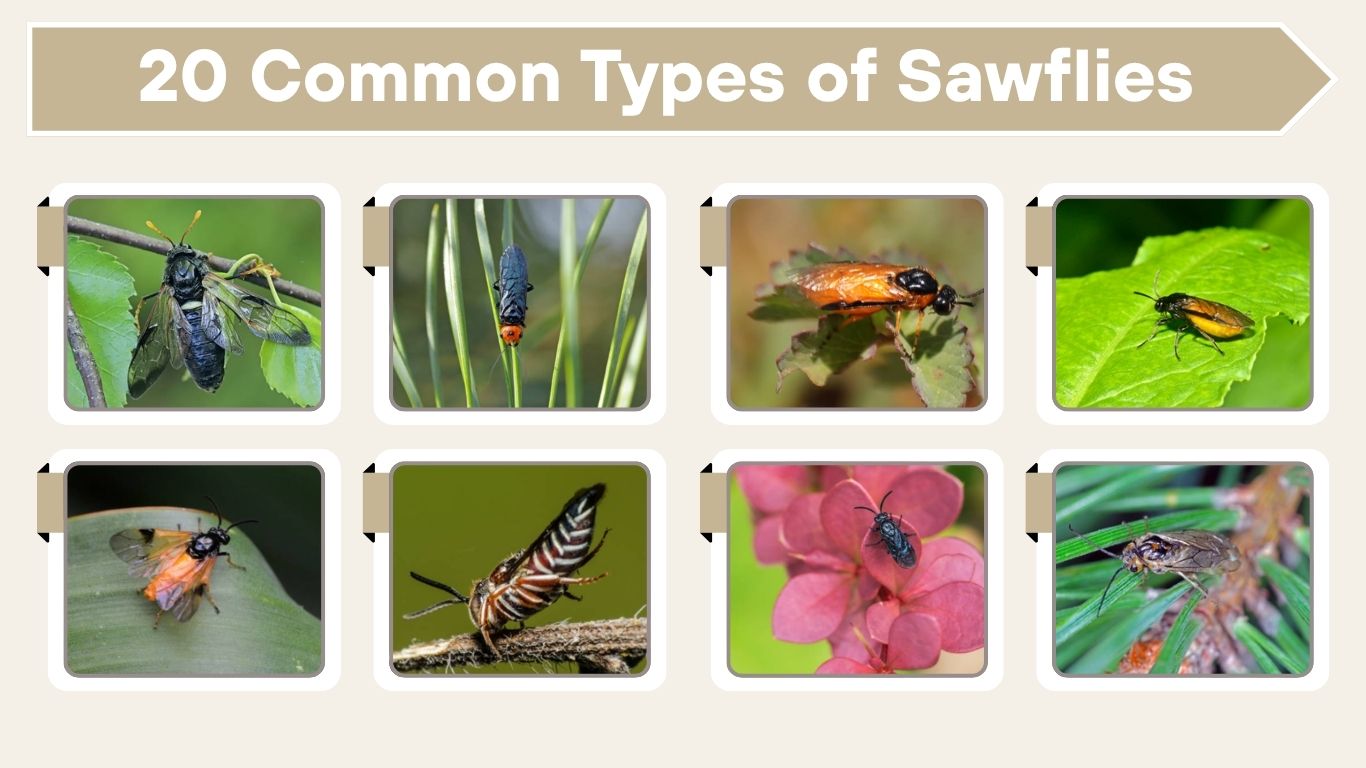
Sawflies are fascinating insects closely related to wasps, bees, and ants, but their larvae often look like caterpillars. These insects are commonly found in forests, gardens, orchards, and landscaped areas where the larvae feed on leaves and needles of trees, shrubs, and flowering plants. Some species are harmless in small numbers, while others can cause serious damage during outbreaks. Adult sawflies are usually short-lived and focus mainly on reproduction. In this guide, you will discover 20 common types of sawflies, along with their identification, habitat, behavior, diet, and lifecycle details.
1. Rose Sawfly
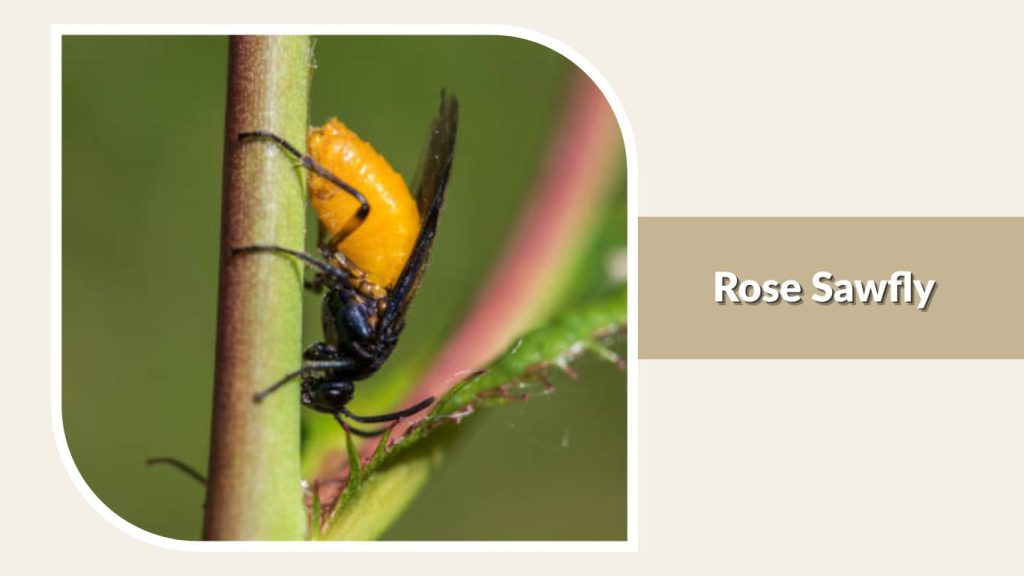
The Rose Sawfly is a small plant-feeding insect commonly found on rose bushes and ornamental garden plants. Its larvae are known for feeding on leaves, sometimes causing heavy damage to rose foliage. Although they resemble caterpillars, sawfly larvae are actually related to wasps, bees, and ants rather than butterflies or moths.
Identification
- Small adult body usually under 1 inch long
- Black, yellow, or orange coloration depending on species
- Transparent wings with visible veins
- Larvae resemble green caterpillars
- Multiple pairs of fleshy prolegs on larvae
- Adults have a broad waist unlike true wasps
- Larvae often feed in groups on rose leaves
Habitat and Distribution
Rose Sawflies are commonly found in gardens, parks, woodland edges, and landscaped areas where roses grow. They are widely distributed across North America, Europe, and parts of Asia. These insects prefer habitats with cultivated roses, wild rose bushes, and ornamental flowering plants that provide food for their larvae.
Behavior and Diet
Adult Rose Sawflies mainly focus on mating and laying eggs on host plants. Females use a saw-like egg-laying organ to insert eggs into rose leaves or stems. After hatching, the larvae feed heavily on leaf tissue and may skeletonize the foliage. Severe infestations can weaken rose plants but rarely kill healthy shrubs.
Lifecycle
The lifecycle begins when females lay eggs inside rose plant tissue. Larvae hatch and feed on leaves for several weeks while growing through multiple stages. After completing development, they drop to the soil to pupate. Adult sawflies later emerge, mate, and begin another generation during the growing season.
2. Pine Sawfly
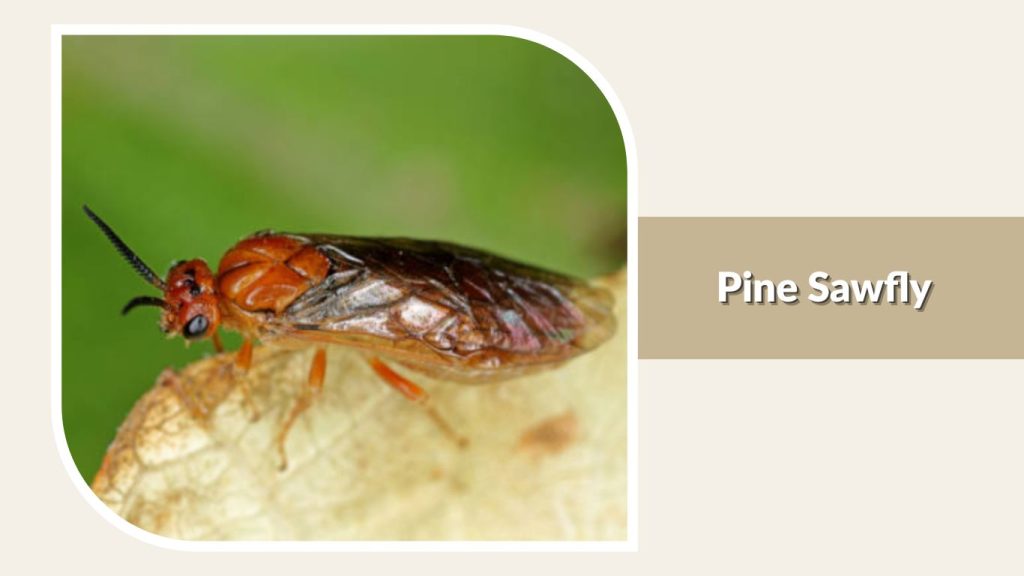
The Pine Sawfly is a common forest insect known for its larvae that feed heavily on pine needles. These insects can sometimes cause serious damage to pine trees when populations become large. Although the larvae resemble caterpillars, they are actually related to wasps and belong to the sawfly group of insects.
Identification
- Small to medium-sized adult body
- Black, brown, or yellow coloration depending on species
- Transparent wings with visible veins
- Larvae resemble caterpillars with multiple prolegs
- Larvae are often green, gray, or yellow-striped
- Adults have a broad waist rather than a narrow wasp waist
- Larvae commonly feed in large groups on pine needles
Habitat and Distribution
Pine Sawflies are widely distributed across North America, Europe, and Asia in areas with pine forests or ornamental pine trees. They are commonly found in conifer forests, woodland habitats, parks, and landscaped areas. Pine species such as Scots pine, red pine, and white pine are common host trees.
Behavior and Diet
Adult Pine Sawflies spend most of their short lives reproducing and laying eggs on pine needles. Females use their saw-like ovipositor to insert eggs into needles. After hatching, larvae feed on pine foliage, sometimes stripping branches bare during severe infestations. Older larvae consume entire needles, while younger larvae often feed only on the outer tissue.
Lifecycle
The lifecycle begins when females lay eggs inside pine needles. Larvae hatch and feed in groups while growing through several stages. Once mature, they drop to the soil or sheltered areas to pupate inside cocoons. Adults later emerge, mate, and begin another generation, with some species producing multiple generations per year.
3. Elm Sawfly
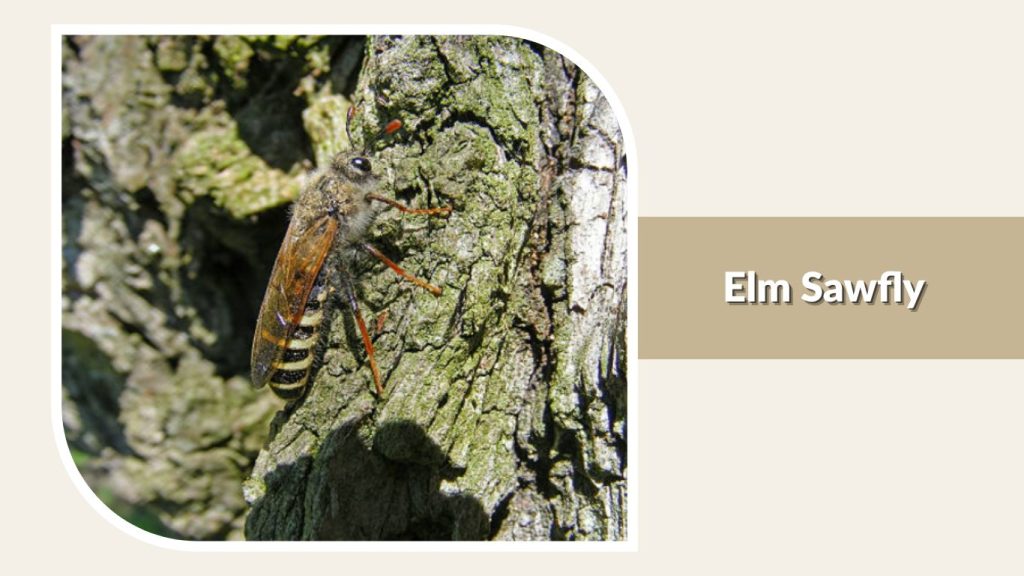
The Elm Sawfly is a large and striking sawfly species commonly associated with elm and willow trees. Its larvae feed on leaves and can sometimes defoliate branches when present in large numbers. Despite their caterpillar-like appearance, Elm Sawfly larvae are related to wasps and are harmless to humans.
Identification
- Large adult body compared to many other sawflies
- Black body with yellow or pale markings
- Transparent smoky wings
- Larvae are greenish-yellow with dark spots or stripes
- Multiple fleshy prolegs on larvae
- Adults have a broad waist rather than a narrow wasp waist
- Mature larvae may curl into an S-shape when disturbed
Habitat and Distribution
Elm Sawflies are commonly found in forests, parks, gardens, and urban areas with elm, willow, or poplar trees. They are distributed across North America and parts of Europe and Asia. These insects prefer deciduous woodland habitats where host trees are abundant for larval feeding.
Behavior and Diet
Adult Elm Sawflies mainly focus on reproduction and egg laying. Females insert eggs into leaves using their saw-like ovipositor. Larvae feed on the foliage of elm, willow, and related trees, chewing along leaf edges or consuming entire sections of leaves. They are generally solitary feeders but may occasionally occur in small groups.
Lifecycle
The lifecycle begins when females lay eggs inside host plant leaves. Larvae hatch and feed on foliage while growing through several stages. Once fully developed, larvae move to the soil or sheltered bark areas to pupate inside cocoons. Adult sawflies later emerge, mate, and continue the reproductive cycle during warm seasons.
4. Birch Sawfly
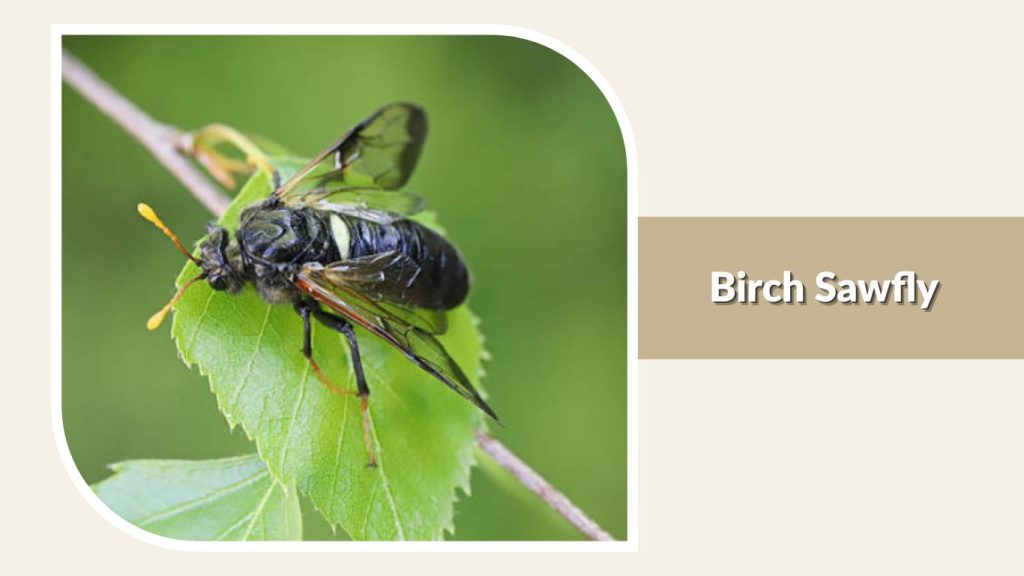
The Birch Sawfly is a leaf-feeding insect commonly found on birch trees in forests and landscaped areas. Its larvae resemble caterpillars and can cause noticeable damage by feeding on leaves during the growing season. Although they are related to wasps, Birch Sawflies are harmless to humans and mainly affect tree foliage.
Identification
- Small to medium-sized adult body
- Black or dark brown coloration
- Transparent wings with visible veins
- Larvae are green with darker markings
- Multiple fleshy prolegs on larvae
- Adults have a broad waist instead of a narrow wasp waist
- Larvae often rest along leaf edges while feeding
Habitat and Distribution
Birch Sawflies are commonly found in forests, woodland edges, parks, and gardens containing birch trees. They occur across North America, Europe, and parts of Asia where birch species grow naturally. These insects prefer cool woodland habitats with abundant deciduous trees for larval feeding.
Behavior and Diet
Adult Birch Sawflies mainly spend their short lives mating and laying eggs on birch leaves. Females cut small slits into leaf tissue using their saw-like ovipositor and place eggs inside. Larvae feed on birch foliage, chewing leaf surfaces and edges as they grow. Heavy infestations may temporarily weaken young trees through defoliation.
Lifecycle
The lifecycle begins when females lay eggs inside birch leaves during spring or summer. Larvae hatch and feed on foliage while developing through several growth stages. Once mature, they move to the soil or leaf litter to pupate inside cocoons. Adults later emerge and continue the reproductive cycle during the warm season.
5. Pear Slug Sawfly
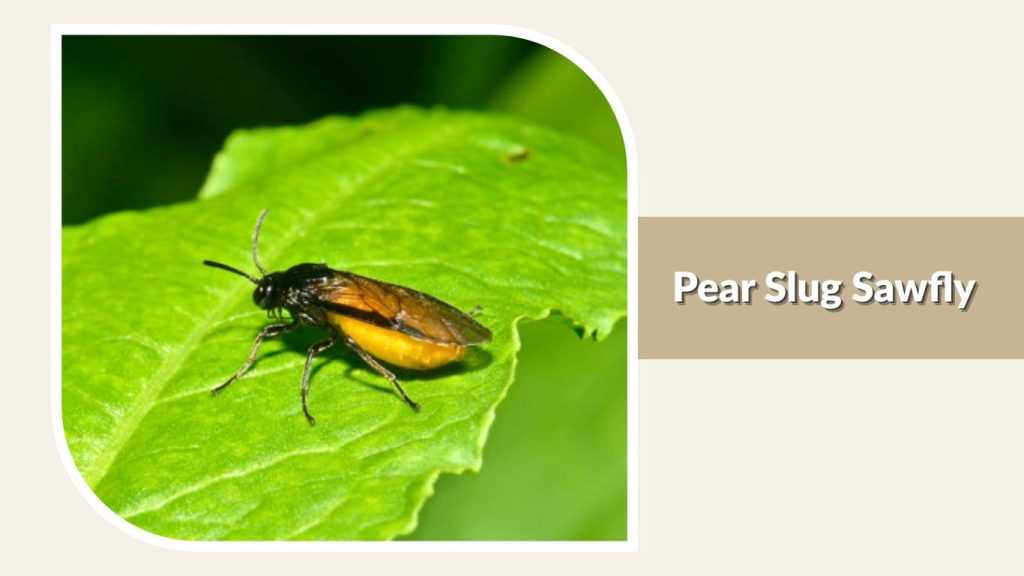
The Pear Slug Sawfly is a small sawfly species known for its slimy, slug-like larvae that feed on the leaves of pear, cherry, plum, and related fruit trees. Although the larvae resemble tiny slugs, they are actually sawfly larvae related to wasps. Heavy infestations can skeletonize leaves and reduce plant health.
Identification
- Small adult body with black coloration
- Transparent dark-tinted wings
- Larvae appear slimy and slug-like
- Larvae are greenish-black or olive colored
- Multiple prolegs hidden beneath the body
- Adults have a broad waist unlike true wasps
- Larvae feed on the upper surface of leaves
Habitat and Distribution
Pear Slug Sawflies are commonly found in orchards, gardens, parks, and landscaped areas with fruit trees. They are widely distributed across North America, Europe, and other temperate regions. Pear, cherry, plum, and hawthorn trees are common host plants for larval feeding.
Behavior and Diet
Adult Pear Slug Sawflies spend most of their time mating and laying eggs on host plants. Females insert eggs into leaf tissue using a saw-like ovipositor. Larvae feed on the soft surface tissue of leaves, leaving behind a skeleton-like network of veins. Severe infestations can weaken ornamental and fruit-producing trees.
Lifecycle
The lifecycle begins when females lay eggs inside leaves during spring or summer. Larvae hatch and feed on foliage while growing through several stages. Once fully developed, they drop to the soil and pupate inside small earthen cocoons. Adults later emerge and may produce additional generations during warm months.
6. Dogwood Sawfly
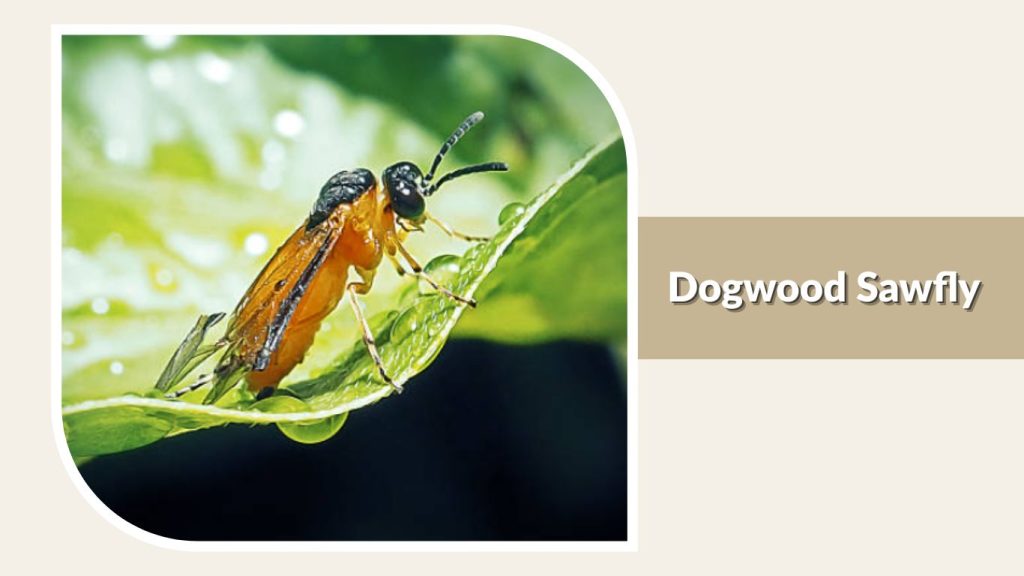
The Dogwood Sawfly is a leaf-feeding insect commonly associated with dogwood shrubs and trees. Its larvae are known for their unusual appearance, changing color as they grow. Although they resemble caterpillars, Dogwood Sawfly larvae are actually related to wasps and can cause noticeable leaf damage during heavy infestations.
Identification
- Small black adult body with transparent wings
- Adults have a broad waist unlike true wasps
- Young larvae are covered with a white waxy coating
- Older larvae become yellow with black spots
- Multiple fleshy prolegs on larvae
- Larvae resemble caterpillars but belong to the sawfly group
- Mature larvae may reach about 1 inch long
Habitat and Distribution
Dogwood Sawflies are commonly found in gardens, parks, woodland edges, and forests containing dogwood plants. They are widely distributed in North America and occur in regions where flowering dogwood and related species grow naturally. Moist woodland habitats are especially suitable for their development.
Behavior and Diet
Adult Dogwood Sawflies mainly focus on mating and egg laying during warm months. Females insert eggs into dogwood leaves using a saw-like ovipositor. Larvae feed on leaf tissue, sometimes consuming entire leaves except for the veins. Large numbers of larvae can temporarily defoliate shrubs and young trees.
Lifecycle
The lifecycle begins when females lay eggs inside host plant leaves. Larvae hatch and feed on foliage while growing through several developmental stages. As they mature, their appearance changes significantly. Fully grown larvae move to bark crevices or protected areas to spin cocoons and pupate. Adults later emerge to continue the reproductive cycle.
7. Willow Sawfly
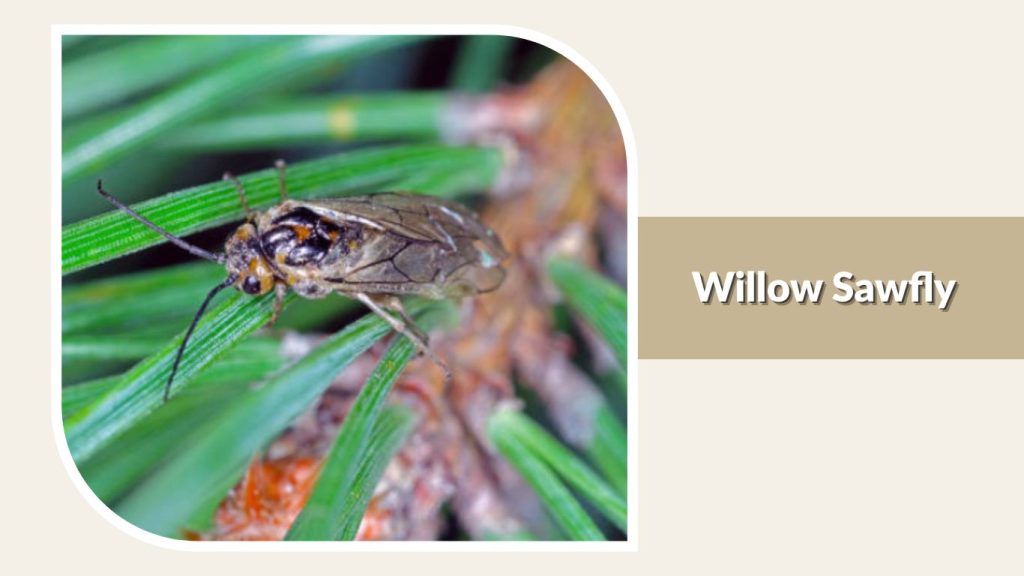
The Willow Sawfly is a plant-feeding insect commonly found on willow trees and shrubs in moist woodland habitats. Its larvae resemble caterpillars and can sometimes cause noticeable defoliation by feeding heavily on leaves. Despite their appearance, these insects are related to wasps and are harmless to humans.
Identification
- Small to medium-sized adult body
- Black, brown, or yellowish coloration
- Transparent wings with visible veins
- Larvae are green or yellow-green in color
- Multiple fleshy prolegs on larvae
- Adults have a broad waist instead of a narrow wasp waist
- Larvae often feed along leaf edges
Habitat and Distribution
Willow Sawflies are commonly found in wetlands, riverbanks, forests, gardens, and woodland areas where willow trees grow. They occur across North America, Europe, and parts of Asia. Moist habitats with abundant willow shrubs and trees provide ideal conditions for larval feeding and development.
Behavior and Diet
Adult Willow Sawflies spend most of their short lives mating and laying eggs on willow leaves. Females use their saw-like ovipositor to insert eggs into plant tissue. After hatching, larvae feed on leaf surfaces and edges, sometimes stripping branches of foliage during large infestations. Adults are harmless and do not sting humans.
Lifecycle
The lifecycle begins when females lay eggs inside willow leaves during spring or summer. Larvae hatch and feed on foliage while growing through several stages. Once mature, they drop to the ground or sheltered locations to pupate inside cocoons. Adult sawflies later emerge and continue the reproductive cycle during warm seasons.
8. Turnip Sawfly
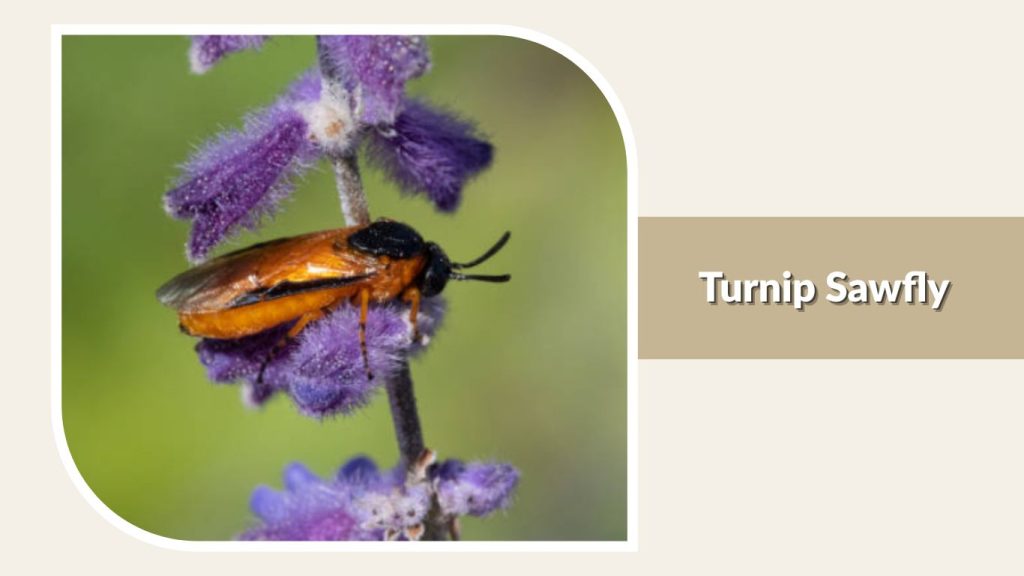
The Turnip Sawfly is a small plant-feeding insect known for attacking turnips, cabbage, mustard, and other cruciferous crops. Its larvae can cause serious damage by feeding heavily on leaves. Although the larvae resemble caterpillars, they are actually related to wasps and belong to the sawfly group of insects.
Identification
- Small adult body with black and orange coloration
- Transparent wings with dark veins
- Larvae are greenish-gray or blackish in color
- Multiple fleshy prolegs on larvae
- Adults have a broad waist unlike true wasps
- Larvae often curl when disturbed
- Strong chewing mouthparts for feeding on leaves
Habitat and Distribution
Turnip Sawflies are commonly found in agricultural fields, gardens, grasslands, and open habitats containing cruciferous plants. They are widely distributed across Europe, Asia, and parts of North America. Crop fields with mustard, cabbage, radish, and turnip plants provide ideal breeding and feeding environments.
Behavior and Diet
Adult Turnip Sawflies focus mainly on mating and egg laying on host plants. Females insert eggs into leaf tissue using a saw-like ovipositor. Larvae feed aggressively on leaves, often creating irregular holes and heavy defoliation during outbreaks. Adults may also feed lightly on flower nectar while searching for mates.
Lifecycle
The lifecycle begins when females lay eggs inside the leaves of cruciferous plants. Larvae hatch and feed on foliage while growing through several stages. Once fully developed, they move into the soil to pupate inside earthen chambers. Adults later emerge, mate, and begin another generation during the growing season.
9. Columbine Sawfly
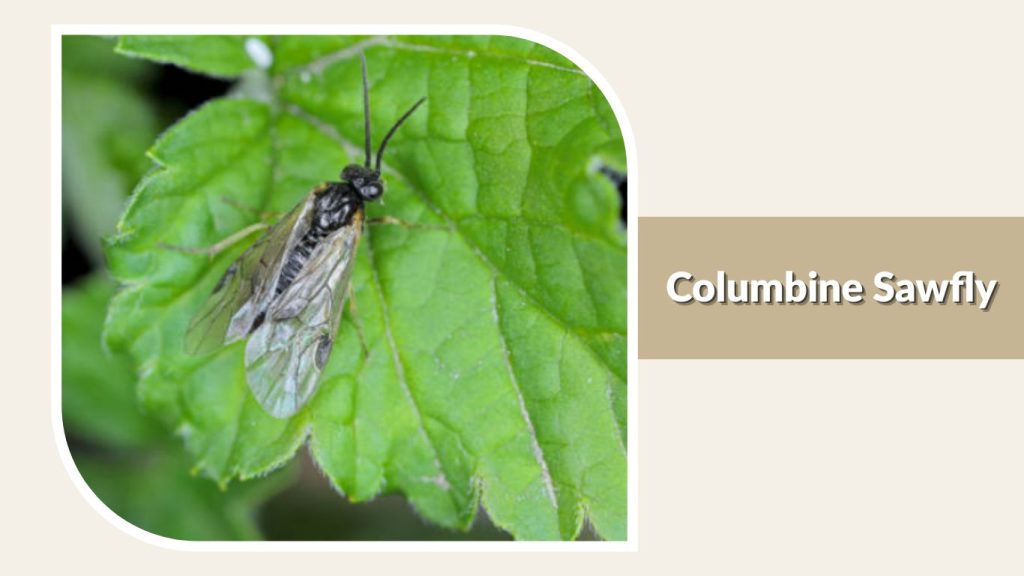
The Columbine Sawfly is a small leaf-feeding insect commonly associated with columbine plants in gardens and woodland habitats. Its larvae can quickly damage leaves by feeding in groups, sometimes leaving only the leaf veins behind. Although they resemble caterpillars, these larvae are actually related to wasps.
Identification
- Small adult body with dark coloration
- Transparent wings with visible veins
- Larvae are green with black heads
- Multiple fleshy prolegs on larvae
- Adults have a broad waist unlike true wasps
- Larvae often feed together on leaf surfaces
- Mature larvae may reach about 0.75 inches long
Habitat and Distribution
Columbine Sawflies are commonly found in gardens, flower beds, parks, and woodland edges where columbine plants grow. They occur mainly in North America and parts of Europe with ornamental or wild columbine species. Moist, shaded habitats are especially suitable for larval development.
Behavior and Diet
Adult Columbine Sawflies mainly spend their time mating and laying eggs on host plants. Females use a saw-like ovipositor to insert eggs into leaf tissue. After hatching, larvae feed heavily on columbine foliage and can rapidly defoliate plants during severe infestations. Adults are harmless and rarely noticed by gardeners.
Lifecycle
The life cycle begins when females lay eggs inside columbine leaves during spring or early summer. Larvae hatch and feed on foliage while growing through several developmental stages. Once mature, they move into the soil to pupate inside cocoons. Adults later emerge and continue the reproductive cycle during warm months.
10. Larch Sawfly
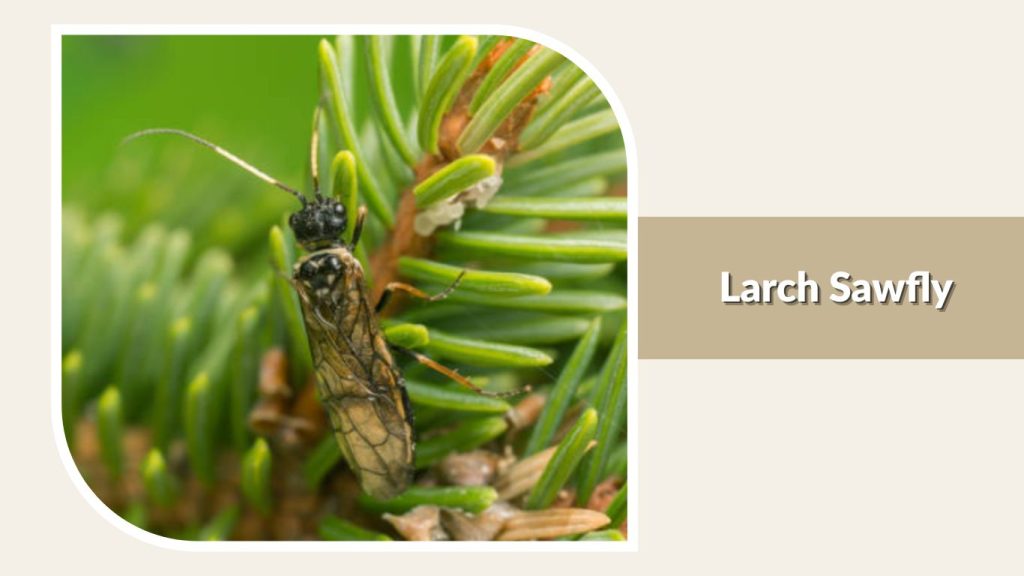
The Larch Sawfly is a destructive forest insect known for feeding on the needles of larch trees. Its larvae can cause serious defoliation during outbreaks, weakening trees and reducing growth. Although the larvae resemble caterpillars, they are actually sawfly larvae related to wasps rather than butterflies or moths.
Identification
- Small adult body with dark brown or black coloration
- Transparent wings with visible veins
- Larvae are greenish-gray with dark heads
- Multiple fleshy prolegs on larvae
- Adults have a broad waist unlike true wasps
- Larvae feed in groups on larch needles
- Mature larvae may reach about 1 inch long
Habitat and Distribution
Larch Sawflies are commonly found in conifer forests, plantations, and woodland habitats containing larch trees. They are distributed across North America, Europe, and parts of Asia. Forests with tamarack and ornamental larch species provide ideal breeding and feeding conditions.
Behavior and Diet
Adult Larch Sawflies spend most of their time reproducing and laying eggs on larch needles. Females use a saw-like ovipositor to insert eggs into the needles. Larvae feed heavily on foliage and may strip entire branches during severe infestations. Repeated defoliation can weaken trees and make them more vulnerable to disease.
Lifecycle
The lifecycle begins when females lay eggs inside larch needles during spring or summer. Larvae hatch and feed on the needles while growing through several stages. Once fully developed, they move to the ground and pupate inside cocoons hidden in soil or leaf litter. Adults later emerge and continue the reproductive cycle.
11. Cedar Sawfly
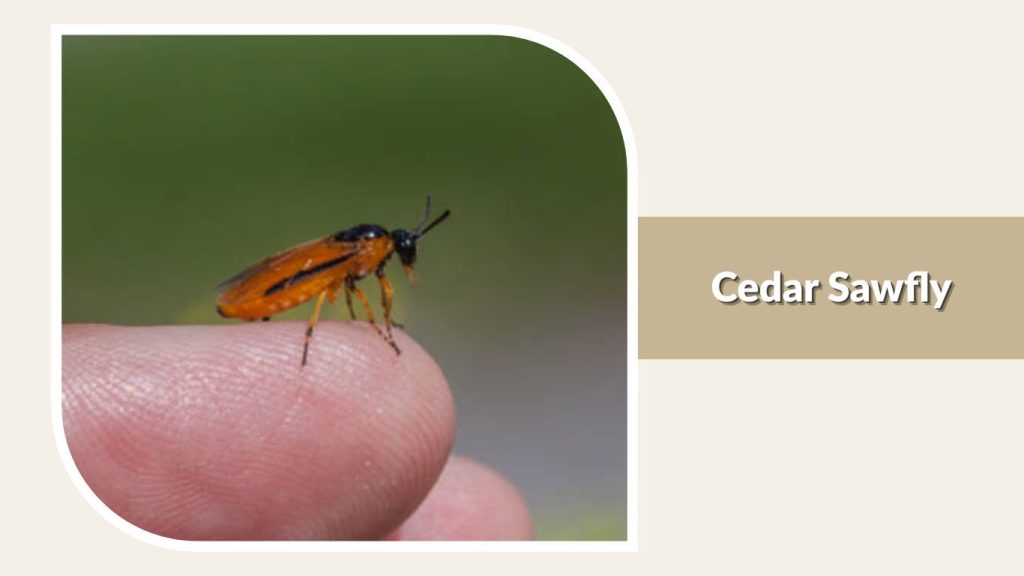
The Cedar Sawfly is a plant-feeding insect associated with cedar and other conifer trees in forested habitats. Its larvae feed on needles and can sometimes cause visible defoliation during heavy infestations. Like other sawflies, the larvae resemble caterpillars but are actually related to wasps and bees.
Identification
- Small to medium-sized adult body
- Dark brown or black coloration
- Transparent wings with fine veins
- Larvae are green or yellow-green in color
- Multiple fleshy prolegs on larvae
- Adults have a broad waist instead of a narrow wasp waist
- Larvae commonly feed on cedar needles in groups
Habitat and Distribution
Cedar Sawflies are commonly found in conifer forests, parks, and woodland areas containing cedar trees. They occur in parts of North America, Europe, and Asia where cedar and related conifers grow naturally. Forest edges and ornamental landscapes also provide suitable habitats for these insects.
Behavior and Diet
Adult Cedar Sawflies spend most of their short lives mating and laying eggs on cedar needles. Females use a saw-like ovipositor to place eggs inside plant tissue. After hatching, larvae feed on needles and may strip branches during severe infestations. Adults are harmless and rarely noticed by people.
Lifecycle
The lifecycle begins when females lay eggs inside cedar needles during spring or early summer. Larvae hatch and feed on foliage while growing through several developmental stages. Once mature, they move into the soil or sheltered areas to pupate inside cocoons. Adult sawflies later emerge and begin another generation during warm seasons.
12. Azalea Sawfly
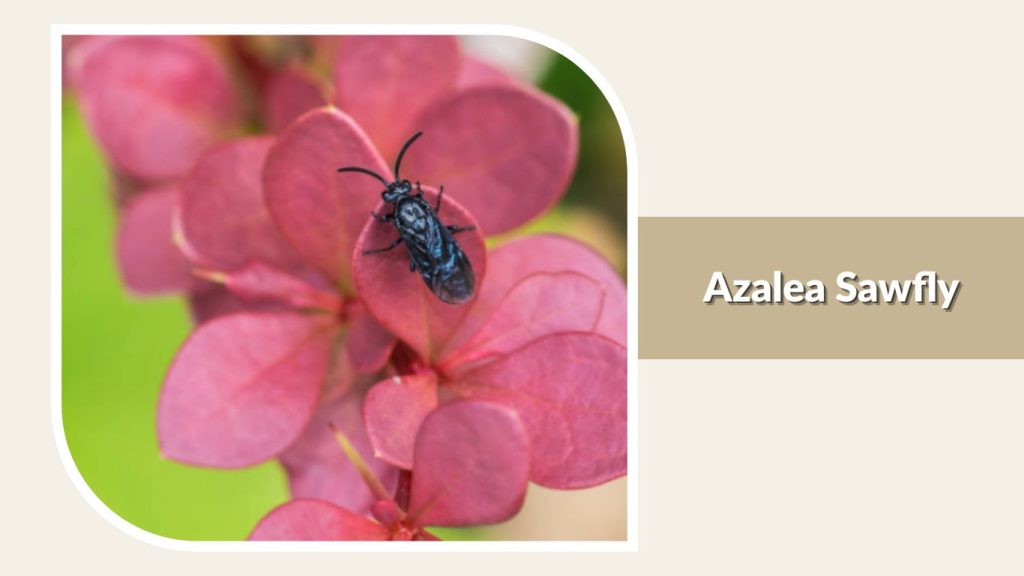
The Azalea Sawfly is a leaf-feeding insect commonly found on azalea and rhododendron plants in gardens and landscaped areas. Its larvae can quickly damage foliage by feeding on leaf tissue, sometimes leaving only veins behind. Although they resemble caterpillars, these larvae are actually related to wasps.
Identification
- Small dark-colored adult body
- Transparent wings with visible veins
- Larvae are green with darker stripes or spots
- Multiple fleshy prolegs on larvae
- Adults have a broad waist unlike true wasps
- Larvae often feed along leaf edges
- Mature larvae may curl when disturbed
Habitat and Distribution
Azalea Sawflies are commonly found in gardens, parks, woodland edges, and ornamental landscapes containing azalea plants. They occur mainly in North America and parts of Europe and Asia where azaleas and rhododendrons are cultivated. Shaded and moist habitats are especially suitable for their development.
Behavior and Diet
Adult Azalea Sawflies mainly spend their short lives reproducing and laying eggs on host plants. Females use a saw-like ovipositor to insert eggs into leaf tissue. Larvae feed heavily on azalea leaves and may skeletonize the foliage during severe infestations. Adults are harmless and do not sting humans.
Lifecycle
The lifecycle begins when females lay eggs inside azalea leaves during spring or summer. Larvae hatch and feed on foliage while growing through several stages. Once mature, they drop to the soil or sheltered locations to pupate inside cocoons. Adults later emerge and continue the reproductive cycle during warm months.
13. Hibiscus Sawfly
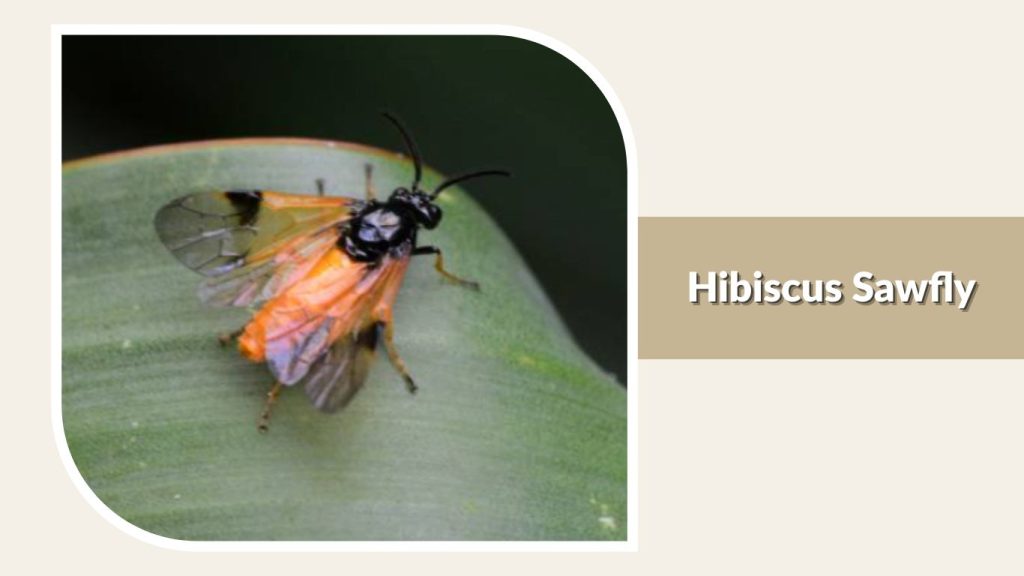
The Hibiscus Sawfly is a small plant-feeding insect commonly associated with hibiscus plants and related ornamentals. Its larvae feed on leaves and can quickly damage foliage during large infestations. Although the larvae resemble caterpillars, they are actually part of the sawfly group and are related to wasps.
Identification
- Small adult body with dark coloration
- Transparent wings with visible veins
- Larvae are green or yellow-green in color
- Multiple fleshy prolegs on larvae
- Adults have a broad waist unlike true wasps
- Larvae often feed along leaf edges
- Mature larvae may reach about 1 inch long
Habitat and Distribution
Hibiscus Sawflies are commonly found in gardens, parks, greenhouses, and tropical or subtropical landscapes containing hibiscus plants. They occur in warm regions across North America, Asia, and other areas where ornamental hibiscus species are cultivated. Moist garden habitats provide favorable conditions for development.
Behavior and Diet
Adult Hibiscus Sawflies mainly focus on mating and laying eggs on host plants. Females use a saw-like ovipositor to insert eggs into leaves or stems. After hatching, larvae feed heavily on hibiscus foliage and may skeletonize leaves during severe infestations. Adults are harmless insects that rarely attract attention.
Lifecycle
The lifecycle begins when females lay eggs inside hibiscus leaves during warm seasons. Larvae hatch and feed on foliage while growing through several developmental stages. Once fully mature, they move into the soil or sheltered areas to pupate inside cocoons. Adults later emerge and continue the reproductive cycle.
14. Oak Sawfly
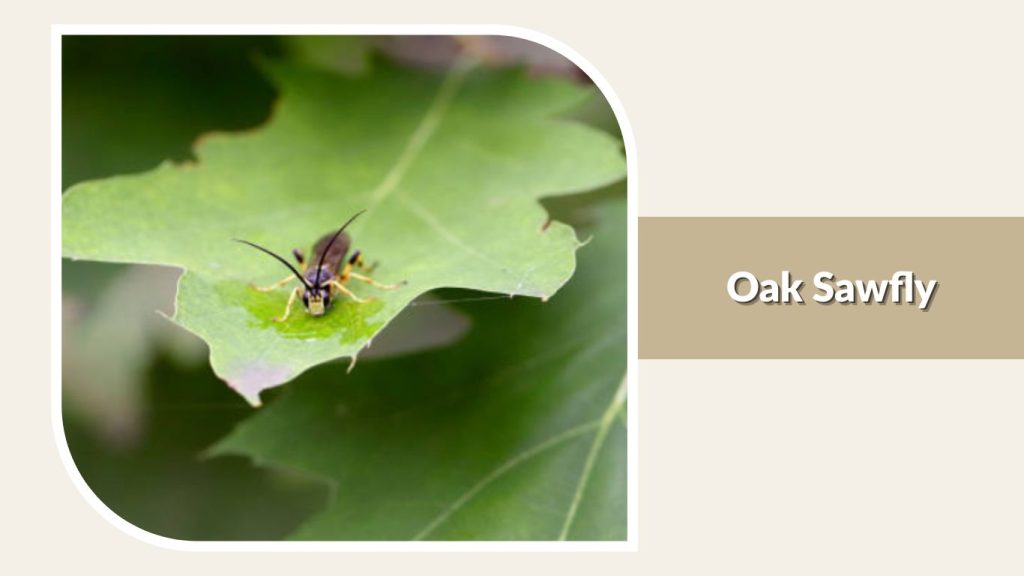
The Oak Sawfly is a leaf-feeding insect commonly associated with oak trees in forests and woodland habitats. Its larvae resemble caterpillars and can sometimes cause noticeable defoliation when populations are high. Although related to wasps, Oak Sawflies are harmless to humans and mainly affect tree foliage.
Identification
- Small to medium-sized adult body
- Black or brown coloration with transparent wings
- Larvae are green or yellow-green in color
- Multiple fleshy prolegs on larvae
- Adults have a broad waist instead of a narrow wasp waist
- Larvae often feed along leaf margins
- Mature larvae may curl their bodies when disturbed
Habitat and Distribution
Oak Sawflies are commonly found in forests, woodland edges, parks, and urban areas containing oak trees. They occur across North America, Europe, and parts of Asia where oak species grow naturally. Deciduous forest habitats provide ideal conditions for feeding and reproduction.
Behavior and Diet
Adult Oak Sawflies mainly spend their short lives reproducing and laying eggs on oak leaves. Females use a saw-like ovipositor to insert eggs into plant tissue. Larvae feed on leaf surfaces and edges, sometimes skeletonizing leaves during severe infestations. Adults are non-aggressive and rarely noticed by people.
Lifecycle
The lifecycle begins when females lay eggs inside oak leaves during spring or summer. Larvae hatch and feed on foliage while developing through several growth stages. Once mature, they move into the soil or sheltered locations to pupate inside cocoons. Adults later emerge and continue the reproductive cycle during the warm season.
15. Redheaded Pine Sawfly
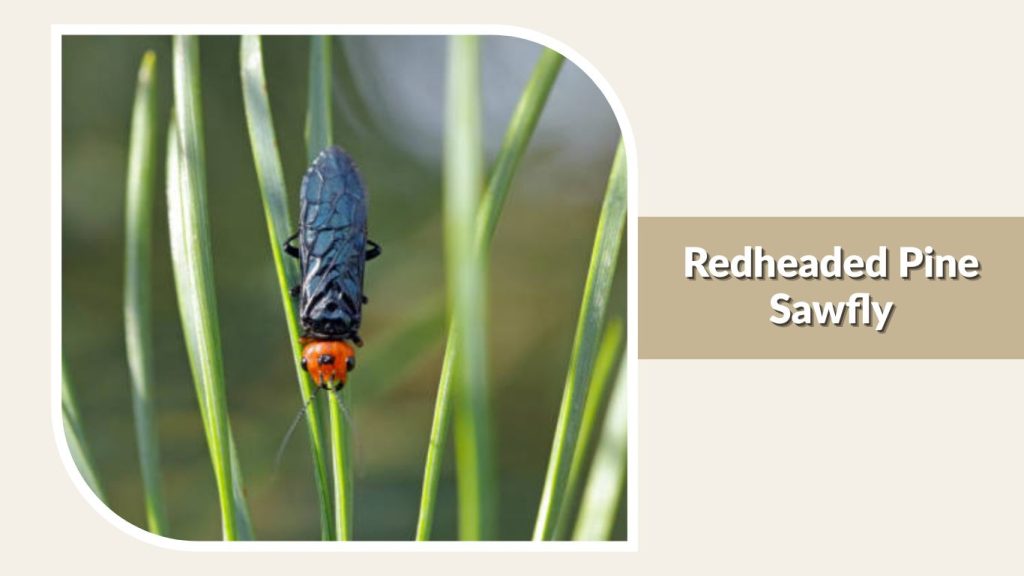
The Redheaded Pine Sawfly is a destructive conifer-feeding insect known for damaging pine trees during larval outbreaks. Its larvae feed in groups and can strip needles from branches, weakening young trees. Although the larvae resemble caterpillars, they are actually sawfly larvae related to wasps.
Identification
- Small dark-colored adult body
- Transparent wings with visible veins
- Larvae have reddish-orange heads
- Yellowish-white bodies with black spots or stripes
- Multiple fleshy prolegs on larvae
- Adults have a broad waist unlike true wasps
- Larvae often feed together in large groups
Habitat and Distribution
Redheaded Pine Sawflies are commonly found in pine forests, plantations, parks, and landscaped areas containing pine trees. They are widely distributed across North America. Young pine stands and ornamental pine plantings provide especially suitable habitats for breeding and larval feeding.
Behavior and Diet
Adult Redheaded Pine Sawflies mainly focus on mating and egg laying on pine needles. Females insert eggs into needles using their saw-like ovipositor. Larvae feed heavily on pine foliage and may completely defoliate small trees during severe infestations. Older larvae consume entire needles, while younger larvae often feed only on outer tissue.
Lifecycle
The lifecycle begins when females lay eggs inside pine needles during late summer or fall. Larvae hatch and feed in groups while growing through several developmental stages. Once mature, they drop to the soil and spin cocoons for pupation. Adults later emerge and begin another reproductive cycle during the appropriate season.
16. Introduced Pine Sawfly
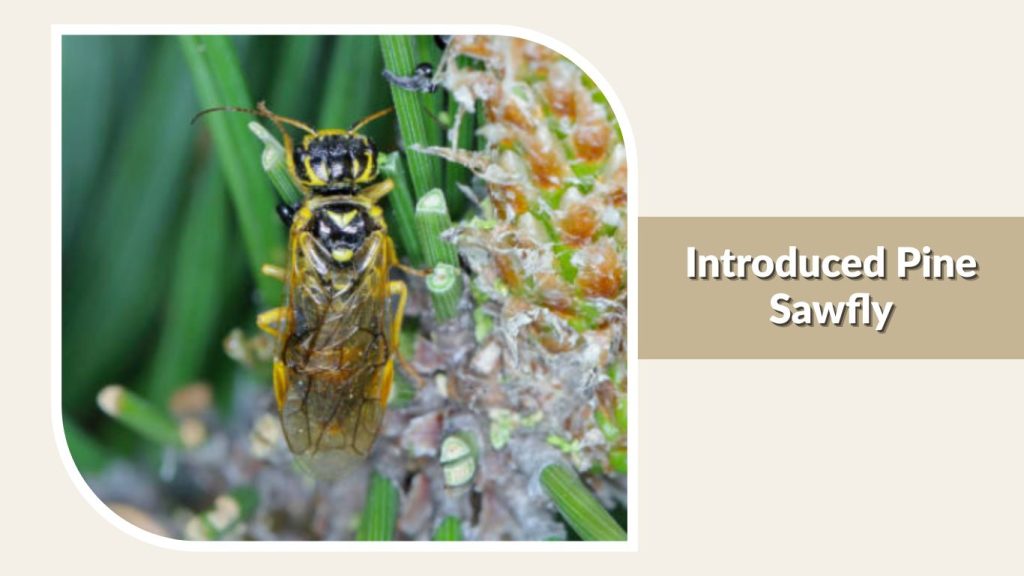
The Introduced Pine Sawfly is a non-native sawfly species that feeds on pine needles and can cause noticeable damage in forests and ornamental landscapes. Its larvae feed in groups and may heavily defoliate pine trees during outbreaks. Although they resemble caterpillars, these larvae are actually related to wasps.
Identification
- Small black adult body
- Transparent wings with dark veins
- Larvae are yellow-green with black spots
- Shiny black heads on larvae
- Multiple fleshy prolegs on larvae
- Adults have a broad waist unlike true wasps
- Larvae often feed together on pine needles
Habitat and Distribution
Introduced Pine Sawflies are commonly found in pine forests, parks, nurseries, and landscaped areas containing ornamental or native pine trees. Originally native to Europe, they are now widely distributed in North America and other temperate regions. Pine plantations provide especially favorable breeding habitats.
Behavior and Diet
Adult Introduced Pine Sawflies mainly spend their short lives reproducing and laying eggs on pine needles. Females use a saw-like ovipositor to place eggs inside the needles. Larvae feed aggressively on pine foliage, often consuming older needles first before moving to newer growth. Severe infestations can weaken young or stressed trees.
Lifecycle
The lifecycle begins when females lay eggs inside pine needles during late summer or fall. Larvae hatch and feed in groups while developing through several stages. Once fully mature, they drop to the ground and pupate inside cocoons hidden in soil or leaf litter. Adults later emerge and continue the reproductive cycle.
17. European Pine Sawfly
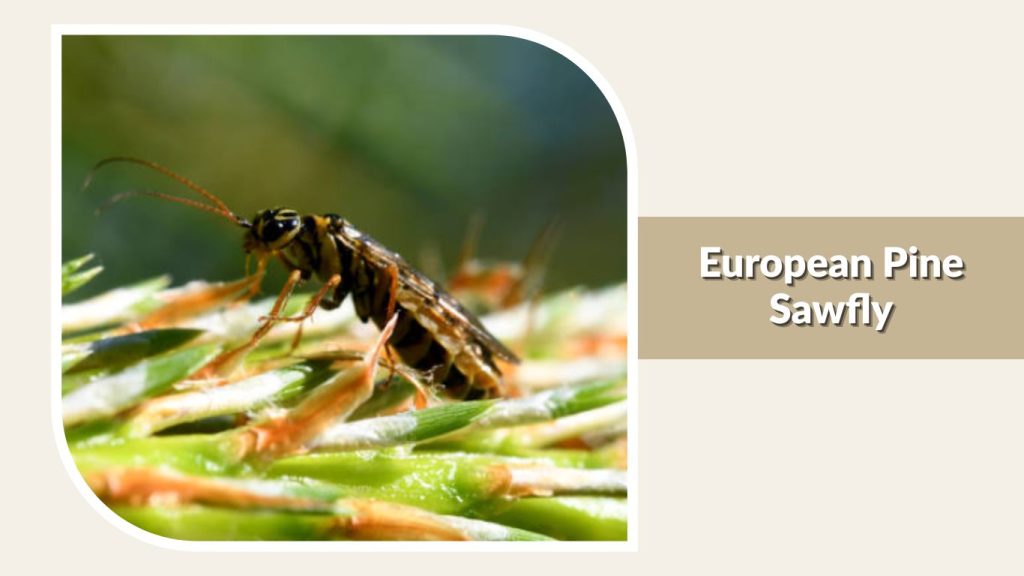
The European Pine Sawfly is a common conifer-feeding insect known for damaging pine trees through heavy larval feeding. Native to Europe, this species has spread to other regions where pine trees are grown. Its larvae feed in groups and can strip needles from branches during severe infestations.
Identification
- Small black adult body with transparent wings
- Larvae are greenish-gray with black heads
- Multiple fleshy prolegs on larvae
- Adults have a broad waist unlike true wasps
- Larvae often feed in dense groups
- Dark stripes may appear along the larval body
- Mature larvae may reach about 1 inch long
Habitat and Distribution
European Pine Sawflies are commonly found in pine forests, plantations, parks, and ornamental landscapes. They are native to Europe but are also widespread in North America and other temperate regions. Scots pine, red pine, and mugo pine are among their preferred host trees.
Behavior and Diet
Adult European Pine Sawflies spend most of their short lives reproducing and laying eggs on pine needles. Females use their saw-like ovipositor to insert eggs into needles. Larvae feed heavily on pine foliage and may defoliate entire branches when populations are high. Younger larvae often feed in clusters for protection.
Lifecycle
The lifecycle begins when females lay eggs inside pine needles during late summer or fall. Eggs overwinter in the needles and hatch during spring. Larvae feed and grow through several stages before dropping to the soil to pupate inside cocoons. Adults later emerge and begin another reproductive cycle.
18. Zebra Sawfly
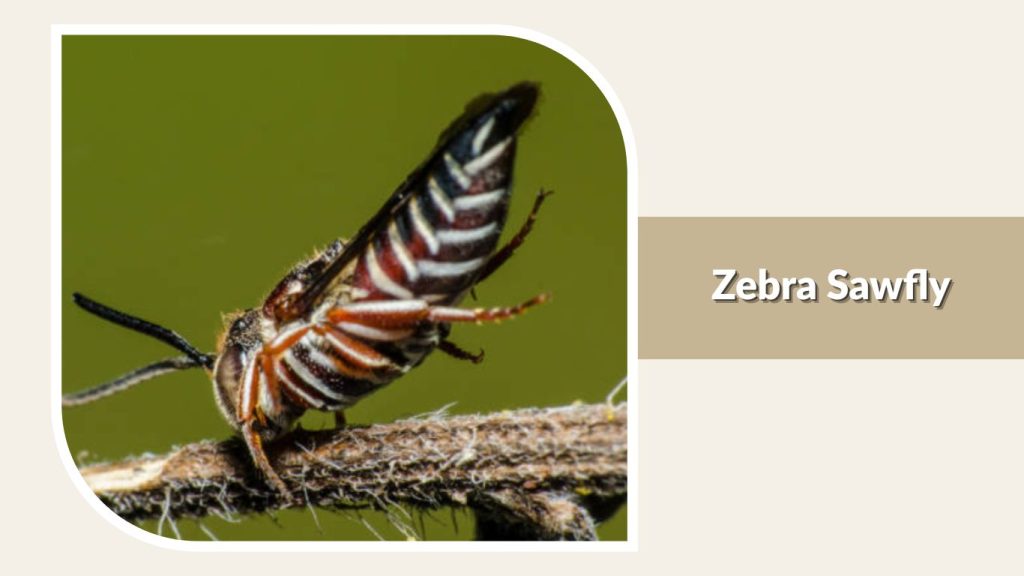
The Zebra Sawfly is a distinctive sawfly species recognized for its bold striped body pattern and leaf-feeding larvae. These insects are commonly found on ornamental plants and shrubs where the larvae feed on foliage. Like other sawflies, the larvae resemble caterpillars but are actually related to wasps.
Identification
- Small to medium-sized adult body
- Black and yellow striped coloration
- Transparent wings with visible veins
- Larvae are green or pale yellow in color
- Multiple fleshy prolegs on larvae
- Adults have a broad waist unlike true wasps
- Bold banding gives the insect a zebra-like appearance
Habitat and Distribution
Zebra Sawflies are commonly found in gardens, woodland edges, parks, and areas with ornamental shrubs or trees. They occur in parts of Europe, Asia, and North America depending on the species. Flowering plants and leafy shrubs provide suitable feeding and breeding habitats.
Behavior and Diet
Adult Zebra Sawflies mainly focus on mating and laying eggs on host plants. Females insert eggs into leaves using their saw-like ovipositor. Larvae feed on foliage, chewing leaf edges and surfaces while growing. Heavy feeding may lead to visible leaf damage, although infestations are usually temporary.
Lifecycle
The lifecycle begins when females lay eggs inside plant leaves during warm seasons. Larvae hatch and feed on foliage while developing through several growth stages. Once fully mature, they move into soil or protected areas to pupate inside cocoons. Adults later emerge and continue the reproductive cycle.
19. Cimbex Americana
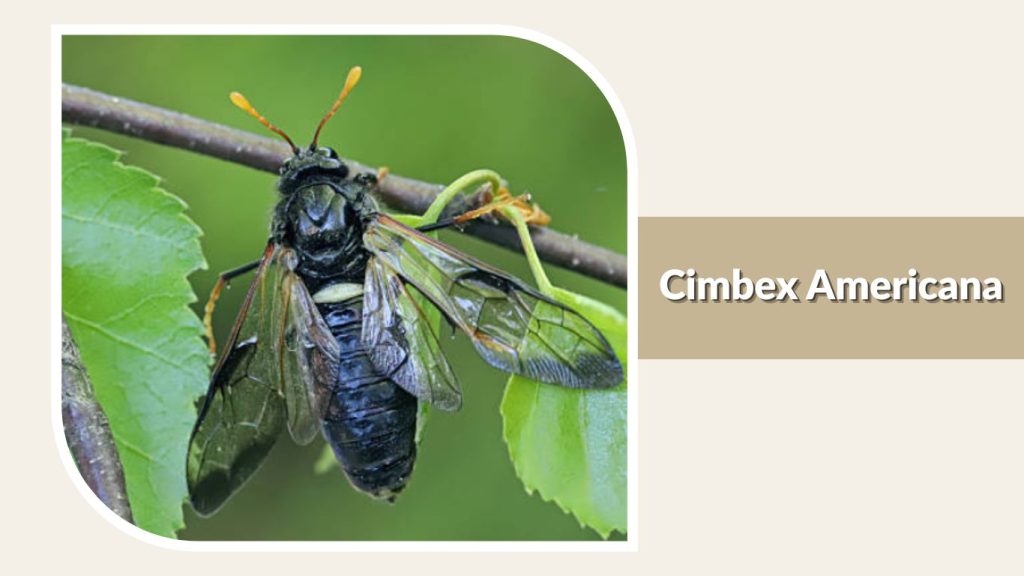
Cimbex americana, commonly called the Elm Sawfly or Giant Sawfly in some regions, is one of the largest sawfly species in North America. This impressive insect is known for its large size, thick body, and leaf-feeding larvae. Despite its wasp-like appearance, it is harmless to humans and does not sting.
Identification
- Large adult body measuring up to 1 inch long
- Black or dark brown coloration
- Thick cylindrical body shape
- Transparent smoky wings
- Larvae are green or yellow-green with dark markings
- Multiple fleshy prolegs on larvae
- Adults have a broad waist unlike true wasps
Habitat and Distribution
Cimbex americana is commonly found in forests, parks, gardens, and woodland habitats containing deciduous trees. It occurs mainly across North America where elm, willow, birch, and related trees grow naturally. Moist woodland environments provide favorable conditions for feeding and development.
Behavior and Diet
Adult Cimbex americana sawflies feed lightly on plant fluids and spend much of their short lives reproducing. Females use a saw-like ovipositor to place eggs into leaf tissue. Larvae feed heavily on leaves and may consume large amounts of foliage while developing. Despite their large size, adults are calm and non-aggressive.
Lifecycle
The lifecycle begins when females lay eggs inside leaves during spring or summer. Larvae hatch and feed on foliage while growing through several developmental stages. Once mature, they move into the soil or sheltered locations to pupate inside cocoons. Adults later emerge and continue the reproductive cycle during warm seasons.
20. Giant Birch Sawfly
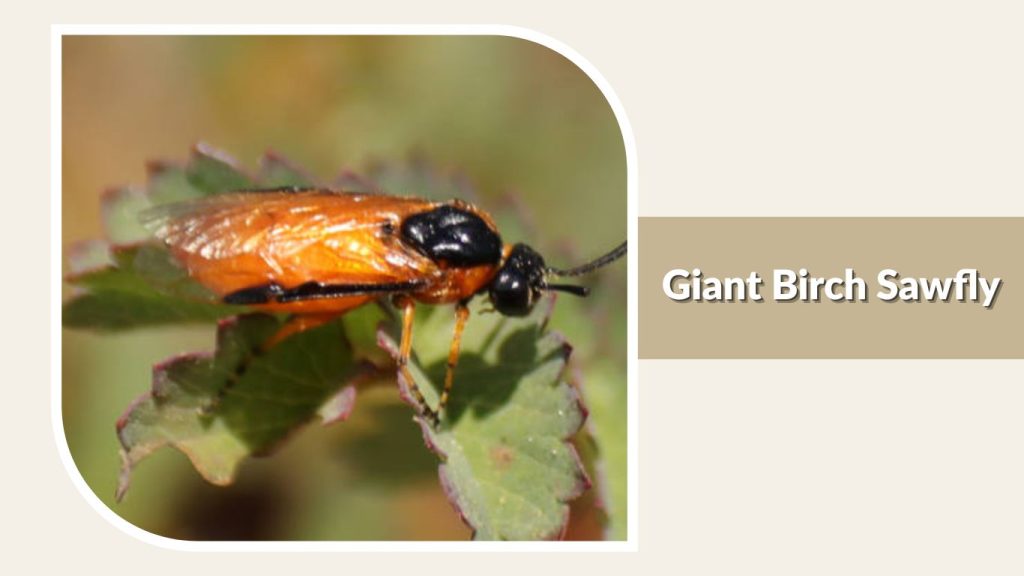
The Giant Birch Sawfly is a large and unusual sawfly species commonly associated with birch trees and other deciduous plants. Its larvae are known for their striking appearance and defensive posture when disturbed. Although they resemble caterpillars, these larvae are actually related to wasps and are harmless to humans.
Identification
- Large adult body with dark coloration
- Transparent smoky wings
- Larvae are green with black spots or markings
- Multiple fleshy prolegs on larvae
- Adults have a broad waist unlike true wasps
- Mature larvae may reach over 1 inch long
- Larvae often raise the front of the body when threatened
Habitat and Distribution
Giant Birch Sawflies are commonly found in forests, woodland edges, parks, and gardens containing birch trees. They occur across North America and parts of Europe where birch and related deciduous trees grow naturally. Moist woodland habitats provide ideal feeding and breeding conditions.
Behavior and Diet
Adult Giant Birch Sawflies spend most of their short lives mating and laying eggs on host plants. Females insert eggs into leaves using their saw-like ovipositor. Larvae feed on birch foliage and may consume large sections of leaves during heavy infestations. When disturbed, larvae often display defensive behaviors to scare predators.
Lifecycle
The lifecycle begins when females lay eggs inside birch leaves during spring or summer. Larvae hatch and feed on foliage while growing through several developmental stages. Once mature, they move into the soil or sheltered areas to pupate inside cocoons. Adults later emerge and continue the reproductive cycle during the warm season.
FAQs
What are sawflies?
Sawflies are plant-feeding insects related to wasps, bees, and ants. Their larvae often resemble caterpillars, but they belong to a different insect group. Female sawflies use a saw-like ovipositor to cut into plant tissue and lay eggs inside leaves or stems.
Are sawflies harmful to plants?
Yes, sawfly larvae can damage plants by feeding on leaves, needles, and soft plant tissue. Heavy infestations may cause defoliation and weaken trees, shrubs, or garden plants, especially young or stressed plants.
Are sawflies dangerous to humans?
Sawflies are generally harmless to humans. Most species do not sting, and they are not aggressive. Adult sawflies mainly focus on reproduction, while the larvae spend their time feeding on plants.
How can you identify sawfly larvae?
Sawfly larvae resemble caterpillars but usually have more pairs of fleshy prolegs. They are often found feeding in groups on leaves or pine needles. Many species curl their bodies or raise their heads when disturbed.
Where are sawflies commonly found?
Sawflies are commonly found in forests, gardens, parks, orchards, and landscaped areas. They occur throughout North America, Europe, Asia, and many other regions where suitable host plants grow naturally.