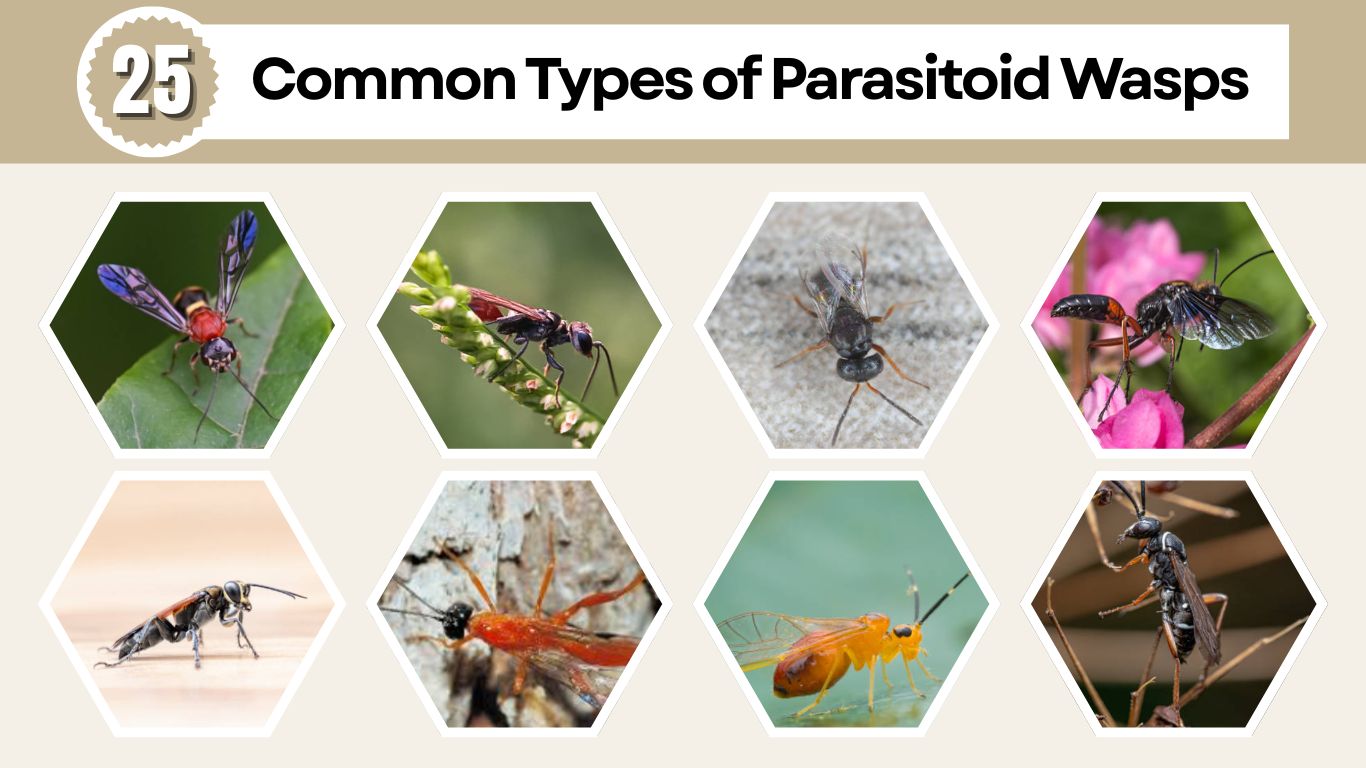
Parasitoid wasps are fascinating insects that play a crucial role in natural and agricultural ecosystems by controlling pest populations. Found worldwide, these wasps target a wide range of host insects, including caterpillars, aphids, beetle larvae, and fly pupae. Adults feed on nectar or honeydew, while their larvae develop inside or on host insects, eventually killing them. This guide explores 25 common parasitoid wasp species, detailing their identification, habitats, behaviors, diets, and lifecycles, offering a comprehensive resource for gardeners, farmers, and insect enthusiasts.
1. Braconid Wasp
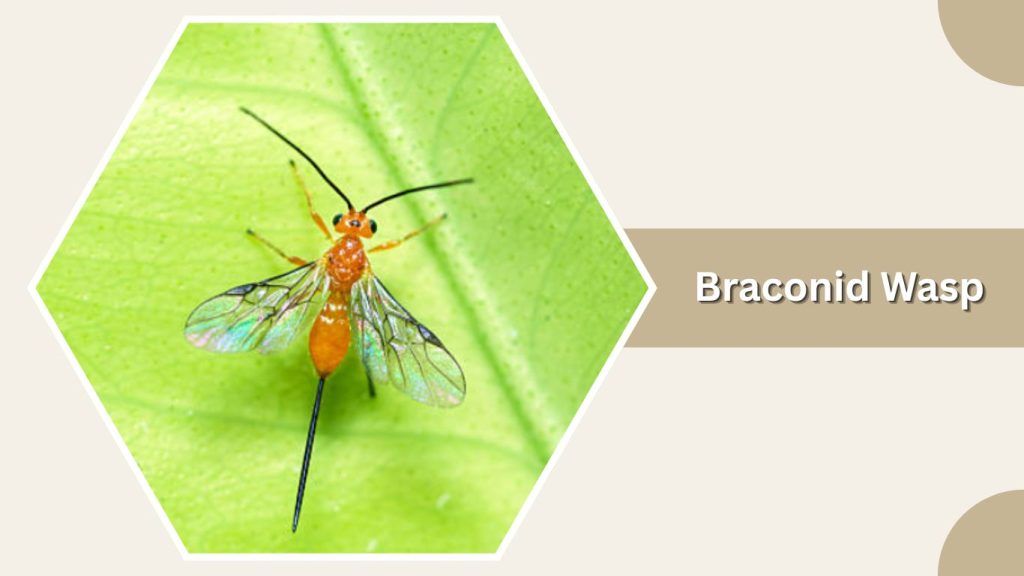
Braconid wasps are small to medium-sized parasitoid wasps known for their role in controlling pest insect populations. They lay their eggs inside or on the bodies of host insects such as caterpillars, aphids, or beetle larvae. The developing wasp larvae consume the host from within, eventually killing it. These wasps are considered important biological control agents in agriculture and natural ecosystems.
Identification
- Small to medium body, typically brown or black
- Long, slender antennae
- Narrow waist connecting thorax and abdomen
- Transparent or lightly tinted wings
- Body length ranges from 2–15 mm
Habitat and Distribution
Braconid wasps are found worldwide, inhabiting forests, gardens, agricultural fields, and grasslands. Adults are often seen on flowers or near host insect populations. Larvae develop inside or on host insects in soil, leaves, or stems.
Behavior and Diet
Adult braconid wasps feed on nectar, pollen, or honeydew, while larvae consume host insects from the inside out. They are highly specific to their host species, making them valuable for natural pest control.
Lifecycle
Females lay eggs on or inside host insects. Larvae develop within the host over several days to weeks, eventually pupating either inside or outside the host. Adults emerge to mate and continue the reproductive cycle.
2. Ichneumon Wasp
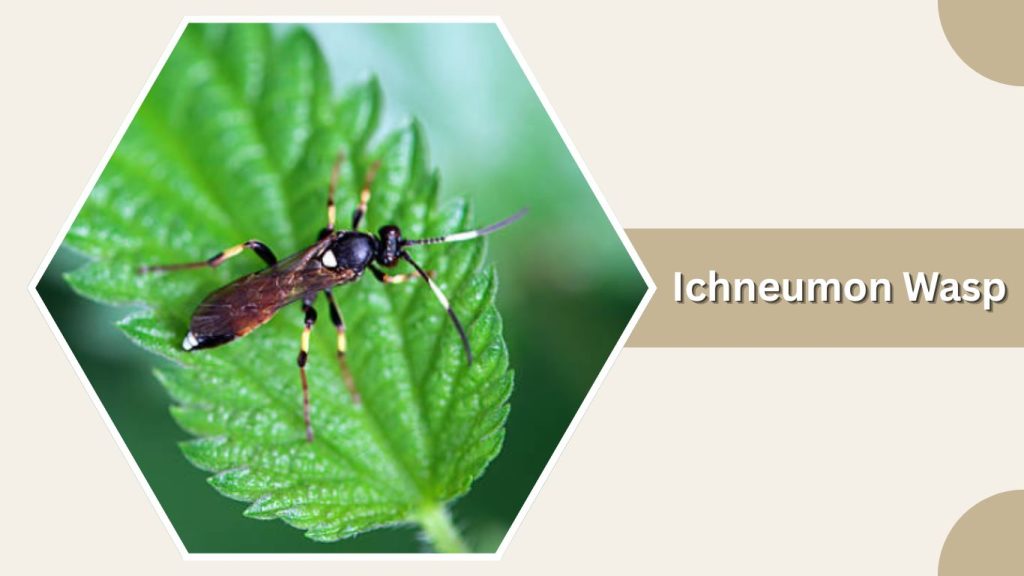
Ichneumon wasps are slender parasitoid wasps known for their long ovipositors used to lay eggs inside or on host insects, often caterpillars or beetle larvae. They play a vital role in controlling pest populations naturally. These wasps are widespread and highly diverse, with thousands of species adapted to different habitats and host preferences.
Identification
- Slender body, usually black, brown, or orange
- Extremely long ovipositor in females
- Long, segmented antennae
- Narrow waist between thorax and abdomen
- Body length 5–20 mm
Habitat and Distribution
Ichneumon wasps are found worldwide, in forests, grasslands, gardens, and agricultural fields. Adults are often seen on flowers or searching for hosts. Larvae develop inside or on host insects, usually caterpillars or beetle larvae.
Behavior and Diet
Adult ichneumon wasps feed on nectar, pollen, or honeydew. Larvae are parasitic, feeding on the host insect and eventually killing it. They are highly host-specific, which makes them effective natural pest controllers.
Lifecycle
Females lay eggs on or inside host insects. Larvae consume the host from within, pupate either inside or nearby, and adults emerge to mate, continuing the life cycle.
3. Pimpla Wasp
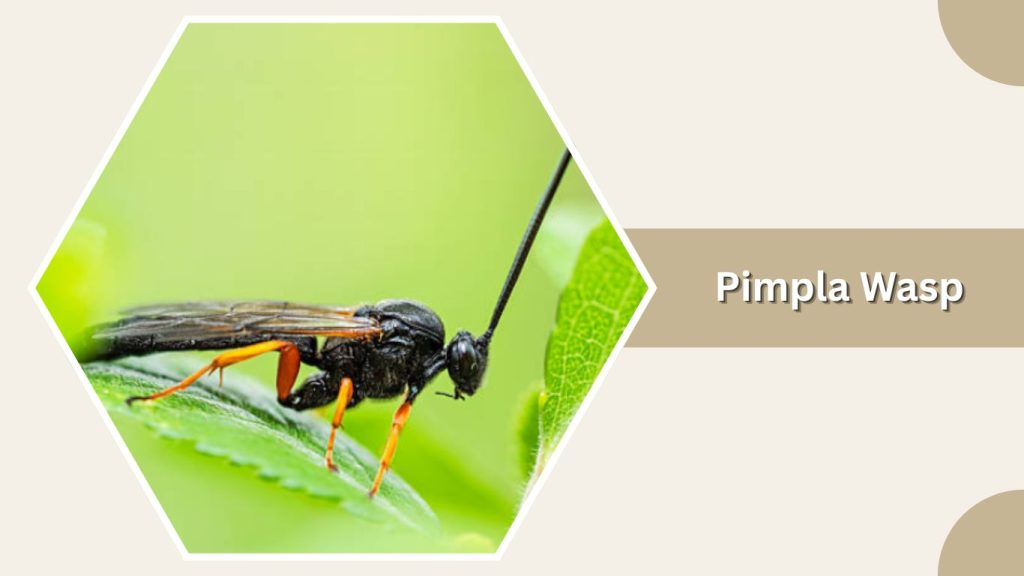
Pimpla wasps are medium-sized parasitoid wasps that primarily target the pupae of moths and beetles. They are important biological control agents in agriculture because their larvae develop inside host pupae, eventually killing them. Adults are active flyers and are often seen around gardens, forests, and agricultural fields.
Identification
- Medium body, usually black or dark brown
- Long, slender antennae
- Females possess a noticeable ovipositor
- Transparent wings with visible veins
- Body length 8–20 mm
Habitat and Distribution
Pimpla wasps are found across Europe, North America, and parts of Asia. They inhabit forests, gardens, and croplands where host insects are abundant. Larvae develop inside the pupae of moths or beetles.
Behavior and Diet
Adults feed on nectar and honeydew, while larvae consume the host pupa from within. They are active during the day and play a key role in regulating pest populations naturally.
Lifecycle
Females lay eggs inside host pupae. Larvae develop internally over several days to weeks, pupate within the host or soil, and emerge as adults ready to mate and continue the cycle.
4. Aphidius Wasp
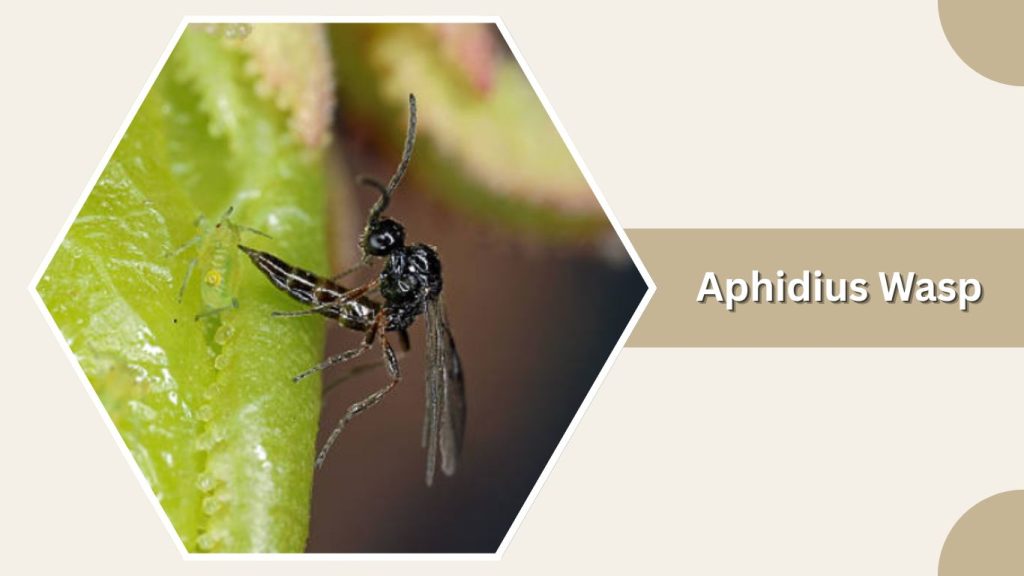
Aphidius wasps are small parasitoid wasps that specialize in parasitizing aphids, making them valuable biological control agents in gardens and agricultural fields. The female lays eggs inside an aphid, and the developing larva consumes the host from within, eventually turning it into a hardened “mummy.” These wasps help naturally regulate aphid populations and reduce the need for chemical pesticides.
Identification
- Tiny, slender body, usually brown or black
- Long, segmented antennae
- Narrow waist between thorax and abdomen
- Transparent or lightly tinted wings
- Body length 2–4 mm
Habitat and Distribution
Aphidius wasps are widespread across Europe, North America, and Asia. They are commonly found on plants infested with aphids. Larvae develop inside the aphid host, while adults are often seen on flowers or foliage feeding on nectar.
Behavior and Diet
Adults feed on nectar, pollen, and honeydew. Larvae are parasitic, feeding inside aphids until pupation. Aphidius wasps are highly host-specific, targeting particular aphid species.
Lifecycle
Females lay eggs inside aphids. Larvae develop within the host, mummify it, and pupate. Adults emerge after several days, mate, and continue the reproductive cycle, controlling aphid populations effectively.
5. Cotesia Wasp
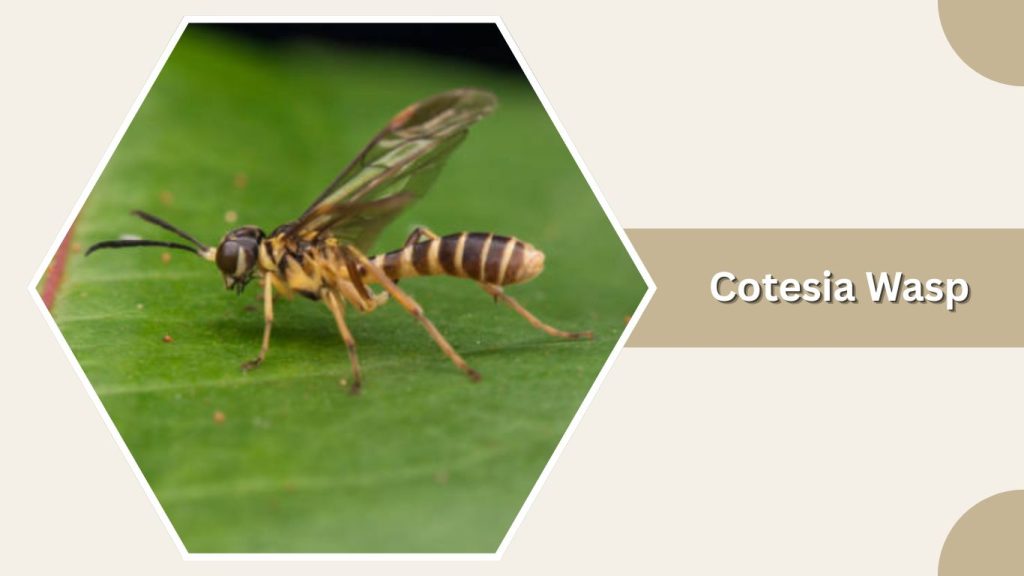
Cotesia wasps are small parasitoid wasps that target caterpillars, including many pest species in agriculture. They are widely used in biological control programs to manage pests such as the cabbage looper and other lepidopteran larvae. Female wasps inject eggs into the host, where the larvae develop internally and eventually kill the caterpillar.
Identification
- Small, slender body, usually brown or black
- Long, segmented antennae
- Narrow waist connecting thorax and abdomen
- Transparent or lightly tinted wings
- Body length 2–5 mm
Habitat and Distribution
Cotesia wasps are found worldwide, inhabiting gardens, forests, and crop fields. Adults are often seen near host populations, while larvae develop inside caterpillars, feeding on internal tissues.
Behavior and Diet
Adults feed on nectar, pollen, or honeydew. Larvae are parasitic and consume the host caterpillar from the inside. These wasps are highly specific to their host species, making them effective natural pest controllers.
Lifecycle
Females lay eggs inside caterpillar hosts. Larvae develop over several days to weeks, pupate either within or near the host, and adults emerge to mate and continue the cycle.
6. Trichogramma Wasp
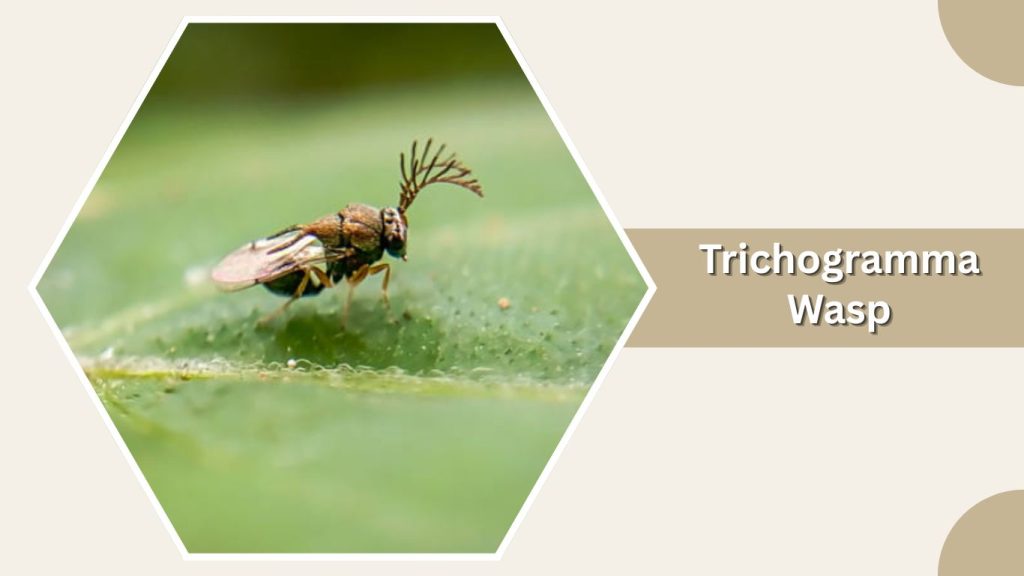
Trichogramma wasps are tiny parasitoid wasps that specialize in parasitizing the eggs of moths and butterflies. They are widely used in biological control programs because they prevent pest insects from reaching the larval stage. Female wasps lay eggs inside host eggs, where the developing larva consumes the contents, effectively halting pest development.
Identification
- Extremely small body, often less than 1 mm
- Dark brown or black coloration
- Short antennae relative to body size
- Transparent wings with minimal venation
- Body length 0.2–0.5 mm
Habitat and Distribution
Trichogramma wasps are found worldwide, inhabiting agricultural fields, gardens, and forests where host eggs are present. Adults are often seen on foliage near infested plants, while larvae develop inside insect eggs.
Behavior and Diet
Adults feed on nectar and honeydew. Larvae consume the host egg internally, preventing the emergence of pest larvae. These wasps are highly host-specific, making them effective biological control agents.
Lifecycle
Females lay eggs inside host insect eggs. Larvae develop within the host, pupate inside the same egg, and adults emerge after several days. The lifecycle is short, allowing multiple generations per growing season.
7. Diadegma Wasp
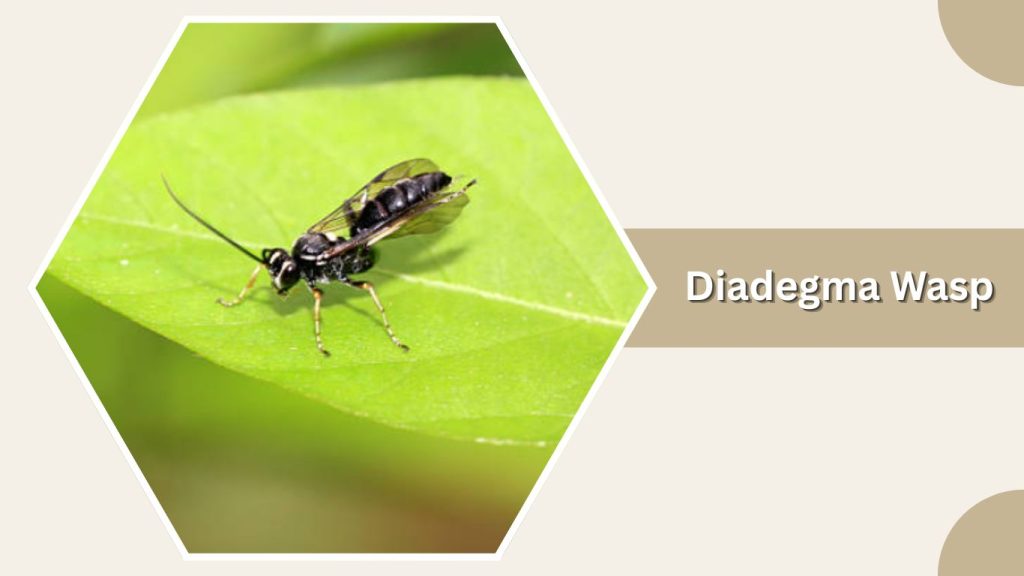
Diadegma wasps are medium-sized parasitoid wasps that primarily target caterpillars, especially those of pest moth species. They play an important role in natural pest control by reducing populations of lepidopteran larvae in gardens, forests, and agricultural fields. Female wasps lay eggs inside or on the host, and the developing larvae consume the host from within.
Identification
- Slender body, usually black or brown
- Long, segmented antennae
- Narrow waist connecting thorax and abdomen
- Transparent or lightly tinted wings with visible veins
- Body length 4–10 mm
Habitat and Distribution
Diadegma wasps are found worldwide, often in areas where caterpillar hosts are abundant. Adults are seen on flowers or near host larvae. Larvae develop inside or on host caterpillars.
Behavior and Diet
Adults feed on nectar, pollen, or honeydew. Larvae are parasitic, consuming the host caterpillar internally. Diadegma wasps are highly host-specific and are used in biological control programs to manage pest populations.
Lifecycle
Females lay eggs inside or on host caterpillars. Larvae develop over several days to weeks, pupate, and adults emerge to mate and continue the reproductive cycle.
8. Campoletis Wasp
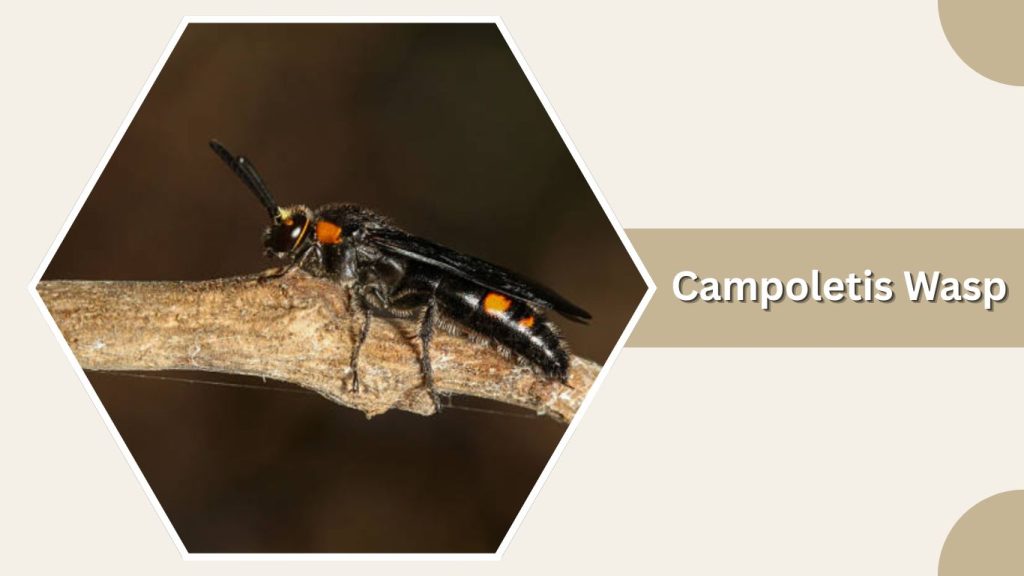
Campoletis wasps are medium-sized parasitoid wasps that primarily target caterpillars of moths and butterflies. They are important natural enemies of agricultural pests, helping reduce caterpillar populations in crops and gardens. Female wasps lay eggs inside host larvae, where the developing larvae consume the host from within, eventually killing it.
Identification
- Slender body, usually black or dark brown
- Long, segmented antennae
- Narrow waist connecting thorax and abdomen
- Transparent or lightly tinted wings
- Body length 5–12 mm
Habitat and Distribution
Campoletis wasps are found worldwide, inhabiting agricultural fields, gardens, and forests where caterpillar hosts are present. Adults are often seen flying near plants with host larvae. Larvae develop inside host caterpillars.
Behavior and Diet
Adults feed on nectar, pollen, or honeydew. Larvae are parasitic, consuming host caterpillars internally. They are highly host-specific and are widely used in biological control programs for pest management.
Lifecycle
Females lay eggs inside host caterpillars. Larvae develop over several days to weeks, pupate either inside or near the host, and adults emerge to mate and continue the cycle.
9. Spathius Wasp
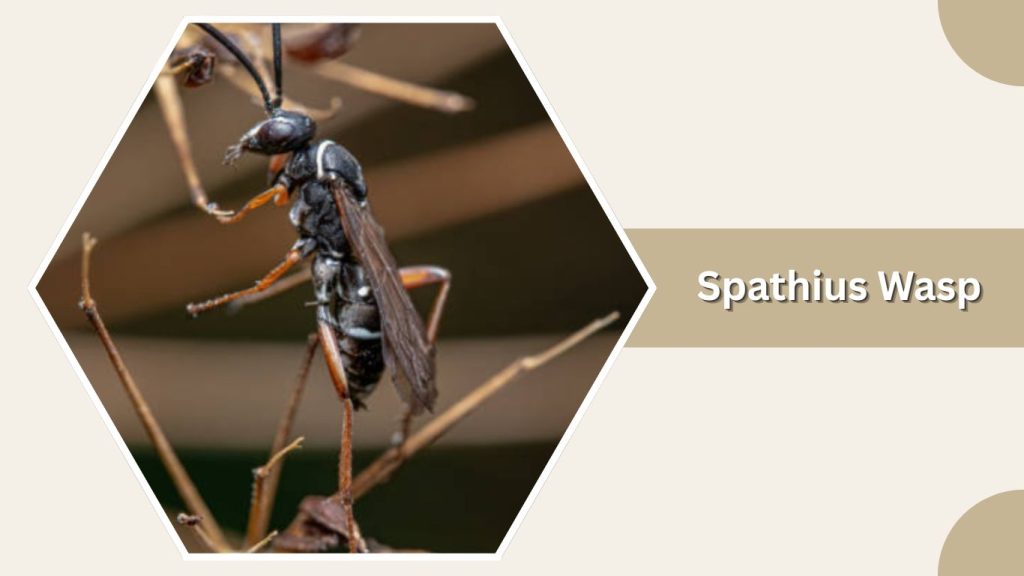
Spathius wasps are medium-sized parasitoid wasps that primarily target wood-boring beetle larvae. They are valuable in forestry and agricultural pest management because their larvae develop inside host larvae, eventually killing them. Female wasps use their ovipositor to inject eggs into host larvae hidden within wood or plant stems.
Identification
- Slender body, typically brown or black
- Long, segmented antennae
- Narrow waist between thorax and abdomen
- Transparent wings with visible veins
- Body length 5–15 mm
Habitat and Distribution
Spathius wasps are found worldwide, especially in forests, orchards, and areas with wood-boring insect populations. Adults are often seen near infested trees, while larvae develop inside host beetle larvae.
Behavior and Diet
Adults feed on nectar and honeydew. Larvae are parasitic, consuming wood-boring beetle larvae from the inside. Spathius wasps are highly host-specific, making them effective natural pest control agents.
Lifecycle
Females lay eggs inside host larvae. Larvae develop over several weeks, pupate within the host or wood, and adults emerge to mate and continue the reproductive cycle.
10. Meteorus Wasp
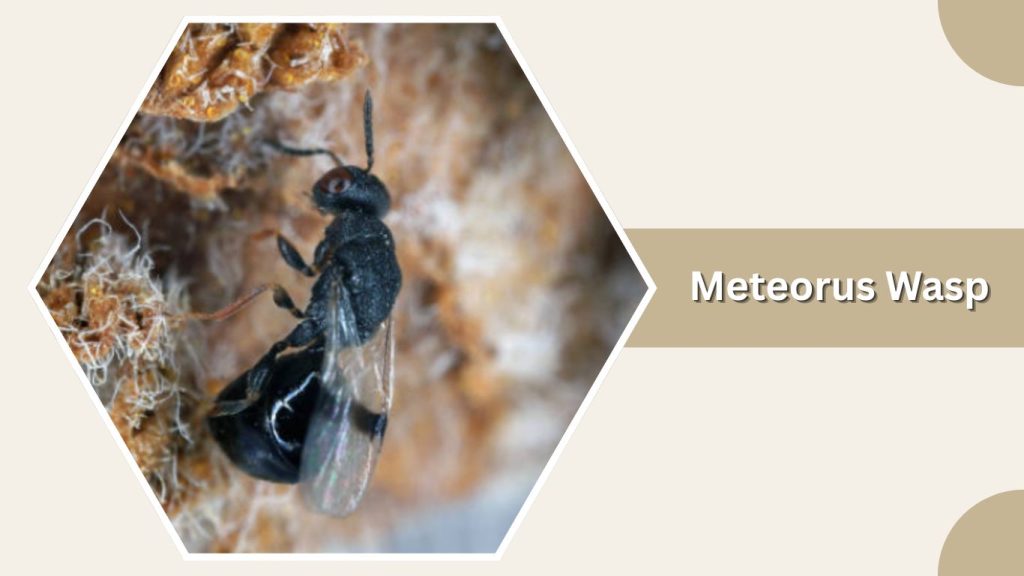
Meteorus wasps are small to medium-sized parasitoid wasps that primarily target caterpillars of moths and butterflies. They are widely used in biological control programs to manage pest lepidopteran populations in crops and gardens. Female wasps lay eggs inside host larvae, where the developing larvae consume the host from within.
Identification
- Slender body, usually black or dark brown
- Long, segmented antennae
- Narrow waist connecting thorax and abdomen
- Transparent or lightly tinted wings
- Body length 4–10 mm
Habitat and Distribution
Meteorus wasps are found worldwide, often in agricultural fields, gardens, and forests where caterpillar hosts are abundant. Adults are seen on flowers or near host larvae. Larvae develop inside caterpillars.
Behavior and Diet
Adults feed on nectar, pollen, or honeydew. Larvae are parasitic, feeding internally on host caterpillars. These wasps are highly host-specific, making them effective natural pest controllers.
Lifecycle
Females lay eggs inside host caterpillars. Larvae develop over several days to weeks, pupate either inside or near the host, and adults emerge to mate and continue the reproductive cycle.
11. Venturia Wasp
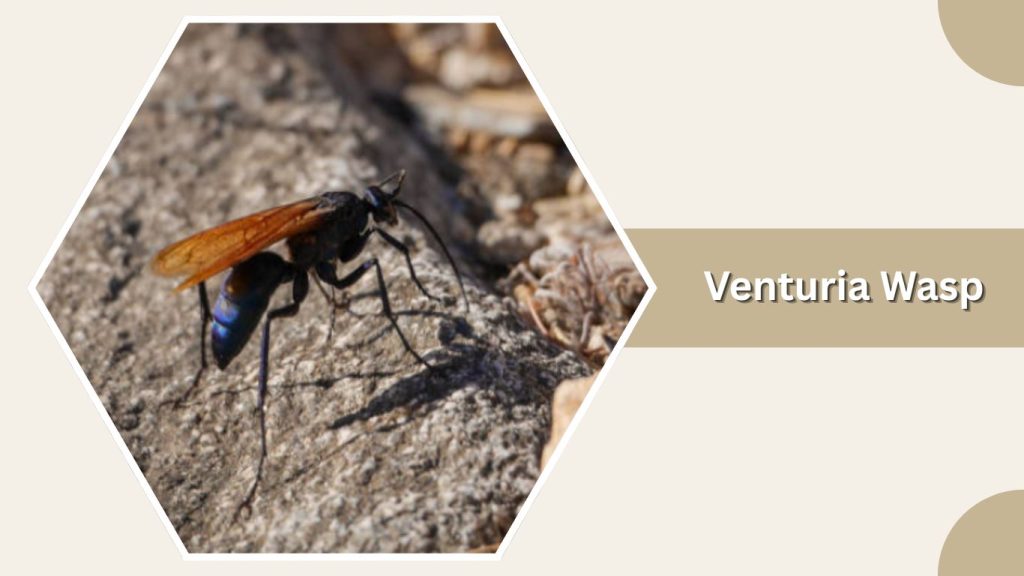
Venturia wasps are medium-sized parasitoid wasps that primarily target caterpillars, particularly those of pest moth species. They are important biological control agents in agriculture, helping manage populations of lepidopteran larvae. Female wasps lay eggs inside host larvae, and the developing wasp larvae consume the host from within, eventually killing it.
Identification
- Slender body, usually black or dark brown
- Long, segmented antennae
- Narrow waist connecting thorax and abdomen
- Transparent or lightly tinted wings
- Body length 5–12 mm
Habitat and Distribution
Venturia wasps are found worldwide in gardens, crop fields, and forests where caterpillar hosts are present. Adults are often seen near infested plants, while larvae develop inside host caterpillars.
Behavior and Diet
Adults feed on nectar, pollen, or honeydew. Larvae are parasitic, feeding internally on host caterpillars. Venturia wasps are highly host-specific, making them valuable for natural pest control.
Lifecycle
Females lay eggs inside host caterpillars. Larvae develop over several days to weeks, pupate within or near the host, and adults emerge to mate and continue the reproductive cycle.
12. Enicospilus Wasp
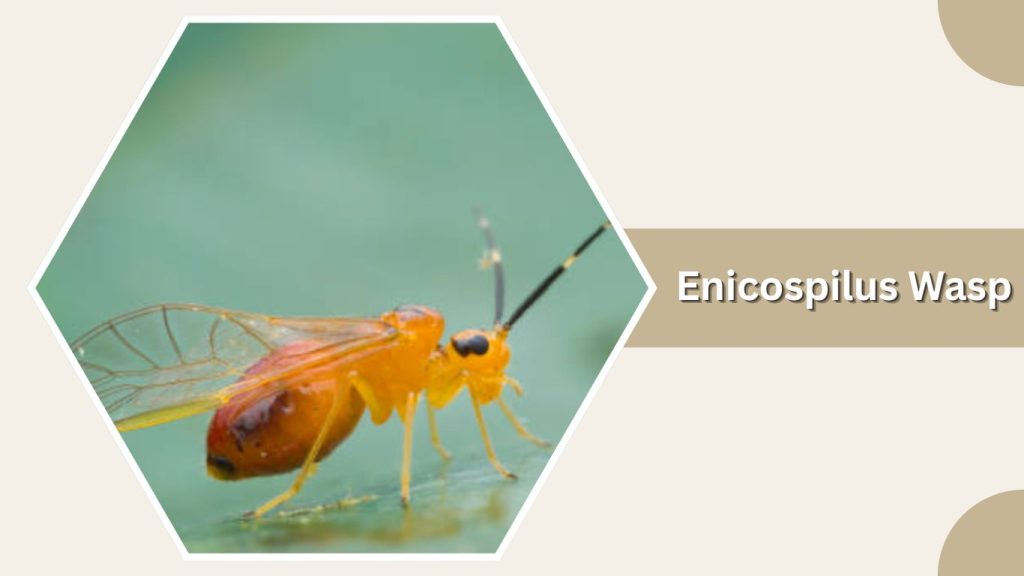
Enicospilus wasps are large, slender parasitoid wasps that primarily target moth and butterfly caterpillars. They are important natural pest controllers in forests and agricultural areas. Females use their long ovipositors to lay eggs inside host larvae, where the developing wasp larvae consume the host from within, eventually killing it.
Identification
- Medium to large body, usually black or dark brown
- Long, segmented antennae
- Distinct narrow waist connecting thorax and abdomen
- Transparent or lightly tinted wings
- Body length 10–25 mm
Habitat and Distribution
Enicospilus wasps are found worldwide, particularly in forests, orchards, and crop fields. Adults are often observed near host populations, while larvae develop inside caterpillar hosts.
Behavior and Diet
Adults feed on nectar, pollen, or honeydew. Larvae are parasitic, feeding internally on host caterpillars. They are highly host-specific and play a critical role in controlling pest populations.
Lifecycle
Females lay eggs inside host caterpillars. Larvae develop over several days to weeks, pupate within or near the host, and adults emerge to mate and continue the reproductive cycle.
13. Eurytoma Wasp
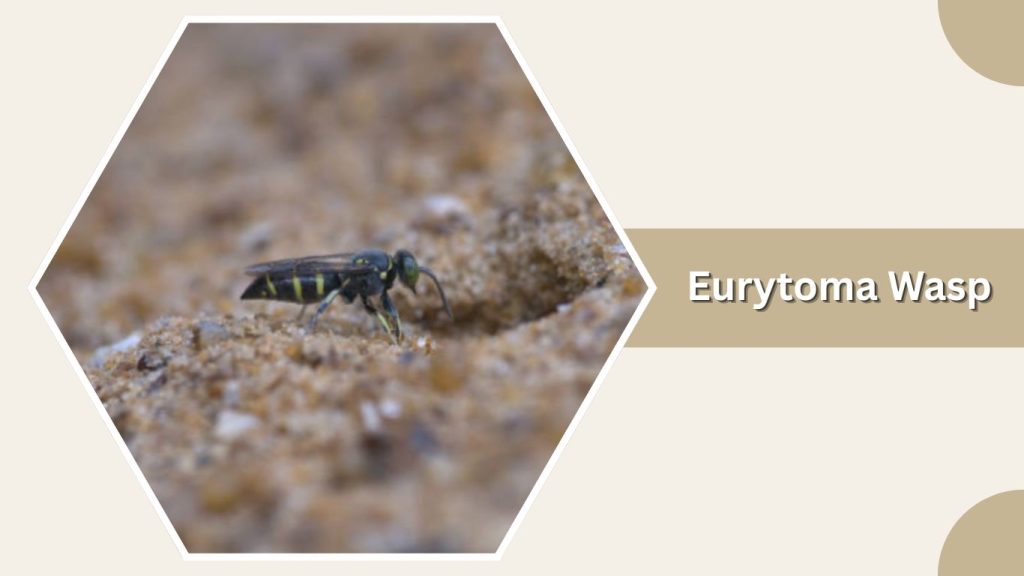
Eurytoma wasps are small to medium-sized parasitoid wasps that primarily target the larvae or pupae of beetles, gall-forming insects, and other pest species. They are important in natural and agricultural ecosystems for controlling pest populations. Female wasps lay eggs directly into or on the host, where the developing larvae consume the host from within.
Identification
- Small to medium body, usually black or brown
- Long, segmented antennae
- Narrow waist connecting thorax and abdomen
- Transparent or lightly tinted wings
- Body length 3–10 mm
Habitat and Distribution
Eurytoma wasps are found worldwide in forests, orchards, gardens, and fields where host insects are present. Adults are often seen near infested plants, while larvae develop inside host larvae or pupae.
Behavior and Diet
Adults feed on nectar, pollen, or honeydew. Larvae are parasitic, consuming host insects internally. Eurytoma wasps are highly host-specific, making them effective natural pest control agents.
Lifecycle
Females lay eggs in or on host insects. Larvae develop over several days to weeks, pupate within the host or nearby, and adults emerge to mate and continue the reproductive cycle.
14. Anastatus Wasp
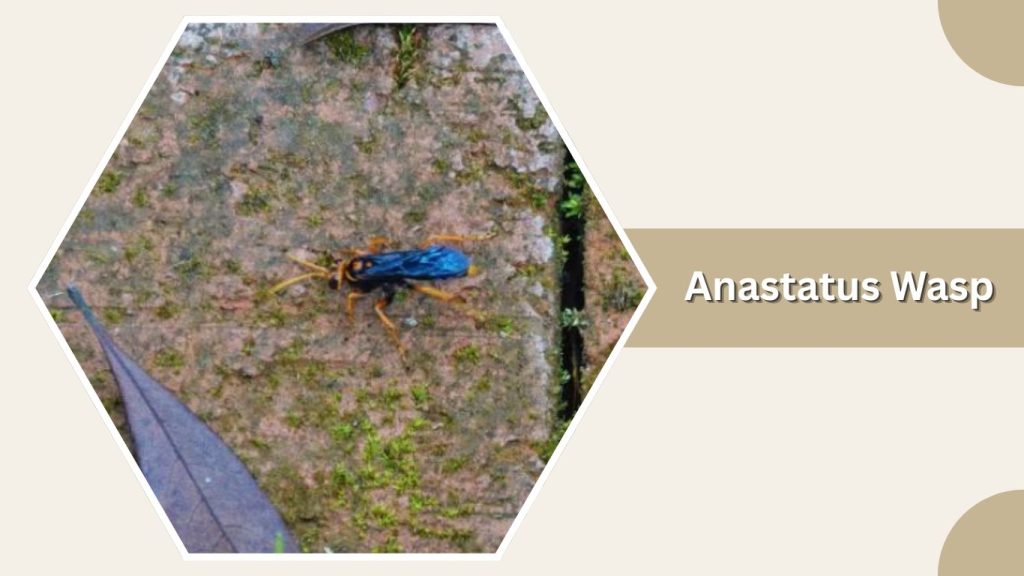
Anastatus wasps are small to medium-sized parasitoid wasps that primarily target the eggs of pest insects such as moths and stink bugs. They are widely used in biological control programs to prevent pest populations from reaching damaging larval stages. Female wasps lay eggs inside host eggs, where the larvae develop and consume the contents, effectively killing the host.
Identification
- Small, slender body, usually black or brown
- Long, segmented antennae
- Narrow waist connecting thorax and abdomen
- Transparent or lightly tinted wings
- Body length 3–6 mm
Habitat and Distribution
Anastatus wasps are found worldwide in agricultural fields, gardens, and forests where host insect eggs are abundant. Adults are often seen on leaves near infested plants.
Behavior and Diet
Adults feed on nectar, pollen, or honeydew. Larvae are parasitic, consuming host eggs from within. Anastatus wasps are highly host-specific and are valuable agents for natural pest control.
Lifecycle
Females lay eggs inside host eggs. Larvae develop within the egg, pupate, and adults emerge to mate and continue the reproductive cycle. Multiple generations can occur during a growing season.
15. Apanteles Wasp
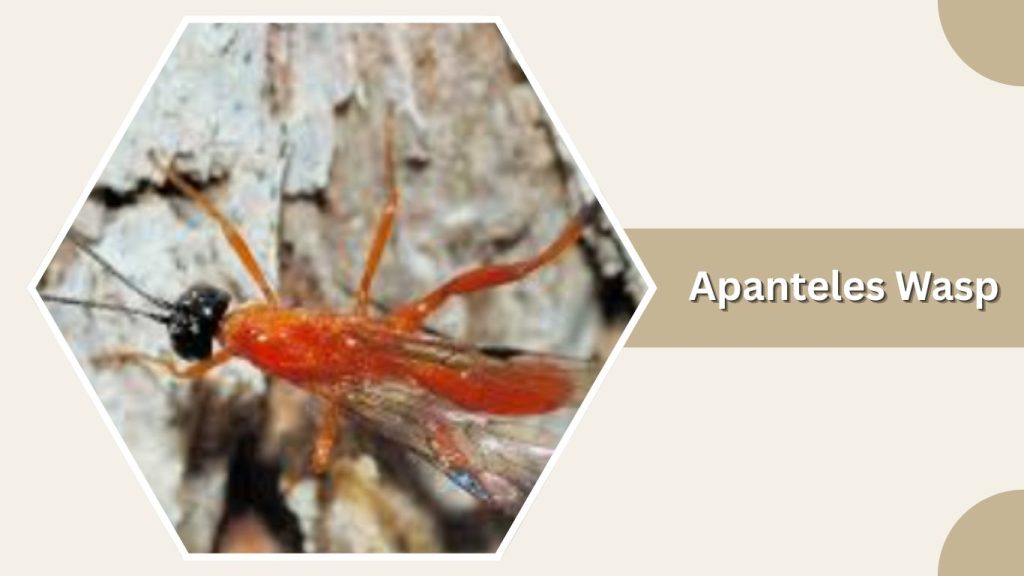
Apanteles wasps are small parasitoid wasps that primarily target caterpillars of moths and butterflies. They are important biological control agents in gardens and agricultural fields because their larvae develop inside the host, eventually killing it. Female wasps inject eggs into host larvae, where the developing wasp consumes the host from within.
Identification
- Small, slender body, usually brown or black
- Long, segmented antennae
- Narrow waist connecting thorax and abdomen
- Transparent or lightly tinted wings
- Body length 2–5 mm
Habitat and Distribution
Apanteles wasps are found worldwide, especially in areas with abundant caterpillar populations, including forests, gardens, and crop fields. Adults are often seen on flowers or near host larvae.
Behavior and Diet
Adults feed on nectar, pollen, or honeydew. Larvae are parasitic, feeding internally on host caterpillars. They are highly host-specific and play a key role in natural pest control.
Lifecycle
Females lay eggs inside host caterpillars. Larvae develop over several days to weeks, pupate either within or near the host, and adults emerge to mate and continue the reproductive cycle.
16. Glypta Wasp
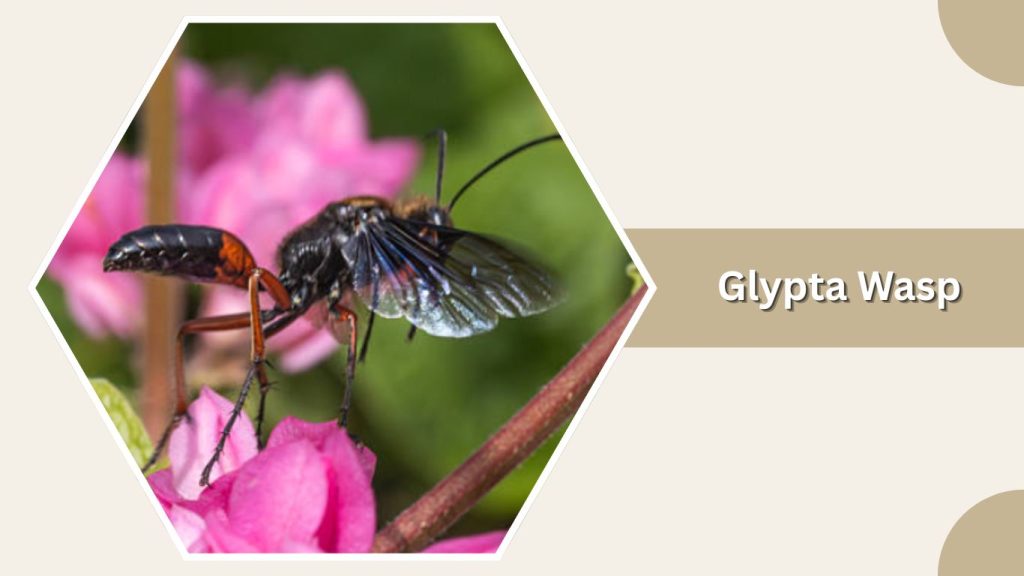
Glypta wasps are medium-sized parasitoid wasps that primarily target caterpillars of various moth species. They play an important role in controlling lepidopteran pests in forests and agricultural areas. Female wasps lay eggs inside host larvae, where the developing wasp consumes the host from within, eventually killing it.
Identification
- Slender body, usually black or dark brown
- Long, segmented antennae
- Narrow waist connecting thorax and abdomen
- Transparent or lightly tinted wings
- Body length 5–15 mm
Habitat and Distribution
Glypta wasps are found worldwide, inhabiting forests, gardens, and crop fields where host caterpillars are present. Adults are often seen flying near host populations, while larvae develop inside host larvae.
Behavior and Diet
Adults feed on nectar, pollen, or honeydew. Larvae are parasitic, feeding internally on host caterpillars. Glypta wasps are highly host-specific and are effective biological control agents.
Lifecycle
Females lay eggs inside host caterpillars. Larvae develop over several days to weeks, pupate either within or near the host, and adults emerge to mate and continue the reproductive cycle.
17. Microplitis Wasp
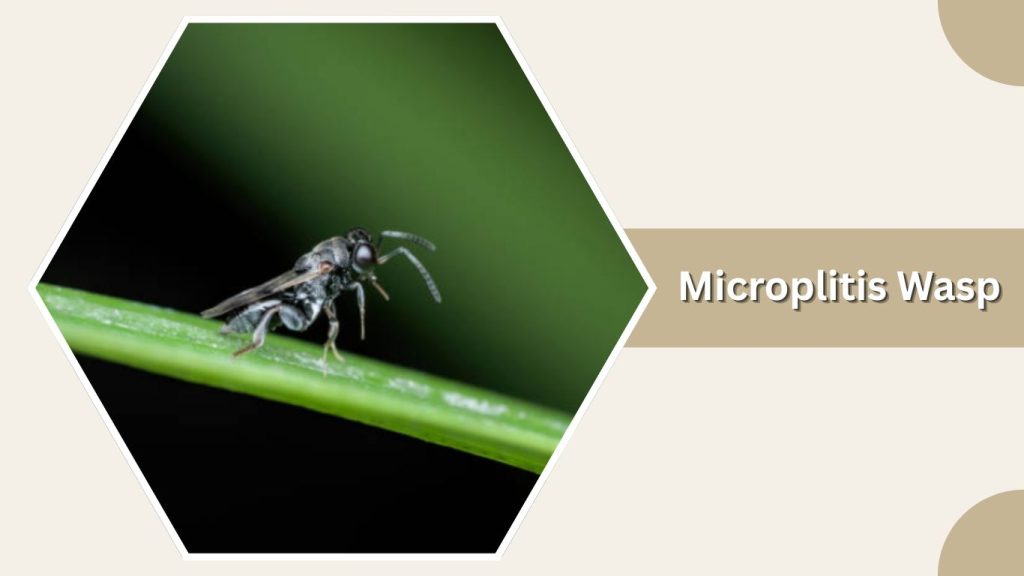
Microplitis wasps are small to medium-sized parasitoid wasps that primarily target caterpillars of moths and butterflies, including agricultural pests. They are important natural enemies of pest lepidopteran larvae, helping reduce crop damage. Female wasps lay eggs inside host larvae, where the developing wasp consumes the host from within.
Identification
- Small, slender body, usually brown or black
- Long, segmented antennae
- Narrow waist connecting thorax and abdomen
- Transparent or lightly tinted wings
- Body length 2–6 mm
Habitat and Distribution
Microplitis wasps are found worldwide, particularly in gardens, forests, and crop fields with abundant caterpillar populations. Adults are often seen on flowers or near host larvae, while larvae develop inside the host.
Behavior and Diet
Adults feed on nectar, pollen, or honeydew. Larvae are parasitic, consuming host caterpillars internally. They are highly host-specific and serve as effective biological control agents.
Lifecycle
Females lay eggs inside host caterpillars. Larvae develop over several days to weeks, pupate either within or near the host, and adults emerge to mate and continue the reproductive cycle.
18. Telenomus Wasp
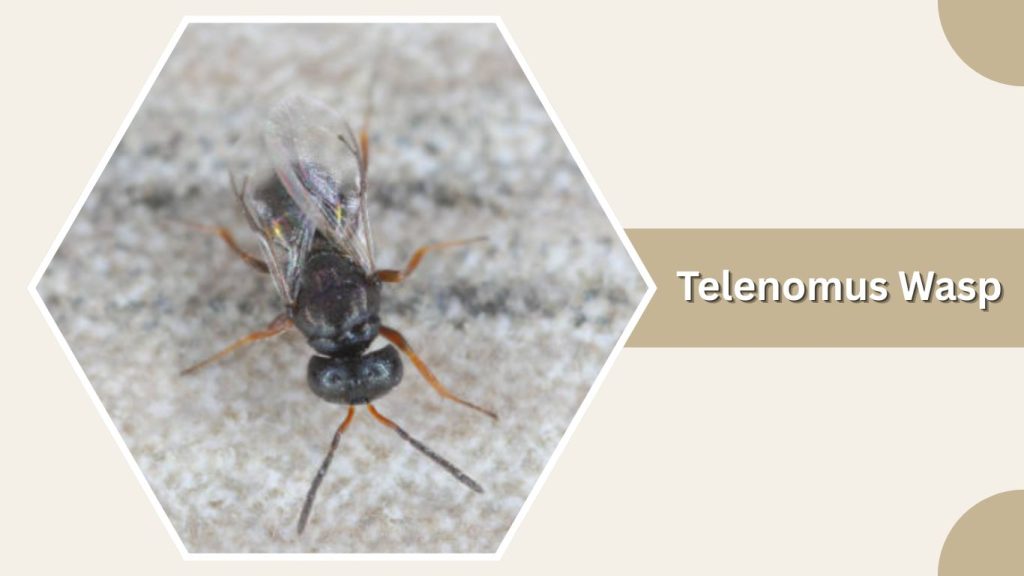
Telenomus wasps are tiny parasitoid wasps that primarily target the eggs of pest insects such as moths, butterflies, and true bugs. They are highly valued in biological control programs because their larvae prevent pest eggs from hatching. Female wasps insert eggs directly into host eggs, where the developing larva consumes the contents.
Identification
- Very small, slender body, usually dark brown or black
- Short to moderately long antennae
- Narrow waist connecting thorax and abdomen
- Transparent wings with minimal venation
- Body length 0.5–2 mm
Habitat and Distribution
Telenomus wasps are found worldwide, inhabiting agricultural fields, gardens, and forests with abundant host insect eggs. Adults are often seen on leaves near infested plants.
Behavior and Diet
Adults feed on nectar and honeydew. Larvae are parasitic, consuming host eggs internally. Telenomus wasps are highly host-specific, making them effective agents for natural pest control.
Lifecycle
Females lay eggs inside host eggs. Larvae develop within the egg, pupate, and adults emerge to mate and continue the reproductive cycle. Multiple generations can occur per growing season.
19. Opius Wasp
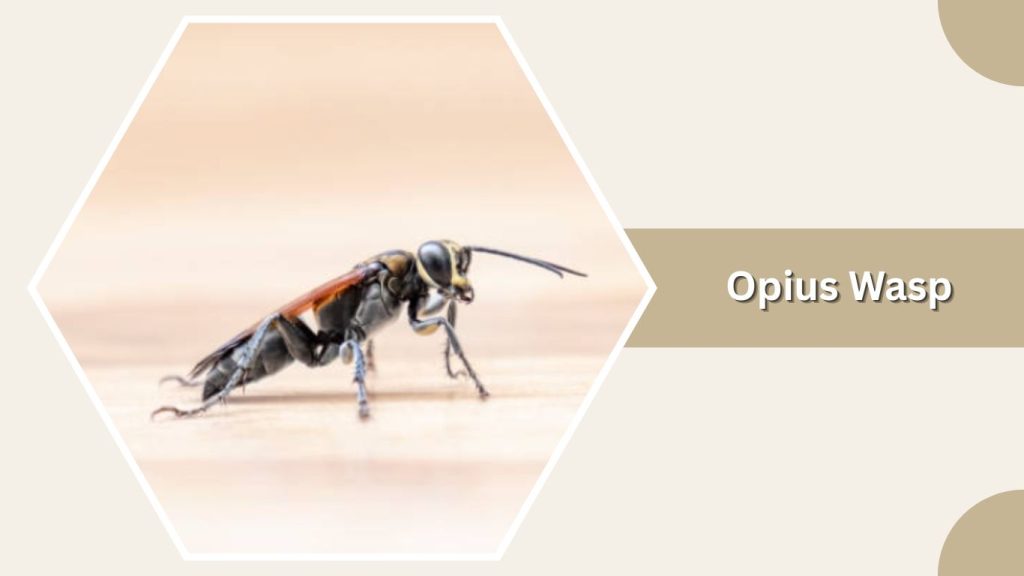
Opius wasps are small to medium-sized parasitoid wasps that primarily target the larvae of fruit flies and other Diptera species. They are widely used in biological control programs to manage pest fly populations in orchards and agricultural fields. Female wasps lay eggs inside host larvae, where the developing wasp consumes the host from within.
Identification
- Small, slender body, usually black or dark brown
- Long, segmented antennae
- Narrow waist connecting thorax and abdomen
- Transparent or lightly tinted wings
- Body length 2–6 mm
Habitat and Distribution
Opius wasps are found worldwide, especially in orchards, gardens, and agricultural fields with high pest fly populations. Adults are often seen near host larvae, while larvae develop inside their host.
Behavior and Diet
Adults feed on nectar, pollen, or honeydew. Larvae are parasitic, consuming host fly larvae internally. Opius wasps are highly host-specific and serve as effective natural pest controllers.
Lifecycle
Females lay eggs inside host larvae. Larvae develop over several days to weeks, pupate either within or near the host, and adults emerge to mate and continue the reproductive cycle.
20. Chelonus Wasp
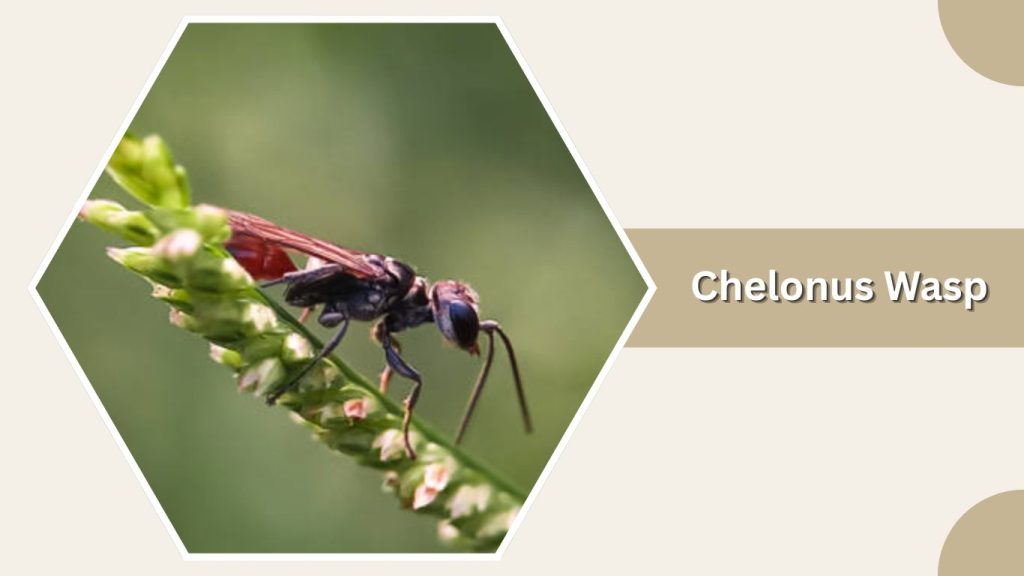
Chelonus wasps are small to medium-sized parasitoid wasps that primarily target caterpillars of moths and butterflies. They are important biological control agents in agriculture, helping reduce populations of pest lepidopteran larvae. Female wasps lay eggs inside host larvae, where the developing larva consumes the host from within.
Identification
- Small, slender body, usually black or brown
- Long, segmented antennae
- Narrow waist connecting thorax and abdomen
- Transparent or lightly tinted wings
- Body length 2–6 mm
Habitat and Distribution
Chelonus wasps are found worldwide, inhabiting gardens, forests, and crop fields where caterpillar hosts are abundant. Adults are often seen on flowers or near host larvae, while larvae develop inside host caterpillars.
Behavior and Diet
Adults feed on nectar, pollen, or honeydew. Larvae are parasitic, feeding internally on host caterpillars. Chelonus wasps are highly host-specific and are used extensively in integrated pest management programs.
Lifecycle
Females lay eggs inside host caterpillars. Larvae develop over several days to weeks, pupate either within or near the host, and adults emerge to mate and continue the reproductive cycle.
21. Mastrus Wasp
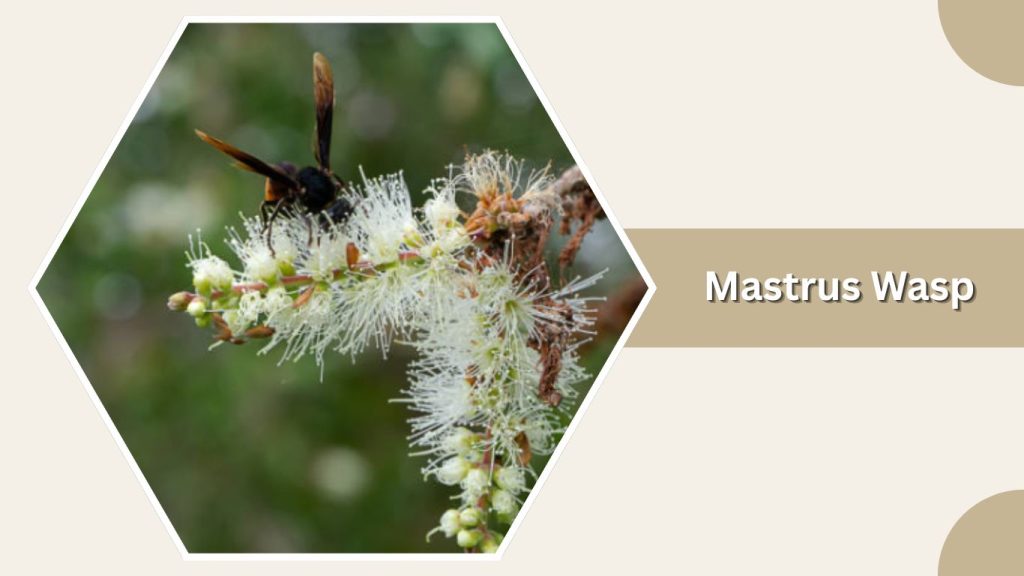
Mastrus wasps are medium-sized parasitoid wasps that primarily target the larvae or pupae of beetles and moths. They are valuable in forestry and agricultural pest management, as their larvae develop inside host insects, ultimately killing them. Female wasps use their ovipositor to lay eggs inside or on the host.
Identification
- Medium body, usually black or dark brown
- Long, segmented antennae
- Narrow waist connecting thorax and abdomen
- Transparent or lightly tinted wings
- Body length 5–15 mm
Habitat and Distribution
Mastrus wasps are found worldwide, inhabiting forests, orchards, and agricultural fields with high populations of host insects. Adults are often seen near host populations, while larvae develop inside host larvae or pupae.
Behavior and Diet
Adults feed on nectar, pollen, or honeydew. Larvae are parasitic, consuming host insects internally. Mastrus wasps are highly host-specific and are effective natural pest control agents.
Lifecycle
Females lay eggs inside or on host insects. Larvae develop over several days to weeks, pupate within or near the host, and adults emerge to mate and continue the reproductive cycle.
22. Aleiodes Wasp
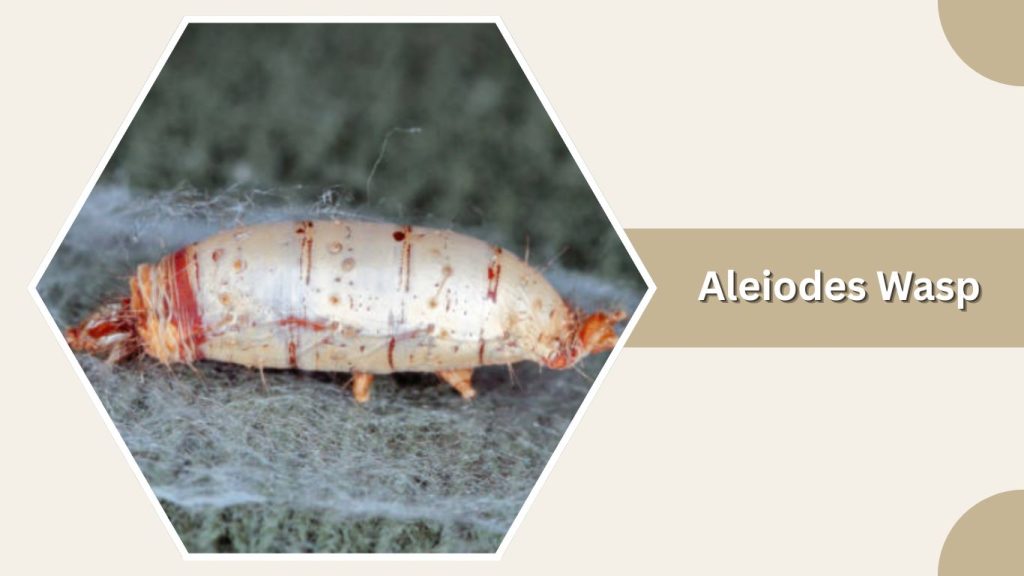
Aleiodes wasps are small to medium-sized parasitoid wasps that primarily target caterpillars, especially those of moths. They are valuable biological control agents because their larvae develop inside host caterpillars, eventually killing them. Female wasps inject eggs into host larvae, where the developing wasp consumes the host from within.
Identification
- Slender body, usually black or dark brown
- Long, segmented antennae
- Narrow waist connecting thorax and abdomen
- Transparent or lightly tinted wings
- Body length 3–8 mm
Habitat and Distribution
Aleiodes wasps are found worldwide in forests, gardens, and agricultural fields where caterpillar hosts are abundant. Adults are often seen flying near host larvae or feeding on nectar.
Behavior and Diet
Adults feed on nectar, pollen, or honeydew. Larvae are parasitic, consuming host caterpillars internally. Aleiodes wasps are highly host-specific and are effective natural pest control agents.
Lifecycle
Females lay eggs inside host caterpillars. Larvae develop over several days to weeks, pupate either inside or near the host, and adults emerge to mate and continue the reproductive cycle.
23. Trichopria Wasp
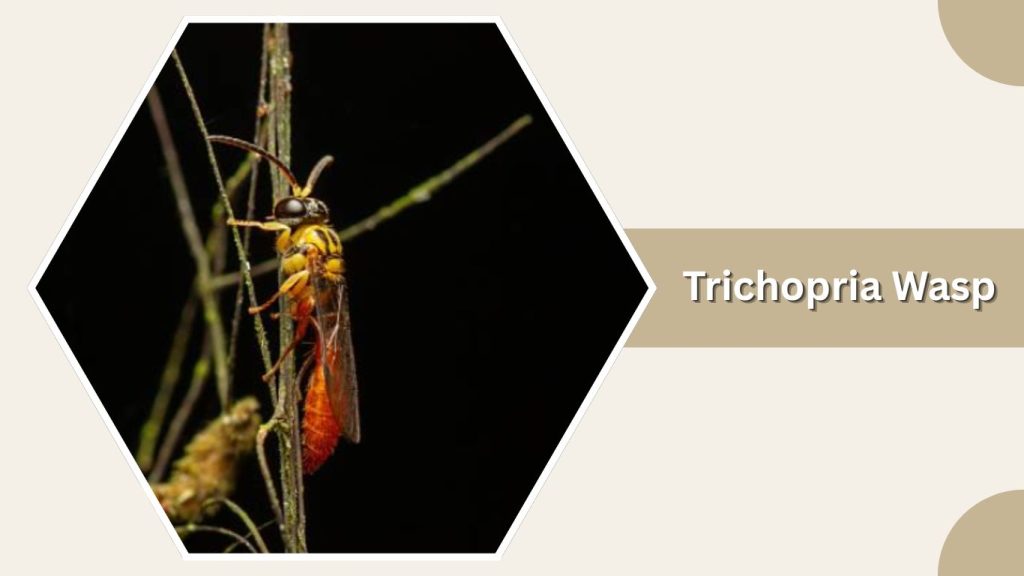
Trichopria wasps are small parasitoid wasps that primarily target the pupae of flies and other small insects. They are important biological control agents because their larvae develop inside host pupae, eventually killing them. Female wasps lay eggs on or inside the host pupa, where the developing larva consumes the host.
Identification
- Small, slender body, usually black or dark brown
- Long, segmented antennae
- Narrow waist connecting thorax and abdomen
- Transparent or lightly tinted wings
- Body length 1–4 mm
Habitat and Distribution
Trichopria wasps are found worldwide, inhabiting forests, gardens, and agricultural fields where host pupae are present. Adults are often seen near host pupae or on flowers.
Behavior and Diet
Adults feed on nectar, pollen, or honeydew. Larvae are parasitic, consuming host pupae internally. Trichopria wasps are highly host-specific and play a key role in natural pest control.
Lifecycle
Females lay eggs on or inside host pupae. Larvae develop over several days to weeks, pupate within the host, and adults emerge to mate and continue the reproductive cycle.
24. Habrobracon Wasp
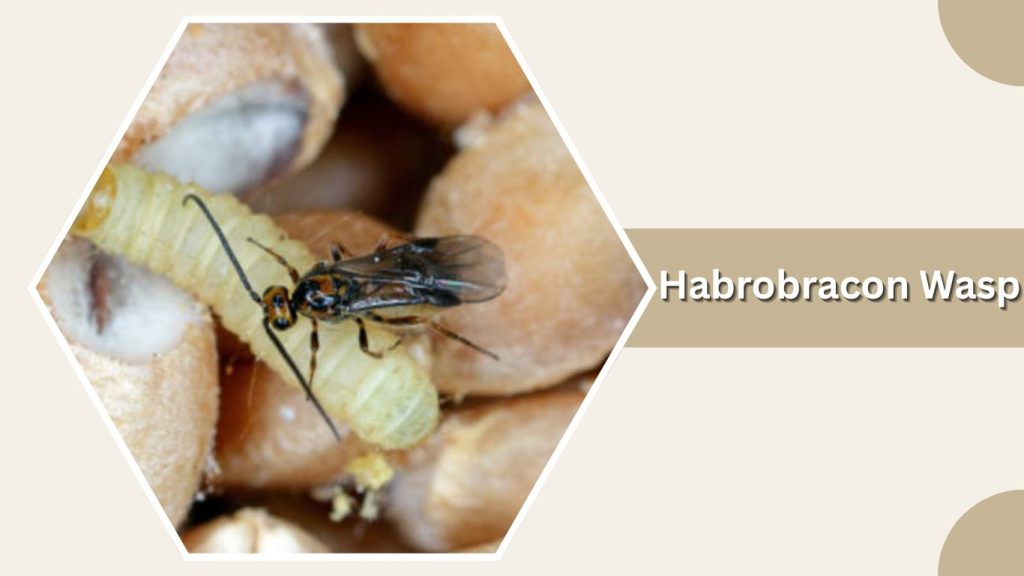
Habrobracon wasps are small to medium-sized parasitoid wasps that primarily target caterpillars and larvae of pest insects. They are important biological control agents in gardens and agricultural fields, as their larvae develop inside host insects and eventually kill them. Female wasps lay eggs inside or on the host, where the developing larva consumes the host from within.
Identification
- Small, slender body, usually black or brown
- Long, segmented antennae
- Narrow waist connecting thorax and abdomen
- Transparent or lightly tinted wings
- Body length 3–8 mm
Habitat and Distribution
Habrobracon wasps are found worldwide, inhabiting forests, gardens, and crop fields where host larvae are abundant. Adults are often seen near host populations or feeding on nectar.
Behavior and Diet
Adults feed on nectar, pollen, or honeydew. Larvae are parasitic, feeding internally on host larvae. Habrobracon wasps are highly host-specific and serve as effective natural pest control agents.
Lifecycle
Females lay eggs inside or on host larvae. Larvae develop over several days to weeks, pupate within or near the host, and adults emerge to mate and continue the reproductive cycle.
25. Diachasmimorpha Wasp
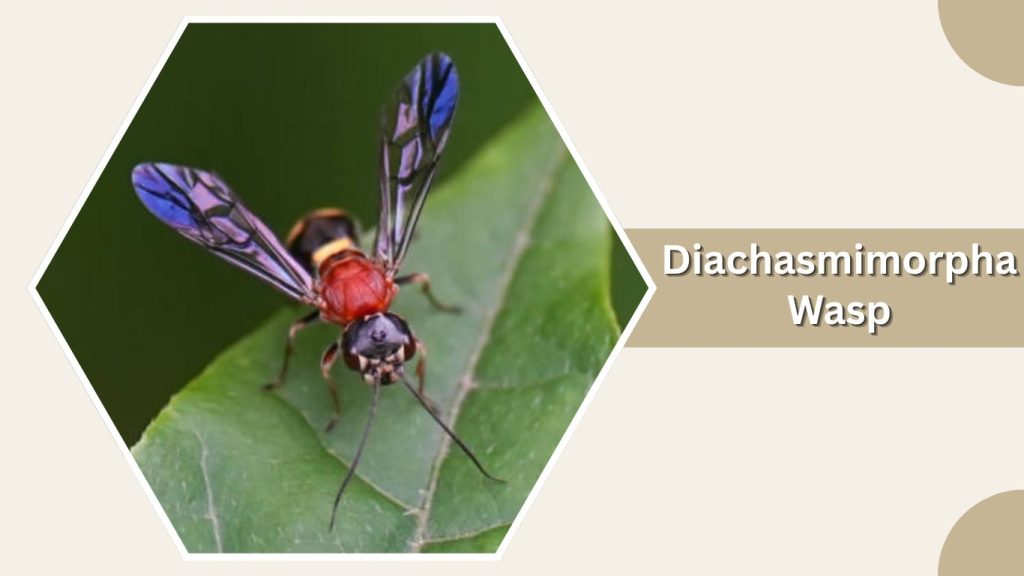
Diachasmimorpha wasps are small to medium-sized parasitoid wasps that primarily target the larvae of fruit flies, including pest species in orchards. They are widely used in biological control programs to manage fruit fly populations naturally. Female wasps lay eggs inside host larvae, where the developing larva consumes the host from within.
Identification
- Slender body, usually black or dark brown
- Long, segmented antennae
- Narrow waist connecting thorax and abdomen
- Transparent or lightly tinted wings
- Body length 3–10 mm
Habitat and Distribution
Diachasmimorpha wasps are found worldwide, especially in orchards, gardens, and agricultural fields with high fruit fly populations. Adults are often seen near infested fruits, while larvae develop inside host larvae.
Behavior and Diet
Adults feed on nectar, pollen, or honeydew. Larvae are parasitic, consuming host larvae internally. Diachasmimorpha wasps are highly host-specific and serve as effective natural pest control agents.
Lifecycle
Females lay eggs inside host larvae. Larvae develop over several days to weeks, pupate either within or near the host, and adults emerge to mate and continue the reproductive cycle.
FAQs
Are parasitoid wasps dangerous to humans?
No, parasitoid wasps are generally harmless to humans. They do not sting or bite unless provoked, and their main ecological role is controlling pest insect populations.
What do parasitoid wasp larvae eat?
Larvae feed on or inside host insects, including caterpillars, beetle larvae, aphids, or fly pupae, depending on the species. They consume the host from within, eventually killing it.
Where are parasitoid wasps commonly found?
Parasitoid wasps are found worldwide in forests, gardens, orchards, crop fields, and grasslands. They inhabit areas where their host insects are abundant.
How long do parasitoid wasps live?
Adult parasitoid wasps typically live from a few days to a few weeks, depending on the species and environmental conditions. Larval development inside the host may take several days to weeks.
Can parasitoid wasps be used for pest control?
Yes, many parasitoid wasps are widely used in biological control programs. They naturally regulate pest populations, reducing the need for chemical pesticides in agriculture and gardens.