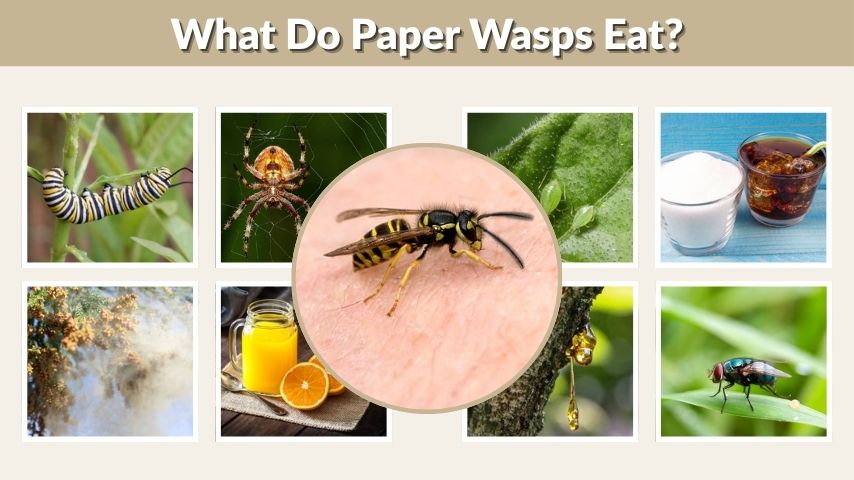
Paper wasps are fascinating insects known for their hunting skills and attraction to sweet foods. These social wasps feed on a mix of sugary liquids and protein-rich prey that help both adult wasps and developing larvae survive. From caterpillars and flies to nectar and fruit juice, paper wasps use many food sources throughout the year. Their feeding habits also make them useful natural pest controllers in gardens and farms. Understanding what paper wasps eat can help explain why they gather around flowers, fruits, outdoor drinks, and backyard plants during warm seasons.
1. Caterpillars
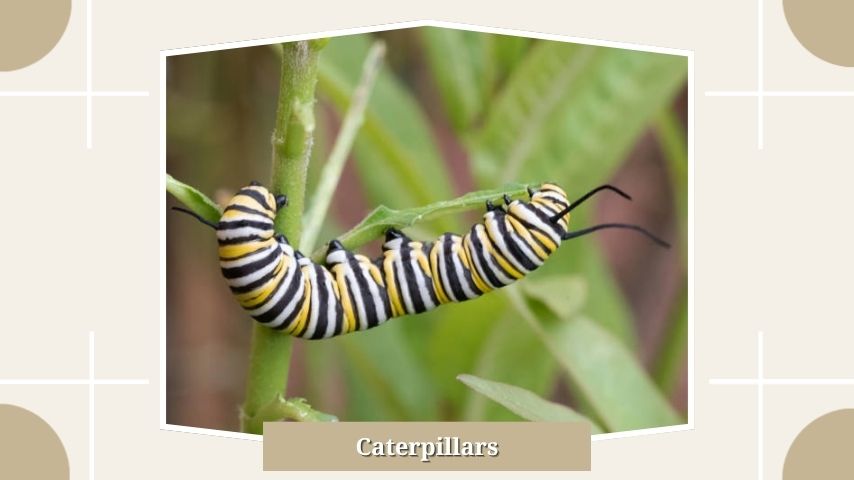
Paper wasps commonly hunt caterpillars because they are soft-bodied, easy to carry, and full of protein. Adult wasps often capture caterpillars and feed them to developing larvae inside the nest. This feeding behavior also helps control many garden pests naturally.
Identification
- Soft-bodied insect
- Usually green or brown
- Slow-moving behavior
- Found on leaves and plants
- Different sizes depending on species
Why Paper Wasps Eat Caterpillars
Caterpillars provide a rich source of protein that helps young paper wasp larvae grow quickly. Adult wasps chew the caterpillar into smaller pieces before feeding it to the developing brood inside the nest.
Where Paper Wasps Find Caterpillars
Paper wasps usually search for caterpillars in gardens, forests, farms, and backyard plants. They often inspect leaves carefully because many caterpillars hide underneath foliage during the day.
How This Helps the Environment
By eating caterpillars, paper wasps help reduce the number of plant-eating pests in gardens and crops. This natural pest control benefits farmers and gardeners by lowering damage to vegetables, flowers, and trees.
2. Nectar
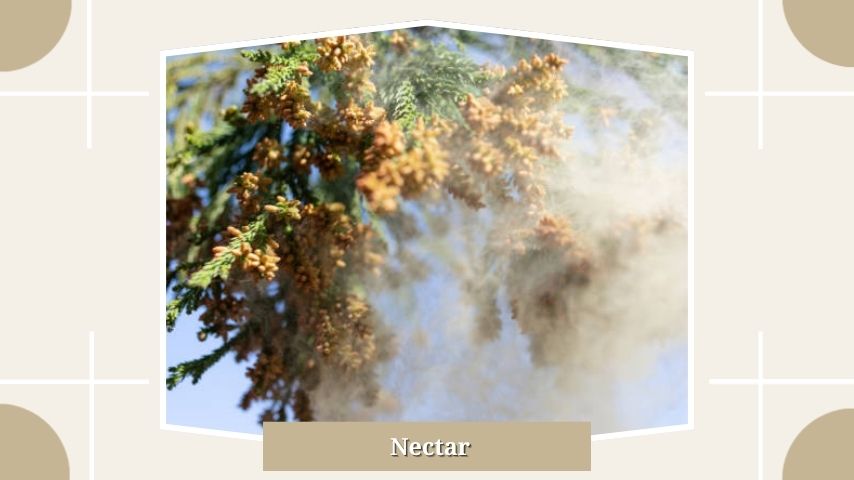
Nectar is one of the main energy sources for adult paper wasps. These insects visit flowers to drink sweet liquid produced by plants. The sugar in nectar gives wasps quick energy for flying, hunting, and building nests during warm seasons.
Identification
- Sweet liquid inside flowers
- Clear or slightly yellow color
- Rich in natural sugars
- Found in blooming plants
- Attracts many pollinating insects
Why Paper Wasps Drink Nectar
Adult paper wasps need sugar for energy, especially during long flights and nest-building activities. Nectar helps fuel their active lifestyle and supports daily survival in hot weather conditions.
Where Paper Wasps Find Nectar
Paper wasps commonly collect nectar from garden flowers, wild plants, fruit blossoms, and flowering shrubs. Bright colorful flowers with strong scents are especially attractive to them during spring and summer.
How Nectar Benefits Paper Wasps
Nectar provides fast energy that allows paper wasps to stay active throughout the day. While feeding, wasps may also transfer pollen between flowers, helping some plants reproduce naturally.
3. Fruit Juice
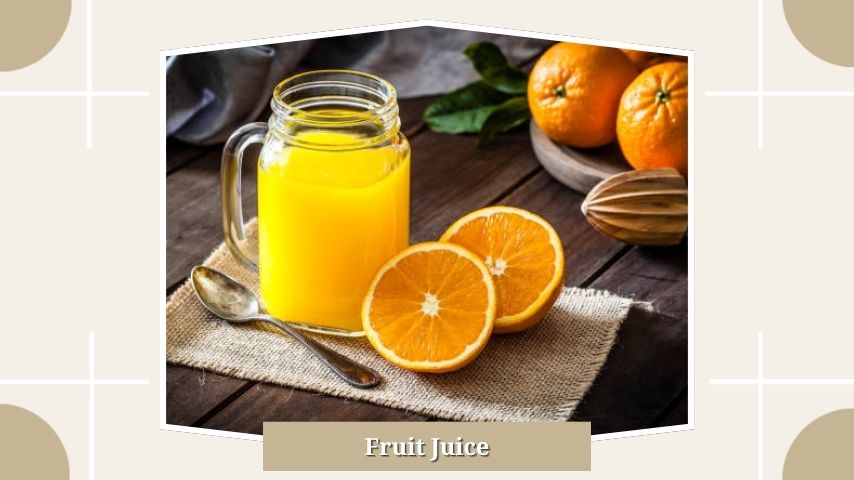
Paper wasps are strongly attracted to sweet fruit juice, especially from ripe or damaged fruits. The sugary liquid provides quick energy for adult wasps during warm weather. They often gather around fallen fruits in gardens, orchards, and outdoor eating areas where juice is easily available.
Identification
- Sweet liquid from ripe fruits
- Sticky texture
- Strong fruity smell
- Found in damaged or overripe fruits
- Common during summer and fall
Why Paper Wasps Drink Fruit Juice
Fruit juice contains natural sugars that give paper wasps energy for flying and nest activities. Adult wasps prefer sugary foods because they help maintain energy levels throughout the day.
Where Paper Wasps Find Fruit Juice
Paper wasps often feed on apples, grapes, peaches, pears, and berries that have split open or fallen to the ground. They are also attracted to fruit scraps left near garbage bins or picnic areas.
How Fruit Juice Affects Wasp Behavior
When large amounts of ripe fruit are available, paper wasps may gather in groups around the food source. This behavior becomes more noticeable in late summer when colonies are larger and natural food sources begin to decrease.
4. Flies
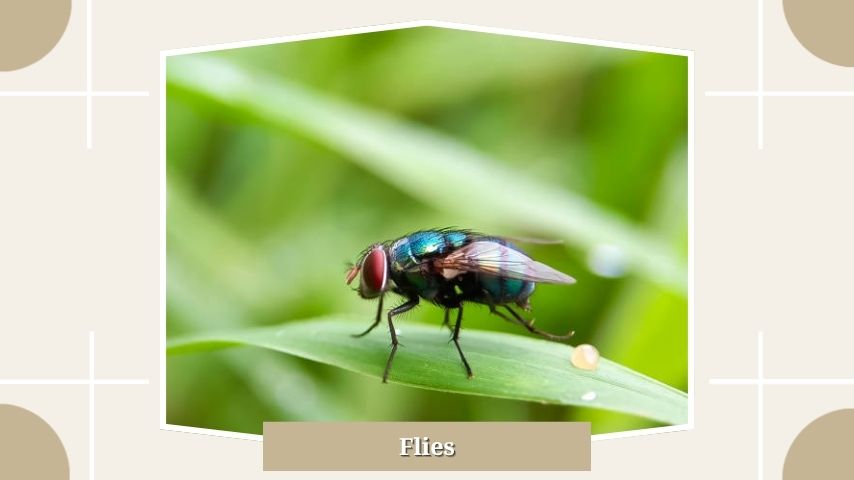
Paper wasps often hunt flies because they are a good source of protein for growing larvae. Adult wasps capture and chew flies into smaller pieces before carrying the food back to the nest. This hunting behavior helps reduce fly populations in gardens and outdoor spaces.
Identification
- Small flying insects
- Usually black or gray
- Fast movement patterns
- Large compound eyes
- Common around food and waste
Why Paper Wasps Eat Flies
Flies contain protein and nutrients needed for developing paper wasp larvae. Adult wasps hunt these insects to provide balanced food for the young growing inside the nest cells.
Where Paper Wasps Find Flies
Paper wasps commonly catch flies near garbage bins, gardens, animal waste, farms, and outdoor eating areas. They usually hunt during warm daylight hours when flies are most active.
How Hunting Flies Helps the Environment
By feeding on flies, paper wasps naturally help control insect populations around homes and farms. This can reduce some nuisance pests and improve the balance of local ecosystems.
5. Spiders
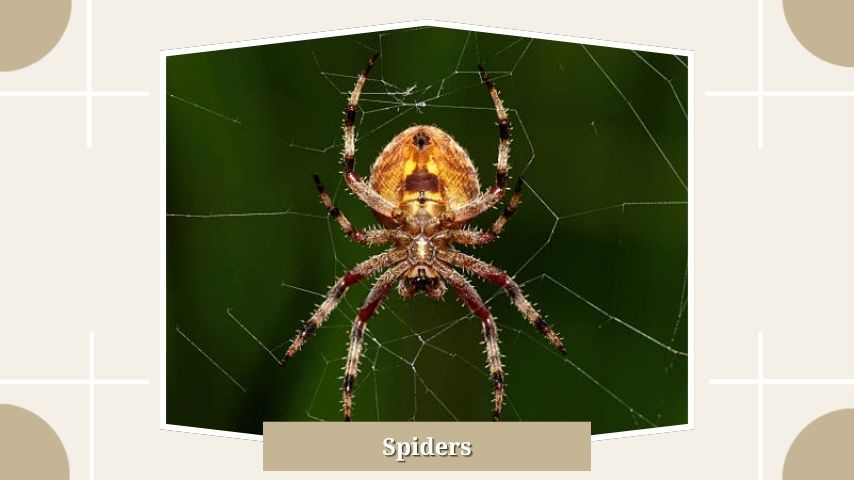
Paper wasps sometimes hunt spiders as a protein-rich food source for their larvae. Although spiders can defend themselves, paper wasps use speed and strong jaws to overpower smaller species. The captured spider is usually carried back to the nest and fed to developing young.
Identification
- Eight-legged arachnid
- No wings or antennae
- Builds webs in many species
- Found in corners, plants, and trees
- Different colors and body sizes
Why Paper Wasps Eat Spiders
Spiders provide protein and nutrients needed for larval growth. Adult paper wasps hunt them mainly to feed the young inside the nest rather than for their own nutrition.
Where Paper Wasps Find Spiders
Paper wasps often locate spiders around gardens, shrubs, tree branches, roofs, and outdoor structures. Web-building spiders are especially easy targets when caught away from hiding spots.
How This Hunting Benefits Gardens
By preying on spiders and other insects, paper wasps help maintain balance in outdoor ecosystems. Their hunting activity reduces some pest populations and supports natural insect control around homes and gardens.
6. Aphids
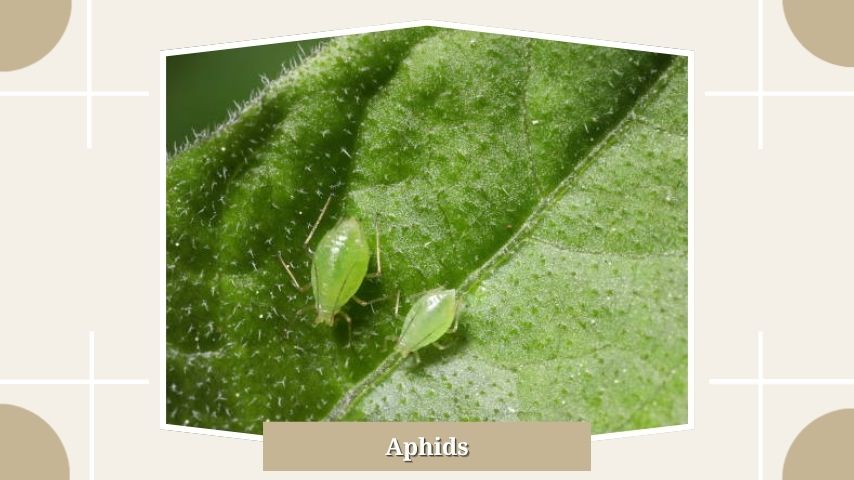
Aphids are tiny plant-feeding insects that paper wasps sometimes eat for protein. These soft-bodied pests are easy to catch and commonly found in large groups on leaves and stems. Paper wasps may also feed on the sweet honeydew produced by aphids while hunting around plants.
Identification
- Small soft-bodied insects
- Green, black, or yellow colors
- Found on plant stems and leaves
- Slow-moving behavior
- Often gathered in clusters
Why Paper Wasps Eat Aphids
Aphids are rich in nutrients and easy for paper wasps to capture. The wasps use them as a food source for larvae and may also consume the sugary honeydew left behind by aphid colonies.
Where Paper Wasps Find Aphids
Paper wasps usually search for aphids in gardens, farms, flower beds, and fruit trees. Plants with tender new growth are especially attractive because aphids commonly gather there.
How Aphid Hunting Helps Plants
By eating aphids, paper wasps help reduce damage to plants and crops. This natural pest control can improve plant health and decrease the need for chemical insect sprays in gardens.
7. Sugary Drinks

Paper wasps are highly attracted to sugary drinks because they contain large amounts of sugar and carbohydrates. Open soda cans, fruit punch, and sports drinks can quickly attract wasps during warm weather. These sweet liquids provide fast energy for active adult wasps.
Identification
- Sweet liquid beverages
- Bright colors in many drinks
- Strong sugary smell
- Common at outdoor events
- Often found in open containers
Why Paper Wasps Like Sugary Drinks
Adult paper wasps need sugar for energy, especially during late summer when natural nectar sources become less available. Sugary drinks provide an easy and concentrated energy source for flying and nest activities.
Where Paper Wasps Find Sugary Drinks
Paper wasps commonly gather around outdoor picnics, trash bins, parks, patios, and open beverage containers. Cans and bottles left uncovered are especially attractive to them.
How Sugary Drinks Increase Human Encounters
Sugary drinks often bring paper wasps close to people during outdoor activities. Accidentally disturbing or swatting at them may increase the chance of defensive stings, especially near nests or crowded feeding areas.
8. Tree Sap
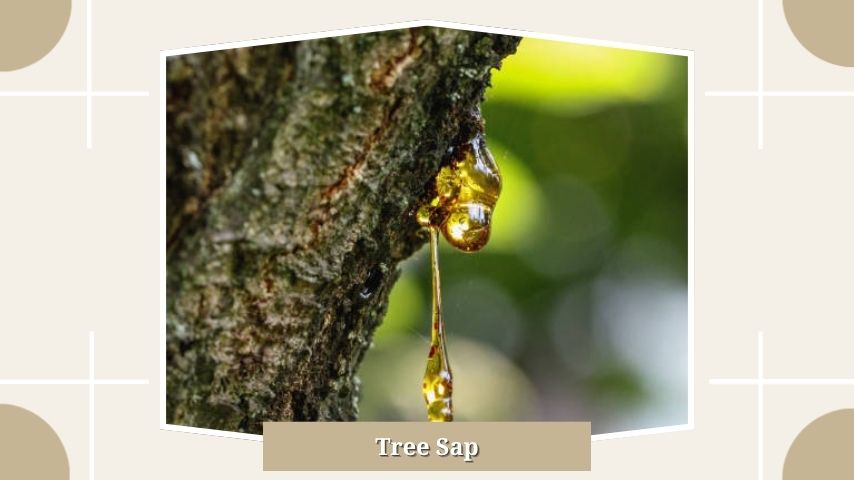
Tree sap is a natural sugary liquid that paper wasps sometimes feed on for energy. Sap leaks from damaged bark, broken branches, or insect wounds on trees. The sweet substance attracts many insects, including paper wasps searching for quick nutrition during warm seasons.
Identification
- Sticky liquid from trees
- Clear, amber, or yellow color
- Sweet smell and taste
- Found on damaged bark
- Common during warm weather
Why Paper Wasps Feed on Tree Sap
Tree sap contains sugars and nutrients that help adult paper wasps stay active. It provides an easy energy source when flowers or ripe fruits are less available in the environment.
Where Paper Wasps Find Tree Sap
Paper wasps often locate sap on oak, maple, pine, and fruit trees. Damaged branches, cracked bark, or insect holes commonly release sap that attracts feeding wasps.
How Tree Sap Supports Wasp Survival
Tree sap gives paper wasps another dependable food source during dry or hot periods. Access to sugary liquids helps adult wasps continue hunting, flying, and caring for their nests throughout the season.
FAQs
What do paper wasps mostly eat?
Paper wasps mainly eat nectar, sugary liquids, and small insects. Adult wasps prefer sweet foods for energy, while larvae are fed protein-rich prey such as caterpillars, flies, and spiders collected by worker wasps.
Do paper wasps eat fruit?
Yes, paper wasps often feed on ripe or damaged fruits. They are especially attracted to sweet fruit juice from apples, grapes, berries, and peaches during late summer and early fall.
Are paper wasps helpful for gardens?
Paper wasps can be helpful because they hunt many garden pests, including caterpillars and aphids. Their natural hunting behavior may reduce damage to plants and crops without the need for chemical pesticides.
Why are paper wasps attracted to sugary drinks?
Sugary drinks contain high amounts of sugar that provide quick energy for adult paper wasps. Open soda cans, juice bottles, and sports drinks often attract them during warm outdoor activities.
Do paper wasps eat spiders?
Yes, paper wasps sometimes hunt spiders and carry them back to the nest. Spiders provide protein and nutrients that help young wasp larvae grow and develop properly.