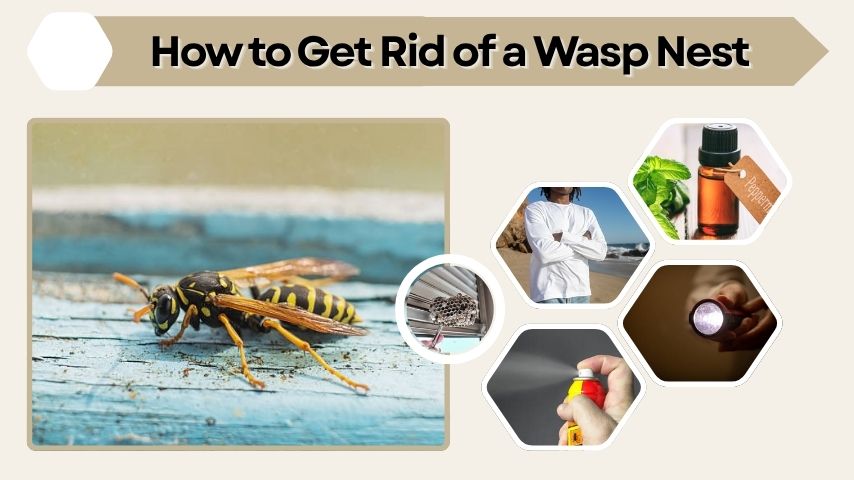
A wasp nest near your home can quickly become a safety concern, especially when the colony grows larger and more aggressive. Whether the nest is located in a tree, under roof eaves, inside a wall, or underground, proper removal methods are essential to avoid painful stings and potential allergic reactions. Understanding the type of wasp nest, choosing the right removal approach, and following basic safety precautions can help you deal with the problem effectively while minimizing risks to yourself and others.
Understanding Wasp Nests
Before attempting removal, it is important to understand what type of nest you are dealing with. Different wasp species build different kinds of nests, and each may require a slightly different removal strategy. Identifying the nest correctly can help prevent unnecessary risks and improve the chances of successful removal.
Common Types of Wasp Nests
Several types of nests are commonly found around homes:
- Paper wasp nests
- Ground wasp nests
- Mud dauber nests
- Hornet nests
- Underground wasp nests
Each type varies in size, structure, and level of aggressiveness.
Signs of an Active Nest
An active nest usually shows regular wasp activity throughout the day. Wasps frequently enter and exit the nest while gathering food and building materials. Increased activity around a particular area often indicates a growing colony that may require attention.
Why Wasps Build Nests Near Homes
Wasps are attracted to locations that provide shelter, food sources, and protection from weather conditions. Roof eaves, wall cavities, decks, trees, and sheds often offer ideal nesting locations. Nearby food sources such as garbage bins, outdoor dining areas, and flowering plants can also encourage nesting activity.
Is It Safe to Remove a Wasp Nest Yourself?
Removing a wasp nest can be dangerous if proper precautions are not taken. While small nests are often manageable, larger colonies or hidden nests may present significant risks. Understanding when to attempt removal and when to seek professional assistance is essential for safety.
When DIY Removal May Be Appropriate
Homeowners may consider removal if:
- The nest is small
- The nest is easily accessible
- Wasp activity is limited
- Proper safety equipment is available
- No one nearby has severe sting allergies
Even small nests should be approached with caution.
When to Call a Professional
Professional pest control is usually recommended when nests are located inside walls, chimneys, roof spaces, or other difficult-to-access areas. Large nests containing hundreds or thousands of wasps can become extremely dangerous if disturbed.
Potential Safety Risks
Wasp nest removal involves several hazards. Multiple stings can occur if the colony becomes defensive. Individuals with allergies may experience severe reactions that require immediate medical attention. Falls from ladders or roofs are also common risks during nest removal attempts.
How to Get Rid of a Wasp Nest Safely
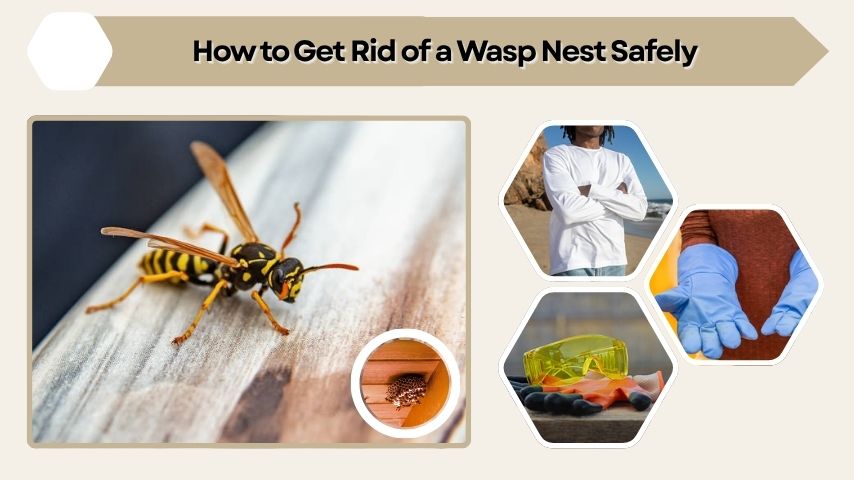
Safety should always come first when dealing with wasps. Proper preparation significantly reduces the likelihood of stings and other accidents. Before approaching any nest, carefully assess the situation and gather the necessary protective equipment.
Essential Protective Equipment
The following items can help improve safety:
- Long-sleeved shirt and pants
- Thick gloves
- Protective eyewear
- Closed-toe footwear
- Flashlight for nighttime inspections
Protective clothing should cover as much exposed skin as possible.
Best Time to Remove a Wasp Nest
Late evening or early morning is generally the safest time for removal. During these periods, most wasps remain inside the nest and are less active because of cooler temperatures. Reduced activity lowers the chance of provoking a defensive response.
Safety Steps Before Removal
Before beginning any treatment:
- Identify all exit routes
- Keep children and pets indoors
- Inform other household members
- Avoid strong fragrances
- Check weather conditions
Planning ahead can prevent unnecessary exposure to aggressive wasps.
How to Get Rid of a Wasp Nest Naturally
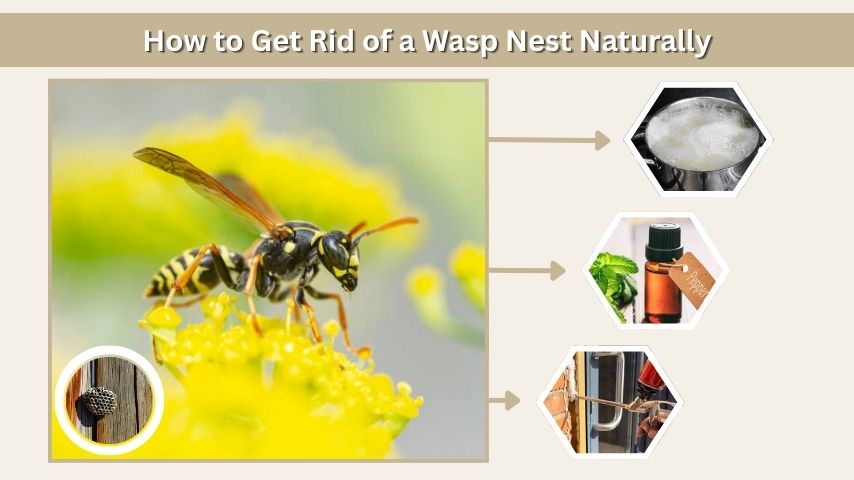
Many homeowners prefer natural methods when dealing with smaller nests. While natural approaches may not always be suitable for large infestations, they can be effective in certain situations and may reduce environmental impact.
Soap and Water Method
A mixture of dish soap and water can sometimes be used to treat small exposed nests. The solution interferes with the wasps’ ability to breathe and can help eliminate the colony when applied carefully. This method is most effective on small, accessible nests.
Peppermint Oil Repellent
Peppermint oil is often used as a natural wasp deterrent. Spraying diluted peppermint oil around potential nesting locations may discourage wasps from establishing new colonies. While it may not eliminate an active nest, it can help with prevention.
Preventing Future Wasp Nests
Long-term prevention is often easier than removal. Effective prevention measures include sealing entry points, keeping garbage containers tightly closed, removing outdoor food sources, and regularly inspecting common nesting areas around the home.
How to Get Rid of a Paper Wasp Nest
Paper wasps are among the most common wasps found around homes. Their nests are usually open and umbrella-shaped, making them easier to identify than enclosed hornet nests. Although paper wasps are generally less aggressive, they will defend their colony if they feel threatened.
Identifying a Paper Wasp Nest
Paper wasp nests typically have:
- Open honeycomb-like cells
- No outer covering
- Hanging attachment point
- Small to medium colony size
- Frequent visible wasp activity
These nests are often found beneath eaves, porches, decks, and outdoor structures.
Safe Removal Process
Small paper wasp nests can often be treated during the evening when most wasps have returned to the colony. After treatment, wait until all activity stops before removing the nest. Always follow product instructions carefully if using commercial wasp sprays.
Preventing Rebuilding
After removal, clean the area thoroughly to eliminate scent markers that may attract future colonies. Regular inspections during spring can help detect new nests before they become established.
How to Get Rid of a Ground Wasp Nest
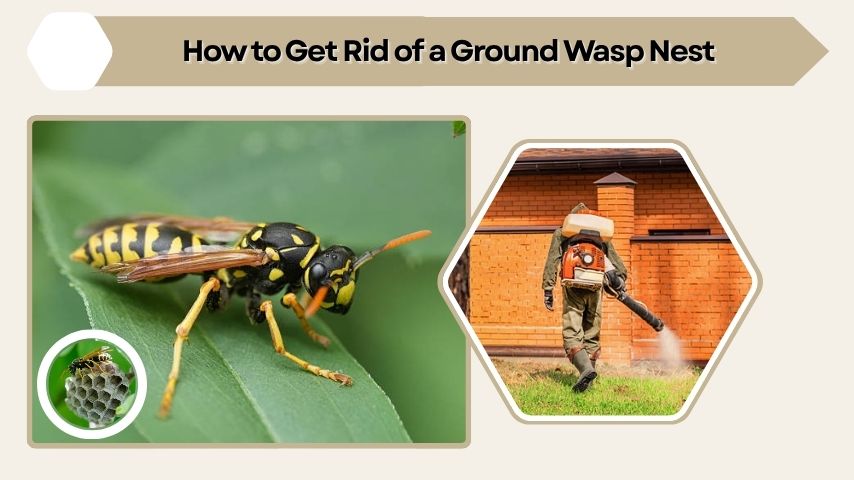
Ground wasps can be particularly dangerous because their nests are often hidden beneath the soil. Many people accidentally disturb them while mowing lawns, gardening, or walking nearby. Ground-nesting species can become highly defensive when their nest is threatened.
Signs of a Ground Nest
Ground nests often show several warning signs:
- Small hole in the soil
- Continuous wasp traffic
- Loose soil around the entrance
- Increased activity during warm weather
- Buzzing near the ground
Recognizing these signs early can help prevent accidental encounters.
Ground Nest Removal Methods
Ground nests are typically more challenging to eliminate than exposed nests. Specialized treatments may be required to reach the underground colony. In many cases, professional pest control services provide the safest and most effective solution.
How to Avoid Stings
Maintaining a safe distance from the nest is essential. Avoid mowing, digging, or disturbing soil near the entrance. If removal is necessary, wear protective clothing and work during periods of low wasp activity.
How to Get Rid of a Wasp Nest in a Wall
Wall nests present unique challenges because the colony is hidden from view. Wasps may enter through small cracks, vents, or gaps in siding while building a nest inside the structure. These infestations often require specialized treatment methods.
Signs of a Wall Nest
Common indications include:
- Buzzing sounds inside walls
- Wasps entering small openings
- Increased indoor wasp sightings
- Activity around vents or siding
- Visible entry and exit points
These signs suggest a colony may be developing within the wall cavity.
Why Wall Nests Require Special Care
Treating a wall nest incorrectly can drive wasps deeper into the structure or cause them to enter living spaces. Because the nest itself is often inaccessible, professional treatment is usually recommended.
Recommended Removal Options
Pest control professionals can identify colony locations and apply targeted treatments without causing unnecessary damage to the structure. Once the colony is eliminated, entry points should be sealed to prevent future infestations.
How Much Does Wasp Nest Removal Cost?
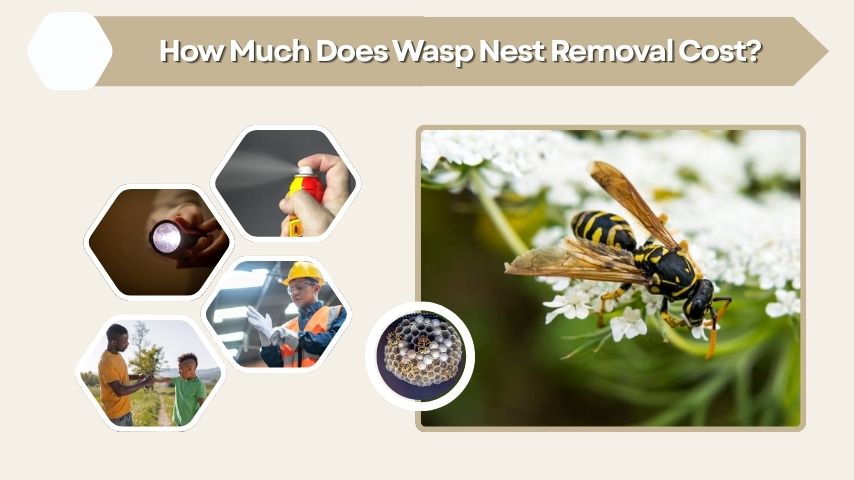
The cost of wasp nest removal varies depending on nest size, species, accessibility, and location. While some homeowners choose DIY methods, professional removal may be necessary for larger or more dangerous infestations.
DIY Removal Costs
Typical DIY expenses may include:
- Wasp spray products
- Protective clothing
- Flashlights
- Repellent products
- Safety equipment
Costs are generally lower for small, easily accessible nests.
Professional Removal Costs
Professional services usually charge more but provide expertise and safety. Prices often increase when nests are hidden inside walls, chimneys, roofs, or underground locations.
Factors That Affect Cost
Several factors influence the final price:
- Nest size
- Nest location
- Wasp species
- Accessibility
- Local service rates
Obtaining multiple quotes can help homeowners compare options and choose the most suitable service.
FAQs
How do I get rid of a wasp nest without getting stung?
The safest approach is to treat the nest during the evening or early morning when wasps are less active. Wear protective clothing, avoid sudden movements, and maintain a clear escape route. For large or hard-to-reach nests, professional removal is the safest option.
Can I remove a wasp nest naturally?
Yes, some small nests can be managed using natural methods such as a soap-and-water solution or peppermint oil repellents. However, natural methods are generally most effective on small, exposed nests and may not work for large or hidden colonies.
What is the safest time to remove a wasp nest?
Late evening and early morning are typically the safest times because most wasps are inside the nest and less active due to cooler temperatures. Avoid attempting removal during the hottest part of the day when wasps are most aggressive.
Should I remove a wasp nest in winter?
Winter is often the easiest and safest time to remove an abandoned nest because most annual wasp colonies die off after cold weather arrives. Always confirm that the nest is inactive before handling it.
When should I call a pest control professional?
You should contact a professional if the nest is large, located inside walls, chimneys, roofs, or underground, or if anyone in the household has a known allergy to wasp stings. Professionals have the equipment and expertise to remove nests safely and effectively.