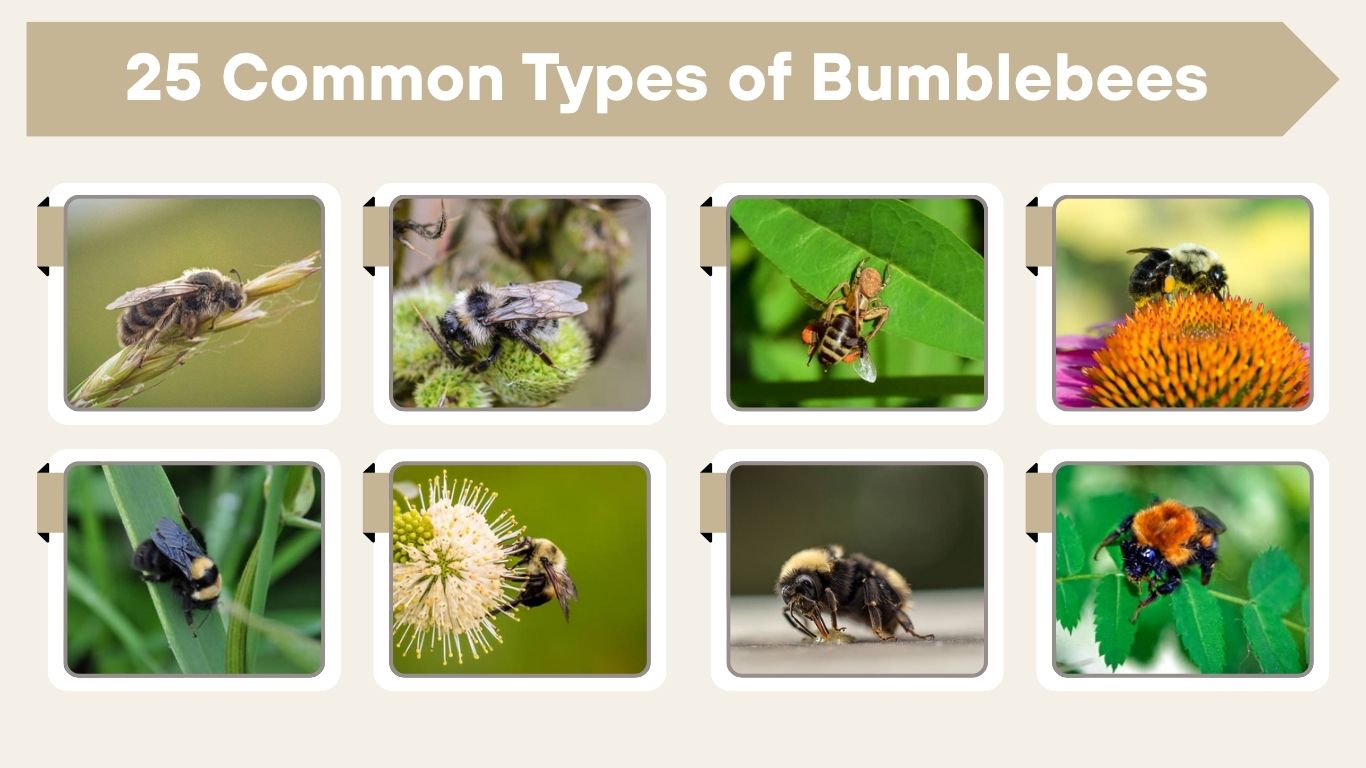
Bumblebees are fuzzy, hardworking pollinators found in gardens, meadows, farms, forests, and grasslands. They come in many colors and patterns, including yellow, black, orange, red, brown, and pale bands. Learning the common types of bumblebees can help you identify the species visiting flowers around your home or local habitat. Some species are widespread and easy to spot, while others are rare, declining, or difficult to separate from similar bees. This guide covers 25 common types of bumblebees with simple identification details, habitat notes, behavior, diet, and lifecycle information for each species.
1. Common Eastern Bumblebee
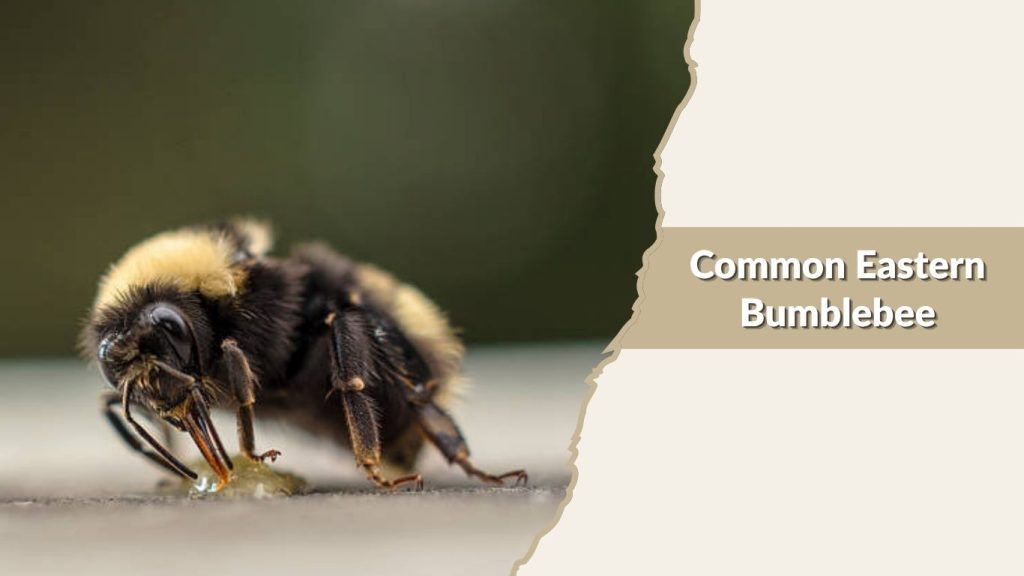
The Common Eastern Bumblebee is one of the most familiar bumblebees in eastern North America. It is often seen visiting garden flowers, wildflowers, farms, and meadows. This species is known for its fuzzy body, yellow-and-black pattern, and important role as a pollinator for both wild plants and crops.
Identification
- Medium to large bumblebee with a fuzzy, rounded body.
- The head is mostly black.
- Thorax is usually yellow with a black spot or dark patch between the wings.
- Abdomen is mostly black with yellow near the front.
- The wings are clear and slightly smoky.
- Queens are larger than workers and males.
- Often seen flying between flowers in gardens, fields, and open habitats.
Habitat and Distribution
The Common Eastern Bumblebee is widely found in eastern North America. It lives in gardens, meadows, farms, parks, roadsides, woodland edges, and other flower-rich areas. It adapts well to human-altered landscapes, which is why it is commonly seen around homes, cities, and agricultural areas.
Behavior and Diet
This bumblebee feeds on nectar and collects pollen from many flowering plants. It visits wildflowers, garden blooms, clover, milkweed, asters, goldenrod, and crop flowers. As it moves from flower to flower, it transfers pollen and helps plants reproduce. It is active during warm months and often forages from morning until evening.
Lifecycle
The colony begins in spring when a mated queen emerges from winter shelter and searches for a nesting site. She starts a small nest, lays eggs, and raises the first workers. As the colony grows, workers collect food and care for the young. Later in the season, new queens and males are produced. After mating, new queens overwinter while the old colony dies out.
2. American Bumblebee
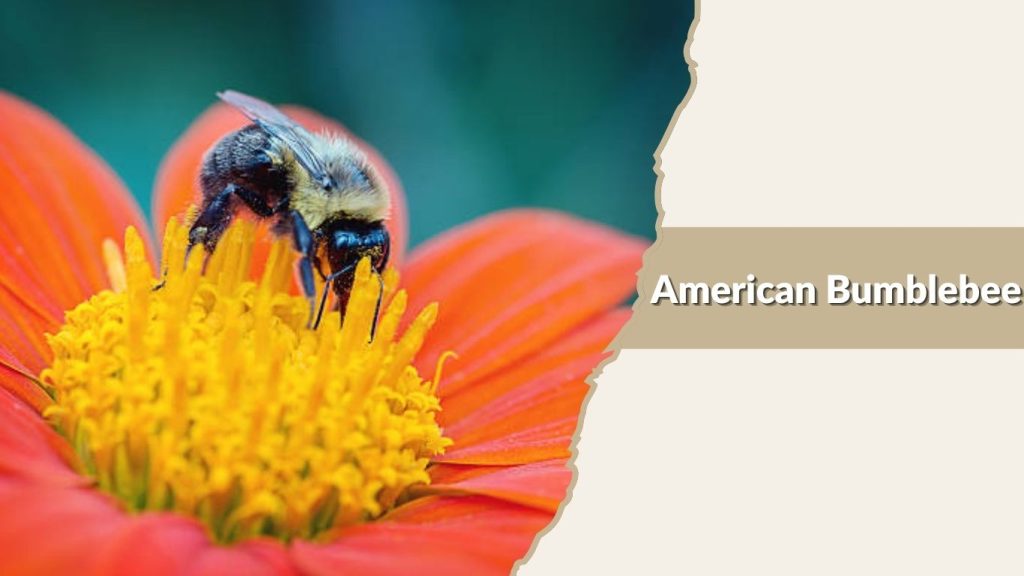
The American Bumblebee is a large, fuzzy bumblebee found in open habitats across much of North America. It is known for its yellow-and-black body pattern, strong flight, and important role in pollinating wildflowers and crops. Although once very common, this species has declined in many parts of its range.
Identification
- Large bumblebee with a fuzzy, rounded body.
- Thorax is mostly yellow with a black band or dark patch between the wings.
- Abdomen usually has yellow at the front and black toward the middle and rear.
- Body shape is robust and strongly built.
- The wings are clear and slightly smoky.
- Queens are larger than workers and males.
- Often seen visiting flowers in prairies, fields, gardens, farms, and roadsides.
Habitat and Distribution
The American Bumblebee is found in many parts of North America, especially in open and flower-rich habitats. It lives in prairies, grasslands, meadows, farms, roadsides, gardens, and woodland edges. It usually prefers areas with abundant wildflowers and suitable underground or surface nesting sites.
Behavior and Diet
This bumblebee feeds on nectar for energy and collects pollen to feed its young. It visits many kinds of flowers, including clover, milkweed, sunflowers, asters, goldenrod, and other native plants. While feeding, it helps pollinate wild plants and crops by carrying pollen between flowers.
Lifecycle
The lifecycle begins when a fertilized queen emerges in spring and searches for a nest site. She lays eggs and raises the first workers, which later take over foraging and nest care. The colony grows through summer, then produces males and new queens. After mating, the new queens overwinter while the rest of the colony dies.
3. Rusty-patched Bumblebee
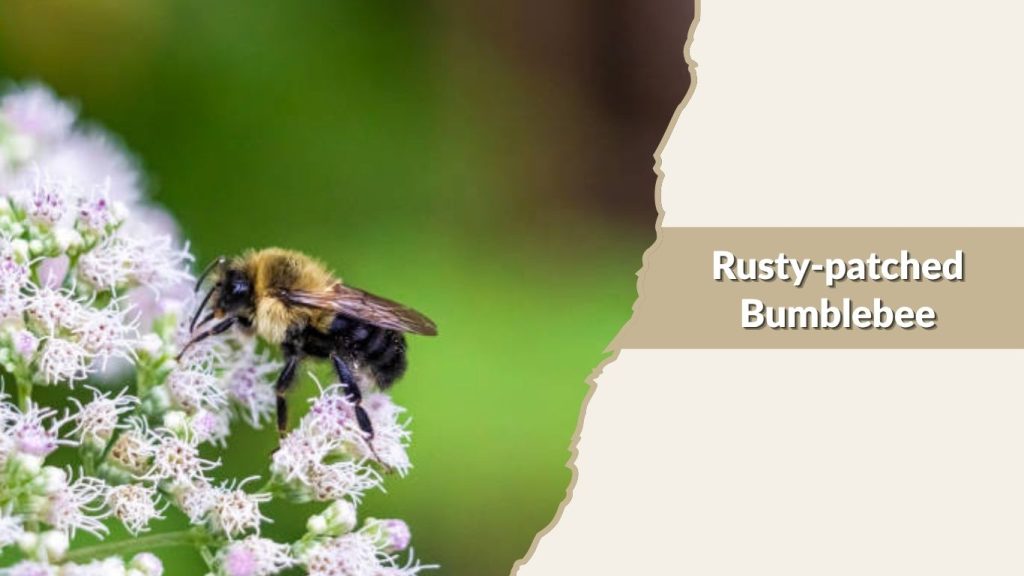
The Rusty-patched Bumblebee is a medium to large bumblebee known for the rusty-colored patch found on the abdomen of workers and males. It was once common across parts of eastern North America but has declined sharply in many areas. This species is an important pollinator of wildflowers, gardens, and some crops.
Identification
- Medium to large bumblebee with a fuzzy body.
- Thorax is mostly yellow with a dark patch between the wings.
- Abdomen has yellow near the front and black toward the rear.
- Workers and males often show a rusty-orange patch on the second abdominal segment.
- Queens are larger and may not show the rusty patch as clearly.
- The wings are clear and slightly smoky.
- Often seen visiting flowers in meadows, gardens, prairies, and woodland edges.
Habitat and Distribution
The Rusty-patched Bumblebee is found in parts of eastern and midwestern North America. It lives in prairies, meadows, grasslands, gardens, parks, farms, roadsides, and woodland edges. It needs areas with flowers blooming from spring through fall, along with suitable nesting and overwintering sites.
Behavior and Diet
This bumblebee feeds on nectar and collects pollen from many flowering plants. It visits wildflowers, native prairie plants, garden flowers, and some crop plants. Like other bumblebees, it can perform buzz pollination, which helps release pollen from certain flowers more effectively.
Lifecycle
The lifecycle begins in spring when a fertilized queen emerges from winter shelter and starts a new colony. She chooses a nest site, often underground in an old rodent burrow or similar cavity. Workers appear as the colony grows and take over foraging and nest duties. Later in the season, males and new queens are produced, and only the newly mated queens survive the winter.
4. Yellow-banded Bumblebee
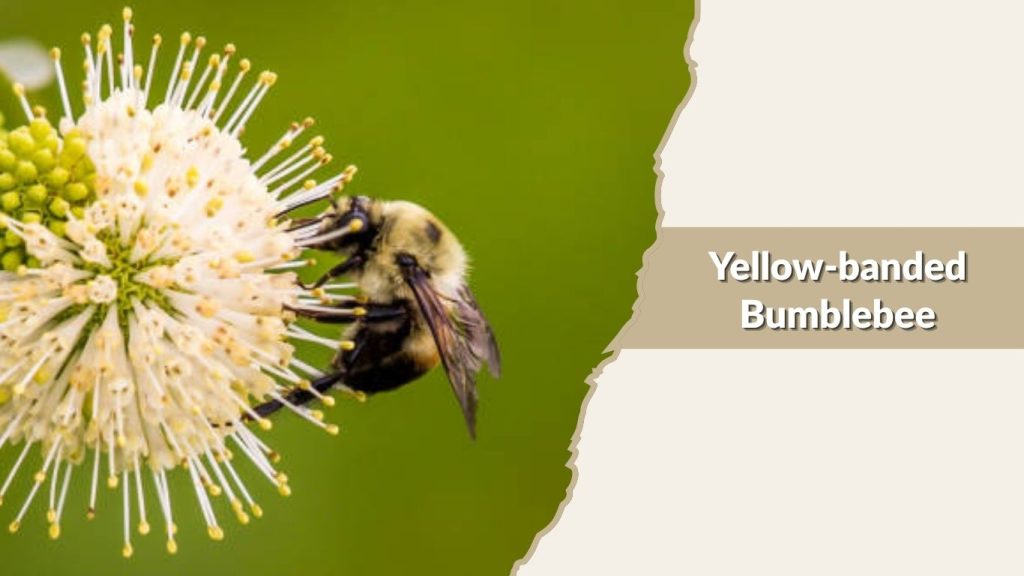
The Yellow-banded Bumblebee is a medium to large bumblebee known for the bright yellow bands across its fuzzy body. It is an important native pollinator in North America and is often found visiting wildflowers, garden plants, and flowering crops. This species has become less common in some areas, making its identification useful for bee watchers and gardeners.
Identification
- Medium to large bumblebee with a dense, fuzzy body.
- Thorax is mostly yellow, often with a dark patch between the wings.
- Abdomen has clear yellow and black banding.
- Yellow bands are usually bold and easy to notice.
- Queens are larger than workers and males.
- Wings are clear and lightly smoky.
- Often seen feeding on flowers in meadows, gardens, roadsides, and open fields.
Habitat and Distribution
The Yellow-banded Bumblebee is found across parts of northern and eastern North America. It lives in meadows, grasslands, farms, gardens, woodland edges, parks, and roadsides. It prefers flower-rich areas where nectar and pollen are available through the growing season.
Behavior and Diet
This bumblebee feeds on nectar and collects pollen from many types of flowers. It visits wildflowers, clover, goldenrod, asters, milkweed, and crop blossoms. While feeding, it helps pollinate plants by carrying pollen between flowers. It is active during warm months and may forage in both natural and human-managed landscapes.
Lifecycle
The colony starts in spring when a fertilized queen emerges from winter shelter and searches for a nesting place. She lays eggs and raises the first workers, which later collect food and care for the nest. By late summer, the colony produces males and new queens. After mating, new queens overwinter while the rest of the colony dies.
5. Two-spotted Bumblebee
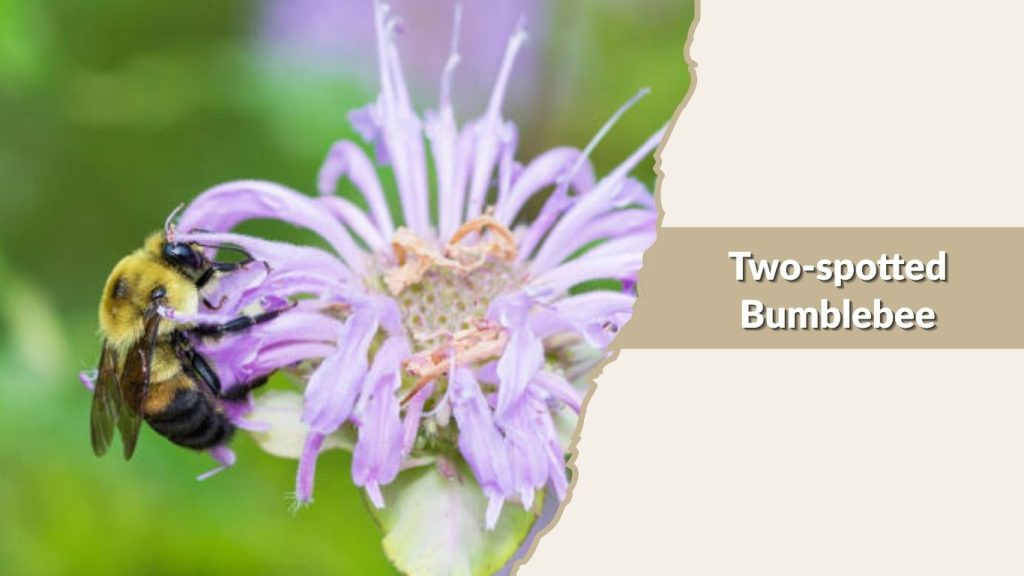
The Two-spotted Bumblebee is a small to medium-sized bumblebee commonly found in eastern North America. It is named for the pale spots or patches that can appear on the front part of the abdomen. This species is often seen in gardens, meadows, parks, roadsides, and woodland edges where flowers are abundant.
Identification
- Small to medium-sized bumblebee with a fuzzy body.
- Thorax is usually yellow with a dark patch between the wings.
- Abdomen is mostly black with pale yellow or whitish spots near the front.
- Two pale spots on the abdomen are an important identification clue.
- Queens are larger than workers and males.
- The wings are clear and slightly smoky.
- Often seen visiting spring and summer flowers in gardens and open habitats.
Habitat and Distribution
The Two-spotted Bumblebee is found mainly in eastern and central North America. It lives in gardens, meadows, parks, woodland edges, farms, roadsides, and other places with many flowering plants. It is adaptable and can use both natural habitats and human-managed landscapes.
Behavior and Diet
This bumblebee feeds on nectar and collects pollen from a wide variety of flowers. It visits clover, milkweed, goldenrod, asters, garden flowers, and many native wildflowers. While moving between blooms, it helps pollinate plants and supports healthy flowering habitats.
Lifecycle
The lifecycle begins in spring when a mated queen emerges from winter shelter and looks for a nesting site. She starts a colony, lays eggs, and raises the first workers. The colony grows during the warm season, then produces males and new queens. After mating, the new queens overwinter and begin the cycle again the following spring.
6. Brown-belted Bumblebee
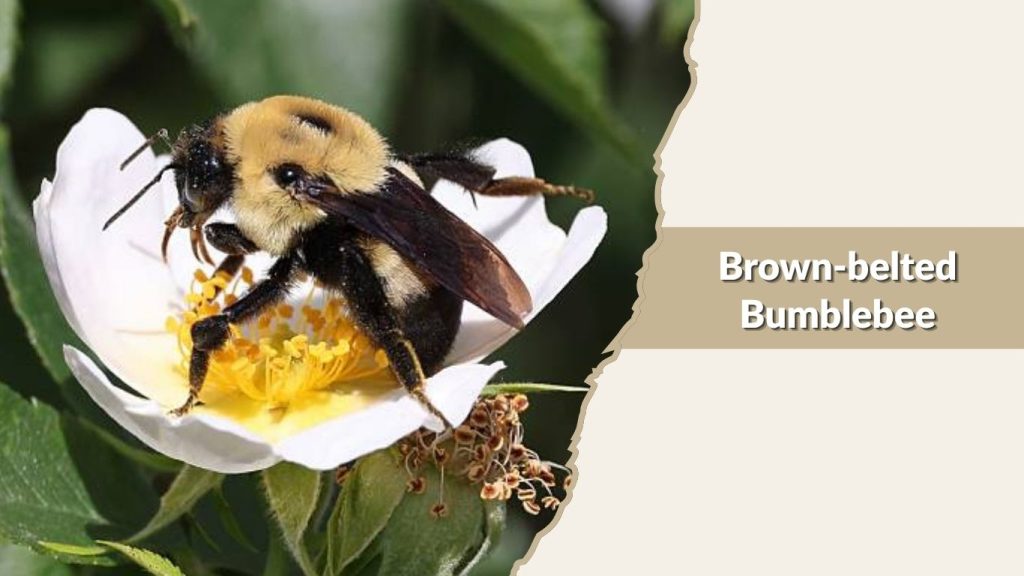
The Brown-belted Bumblebee is a medium-sized bumblebee known for the brownish or rusty band that appears across part of its abdomen. It is commonly found in open habitats, gardens, farms, roadsides, and meadows. This species is an active pollinator and often visits many kinds of wildflowers and crop plants.
Identification
- Medium-sized bumblebee with a fuzzy, rounded body.
- Thorax is mostly yellow with a dark patch between the wings.
- Abdomen usually has yellow near the front and darker bands toward the rear.
- A brownish or rusty belt-like band may appear across the middle of the abdomen.
- Queens are larger than workers and males.
- The wings are clear and slightly smoky.
- Often seen visiting flowers in open, sunny habitats.
Habitat and Distribution
The Brown-belted Bumblebee is found across much of North America, especially in open and disturbed habitats. It lives in grasslands, meadows, farms, gardens, parks, roadsides, and woodland edges. It can adapt well to human-shaped landscapes when enough flowers and nesting areas are available.
Behavior and Diet
This bumblebee feeds on nectar and collects pollen from many flowering plants. It visits clover, asters, goldenrod, sunflowers, milkweed, and garden blooms. While feeding, it transfers pollen between flowers and supports pollination in both natural habitats and agricultural areas.
Lifecycle
The colony begins in spring when a mated queen emerges from winter shelter and searches for a nesting site. She lays eggs and raises the first group of workers. During summer, workers gather food and care for the nest. Later, the colony produces males and new queens, and only the newly mated queens survive winter.
7. Golden Northern Bumblebee
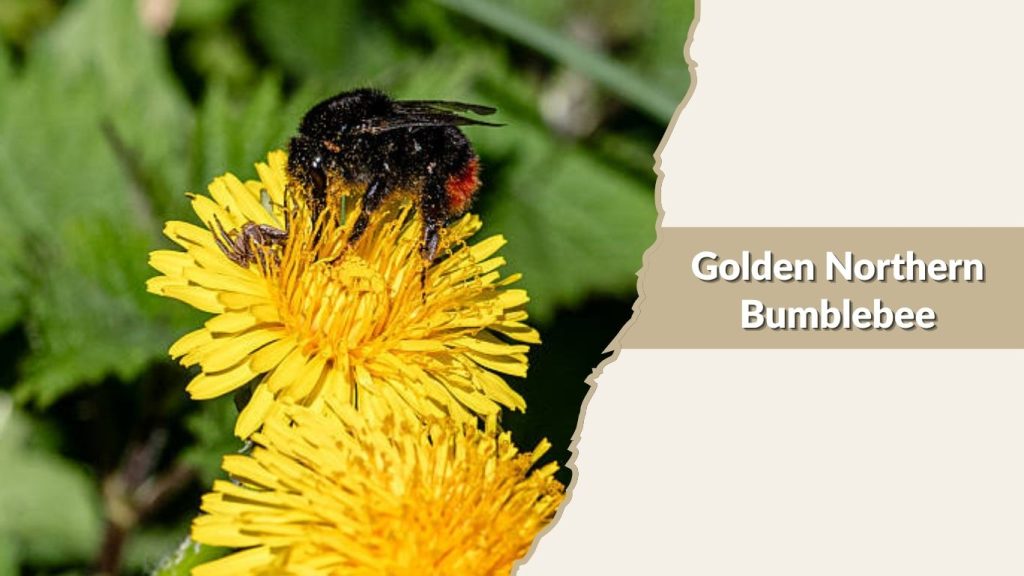
The Golden Northern Bumblebee is a medium to large bumblebee known for its bright golden-yellow coloring. It is often found in meadows, prairies, gardens, farms, and woodland edges. This species is an important pollinator and is usually seen moving from flower to flower during warm months.
Identification
- Medium to large bumblebee with a fuzzy, rounded body.
- Thorax is mostly golden yellow.
- Abdomen often has broad yellow bands with some black toward the rear.
- Its overall appearance is brighter and more golden than many other bumblebees.
- Queens are larger than workers and males.
- Wings are clear and lightly smoky.
- Often seen visiting wildflowers, garden flowers, and crop blossoms.
Habitat and Distribution
The Golden Northern Bumblebee is found in parts of North America, especially in open, flower-rich habitats. It lives in prairies, meadows, grasslands, farms, gardens, roadsides, parks, and woodland edges. It prefers areas where many flowers bloom throughout the growing season.
Behavior and Diet
This bumblebee feeds on nectar and collects pollen from many flowering plants. It visits clover, milkweed, goldenrod, asters, sunflowers, and other wildflowers. While feeding, it helps pollinate plants by carrying pollen between blooms, making it valuable for both natural ecosystems and gardens.
Lifecycle
The lifecycle begins in spring when a fertilized queen emerges from winter shelter and starts a new colony. She finds a nest site, lays eggs, and raises the first workers. The colony grows during summer, then produces males and new queens. After mating, new queens overwinter and start the next generation in spring.
8. Red-belted Bumblebee
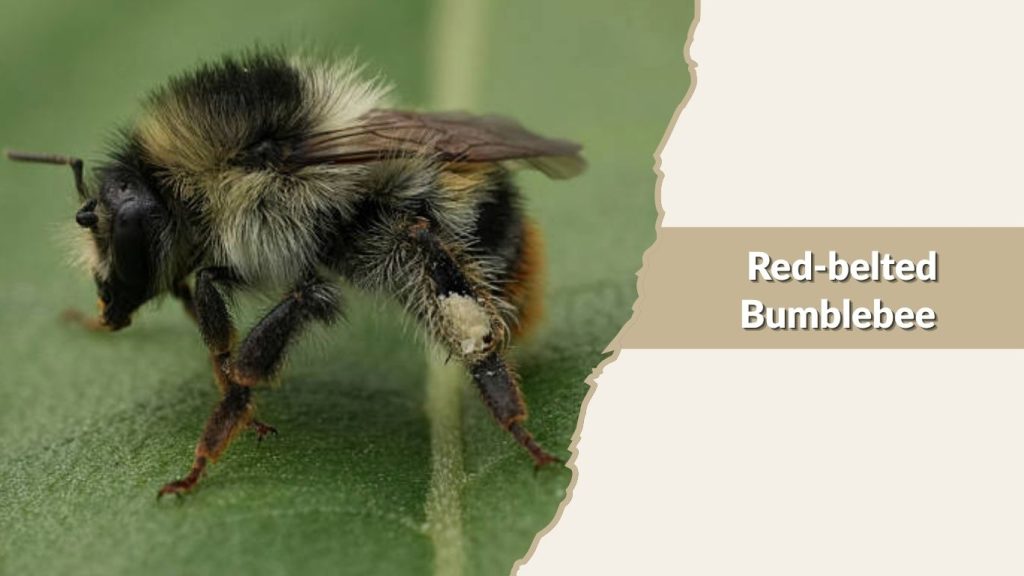
The Red-belted Bumblebee is a medium-sized bumblebee known for the reddish or orange band across part of its abdomen. It is often found in meadows, grasslands, gardens, forest edges, and mountain habitats. This species is an active pollinator and visits many wildflowers during the warmer months.
Identification
- Medium-sized bumblebee with a fuzzy body.
- Thorax is usually yellow with a dark patch between the wings.
- Abdomen has black and yellow coloring with a reddish-orange belt-like band.
- The red or orange band is usually an important identification clue.
- Queens are larger than workers and males.
- The wings are clear and slightly smoky.
- Often seen feeding on flowers in open or semi-open habitats.
Habitat and Distribution
The Red-belted Bumblebee is found in parts of western and northern North America. It lives in meadows, grasslands, open forests, mountain slopes, gardens, roadsides, and woodland edges. It prefers areas with plenty of blooming flowers and suitable nesting places during the warm season.
Behavior and Diet
This bumblebee feeds on nectar and gathers pollen from many flowering plants. It visits clover, asters, goldenrod, lupines, fireweed, and other wildflowers. While moving from flower to flower, it helps pollinate plants and supports healthy wildflower communities in its habitat.
Lifecycle
The lifecycle starts in spring when a mated queen emerges from winter shelter and searches for a nesting site. She lays eggs and raises the first workers, which later collect food and care for the colony. By late summer, the colony produces males and new queens. After mating, new queens overwinter and begin new colonies the following spring.
9. Black-and-gold Bumblebee
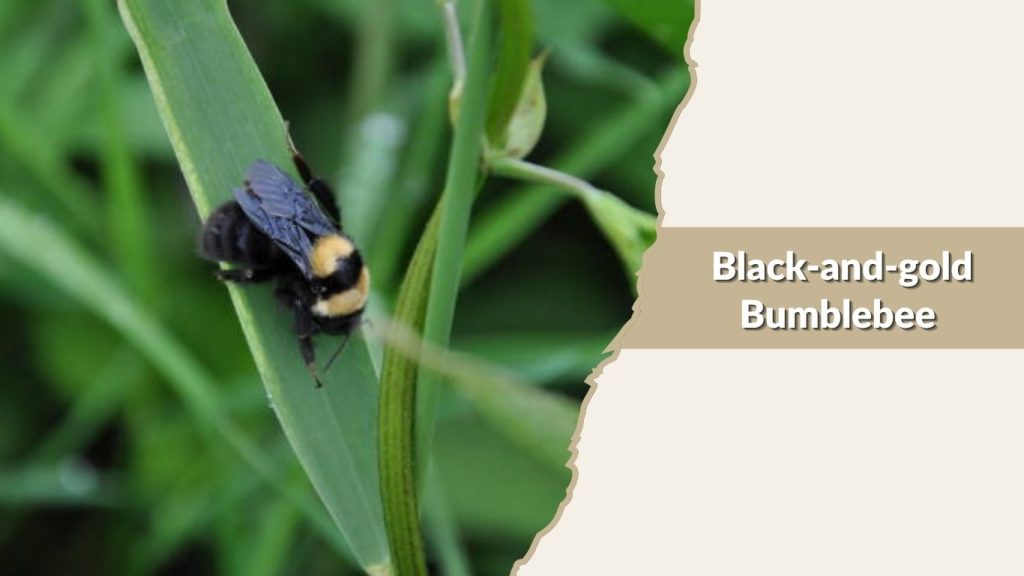
The Black-and-gold Bumblebee is a large, fuzzy bumblebee known for its bold black-and-yellow pattern. It is often found in forests, meadows, gardens, roadsides, and open fields. This species is an important pollinator and commonly visits many types of wildflowers and flowering plants during the warm season.
Identification
- Large bumblebee with a dense, fuzzy body.
- Thorax is mostly yellow with a dark patch between the wings.
- Abdomen usually has strong black and yellow bands.
- The body often appears darker overall than some other yellow bumblebees.
- Queens are larger and more robust than workers and males.
- The wings are clear and slightly smoky.
- Often seen visiting flowers in gardens, fields, meadows, and woodland edges.
Habitat and Distribution
The Black-and-gold Bumblebee is found in parts of North America, especially in open and semi-open habitats. It lives in meadows, prairies, gardens, farms, roadsides, woodland edges, and forest openings. It prefers areas with many blooming plants and suitable nesting places.
Behavior and Diet
This bumblebee feeds on nectar and collects pollen from a wide range of flowers. It visits clover, asters, goldenrod, milkweed, sunflowers, and many native wildflowers. While feeding, it helps move pollen between flowers, making it valuable for pollination in natural areas and gardens.
Lifecycle
The colony begins when a fertilized queen emerges in spring and searches for a nest site. She lays eggs and raises the first workers. As the colony grows, workers collect food, defend the nest, and care for young bees. Later in the season, males and new queens are produced. After mating, the new queens overwinter and start new colonies the next spring.
10. Half-black Bumblebee
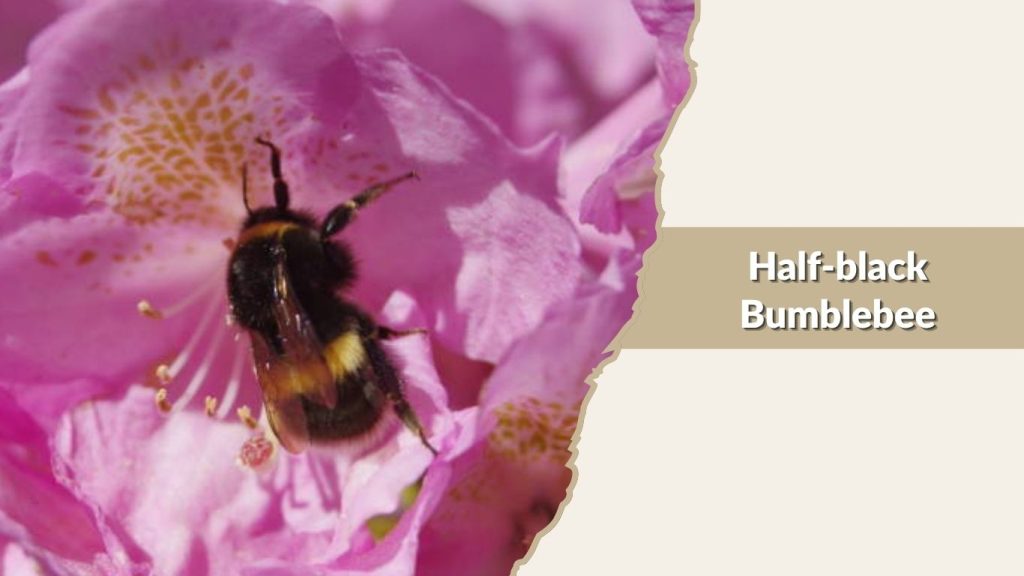
The Half-black Bumblebee is a medium-sized bumblebee known for its mostly yellow front body and darker rear abdomen. It is commonly found in open habitats, gardens, meadows, forests, and mountain areas. This species is an active pollinator and visits many flowering plants during the warmer months.
Identification
- Medium-sized bumblebee with a fuzzy, rounded body.
- Thorax is mostly yellow, sometimes with a dark patch between the wings.
- The front part of the abdomen is usually yellow.
- The rear part of the abdomen is mostly black, giving it a half-black appearance.
- Queens are larger than workers and males.
- The wings are clear and slightly smoky.
- Often seen feeding on wildflowers, garden flowers, and flowering shrubs.
Habitat and Distribution
The Half-black Bumblebee is found across parts of North America, especially in cooler and mountainous regions. It lives in meadows, grasslands, forests, woodland edges, gardens, parks, roadsides, and alpine or subalpine habitats. It prefers places with plenty of flowers and suitable nesting sites.
Behavior and Diet
This bumblebee feeds on nectar and collects pollen from many types of plants. It visits clover, asters, goldenrod, lupines, fireweed, and other wildflowers. As it moves between flowers, it helps pollinate plants and supports healthy wildflower growth in natural and managed landscapes.
Lifecycle
The lifecycle begins in spring when a mated queen emerges from winter shelter and searches for a nest site. She starts a colony, lays eggs, and raises the first workers. During summer, workers gather food and care for the young. Later in the season, males and new queens are produced, and only mated queens survive the winter.
11. Yellow Bumblebee
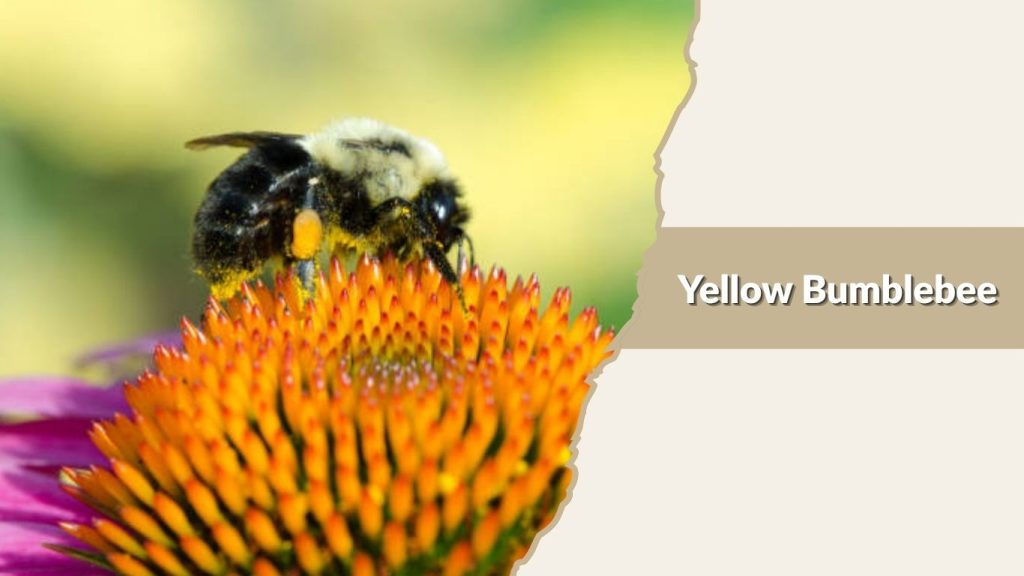
The Yellow Bumblebee is a medium to large bumblebee known for its bright yellow body covering and fuzzy appearance. It is often found in open fields, meadows, gardens, roadsides, and northern grassland habitats. This species is an important pollinator and commonly visits wildflowers and flowering crops during the warm season.
Identification
- Medium to large bumblebee with a dense, fuzzy body.
- Its body appears mostly yellow compared with many other bumblebees.
- Thorax is usually yellow, sometimes with a small dark patch.
- Abdomen has broad yellow areas with some darker markings.
- Queens are larger and more robust than workers and males.
- The wings are clear and slightly smoky.
- Often seen feeding on flowers in sunny, open habitats.
Habitat and Distribution
The Yellow Bumblebee is found in parts of North America, especially in northern and open landscapes. It lives in meadows, prairies, grasslands, farms, gardens, parks, roadsides, and woodland edges. It prefers flower-rich places where nectar and pollen are available through the growing season.
Behavior and Diet
This bumblebee feeds on nectar and collects pollen from many flowers. It visits clover, asters, goldenrod, milkweed, sunflowers, and other wildflowers. While feeding, it helps move pollen from one flower to another, supporting plant reproduction and healthy pollinator habitats.
Lifecycle
The colony begins in spring when a fertilized queen emerges from winter shelter and searches for a nesting site. She lays eggs and raises the first workers. As the colony grows, workers collect food and care for the young. Later in the season, males and new queens are produced, and only mated queens survive winter.
12. Nevada Bumblebee
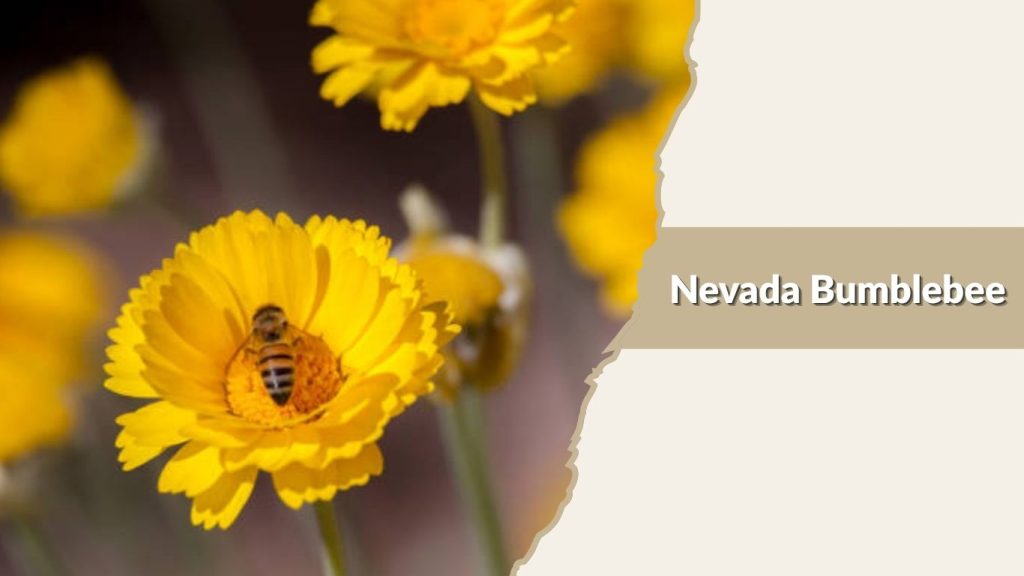
The Nevada Bumblebee is a large, fuzzy bumblebee often found in open landscapes of western and central North America. It is known for its strong body, yellow-and-black pattern, and active flower-visiting behavior. This species is an important pollinator in grasslands, prairies, farms, gardens, and mountain meadows.
Identification
- Large bumblebee with a robust, fuzzy body.
- Thorax is usually yellow with a dark patch between the wings.
- Abdomen often has yellow near the front and black toward the rear.
- Queens are noticeably larger than workers and males.
- The wings are clear and slightly smoky.
- Body shape appears strong and broad compared with smaller bumblebees.
- Often seen visiting flowers in open fields, meadows, and grasslands.
Habitat and Distribution
The Nevada Bumblebee is found across parts of western and central North America. It lives in prairies, grasslands, meadows, farms, gardens, roadsides, shrublands, and mountain valleys. It prefers open places with plenty of blooming flowers and suitable nesting areas.
Behavior and Diet
This bumblebee feeds on nectar and collects pollen from many flowering plants. It visits clover, sunflowers, asters, goldenrod, milkweed, lupines, and other wildflowers. As it moves between flowers, it helps pollinate plants and supports both wild ecosystems and agricultural landscapes.
Lifecycle
The lifecycle begins when a fertilized queen emerges in spring and searches for a nesting site. She starts a nest, lays eggs, and raises the first workers. During summer, workers forage and care for the colony. Later in the season, males and new queens are produced. After mating, new queens overwinter and begin new colonies the next year.
13. Morrison Bumblebee
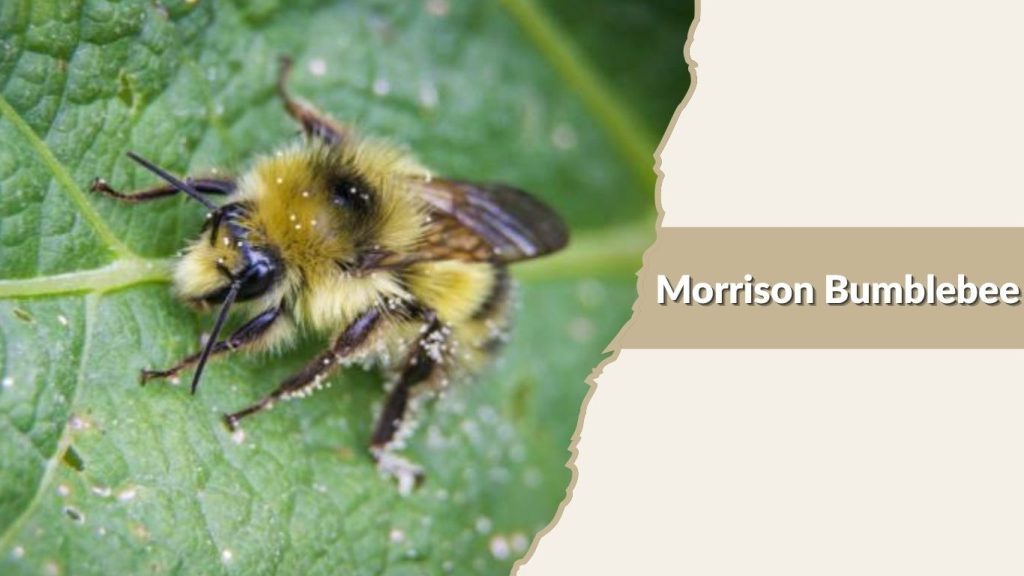
The Morrison Bumblebee is a medium to large bumblebee found mostly in western North America. It is known for its pale yellow coloring, fuzzy body, and strong connection to dry open habitats. This species often visits wildflowers in deserts, shrublands, grasslands, and mountain valleys during the warmer months.
Identification
- Medium to large bumblebee with a fuzzy, rounded body.
- Thorax is usually pale yellow with a dark patch between the wings.
- Abdomen often has yellow bands with darker markings toward the rear.
- Overall color may look lighter or more washed-out than many other bumblebees.
- Queens are larger and more robust than workers and males.
- The wings are clear and slightly smoky.
- Often seen feeding on flowers in dry, open western habitats.
Habitat and Distribution
The Morrison Bumblebee is mainly found in western North America. It lives in deserts, shrublands, grasslands, sagebrush areas, mountain meadows, farms, and roadsides. It prefers open habitats with enough blooming plants to support the colony through the season.
Behavior and Diet
This bumblebee feeds on nectar and gathers pollen from many types of flowers. It visits wildflowers, clover, lupines, asters, sunflowers, and other flowering plants. While feeding, it helps pollinate native plants and supports flower reproduction in dry and open landscapes.
Lifecycle
The lifecycle begins in spring when a fertilized queen emerges from winter shelter and searches for a nesting site. She lays eggs and raises the first workers. As the colony grows, workers collect nectar and pollen and care for the young. Later in the season, males and new queens are produced, and only mated queens survive winter.
14. Hunt’s Bumblebee
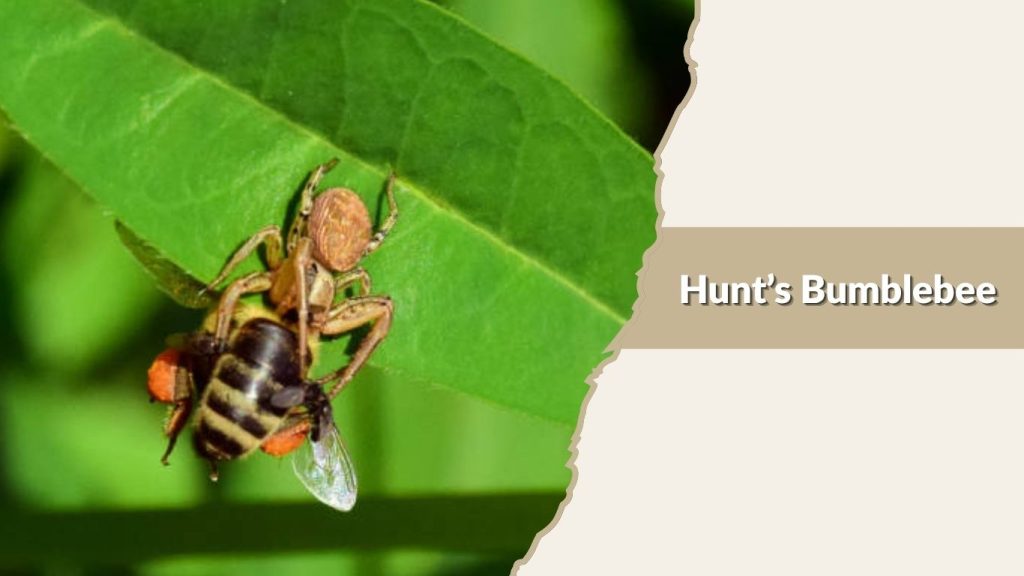
Hunt’s Bumblebee is a colorful medium-sized bumblebee found mostly in western North America. It is known for its bright yellow, black, and orange-red markings, making it one of the more eye-catching bumblebee species. This bee is often seen visiting wildflowers in meadows, grasslands, gardens, roadsides, and mountain habitats.
Identification
- Medium-sized bumblebee with a fuzzy, rounded body.
- Thorax is mostly yellow with a dark patch between the wings.
- Abdomen often has yellow near the front, black in the middle, and orange-red toward the rear.
- Bright orange or reddish abdominal coloring is an important identification clue.
- Queens are larger than workers and males.
- The wings are clear and slightly smoky.
- Often seen feeding on wildflowers in sunny, open habitats.
Habitat and Distribution
Hunt’s Bumblebee is mainly found in western North America. It lives in meadows, grasslands, prairies, mountain valleys, gardens, roadsides, farms, and woodland edges. It prefers open areas with many blooming flowers and suitable places for nesting.
Behavior and Diet
This bumblebee feeds on nectar and collects pollen from many flowering plants. It visits clover, lupines, asters, sunflowers, goldenrod, and other wildflowers. While foraging, it helps pollinate native plants, garden flowers, and some crops by transferring pollen between blooms.
Lifecycle
The lifecycle begins in spring when a fertilized queen emerges from winter shelter and searches for a nesting site. She starts a colony, lays eggs, and raises the first workers. Through summer, workers gather food and care for the nest. Later, males and new queens are produced, and newly mated queens overwinter to begin the next generation.
15. Fuzzy-horned Bumblebee
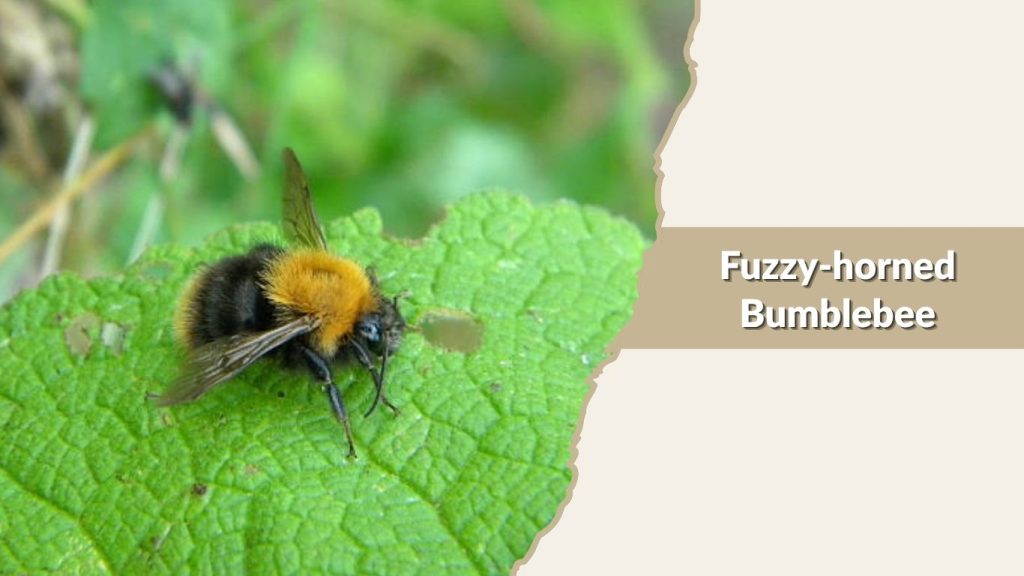
The Fuzzy-horned Bumblebee is a medium-sized bumblebee known for its hairy appearance and distinctive antenna area. It is found in parts of North America, especially in open habitats with plenty of flowering plants. This species visits many wildflowers and helps support pollination in meadows, grasslands, gardens, and roadside habitats.
Identification
- Medium-sized bumblebee with a fuzzy, rounded body.
- Thorax is usually yellow with a darker patch between the wings.
- Abdomen often has yellow and black banding.
- Antennae area may appear noticeably hairy or fuzzy.
- Queens are larger than workers and males.
- The wings are clear and slightly smoky.
- Often seen feeding on flowers in open, sunny areas.
Habitat and Distribution
The Fuzzy-horned Bumblebee is found in parts of North America, especially in open and flower-rich landscapes. It lives in meadows, grasslands, prairies, gardens, farms, roadsides, and woodland edges. It depends on areas with continuous blooms, nesting sites, and safe overwintering places for queens.
Behavior and Diet
This bumblebee feeds on nectar and collects pollen from many flowering plants. It may visit clover, asters, goldenrod, sunflowers, milkweed, and other wildflowers. As it moves between flowers, it helps transfer pollen and supports plant reproduction in both wild and managed habitats.
Lifecycle
The lifecycle begins in spring when a mated queen emerges from winter shelter and starts a new colony. She searches for a nesting site, lays eggs, and raises the first workers. During summer, workers gather food and care for young bees. Later in the season, males and new queens are produced. After mating, new queens overwinter and restart the cycle in spring.
16. Frigid Bumblebee
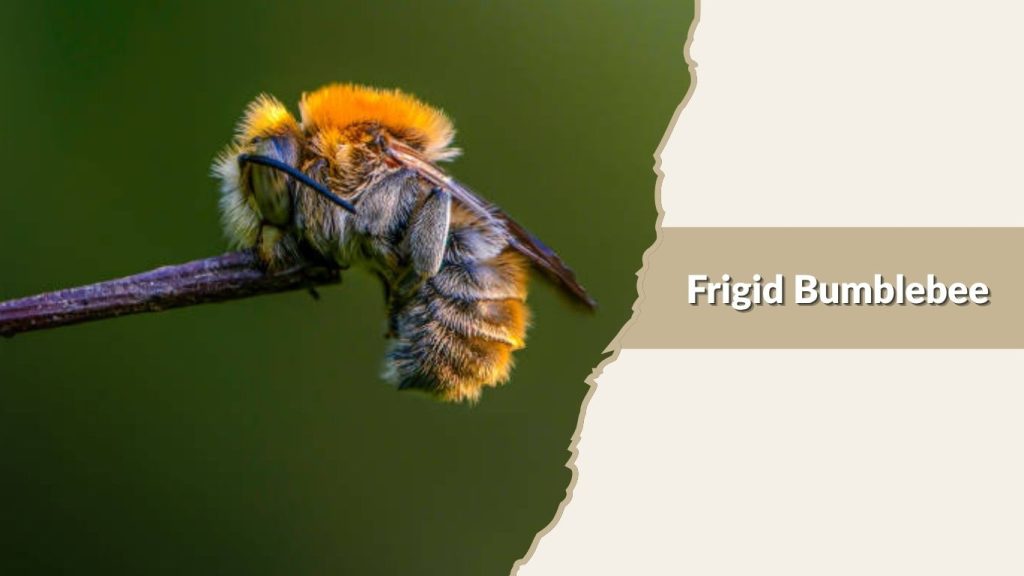
The Frigid Bumblebee is a medium-sized bumblebee commonly found in cooler northern and mountainous regions. It has a fuzzy yellow-and-black body and is well adapted to cold climates. This species is often seen visiting wildflowers in alpine meadows, tundra edges, forests, and other cool open habitats during the short warm season.
Identification
- Medium-sized bumblebee with a dense, fuzzy body.
- Thorax is usually yellow with a dark patch between the wings.
- Abdomen often has yellow near the front and black toward the rear.
- Body hairs may look thick, helping it tolerate cooler conditions.
- Queens are larger than workers and males.
- The wings are clear and slightly smoky.
- Often found in cooler habitats such as mountains, northern meadows, and tundra edges.
Habitat and Distribution
The Frigid Bumblebee is found in northern and high-elevation parts of North America. It lives in alpine meadows, tundra margins, boreal forests, mountain slopes, grasslands, and cool woodland edges. It depends on flower-rich habitats that bloom during the shorter growing season.
Behavior and Diet
This bumblebee feeds on nectar and collects pollen from cold-region wildflowers. It may visit clover, lupines, fireweed, asters, blueberries, and other flowering plants. Its fuzzy body helps it stay active in cooler weather, allowing it to forage when some other insects are less active.
Lifecycle
The colony begins in spring or early summer when a fertilized queen emerges from winter shelter. She starts a nest and raises the first workers. Because the warm season is short in colder regions, the colony must grow quickly. Later, males and new queens are produced, and newly mated queens overwinter until the next season.
17. Western Bumblebee
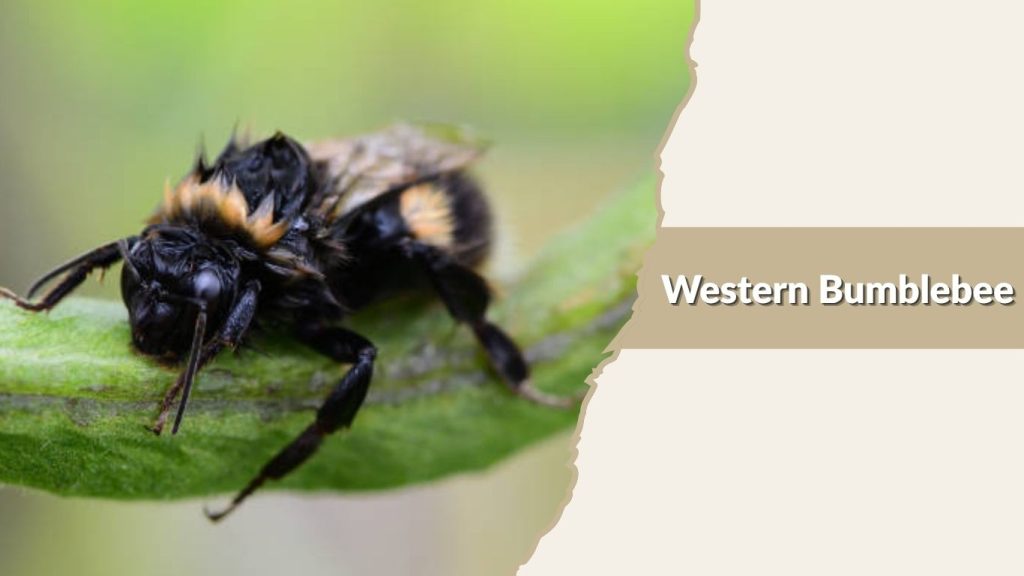
The Western Bumblebee is a medium to large bumblebee once common across much of western North America. It is known for its fuzzy yellow, black, and sometimes whitish body pattern. This species is an important native pollinator, but it has declined in many areas, making correct identification especially useful.
Identification
- Medium to large bumblebee with a fuzzy, robust body.
- Thorax is usually yellow at the front and rear with a dark band between the wings.
- Abdomen often has yellow near the front and dark bands toward the middle.
- The rear tip of the abdomen may appear pale or whitish in some individuals.
- Queens are larger than workers and males.
- The wings are clear and slightly smoky.
- Often seen visiting wildflowers in meadows, gardens, roadsides, farms, and mountain habitats.
Habitat and Distribution
The Western Bumblebee is found in parts of western North America, including open fields, meadows, prairies, farms, gardens, mountain valleys, and woodland edges. It prefers areas with abundant flowers, safe nesting sites, and undisturbed places where queens can overwinter.
Behavior and Diet
This bumblebee feeds on nectar and collects pollen from many flowering plants. It visits clover, lupines, asters, goldenrod, fireweed, sunflowers, and crop blossoms. While foraging, it helps pollinate wild plants and agricultural crops, making it valuable for both natural ecosystems and farming areas.
Lifecycle
The lifecycle starts when a fertilized queen emerges in spring and searches for a nest site. She lays eggs and raises the first workers, which later collect food and maintain the colony. By late summer, the colony produces males and new queens. After mating, new queens overwinter while the old colony dies out.
18. Sonoran Bumblebee
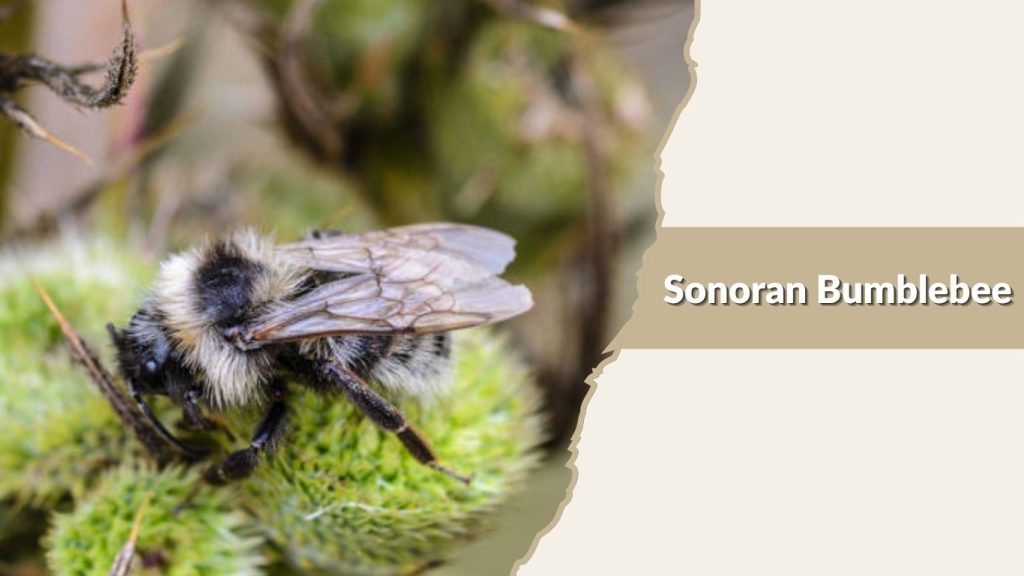
The Sonoran Bumblebee is a medium-sized bumblebee found mainly in warm regions of the southwestern United States and Mexico. It is known for its fuzzy body, yellow-and-black coloring, and active flower-visiting behavior. This species helps pollinate wildflowers, desert plants, garden flowers, and some crops in dry landscapes.
Identification
- Medium-sized bumblebee with a fuzzy, rounded body.
- Thorax is usually yellow with a darker patch between the wings.
- Abdomen often has yellow near the front and darker bands toward the rear.
- The body may look slightly slimmer than some larger bumblebee species.
- Queens are larger than workers and males.
- The wings are clear and slightly smoky.
- Often seen visiting flowers in warm, dry, open habitats.
Habitat and Distribution
The Sonoran Bumblebee is found in parts of the southwestern United States and Mexico. It lives in deserts, desert edges, grasslands, gardens, farms, roadsides, canyons, and open woodlands. It prefers areas where flowering plants are available during the warm season and where suitable nesting sites can be found.
Behavior and Diet
This bumblebee feeds on nectar and collects pollen from many types of flowers. It may visit desert wildflowers, clover, sunflowers, asters, garden plants, and flowering shrubs. As it moves between blooms, it helps pollinate plants in both natural desert habitats and human-managed landscapes.
Lifecycle
The lifecycle begins when a fertilized queen emerges from winter shelter and searches for a nest site. She lays eggs and raises the first workers. During the warm season, workers collect nectar and pollen while caring for the colony. Later, males and new queens are produced. After mating, new queens overwinter and begin the cycle again.
19. California Bumblebee
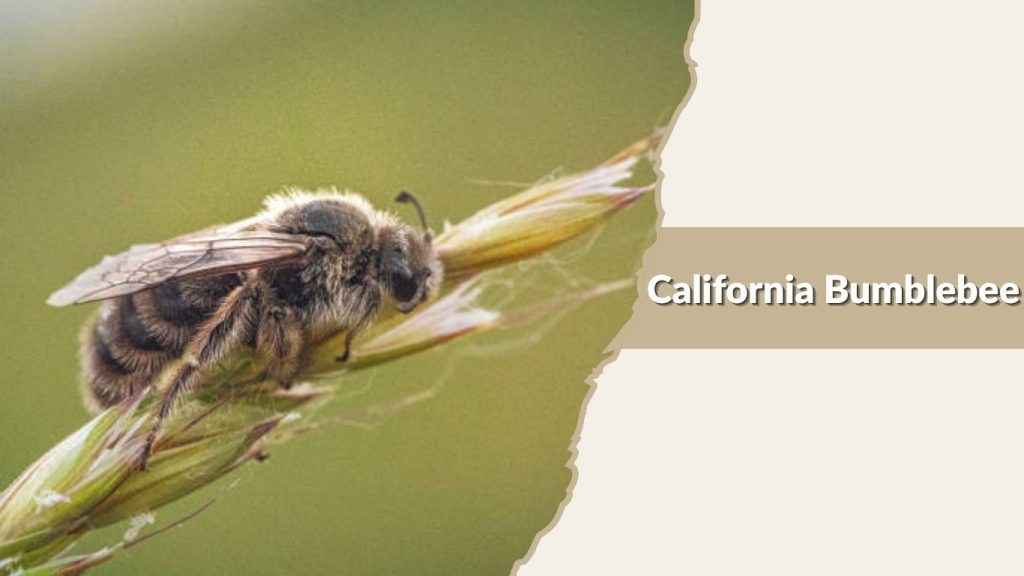
The California Bumblebee is a medium-sized bumblebee found mainly in western North America. It is known for its fuzzy body, yellow-and-black coloring, and active pollination of wildflowers, garden plants, and crops. This species is often seen in open habitats, including meadows, farms, gardens, roadsides, and woodland edges.
Identification
- Medium-sized bumblebee with a fuzzy, rounded body.
- Thorax is usually yellow with a dark patch between the wings.
- Abdomen often has yellow near the front and darker bands toward the rear.
- Body pattern can vary, making it similar to other western bumblebees.
- Queens are larger than workers and males.
- The wings are clear to slightly smoky.
- Often seen visiting flowers in sunny, open areas.
Habitat and Distribution
The California Bumblebee is mainly found in western North America, especially along the Pacific Coast and nearby inland areas. It lives in meadows, grasslands, gardens, farms, parks, roadsides, woodland edges, and open forests. It prefers flower-rich places with suitable nesting and overwintering sites.
Behavior and Diet
This bumblebee feeds on nectar and collects pollen from many flowering plants. It may visit clover, lupines, asters, sunflowers, milkweed, and garden flowers. While feeding, it helps pollinate wild plants and crops by moving pollen between blossoms.
Lifecycle
The lifecycle begins in spring when a fertilized queen emerges from winter shelter and searches for a nesting site. She starts a nest, lays eggs, and raises the first workers. During summer, workers collect nectar and pollen and care for the colony. Later in the season, males and new queens are produced, and newly mated queens survive winter.
20. Fernald Cuckoo Bumblebee
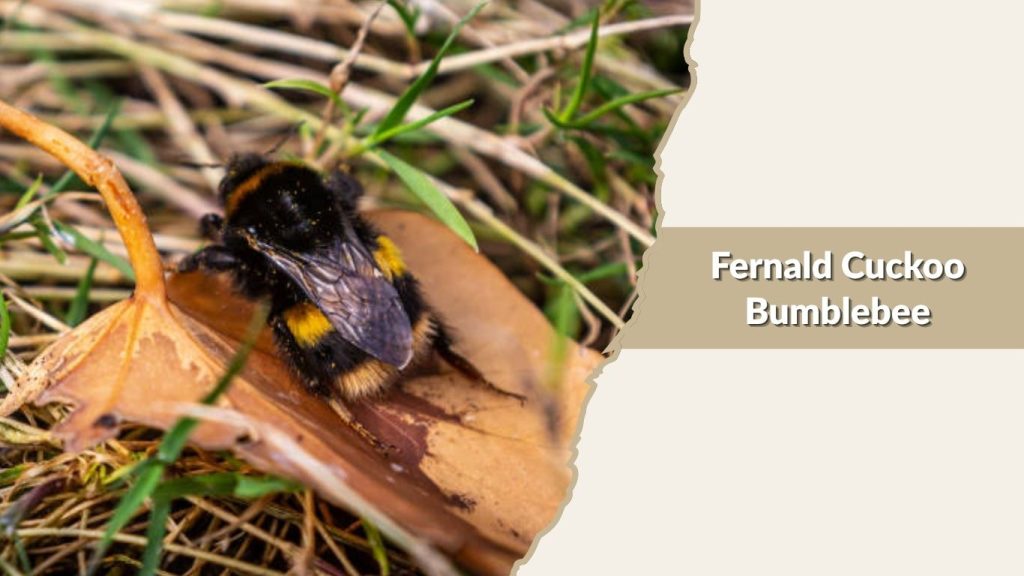
The Fernald Cuckoo Bumblebee is a parasitic bumblebee that does not build its own worker colony. Instead, it enters the nest of a host bumblebee and uses that colony to raise its young. This species has a fuzzy black-and-yellow body and is usually found in areas where its host species are present.
Identification
- Medium-sized cuckoo bumblebee with a fuzzy body.
- Thorax is usually yellow with a dark patch between the wings.
- Abdomen often has black and yellow markings.
- Lacks pollen baskets on the hind legs because it does not collect pollen for workers.
- Females may appear more heavily armored or less rounded than worker bumblebees.
- The wings are clear and slightly smoky.
- Often harder to identify because it resembles several other cuckoo bumblebees.
Habitat and Distribution
The Fernald Cuckoo Bumblebee is found in parts of North America, especially in areas where suitable host bumblebees occur. It may be seen in meadows, grasslands, gardens, forest edges, roadsides, and flower-rich open habitats. Because it depends on host colonies, its distribution is closely tied to the health and presence of other bumblebee species.
Behavior and Diet
Adult Fernald Cuckoo Bumblebees feed on nectar from flowers, but females do not gather pollen to raise worker broods. Instead, a female enters a host nest and relies on the host workers to care for her eggs and young. This parasitic lifestyle makes it different from social bumblebees that build and maintain their own colonies.
Lifecycle
The lifecycle begins when a mated female emerges and searches for a suitable host nest. After entering the nest, she may replace or dominate the host queen and lay her own eggs. Host workers then feed and care for the developing larvae. New males and females emerge later in the season, mate, and the fertilized females overwinter before repeating the cycle.
21. Ashton Cuckoo Bumblebee
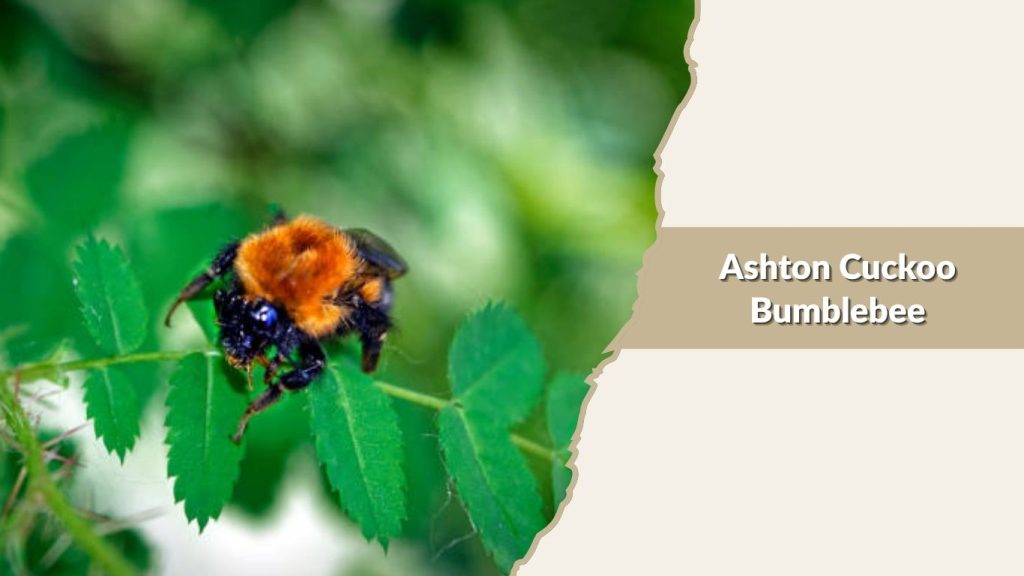
The Ashton Cuckoo Bumblebee is a parasitic bumblebee that depends on the nests of other bumblebee species to reproduce. Unlike social bumblebees, it does not create a normal worker colony. This species is usually found in flower-rich habitats where its host bumblebees are also present.
Identification
- Medium-sized cuckoo bumblebee with a fuzzy black-and-yellow body.
- Thorax is usually yellow with a dark patch between the wings.
- Abdomen often has yellow markings near the front and darker coloring toward the rear.
- Females do not have pollen baskets on the hind legs.
- The body may look slightly tougher or less rounded than worker bumblebees.
- The wings are clear to slightly smoky.
- Often resembles other cuckoo bumblebees, so close identification can be difficult.
Habitat and Distribution
The Ashton Cuckoo Bumblebee is found in parts of North America, especially where suitable host bumblebee colonies occur. It may live in meadows, grasslands, woodland edges, gardens, roadsides, and other open habitats with plenty of flowers. Its presence depends strongly on healthy populations of host bumblebees.
Behavior and Diet
Adult Ashton Cuckoo Bumblebees feed on nectar from flowers. Females do not collect pollen to raise workers. Instead, they enter the nest of a host bumblebee and use the host workers to care for their eggs and larvae. This makes them different from typical bumblebees that build and maintain their own colonies.
Lifecycle
The lifecycle begins when a mated female emerges and searches for a host nest. After entering the nest, she lays eggs that are cared for by the host workers. The young develop into new males and females rather than workers. After mating, fertilized females overwinter and emerge the next season to find new host nests.
22. Indiscriminate Cuckoo Bumblebee
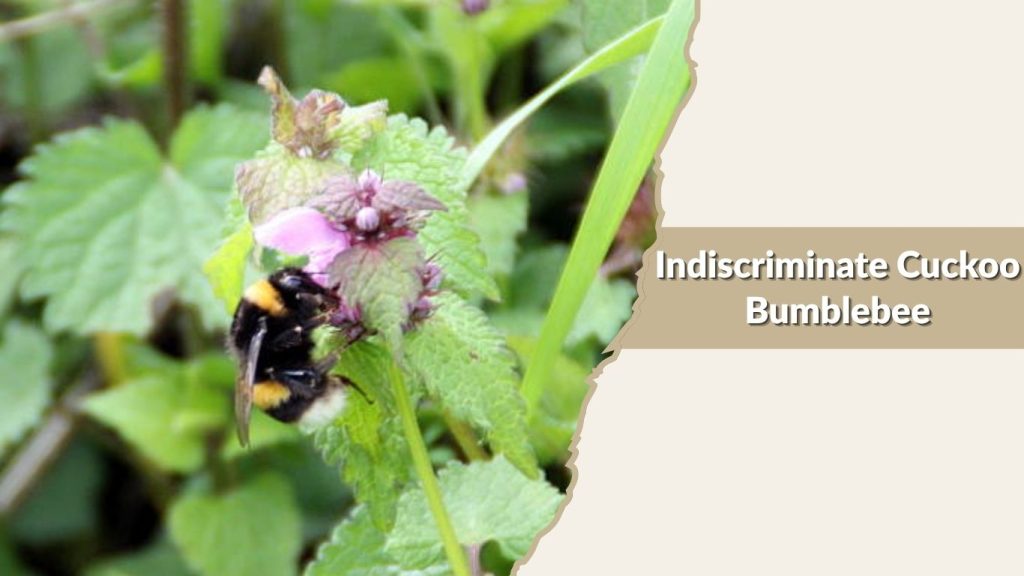
The Indiscriminate Cuckoo Bumblebee is a parasitic bumblebee that relies on other bumblebee colonies to raise its young. It does not build a normal worker colony of its own. This species is usually found in flower-rich habitats where host bumblebees are present, including meadows, grasslands, gardens, and woodland edges.
Identification
- Medium-sized cuckoo bumblebee with a fuzzy body.
- Thorax is usually yellow with a dark patch between the wings.
- Abdomen often has yellow, black, and sometimes pale markings.
- Females lack pollen baskets on the hind legs.
- The body may look slightly tougher and less rounded than worker bumblebees.
- The wings are clear to slightly smoky.
- Often difficult to identify because it resembles other cuckoo bumblebees.
Habitat and Distribution
The Indiscriminate Cuckoo Bumblebee is found in parts of North America where suitable host bumblebees occur. It may live in meadows, prairies, grasslands, gardens, roadsides, forest edges, and other open areas with many flowers. Its presence depends on healthy host bumblebee colonies nearby.
Behavior and Diet
Adult Indiscriminate Cuckoo Bumblebees feed on nectar from flowers. Females do not gather pollen for a worker colony. Instead, they enter the nest of a host bumblebee and depend on the host workers to raise their young. This parasitic behavior separates them from social bumblebees that build their own colonies.
Lifecycle
The lifecycle begins when a mated female emerges from winter shelter and searches for a host nest. After entering the nest, she lays eggs that are cared for by the host workers. The offspring develop into males and females, not workers. After mating, new fertilized females overwinter and start the cycle again the next season.
23. Suckley’s Cuckoo Bumblebee
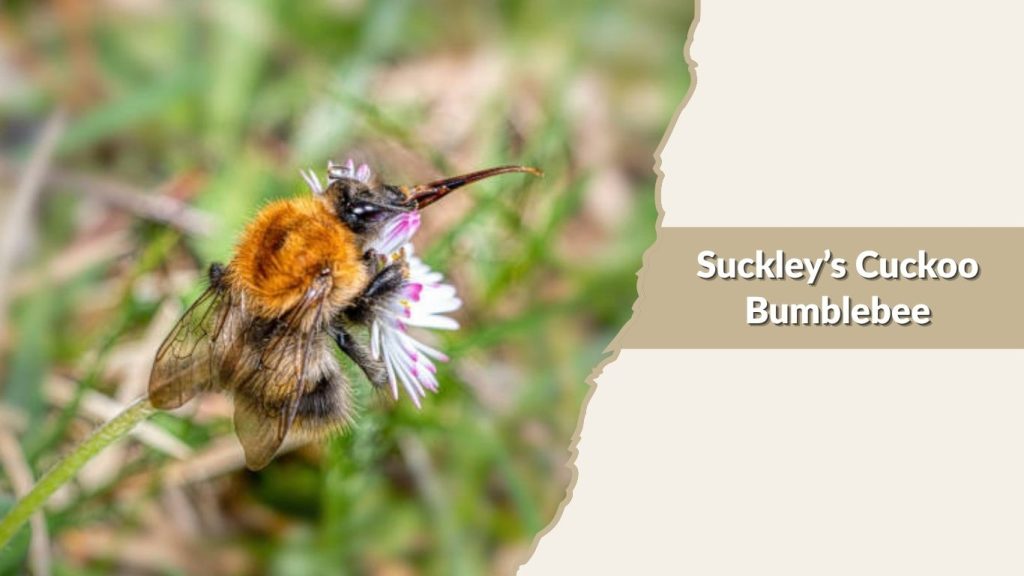
Suckley’s Cuckoo Bumblebee is a parasitic bumblebee that depends on the nests of other bumblebees to raise its young. It does not produce a worker colony of its own. This species is usually found in open, flower-rich habitats where suitable host bumblebees are present.
Identification
- Medium to large cuckoo bumblebee with a fuzzy body.
- Thorax is usually yellow with a dark patch between the wings.
- Abdomen often has black, yellow, and sometimes pale markings.
- Females lack pollen baskets on the hind legs.
- The body may look tougher and less rounded than worker bumblebees.
- The wings are clear to slightly smoky.
- Often resembles other cuckoo bumblebees, so close identification can be difficult.
Habitat and Distribution
Suckley’s Cuckoo Bumblebee is found in parts of North America, especially where its host bumblebee species occur. It may live in meadows, prairies, grasslands, gardens, roadsides, woodland edges, and mountain habitats. Because it relies on host colonies, its presence is closely connected to the health of other bumblebee populations.
Behavior and Diet
Adult Suckley’s Cuckoo Bumblebees feed on nectar from flowers. Females do not collect pollen to feed worker larvae. Instead, they enter a host bumblebee nest and depend on host workers to raise their offspring. This parasitic lifestyle makes them different from ordinary social bumblebees.
Lifecycle
The lifecycle begins when a mated female emerges from winter shelter and searches for a suitable host nest. After entering the nest, she lays eggs that are cared for by the host workers. The young develop into males and females rather than workers. After mating, newly fertilized females overwinter and begin the cycle again the next season.
24. Southern Plains Bumblebee
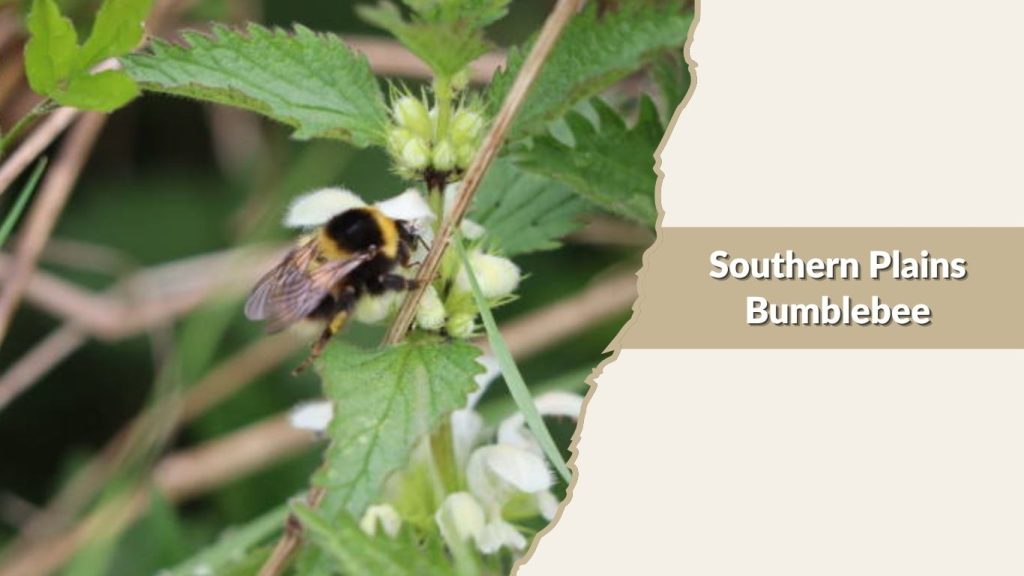
The Southern Plains Bumblebee is a medium-sized bumblebee found in open habitats of central and southern North America. It is known for its fuzzy body, yellow-and-black markings, and active role in pollinating wildflowers and crops. This species is often seen in grasslands, prairies, farms, gardens, and roadsides.
Identification
- Medium-sized bumblebee with a fuzzy, rounded body.
- Thorax is usually yellow with a darker patch between the wings.
- Abdomen often has yellow near the front with darker bands toward the rear.
- Body pattern may vary, making it similar to other plains bumblebees.
- Queens are larger than workers and males.
- The wings are clear to slightly smoky.
- Often seen visiting flowers in warm, open habitats.
Habitat and Distribution
The Southern Plains Bumblebee is mainly found in grasslands, prairies, meadows, farms, roadsides, gardens, and open woodland edges. It prefers sunny areas with plenty of blooming plants. Its range is closely linked to open landscapes where nectar, pollen, nesting places, and overwintering sites are available.
Behavior and Diet
This bumblebee feeds on nectar and collects pollen from many flowering plants. It may visit clover, sunflowers, asters, goldenrod, milkweed, and prairie wildflowers. As it moves between flowers, it helps pollinate native plants and crops, supporting both natural ecosystems and agricultural areas.
Lifecycle
The lifecycle begins in spring when a fertilized queen emerges from winter shelter and searches for a nest site. She lays eggs and raises the first workers. Through summer, workers collect food and care for the colony. Later in the season, males and new queens are produced. After mating, new queens overwinter and start the next generation.
25. Confusing Bumblebee
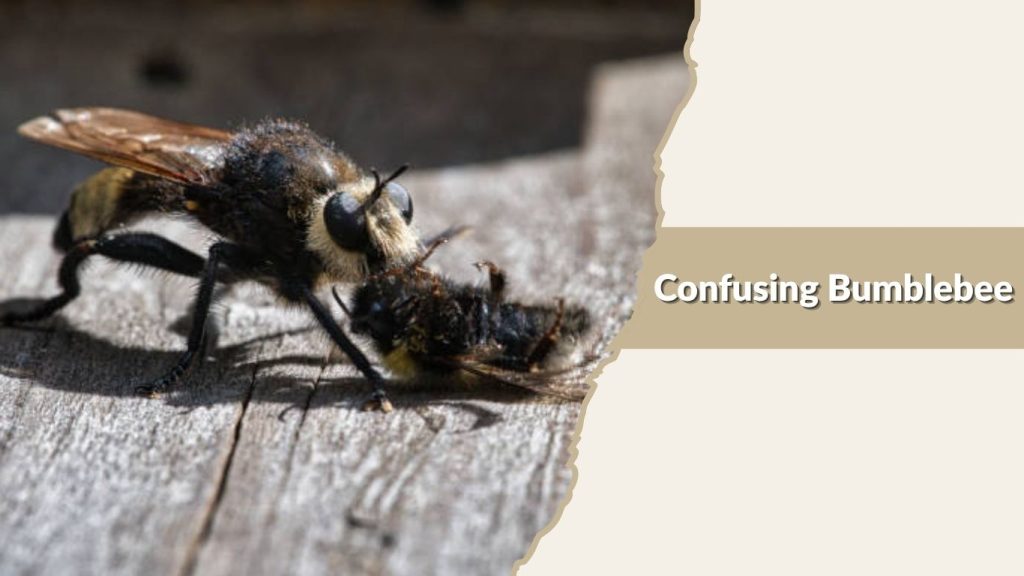
The Confusing Bumblebee is a medium-sized bumblebee with a fuzzy body and variable yellow-and-black markings. As its name suggests, it can be difficult to identify because it resembles several other bumblebee species. It is usually found in open, flower-rich habitats where it feeds on nectar and collects pollen during the warm season.
Identification
- Medium-sized bumblebee with a fuzzy, rounded body.
- Thorax is usually yellow with a dark patch between the wings.
- Abdomen often has yellow and black bands, but the pattern can vary.
- Overall appearance may look similar to other common bumblebees.
- Queens are larger than workers and males.
- The wings are clear to slightly smoky.
- Careful observation of color pattern, body shape, and location may be needed for identification.
Habitat and Distribution
The Confusing Bumblebee is found in parts of North America, especially in open habitats with plenty of flowers. It may live in meadows, prairies, grasslands, gardens, roadsides, farms, and woodland edges. Like many bumblebees, it needs reliable nectar and pollen sources, nesting areas, and safe overwintering places for queens.
Behavior and Diet
This bumblebee feeds on nectar and gathers pollen from many flowering plants. It may visit clover, asters, goldenrod, sunflowers, milkweed, and other wildflowers. While foraging, it helps pollinate plants by moving pollen between flowers, making it useful for both wild habitats and garden ecosystems.
Lifecycle
The lifecycle begins in spring when a mated queen emerges from winter shelter and searches for a suitable nest site. She lays eggs and raises the first workers. During summer, workers collect food and care for the colony. Later in the season, males and new queens are produced. After mating, new queens overwinter and begin new colonies the following spring.
FAQs
What is a Confusing Bumblebee?
The Confusing Bumblebee is a medium-sized bumblebee with fuzzy yellow-and-black markings. It gets its name because it can look similar to several other bumblebee species, making identification difficult without careful observation of its color pattern, body shape, and location.
Where does the Confusing Bumblebee live?
The Confusing Bumblebee usually lives in open, flower-rich habitats such as meadows, prairies, grasslands, gardens, roadsides, farms, and woodland edges. It needs areas with steady blooms, suitable nesting places, and safe overwintering spots for queens.
What does the Confusing Bumblebee eat?
The Confusing Bumblebee feeds on nectar for energy and collects pollen to support its colony. It may visit flowers such as clover, asters, goldenrod, sunflowers, milkweed, and many native wildflowers during the warm season.
Is the Confusing Bumblebee aggressive?
The Confusing Bumblebee is not usually aggressive when it is feeding on flowers. Like other bumblebees, it may defend its nest if disturbed. It is best to watch it from a respectful distance and avoid handling or blocking its nesting area.
Why is the Confusing Bumblebee important?
The Confusing Bumblebee helps pollinate wildflowers, garden plants, and some crops. As it moves between flowers, it transfers pollen and supports plant reproduction. This makes it valuable for healthy ecosystems, gardens, and pollinator-friendly landscapes.