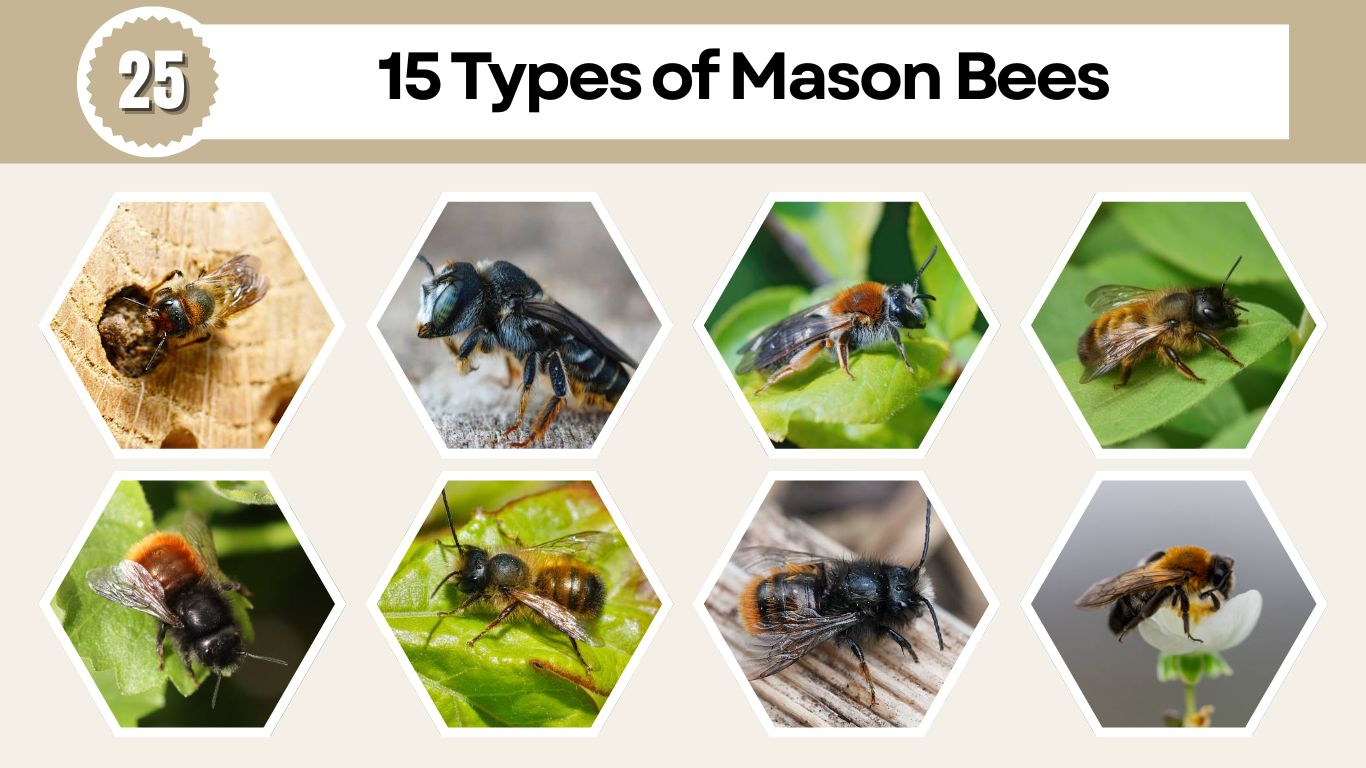
Mason bees are gentle solitary bees known for their excellent pollination skills and unique mud-sealed nests. They come in different sizes, colors, and body shapes, from shiny blue orchard bees to reddish and dark wild species. This guide covers 15 types of mason bees with details about their size, habitat, diet, behavior, and identification features.
1. Blue Orchard Mason Bee
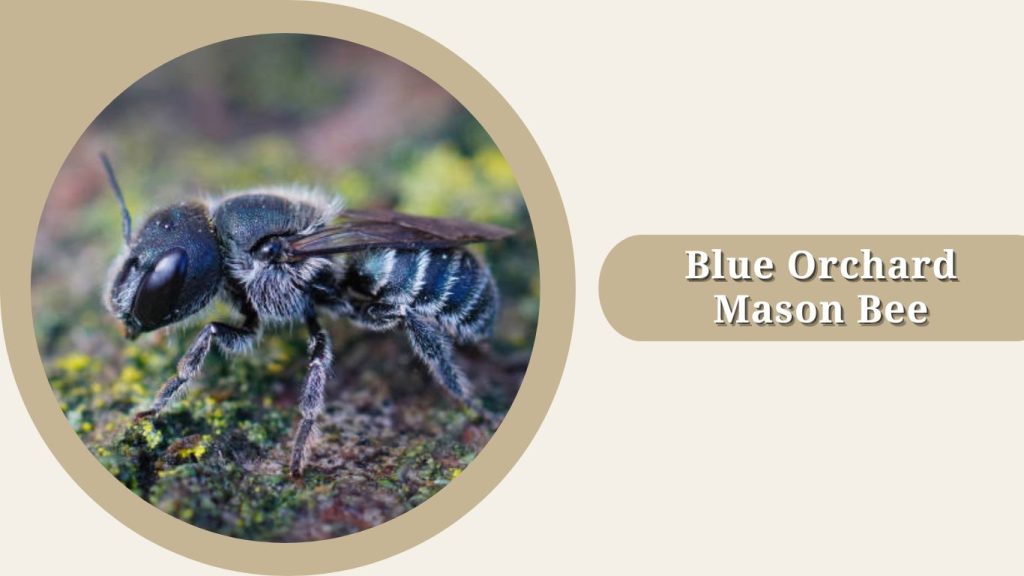
The Blue Orchard Mason Bee is one of the best-known mason bees, especially because it is an excellent pollinator for fruit trees. It is a solitary bee, meaning it does not live in a large colony like honeybees. This bee is often recognized by its shiny blue-black body and its habit of nesting in small holes or natural cavities.
Size
The Blue Orchard Mason Bee is a small to medium-sized bee. It usually measures around 10 to 15 millimeters long. Females are often slightly larger than males and have a stronger body for carrying pollen and building nests.
Habitat
Blue Orchard Mason Bees are commonly found in orchards, gardens, woodlands, and areas with spring-blooming flowers. They do not make wax hives. Instead, they use hollow stems, beetle holes, wooden nesting blocks, or small natural tunnels. They seal their nest cells with mud, which is why they are called mason bees.
Diet
Adult Blue Orchard Mason Bees feed mainly on nectar for energy. Females collect pollen to feed their young. They are especially attracted to fruit tree blossoms, including apple, cherry, plum, and almond flowers. Their strong pollination ability makes them very useful in gardens and orchards.
Identification
- Shiny metallic blue-black body
- Small to medium size, around 10 to 15 millimeters
- Solitary bee that does not form large colonies
- Often seen visiting fruit tree blossoms in spring
- Nests in holes, hollow stems, or bee houses
- Uses mud to close nest chambers
- Females are usually larger and carry pollen under the abdomen
Behavior
Blue Orchard Mason Bees are gentle and rarely sting unless handled roughly. They are most active in spring when fruit trees and early flowers bloom. Unlike honeybees, they do not have a queen or worker caste. Each female builds her own nest, collects pollen, lays eggs, and seals the nest with mud.
Here are the next 2:
2. Hornfaced Mason Bee
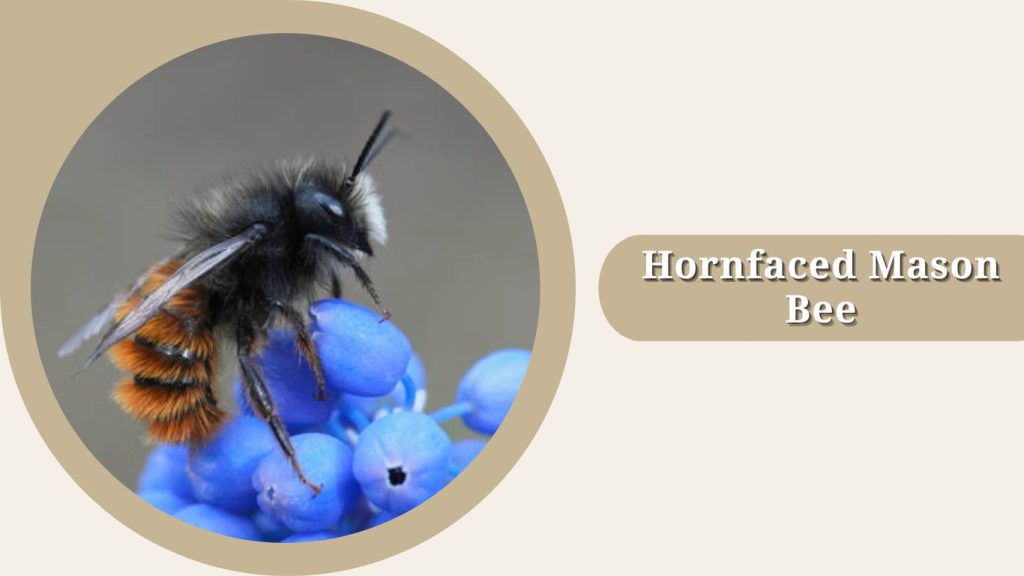
The Hornfaced Mason Bee is a well-known solitary bee often used for pollinating fruit trees. It originally comes from East Asia but has also been introduced in other areas for orchard pollination. This bee is active in spring and is recognized by its dark body, pale facial hairs, and gentle behavior around flowers.
Size
The Hornfaced Mason Bee is a small to medium-sized bee. It usually measures around 10 to 14 millimeters long. Females are often larger than males and have a stronger body for carrying pollen and preparing nest cells.
Habitat
Hornfaced Mason Bees are commonly found in orchards, gardens, woodland edges, and places with many spring flowers. They nest in hollow stems, wooden holes, reeds, and artificial bee houses. Like other mason bees, they use mud to divide and seal their nest chambers.
Diet
Adult Hornfaced Mason Bees feed on nectar from flowers. Females collect pollen to feed their larvae. They are especially useful in orchards because they visit apple, pear, cherry, peach, and plum blossoms. Their early spring activity makes them important pollinators when many other bees are less active.
Identification
- Small to medium-sized solitary bee
- Dark body with pale facial hairs
- Often active around fruit tree blossoms
- Females are usually larger than males
- Nests in hollow stems, reeds, or bee houses
- Uses mud to seal nesting chambers
- Gentle bee that rarely stings
Behavior
Hornfaced Mason Bees are active, efficient, and usually calm around people. They do not live in colonies or make honey. Each female builds her own nest, collects pollen, lays eggs, and seals the nest with mud. Because they are strong pollinators, they are often encouraged in orchards and gardens.
3. Red Mason Bee
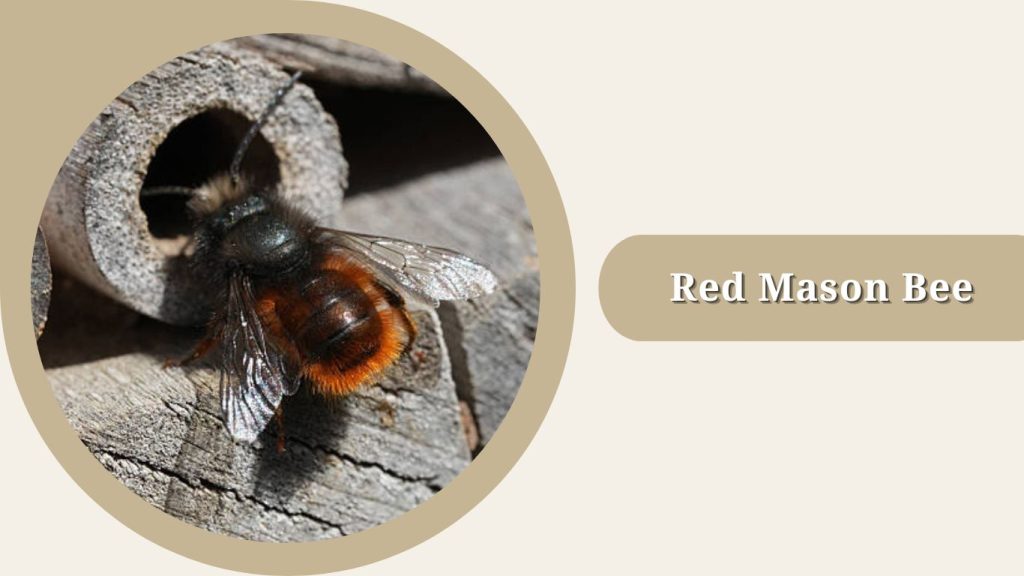
The Red Mason Bee is a common solitary bee known for its reddish-brown hairs and strong pollination ability. It is often seen in gardens, parks, orchards, and woodland edges during spring. Unlike honeybees, it does not live in a large colony. Each female builds her own nest and uses mud to close the nesting holes.
Size
The Red Mason Bee is usually small to medium in size. It commonly measures around 8 to 12 millimeters long. Females are generally larger and stronger than males, while males may appear slimmer and have lighter facial hairs.
Habitat
Red Mason Bees live in gardens, orchards, hedgerows, parks, and open woodland areas. They nest in natural holes, hollow plant stems, old beetle tunnels, wall gaps, and bee hotels. They prefer places where mud and spring flowers are nearby because both are needed for nesting and feeding.
Diet
Red Mason Bees feed on nectar for energy. Females collect pollen from many spring flowers to provide food for their young. They visit fruit trees, wildflowers, garden plants, and flowering shrubs. Their hairy bodies help them carry pollen from one flower to another.
Identification
- Reddish-brown or rusty body hairs
- Small to medium-sized solitary bee
- Often seen in spring around flowers
- Females carry pollen under the abdomen
- Nests in holes, wall gaps, stems, or bee hotels
- Uses mud to seal nest cells
- Gentle and unlikely to sting unless threatened
Behavior
Red Mason Bees are active during mild spring weather. They are peaceful bees and usually ignore people. A female chooses a nesting hole, fills it with pollen and nectar, lays an egg, and seals the cell with mud. This process continues until the tunnel is filled with several young bees.
Here are the next 2:
4. Japanese Orchard Bee
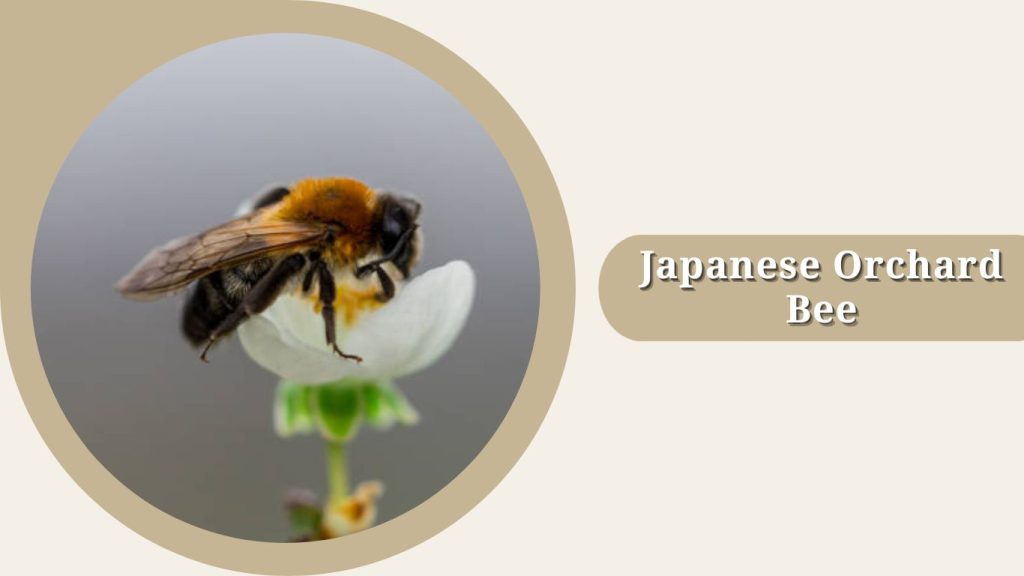
The Japanese Orchard Bee is a solitary mason bee valued for its strong pollination work in orchards. It is active during spring when many fruit trees bloom. This bee does not live in a hive or produce honey. Instead, each female builds her own nest in small holes and seals the cells with mud.
Size
The Japanese Orchard Bee is usually small to medium in size. It commonly measures around 10 to 14 millimeters long. Females are often slightly larger than males because they collect pollen, prepare nest cells, and lay eggs.
Habitat
Japanese Orchard Bees are often found in orchards, gardens, woodland edges, and areas with many spring flowers. They nest in hollow reeds, wooden holes, natural tunnels, and bee houses. They need nearby mud because females use it to divide the nest into separate chambers.
Diet
Adult Japanese Orchard Bees feed on nectar from flowers for energy. Females collect pollen to feed their larvae. They are especially useful for pollinating apple, pear, cherry, plum, and peach blossoms. Their spring activity makes them helpful when fruit trees need early-season pollination.
Identification
- Small to medium-sized mason bee
- Dark body with fine body hairs
- Often seen around fruit tree blossoms
- Solitary bee that does not form large colonies
- Nests in hollow stems, reeds, or bee houses
- Uses mud to seal nest chambers
- Active mainly during spring
Behavior
Japanese Orchard Bees are gentle and usually not aggressive. They spend much of their time visiting flowers, collecting pollen, and preparing nests. Each female works alone, choosing a tunnel, adding pollen, laying an egg, and sealing the chamber with mud. They are useful bees for both gardens and orchards.
5. Osmia cornifrons
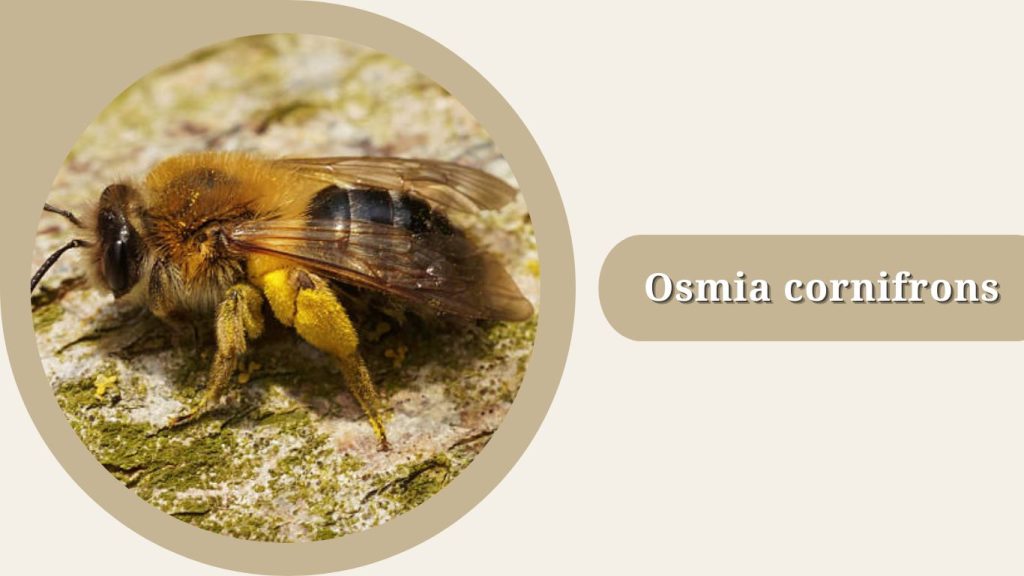
Osmia cornifrons is a mason bee species commonly known as the Hornfaced Mason Bee. It is widely recognized for its ability to pollinate fruit trees efficiently. This bee is solitary, so it does not have a queen, workers, or a large hive. Each female builds and manages her own nest.
Size
Osmia cornifrons is a small to medium-sized bee. It usually grows around 10 to 14 millimeters long. Females are generally larger than males and have a stronger body for carrying pollen and building mud-sealed nest cells.
Habitat
This bee is commonly found in orchards, gardens, fields, woodland edges, and areas with spring flowers. It nests in pre-existing holes, hollow stems, reeds, wooden nesting blocks, and bee houses. It does not dig its own long tunnel but uses suitable spaces already available.
Diet
Adult Osmia cornifrons feeds on nectar for energy. Female bees collect pollen and nectar to make food masses for their larvae. They are especially important for pollinating apple, pear, cherry, plum, and other fruit blossoms. Their early activity makes them valuable in spring orchards.
Identification
- Small to medium-sized solitary mason bee
- Dark body with pale hairs on the face
- Females may show horn-like facial features
- Often active around fruit tree flowers
- Nests in reeds, stems, holes, or bee houses
- Seals nest cells with mud
- Does not produce honey or live in colonies
Behavior
Osmia cornifrons is calm, active, and highly useful for pollination. It usually flies in spring and works well in cooler conditions compared to some other bees. A female builds several nest cells in one tunnel, placing pollen food and one egg in each cell before sealing it with mud.
Here are the next 2:
6. Osmia lignaria
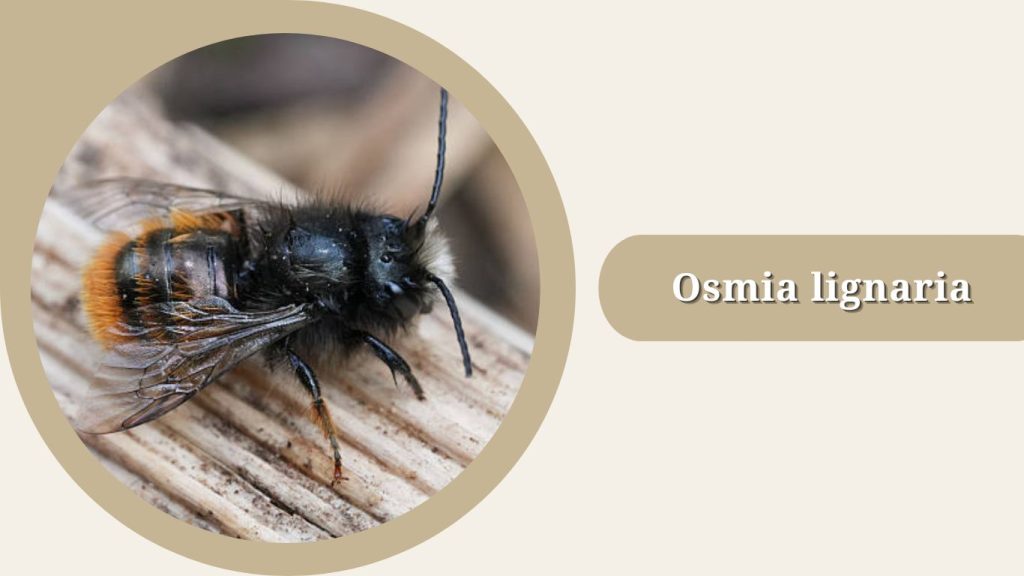
Osmia lignaria, commonly known as the Blue Orchard Mason Bee, is a solitary bee valued for its excellent pollination of fruit trees. It is especially active in spring and is often seen visiting orchard blossoms. Unlike honeybees, it does not live in a hive, make honey, or work with a colony.
Size
Osmia lignaria is usually small to medium in size. It commonly measures around 10 to 15 millimeters long. Females are often larger and stronger than males because they collect pollen, prepare nest cells, and lay eggs inside nesting tunnels.
Habitat
This bee is found in orchards, gardens, woodlands, meadows, and areas with early spring flowers. It nests in hollow stems, old beetle holes, reeds, wooden blocks, and bee houses. Females use mud to divide the tunnel into separate nest cells and seal the entrance.
Diet
Adult Osmia lignaria feeds on nectar for energy. Females collect pollen and nectar to create food for their larvae. They are especially attracted to apple, cherry, plum, almond, and pear blossoms. Their hairy bodies make them highly effective at moving pollen between flowers.
Identification
- Shiny metallic blue or blue-black body
- Small to medium-sized solitary bee
- Often active during spring
- Females carry pollen under the abdomen
- Nests in holes, stems, reeds, or bee houses
- Uses mud to seal nest chambers
- Important pollinator for orchard fruit trees
Behavior
Osmia lignaria is gentle and rarely stings unless handled roughly. Each female works alone to build her nest, collect pollen, lay eggs, and seal cells with mud. It is often encouraged in gardens and orchards because it pollinates flowers quickly and efficiently.
7. Osmia bicornis
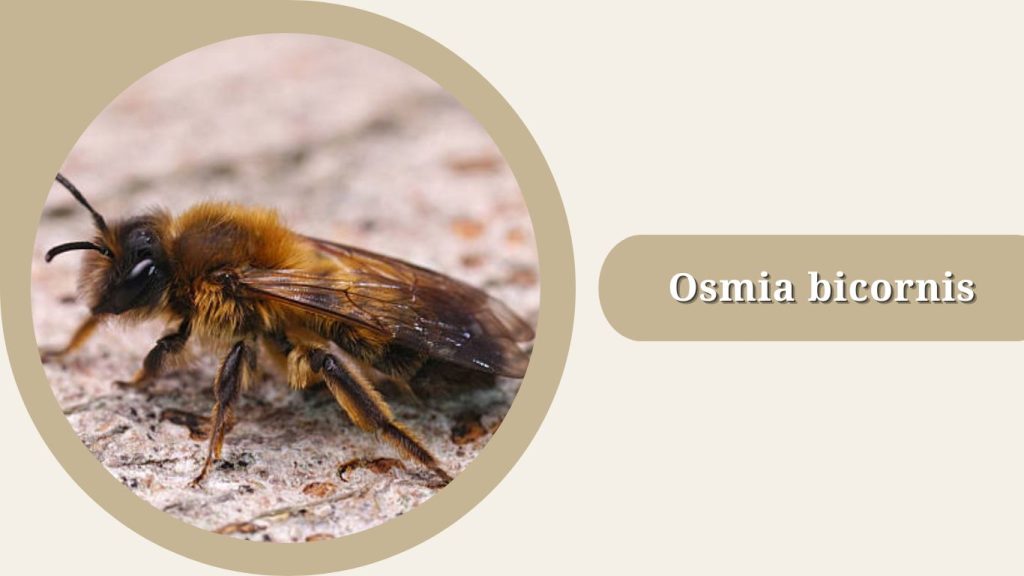
Osmia bicornis, also called the Red Mason Bee, is a common solitary bee known for its reddish hairs and excellent spring pollination. It is often found in gardens, orchards, parks, and woodland edges. This bee does not live in a colony, and each female creates her own nest using mud.
Size
Osmia bicornis is a small to medium-sized bee. It usually measures around 8 to 12 millimeters long. Females are generally larger than males and have a stronger body for carrying pollen and building nest cells.
Habitat
This mason bee lives in gardens, orchards, hedgerows, open woodlands, and urban green spaces. It nests in hollow stems, wall holes, old beetle tunnels, wooden blocks, and bee hotels. It needs access to mud because females use it to separate and close nest chambers.
Diet
Adult Osmia bicornis feeds on nectar from flowers. Females gather pollen and nectar to feed their larvae. They visit many spring flowers, including fruit tree blossoms, wildflowers, flowering shrubs, and garden plants. Their hairy bodies help transfer pollen effectively.
Identification
- Reddish-brown body hairs
- Small to medium-sized solitary bee
- Females carry pollen under the abdomen
- Often seen near flowers in spring
- Nests in holes, stems, walls, or bee hotels
- Uses mud to seal nesting cells
- Gentle bee that rarely stings
Behavior
Osmia bicornis is active during spring and early summer. Females search for suitable tunnels, collect pollen, lay eggs, and close each chamber with mud. They are peaceful around people and are often welcomed in gardens because they pollinate many plants efficiently.
Here are the next 2:
8. Osmia rufa
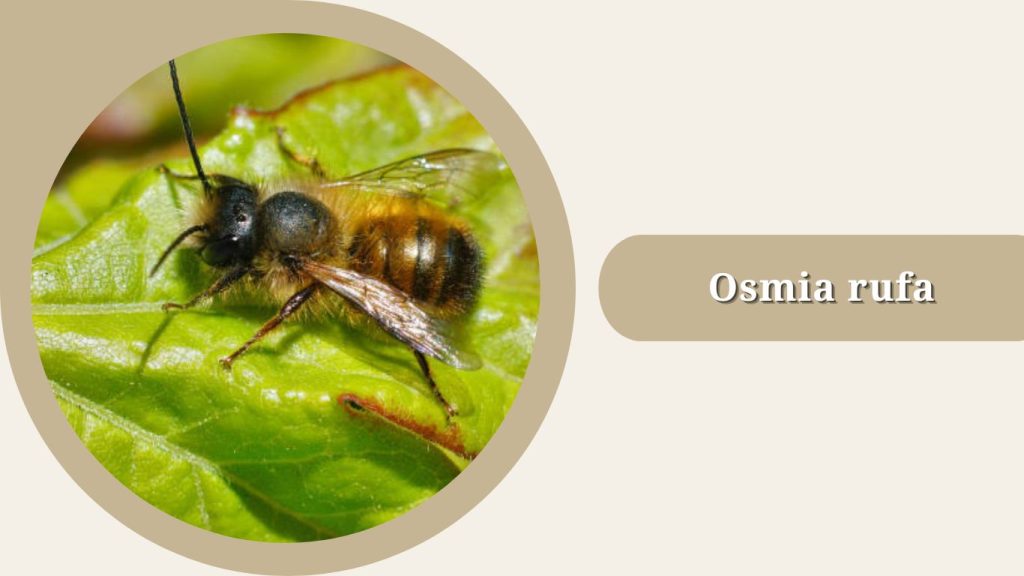
Osmia rufa is a solitary mason bee that is closely related to the Red Mason Bee. It is known for its reddish-brown hairs, gentle nature, and useful pollination work in gardens and orchards. This bee does not live in a hive or make honey. Instead, each female builds her own nest in small holes and seals the chambers with mud.
Size
Osmia rufa is usually a small to medium-sized bee. It commonly measures around 8 to 12 millimeters long. Females are often larger than males and have a stronger body for carrying pollen and preparing nest cells.
Habitat
This bee is commonly found in gardens, orchards, parks, hedgerows, woodland edges, and urban green spaces. It nests in hollow stems, wall cracks, old beetle holes, wooden blocks, and bee hotels. It prefers places where spring flowers and damp mud are nearby.
Diet
Adult Osmia rufa feeds on nectar for energy. Females collect pollen and nectar to provide food for their larvae. They visit fruit trees, flowering shrubs, wildflowers, and many garden plants. Their hairy bodies make them effective at carrying pollen between flowers.
Identification
- Reddish or rusty body hairs
- Small to medium-sized solitary bee
- Often active in spring and early summer
- Females carry pollen under the abdomen
- Nests in holes, stems, walls, or bee hotels
- Uses mud to close nest chambers
- Gentle bee that rarely stings
Behavior
Osmia rufa is calm, active, and useful for pollination. Each female works alone to choose a nesting tunnel, collect pollen, lay eggs, and seal each cell with mud. It is often welcomed in gardens because it helps pollinate flowers without being aggressive.
9. Osmia cornuta
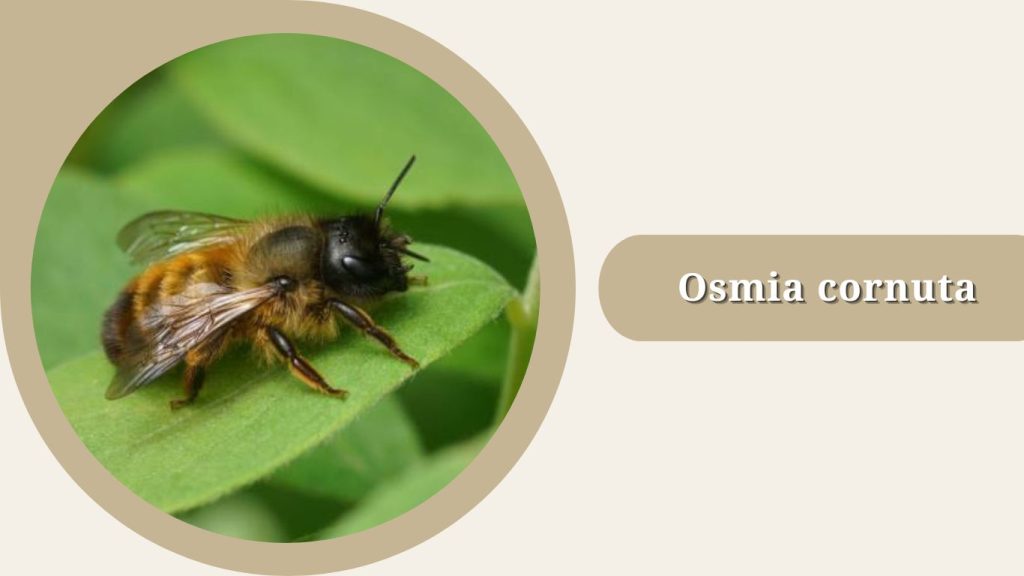
Osmia cornuta, also called the European Orchard Bee, is a solitary mason bee known for its strong spring pollination. It is especially useful for fruit trees and early-blooming plants. This bee is named for the horn-like features found on females, which can help with identification.
Size
Osmia cornuta is a small to medium-sized bee. It usually measures around 10 to 15 millimeters long. Females are generally larger and stronger than males, while males may appear slimmer and have lighter facial hairs.
Habitat
This bee is found in orchards, gardens, parks, woodland edges, and areas with many spring flowers. It nests in pre-existing holes such as hollow stems, wall gaps, wooden tunnels, reeds, and bee houses. Females use mud to divide and seal the nest chambers.
Diet
Adult Osmia cornuta feeds on nectar from flowers. Females collect pollen and nectar for their young. They often visit apple, pear, cherry, plum, almond, and other fruit blossoms. Their early spring activity makes them valuable pollinators in orchards.
Identification
- Dark body with reddish or orange hairs
- Small to medium-sized solitary mason bee
- Females may have horn-like facial structures
- Often seen around fruit blossoms in spring
- Nests in holes, reeds, stems, or bee houses
- Uses mud to seal nest cells
- Does not live in colonies or produce honey
Behavior
Osmia cornuta is gentle, active, and efficient around flowers. Each female builds her own nest, stores pollen, lays eggs, and seals the tunnel with mud. It is usually peaceful around people and is often encouraged in gardens and orchards for natural pollination.
Here are the next 2:
10. Osmia taurus
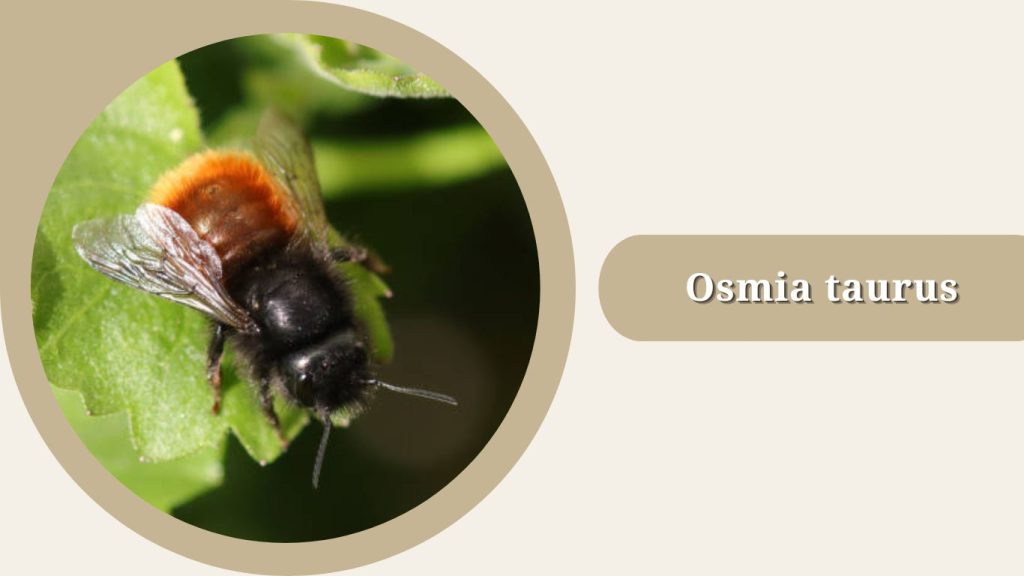
Osmia taurus is a solitary mason bee species known for its spring activity and use of mud-sealed nesting chambers. Like other mason bees, it does not live in a colony or produce honey. Each female works independently to find nesting holes, collect pollen, and prepare food for her young.
Size
Osmia taurus is a small to medium-sized bee. It usually measures around 9 to 13 millimeters long. Females are often larger than males because they need to carry pollen and build nest cells. Males may look slimmer and may have lighter facial hairs.
Habitat
This bee is often found in gardens, orchards, woodland edges, fields, and areas with spring flowers. It nests in pre-existing holes, hollow stems, reeds, wooden tunnels, and bee houses. It prefers places where flowers and damp mud are both available.
Diet
Adult Osmia taurus feeds on nectar for energy. Females collect pollen and nectar to create food stores for their larvae. They may visit fruit blossoms, wildflowers, flowering shrubs, and garden plants. Their hairy bodies help move pollen from one flower to another.
Identification
- Small to medium-sized solitary mason bee
- Dark body with fine body hairs
- Often active during spring
- Nests in holes, stems, reeds, or bee houses
- Uses mud to divide and seal nest cells
- Females carry pollen under the abdomen
- Does not make honey or form large colonies
Behavior
Osmia taurus is active, solitary, and usually gentle. A female selects a tunnel, gathers pollen, lays an egg, and seals the chamber with mud. This process continues until the nesting space is filled. It is mainly noticed during spring when flowers are blooming.
11. Osmia californica
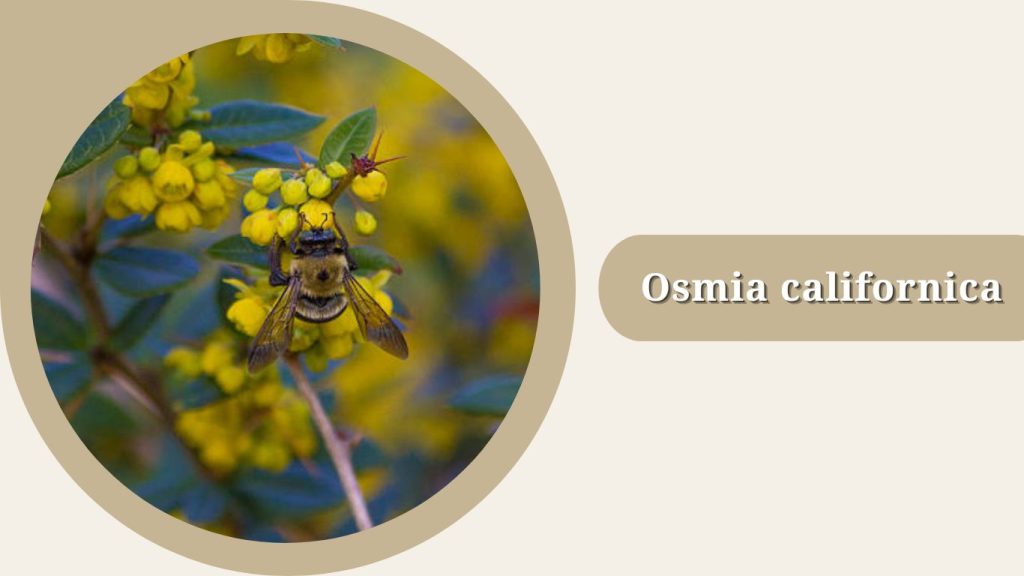
Osmia californica is a solitary mason bee found in parts of western North America. It is known for visiting wildflowers and garden plants, especially in dry or open habitats. Like other mason bees, it uses existing holes for nesting and seals its nest cells with mud or plant-based material.
Size
Osmia californica is a small to medium-sized bee. It usually measures around 8 to 12 millimeters long. Females are generally sturdier than males because they collect pollen, prepare nest cells, and lay eggs inside nesting tunnels.
Habitat
This bee is often found in open woodlands, grasslands, gardens, meadows, shrublands, and dry natural areas. It may nest in hollow stems, abandoned insect holes, wooden cavities, and bee houses. It needs nesting spaces close to flowering plants and suitable sealing material.
Diet
Adult Osmia californica feeds on nectar from flowers. Females collect pollen and nectar to feed their larvae. They may visit native wildflowers, flowering shrubs, fruit blossoms, and garden plants. Their pollen-carrying behavior makes them helpful for natural pollination.
Identification
- Small to medium-sized mason bee
- Often dark or metallic-looking body
- Fine hairs on the body for carrying pollen
- Females carry pollen under the abdomen
- Nests in stems, holes, cavities, or bee houses
- Uses mud or plant material to seal cells
- Usually seen around spring and early summer flowers
Behavior
Osmia californica is a calm, solitary bee that usually avoids people. Each female builds her own nest without workers or a queen. She collects pollen, places it inside a tunnel, lays one egg, and seals the cell before starting another. This makes it an important wild pollinator.
Here are the next 2:
12. Osmia ribifloris
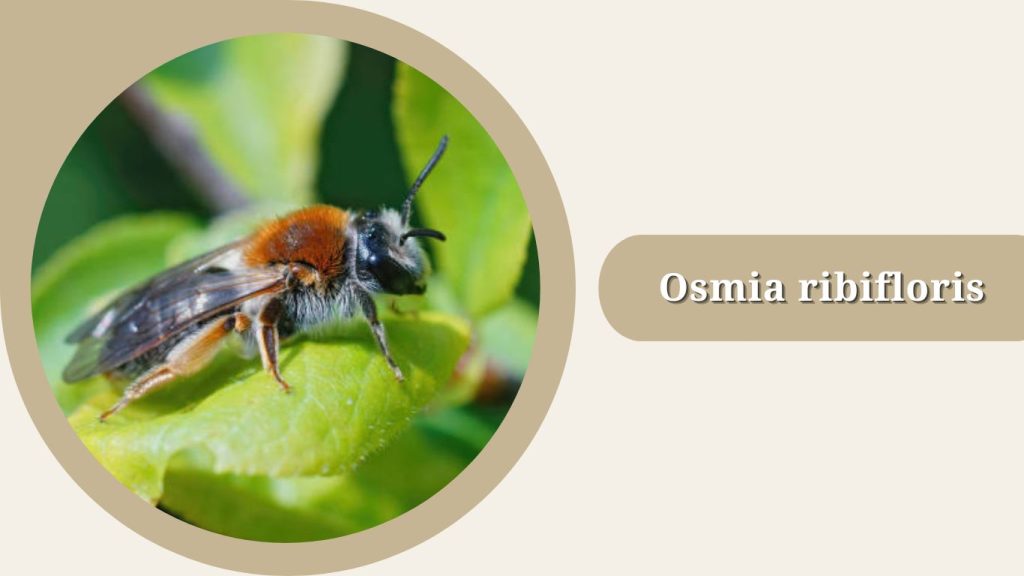
Osmia ribifloris is a solitary mason bee known for its value as a pollinator, especially for berry plants and other flowering shrubs. Like other mason bees, it does not live in a hive or produce honey. Each female works alone, using small cavities for nesting and sealing nest chambers with mud or plant material.
Size
Osmia ribifloris is a small to medium-sized bee. It usually measures around 8 to 12 millimeters long. Females are often slightly larger and stronger than males because they collect pollen, prepare nest cells, and lay eggs.
Habitat
This bee is commonly found in gardens, shrublands, woodland edges, orchards, and areas with flowering berry plants. It nests in hollow stems, small holes, wooden tunnels, and bee houses. It prefers places where flowers, nesting cavities, and sealing materials are close together.
Diet
Adult Osmia ribifloris feeds on nectar for energy. Females collect pollen and nectar to feed their larvae. They are especially associated with flowers from berry-producing plants, including currants and related shrubs. They may also visit other wildflowers and garden plants during their active season.
Identification
- Small to medium-sized solitary mason bee
- Often has a dark or slightly metallic body
- Females carry pollen under the abdomen
- Commonly visits berry flowers and shrubs
- Nests in holes, stems, tunnels, or bee houses
- Uses mud or plant material to seal cells
- Active around spring and early summer flowers
Behavior
Osmia ribifloris is gentle, solitary, and useful in natural pollination. A female chooses a nesting cavity, collects pollen, lays an egg, and seals the chamber before building the next cell. It is usually peaceful around people and is helpful in gardens with berry plants.
13. Osmia bruneri
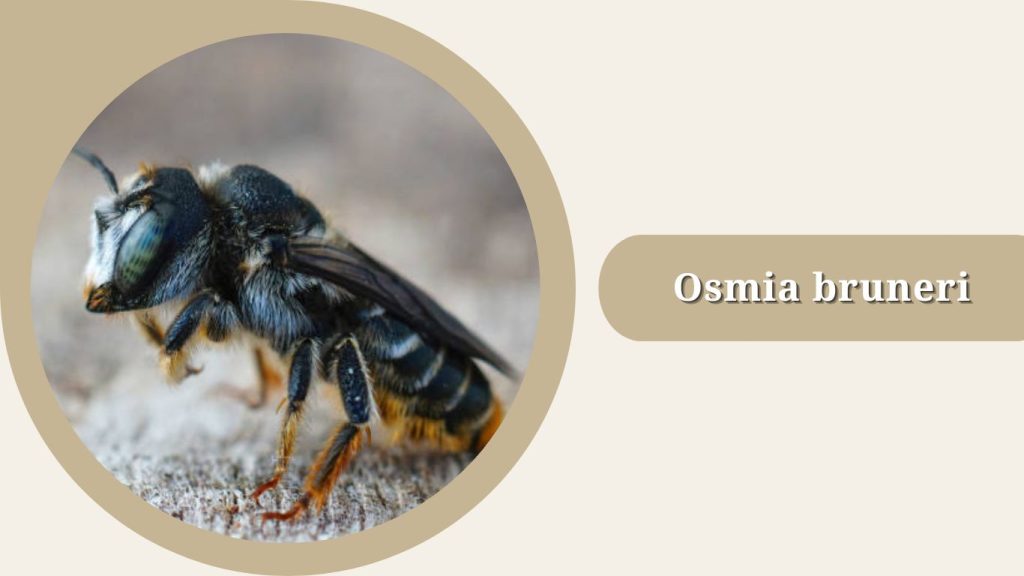
Osmia bruneri is a wild solitary mason bee found in parts of North America. It is known for visiting native flowers and helping with natural pollination. This bee does not form colonies, make honey, or live in a hive. Each female builds her own nest in small cavities and seals the chambers for her young.
Size
Osmia bruneri is usually a small to medium-sized bee. It commonly measures around 8 to 11 millimeters long. Females are generally sturdier than males because they carry pollen and prepare nest cells inside narrow nesting spaces.
Habitat
This bee is often found in open woodlands, meadows, shrublands, grasslands, gardens, and natural areas with plenty of flowers. It may nest in hollow stems, beetle holes, wooden cavities, and other small tunnels. It needs both flowers and suitable nesting spaces nearby.
Diet
Adult Osmia bruneri feeds on nectar from flowers. Females collect pollen and nectar to create food for their larvae. They may visit a range of wildflowers, flowering shrubs, and native plants. Their body hairs help move pollen between blossoms as they forage.
Identification
- Small to medium-sized solitary mason bee
- Dark or metallic-looking body
- Fine hairs help carry pollen
- Females carry pollen under the abdomen
- Nests in hollow stems, holes, or cavities
- Does not live in colonies or produce honey
- Usually seen around spring or early summer flowers
Behavior
Osmia bruneri is calm, independent, and usually not aggressive. Each female creates her own nest, places pollen inside a cell, lays an egg, and seals it. This simple nesting behavior makes the species important for local ecosystems and native plant pollination.
Here are the next 2:
14. Osmia bucephala
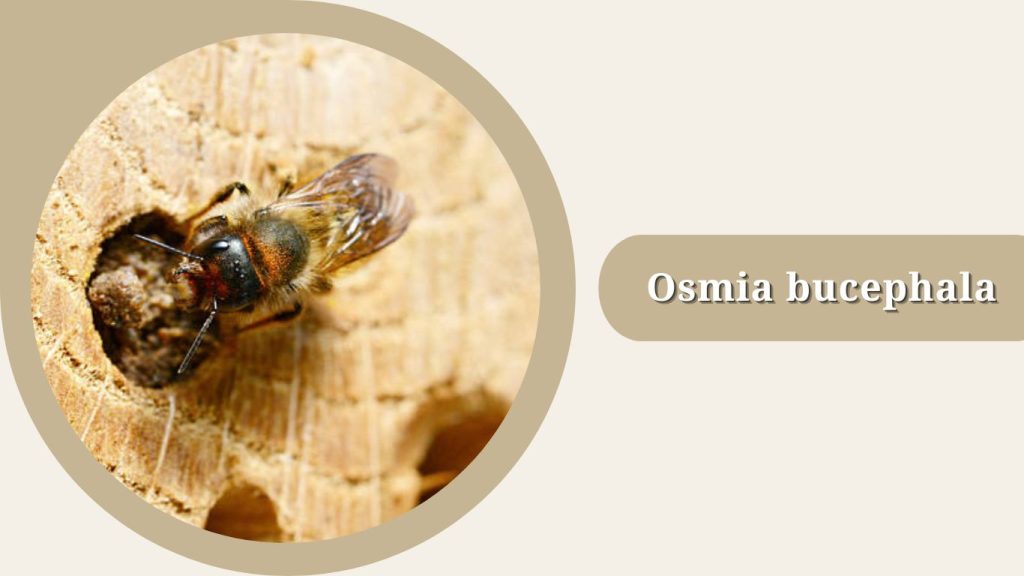
Osmia bucephala is a solitary mason bee species known for nesting in small cavities and helping pollinate wildflowers and garden plants. Like other mason bees, it does not live in a honeybee-style colony. Each female builds her own nest, gathers pollen, lays eggs, and seals the nest cells for protection.
Size
Osmia bucephala is usually a small to medium-sized bee. It commonly measures around 9 to 13 millimeters long. Females are often stronger and slightly larger than males because they collect pollen and prepare nesting chambers.
Habitat
This bee may be found in open woodlands, gardens, meadows, forest edges, and areas with many flowering plants. It nests in hollow stems, beetle tunnels, wood cavities, and similar small spaces. A good habitat includes flowers, nesting holes, and suitable material for sealing nest cells.
Diet
Adult Osmia bucephala feeds on nectar for energy. Females collect pollen and nectar to feed their larvae. They may visit wildflowers, flowering shrubs, native plants, and garden blooms. While foraging, their body hairs help transfer pollen from flower to flower.
Identification
- Small to medium-sized solitary mason bee
- Dark or slightly metallic-looking body
- Fine hairs on the body and abdomen
- Females carry pollen under the abdomen
- Nests in holes, stems, or wood cavities
- Seals nest cells with mud or plant material
- Usually active around flowering plants in spring or early summer
Behavior
Osmia bucephala is gentle, solitary, and usually avoids people. A female chooses a nesting cavity, places pollen inside, lays one egg, and seals the chamber before making another cell. This nesting habit makes it useful for natural pollination in gardens and wild habitats.
15. Osmia pumila
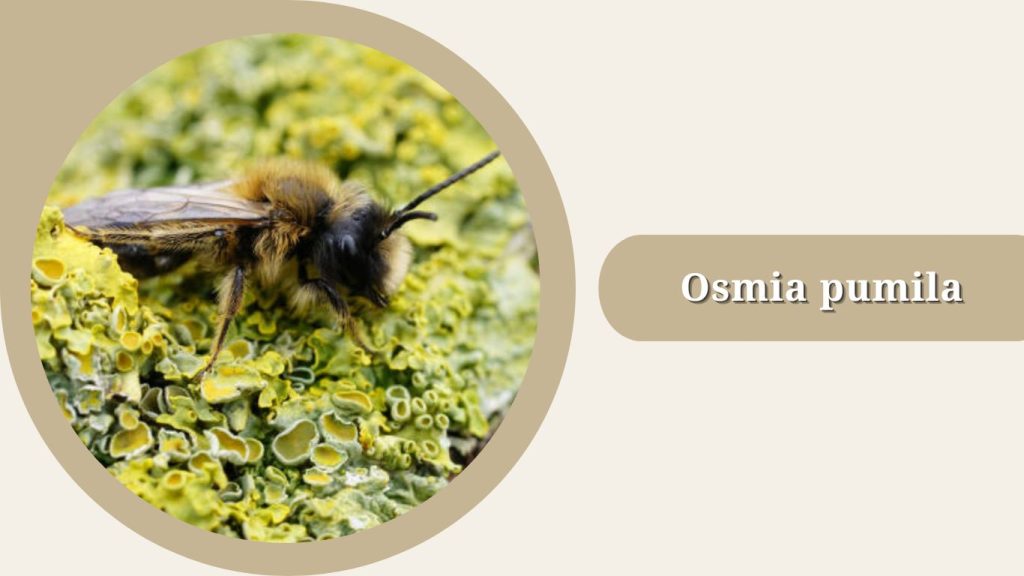
Osmia pumila is a small solitary mason bee known for visiting flowers and nesting in tiny natural cavities. It does not live in a colony or make honey. Each female works alone to collect pollen, prepare nest cells, and protect her young with sealed chambers.
Size
Osmia pumila is usually a small mason bee. It commonly measures around 6 to 10 millimeters long. Its smaller size helps it use narrow nesting spaces, including hollow stems and small holes left by other insects.
Habitat
This bee is often found in gardens, meadows, woodland edges, grasslands, and areas with plenty of small flowers. It may nest in hollow plant stems, beetle holes, wood cavities, or bee houses with narrow tunnels. It prefers habitats where flowers and nesting sites are close together.
Diet
Adult Osmia pumila feeds on nectar from flowers for energy. Females collect pollen and nectar to feed their larvae. They may visit wildflowers, flowering herbs, shrubs, and small garden flowers. Their foraging helps support pollination in natural and planted areas.
Identification
- Small solitary mason bee
- Dark or slightly metallic body
- Fine hairs used for carrying pollen
- Females carry pollen under the abdomen
- Nests in small holes, stems, or cavities
- Does not form colonies or produce honey
- Usually seen around flowers in spring or early summer
Behavior
Osmia pumila is quiet, independent, and generally gentle. The female builds her nest by placing pollen in a cavity, laying an egg, and sealing the cell. She repeats this process until the tunnel is filled. Its small size and flower-visiting habits make it a useful wild pollinator.
FAQs
Are mason bees dangerous?
Mason bees are not dangerous in most situations. They are gentle solitary bees and rarely sting unless they are trapped or handled roughly. Since they do not protect a large hive like honeybees, they are usually calm around people, gardens, and nesting boxes.
Where do mason bees build their nests?
Mason bees build nests in pre-existing small holes rather than making large hives. They commonly use hollow stems, old beetle tunnels, wooden nesting blocks, reeds, wall gaps, and bee houses. Females seal each nest chamber with mud, which gives mason bees their name.
What do mason bees eat?
Adult mason bees feed on nectar for energy. Female mason bees collect pollen and nectar to feed their larvae inside nest cells. They often visit fruit tree blossoms, wildflowers, flowering shrubs, herbs, and garden plants, making them very useful pollinators.
How can I identify a mason bee?
You can identify a mason bee by its solitary behavior, small to medium size, hairy body, and habit of nesting in holes. Many species have dark, metallic blue, black, reddish, or brownish coloring. Females often carry pollen under the abdomen instead of on the legs.
Are mason bees good for gardens?
Yes, mason bees are excellent for gardens because they pollinate many flowers, fruits, and vegetables. They are especially helpful in spring when fruit trees bloom. Their gentle nature and strong pollination ability make them valuable for orchards, home gardens, and native plant areas.