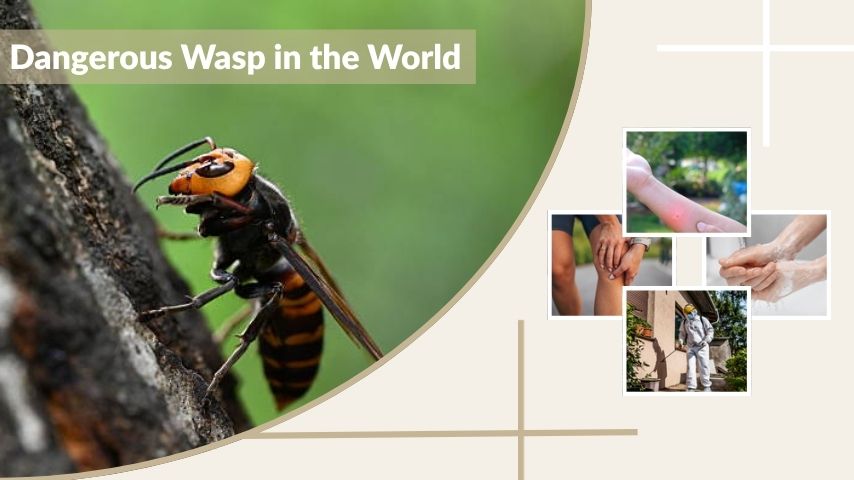
Wasps are among the most feared insects on Earth, but not all wasps are equally dangerous. Some are aggressive defenders of their nests, some deliver extremely painful stings, and a few can cause serious medical emergencies. When people ask, “What is the most dangerous wasp in the world?” the answer usually points to one terrifying insect: the Asian giant hornet, also known as the northern giant hornet.
The Most Dangerous Wasp: Asian Giant Hornet
The Asian giant hornet is widely considered the most dangerous wasp in the world. Scientifically known as Vespa mandarinia, it is the largest hornet species on the planet. Although hornets are technically a type of wasp, this species stands out because of its huge size, powerful sting, strong venom, and ability to attack in groups when threatened.
Native to parts of East Asia, South Asia, Southeast Asia, and the Russian Far East, the Asian giant hornet lives mostly in forests and low mountain areas. It became internationally famous under the dramatic nickname “murder hornet,” especially after sightings were reported in North America. While that nickname is exaggerated, the insect’s danger is real.
An Asian giant hornet can grow much larger than common wasps or yellow jackets. Its large body allows it to inject more venom per sting than many smaller wasps. The sting is intensely painful, and unlike honeybees, hornets can sting more than once. That makes encounters with multiple hornets especially dangerous.
Why Is the Asian Giant Hornet So Dangerous?
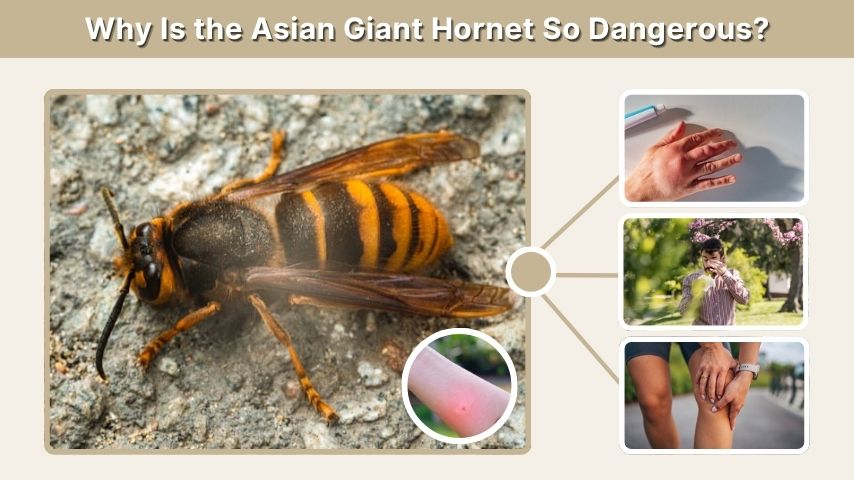
The Asian giant hornet is dangerous for several reasons. First, its sting delivers a large amount of venom. A single sting is rarely fatal to a healthy adult, but it can cause severe pain, swelling, and allergic reactions. For someone who is allergic to wasp or hornet venom, even one sting can become life-threatening.
Second, the hornet can sting repeatedly. Bees often lose their stinger after stinging, but wasps and hornets usually keep theirs. This means one hornet may sting several times, and a group of hornets can deliver many stings within seconds.
Third, the species can defend its nest aggressively. Most hornets do not go looking for humans to attack. However, if a person accidentally disturbs a nest, the hornets may respond as a colony. Multiple stings can lead to venom poisoning, organ stress, and, in rare cases, death.
Finally, the Asian giant hornet has powerful mandibles and is an efficient predator. It is especially famous for attacking honeybee colonies. A small group of hornets can destroy a beehive by killing adult bees and taking larvae back to feed their young. This makes it dangerous not only to humans in rare encounters but also to beekeeping and local ecosystems.
Asian Giant Hornet vs. Other Painful Wasps
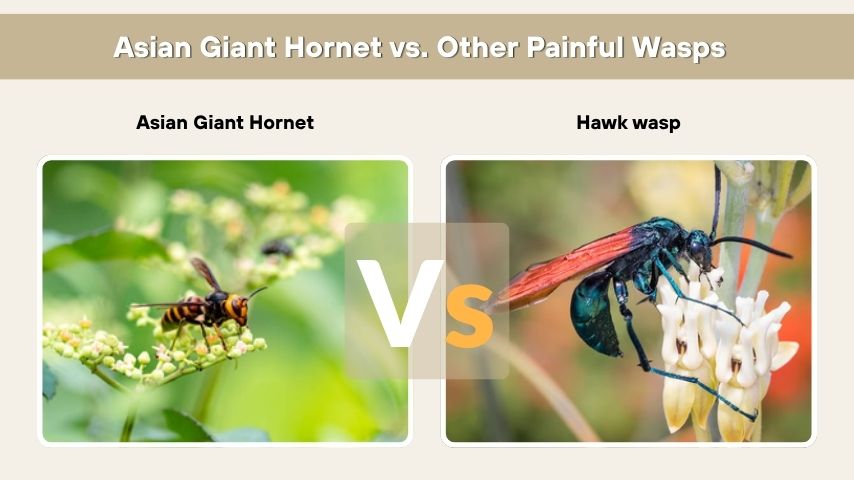
It is important to separate “most dangerous” from “most painful.” The most dangerous wasp is not always the one with the most painful sting.
For example, the tarantula hawk wasp is famous for having one of the most painful insect stings in the world. Its sting is often ranked near the top of the Schmidt sting pain index, a scale created to compare the pain caused by insect stings. The warrior wasp is another insect known for an extremely painful sting.
However, these wasps are usually less dangerous to humans overall. Tarantula hawks are generally solitary and not highly aggressive toward people. Their sting may be excruciating, but they do not usually attack in swarms. The Asian giant hornet, by contrast, combines intense pain, a large venom dose, repeated stinging, and social nest defense. That combination makes it more dangerous in real-world encounters.
How Dangerous Is One Sting?
A single Asian giant hornet sting can be extremely painful. Victims often describe the pain as sharp, burning, and deep. The area around the sting may become red, swollen, hot, and tender. Some people may also experience headache, dizziness, nausea, or fever-like symptoms.
For most healthy people, one sting is survivable with proper care. The greatest danger comes from allergic reactions or multiple stings. A person who develops anaphylaxis may experience trouble breathing, swelling of the face or throat, rapid heartbeat, fainting, or a sudden drop in blood pressure. This is a medical emergency.
Multiple stings are a different problem. Even someone who is not allergic can become seriously ill if enough venom enters the body. In severe cases, large venom doses may damage tissue, affect the kidneys, or cause systemic poisoning. That is why disturbing a nest is far more dangerous than encountering a single hornet flying nearby.
Where Does the Asian Giant Hornet Live?
The Asian giant hornet is native to Asia. It is found in countries and regions including Japan, China, Korea, parts of Southeast Asia, parts of South Asia, and the Russian Far East. It prefers wooded areas, low mountains, and places where it can build nests underground or in protected spaces.
It became a major concern in North America after confirmed sightings in Washington State and nearby areas of Canada. Authorities worked to locate and destroy nests to prevent the species from spreading. The concern was not only human safety but also the potential damage to honeybees and agriculture.
In its native range, people who live near Asian giant hornets understand the risk and usually avoid nests. The danger increases when people accidentally step near a nest, disturb vegetation, or try to remove a nest without professional help.
What Should You Do If You See One?
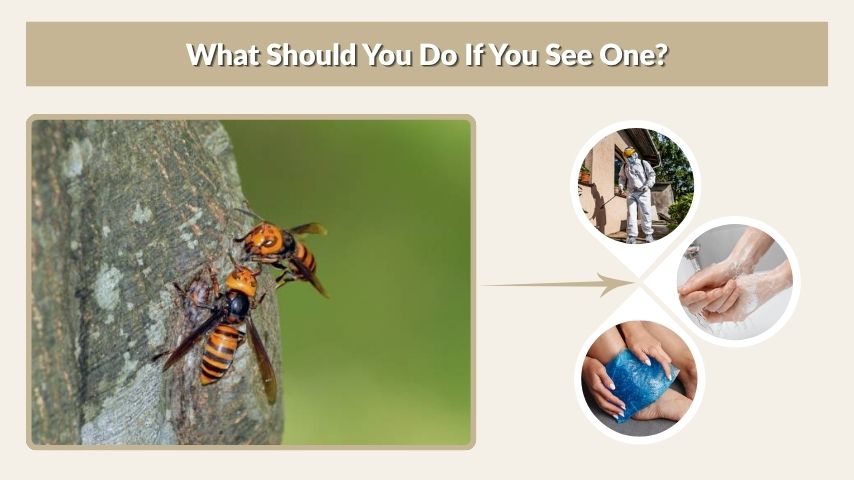
If you see a very large hornet, do not try to swat it, trap it, or kill it with your hands. Stay calm and move away slowly. Fast movements may increase the chance of provoking it. If you suspect there is a nest nearby, leave the area immediately.
You should never attempt to remove a hornet nest yourself, especially if the insects are large or numerous. Professional pest control experts or local agricultural authorities are better equipped to identify and handle dangerous species.
If you are stung, wash the area with soap and water, apply a cold compress, and monitor your symptoms. Seek emergency medical help immediately if you have trouble breathing, swelling of the lips or throat, chest tightness, confusion, fainting, or widespread hives. People with known sting allergies should follow their emergency action plan and use prescribed epinephrine if needed.
Are Wasps Always Bad?
Although wasps have a frightening reputation, they play important roles in nature. Many wasps help control pest insects by hunting caterpillars, flies, and other bugs. Some also help with pollination. Even hornets are part of the food web and contribute to ecological balance.
The problem comes when dangerous species nest close to homes, farms, trails, or workplaces. In those situations, human safety must come first. Respecting wasps from a distance is usually the best approach.
Final Thoughts
The Asian giant hornet is generally considered the most dangerous wasp in the world because it combines size, venom strength, repeated stinging ability, and group nest defense. Its sting is not just painful; in cases of allergic reaction or multiple stings, it can become life-threatening.
Still, the Asian giant hornet is not a monster that hunts humans. Most attacks happen when people accidentally disturb nests or handle the insects carelessly. The safest response is simple: keep your distance, avoid nests, and call professionals if you find a large hornet colony near your home.
In the world of wasps, some species may cause more pain, but the Asian giant hornet presents the greatest overall danger.