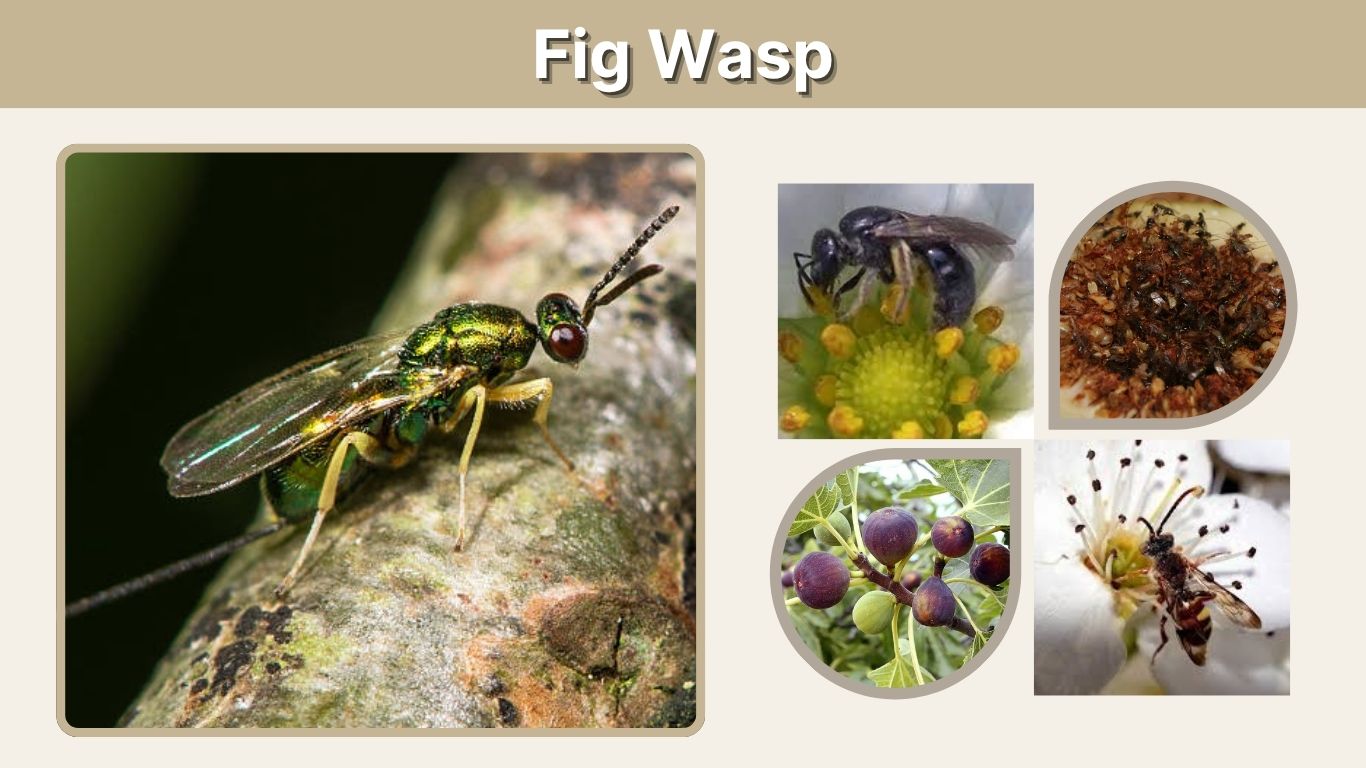
Figs and fig wasps share one of nature’s most fascinating relationships. Many people are surprised when they learn that certain figs rely on tiny wasps for pollination, leading to questions such as “Do figs have wasps in them?” and “Is there a dead wasp in every fig?” The truth is more complex than popular internet myths suggest. Understanding how fig wasps interact with fig trees helps explain pollination, fruit development, and why most people can enjoy figs without worrying about finding a wasp inside.
What Is a Fig Wasp?
Fig wasps are tiny insects that have evolved alongside fig trees for millions of years. Their relationship is so specialized that many fig species depend on a specific wasp species for reproduction. Although they belong to the wasp family, they are much smaller than common wasps and rarely attract human attention. Their entire life cycle revolves around fig trees, making them one of the most unique pollinators found in nature.
Tiny Pollinators With a Big Job
A fig wasp is a miniature insect that typically measures only a few millimeters in length. Unlike social wasps that build nests and defend colonies, fig wasps spend most of their lives inside or around figs.
These insects are responsible for transferring pollen between figs, ensuring that the trees can reproduce successfully. Without them, many wild fig species would struggle to survive.
Do Fig Wasps Have Stingers?
Most fig wasps are harmless to humans. Female fig wasps possess an egg-laying structure called an ovipositor, which is sometimes mistaken for a stinger. However, they do not use it to defend themselves against people.
Because of their tiny size and specialized lifestyle, fig wasps rarely interact with humans and are not considered dangerous pests.
Why Do Figs Need Wasps?
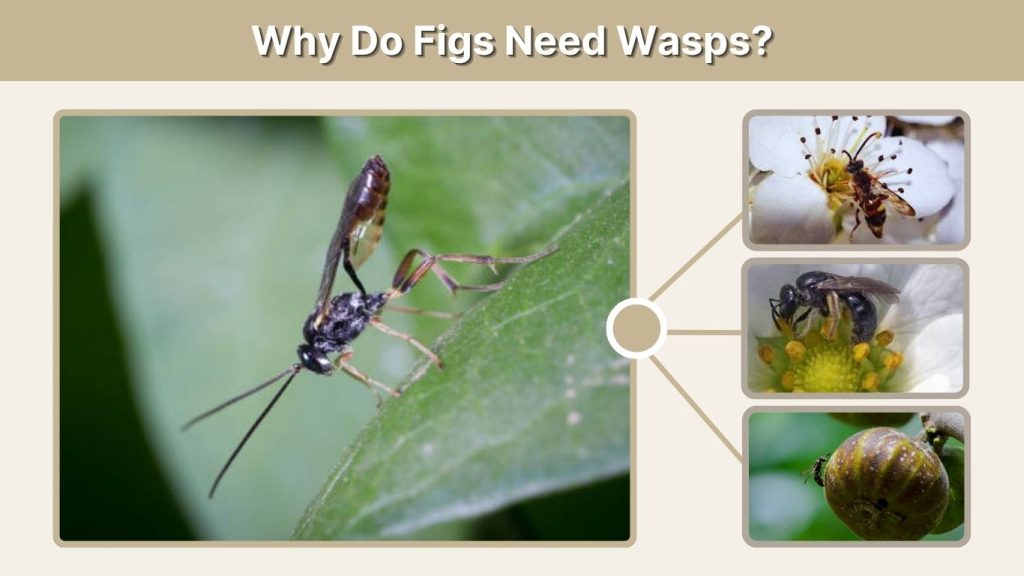
The connection between figs and wasps is often described as a perfect example of mutualism. Both organisms benefit from the relationship and have adapted to depend on one another over millions of years. While not every fig variety requires wasps, many wild species rely heavily on them for successful pollination. This partnership has become one of the most studied examples of coevolution in the natural world.
Benefits of the Fig-Wasp Relationship
The relationship provides important advantages for both species:
- Fig trees receive pollination services.
- Female wasps gain a protected place to lay eggs.
- Developing larvae are sheltered within the fig structure.
- New generations of wasps emerge with access to pollen.
- Both species increase their chances of survival.
Are All Figs Pollinated by Wasps?
Not all figs require wasp pollination. Many commercially grown figs are self-pollinating varieties that can produce fruit without assistance from fig wasps.
However, certain wild and specialty fig species depend entirely on these insects. This distinction is important because it explains why the claim that every fig contains a wasp is inaccurate.
How Fig Pollination Works
The pollination process inside a fig is unlike anything seen in most other fruits. A fig is not a typical fruit with flowers on the outside. Instead, its flowers develop inside a unique enclosed structure. This unusual design requires a specialized pollinator capable of entering the fig and reaching the hidden flowers. Fig wasps have evolved specifically for this task, making the process both efficient and remarkable.
The Pollination Process Step by Step
The journey begins when a female fig wasp enters a fig through a tiny opening.
- The wasp crawls into the fig carrying pollen.
- She transfers pollen to the internal flowers.
- In some fig species, she lays eggs inside selected flowers.
- Pollinated flowers begin developing seeds.
- New wasps mature within the fig structure.
- Female offspring leave carrying pollen to another fig.
Why the Process Is Unique
Unlike bees, butterflies, or birds that pollinate flowers externally, fig wasps complete most of their work inside the fig itself. This hidden pollination system has allowed figs and wasps to develop an extraordinary biological partnership that exists nowhere else in nature.
Fig Wasp Life Cycle
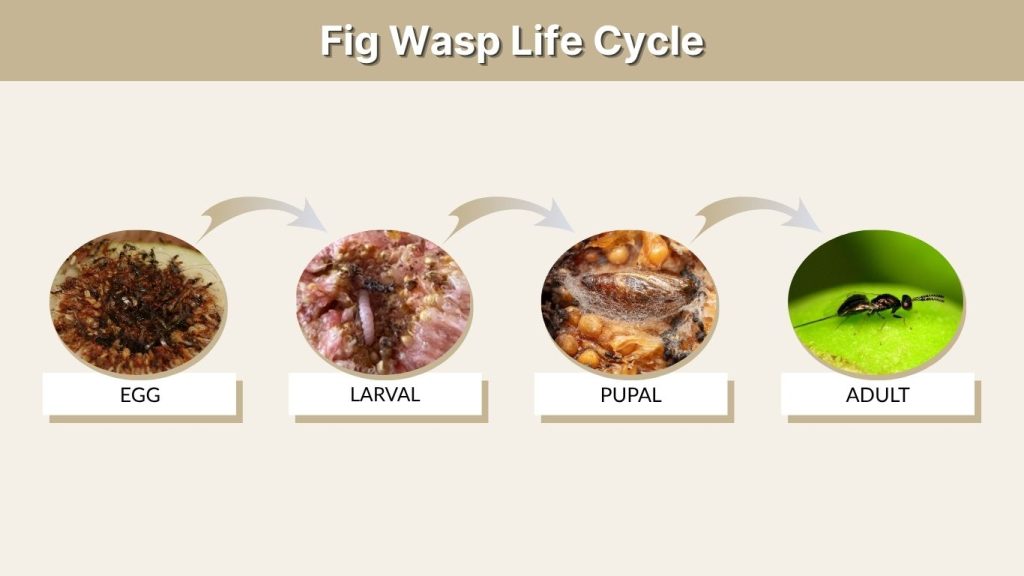
The life cycle of a fig wasp takes place almost entirely within the fig environment. Every stage, from egg to adult, is closely connected to the development of the fig itself. Because the wasp’s survival depends on finding suitable figs, timing is critical. This synchronized relationship ensures that both the tree and the insect can reproduce successfully generation after generation.
Stages of the Fig Wasp Life Cycle
The life cycle typically includes several distinct stages:
- Egg stage inside the fig flower.
- Larval development within protective chambers.
- Pupal transformation into adult wasps.
- Mating inside the fig.
- Female emergence carrying pollen.
- Search for a new fig to continue the cycle.
How Long Do Fig Wasps Live?
Adult fig wasps generally have very short lives. Many survive only long enough to locate a suitable fig, reproduce, and complete their role in pollination. Despite their brief lifespan, they play an essential role in maintaining fig populations around the world.
Do Wasps Die Inside Figs?
One of the most common questions people ask is whether fig wasps die inside figs. The answer depends on the fig species and the role the wasp plays in pollination. In some cases, female wasps do die after entering a fig. However, the process is a natural part of the fig’s reproductive cycle and not something unique to cultivated figs sold in stores.
Why Some Fig Wasps Die
When a female fig wasp enters certain types of figs, she squeezes through a very narrow opening called the ostiole. During this process, she often loses her wings and antennae.
Once inside, her primary purpose is to pollinate flowers and, in some species, lay eggs. After completing this task, she eventually dies within the fig.
What Happens to the Dead Wasp?
Many people imagine finding a recognizable insect inside a ripe fig, but that is not what occurs.
Figs produce an enzyme known as ficin, which helps break down organic material. As a result, any remains are naturally decomposed long before the fruit reaches maturity. By the time the fig is ready to eat, visible wasp parts are generally absent.
Do Figs Have Dead Wasps in Them?
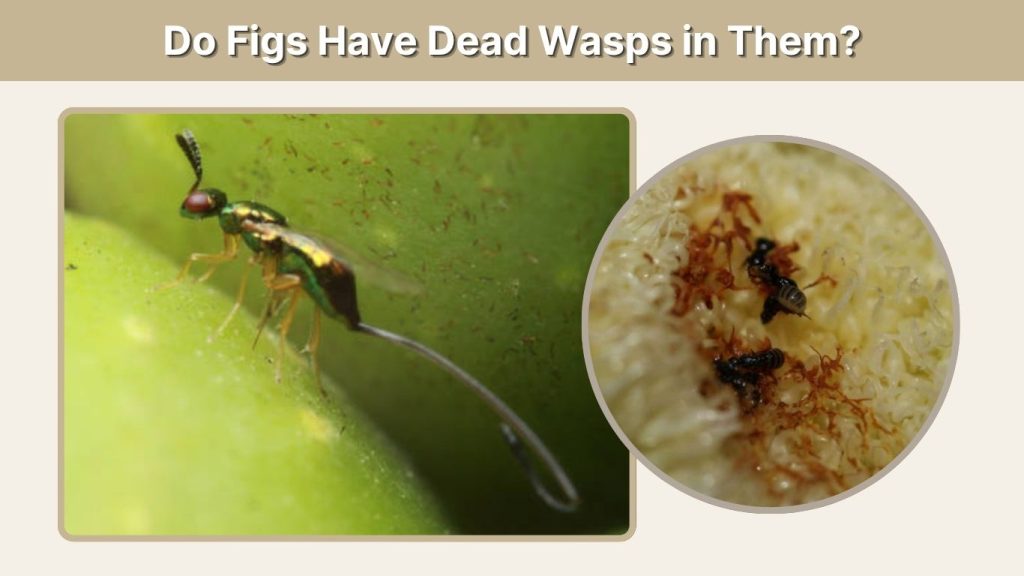
The idea that every fig contains a dead wasp has become one of the internet’s most persistent food myths. While the story contains a small element of truth, it often ignores important details about different fig varieties and commercial growing practices. Understanding these differences helps separate fact from fiction and gives consumers a more accurate picture of what they are eating.
The Truth Behind the Myth
Several facts help explain the misconception:
- Some wild figs involve female wasps that die inside the fruit.
- The remains are broken down naturally by enzymes.
- Many edible figs are self-pollinating varieties.
- Most store-bought figs do not require wasps to produce fruit.
- A visible dead wasp is extremely unlikely to be found in a ripe fig.
Is There a Wasp in Every Fig?
The simple answer is no.
Not every fig contains a wasp, and not every fig species relies on wasp pollination. Commercially grown common figs, which are widely available in supermarkets, usually develop without requiring a pollinating wasp.
This means the claim that every fig contains an insect is scientifically incorrect.
Do All Figs Have Wasps Inside Them?
Different fig varieties reproduce in different ways. Some depend heavily on fig wasps, while others can produce fruit without pollination. Because of these differences, the answer varies depending on the species being discussed. Consumers often encounter common edible figs, which are among the least likely to involve fig wasps during fruit production.
Wild Figs vs Commercial Figs
Wild fig species are more likely to depend on fig wasps for pollination and reproduction.
Commercial fig varieties often differ because they have been cultivated to produce fruit without needing pollinating insects. This makes them more practical for large-scale farming and global distribution.
Common Types of Edible Figs
The most widely consumed figs include:
- Common figs grown without pollination.
- Brown Turkey figs.
- Celeste figs.
- Mission figs.
- Kadota figs.
These varieties are commonly found in grocery stores and farmers’ markets around the world.
Are Figs Vegan?
The relationship between figs and wasps has sparked debate within the vegan community. Some people argue that figs involving insect pollination should be avoided, while others consider the process entirely natural and ethically different from animal exploitation. There is no universal agreement, and individual dietary choices often depend on personal beliefs regarding natural ecosystems and pollination.
Why Some Vegans Avoid Certain Figs
Some vegans choose to avoid fig varieties that may involve wasp pollination because an insect can die during the reproductive process.
Their concern centers on avoiding any food that may indirectly involve animal life.
Why Many Vegans Still Eat Figs
Many others continue to eat figs for several reasons:
- The relationship occurs naturally in the wild.
- Wasps are not intentionally harmed by growers.
- Most commercial figs are self-pollinating.
- No insect remains are present in mature fruit.
- The process differs significantly from animal farming.
Do Fig Trees Attract Wasps?
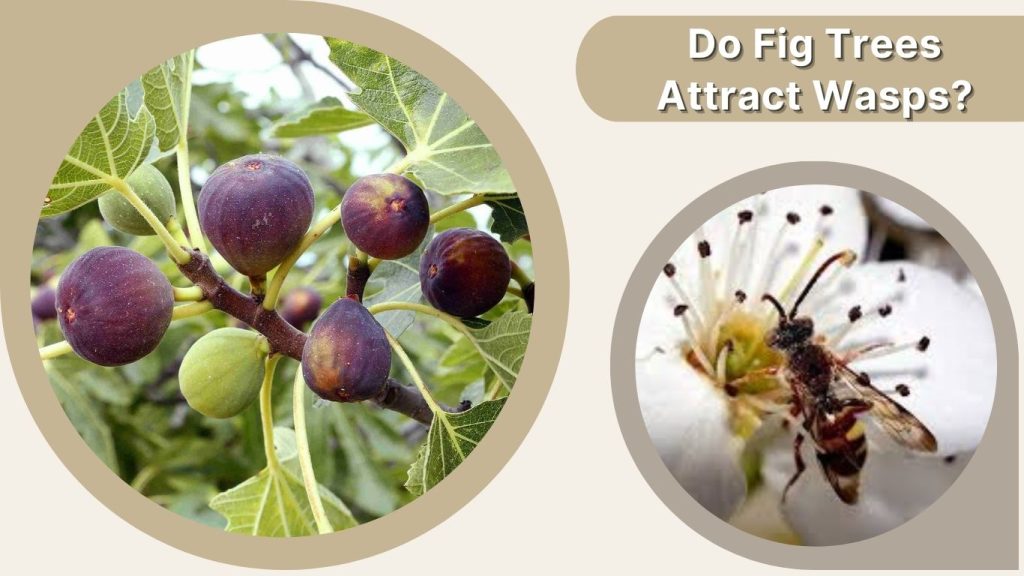
Hearing about fig wasps often leads people to wonder whether planting a fig tree will attract large numbers of stinging insects. Fortunately, fig wasps are very different from the wasps that build nests around homes and gardens. Their behavior is highly specialized, and they focus almost exclusively on locating suitable fig trees.
Should Homeowners Be Concerned?
In most situations, there is little reason for concern.
Fig wasps are extremely small, rarely noticed by humans, and generally incapable of causing problems associated with common wasp species. They do not form aggressive colonies or swarm around outdoor eating areas.
Benefits of Fig Wasps
These insects provide several ecological benefits:
- Support fig reproduction.
- Maintain biodiversity.
- Contribute to forest ecosystems.
- Help sustain wildlife that feed on figs.
- Preserve an ancient pollination partnership.
FAQs
Do fig wasps lay eggs in figs?
Yes, female fig wasps lay their eggs inside certain fig species while pollinating the internal flowers. The developing larvae grow within specialized chambers inside the fig. However, this process primarily occurs in wild or wasp-dependent fig varieties.
Do figs need wasps to grow?
Not all figs need wasps. Many commercial fig varieties, including Common Figs, can produce fruit without pollination. Other fig species rely on fig wasps to complete their reproductive cycle and produce viable seeds.
What size is a fig wasp?
Fig wasps are extremely small, typically measuring only 1 to 3 millimeters in length. Their tiny size allows them to enter figs through narrow openings that larger insects cannot access.
Do Fig Newtons contain wasps?
No. Fig Newtons are made using commercially grown figs that are processed into a fruit filling. Consumers do not need to worry about finding wasps or insect remains in these products.
How long has the fig-wasp relationship existed?
Scientists believe the partnership between figs and fig wasps evolved more than 80 million years ago. This long evolutionary history makes it one of the oldest and most specialized examples of mutualism found in nature.