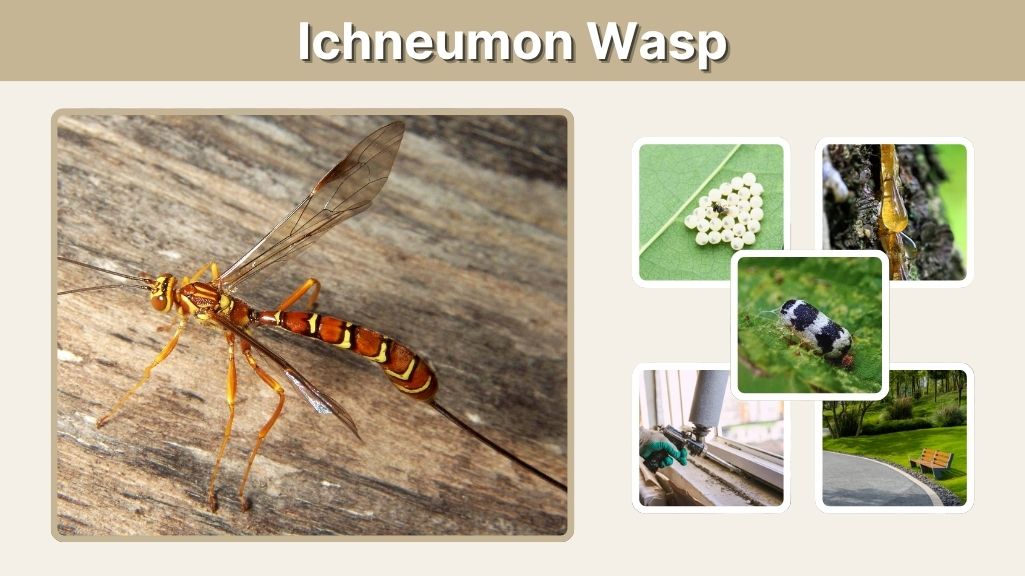
Ichneumon wasps are fascinating insects that belong to one of the largest wasp families in the world. Although their long bodies and needle-like appendages can appear intimidating, most ichneumon wasps are harmless to humans. These beneficial insects play an important role in controlling pest populations by parasitizing caterpillars, beetles, and other insects. Found in forests, gardens, and agricultural areas, ichneumon wasps are often misunderstood. Learning about their appearance, behavior, and life cycle can help people appreciate their value in nature.
What Is an Ichneumon Wasp?
Ichneumon wasps belong to the family Ichneumonidae, a diverse group of parasitic wasps within the order Hymenoptera. Scientists have identified thousands of species worldwide, making them one of the largest insect families. These insects are known for their slender bodies, long antennae, and remarkable ability to locate host insects for reproduction.
Scientific Classification
The ichneumon wasp belongs to the following classification:
- Kingdom: Animalia
- Phylum: Arthropoda
- Class: Insecta
- Order: Hymenoptera
- Family: Ichneumonidae
Why Are They Called Parasitic Wasps?
Unlike social wasps that build colonies, ichneumon wasps lay their eggs on or inside other insects. The developing larvae feed on the host insect, eventually completing their growth cycle. This unique reproductive strategy helps naturally control populations of many pest species.
Ichneumon Wasp Appearance
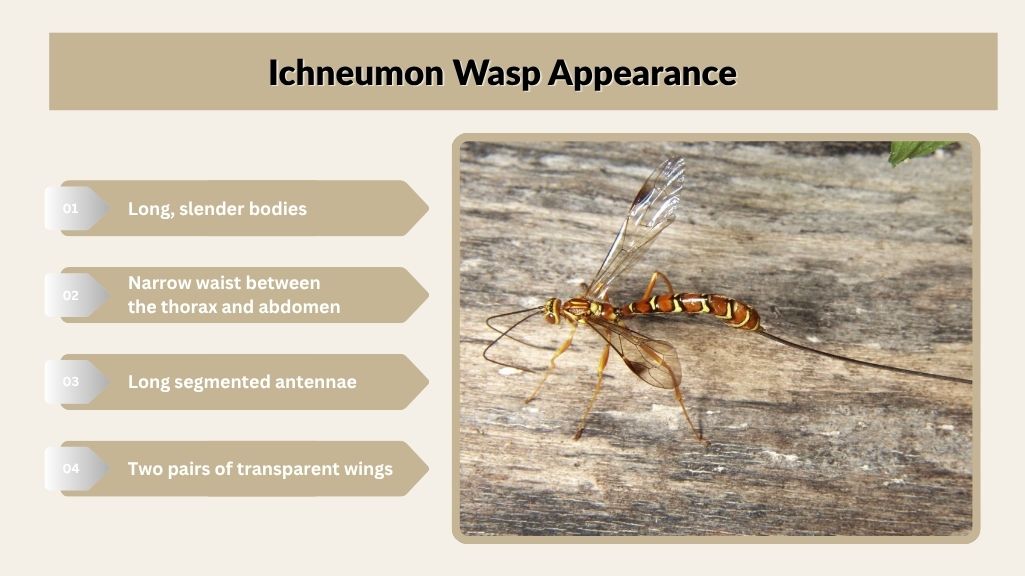
Identifying an ichneumon wasp can be challenging because many species vary greatly in color, size, and markings. However, several physical characteristics are common among most members of the family.
Key Identification Features
Most ichneumon wasps share the following traits:
- Long, slender bodies
- Narrow waist between the thorax and abdomen
- Long segmented antennae
- Two pairs of transparent wings
- Thin legs designed for climbing vegetation
- Distinctive ovipositor in females
These features help distinguish them from bees, hornets, and other common wasps.
Female Ichneumon Wasp
Female ichneumon wasps are often easier to recognize because they possess a long ovipositor extending from the rear of the abdomen. Many people mistakenly believe this structure is a stinger. In reality, the ovipositor is primarily used to deposit eggs into host insects or beneath tree bark where larvae may be hidden.
Common Colors and Patterns
Ichneumon wasps display a wide range of colors depending on the species. Some are black, while others feature orange, yellow, red, or brown markings. Certain species combine multiple colors, creating striking patterns that make them easier to identify in the wild.
Common Types of Ichneumon Wasps
The Ichneumonidae family contains thousands of species, but several types are commonly encountered by homeowners, gardeners, and nature enthusiasts.
Giant Ichneumon Wasp
The giant ichneumon wasp is one of the most recognizable species due to its large size and extremely long ovipositor. Females can appear intimidating, yet they pose little threat to humans. Their primary purpose is locating wood-boring insect larvae hidden inside trees.
Black Giant Ichneumon Wasp
This species typically features a dark body with reddish or orange legs. It is often spotted near dead or dying trees where host insects are abundant. The black giant ichneumon wasp is considered highly beneficial because it helps reduce populations of wood-boring pests.
Orange and Yellow Ichneumon Wasps
Several ichneumon species display bright orange or yellow coloration. These colorful insects are frequently seen visiting flowers where they feed on nectar. Their vibrant appearance sometimes causes confusion with stinging wasps, although most species are harmless.
Do Ichneumon Wasps Sting?
One of the most common questions about ichneumon wasps concerns their ability to sting. Their long tail-like structure often causes alarm among people who encounter them outdoors.
Can Ichneumon Wasps Sting Humans?
Most ichneumon wasps rarely sting humans. The long appendage seen on females is usually an ovipositor rather than a stinger. While a few species may be capable of delivering a mild sting if handled roughly, they are generally non-aggressive and prefer to avoid human contact.
Are Ichneumon Wasps Dangerous?
Despite their unusual appearance, ichneumon wasps are not considered dangerous. They do not defend nests like yellowjackets or hornets because most species are solitary insects. Encounters with humans are typically brief and harmless.
Ichneumon Wasp Sting vs Ovipositor
The ovipositor is often mistaken for a stinger due to its length. However, its primary function is reproduction rather than defense. Female ichneumon wasps use this specialized organ to reach insect larvae hidden deep inside wood, soil, or plant material. This adaptation allows them to continue their important role as natural pest controllers.
Ichneumon Wasp Life Cycle
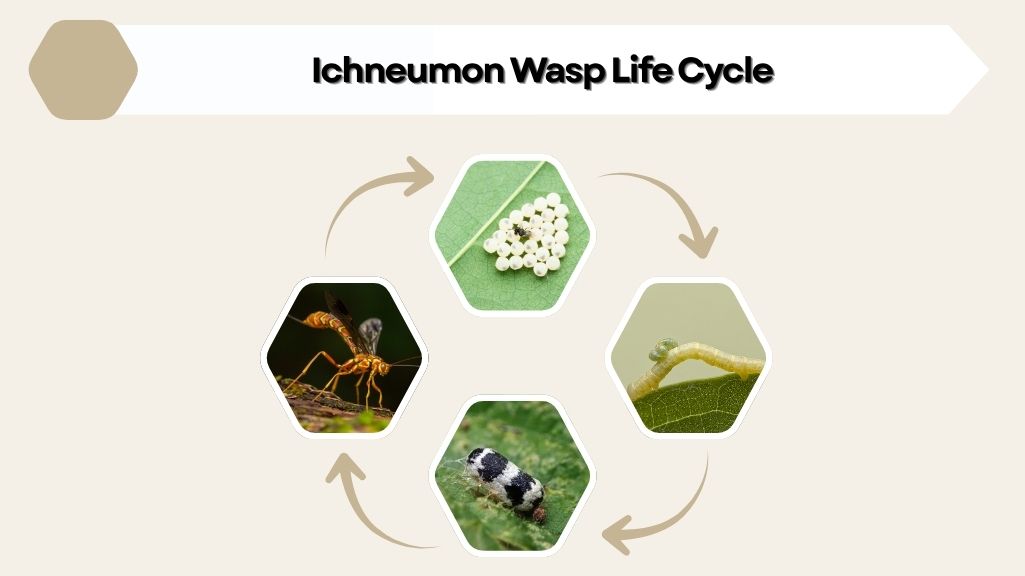
The life cycle of an ichneumon wasp is one of the most fascinating aspects of its biology. These insects undergo complete metamorphosis and rely on host insects for successful development.
Egg Stage
The female carefully locates a suitable host and deposits eggs using her ovipositor. Host insects may include caterpillars, beetle larvae, moth larvae, and other soft-bodied insects.
Larval Development
After hatching, the young larvae begin feeding on the host organism. This process allows them to obtain the nutrients needed for growth while helping regulate pest populations in natural ecosystems.
Pupal Stage
Once larval feeding is complete, the ichneumon wasp enters the pupal stage. During this period, the insect undergoes significant internal and external changes as it transforms into an adult. Depending on the species and environmental conditions, the pupal stage may last several days or weeks before the adult emerges.
Adult Stage
Adult ichneumon wasps emerge fully developed and ready to reproduce. Their primary goals are finding food sources, locating mates, and searching for suitable host insects. Most adults feed on nectar, pollen, and plant juices, making them occasional visitors to gardens and flowering plants.
What Do Ichneumon Wasps Eat?
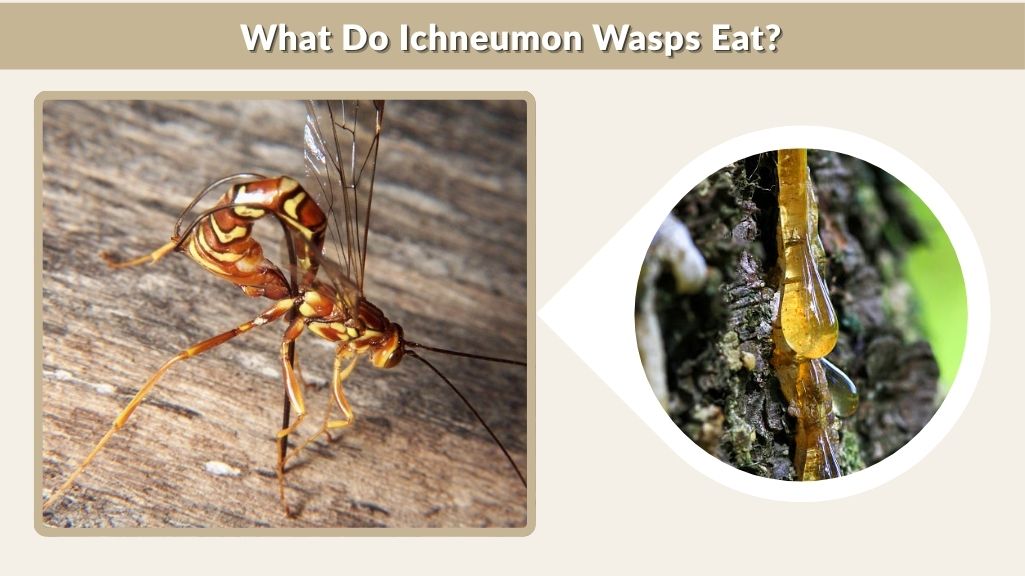
Understanding the diet of ichneumon wasps helps explain their role in the ecosystem. Their feeding habits differ between the larval and adult stages, allowing them to occupy multiple ecological niches.
Adult Ichneumon Wasp Diet
Adult ichneumon wasps typically consume:
- Flower nectar
- Plant sap
- Honeydew produced by aphids
- Pollen
- Natural sugars from fruits
These food sources provide the energy needed for flight, reproduction, and host searching.
What Do Ichneumon Wasp Larvae Eat?
Unlike adults, larvae feed directly on their host insects. Common hosts include caterpillars, moth larvae, beetle larvae, and other insect species. This parasitic behavior makes ichneumon wasps valuable natural pest control agents.
Where Do Ichneumon Wasps Live?
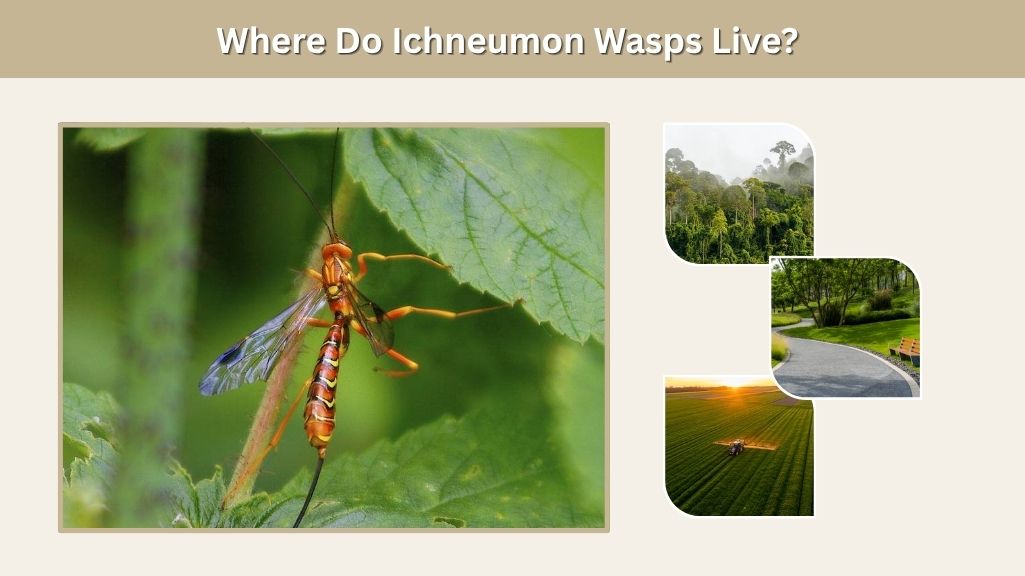
Ichneumon wasps are found in a wide range of habitats around the world. Their distribution depends largely on the availability of host insects and suitable environmental conditions.
Natural Habitats
Common habitats include:
- Forests and woodlands
- Gardens and parks
- Agricultural fields
- Meadows and grasslands
- Shrublands and hedgerows
These environments provide abundant food sources and host insects for reproduction.
Global Distribution
Ichneumon wasps occur on nearly every continent except Antarctica. Different species have adapted to a variety of climates, from temperate forests to tropical regions. They are commonly observed in North America, Europe, Asia, Australia, and New Zealand.
Why Are Ichneumon Wasps Beneficial?
Although many people view wasps negatively, ichneumon wasps provide important ecological services. Their ability to regulate insect populations makes them beneficial in both natural and agricultural environments.
Natural Pest Control
Ichneumon wasps help reduce populations of harmful insects that can damage crops, gardens, and forests. By targeting caterpillars and wood-boring larvae, they contribute to healthier ecosystems without the need for chemical pesticides.
Benefits for Gardeners
Gardeners often welcome ichneumon wasps because they naturally suppress pests that attack vegetables, flowers, and ornamental plants. Their presence can reduce pest-related damage while promoting balanced biodiversity.
Agricultural Importance
Farmers benefit from ichneumon wasps because these insects help control agricultural pests that threaten crop yields. Their role as biological control agents makes them valuable allies in sustainable farming practices.
Ichneumon Wasp in the House
Occasionally, homeowners discover ichneumon wasps indoors. While this can be alarming, these insects rarely pose a threat.
Why Are Ichneumon Wasps Found Indoors?
Adult wasps may accidentally enter homes through open windows, doors, vents, or cracks in exterior walls. In some cases, they emerge from wood that contains host insect larvae.
Are They Harmful Inside Homes?
Ichneumon wasps do not build nests indoors, damage structures, or infest food supplies. Most individuals simply become trapped and are unable to find their way back outside.
What Should You Do?
If an ichneumon wasp enters your home, gently capture it using a container and release it outdoors. Because these insects are beneficial and generally harmless, removal is usually preferable to extermination.
How to Get Rid of Ichneumon Wasps
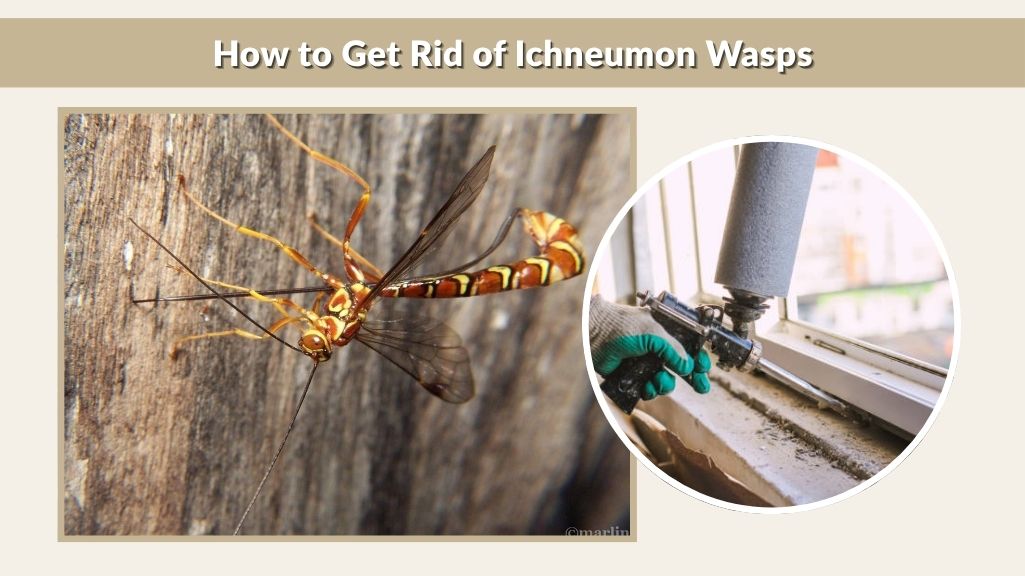
In most situations, removing ichneumon wasps is unnecessary. However, some homeowners may prefer to discourage them from entering living spaces.
Prevention Tips
The following measures can help reduce indoor encounters:
- Seal cracks around windows and doors
- Repair damaged screens
- Limit outdoor lighting near entrances
- Remove dead wood that may contain host insects
- Maintain proper home ventilation
These simple steps can significantly reduce accidental entry.
Fascinating Ichneumon Wasp Facts
Ichneumon wasps possess several remarkable characteristics that set them apart from other insects.
Interesting Facts About Ichneumon Wasps
- More than 25,000 species have been described worldwide.
- Some female ovipositors are longer than the insect’s body.
- Most species are solitary rather than social.
- They are important biological pest controllers.
- Many species cannot sting humans.
- They help reduce reliance on chemical pesticides.
FAQs
What is an ichneumon wasp?
An ichneumon wasp is a parasitic wasp belonging to the family Ichneumonidae. These insects help control pest populations by laying eggs on or inside host insects such as caterpillars and beetle larvae.
Do ichneumon wasps sting humans?
Most ichneumon wasps rarely sting humans. The long structure seen on females is usually an ovipositor used for laying eggs, not a defensive stinger.
Are ichneumon wasps dangerous?
No, ichneumon wasps are generally not dangerous. They are non-aggressive, do not defend colonies, and typically avoid contact with people.
What do ichneumon wasps eat?
Adult ichneumon wasps feed mainly on nectar, pollen, honeydew, and plant juices. Their larvae feed on host insects during development.
Why do ichneumon wasps have long tails?
The long “tail” seen on female ichneumon wasps is called an ovipositor. It is used to locate and deposit eggs into host insects hidden inside wood, plants, or soil.