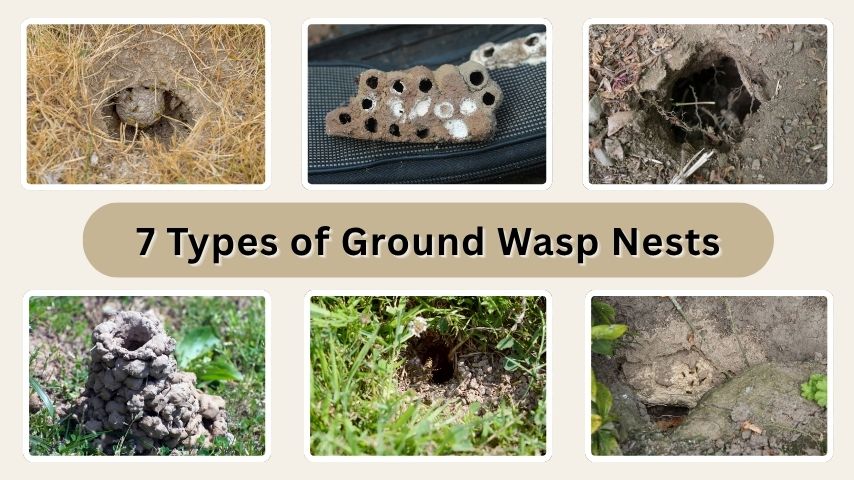
Ground wasp nests can appear in many different forms, from simple single-hole entrances to hidden underground cavities. These nests are often difficult to notice because most of the colony stays below the soil surface. Homeowners may only see wasps flying low over the lawn, entering a small hole, or gathering near grass, mulch, roots, or old animal burrows. Understanding the different types of ground wasp nests helps you identify activity early and avoid accidental disturbance. Since ground wasps may become defensive when their nest is threatened, careful observation is important before mowing, digging, gardening, or walking near active nesting areas.
1. Single-Entrance Ground Wasp Nest
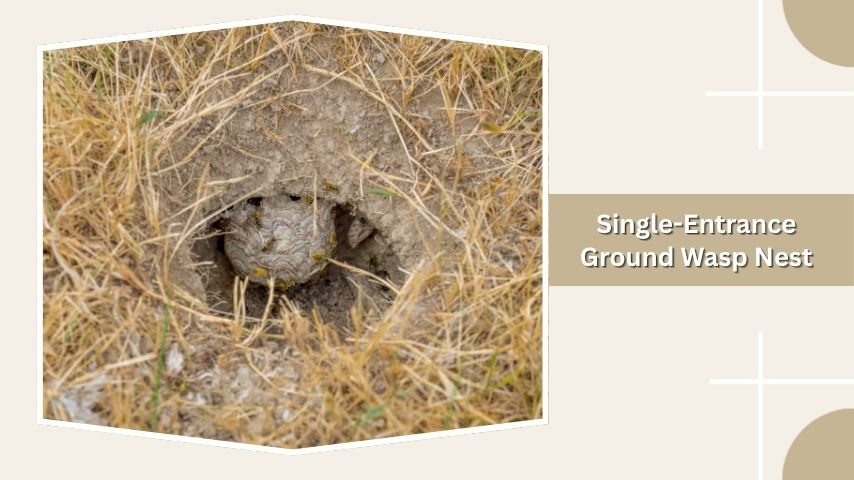
A single-entrance ground wasp nest is one of the most common types of underground wasp nests. It usually has one visible opening in the soil, grass, mulch, or garden bed. Wasps use this hole as the main entry and exit point, making it easier to identify active nest activity.
Identification
- A single round or oval hole in the ground
- Frequent wasp movement in and out of the same opening
- The hole may be found in lawns, garden beds, mulch, or near shrubs
- Little or no visible paper nest structure above the ground
- Wasps may become aggressive when the entrance is disturbed
Nest Location
Single-entrance ground wasp nests are often built in soft soil, bare patches of lawn, or hidden areas with light vegetation. Some wasps may also use abandoned insect burrows or small animal holes as ready-made nesting spaces. Because the entrance can blend into the ground, these nests are often missed until wasp activity becomes noticeable.
Nest Structure
The visible opening is only the entrance to the nest. Below the ground, the nest may contain a small chamber or a larger underground cavity where the wasps build their brood cells. The nest structure is usually protected by soil, which helps keep the colony hidden and sheltered from weather and predators.
Risk Level
A single-entrance ground wasp nest can be risky because all wasps use one main access point. When people walk, mow, dig, or play near the entrance, the colony may feel threatened. This can lead to sudden defensive behavior, especially during late summer when wasp colonies are more active.
Here is the next one with a serial number added:
2. Multiple-Entrance Ground Wasp Nest
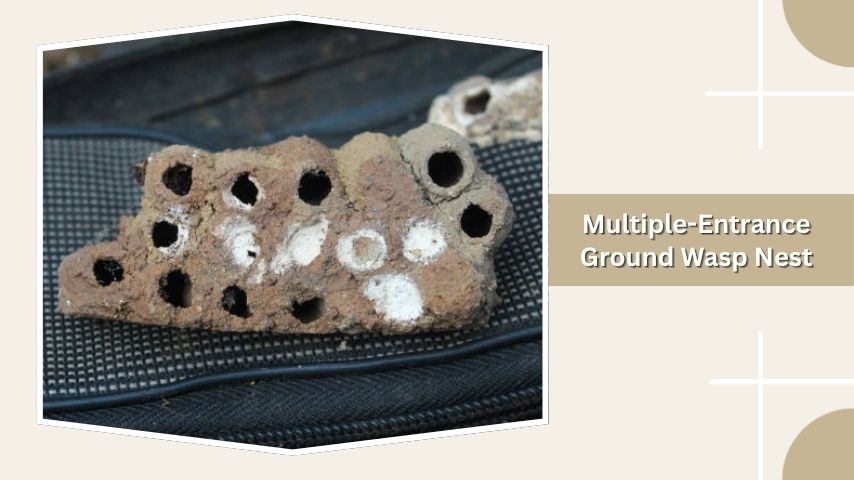
A multiple-entrance ground wasp nest has more than one visible opening in the soil. These nests can be harder to control because wasps may enter and exit through different holes. The openings are often close together, but they may also spread across a small area of lawn, garden soil, or mulch.
Identification
- Two or more small holes in the ground
- Wasps flying in and out of different openings
- Openings may appear in grass, soil, mulch, or under plants
- Increased wasp activity across a wider area
- Wasps may move between entrances when disturbed
Nest Location
Multiple-entrance ground wasp nests are commonly found in lawns, garden beds, loose soil, and areas with thick vegetation. These nests may develop in existing underground tunnels or cavities, especially where the soil is soft and easy to expand. Because the entrances can be scattered, the nest may look larger than a single-hole nest.
Nest Structure
The underground nest may include connected tunnels, chambers, or expanded cavities. Each entrance can lead to the same colony, allowing wasps to move in and out from different points. This structure helps the colony avoid blockage and gives the wasps more ways to defend the nest if one entrance is disturbed.
Risk Level
A multiple-entrance ground wasp nest can be more dangerous than a single-entrance nest because activity is spread across several points. Someone may avoid one hole but accidentally step near another. Mowing, trimming, digging, or walking through the area can trigger defensive behavior from wasps using different entrances.
3. Burrow Ground Wasp Nest
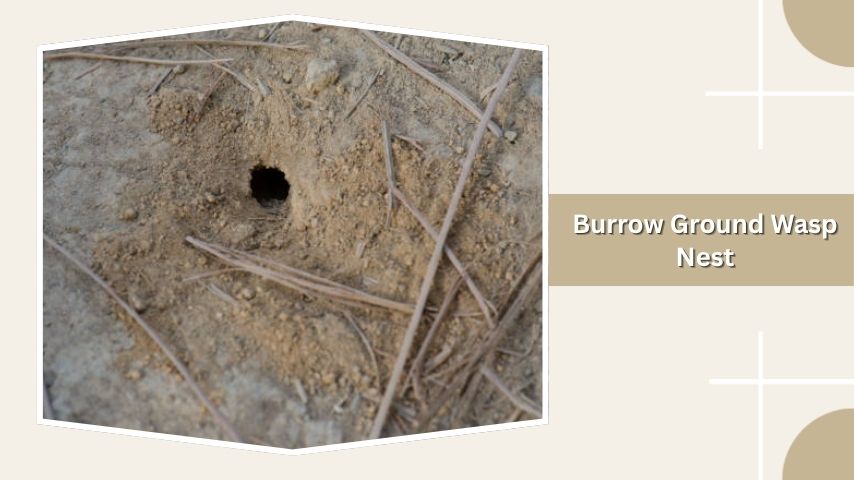
A burrow ground wasp nest is built inside a tunnel-like hole in the soil. Some ground wasps dig their own burrows, while others use existing spaces made by insects or small animals. These nests are often narrow at the entrance but may lead to a deeper nesting chamber underground.
Identification
- A tunnel-like hole in bare soil or loose ground
- Wasps entering and leaving one burrow opening
- The entrance may look slightly cleaner or more worn from wasp activity
- Small piles of loose soil may appear near the opening
- Commonly found in dry, sandy, or soft soil areas
Nest Location
Burrow ground wasp nests are often found in open soil, garden beds, sandy patches, and areas with thin grass. They may also appear along walkways, near fence lines, or beside landscaping edges where the soil is easier to dig. These nests can be difficult to notice because the entrance may look like a simple insect hole.
Nest Structure
The nest usually begins with a narrow tunnel that leads underground. At the end of the burrow, the wasp may create a chamber for eggs, larvae, and stored food. Some burrow nests are simple and small, while others may become larger if the wasps expand the tunnel or reuse an existing cavity.
Risk Level
A burrow ground wasp nest can become a problem when it is close to areas where people walk, garden, or mow. Disturbing the entrance may cause wasps to defend the nest. The risk is higher when the burrow is hidden in soil or grass and someone accidentally steps near it.
4. Abandoned Rodent Hole Ground Wasp Nest
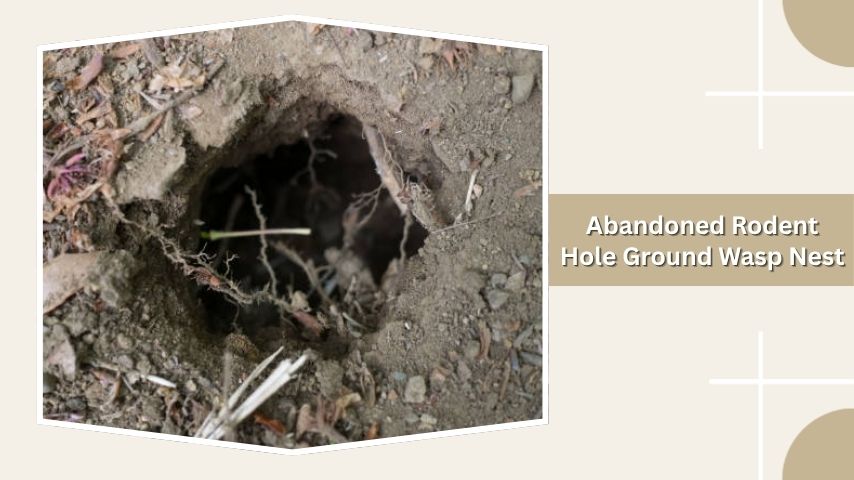
An abandoned rodent hole ground wasp nest forms when wasps take over an old tunnel or burrow left by mice, voles, chipmunks, or other small animals. These nests can be larger than they first appear because the underground space may already include tunnels and chambers.
Identification
- A larger ground opening than a typical insect hole
- Wasps flying in and out of an old animal burrow
- The entrance may be hidden near grass, shrubs, woodpiles, or garden edges
- Little digging may be visible because the hole already existed
- Wasp activity may increase around the entrance during warm parts of the day
Nest Location
These nests are often found near lawns, fence lines, garden beds, sheds, shrubs, or wooded edges. Wasps choose abandoned rodent holes because they provide ready-made shelter and protection. Since the hole may already be deep or connected to other underground spaces, the nest can remain hidden until wasp traffic becomes noticeable.
Nest Structure
Inside the abandoned rodent hole, wasps may build their nest within an existing chamber or expand part of the underground space. The old burrow system gives the colony extra room and insulation. From the outside, only one opening may be visible, but the nest can extend farther underground than expected.
Risk Level
An abandoned rodent hole ground wasp nest can be risky because the entrance is often hidden in areas people may walk, weed, trim, or mow. The larger underground space may support a more active colony. If the burrow is stepped on or disturbed, wasps may quickly come out to defend the nest.
5. Soil Mound Ground Wasp Nest
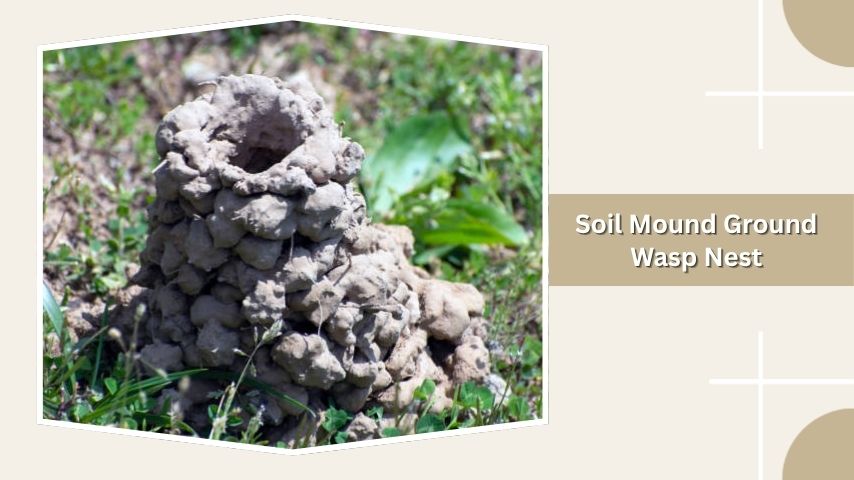
A soil mound ground wasp nest has a visible pile of loose soil around or near the nest entrance. This mound may form when wasps dig into the ground or clear soil from an existing underground space. The entrance is usually small, but the loose dirt can make the nest easier to notice.
Identification
- A small mound or pile of loose soil on the ground
- One visible hole near the center or side of the mound
- Wasps entering and leaving the opening
- The mound may appear in lawns, garden beds, or bare soil
- Fresh-looking soil may be present around the entrance
Nest Location
Soil mound ground wasp nests are commonly found in soft soil, sandy areas, garden beds, and thin lawn patches. These nests may also appear along landscape borders, near patios, or beside walkways where the ground is easier to dig. The mound can sometimes look like ant activity, but active wasp movement helps separate it from other ground insects.
Nest Structure
The mound is only the outside sign of the nest. Under the soil, the nest may include a tunnel leading to a protected chamber where wasps raise their young. The loose soil around the entrance usually comes from digging or nest expansion, while the main colony remains hidden below ground.
Risk Level
A soil mound ground wasp nest can be dangerous when it is located in a busy part of the yard. People may mistake the mound for harmless dirt or an ant hill and step too close. Mowing, digging, or disturbing the soil can cause wasps to react defensively and leave the nest quickly.
6. Hidden Grass Ground Wasp Nest
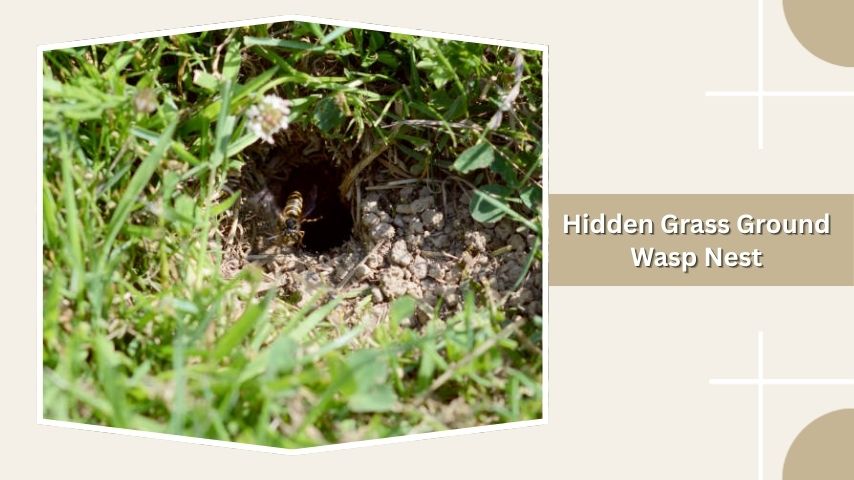
A hidden grass ground wasp nest is built in or under thick grass, making the entrance difficult to see. These nests are often discovered only after wasps begin flying low over the lawn or when someone accidentally walks, mows, or trims near the hidden opening.
Identification
- Wasps flying low over one area of the lawn
- A small entrance hidden by thick grass
- Wasps entering and leaving through grass blades
- Increased activity when the area is walked on or mowed
- The nest opening may not be visible from a distance
Nest Location
Hidden grass ground wasp nests are usually found in lawns, field edges, overgrown areas, and places where grass is thick or uneven. The grass helps cover the nest entrance and gives the colony extra protection. These nests may also appear near fences, shrubs, or landscape borders where grass is less frequently disturbed.
Nest Structure
The nest entrance is often covered or partly blocked by grass, but it leads to an underground chamber. Wasps may use an existing hole or create a small opening beneath the grass. The main nest remains below the soil surface, while the grass hides the entrance from people and predators.
Risk Level
A hidden grass ground wasp nest can be risky because it is easy to miss. People may walk or mow directly over the entrance without noticing it. When the nest is disturbed, wasps may react quickly, especially if the colony is active during warm weather or late summer.
7. Underground Cavity Ground Wasp Nest
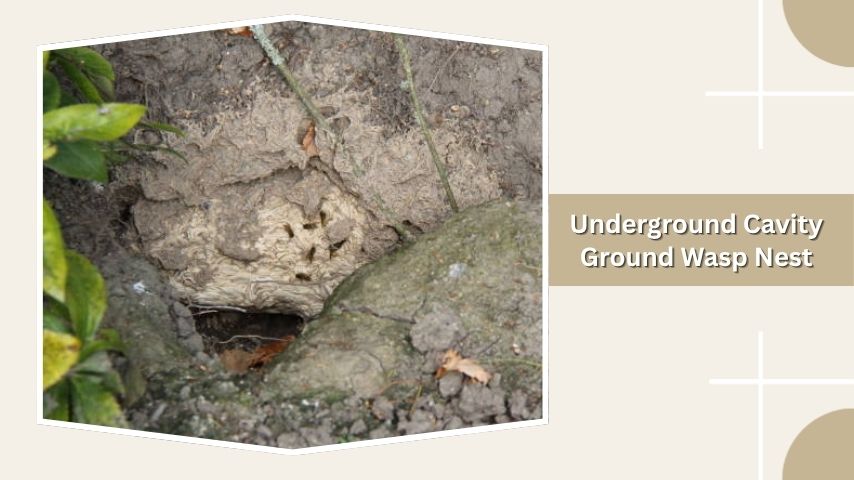
An underground cavity ground wasp nest is built inside a hollow space beneath the soil. This cavity may form naturally or come from old animal burrows, root gaps, rotted wood, or loose ground. These nests can be difficult to spot because the main colony stays hidden below the surface.
Identification
- Wasps entering and leaving a small ground opening
- The entrance may lead to a larger hidden space underground
- Activity may appear near tree roots, old stumps, soil gaps, or landscape edges
- The surface may show little or no visible nest structure
- Wasps may gather around one entrance during warm daylight hours
Nest Location
Underground cavity ground wasp nests are often found near tree roots, old stumps, garden beds, retaining walls, and loose soil areas. Wasps choose these protected spaces because they offer shelter from weather and predators. The entrance may be small, but the cavity below can provide enough room for a growing colony.
Nest Structure
The nest is usually hidden inside a chamber beneath the ground. Wasps may build paper-like brood cells inside the cavity, using the surrounding soil or roots as protection. Since the cavity already provides space, the outside entrance may look small while the nest itself extends deeper underground.
Risk Level
An underground cavity ground wasp nest can be hazardous because the size of the nest is not obvious from the surface. People may disturb it while gardening, digging, removing roots, or working near old stumps. If the cavity shakes or collapses, wasps may quickly emerge to defend the colony.
FAQs
What does a ground wasp nest look like?
A ground wasp nest usually looks like a small hole in the soil, grass, or mulch with wasps flying in and out. Some nests may have loose soil around the entrance, while others are hidden under grass, roots, or old animal burrows.
Are ground wasp nests dangerous?
Yes, ground wasp nests can be dangerous if they are disturbed. Wasps may defend the nest when someone walks, mows, digs, or trims nearby. The risk is higher in busy yard areas or during late summer when colonies are more active.
Where are ground wasp nests commonly found?
Ground wasp nests are commonly found in lawns, garden beds, mulch, loose soil, sandy areas, and abandoned animal holes. They may also appear near tree roots, shrubs, fence lines, stumps, patios, or landscape borders.
How can I identify an active ground wasp nest?
You can identify an active ground wasp nest by watching for repeated wasp movement in and out of the same ground opening. Activity is often easier to notice during warm daylight hours when wasps are leaving the nest to search for food.
Should I remove a ground wasp nest myself?
It is safer not to remove a ground wasp nest yourself, especially if the nest is active or close to people. Disturbing the entrance can trigger defensive behavior. For larger nests or high-traffic areas, professional pest control is usually the safer option.