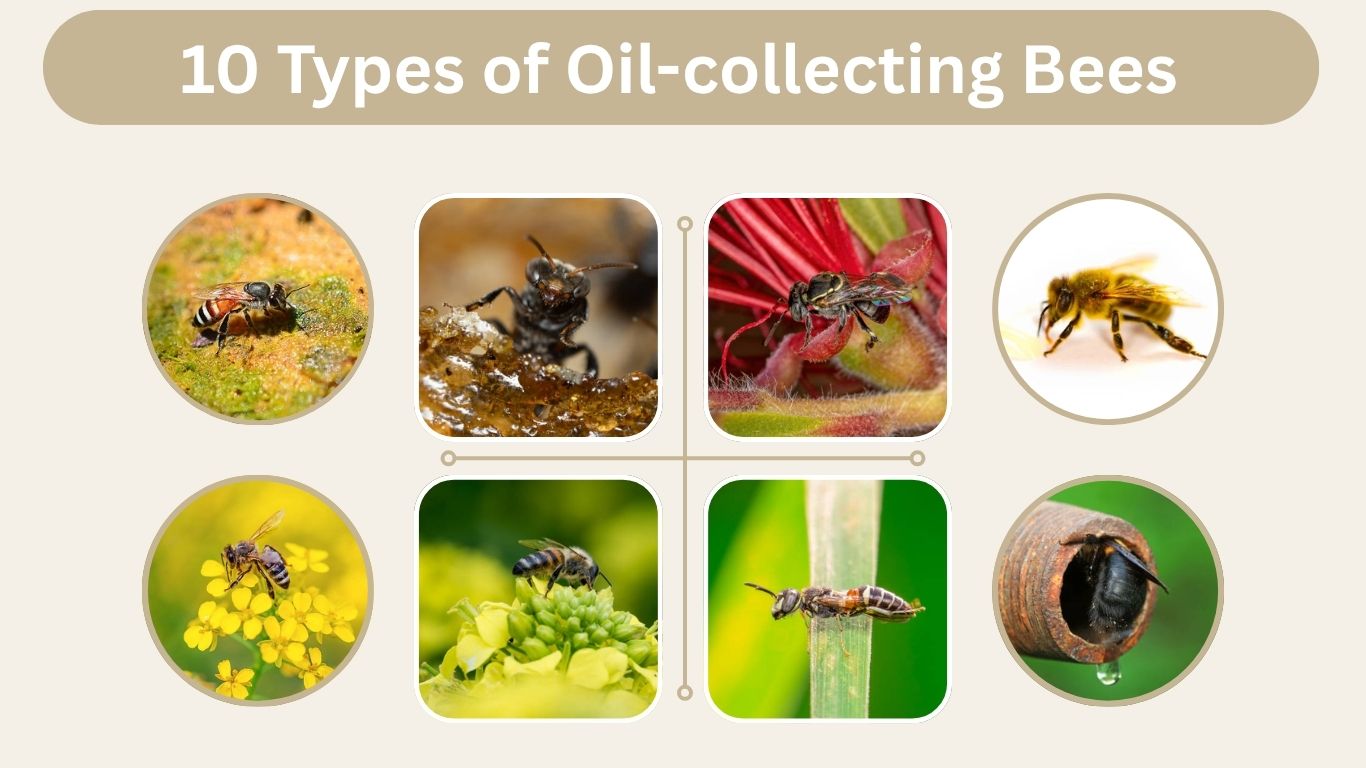
Oil-collecting bees are a fascinating group of solitary bees that gather floral oils from special flowers instead of relying only on nectar and pollen. Female bees use these oils to prepare brood cells, protect developing larvae, and sometimes mix with pollen as food for their young. These bees are often closely connected with oil-producing plants, making them important pollinators in tropical, subtropical, and warm temperate habitats. From Centris and Epicharis bees in the Americas to Rediviva bees in southern Africa, each type shows unique adaptations for collecting and using floral oils in nature.
1. Centris Oil-collecting Bee
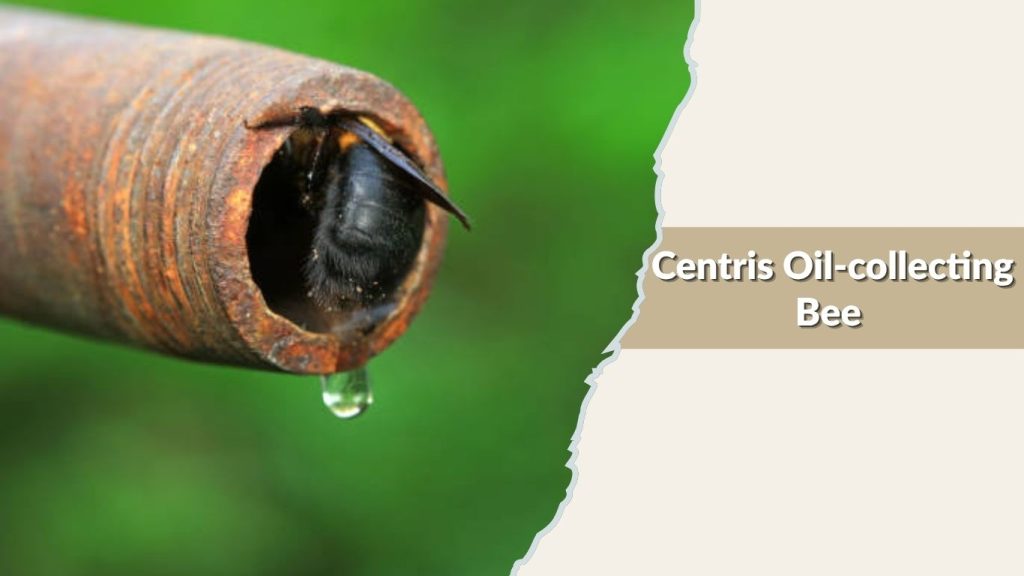
Centris oil-collecting bees are solitary bees known for collecting floral oils instead of relying only on nectar and pollen. Females use these oils to help prepare brood cells for their young. These bees are usually strong, fast flyers and are important pollinators for oil-producing flowers, especially in warm regions of the Americas.
Identification
- Robust, medium to large bee with a strong body shape.
- Many species have dense hairs on the body and legs.
- Females often have large, thick scopae on the hind legs for carrying pollen and floral oils.
- Males may show a yellow clypeus, while females often have a darker face with possible yellow markings.
- They are usually seen flying quickly around flowering plants that produce floral oils.
Habitat and Distribution
Centris bees are mainly found in the New World, especially in Mexico, Central America, South America, and parts of North America. They live in warm habitats such as deserts, dry forests, tropical areas, open fields, and gardens with suitable flowers. Some species are common in American deserts and can remain active in hot conditions when many other bees are less active.
Behavior and Diet
These bees are famous for visiting flowers with oil-producing glands called elaiophores. Females collect floral oils from plants such as Malpighiaceae and Krameria, then mix them with pollen to feed developing larvae. Adults may also visit other flowers for nectar and pollen. Their flower visits make them valuable pollinators in natural habitats and some crop systems.
Life Cycle
Centris oil-collecting bees are solitary, so each female usually builds and provisions her own nest. Many species nest in the ground, while some use pre-existing cavities. The female places a mixture of pollen and floral oil inside a brood cell, lays an egg, and seals the cell. The larva feeds on the stored food, pupates, and later emerges as an adult bee.
2. Epicharis Oil-collecting Bee
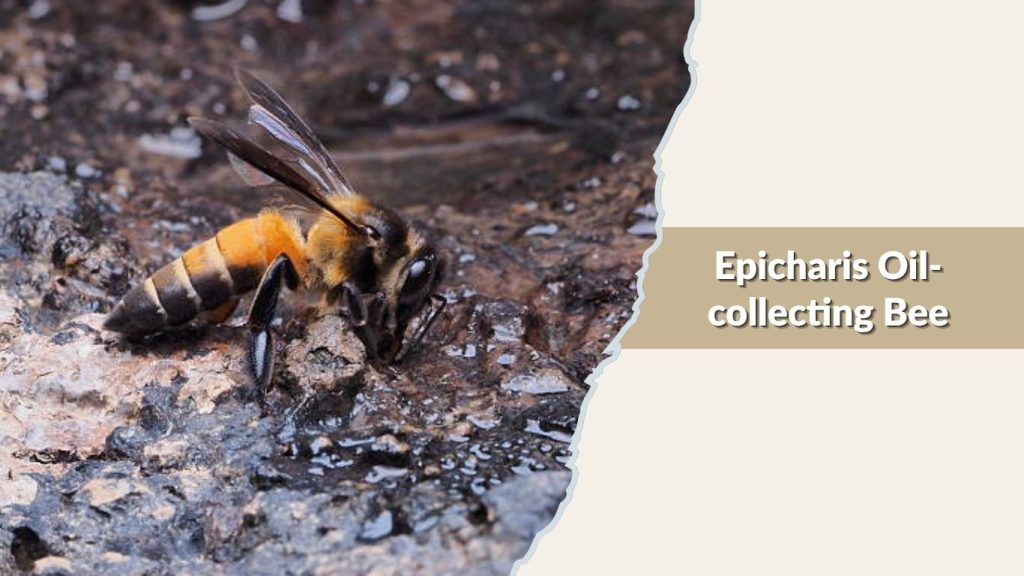
Epicharis oil-collecting bees are large solitary bees closely related to Centris bees. They are best known for collecting floral oils from specialized flowers and using them in their nests. These bees are important pollinators in tropical and subtropical regions, especially where oil-producing plants grow. Their strong bodies and active flying behavior make them noticeable around flowers.
Identification
- Medium to large bee with a strong, hairy body.
- Often dark brown or black, sometimes with pale or yellowish hair bands.
- Females have specialized leg structures for collecting and carrying floral oils.
- Body shape is usually robust, similar to Centris bees.
- Often seen visiting oil-producing flowers in warm habitats.
Habitat and Distribution
Epicharis bees are mainly found in Central and South America, especially in tropical forests, savannas, grasslands, and forest edges. They prefer areas where oil-producing flowers are available. Many species are connected with native plants that provide floral oils, so their distribution often follows the range of these plants. They may also appear in open sunny areas with abundant flowering vegetation.
Behavior and Diet
Female Epicharis bees collect floral oils, pollen, and nectar. The oil is gathered from special glands on flowers and is used to build or line brood cells. Pollen and oil are mixed as food for the larvae. Adults also visit flowers for nectar, which gives them energy for flying, mating, nesting, and foraging. Their flower visits help pollinate many native plants.
Life Cycle
Epicharis bees are solitary nesters. A female prepares her own nest, often in the soil, and creates separate brood cells for her young. She provisions each cell with a mixture of pollen and floral oil before laying an egg. After hatching, the larva feeds on the stored food, develops inside the sealed cell, pupates, and later emerges as an adult bee when conditions are suitable.
3. Macropis Oil Bee
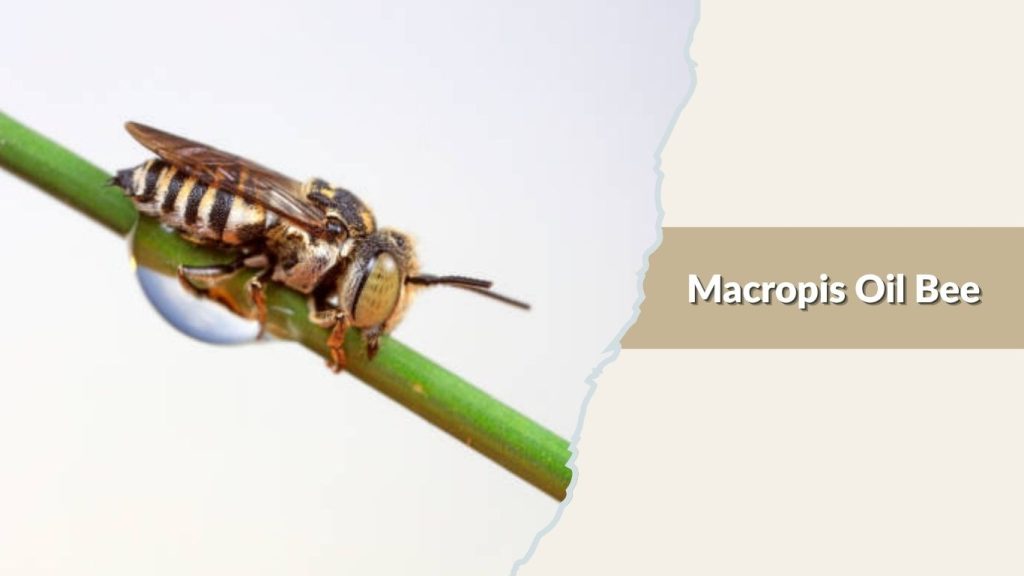
Macropis oil bees are small to medium-sized solitary bees known for their close relationship with loosestrife flowers. Unlike many bees that mainly collect nectar and pollen, female Macropis bees gather floral oils from certain plants. These oils are used to prepare food and waterproof nesting cells, making this bee group one of the best-known examples of oil-collecting bees.
Identification
- Small to medium-sized bee with a compact body.
- Usually dark-colored, often black or brownish.
- Females have special hair structures on the legs for collecting floral oils.
- Males are often slimmer than females and may have paler facial markings.
- Commonly found around yellow loosestrife flowers during the blooming season.
Habitat and Distribution
Macropis oil bees are found in parts of Europe, Asia, and North America. They usually live near wetlands, meadows, damp grasslands, stream edges, and other places where loosestrife plants grow. Their habitat is strongly connected to the presence of oil-producing flowers, especially Lysimachia species. Because of this close plant relationship, they may be uncommon in areas without suitable host flowers.
Behavior and Diet
Female Macropis bees collect floral oil and pollen from loosestrife flowers. The oil is mixed with pollen to make larval food and is also used to line brood cells, helping protect them from moisture. Adults may visit some other flowers for nectar, but they depend heavily on oil-producing flowers for reproduction. Their foraging behavior also makes them important pollinators for loosestrife plants.
Life Cycle
Macropis oil bees are solitary nesters. A female usually builds her nest in the ground, often in moist soil near suitable flowers. She prepares individual brood cells, lines them with floral oil, and adds a pollen-oil food mixture. After laying an egg in each cell, she seals it. The larva feeds, grows, pupates, and later emerges as an adult bee.
4. Rediviva Oil Bee
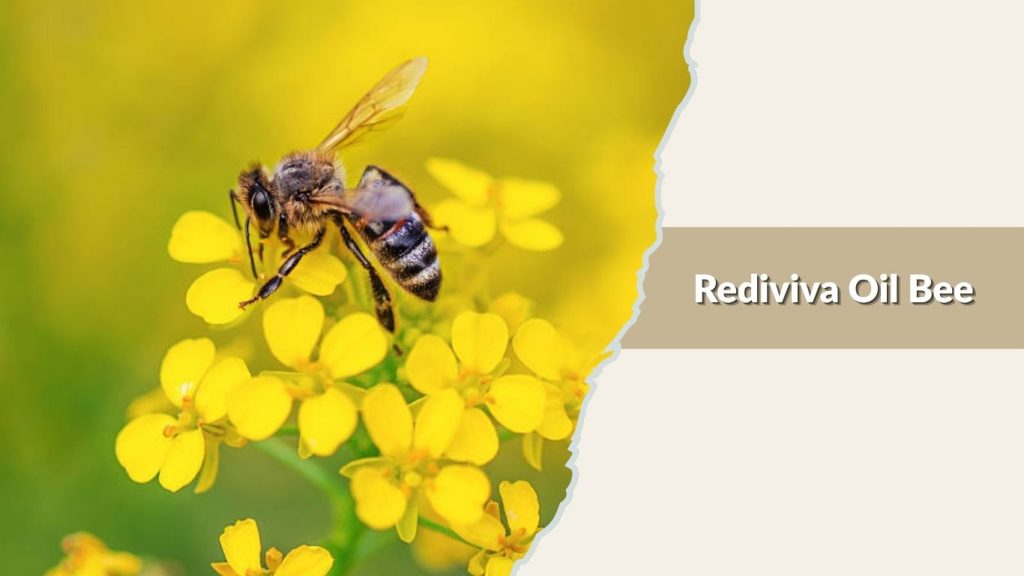
Rediviva oil bees are specialized oil-collecting bees from southern Africa. They are well known for their unusual relationship with oil-producing flowers, especially plants with deep floral spurs. Female bees use modified leg hairs to gather floral oils, which are important for nesting and larval food preparation. Their flower choices make them highly specialized pollinators.
Identification
- Small to medium-sized bee with a slender to moderately robust body.
- Females often have noticeably long front legs in some species.
- Special oil-collecting hairs are found on the female forelegs.
- Body color is often dark, sometimes with pale or reddish hair.
- Commonly associated with oil-producing flowers such as Diascia.
Habitat and Distribution
Rediviva oil bees are mainly found in southern Africa, with many species known from South Africa. They occur in regions where oil-producing host flowers grow, including grasslands, shrublands, mountain slopes, and winter-rainfall areas. Their distribution is often closely linked to plants that provide floral oils, so some species may be restricted to small local habitats.
Behavior and Diet
Female Rediviva bees collect floral oil by rubbing their specialized forelegs against oil-secreting parts of flowers. Some species have long front legs that help them reach oil hidden deep inside floral spurs. They also collect pollen and nectar, but floral oil plays a key role in reproduction. During feeding and oil collection, they pollinate several native flowering plants.
Life Cycle
Rediviva oil bees are solitary bees. Each female prepares her own nest and provisions brood cells for her young. She gathers pollen and floral oil, places the food mixture inside a cell, lays one egg, and seals the chamber. The larva feeds on the stored supply, develops into a pupa, and later emerges as an adult when environmental conditions are favorable.
5. Ctenoplectra Oil Bee
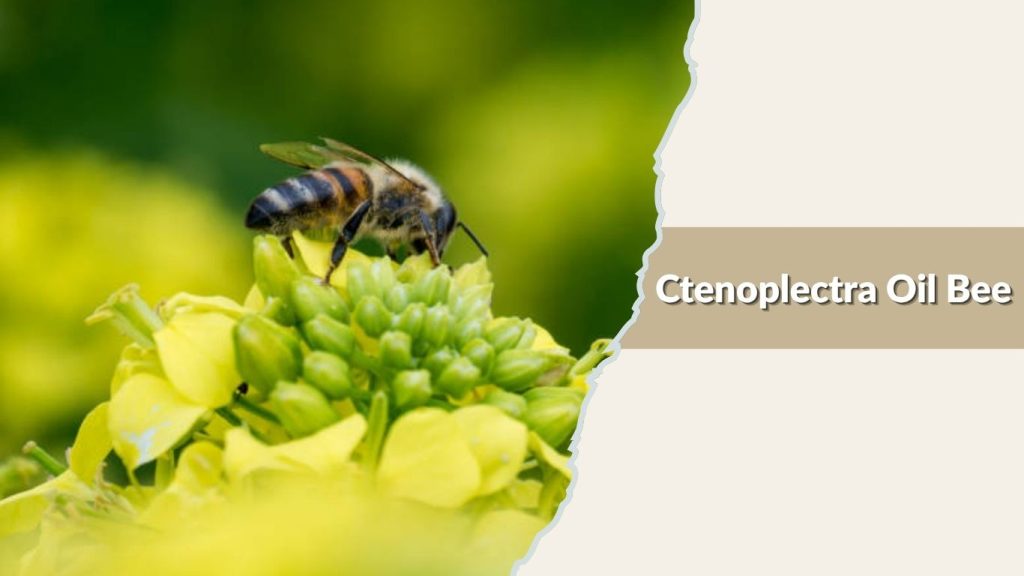
Ctenoplectra oil bees are specialized bees known for collecting floral oils from certain plants, especially in warm parts of Africa and Asia. These bees are closely connected with oil-producing flowers and play an important role in pollination. Female bees gather oil to help prepare brood cells and support larval development, making them a unique group among solitary bees.
Identification
- Medium-sized bee with a strong, hairy body.
- Often dark-colored, sometimes with pale hair on the thorax or abdomen.
- Females have special brush-like hairs for collecting floral oils.
- Legs may look thick or hairy because of oil and pollen-carrying structures.
- Usually seen around oil-producing flowers in warm, sunny habitats.
Habitat and Distribution
Ctenoplectra oil bees occur mainly in tropical and subtropical regions of Africa and Asia. They are often found in forests, woodland edges, grasslands, gardens, and open areas where suitable flowering plants grow. Their presence depends strongly on oil-producing plants, especially flowers that provide the oils females need for nesting. Because of this, they are usually most active during flowering seasons.
Behavior and Diet
Female Ctenoplectra bees collect floral oil, pollen, and nectar. The oil is gathered from specialized flowers and used in nest construction or brood cell preparation. Pollen provides protein for the larvae, while nectar gives adult bees energy. As they move from flower to flower, these bees transfer pollen and help many native plants reproduce successfully.
Life Cycle
Ctenoplectra oil bees are solitary, meaning each female manages her own nest. She prepares brood cells, gathers pollen and floral oil, and places the food mixture inside each cell. After laying an egg, she seals the chamber to protect the developing larva. The larva feeds on the stored food, changes into a pupa, and later emerges as an adult bee.
6. Tetrapedia Oil Bee
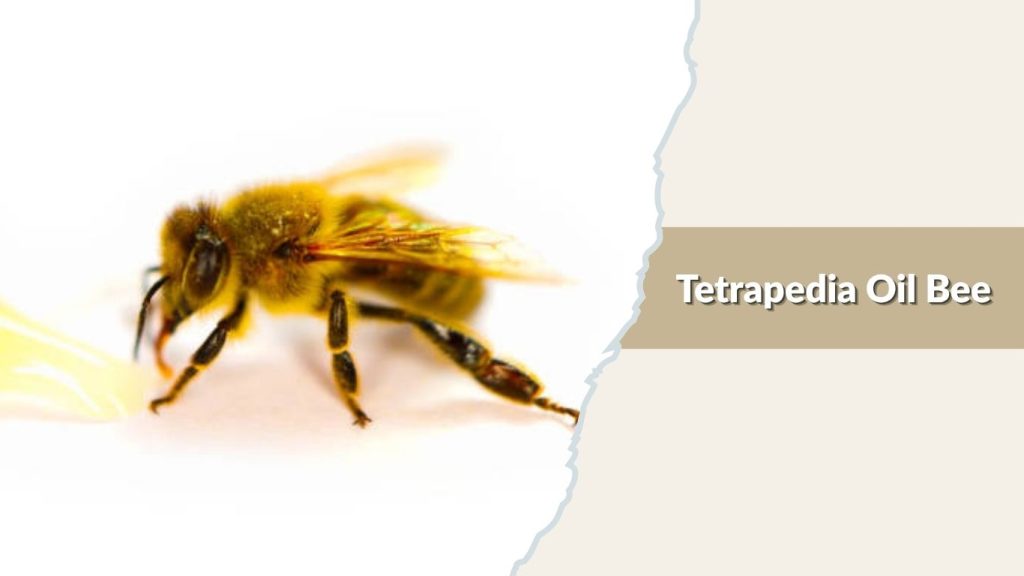
Tetrapedia oil bees are small to medium-sized solitary bees found mainly in the Neotropics. They are recognized for collecting floral oils from specialized flowers and using them in nest preparation. These bees are important pollinators of several native plants, especially in tropical forests, savannas, and open habitats where oil-producing flowers are common.
Identification
- Small to medium-sized bee with a compact body.
- Usually dark-colored, often black or brown with pale hairs.
- Females have specialized hairs on the legs for collecting floral oils.
- Some species may show yellowish markings on the face or body.
- Often seen visiting oil-producing flowers in warm tropical habitats.
Habitat and Distribution
Tetrapedia oil bees are mostly found in Central and South America. They live in tropical forests, forest edges, savannas, grasslands, and disturbed open areas with flowering plants. Their distribution is closely linked to the presence of oil-producing flowers. Some species may also nest near human-modified areas if suitable flowers and nesting sites are available.
Behavior and Diet
Female Tetrapedia bees collect floral oils, pollen, and nectar. The oils are gathered from special flower glands and used to prepare brood cells or mix with pollen for larval food. Adults feed mainly on nectar for energy. While visiting flowers, they transfer pollen between plants, making them useful pollinators in tropical ecosystems.
Life Cycle
Tetrapedia oil bees are solitary nesters. A female prepares her own nest, often in cavities such as hollow stems, wood holes, or abandoned insect tunnels. She builds brood cells, provisions each one with pollen and floral oil, and lays an egg. The larva feeds on the stored food, pupates inside the cell, and later emerges as an adult bee.
7. Paratetrapedia Oil Bee
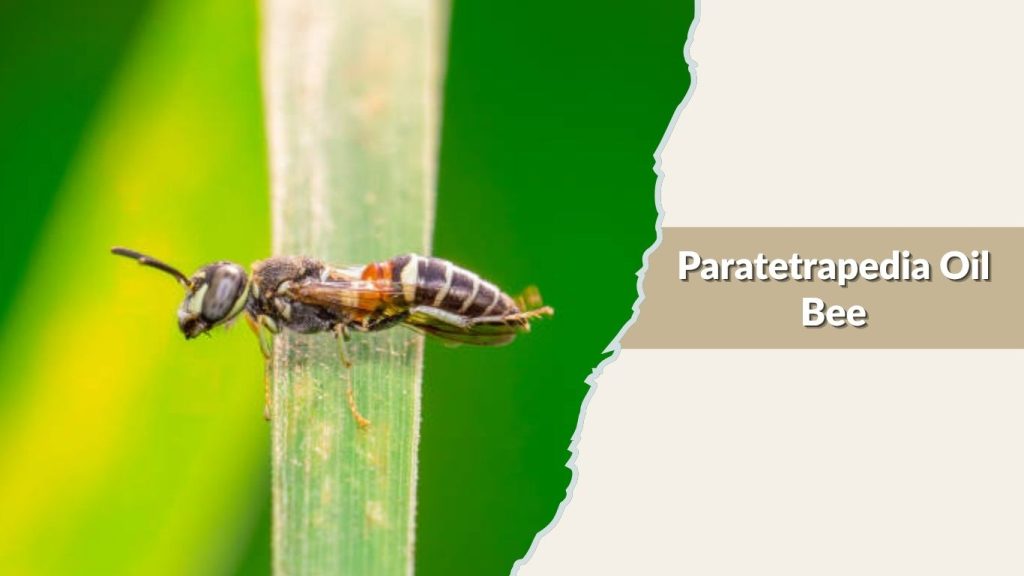
Paratetrapedia oil bees are small solitary bees known for their connection with oil-producing flowers in tropical regions. Female bees collect floral oils and use them during nesting, especially when preparing brood cells for their young. These bees are often active around native flowering plants and play a helpful role in pollination within warm forest and savanna habitats.
Identification
- Small bee with a compact, often dark-colored body.
- The body may appear black, brown, or slightly shiny.
- Females have specialized hairs on the legs for collecting floral oils.
- Some species may have pale markings on the face or legs.
- Usually found visiting flowers that produce floral oil, pollen, or nectar.
Habitat and Distribution
Paratetrapedia oil bees are mostly found in the Neotropical region, especially in Central and South America. They live in tropical forests, forest edges, savannas, grasslands, and areas with rich flowering plants. Their presence depends strongly on available oil-producing flowers and suitable nesting places. Some species may also occur in disturbed habitats if native flowers remain nearby.
Behavior and Diet
Female Paratetrapedia bees collect floral oil from specialized flowers and use it for brood cell preparation. They also gather pollen as the main protein source for larvae. Adult bees feed on nectar for energy and may visit different flowers throughout the day. Their movement between flowers helps transfer pollen, making them useful pollinators in native plant communities.
Life Cycle
Paratetrapedia oil bees are solitary nesters. A female usually builds or uses a small cavity for nesting, then prepares individual brood cells. She places a mixture of pollen and floral oil inside each cell before laying one egg. The larva feeds on this stored food, grows safely inside the sealed cell, pupates, and later emerges as an adult bee.
8. Tapinotaspoides Oil Bee
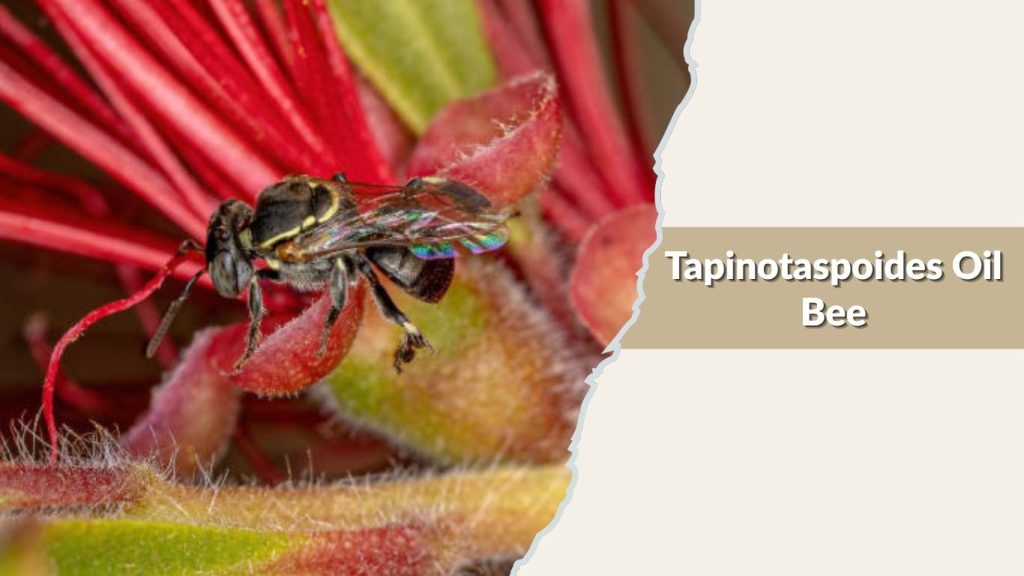
Tapinotaspoides oil bees are solitary bees associated with oil-producing flowers in the Neotropical region. Female bees collect floral oils and use them during nesting, especially when preparing brood cells for developing larvae. Although they are not as widely known as some other oil bees, they are valuable pollinators in habitats where native oil flowers grow.
Identification
- Small to medium-sized bee with a compact body.
- Usually dark-colored, often black or brown.
- Females have specialized hairs for collecting floral oils.
- Legs may appear hairy because they carry pollen and oil.
- Commonly found around native flowers that provide floral oils.
Habitat and Distribution
Tapinotaspoides oil bees are mainly found in Central and South America. They occur in warm habitats such as tropical forests, forest edges, savannas, and open flowering areas. Their distribution is closely connected with the availability of oil-producing flowers and suitable nesting sites. They are usually most active during seasons when their preferred flowers are blooming.
Behavior and Diet
Female Tapinotaspoides bees collect floral oil, pollen, and nectar. The oil is used in nesting and may help protect brood cells from moisture or fungi. Pollen provides food for larvae, while nectar gives adults energy for flight and foraging. As they visit flowers, these bees transfer pollen and support the reproduction of several native plants.
Life Cycle
Tapinotaspoides oil bees are solitary nesters. Each female prepares her own nest and builds separate brood cells for her offspring. She places pollen mixed with floral oil inside each cell, lays one egg, and seals the chamber. The larva feeds on the stored food, grows inside the protected cell, pupates, and eventually emerges as an adult bee.
9. Monoeca Oil Bee
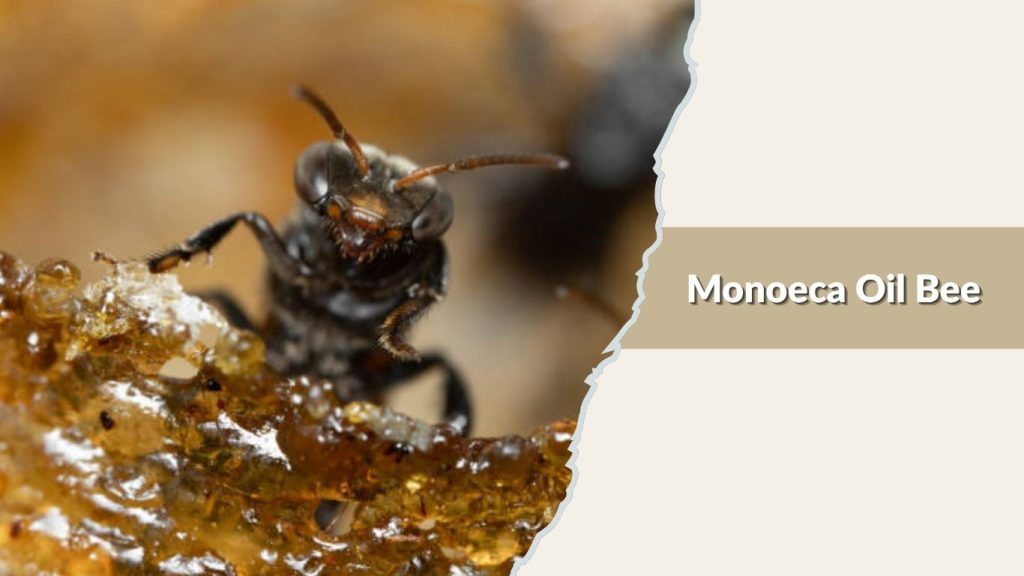
Monoeca oil bees are solitary bees linked with oil-producing flowers in the Neotropical region. Females collect floral oils and use them during nest preparation and larval provisioning. These bees are not as familiar as honey bees or bumble bees, but they are important native pollinators in warm habitats where specialized flowering plants provide oil, pollen, and nectar.
Identification
- Small to medium-sized bee with a compact body.
- Usually dark brown or black, sometimes with lighter hairs.
- Females have special leg hairs for collecting floral oils.
- The body may look shiny or lightly hairy depending on the species.
- Often seen visiting flowers that produce oil or abundant pollen.
Habitat and Distribution
Monoeca oil bees are mainly found in South America, especially in warm regions with native flowering plants. They may live in open woodlands, forest edges, savannas, grasslands, and areas where oil-producing flowers grow. Their habitat choice depends strongly on suitable flowers and nesting sites. Because they are specialized bees, they are usually most noticeable during blooming seasons.
Behavior and Diet
Female Monoeca bees collect floral oil from specialized flowers and combine it with pollen for larval food or nest preparation. Adults also visit flowers for nectar, which provides energy for flying and foraging. As they move between flowers, they carry pollen on their bodies and help pollinate native plants. Their close relationship with oil flowers makes them valuable in natural ecosystems.
Life Cycle
Monoeca oil bees are solitary nesters. A female prepares her own nest and builds separate brood cells for her young. She places a mixture of pollen and floral oil inside each cell, lays one egg, and seals it. The larva feeds on the stored food, grows inside the protected chamber, changes into a pupa, and later emerges as an adult bee.
10. Chalepogenus Oil Bee
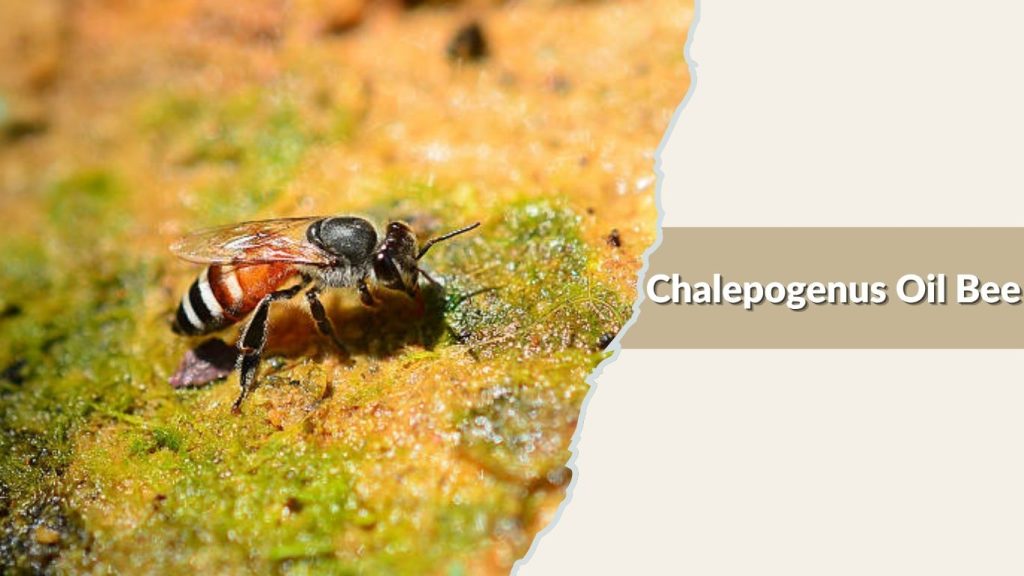
Chalepogenus oil bees are solitary oil-collecting bees found mainly in South America. Females visit special flowers that produce floral oils, then use those oils during nest preparation and larval provisioning. These bees are part of a unique group of native pollinators that depend strongly on oil-producing plants for successful reproduction.
Identification
- Small to medium-sized bee with a compact body.
- Body color is usually dark brown or black.
- Females have specialized hairs on the legs for collecting floral oils.
- Some species may show pale hairs on the thorax or abdomen.
- Often found visiting native flowers that produce floral oil.
Habitat and Distribution
Chalepogenus oil bees are mostly found in South America, especially in regions where oil-producing plants are common. They may live in grasslands, shrublands, forest edges, dry open habitats, and other warm areas with native flowering plants. Their distribution is closely connected to the availability of suitable flowers and nesting sites.
Behavior and Diet
Female Chalepogenus bees collect floral oil, pollen, and nectar. Floral oil is used in brood cell preparation and may help protect developing larvae. Pollen is the main protein source for larvae, while nectar gives adult bees energy. During flower visits, these bees carry pollen from one bloom to another and help pollinate native plants.
Life Cycle
Chalepogenus oil bees are solitary nesters. A female builds or prepares her own nest, then creates individual brood cells for her young. She adds a mixture of pollen and floral oil into each cell, lays one egg, and seals it. The larva feeds on the stored food, pupates inside the protected chamber, and later emerges as an adult bee.
FAQs
What are oil-collecting bees?
Oil-collecting bees are bees that gather floral oils from special oil-producing flowers. Female bees use these oils for nest building, brood cell lining, or mixing with pollen as larval food. This behavior is different from many common bees that mainly collect nectar and pollen.
Why do oil-collecting bees collect floral oil?
Oil-collecting bees collect floral oil because it helps them raise their young. The oil may waterproof brood cells, protect the nest from moisture, and improve the food mixture prepared for larvae. This makes floral oil an important resource for their reproduction.
Are oil-collecting bees dangerous to humans?
Oil-collecting bees are not usually dangerous to humans. Most are solitary bees and do not defend large colonies like honey bees or some wasps. They may sting only if handled roughly or threatened, but they are generally calm and focused on flowers and nesting.
Where are oil-collecting bees found?
Oil-collecting bees are found in different warm regions around the world, including Central America, South America, southern Africa, and parts of Asia. Some types also occur in North America and Europe. Their distribution often depends on where oil-producing flowers grow.
What flowers do oil-collecting bees visit?
Oil-collecting bees visit flowers that produce floral oils through special glands called elaiophores. Common plant groups include loosestrife, Malpighiaceae, Krameria, and Diascia. These flowers provide oil, while some also offer pollen or nectar for adult bees and developing larvae.