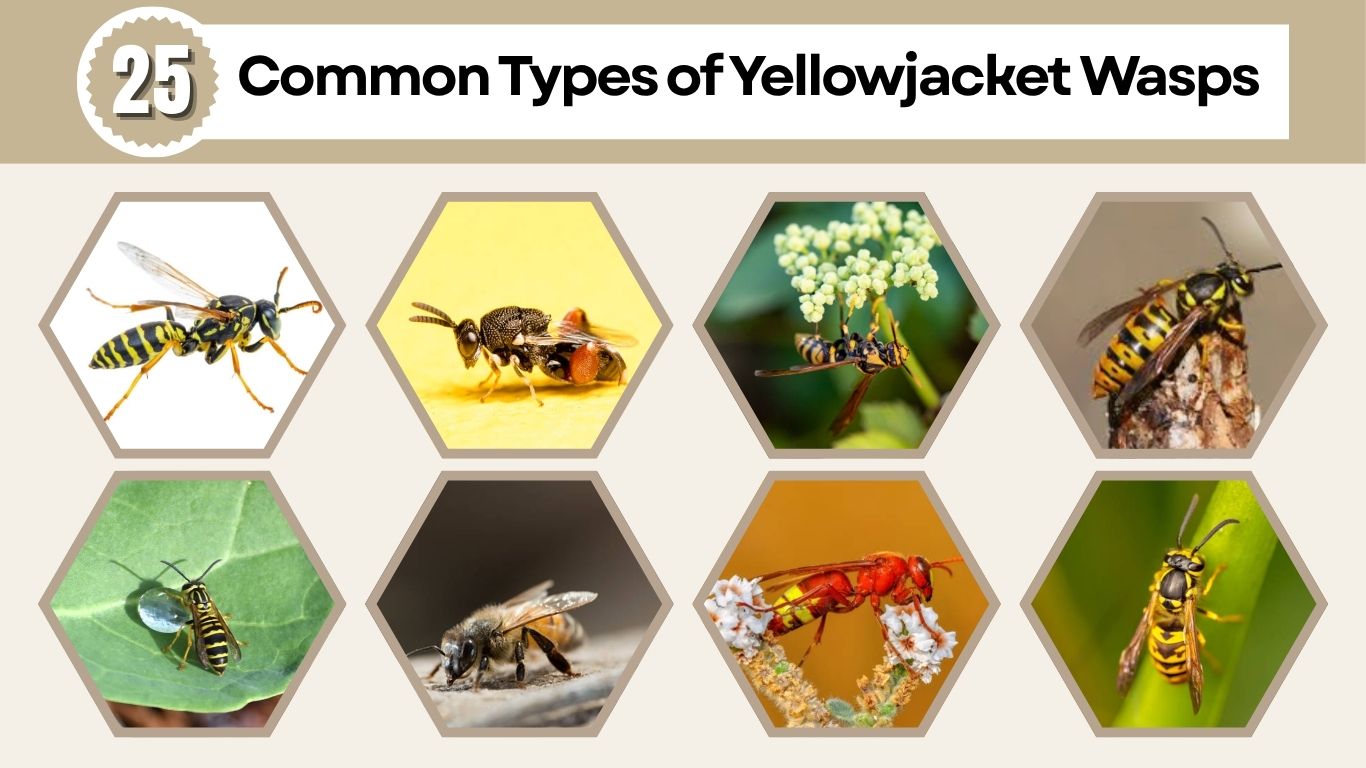
Yellowjacket wasps are among the most recognizable and often misunderstood insects found in many regions around the world. Known for their bold black-and-yellow markings and aggressive behavior, these social wasps play a vital role in ecosystems. They help control pest populations and assist in breaking down organic matter. While they can become a nuisance around food and human activity, especially in late summer, understanding the different types of yellowjackets can help you better identify them and reduce unwanted encounters.
1. Eastern Yellowjacket
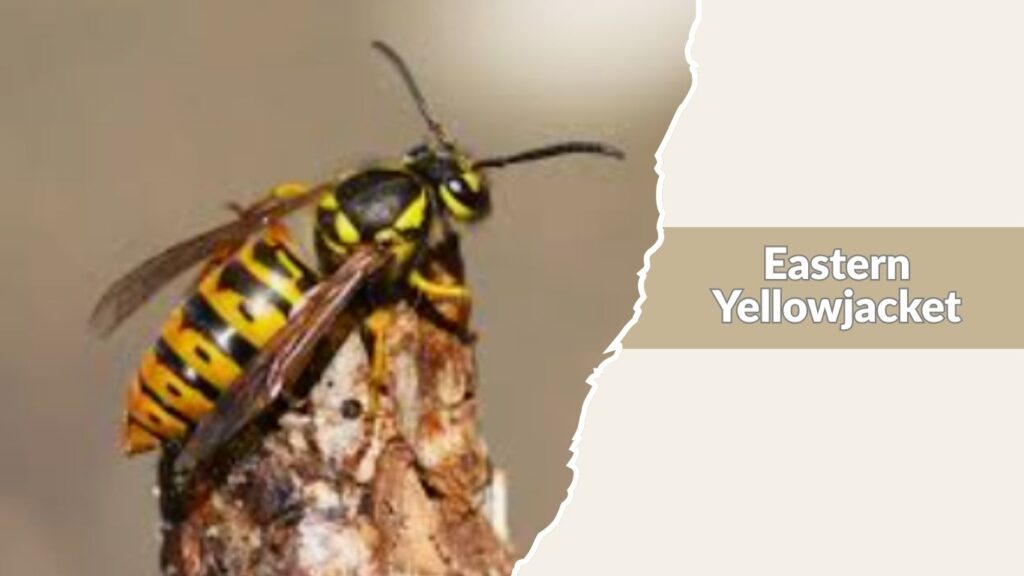
The Eastern Yellowjacket is one of the most widespread and recognizable wasp species in North America. Known for its bold black-and-yellow pattern and aggressive defense behavior, this insect plays an important ecological role as both a predator and scavenger. It is commonly found in residential areas, especially during late summer when colonies reach peak size.
Characteristics
- Distinct black and yellow banded body
- Smooth, shiny appearance with little to no hair
- Workers are about 10–16 mm in length
- Queens are larger than workers
- Fast, direct flight pattern
- Highly social and lives in large colonies
Habitat and Nesting Behavior
Eastern Yellowjackets typically build their nests underground, often in abandoned rodent burrows or hidden cavities. These nests can grow quite large, housing thousands of individuals. In some cases, they may also construct nests inside wall voids or other sheltered human structures, making encounters more likely.
Diet and Feeding Habits
This species has a varied diet that changes throughout the season. Early in the year, they primarily hunt insects to feed their larvae, helping control pest populations. Later, they shift toward sugary foods, which is why they are often seen around picnics, garbage bins, and sweet beverages.
Behavior and Human Interaction
Eastern Yellowjackets are known for their defensive nature, especially when their nest is disturbed. Unlike bees, they can sting multiple times, making them more dangerous in large numbers. While they can be a nuisance, they are beneficial in ecosystems due to their role in pest control and decomposition.
2. Western Yellowjacket
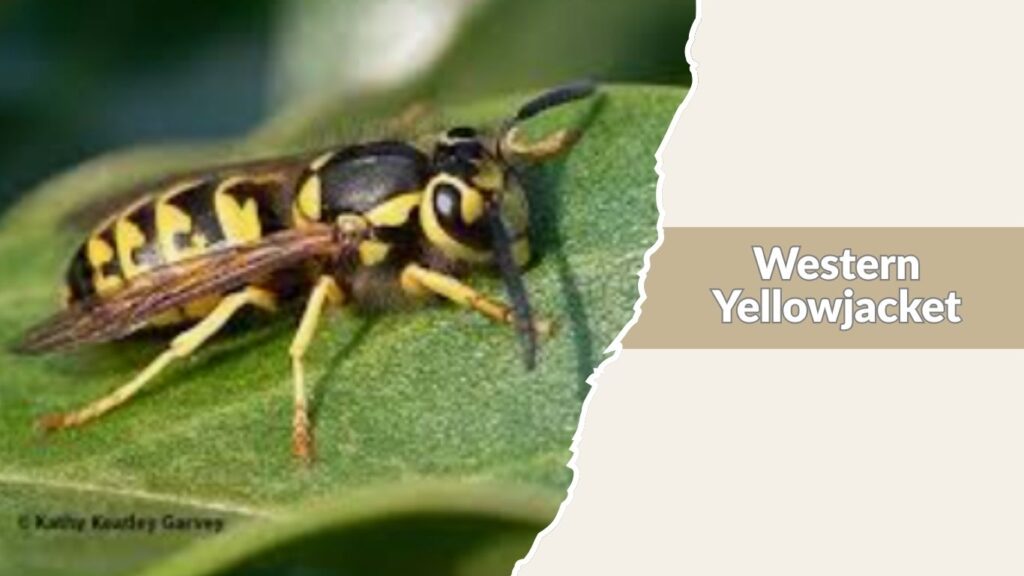
The Western Yellowjacket is a highly adaptable and commonly encountered wasp species found across western regions of North America. It is especially known for its scavenging behavior and frequent interactions with humans. This species thrives in both natural environments and urban areas, often becoming noticeable during outdoor activities.
Characteristics
- Bright yellow and black striped abdomen
- Slender body with a defined waist
- Workers measure around 10–12 mm in length
- Wings fold lengthwise when at rest
- Smooth body with minimal hair
- Agile and fast-moving in flight
Habitat and Nesting Behavior
Western Yellowjackets usually build their nests underground, selecting locations such as rodent burrows or soil cavities. However, they can also nest in wall voids, attics, or other sheltered structures. Colonies can grow rapidly, reaching thousands of members by late summer, increasing the chances of human encounters.
Diet and Feeding Habits
This species has a flexible diet that includes both protein and sugar sources. Early in the season, workers hunt insects like caterpillars and flies to feed developing larvae. As the season progresses, they shift toward sweet foods, making them common visitors at picnics, garbage areas, and outdoor dining spots.
Behavior and Human Interaction
Western Yellowjackets are known for their persistent and sometimes aggressive behavior, particularly when searching for food. They can sting multiple times and may become defensive if their nest is threatened. Despite their reputation, they provide ecological benefits by controlling insect populations and aiding in organic matter breakdown.
3. German Yellowjacket
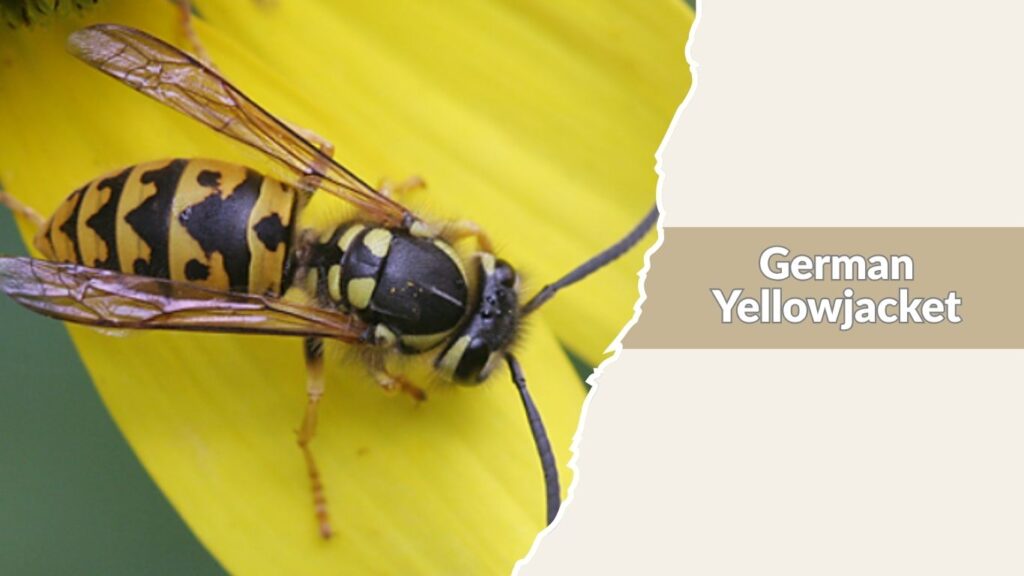
The German Yellowjacket is one of the most widely distributed and invasive yellowjacket species. Originally native to Europe, it has spread to many parts of the world and is now commonly found in urban and suburban environments. It is especially known for its persistence around food and its ability to thrive close to human activity.
Characteristics
- Bold black and yellow markings with distinct dot patterns on the abdomen
- Compact, sturdy body shape
- Workers typically measure 12–15 mm in length
- Queens are noticeably larger and more robust
- Transparent wings that fold neatly over the back
- Smooth body surface with minimal hair
Habitat and Nesting Behavior
German Yellowjackets prefer to build nests in sheltered locations such as underground cavities, wall voids, attics, and even inside buildings. Their nests are made from chewed wood fibers, forming a paper-like structure. Colonies can grow very large, sometimes containing several thousand individuals by the end of the season.
Diet and Feeding Habits
This species is highly opportunistic when it comes to food. Early in the season, they hunt insects to feed their larvae, helping reduce pest populations. Later, they become attracted to sugary substances and protein-rich human foods, making them frequent visitors at outdoor gatherings, trash bins, and food markets.
Behavior and Human Interaction
German Yellowjackets are known for their aggressive and persistent nature, especially when competing for food. They can sting multiple times and will defend their nests vigorously if disturbed. Their close association with human environments often leads to conflicts, but they still play a useful role in controlling other insect populations.
4. Common Yellowjacket
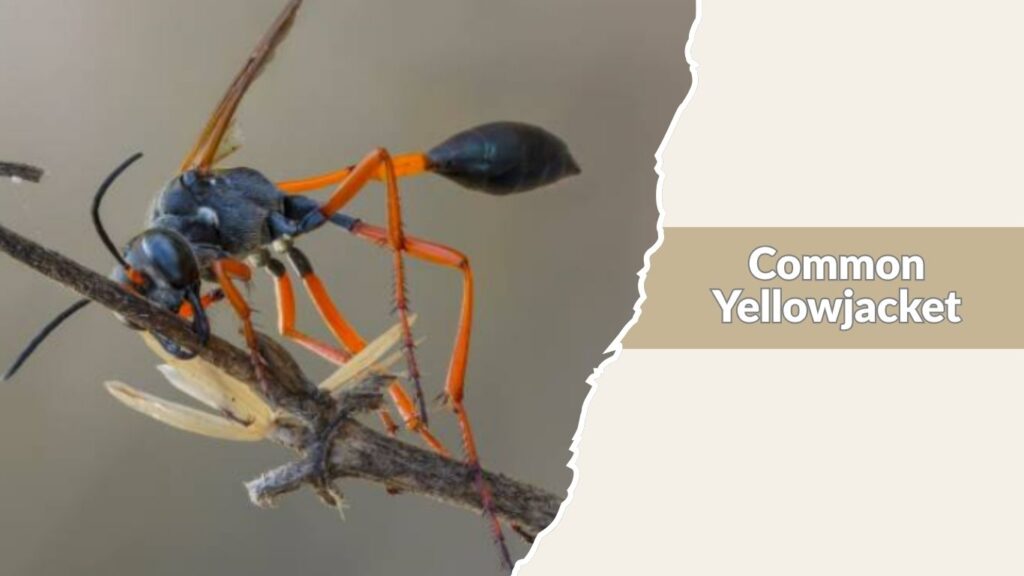
The Common Yellowjacket is a well-known social wasp species found across many regions of Europe and parts of Asia. It is often mistaken for other yellowjackets due to its similar appearance, but it has unique markings and behaviors. This species is commonly seen in gardens, parks, and near human settlements, especially during warmer months.
Characteristics
- Bright yellow and black striped body
- Distinct anchor-shaped marking on the face
- Workers measure about 10–15 mm in length
- Queens are larger and more prominent
- Smooth, shiny body with little hair
- Narrow waist connecting thorax and abdomen
Habitat and Nesting Behavior
Common Yellowjackets typically build their nests underground in old animal burrows or natural soil cavities. In some cases, they may also nest in sheltered above-ground locations such as sheds or wall gaps. Their nests are made from a paper-like material created by chewing wood fibers mixed with saliva.
Diet and Feeding Habits
This species feeds on a combination of insects and sugary substances. During early colony development, workers hunt insects like flies and caterpillars to nourish larvae. As the colony matures, adults seek out nectar, fruits, and human food, which often brings them into close contact with people.
Behavior and Human Interaction
Common Yellowjackets are generally less aggressive than some other species but can become defensive if their nest is disturbed. They are capable of stinging multiple times, which can be painful. Despite this, they contribute positively to the environment by controlling pest insects and aiding in the breakdown of organic material.
5. Southern Yellowjacket
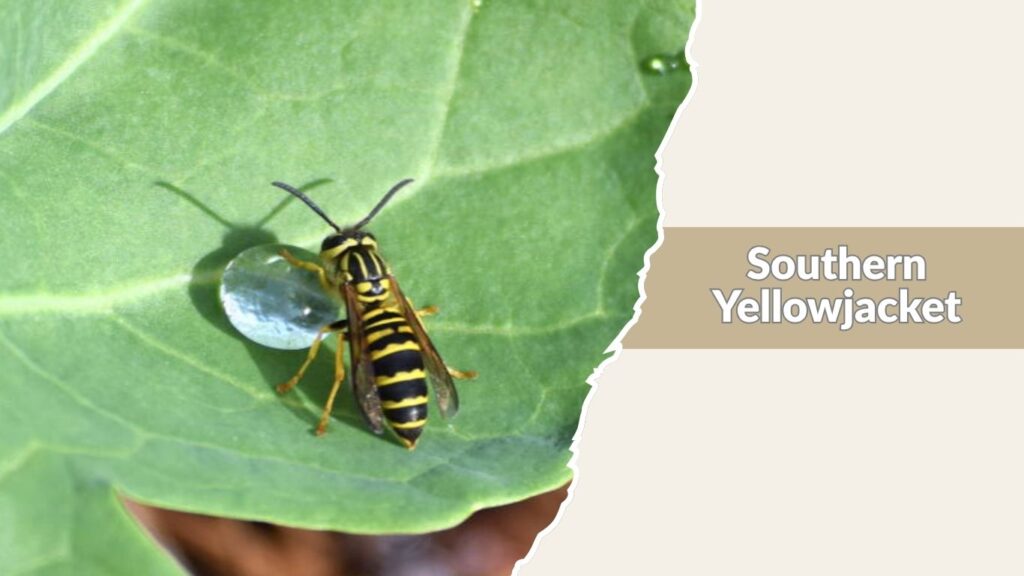
The Southern Yellowjacket is a common wasp species found in warmer regions, particularly in the southern parts of North America. It is well adapted to hot climates and is often seen in both rural and urban environments. This species becomes especially active during late summer and early fall when colony sizes are at their peak.
Characteristics
- Bright yellow and black banded abdomen
- Slender body with a clearly defined waist
- Workers measure about 10–14 mm in length
- Queens are larger and more robust
- Smooth body with minimal hair
- Quick and agile flight behavior
Habitat and Nesting Behavior
Southern Yellowjackets typically build their nests underground, choosing locations like abandoned burrows or soft soil areas. Occasionally, they may nest in wall voids, attics, or other protected structures. Their colonies can grow quite large, often containing thousands of individuals by the end of the season.
Diet and Feeding Habits
This species has a varied diet that shifts throughout the year. Early in the season, workers hunt insects such as caterpillars and flies to feed their larvae. Later, they develop a strong attraction to sugary foods, including fruits, nectar, and human food waste, which increases their presence around people.
Behavior and Human Interaction
Southern Yellowjackets are known for their defensive nature, especially when their nest is threatened. They can sting multiple times and may become aggressive if provoked. Despite their reputation, they are beneficial insects that help control pest populations and contribute to the natural balance of ecosystems.
6. Prairie Yellowjacket
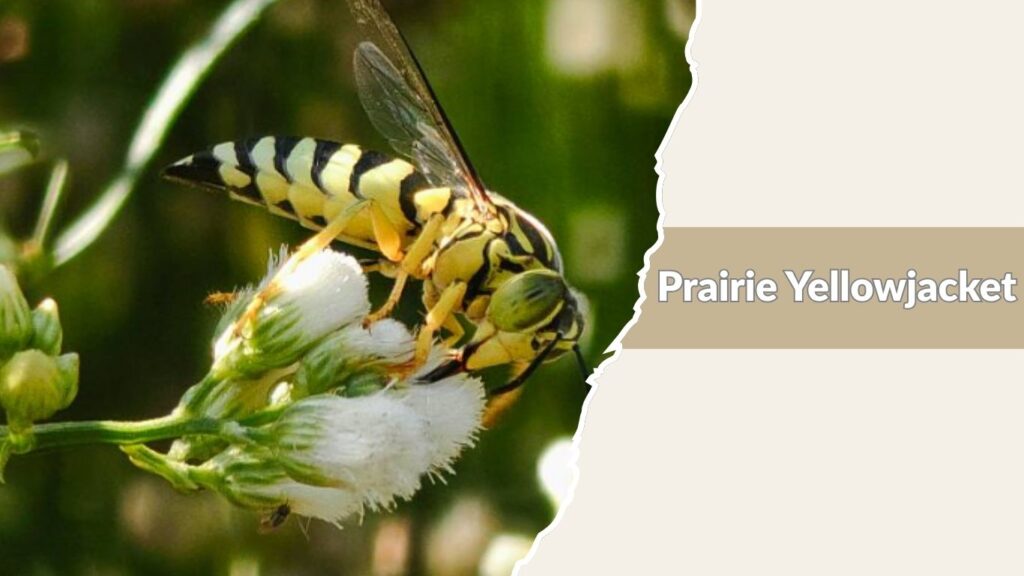
The Prairie Yellowjacket is commonly found in open grasslands, fields, and rural landscapes. It is well adapted to wide, exposed environments and plays an important role in maintaining ecological balance. This species is less commonly encountered in dense urban areas but can still appear near farms and gardens.
Characteristics
- Yellow and black striped abdomen with clear banding
- Medium-sized body with a narrow waist
- Workers measure around 10–13 mm in length
- Queens are larger and more robust
- Smooth, glossy body surface
- Strong and steady flight pattern
Habitat and Nesting Behavior
Prairie Yellowjackets usually build their nests underground, selecting dry soil in open areas such as meadows or farmlands. They often use abandoned burrows or natural cavities to establish colonies. Their nests can expand significantly over the season, housing a large number of individuals.
Diet and Feeding Habits
This species primarily feeds on other insects, especially during the early stages of colony growth. They hunt pests like grasshoppers, flies, and caterpillars to feed their larvae. As the season progresses, they also consume nectar and sweet substances, occasionally bringing them closer to human activity.
Behavior and Human Interaction
Prairie Yellowjackets are generally less aggressive than some urban species but will defend their nest if disturbed. They are capable of delivering multiple stings when threatened. In natural settings, they are beneficial predators that help control insect populations and support a balanced ecosystem.
7. Aerial Yellowjacket
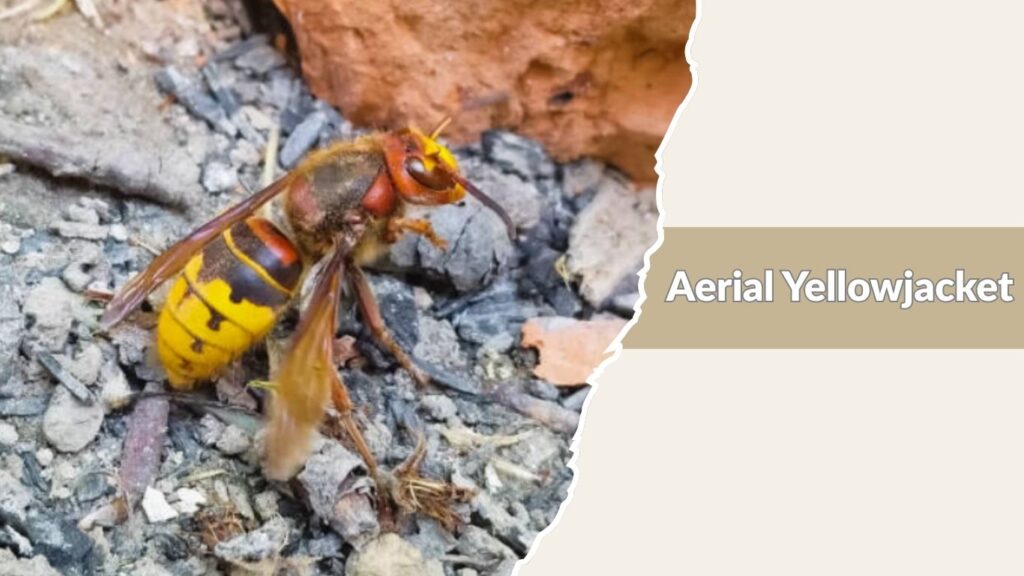
The Aerial Yellowjacket is known for building its nests above ground, often in trees, shrubs, or on structures. This species is commonly found in wooded areas and suburban environments. Its visible nests and active colonies make it easier to spot compared to underground yellowjackets.
Characteristics
- Black and yellow patterned body with sharp contrast
- Medium-sized wasp with a slender waist
- Workers measure about 10–14 mm in length
- Queens are larger and more dominant in size
- Smooth body with very little hair
- Strong, direct flight with quick movements
Habitat and Nesting Behavior
Aerial Yellowjackets construct paper-like nests that hang from branches, bushes, or building overhangs. These nests are made from chewed wood fibers mixed with saliva, forming a gray, layered structure. Colonies can grow large over the season, with hundreds to thousands of individuals inhabiting a single nest.
Diet and Feeding Habits
This species feeds on a mix of insects and sugary substances. Early in the season, workers actively hunt insects such as flies and caterpillars to support larval development. Later, they shift toward nectar, fruits, and human food, which can bring them into closer contact with people.
Behavior and Human Interaction
Aerial Yellowjackets are highly protective of their exposed nests and can become aggressive if approached too closely. They are capable of stinging multiple times and may attack in groups when threatened. Despite this, they are valuable in controlling insect populations and contribute positively to the environment.
8. Forest Yellowjacket
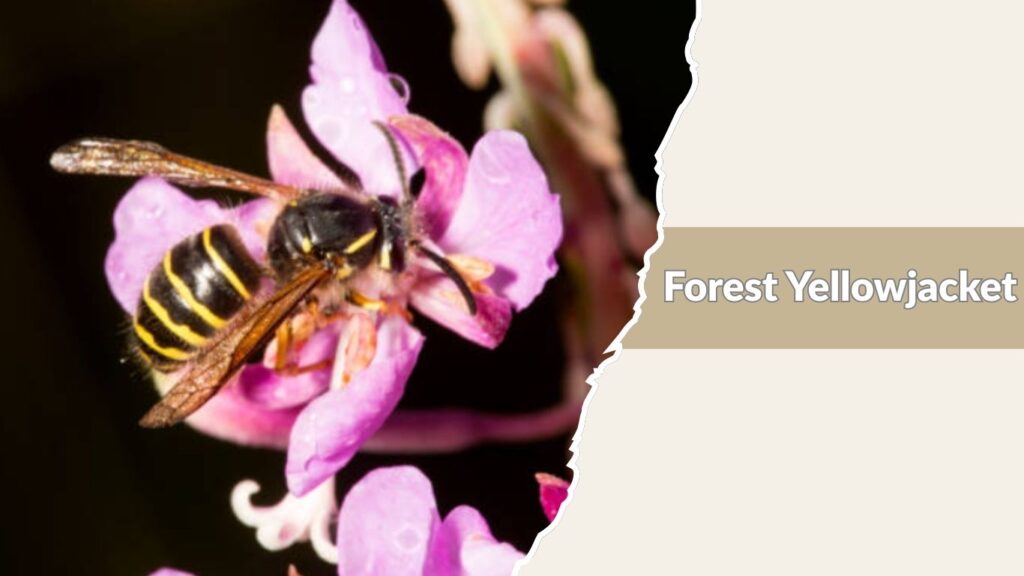
The Forest Yellowjacket is commonly found in wooded and natural environments, where it thrives among trees, shrubs, and dense vegetation. This species is less frequently encountered in heavily populated urban areas but plays an important role in forest ecosystems as both a predator and scavenger.
Characteristics
- Yellow and black striped body with clear markings
- Medium-sized with a narrow, defined waist
- Workers measure around 10–14 mm in length
- Queens are larger and more robust
- Smooth, slightly glossy body surface
- Fast and agile flight pattern
Habitat and Nesting Behavior
Forest Yellowjackets typically build their nests in sheltered forest locations, such as underground cavities, tree roots, or decaying logs. Occasionally, they may also create nests in low branches or hidden spaces within dense vegetation. Their nests are made from a paper-like material formed by chewed wood fibers.
Diet and Feeding Habits
This species primarily feeds on insects, especially during the early stages of colony development. They hunt flies, caterpillars, and other small insects to feed their larvae. As the season progresses, they also consume nectar and sweet plant juices, helping with minor pollination activities.
Behavior and Human Interaction
Forest Yellowjackets are generally less aggressive than species found in urban settings, as they have fewer interactions with humans. However, they will defend their nest if disturbed and can sting multiple times. In their natural habitat, they are beneficial insects that help regulate pest populations and maintain ecological balance.
9. Blackjacket
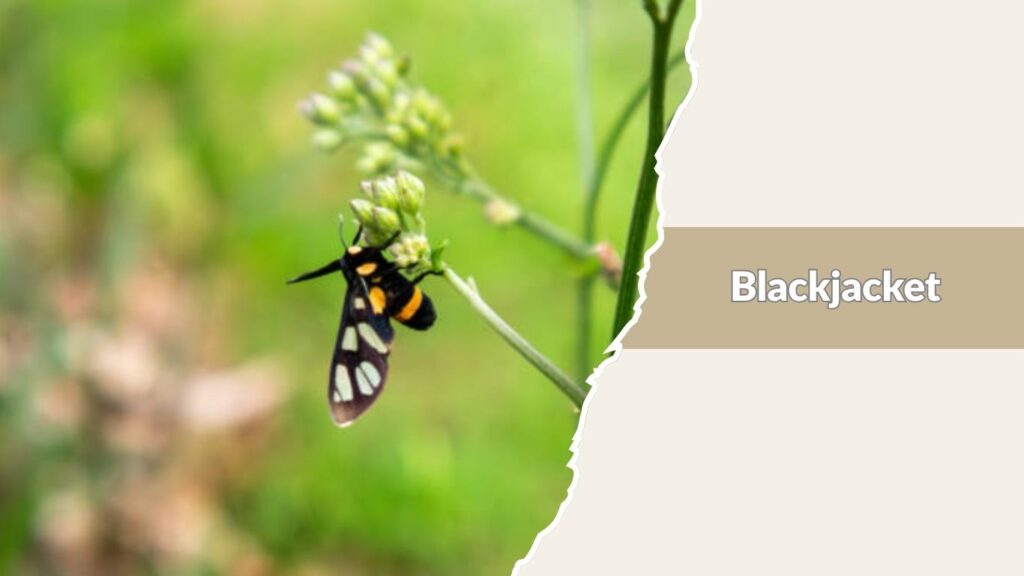
The Blackjacket is a darker-colored relative of typical yellowjackets, often recognized by its reduced yellow markings and more dominant black appearance. It is commonly found in cooler regions and forested environments. Despite its less яркий coloration, it behaves similarly to other social wasps and plays an important ecological role.
Characteristics
- Predominantly black body with limited yellow markings
- Slightly more robust appearance than typical yellowjackets
- Workers measure about 10–15 mm in length
- Queens are larger and heavier-bodied
- Smooth, shiny surface with minimal hair
- Strong and controlled flight pattern
Habitat and Nesting Behavior
Blackjackets typically build their nests underground or in hidden natural cavities such as hollow logs or beneath rocks. They prefer undisturbed environments like forests or remote areas. Their nests are constructed from chewed wood fibers, forming a durable, paper-like structure that houses growing colonies.
Diet and Feeding Habits
This species feeds mainly on insects, especially during the early part of the colony cycle. Workers hunt flies, caterpillars, and other small insects to nourish larvae. Later in the season, they expand their diet to include nectar, fruit juices, and other sweet substances found in nature.
Behavior and Human Interaction
Blackjackets are generally less noticeable to humans due to their darker coloration and preference for remote habitats. However, they can become defensive if their nest is disturbed and are capable of stinging multiple times. In natural ecosystems, they are valuable for controlling pest insect populations and supporting environmental balance.
10. Bald-faced Hornet
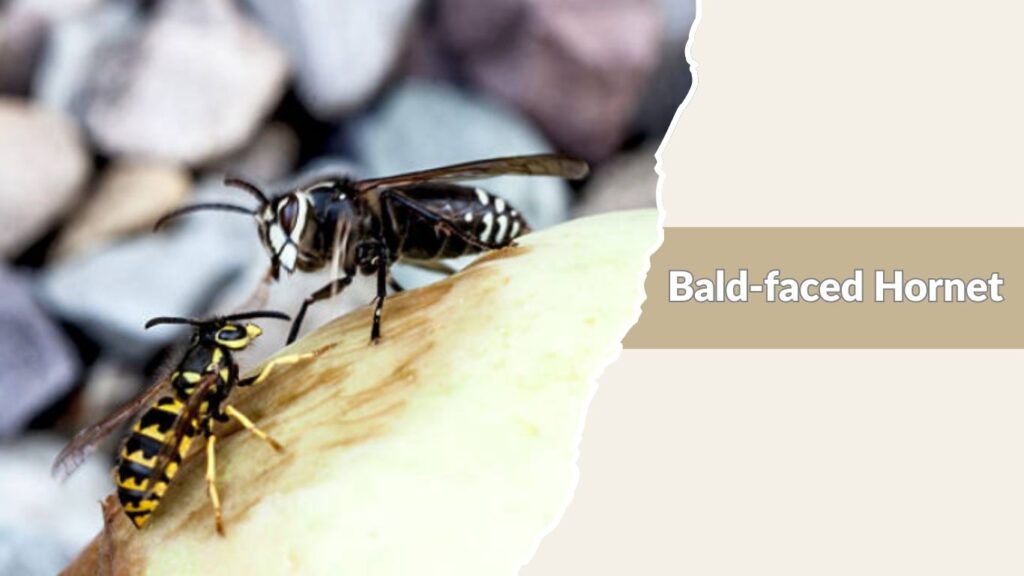
The Bald-faced Hornet is a large and visually striking member of the yellowjacket group, known for its bold black body and white facial markings. Despite its name, it is not a true hornet but a type of aerial yellowjacket. It is commonly found in forests, gardens, and suburban areas where trees and shrubs are available.
Characteristics
- Black body with distinct white or pale markings
- Prominent white face giving a “bald” appearance
- Larger than most yellowjackets, about 15–20 mm
- Thick, robust body structure
- Smooth surface with minimal hair
- Powerful and fast flight
Habitat and Nesting Behavior
Bald-faced Hornets build large, enclosed paper nests that hang from tree branches, shrubs, or building structures. These nests are gray and football-shaped, made from chewed wood fibers. Colonies can grow quite large, often containing hundreds of individuals by mid to late summer.
Diet and Feeding Habits
This species primarily feeds on other insects, making it an important natural pest controller. Workers capture flies, caterpillars, and other insects to feed their larvae. Adults also consume nectar and sugary substances, especially later in the season when energy demands increase.
Behavior and Human Interaction
Bald-faced Hornets are highly defensive and will aggressively protect their nests if disturbed. They can sting multiple times and may attack in groups. While they can pose a risk near homes, they are beneficial insects that help manage pest populations and contribute to ecosystem balance.
11. Lemon Yellowjacket
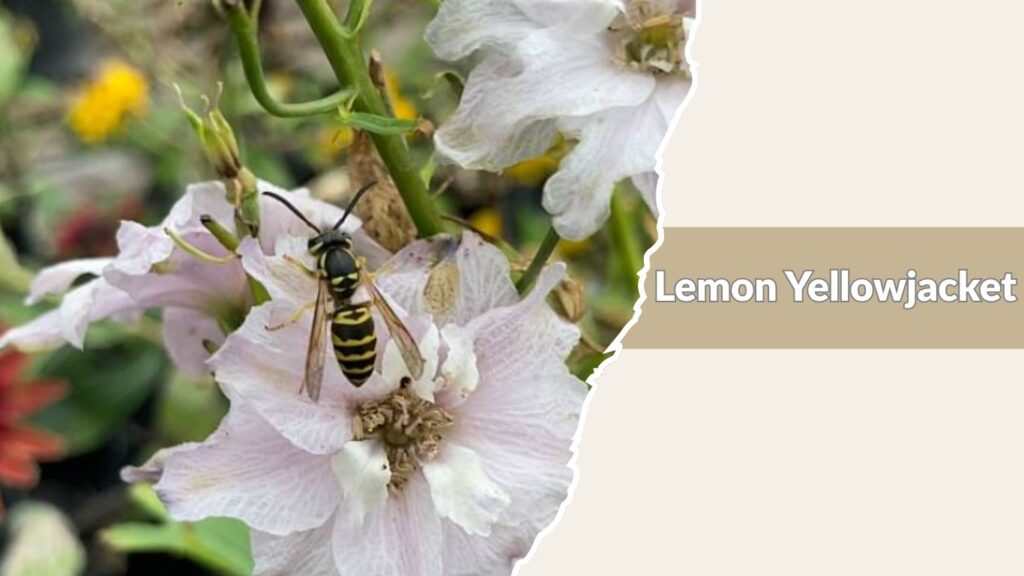
The Lemon Yellowjacket is a brightly colored wasp known for its vivid yellow tones and active behavior. It is typically found in open areas such as meadows, gardens, and light woodlands. This species is less commonly discussed than others but still shares many traits with typical yellowjackets, including social living and seasonal colony growth.
Characteristics
- Bright yellow body with lighter black markings
- Slender shape with a clearly defined waist
- Workers measure around 10–13 mm in length
- Queens are larger and more robust
- Smooth and shiny body surface
- Quick, energetic flight movements
Habitat and Nesting Behavior
Lemon Yellowjackets usually build their nests underground in soft soil or hidden cavities. They may choose locations such as grassy fields, garden edges, or natural hollows. Their nests are made from paper-like material created by chewing wood fibers, and colonies can expand significantly during the warmer months.
Diet and Feeding Habits
This species feeds on a mix of protein and sugar sources. Early in the season, workers hunt small insects like flies and caterpillars to support larval development. As the colony matures, they begin to seek out nectar, ripe fruits, and other sweet substances, which can occasionally bring them near human activity.
Behavior and Human Interaction
Lemon Yellowjackets are generally active but not overly aggressive unless their nest is disturbed. They are capable of stinging multiple times and will defend their colony when threatened. In natural environments, they serve a useful role by controlling insect populations and contributing to ecological balance.
12. Mountain Yellowjacket
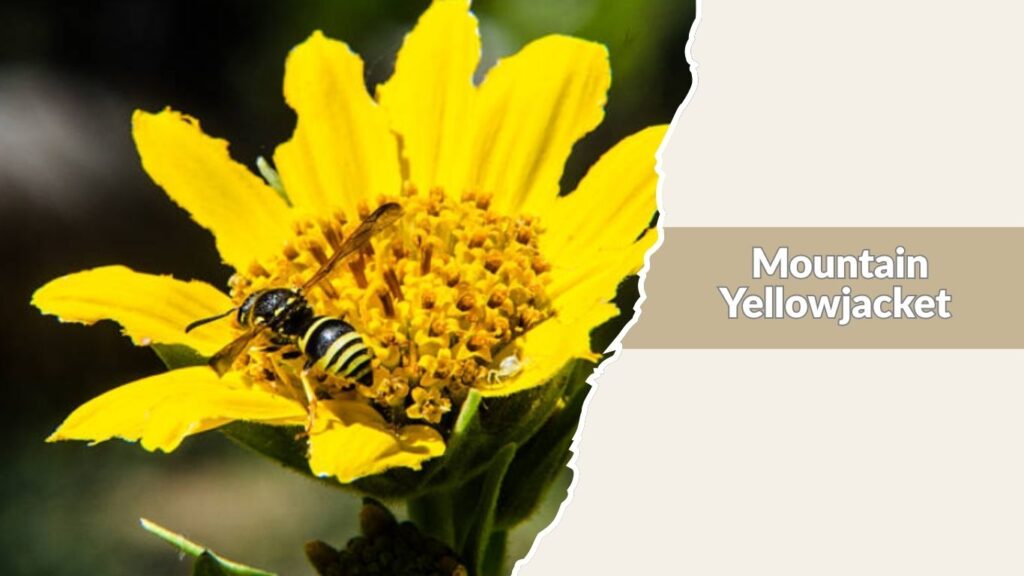
The Mountain Yellowjacket is commonly found in higher elevation regions, including hills, forests, and mountainous landscapes. It is well adapted to cooler climates and shorter seasons, making it different from many lowland species. Despite its remote habitat, it shares many social and behavioral traits with other yellowjackets.
Characteristics
- Yellow and black striped body with clear contrast
- Medium-sized with a slim, defined waist
- Workers measure around 10–14 mm in length
- Queens are larger and more robust
- Smooth body with minimal hair
- Strong and steady flight, even in cooler conditions
Habitat and Nesting Behavior
Mountain Yellowjackets typically build their nests underground in sheltered areas such as soil cavities, rock crevices, or abandoned burrows. In some cases, they may also nest in hollow logs or protected natural spaces. Their colonies grow during the warmer months but are often smaller compared to lowland species due to shorter active seasons.
Diet and Feeding Habits
This species primarily feeds on insects during the early stages of colony development. Workers hunt flies, caterpillars, and other small insects to provide protein for larvae. As the season progresses, they also consume nectar and other sugary substances to meet their energy needs.
Behavior and Human Interaction
Mountain Yellowjackets are generally less aggressive due to limited interaction with humans in their natural habitats. However, they will defend their nests if disturbed and can sting multiple times. They play an important ecological role by controlling insect populations and supporting the balance of mountain ecosystems.
13. Arctic Yellowjacket
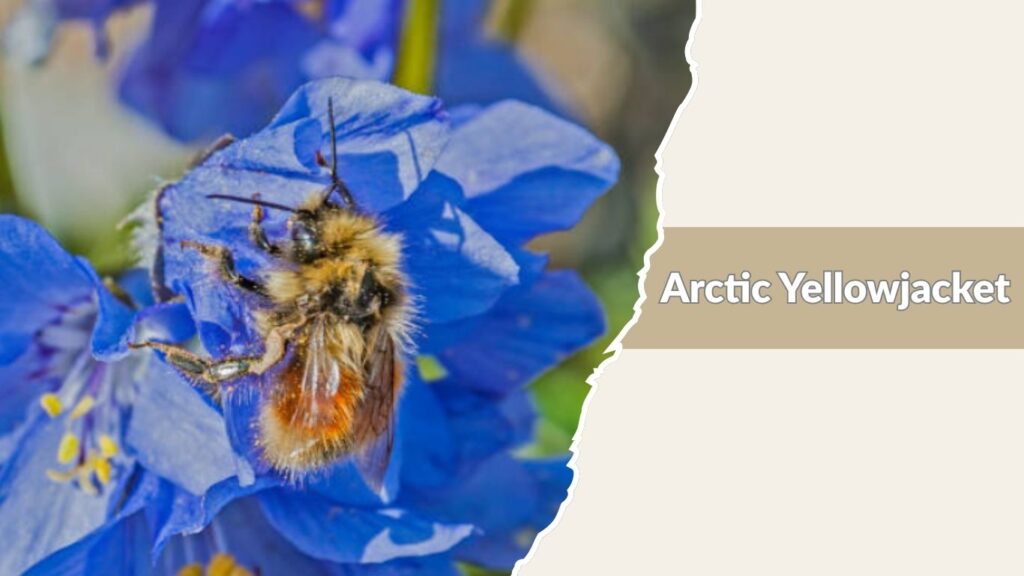
The Arctic Yellowjacket is a cold-adapted species found in northern and subarctic regions. It is specially suited to survive in harsh climates with short summers and low temperatures. Despite the extreme environment, this species remains active during warmer months and contributes to local ecosystems.
Characteristics
- Yellow and black patterned body with muted tones
- Compact and sturdy body structure
- Workers measure around 9–13 mm in length
- Queens are larger and thicker-bodied
- Smooth surface with very little hair
- Capable of flying in cooler temperatures
Habitat and Nesting Behavior
Arctic Yellowjackets typically build their nests underground in insulated locations such as soil cavities, beneath rocks, or within mossy ground. These nesting sites help protect the colony from cold conditions. Due to the short summer season, colonies are usually smaller and develop quickly.
Diet and Feeding Habits
This species mainly feeds on small insects, especially during early colony growth. Workers hunt flies, larvae, and other available prey to support developing young. As the season progresses, they also consume nectar and natural sugars to maintain energy in cooler conditions.
Behavior and Human Interaction
Arctic Yellowjackets are rarely encountered by humans due to their remote habitat. They are generally not aggressive unless their nest is disturbed. Like other yellowjackets, they can sting multiple times. In their environment, they are valuable predators that help regulate insect populations and maintain ecological balance.
14. Sandhill Yellowjacket
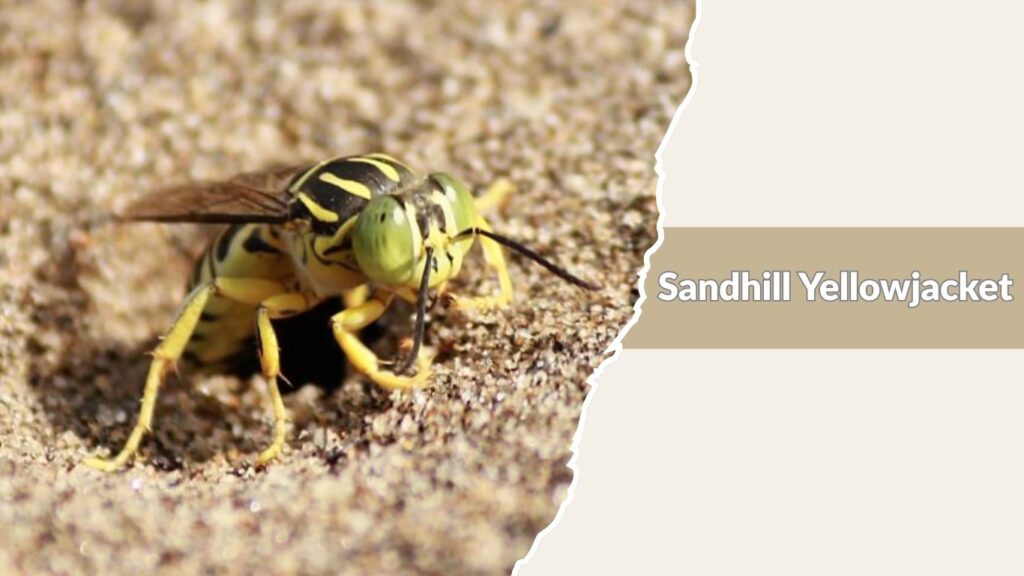
The Sandhill Yellowjacket is typically found in sandy and dry habitats such as dunes, grasslands, and open plains. It is well adapted to loose soil environments, where it can easily construct nests. This species plays an important role in controlling insect populations in these ecosystems.
Characteristics
- Yellow and black striped body with clear banding
- Medium-sized with a slender waist
- Workers measure about 10–13 mm in length
- Queens are larger and more robust
- Smooth, slightly glossy body surface
- Quick and agile flight behavior
Habitat and Nesting Behavior
Sandhill Yellowjackets usually build their nests underground in sandy or loose soil. They often select open, sunlit areas where digging is easier. Nests are constructed using chewed wood fibers, forming a paper-like structure inside the soil. Colonies can grow steadily during the warm season.
Diet and Feeding Habits
This species primarily feeds on insects, especially in the early stages of colony growth. Workers hunt flies, beetles, and caterpillars to feed their larvae. As the season progresses, they also consume nectar and other sugary substances found in their environment.
Behavior and Human Interaction
Sandhill Yellowjackets are generally less aggressive than species found in urban areas but will defend their nests if disturbed. They can sting multiple times when threatened. In their natural habitat, they are beneficial insects that help manage pest populations and contribute to ecological balance.
15. Northern Yellowjacket
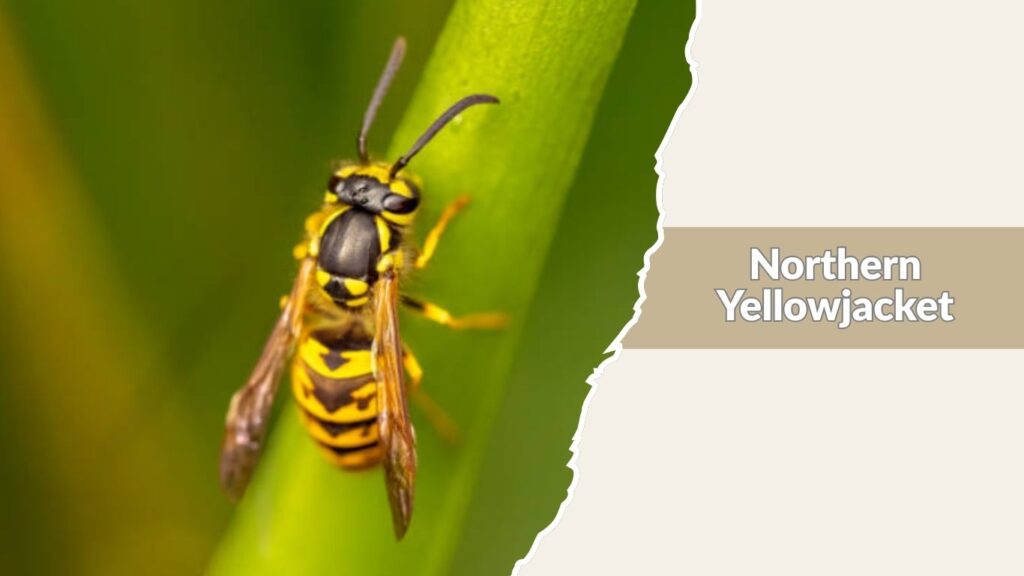
The Northern Yellowjacket is commonly found in cooler climates, including northern forests, grasslands, and rural areas. It is well adapted to shorter summers and moderate temperatures. This species is an active predator and scavenger, contributing to ecosystem balance while occasionally interacting with humans.
Characteristics
- Bright yellow and black striped abdomen
- Medium-sized body with a narrow waist
- Workers measure around 10–14 mm in length
- Queens are larger and more robust
- Smooth body with minimal hair
- Strong, steady flight in cooler conditions
Habitat and Nesting Behavior
Northern Yellowjackets typically build their nests underground in soil cavities, abandoned burrows, or sheltered natural spaces. In some cases, they may also nest in wall voids or under structures. Their colonies grow throughout the warm season, though they may be smaller compared to species in warmer regions.
Diet and Feeding Habits
This species feeds on a mix of insects and sugary substances. Early in the season, workers hunt flies, caterpillars, and other small insects to feed their larvae. Later, they shift toward nectar, fruits, and human-related food sources, increasing their visibility around outdoor activities.
Behavior and Human Interaction
Northern Yellowjackets are generally moderate in aggression but will defend their nest if disturbed. They can sting multiple times and may become a nuisance when searching for food. Despite this, they are beneficial insects that help control pest populations and support natural ecological processes.
16. Southern California Yellowjacket
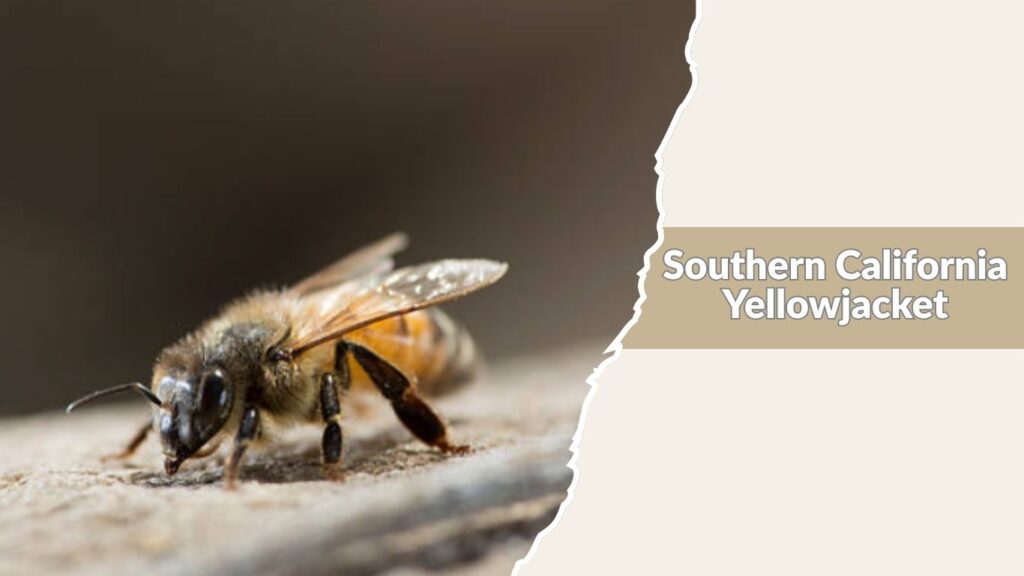
The Southern California Yellowjacket is a highly active and commonly encountered species in warm, dry regions. It thrives in urban, suburban, and natural environments, often becoming noticeable during outdoor activities. This species is well known for its persistence around food and adaptability to human surroundings.
Characteristics
- Bright yellow and black banded body
- Slender shape with a defined waist
- Workers measure around 10–14 mm in length
- Queens are larger and more robust
- Smooth body with minimal hair
- Fast and highly agile flight
Habitat and Nesting Behavior
Southern California Yellowjackets usually build their nests underground in soil cavities or abandoned burrows. They may also nest in wall voids, attics, or other sheltered structures. Their colonies can grow large during the warm season, often containing thousands of individuals by late summer.
Diet and Feeding Habits
This species has a flexible diet that includes both protein and sugar sources. Early in the season, workers hunt insects such as flies and caterpillars to feed developing larvae. Later, they are strongly attracted to sugary foods, including fruits, drinks, and human food waste.
Behavior and Human Interaction
Southern California Yellowjackets are known for their aggressive and persistent behavior, especially when searching for food. They can sting multiple times and will defend their nests if threatened. Their frequent interaction with humans can make them a nuisance, but they also play a useful role in controlling pest insects.
17. Red-bodied Yellowjacket
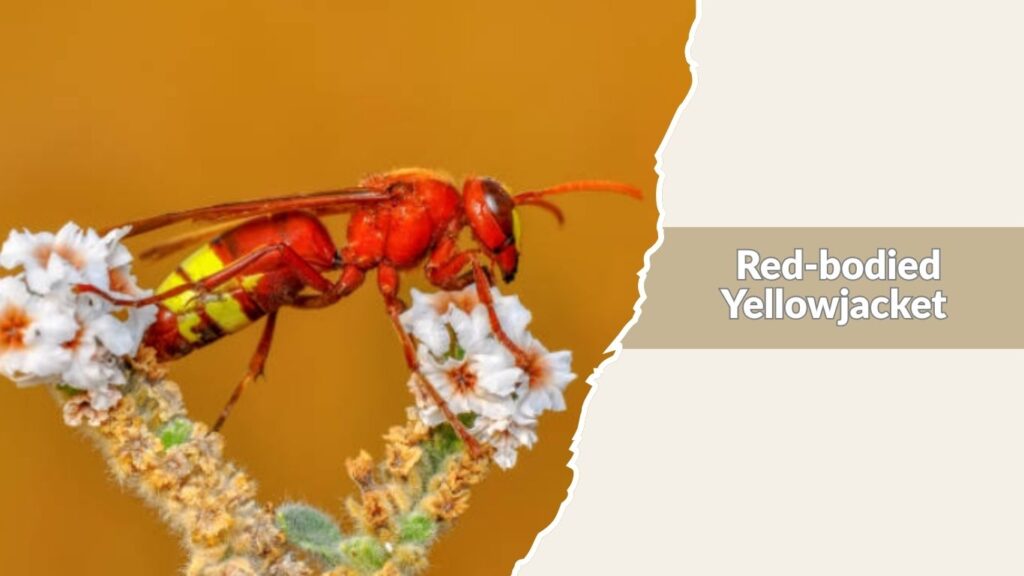
The Red-bodied Yellowjacket is a distinctive species known for its darker coloration with reddish tones on parts of its body. It is less commonly seen than typical yellowjackets and is usually found in forested or undisturbed natural environments. This species contributes to ecosystem balance through its role as both predator and scavenger.
Characteristics
- Black body with reddish or rust-colored areas
- Reduced yellow markings compared to other species
- Medium-sized with a compact build
- Workers measure around 10–14 mm in length
- Queens are larger and more robust
- Smooth, shiny body with minimal hair
Habitat and Nesting Behavior
Red-bodied Yellowjackets typically build their nests underground or in hidden natural cavities such as hollow logs or beneath rocks. They prefer quiet, less disturbed habitats like forests or remote areas. Their nests are made from chewed wood fibers, forming a durable paper-like structure that supports colony growth.
Diet and Feeding Habits
This species primarily feeds on insects, especially during the early stages of colony development. Workers hunt flies, caterpillars, and other small insects to nourish their larvae. As the season progresses, they also consume nectar, fruit juices, and other natural sugars.
Behavior and Human Interaction
Red-bodied Yellowjackets are generally less aggressive due to limited contact with humans. However, they will defend their nest if disturbed and can sting multiple times. In natural ecosystems, they are beneficial insects that help control pest populations and maintain ecological balance.
18. Alpine Yellowjacket
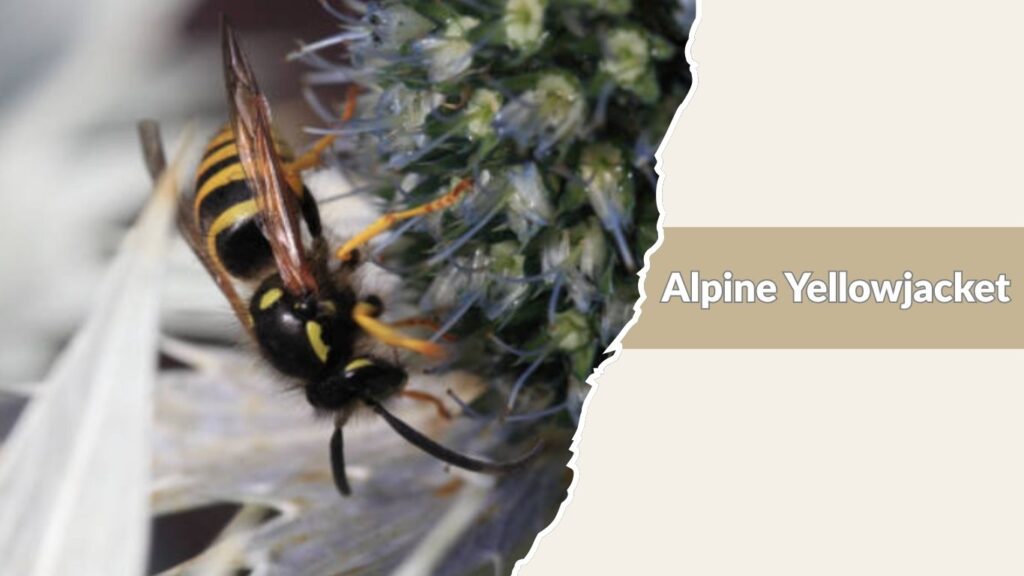
The Alpine Yellowjacket is adapted to high-altitude environments, where cooler temperatures and rugged terrain shape its behavior and life cycle. It is commonly found in mountainous regions, including alpine meadows and rocky slopes. This species is well suited to shorter active seasons and plays an important role in these ecosystems.
Characteristics
- Yellow and black patterned body with clear markings
- Medium-sized with a compact, sturdy build
- Workers measure around 10–13 mm in length
- Queens are larger and more robust
- Smooth body with minimal hair
- Capable of flying in cool, windy conditions
Habitat and Nesting Behavior
Alpine Yellowjackets typically build their nests underground in sheltered locations such as soil cavities, rock crevices, or beneath vegetation. These protected nesting sites help maintain stable conditions in harsh environments. Colonies are usually smaller due to the limited warm season but develop quickly.
Diet and Feeding Habits
This species mainly feeds on insects during early colony development. Workers hunt flies, caterpillars, and other small prey to support larval growth. As the season progresses, they also consume nectar and natural sugars to meet their energy needs in cooler climates.
Behavior and Human Interaction
Alpine Yellowjackets are less frequently encountered by humans due to their remote habitats. They are generally not aggressive unless their nest is disturbed. Like other yellowjackets, they can sting multiple times. In their environment, they are valuable for controlling insect populations and maintaining ecological balance.
19. Digger Yellowjacket
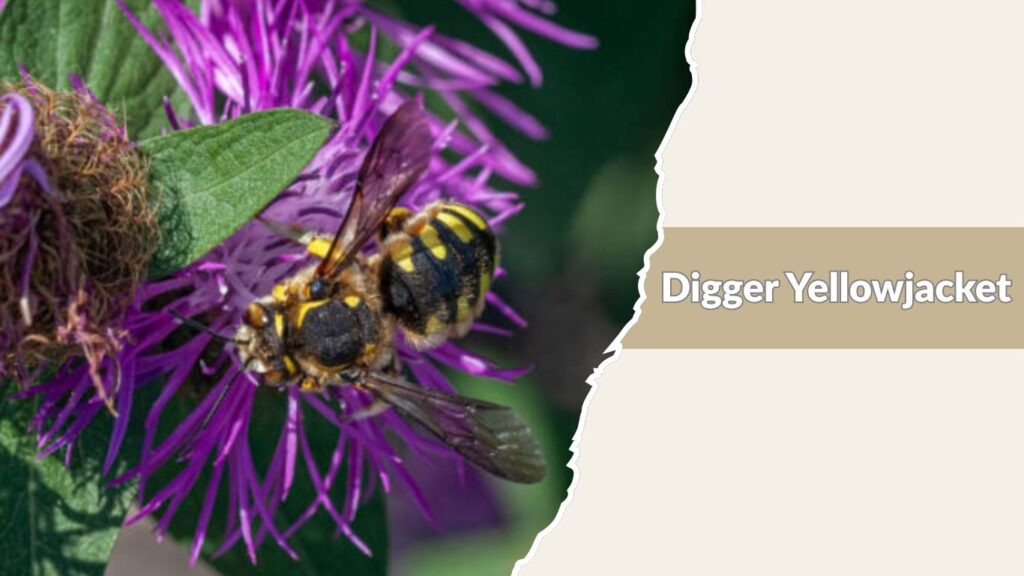
The Digger Yellowjacket is known for its strong burrowing ability and preference for nesting underground. It is commonly found in open areas such as fields, gardens, and sandy soils where digging is easier. This species is an efficient predator and plays a key role in controlling insect populations.
Characteristics
- Yellow and black striped body with clear banding
- Medium-sized with a slender waist
- Workers measure around 10–13 mm in length
- Queens are larger and more robust
- Smooth, shiny body surface
- Strong legs adapted for digging
Habitat and Nesting Behavior
Digger Yellowjackets typically construct their nests underground, often creating their own burrows rather than using abandoned ones. They prefer loose or sandy soil, which allows easier excavation. Their nests expand over time and can house a growing colony throughout the warm season.
Diet and Feeding Habits
This species primarily feeds on insects, especially during early colony development. Workers actively hunt flies, caterpillars, and other small insects to feed their larvae. As the colony matures, they also consume nectar and sweet substances for energy.
Behavior and Human Interaction
Digger Yellowjackets are generally less aggressive unless their nest is disturbed. However, they will defend their colony if threatened and can sting multiple times. While they may occasionally be noticed in gardens or open spaces, they are beneficial insects that help reduce pest populations and support ecological balance.
20. Woodland Yellowjacket
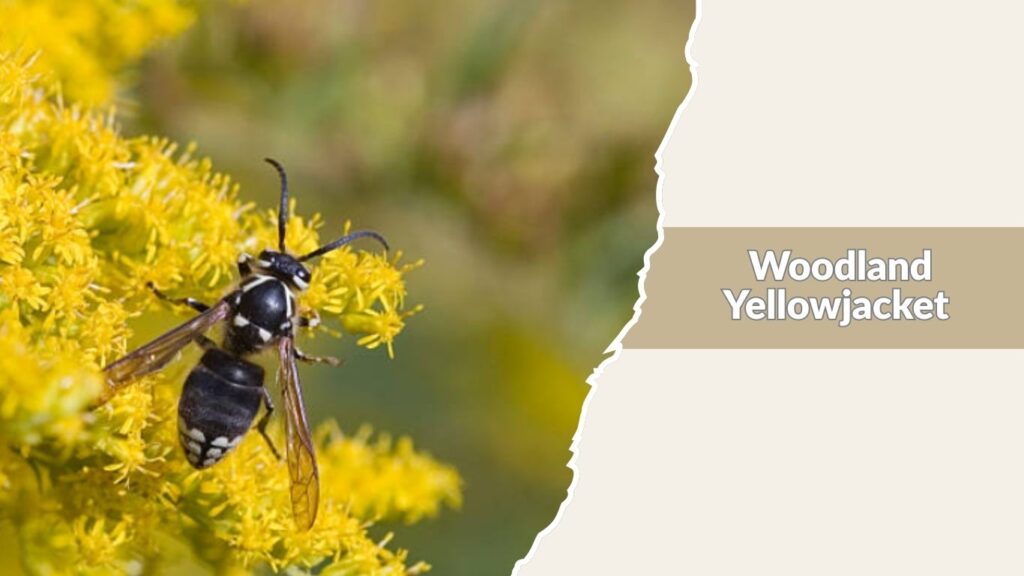
The Woodland Yellowjacket is commonly found in forested areas, where it thrives among trees, shrubs, and natural ground cover. It prefers quiet, shaded environments and is less frequently seen in busy urban settings. This species plays an important ecological role as both a predator and scavenger within woodland ecosystems.
Characteristics
- Yellow and black striped body with defined markings
- Medium-sized with a narrow, flexible waist
- Workers measure around 10–14 mm in length
- Queens are larger and more robust
- Smooth body with minimal hair
- Quick and agile flight in shaded environments
Habitat and Nesting Behavior
Woodland Yellowjackets typically build their nests underground in forest soil, often using natural cavities, tree roots, or decaying wood. In some cases, they may also nest in hollow logs or hidden spaces within dense vegetation. Their nests are made from paper-like material created by chewing wood fibers.
Diet and Feeding Habits
This species mainly feeds on insects, especially during early colony development. Workers hunt flies, caterpillars, and other small insects to provide protein for larvae. As the season progresses, they also consume nectar, plant juices, and other natural sugars.
Behavior and Human Interaction
Woodland Yellowjackets are generally less aggressive due to limited human interaction in their natural habitat. However, they will defend their nest if disturbed and can sting multiple times. In forest ecosystems, they are beneficial insects that help control pest populations and contribute to overall ecological balance.
21. Coastal Yellowjacket
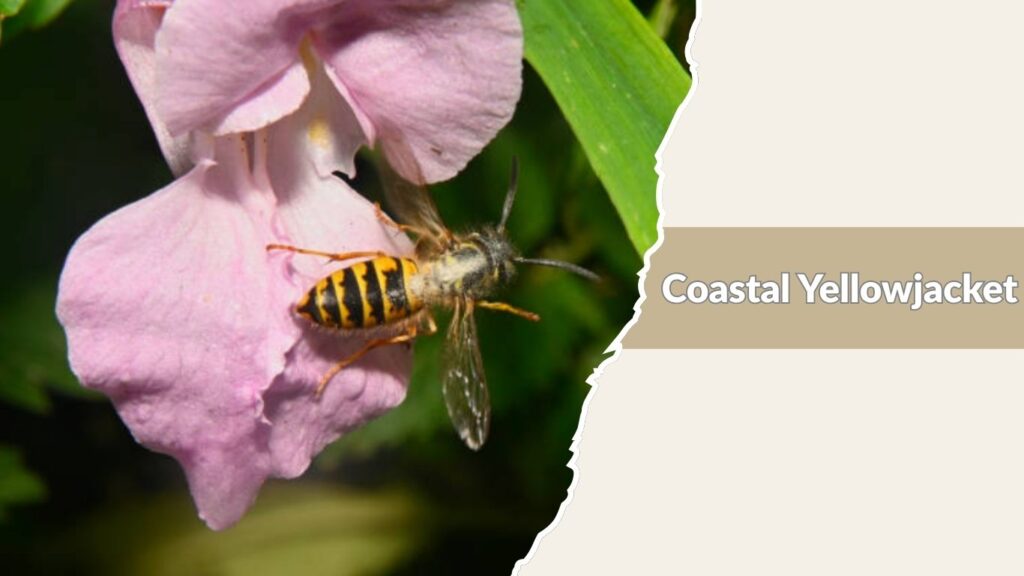
The Coastal Yellowjacket is typically found in areas near coastlines, including dunes, cliffs, and seaside vegetation. It is well adapted to windy and humid conditions, allowing it to thrive in environments where many other species may struggle. This species is active during warmer months and contributes to local ecosystems.
Characteristics
- Yellow and black striped body with clear contrast
- Medium-sized with a slim, defined waist
- Workers measure around 10–13 mm in length
- Queens are larger and more robust
- Smooth body with minimal hair
- Strong flight adapted to windy conditions
Habitat and Nesting Behavior
Coastal Yellowjackets usually build their nests underground in sandy or loose soil near coastal areas. They may also use natural cavities such as gaps between rocks or sheltered ground spaces. Their nests are constructed from paper-like material made by chewing wood fibers, and colonies grow steadily during the season.
Diet and Feeding Habits
This species feeds on a combination of insects and sugary substances. Early in the season, workers hunt flies, caterpillars, and other small insects to feed their larvae. Later, they also consume nectar, fruits, and other natural sugars, which help sustain their energy needs.
Behavior and Human Interaction
Coastal Yellowjackets can be moderately defensive, especially if their nest is disturbed. They are capable of stinging multiple times and may become a nuisance in beachside areas when searching for food. Despite this, they are beneficial insects that help control pest populations and support ecological balance.
22. Desert Yellowjacket
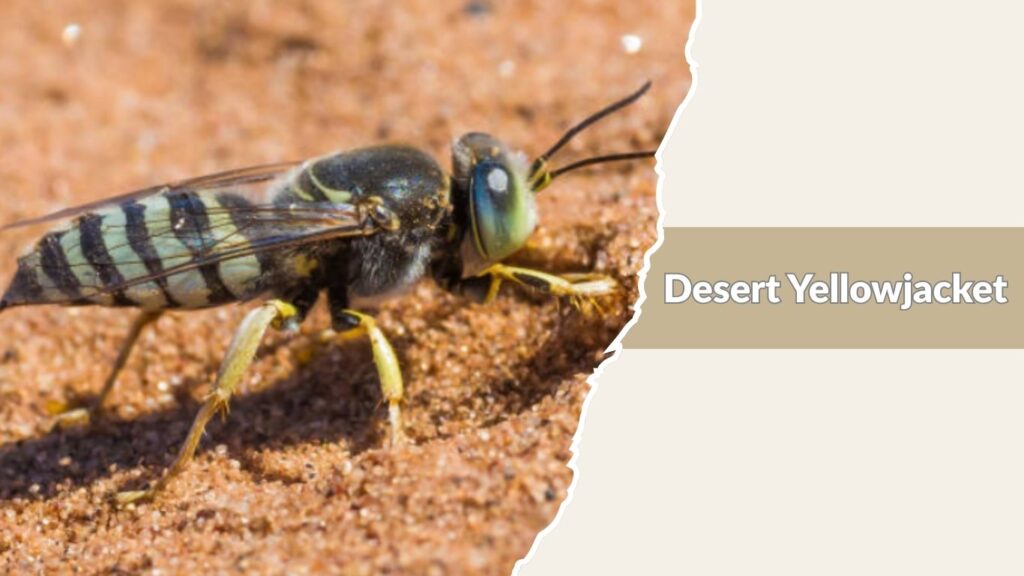
The Desert Yellowjacket is adapted to hot, dry environments where temperatures can be extreme. It is commonly found in arid regions such as deserts and semi-desert landscapes. This species is highly resilient and active during warmer periods, contributing to the ecosystem as both a predator and scavenger.
Characteristics
- Yellow and black striped body with bold contrast
- Medium-sized with a slender, defined waist
- Workers measure around 10–13 mm in length
- Queens are larger and more robust
- Smooth body with minimal hair
- Strong flight adapted to high temperatures
Habitat and Nesting Behavior
Desert Yellowjackets typically build their nests underground in dry, sandy, or loose soil. They often choose shaded or slightly protected areas to reduce exposure to intense heat. Their nests are made from paper-like material created by chewing wood fibers, and colonies develop steadily during the warm season.
Diet and Feeding Habits
This species primarily feeds on insects, especially in the early stages of colony growth. Workers hunt flies, beetles, and other small insects to feed their larvae. As the season progresses, they also consume nectar and other natural sugars to maintain energy in harsh conditions.
Behavior and Human Interaction
Desert Yellowjackets are generally less aggressive unless provoked or their nest is disturbed. They can sting multiple times and will defend their colony when threatened. In desert ecosystems, they play a valuable role in controlling insect populations and supporting ecological balance.
23. Island Yellowjacket
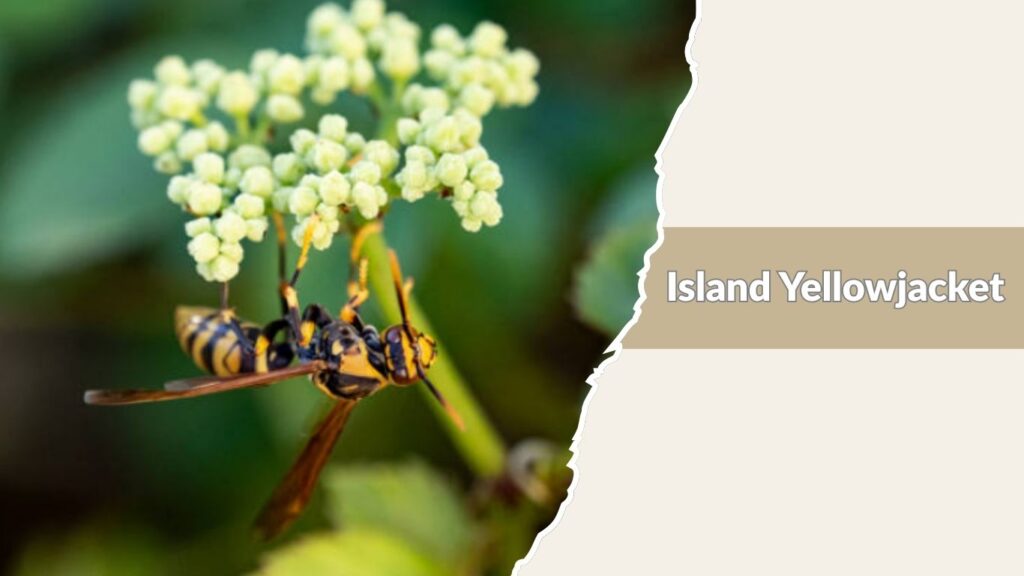
The Island Yellowjacket is typically found in isolated island environments, where it has adapted to limited resources and unique ecological conditions. It often lives in coastal or semi-forested areas and plays an important role in maintaining balance within these smaller ecosystems.
Characteristics
- Yellow and black striped body with moderate contrast
- Medium-sized with a slim, defined waist
- Workers measure around 10–13 mm in length
- Queens are larger and more robust
- Smooth body with minimal hair
- Agile flight suited to variable island conditions
Habitat and Nesting Behavior
Island Yellowjackets usually build their nests underground or in sheltered natural cavities such as rock gaps or dense vegetation. Due to limited space and resources, their colonies may be smaller compared to mainland species. Nests are constructed from paper-like material made by chewing wood fibers.
Diet and Feeding Habits
This species feeds on a mix of insects and natural sugars. Workers hunt small insects to feed their larvae, helping regulate local insect populations. They also consume nectar, fruits, and other available sweet sources, depending on what the island environment provides.
Behavior and Human Interaction
Island Yellowjackets are generally less aggressive due to fewer threats in their environment, but they will defend their nest if disturbed. They can sting multiple times when provoked. In island ecosystems, they are important for controlling pests and supporting natural ecological processes.
24. Large Yellowjacket
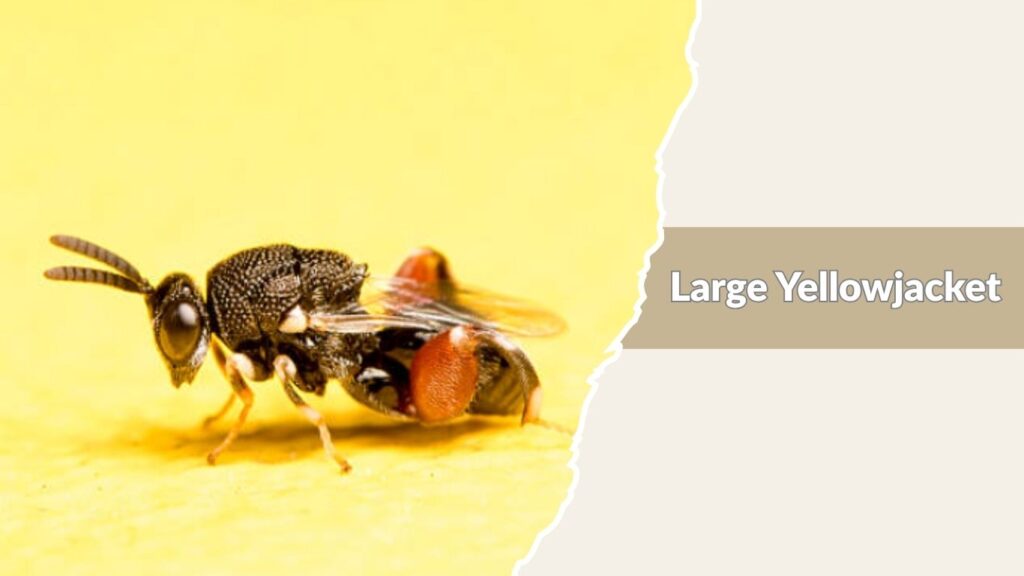
The Large Yellowjacket is known for its bigger size compared to many other yellowjacket species. It is often found in a variety of environments, including forests, fields, and near human settlements. Its noticeable size and active behavior make it easier to identify during the warmer months.
Characteristics
- Larger body size than typical yellowjackets
- Yellow and black striped abdomen
- Workers measure around 12–16 mm in length
- Queens are significantly larger and more robust
- Smooth, glossy body surface
- Strong and powerful flight
Habitat and Nesting Behavior
Large Yellowjackets usually build their nests underground in soil cavities or abandoned burrows. In some cases, they may also nest in wall voids or sheltered structures. Their nests are made from chewed wood fibers, forming a paper-like material. Colonies can grow quite large during peak season.
Diet and Feeding Habits
This species feeds on both insects and sugary substances. Early in the season, workers hunt flies, caterpillars, and other insects to feed their larvae. Later, they shift toward nectar, fruits, and human food sources, which often brings them into closer contact with people.
Behavior and Human Interaction
Large Yellowjackets can be defensive, especially when their nest is threatened. They are capable of stinging multiple times and may become aggressive if disturbed. Despite this, they are beneficial insects that help control pest populations and contribute to ecological balance.
25. Small Yellowjacket
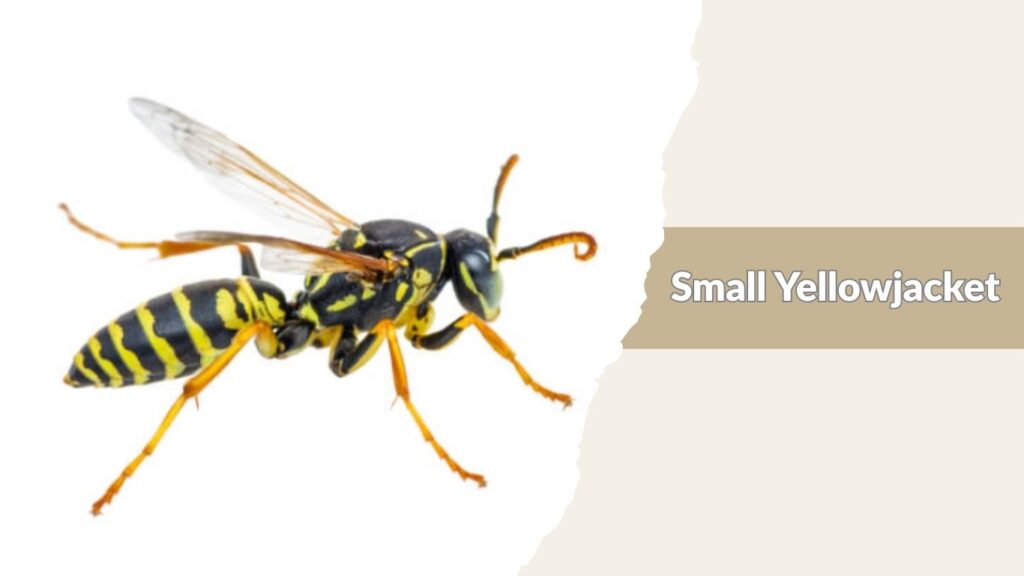
The Small Yellowjacket is a compact and less noticeable member of the yellowjacket group. Despite its smaller size, it shares many of the same behaviors as larger species. It is commonly found in gardens, grasslands, and lightly wooded areas, where it actively contributes to the local ecosystem.
Characteristics
- Smaller body size compared to most yellowjackets
- Yellow and black striped abdomen
- Workers measure around 8–11 mm in length
- Queens are larger but still relatively small
- Smooth body with minimal hair
- Quick and agile flight movements
Habitat and Nesting Behavior
Small Yellowjackets typically build their nests underground in soil cavities, grassy areas, or abandoned burrows. They may also choose hidden spots in natural environments for protection. Their nests are made from paper-like material created by chewing wood fibers, and colonies develop steadily during the warm season.
Diet and Feeding Habits
This species primarily feeds on insects, especially during early colony development. Workers hunt small prey like flies and caterpillars to feed their larvae. As the season progresses, they also consume nectar and other sweet substances to meet their energy needs.
Behavior and Human Interaction
Small Yellowjackets are generally less aggressive than larger species but will defend their nest if disturbed. They can sting multiple times when threatened. Although they may go unnoticed due to their size, they are beneficial insects that help control pest populations and support ecological balance.
FAQs
Are yellowjackets more aggressive than bees?
Yes, yellowjackets are generally more aggressive than most bees. They are highly defensive of their nests and can sting multiple times without losing their stinger. Their aggressive behavior increases in late summer when food becomes scarce and colonies are at their largest size.
What attracts yellowjackets to humans?
Yellowjackets are attracted to sugary foods, protein sources, and strong scents. Items like fruits, soft drinks, meat, and garbage can draw them in. Perfumes and bright-colored clothing may also increase the chances of attracting their attention during outdoor activities.
Do yellowjackets die after stinging?
No, unlike honeybees, yellowjackets do not die after stinging. They have smooth stingers that allow them to sting multiple times. This makes them more dangerous, especially when they attack in groups to defend their colony.
How can you prevent yellowjacket stings?
To reduce the risk of stings, avoid disturbing nests, keep food covered outdoors, and properly seal garbage containers. Wearing neutral-colored clothing and avoiding strong fragrances can also help. Staying calm and moving away slowly is important if one is nearby.
Are yellowjackets beneficial to the environment?
Yes, yellowjackets are beneficial insects. They help control pest populations by feeding on other insects and also assist in breaking down organic matter. Despite their aggressive nature, they play an important role in maintaining ecological balance.