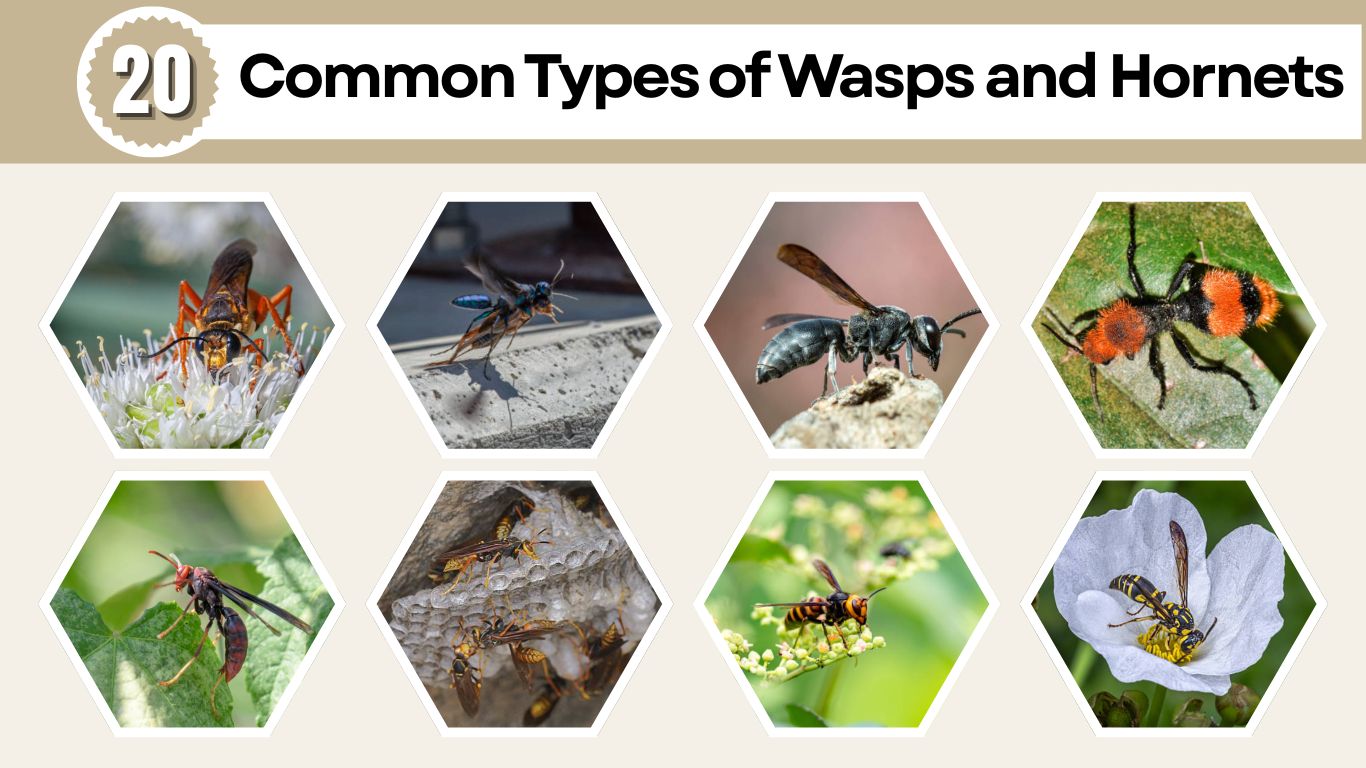
Wasps and hornets are fascinating insects known for their diversity, unique behaviors, and important roles in ecosystems. While some species are social and build large colonies, others are solitary and focus on hunting or parasitizing other insects. These insects help control pest populations and contribute to pollination, making them valuable to nature. Although often feared for their stings, most species are not aggressive unless threatened. In this guide, you will explore 20 common types of wasps and hornets, along with their key characteristics, habitats, behavior, and lifecycle.
1. Yellowjacket
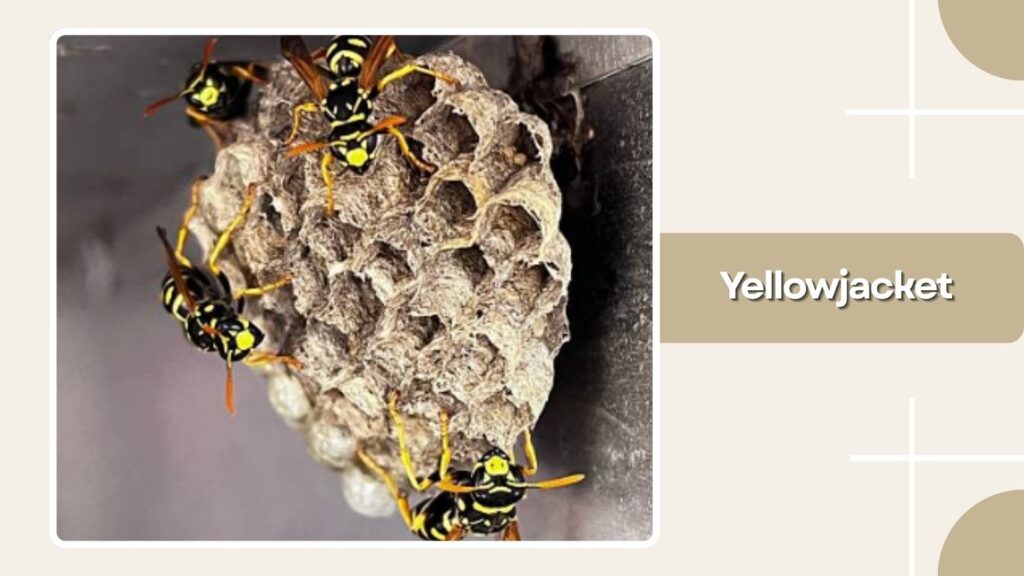
Yellowjackets are aggressive, social wasps known for their distinctive black and yellow markings. They are commonly found in many regions and are often seen around human activity, especially where food is present. Unlike some other wasps, yellowjackets can sting multiple times, making them one of the more feared stinging insects. They play a role in controlling pest populations but can become a nuisance during warmer months.
Identification
- Bright yellow and black striped body
- Smooth, shiny appearance
- Slender waist between thorax and abdomen
- Folded wings when at rest
- About 10–16 mm in length
- Fast, erratic flight pattern
Habitat and Distribution
Yellowjackets are widely distributed across North America, Europe, and parts of Asia. They build nests in a variety of locations, including underground burrows, wall cavities, tree hollows, and dense vegetation. Their nests are made from chewed wood fibers, creating a paper-like structure. They prefer areas close to food sources, which often brings them near human settlements, parks, and outdoor eating areas.
Behavior and Diet
Yellowjackets are highly social and live in colonies with a queen, workers, and males. They are active during the day and become especially aggressive when their nest is disturbed. Their diet includes insects, sugary foods, fruits, and human food scraps. They are both predators and scavengers, helping control pest insects but also becoming pests themselves in populated areas.
Lifecycle
The yellowjacket lifecycle begins with a fertilized queen emerging in spring to start a new colony. She lays eggs that develop into worker wasps, which take over nest building and food collection. The colony grows throughout summer, producing new queens and males toward the end of the season. Most of the colony dies in winter, leaving only fertilized queens to survive and start new colonies the following year.
2. Bald-faced Hornet
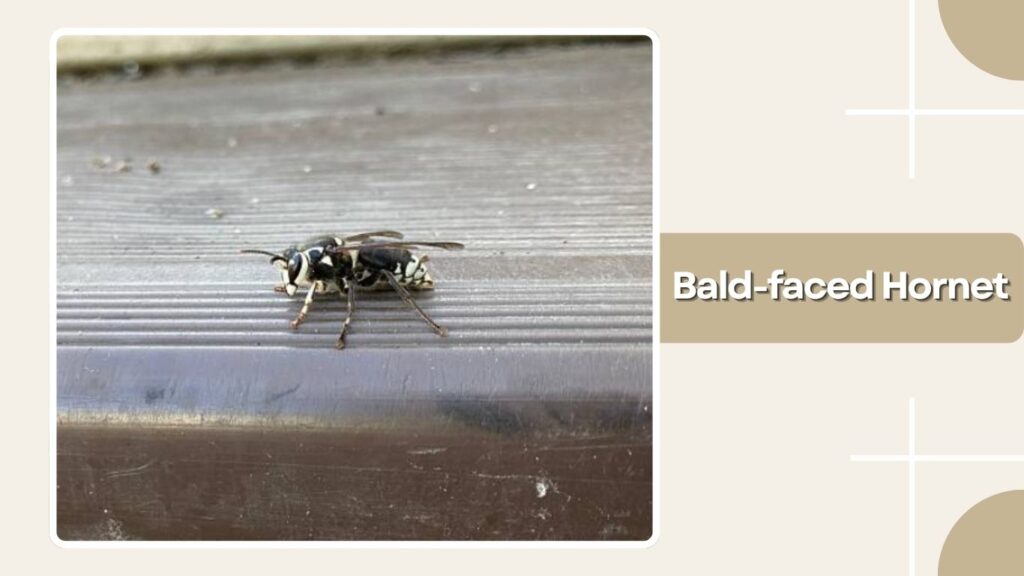
Bald-faced hornets are large, black-and-white wasps known for their aggressive defense behavior and distinctive aerial nests. Despite their name, they are actually a type of yellowjacket. These insects are highly social and live in colonies, often building large, enclosed nests in trees or shrubs. They play a beneficial role by preying on other insects but can be dangerous when disturbed.
Identification
- Black body with white or pale markings
- Distinct white face
- Thick, robust body
- Smooth, shiny surface
- About 12–18 mm in length
- Long wings folded along the body
Habitat and Distribution
Bald-faced hornets are found mainly in North America. They prefer wooded areas, gardens, and suburban regions where trees and shrubs are available for nesting. Their nests are usually built above ground, attached to branches or structures, and have a paper-like texture made from chewed wood fibers. These nests can grow quite large and house hundreds of individuals.
Behavior and Diet
These hornets are highly social and live in organized colonies with a queen and worker wasps. They are known for their aggressive defense of their nests and will attack if threatened. Their diet mainly consists of insects such as flies and caterpillars, as well as sugary substances like nectar and fruit. They are active during the day and contribute to natural pest control.
Lifecycle
The lifecycle begins in spring when a fertilized queen starts a new nest. She lays eggs that develop into workers, which then take over nest building and food gathering. The colony expands through summer, and by late season, new queens and males are produced. As winter approaches, the colony dies off, and only fertilized queens survive to restart the cycle.
3. European Hornet
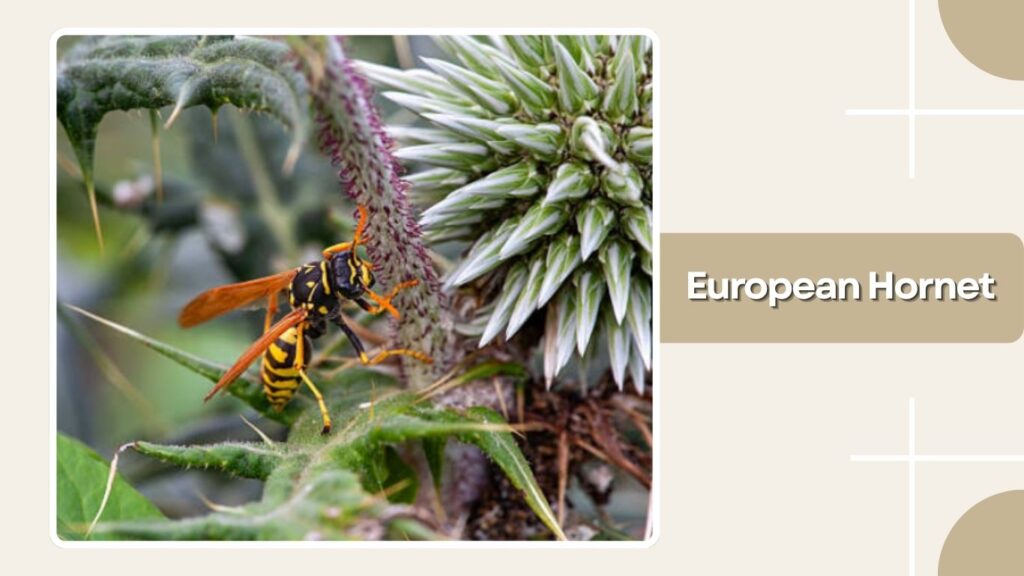
European hornets are large, social wasps known for their impressive size and relatively less aggressive nature compared to other hornet species. They are one of the few true hornets found in many regions and are active both during the day and at night. Despite their intimidating appearance, they are generally not aggressive unless their nest is disturbed.
Identification
- Large, robust body
- Brown and yellow striped abdomen
- Reddish-brown head and thorax
- Prominent, curved antennae
- Strong wings with a slight amber tint
- Typically 18–25 mm in length
Habitat and Distribution
European hornets are native to Europe but are also found in North America and parts of Asia. They prefer forested areas, orchards, and suburban regions. Their nests are usually built in hollow trees, wall voids, attics, or other sheltered spaces. These nests are made from chewed wood fibers, forming a paper-like structure. They tend to choose dark, enclosed areas for nesting.
Behavior and Diet
European hornets are social insects that live in colonies with a queen and worker wasps. They are unique among hornets for being active at night and are often attracted to lights. Their diet includes insects such as flies and beetles, as well as tree sap and fruits. They help control pest populations but can become defensive if their nest is threatened.
Lifecycle
The lifecycle begins when a fertilized queen emerges in spring and starts building a nest. She lays eggs that develop into worker hornets, which take over colony duties. The colony grows through summer, producing new queens and males later in the season. As winter approaches, most of the colony dies, leaving only fertilized queens to survive and begin new colonies the following year.
4. Asian Giant Hornet
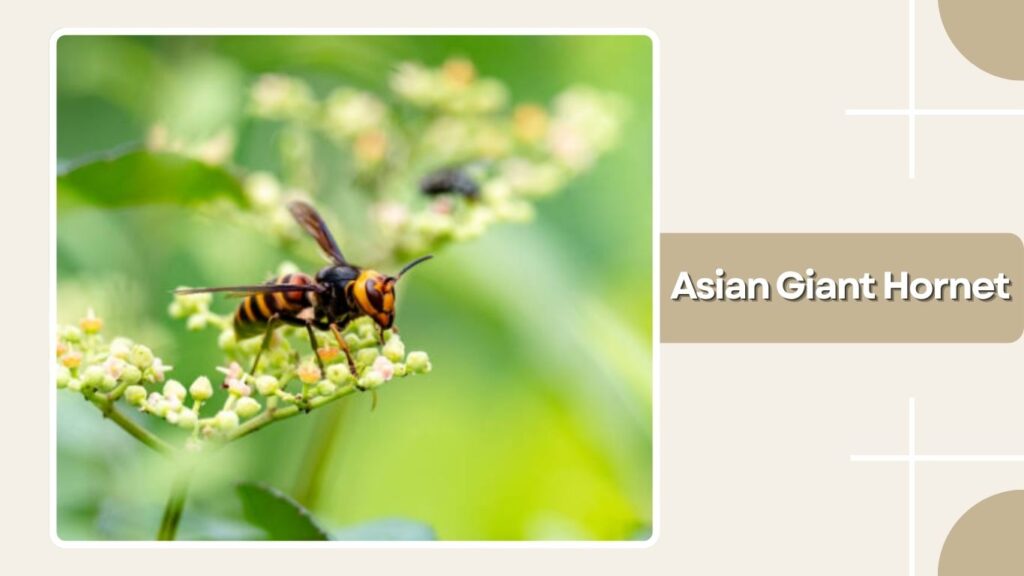
Asian giant hornets are the largest hornet species in the world, known for their powerful sting and strong mandibles. They are often feared due to their size and defensive behavior, especially when their nests are threatened. Despite their reputation, they play an important role in controlling insect populations. These hornets are highly organized and live in structured colonies.
Identification
- Very large body size
- Orange or yellow head
- Dark brown or black thorax
- Bold yellow and black striped abdomen
- Large mandibles for cutting prey
- Typically 35–50 mm in length
Habitat and Distribution
Asian giant hornets are native to East Asia, including countries like Japan, China, and Korea. They prefer forested and mountainous regions, where they build nests underground, often in abandoned burrows or tree roots. These environments provide protection and stable conditions for colony development. In some areas, they have been reported outside their native range.
Behavior and Diet
These hornets are social and live in colonies with a queen and workers. They are known for their hunting behavior, especially targeting other insects like bees. Their diet includes large insects, tree sap, and sugary substances. They can be highly aggressive when defending their nest and may attack in groups. Their strong jaws allow them to capture and process prey efficiently.
Lifecycle
The lifecycle begins in spring when a fertilized queen emerges and establishes a new nest. She lays eggs that develop into worker hornets, which take over tasks such as foraging and nest expansion. The colony grows through summer and produces new queens and males in late season. As winter approaches, the colony dies off, leaving only fertilized queens to survive and restart the cycle.
5. Paper Wasp
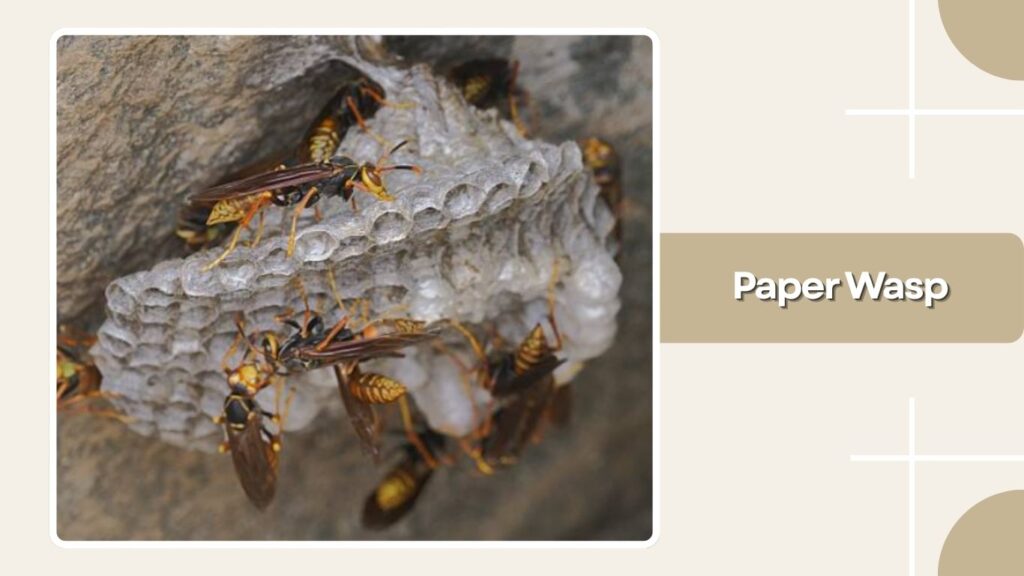
Paper wasps are slender, social wasps known for building umbrella-shaped nests from paper-like material. They are generally less aggressive than yellowjackets but will defend their nests if threatened. These wasps are commonly seen around homes, gardens, and open structures. Paper wasps are beneficial insects, as they help control pest populations by feeding on other insects.
Identification
- Slender body with a narrow waist
- Brown, reddish, or yellow coloration
- Long legs that hang down during flight
- Smooth, shiny body surface
- Wings folded lengthwise when at rest
- Typically 15–20 mm in length
Habitat and Distribution
Paper wasps are found worldwide, especially in warm and temperate regions. They build their nests under eaves, roofs, branches, and other sheltered areas. Their nests are made from chewed wood fibers mixed with saliva, forming a papery structure with open cells. These wasps prefer locations that provide protection from rain and predators while being close to food sources.
Behavior and Diet
Paper wasps are social and live in small colonies led by a queen. They are active during the day and spend time building nests, foraging, and caring for larvae. Their diet includes nectar and small insects such as caterpillars, which they feed to their young. They are generally non-aggressive unless disturbed, making them less of a threat compared to other wasps.
Lifecycle
The lifecycle begins in spring when a fertilized queen starts a new nest and lays eggs. The eggs develop into worker wasps that take over nest building and food collection. The colony grows throughout summer, and new queens and males are produced later in the season. As temperatures drop, the colony dies, leaving only fertilized queens to survive the winter and begin new colonies.
6. Red Wasp
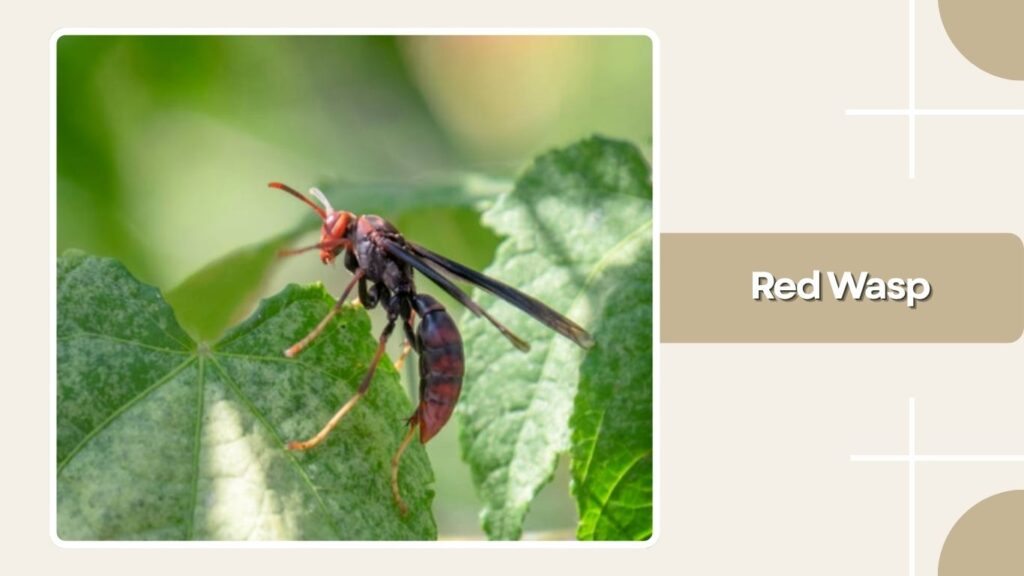
Red wasps are a type of paper wasp known for their reddish-brown coloration and relatively calm behavior compared to more aggressive wasps. They are commonly seen in warm regions and often build nests around human structures. Although they can sting, they usually do so only when threatened. Red wasps are beneficial because they help control pest insects in gardens and natural areas.
Identification
- Reddish-brown or rust-colored body
- Slender shape with a narrow waist
- Long legs that dangle during flight
- Smooth, shiny appearance
- Folded wings when at rest
- Typically 18–25 mm in length
Habitat and Distribution
Red wasps are primarily found in the southern United States, Central America, and parts of South America. They prefer warm climates and build their nests in sheltered areas such as under eaves, porches, tree branches, and sheds. Their nests are made of paper-like material and have open, visible cells. These wasps choose locations that provide protection from weather and easy access to food.
Behavior and Diet
Red wasps are social insects that live in small colonies. They are active during the day and spend their time building nests, hunting, and feeding larvae. Their diet includes nectar, sugary substances, and insects like caterpillars. They play an important role in controlling garden pests. While generally calm, they will defend their nest if disturbed.
Lifecycle
The lifecycle starts when a fertilized queen builds a nest in spring and lays eggs. These eggs develop into worker wasps that take over colony duties. The colony grows through the summer, producing new queens and males later in the season. As colder weather arrives, most of the colony dies, leaving only fertilized queens to survive and restart the cycle.
7. Mud Dauber
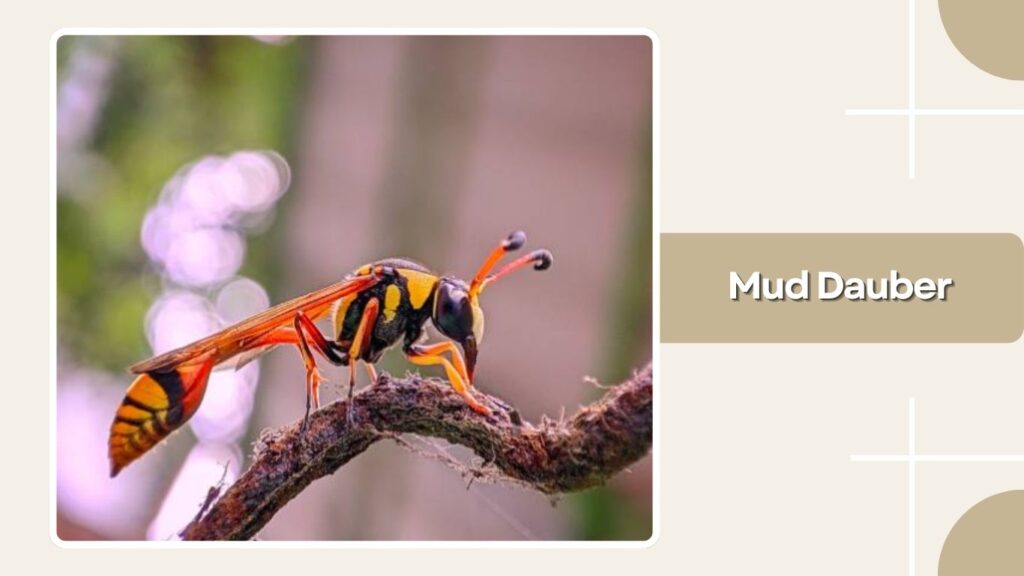
Mud daubers are solitary wasps known for building tube-shaped nests made of mud. Unlike many social wasps, they are not aggressive and rarely sting unless directly handled. These wasps are beneficial because they help control spider populations. Mud daubers are often seen flying around walls, ceilings, or sheltered outdoor spaces where they construct their nests.
Identification
- Slender, elongated body
- Black or metallic blue coloration (sometimes with yellow markings)
- Very narrow, thread-like waist
- Long legs
- Smooth, shiny appearance
- Typically 15–25 mm in length
Habitat and Distribution
Mud daubers are found worldwide, especially in warm and temperate regions. They prefer sheltered areas such as under roofs, bridges, walls, and inside sheds. Their nests are made from mud and are often attached to solid surfaces. Each nest consists of several tube-like chambers where they store prey and lay eggs. These habitats provide safety from weather and predators.
Behavior and Diet
Mud daubers are solitary and do not live in colonies. They hunt spiders, which they paralyze and place inside their mud nests as food for their larvae. Adult mud daubers feed mainly on nectar. They are generally non-aggressive and focus on nest building and hunting rather than defending territory.
Lifecycle
The lifecycle begins when a female builds a mud nest and places paralyzed spiders inside. She then lays an egg in each chamber. The larva hatches and feeds on the stored spiders before pupating. After development, the adult emerges from the nest. This cycle repeats as new generations are produced.
8. Potter Wasp
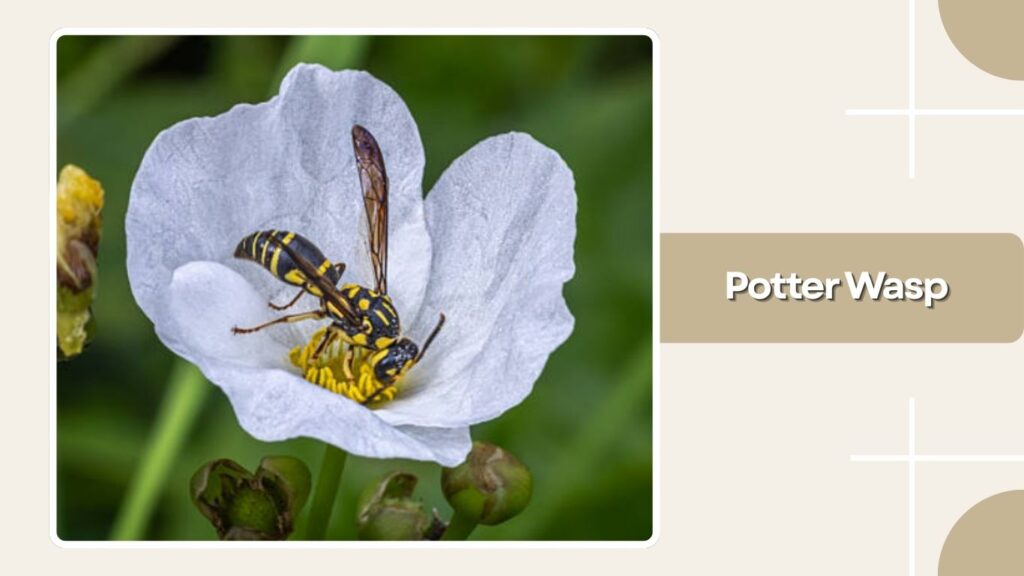
Potter wasps are solitary wasps known for their unique nest-building behavior, creating small, pot-shaped structures from mud. These nests are often attached to walls, rocks, or plant stems. Potter wasps are generally non-aggressive and rarely sting humans. They play an important ecological role by controlling insect populations, especially caterpillars.
Identification
- Small to medium-sized body
- Black or dark brown with yellow markings
- Narrow waist connecting thorax and abdomen
- Smooth, shiny body surface
- Wings folded lengthwise at rest
- Typically 10–20 mm in length
Habitat and Distribution
Potter wasps are found in many parts of the world, including North America, Europe, Africa, and Asia. They prefer warm and temperate environments such as gardens, forests, and open fields. Their nests are commonly seen attached to solid surfaces like walls, rocks, or branches. These habitats provide easy access to materials like mud and a steady supply of prey.
Behavior and Diet
Potter wasps are solitary and do not form colonies. Each female builds her own nest and provisions it with food for her offspring. They hunt caterpillars and other soft-bodied insects, which they paralyze and store inside the nest. Adult potter wasps feed mainly on nectar. They are calm and rarely show aggressive behavior unless handled.
Lifecycle
The lifecycle begins when a female constructs a mud nest and places paralyzed prey inside. She lays an egg in the chamber, and the larva feeds on the stored food after hatching. It then pupates within the nest before emerging as an adult. This independent lifecycle repeats with each new generation.
9. Cicada Killer Wasp
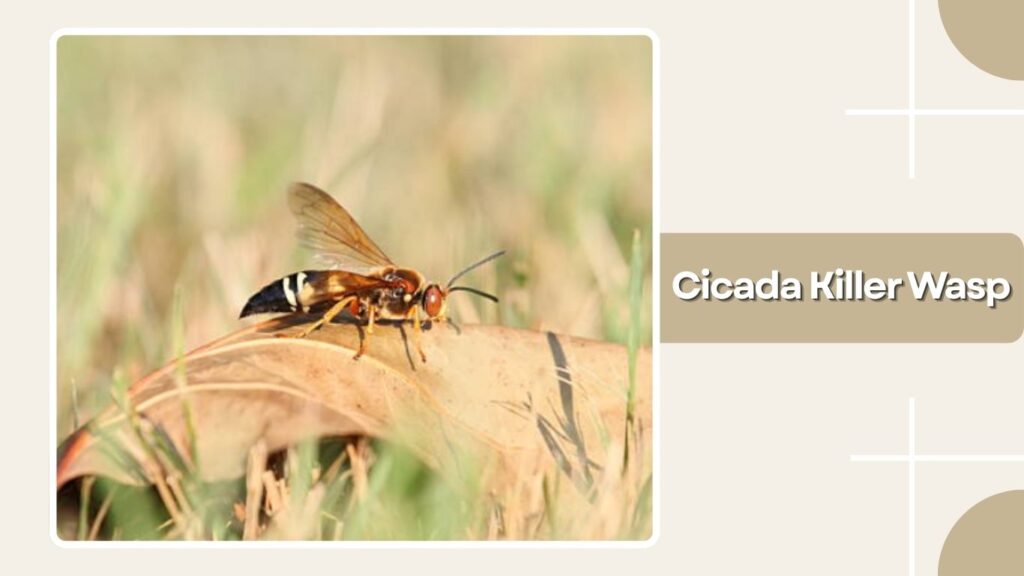
Cicada killer wasps are large, solitary wasps known for hunting cicadas to feed their young. Despite their intimidating size, they are generally non-aggressive toward humans. These wasps are often seen flying low over lawns or digging burrows in sandy soil. They play a beneficial role by controlling cicada populations.
Identification
- Very large body, often up to 40 mm
- Black body with yellow banded abdomen
- Reddish-brown wings
- Thick, robust appearance
- Large head with strong jaws
- Loud, buzzing flight
Habitat and Distribution
Cicada killer wasps are found mainly in North America, particularly in the United States. They prefer warm, sunny areas with loose or sandy soil, such as lawns, gardens, and open fields. Females dig burrows underground, which can include multiple chambers for nesting. These habitats provide easy digging conditions and access to cicadas.
Behavior and Diet
These wasps are solitary and do not form colonies. Females hunt cicadas, paralyze them, and carry them into underground burrows as food for their larvae. Adult wasps feed mainly on nectar. Males may appear aggressive as they defend territory, but they do not sting. Females can sting but usually only if handled or threatened.
Lifecycle
The lifecycle begins when a female digs a burrow and stocks it with paralyzed cicadas. She lays an egg on each cicada, and the larva feeds on it after hatching. Once fully grown, the larva pupates underground and emerges as an adult the following season, continuing the cycle.
10. Spider Wasp
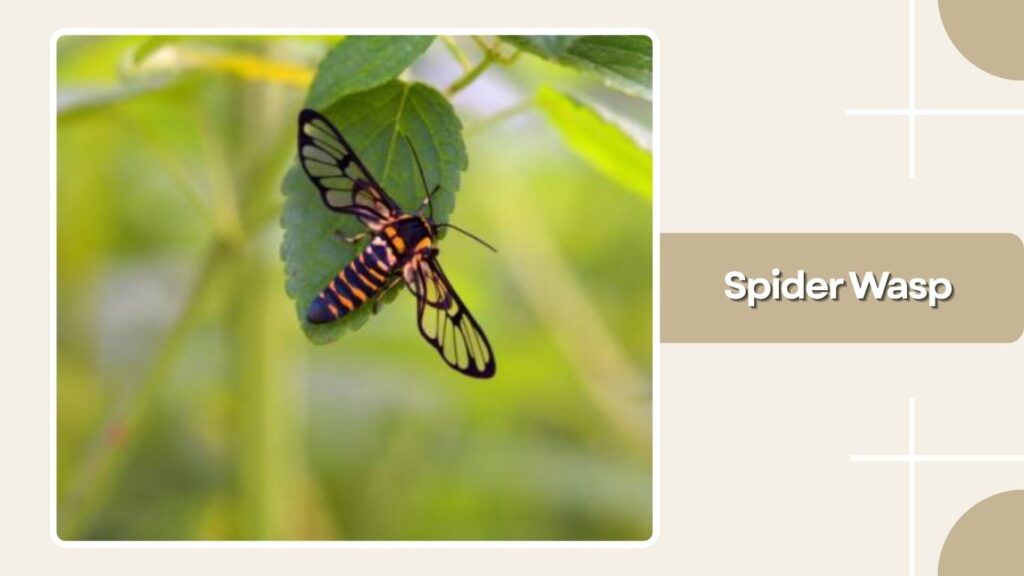
Spider wasps are solitary wasps known for their specialized hunting behavior, targeting spiders as food for their young. They are often seen running along the ground or vegetation in search of prey. These wasps are generally not aggressive but can deliver a painful sting if handled. Their role in controlling spider populations makes them important in many ecosystems.
Identification
- Slender body with long legs
- Dark coloration, often black or blue-black
- Orange or smoky wings in some species
- Curved antennae
- Narrow waist
- Typically 10–30 mm in length
Habitat and Distribution
Spider wasps are found worldwide, especially in warm and temperate regions. They inhabit a variety of environments, including gardens, forests, grasslands, and deserts. These wasps prefer areas where spiders are abundant. They may use natural cavities, soil burrows, or sheltered spaces for nesting, depending on the species.
Behavior and Diet
Spider wasps are solitary hunters that specialize in capturing spiders. The female paralyzes a spider with her sting and places it in a nest as food for her larvae. Adult spider wasps feed mainly on nectar. They are active during the day and are often seen searching for prey or visiting flowers.
Lifecycle
The lifecycle begins when a female captures and paralyzes a spider, then places it in a nest. She lays an egg on the spider, and the larva feeds on it after hatching. The larva eventually pupates and emerges as an adult wasp. This cycle continues with each new generation.
11. Velvet Ant
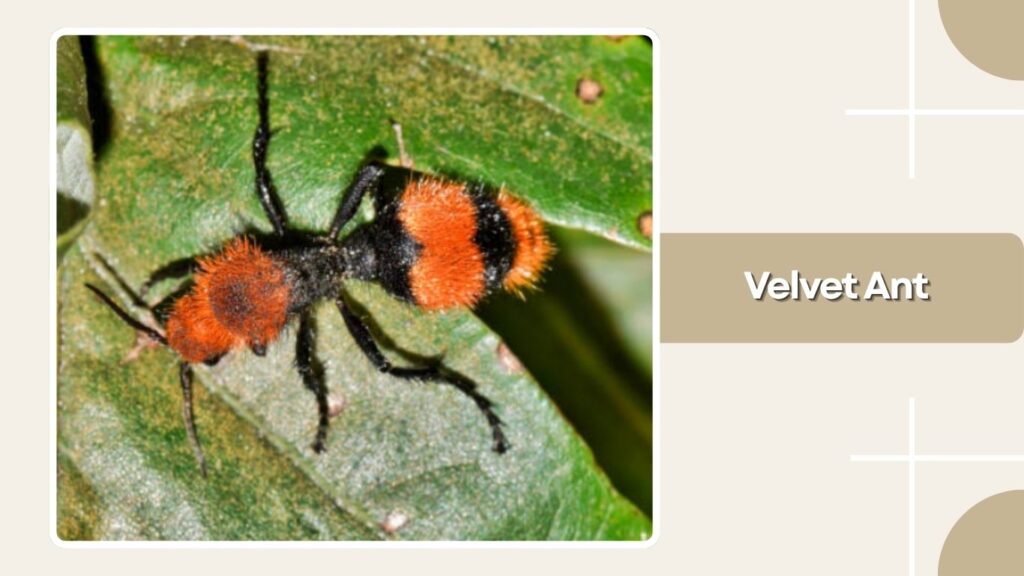
Velvet ants are actually a type of wasp, despite their name, and are known for their bright colors and dense, velvety hair. Females are wingless and resemble large ants, while males have wings. They are solitary insects and are famous for their extremely painful sting, which gives them the nickname “cow killer.” These wasps are not aggressive but should be avoided.
Identification
- Furry, velvety body
- Bright red, orange, or yellow coloration (often with black)
- Wingless females resembling ants
- Winged males
- Thick exoskeleton
- Typically 10–25 mm in length
Habitat and Distribution
Velvet ants are found in many parts of the world, especially in warm and dry regions. They are commonly seen in deserts, grasslands, and sandy areas. These wasps do not build their own nests but instead lay their eggs in the nests of other insects, such as bees or other wasps. They prefer environments where host nests are abundant.
Behavior and Diet
Velvet ants are solitary and spend much of their time searching for host nests. Females enter the nests of other insects to lay their eggs. The larvae then feed on the host’s larvae or stored food. Adult velvet ants feed mainly on nectar. They move quickly and are often seen running across the ground.
Lifecycle
The lifecycle begins when a female lays an egg inside the nest of another insect. The larva hatches and feeds on the host or its provisions. It then pupates within the host nest and eventually emerges as an adult. This parasitic lifecycle allows velvet ants to reproduce without building their own nests.
12. Mason Wasp
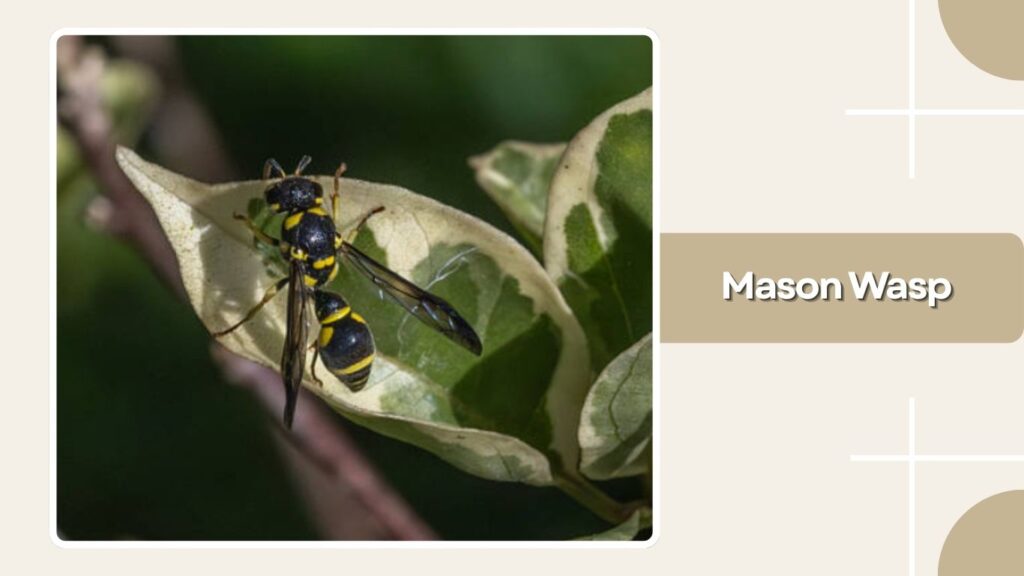
Mason wasps are solitary insects known for building nests using mud or other natural materials. They are calm and rarely sting, making them less of a concern around humans. These wasps are beneficial because they help control pest insects. Their nesting behavior is similar to potter wasps, but they often use existing cavities instead of building exposed mud pots.
Identification
- Small to medium-sized body
- Black or dark-colored with yellow or white markings
- Narrow waist between thorax and abdomen
- Smooth, shiny appearance
- Wings folded along the body at rest
- Typically 10–20 mm in length
Habitat and Distribution
Mason wasps are found across many regions, including North America, Europe, Asia, and Africa. They prefer gardens, forests, and areas with natural cavities such as hollow stems, cracks, or holes in wood. Instead of building fully exposed nests, they often use these spaces and seal them with mud. These habitats provide protection and easy access to prey.
Behavior and Diet
Mason wasps are solitary and do not form colonies. Each female prepares her own nesting site and gathers food for her larvae. They mainly hunt caterpillars and other soft-bodied insects, which they paralyze and store in their nests. Adult wasps feed on nectar and are often seen visiting flowers. They are generally calm and non-aggressive.
Lifecycle
The lifecycle begins when a female places paralyzed prey inside a cavity and lays an egg. The larva hatches and feeds on the stored food. After completing its development, it pupates inside the sealed chamber and later emerges as an adult wasp, continuing the cycle independently.
13. Ichneumon Wasp
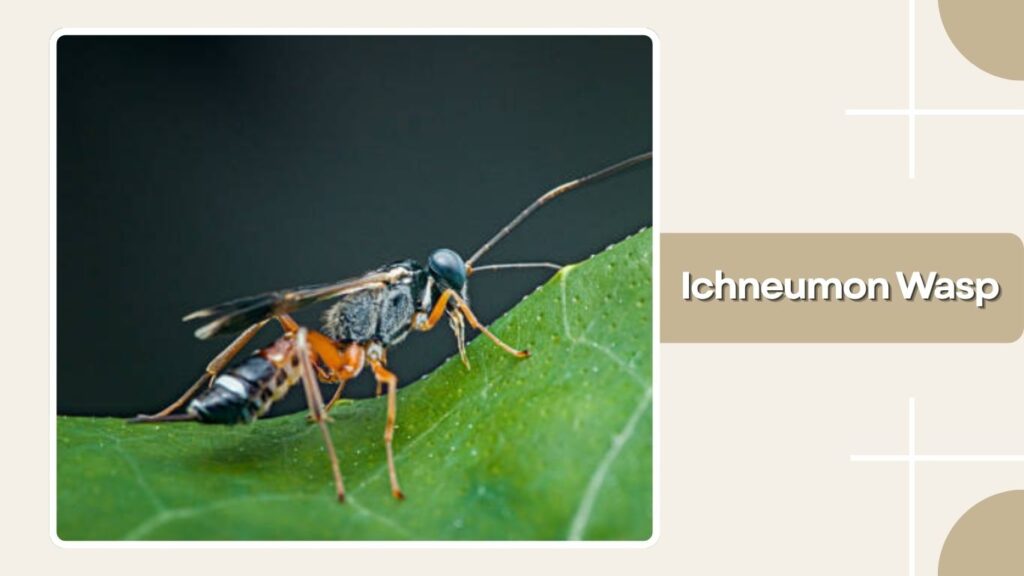
Ichneumon wasps are a large group of parasitic wasps known for their slender bodies and long egg-laying structures. They are generally harmless to humans and play a vital role in controlling pest insect populations. These wasps do not build typical nests; instead, they lay their eggs on or inside other insects, making them important natural biological control agents.
Identification
- Slender, elongated body
- Usually black, brown, or yellow coloration
- Long antennae
- Narrow waist
- Females often have a long ovipositor (egg-laying organ)
- Typically 5–40 mm in length depending on species
Habitat and Distribution
Ichneumon wasps are found worldwide in a wide range of habitats, including forests, grasslands, gardens, and agricultural areas. They thrive in environments where host insects are abundant. These wasps do not construct visible nests, as their lifecycle depends on locating suitable hosts such as caterpillars, beetles, or other insect larvae.
Behavior and Diet
Ichneumon wasps are solitary and spend most of their time searching for host insects. Females lay their eggs on or inside the host’s body. The larvae then develop by feeding on the host. Adult ichneumon wasps typically feed on nectar and plant fluids. They are not aggressive and rarely interact with humans.
Lifecycle
The lifecycle begins when a female deposits eggs on or inside a host insect. After hatching, the larva feeds on the host, eventually leading to its death. The larva then pupates and emerges as an adult wasp. This parasitic lifecycle helps regulate insect populations naturally.
14. Braconid Wasp
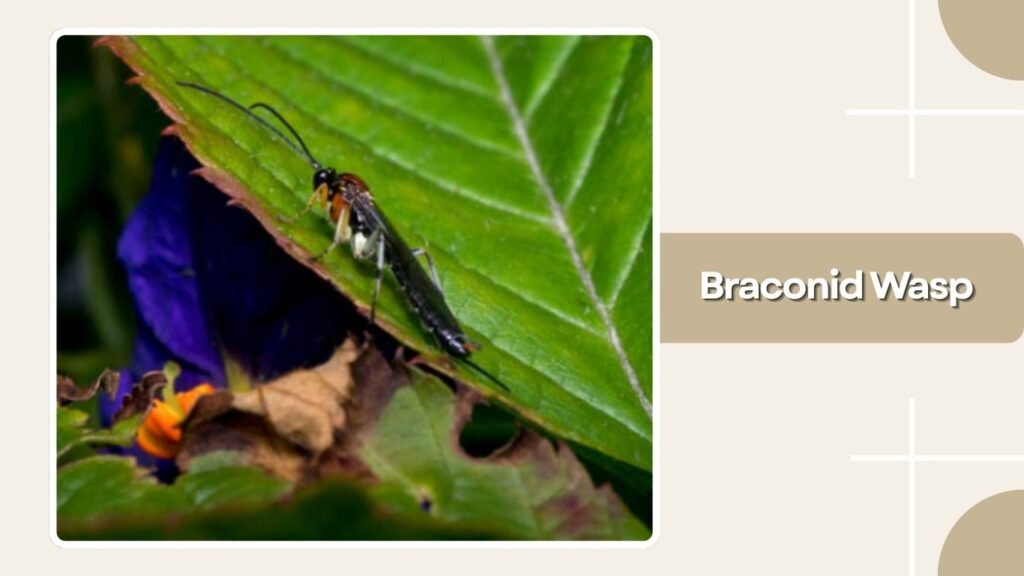
Braconid wasps are small, parasitic wasps known for their role in controlling pest insects. They are closely related to ichneumon wasps and are widely used in agriculture as natural pest control agents. These wasps are harmless to humans and are rarely noticed due to their small size and non-aggressive nature.
Identification
- Small, slender body
- Usually brown, black, or yellowish in color
- Long antennae
- Narrow waist
- Some species have a visible ovipositor
- Typically 2–15 mm in length
Habitat and Distribution
Braconid wasps are found worldwide in many habitats, including forests, gardens, farms, and grasslands. They thrive in areas where host insects such as caterpillars, aphids, and beetle larvae are present. These wasps do not build nests, as their lifecycle depends on parasitizing host insects. They are commonly found in agricultural environments due to their pest control benefits.
Behavior and Diet
Braconid wasps are solitary and spend their time searching for suitable hosts. Females lay eggs inside or on the bodies of other insects. The larvae develop by feeding on the host from within. Adult braconid wasps feed mainly on nectar and plant juices. They are not aggressive and pose no threat to humans.
Lifecycle
The lifecycle begins when a female deposits eggs inside a host insect. The eggs hatch, and the larvae feed on the host, eventually killing it. After completing development, the larvae pupate and emerge as adult wasps. This parasitic lifecycle helps reduce populations of harmful insects.
15. Sand Wasp
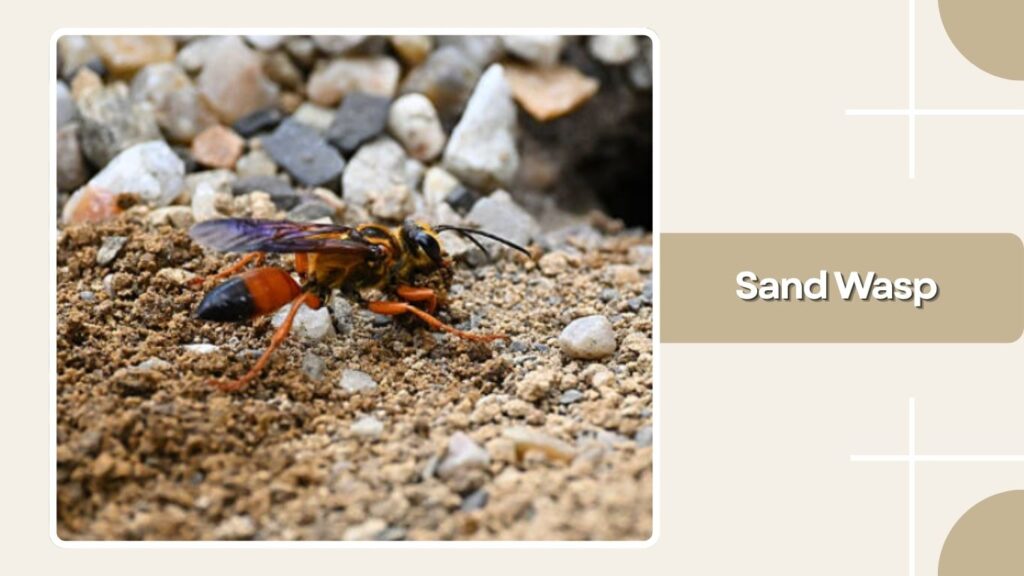
Sand wasps are solitary, ground-nesting wasps known for digging burrows in sandy soil. They are generally non-aggressive and focus on hunting insects to provide food for their young. These wasps are often seen flying close to the ground in open, sunny areas. Their burrowing behavior makes them well adapted to dry environments.
Identification
- Slender body with a narrow waist
- Usually black, brown, or patterned with yellow
- Long legs adapted for digging
- Clear or slightly tinted wings
- Smooth, streamlined appearance
- Typically 10–25 mm in length
Habitat and Distribution
Sand wasps are found in many parts of the world, especially in warm and temperate regions. They prefer open, sandy environments such as beaches, deserts, dunes, and dry grasslands. These areas provide loose soil that is easy to dig. Their burrows are usually simple tunnels in the ground, often located in sunny, exposed locations.
Behavior and Diet
Sand wasps are solitary hunters that dig burrows to raise their young. Females capture and paralyze insects such as flies or caterpillars and place them inside the burrow as food for larvae. Adult sand wasps feed mainly on nectar. They are active during the day and are rarely aggressive toward humans.
Lifecycle
The lifecycle begins when a female digs a burrow and stocks it with paralyzed prey. She lays an egg on the prey, and the larva feeds on it after hatching. The larva then pupates inside the burrow and later emerges as an adult wasp, continuing the cycle.
16. Thread-waisted Wasp
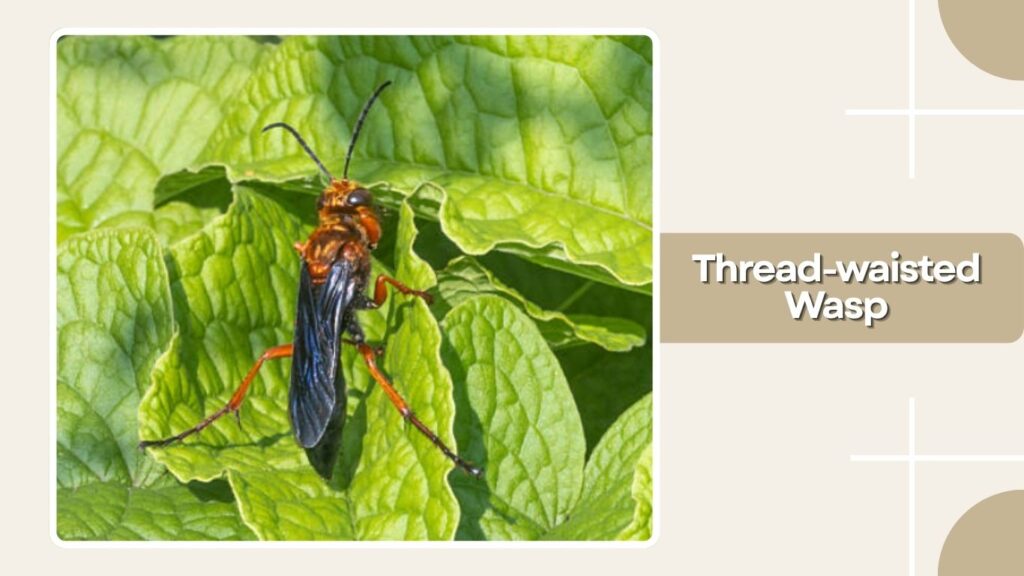
Thread-waisted wasps are slender, solitary wasps known for their extremely narrow waist and graceful appearance. They are active hunters and are often seen flying around vegetation or digging in the soil. These wasps are generally non-aggressive and rarely sting unless handled. They play an important role in controlling insect populations, especially caterpillars.
Identification
- Very slender body with a long, thin waist
- Black, metallic blue, or dark-colored body
- Long legs
- Smooth, shiny appearance
- Wings folded along the body at rest
- Typically 15–30 mm in length
Habitat and Distribution
Thread-waisted wasps are found in many regions around the world, especially in warm and temperate climates. They prefer open habitats such as gardens, grasslands, forests, and sandy areas. Many species dig burrows in the ground, while others may use natural cavities. These environments provide suitable nesting sites and access to prey.
Behavior and Diet
Thread-waisted wasps are solitary and do not form colonies. Females hunt caterpillars or similar prey, which they paralyze and store in burrows for their larvae. Adult wasps feed mainly on nectar and are often seen visiting flowers. They are active during the day and are generally calm unless disturbed.
Lifecycle
The lifecycle begins when a female prepares a burrow and places paralyzed prey inside. She lays an egg on the prey, and the larva feeds on it after hatching. The larva then pupates within the burrow and later emerges as an adult wasp, continuing the cycle independently.
17. Squash Vine Borer Wasp
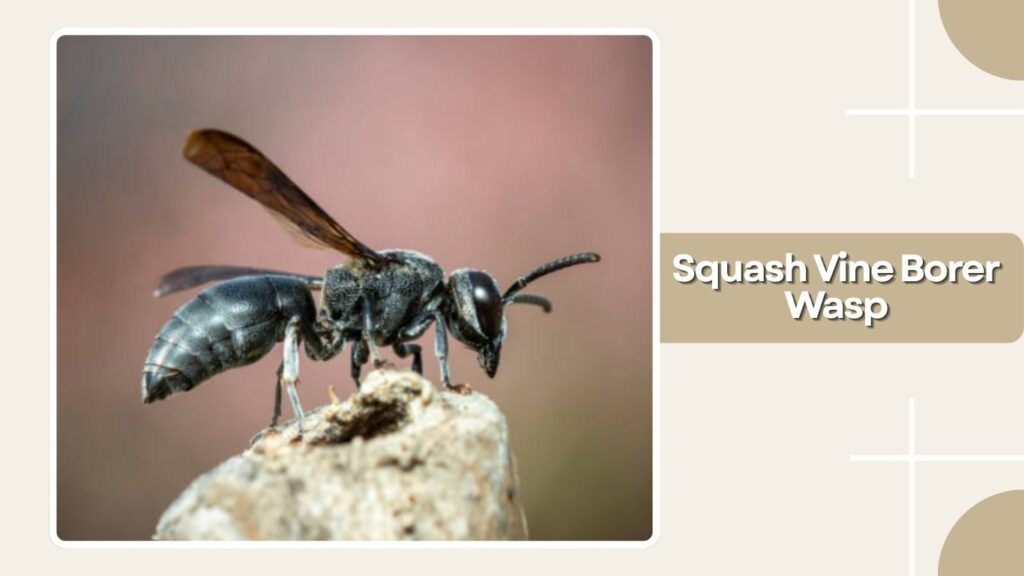
Squash vine borer wasps are clearwing moth-like insects often mistaken for wasps due to their appearance. They are known for targeting squash and related plants, where their larvae burrow into stems and cause damage. Despite their wasp-like look, they are not aggressive toward humans. These insects are mainly a concern in agriculture and gardening.
Identification
- Wasp-like appearance with a slender body
- Bright orange or reddish abdomen with black markings
- Transparent wings with dark edges
- Metallic green or black thorax
- Long antennae
- Typically 15–25 mm in length
Habitat and Distribution
Squash vine borers are found mainly in North America. They are commonly seen in gardens, farms, and areas where squash, pumpkins, and similar plants are grown. These insects prefer warm climates and are most active during the growing season. They do not build nests but rely on host plants for reproduction.
Behavior and Diet
Adult squash vine borers feed on nectar and are active during the day. Females lay eggs at the base of host plants. After hatching, the larvae bore into plant stems and feed internally, which can weaken or kill the plant. They are not aggressive and do not sting, despite their wasp-like appearance.
Lifecycle
The lifecycle begins when eggs are laid on host plants. The larvae hatch and burrow into the stems, feeding and growing inside. After completing development, they exit the plant and pupate in the soil. Adult insects emerge later to repeat the cycle.
18. Blue-winged Wasp
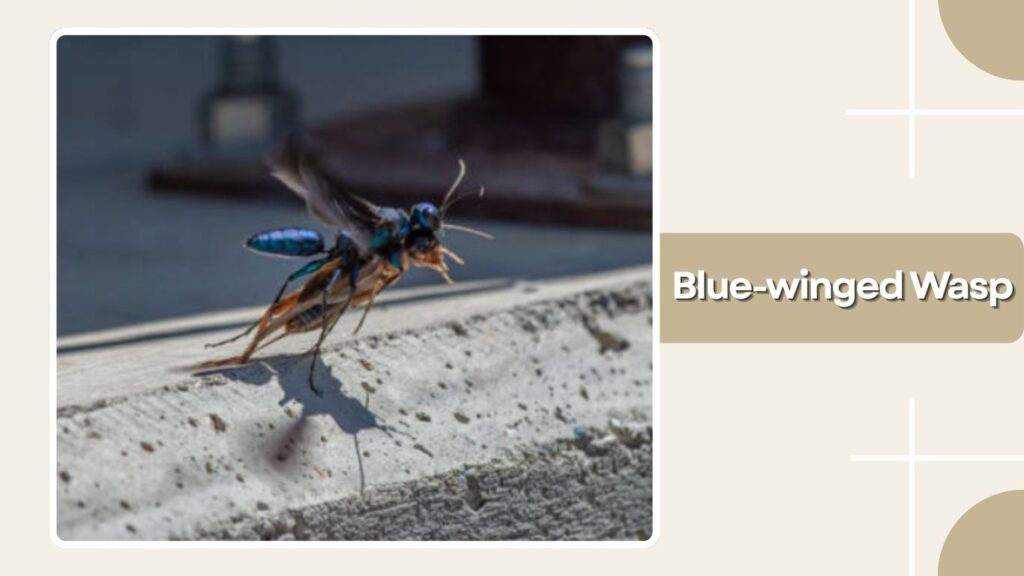
Blue-winged wasps are striking, solitary wasps known for their dark bodies and metallic blue wings. They are beneficial insects that help control beetle larvae, especially those that damage crops. Despite their bold appearance, they are generally non-aggressive and rarely sting humans. These wasps are often seen flying low over grassy areas in search of hosts.
Identification
- Dark blue or black body
- Metallic blue wings
- Robust, slightly hairy body
- Orange or reddish patches on the abdomen (in some species)
- Long legs
- Typically 15–25 mm in length
Habitat and Distribution
Blue-winged wasps are commonly found in North America, especially in fields, gardens, and open grassy areas. They prefer habitats where beetle larvae, particularly grubs, are abundant. These wasps do not build traditional nests but use soil environments where their hosts live. Their presence is often associated with lawns or agricultural land.
Behavior and Diet
Blue-winged wasps are solitary and spend much of their time searching for beetle larvae underground. The female paralyzes a grub and lays an egg on it. Adult wasps feed mainly on nectar and are often seen visiting flowers. They are calm and not aggressive, making them beneficial to humans and agriculture.
Lifecycle
The lifecycle begins when a female locates a beetle larva and paralyzes it. She lays an egg on the host, and the larva feeds on it after hatching. Once fully grown, the larva pupates in the soil and later emerges as an adult wasp, continuing the cycle.
19. Great Golden Digger Wasp
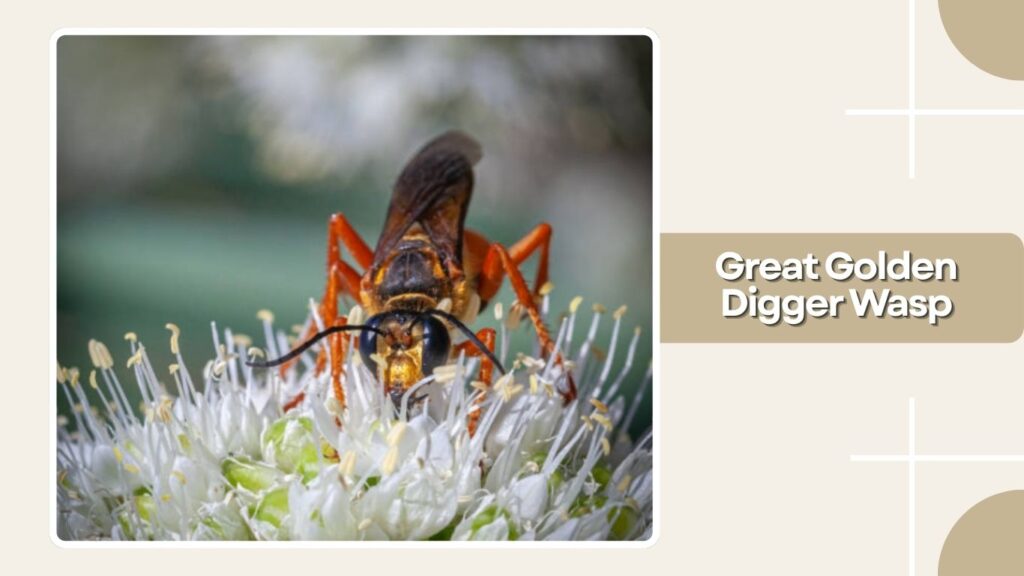
Great golden digger wasps are large, solitary wasps known for their golden-orange coloration and burrowing behavior. They are active hunters that dig nests in the ground to raise their young. Despite their size and bold appearance, they are generally non-aggressive and rarely sting humans. These wasps are beneficial because they help control populations of insects such as grasshoppers.
Identification
- Large, slender body
- Golden-orange head and thorax
- Black abdomen
- Long legs
- Transparent or slightly amber wings
- Typically 20–35 mm in length
Habitat and Distribution
Great golden digger wasps are found mainly in North America. They prefer open, sandy, or loose soils where digging is easy. Common habitats include gardens, fields, meadows, and forest edges. They dig burrows in the ground, often in sunny areas. These burrows contain chambers where they store prey for their larvae.
Behavior and Diet
These wasps are solitary and spend most of their time hunting and digging. Females capture and paralyze insects such as grasshoppers and katydids, which are placed in the burrow as food for their larvae. Adult wasps feed on nectar and are often seen visiting flowers. They are generally calm and do not defend their nests aggressively.
Lifecycle
The lifecycle begins when a female digs a burrow and provisions it with paralyzed prey. She lays an egg in the chamber, and the larva feeds on the stored insects after hatching. The larva then pupates underground and later emerges as an adult wasp, continuing the cycle.
20. Hornet Robber Fly
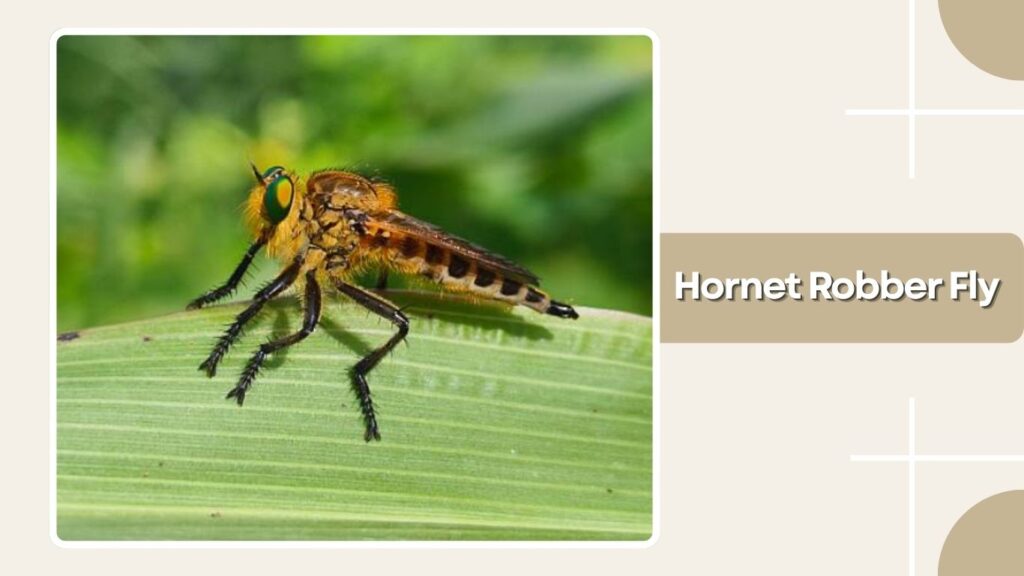
Hornet robber flies are not true wasps but are often mistaken for them due to their similar appearance and behavior. They are predatory flies that mimic hornets to deter predators. These insects are skilled hunters and play an important role in controlling other insect populations. Despite their intimidating look, they do not sting like wasps.
Identification
- Large, robust body resembling a hornet
- Yellow and black striped abdomen
- Hairy thorax
- Large, prominent compound eyes
- Strong legs adapted for catching prey
- Typically 20–35 mm in length
Habitat and Distribution
Hornet robber flies are found mainly in North America, particularly in open habitats such as grasslands, fields, and forest edges. They prefer warm, sunny environments where they can easily spot and capture prey. These insects do not build nests and are usually seen perched on vegetation or flying actively in search of food.
Behavior and Diet
Hornet robber flies are aggressive predators that catch other insects in midair. Their diet includes bees, wasps, flies, and other flying insects. They use their strong legs to grab prey and inject digestive enzymes to consume it. Unlike true wasps, they do not have a stinger and are harmless to humans.
Lifecycle
The lifecycle begins when eggs are laid in soil or on vegetation. The larvae develop in the ground or organic material, feeding on other small organisms. After pupation, adult flies emerge and begin hunting. This complete lifecycle helps maintain balance in insect populations.
FAQs
What is the difference between wasps and hornets?
Hornets are actually a type of wasp, usually larger and more robust. Wasps include many species with varying sizes and behaviors, while hornets are a specific subgroup known for their social colonies and larger nests.
Are all wasps aggressive?
No, not all wasps are aggressive. Social wasps like yellowjackets can be defensive, especially near their nests. However, many solitary wasps, such as mud daubers and potter wasps, are generally calm and rarely sting humans.
Do wasps have any benefits to humans?
Yes, wasps are beneficial for ecosystems and agriculture. They help control pest insects by hunting them or parasitizing them. Many wasps also contribute to pollination by visiting flowers for nectar.
Can wasps sting more than once?
Most wasps can sting multiple times because their stingers are not barbed like those of bees. This makes them capable of defending themselves repeatedly if they feel threatened.
Where do wasps usually build their nests?
Wasps build nests in a variety of places depending on the species. Some build paper nests in trees or buildings, while others dig burrows in the ground or use existing cavities like hollow stems or cracks.