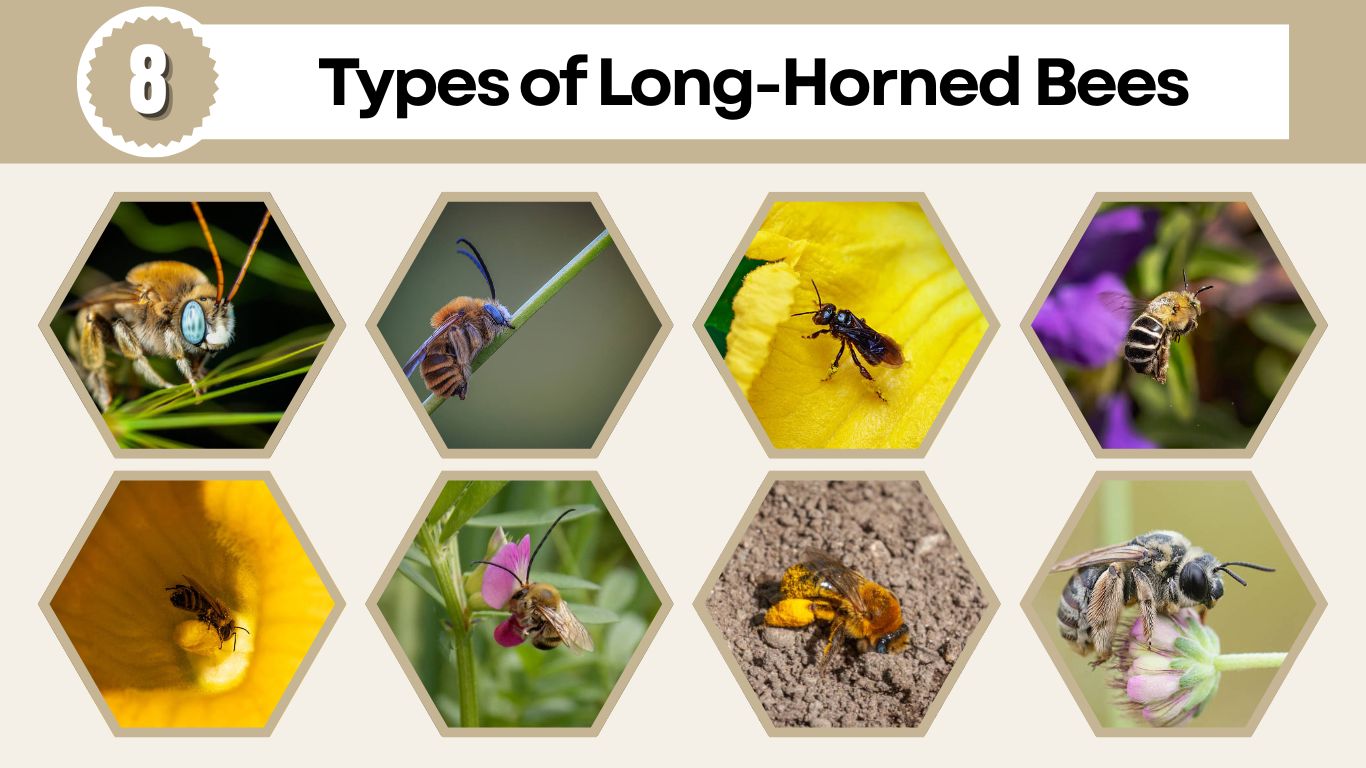
Long-horned bees are interesting native bees known for the extra-long antennae found on many males. These bees are usually hairy, active around flowers, and important for pollination. Some types visit many wildflowers, while others are closely linked with squash, pumpkin, and gourd plants. Learning their names and features can make identification easier in gardens, fields, and natural areas.
1. Eucera Long-Horned Bee
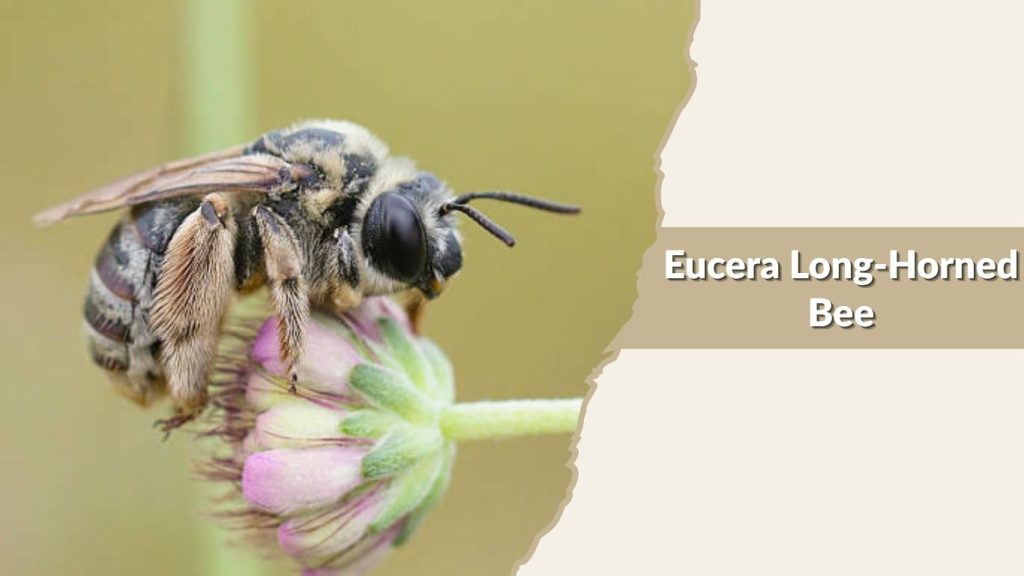
The Eucera long-horned bee is one of the best-known types of long-horned bees. Male bees are easy to notice because they have very long antennae, which give the group its common name. These bees are usually seen visiting wildflowers in spring and summer, where they collect nectar and pollen.
Identification
- Males have very long antennae
- Medium-sized bee with a hairy body
- Often brown, black, or grayish in color
- Females have shorter antennae than males
- Commonly seen on flowers
- Strong pollen-carrying hairs on females
- Usually active during warm months
Appearance
Eucera bees often look fuzzy because their bodies are covered with fine hairs. Their color can vary, but many have brownish or grayish hair on the body with darker markings. The males are especially recognizable because their antennae can be nearly as long as their body.
Habitat
These bees are commonly found in meadows, gardens, grasslands, and open areas with plenty of flowers. They often prefer places where native plants grow. Female Eucera bees usually nest in the ground, making small tunnels in bare or lightly covered soil.
Behavior
Eucera long-horned bees are active pollinators and often visit many types of flowers. Males may be seen flying around flowers while searching for females. They are generally not aggressive and usually focus on feeding, nesting, and pollination.
2. Melissodes Long-Horned Bee
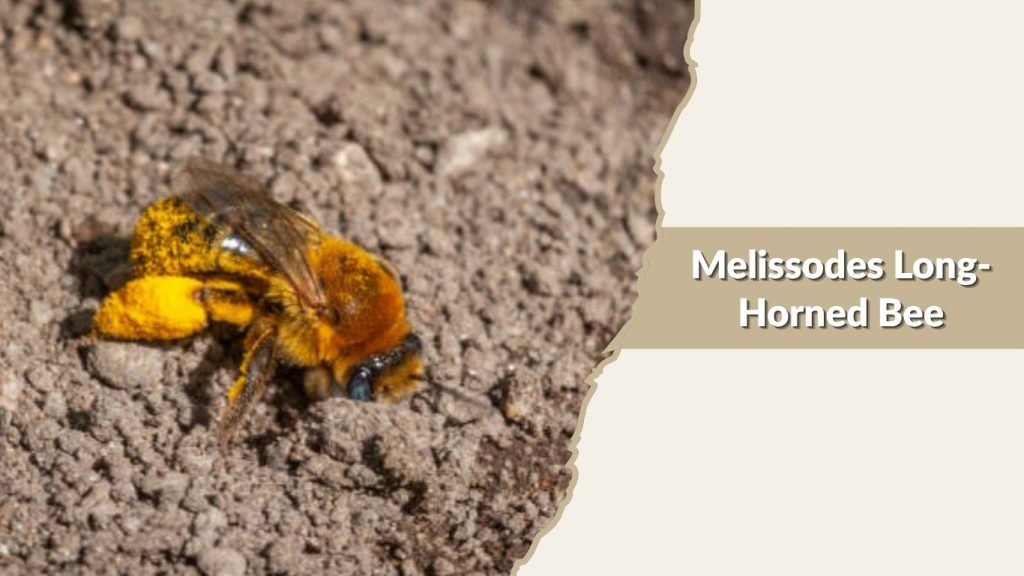
The Melissodes long-horned bee is a common group of long-horned bees often seen around wildflowers, gardens, and open fields. Male bees usually have long antennae, while females have thick pollen-carrying hairs on their hind legs. These bees are important pollinators and are active during warm, sunny weather.
Identification
- Males have long antennae
- Medium-sized, hairy body
- Often brown, black, or golden in color
- Females have shorter antennae
- Thick pollen hairs on hind legs
- Commonly found on wildflowers
- Active mostly in summer
Appearance
Melissodes bees usually have fuzzy bodies with dark and golden-brown hairs. Their legs may look thick because females carry pollen on dense hairs. Males are easier to identify by their noticeably long antennae. Their overall look is similar to many native bees, but the antennae and hairy body help separate them.
Habitat
These bees are often found in meadows, gardens, prairies, roadsides, and flower-rich fields. They prefer sunny places with many blooming plants. Female Melissodes bees usually nest in the ground, choosing soil that is dry, open, and easy to dig.
Behavior
Melissodes long-horned bees are active flower visitors and help pollinate many native plants. They are usually calm and not aggressive unless disturbed. Males often fly around flowers searching for females, while females collect nectar and pollen for their nests.
3. Svastra Long-Horned Bee
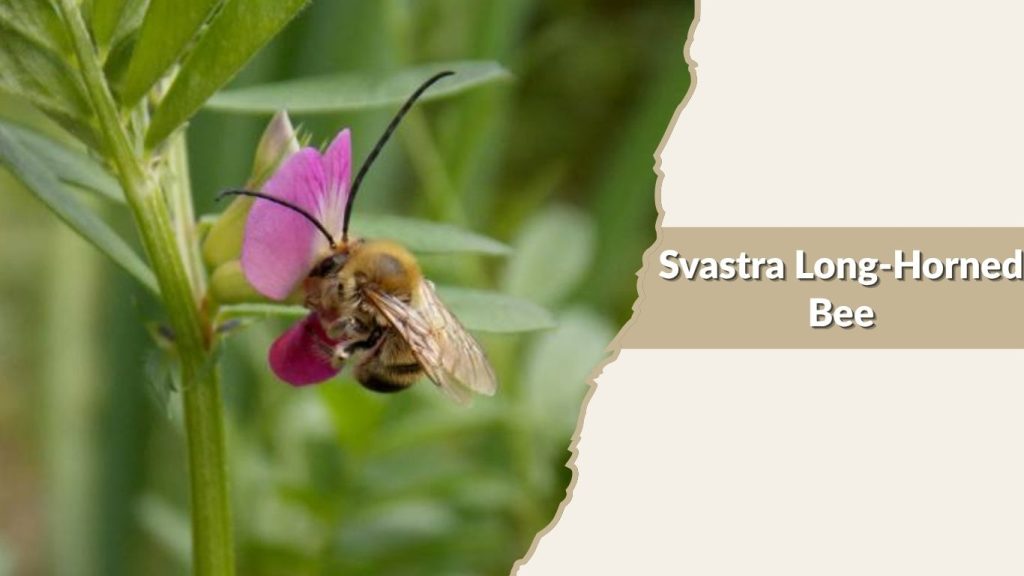
The Svastra long-horned bee is a strong and hairy native bee often found in open habitats with plenty of flowers. Like other long-horned bees, males have long antennae that make them easier to recognize. These bees are useful pollinators and are commonly seen during warm seasons.
Identification
- Males have long, noticeable antennae
- Medium to large bee body
- Hairy appearance
- Often dark with pale or brownish hairs
- Females carry pollen on hind legs
- Seen visiting wildflowers
- Usually active in sunny weather
Appearance
Svastra bees often look robust and fuzzy, with a strong body shape. Their colors may include black, brown, gray, or pale yellowish hairs. Males have longer antennae than females, while females have thicker pollen-collecting hairs. Their hairy body helps them collect and move pollen between flowers.
Habitat
These bees are commonly found in grasslands, prairies, gardens, and open natural areas. They prefer habitats with many flowering plants. Females usually build nests in the ground, where they create tunnels and small brood cells for their young.
Behavior
Svastra long-horned bees are active pollinators that visit flowers for nectar and pollen. Males may patrol flower patches to find mates. Females spend much of their time collecting pollen for their nests. They are generally peaceful bees and rarely bother people.
4. Florilegus Long-Horned Bee
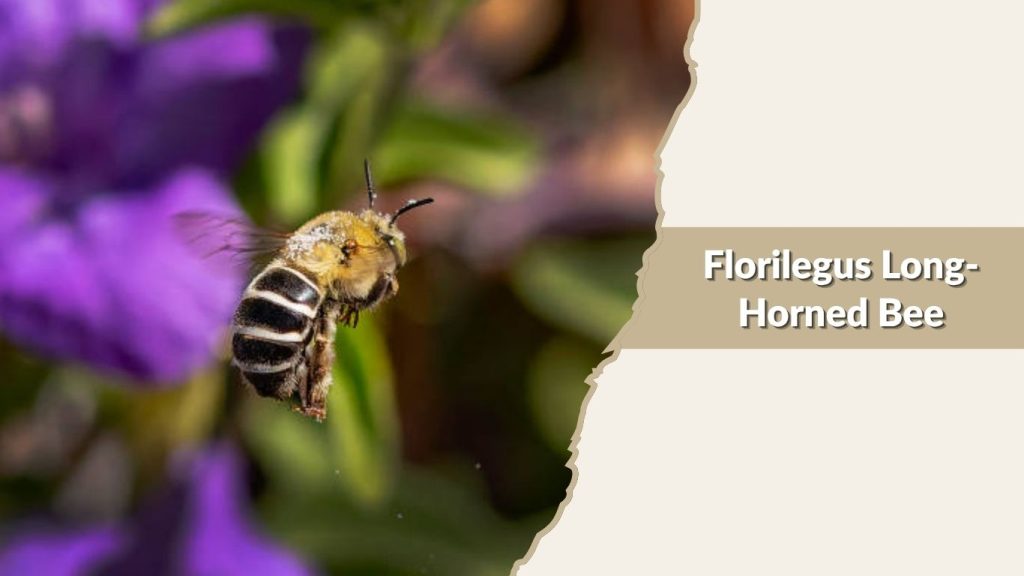
The Florilegus long-horned bee is a lesser-known type of long-horned bee found in flower-rich areas. It belongs to the same bee family as many other long-horned bees and shares similar traits, including hairy bodies and long male antennae. These bees play a helpful role in pollinating wild plants.
Identification
- Males usually have long antennae
- Hairy body with dark markings
- Medium-sized bee
- Females have pollen-carrying hairs
- Often found near wildflowers
- Active in warm seasons
- Ground-nesting habit
Appearance
Florilegus bees have a fuzzy body that helps them collect pollen while visiting flowers. Their color can vary, but many have dark bodies with lighter hairs. Males are identified by longer antennae, while females have stronger pollen-carrying structures. Their natural appearance makes them easy to confuse with other native bees.
Habitat
These bees are usually found in open areas where flowers are available. Meadows, grasslands, field edges, and gardens can provide good habitat. Like many long-horned bees, females often make nests in the soil, especially in sunny and dry places.
Behavior
Florilegus long-horned bees spend much of their active time visiting flowers. They collect nectar for energy and pollen for their young. Males may fly around blooming plants in search of females. They are generally non-aggressive and useful for natural pollination.
5. Peponapis Squash Bee
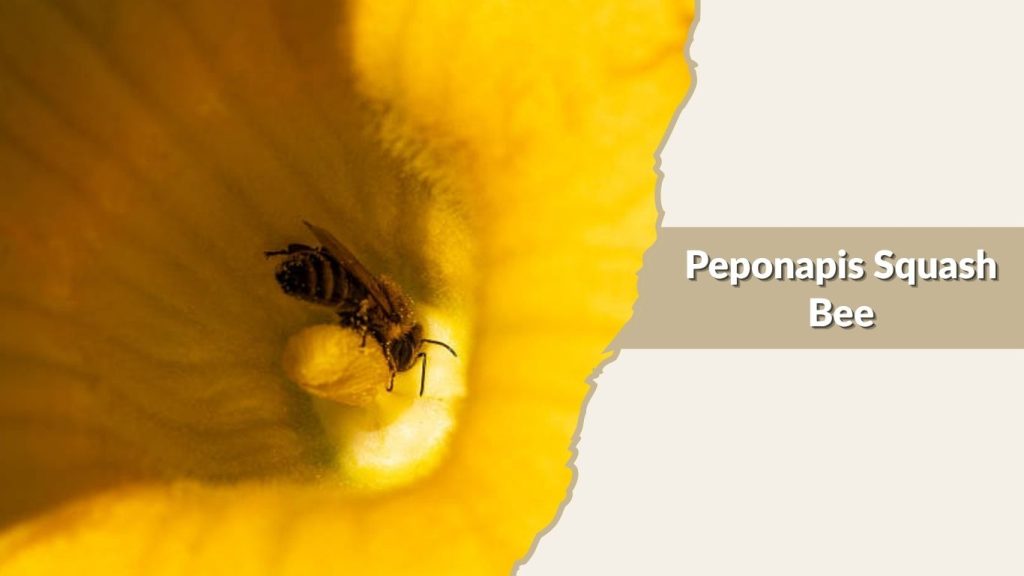
The Peponapis squash bee is a type of long-horned bee strongly connected with squash, pumpkin, and gourd flowers. It is an important pollinator for these plants and is often seen early in the morning when squash flowers are open. This bee is especially useful in gardens and farms.
Identification
- Often found on squash and pumpkin flowers
- Males have longer antennae
- Medium-sized, hairy body
- Brownish or golden appearance
- Females carry pollen on hind legs
- Active early in the morning
- Ground-nesting bee
Appearance
Peponapis squash bees are usually brownish with pale or golden hairs. They may look similar to honey bees, but their behavior around squash flowers helps identify them. Males have longer antennae, while females are built for collecting pollen. Their bodies are hairy, which helps them carry pollen efficiently.
Habitat
These bees are common in gardens, farms, and open areas where squash, pumpkins, gourds, or related plants grow. Females usually nest in the ground, often near the plants they pollinate. Loose, well-drained soil is useful for their nesting activity.
Behavior
Peponapis squash bees are most active in the morning because squash flowers often open early and close later in the day. Females collect pollen from squash flowers, while males may rest inside the flowers. They are gentle bees and very valuable for vegetable pollination.
6. Xenoglossa Squash Bee
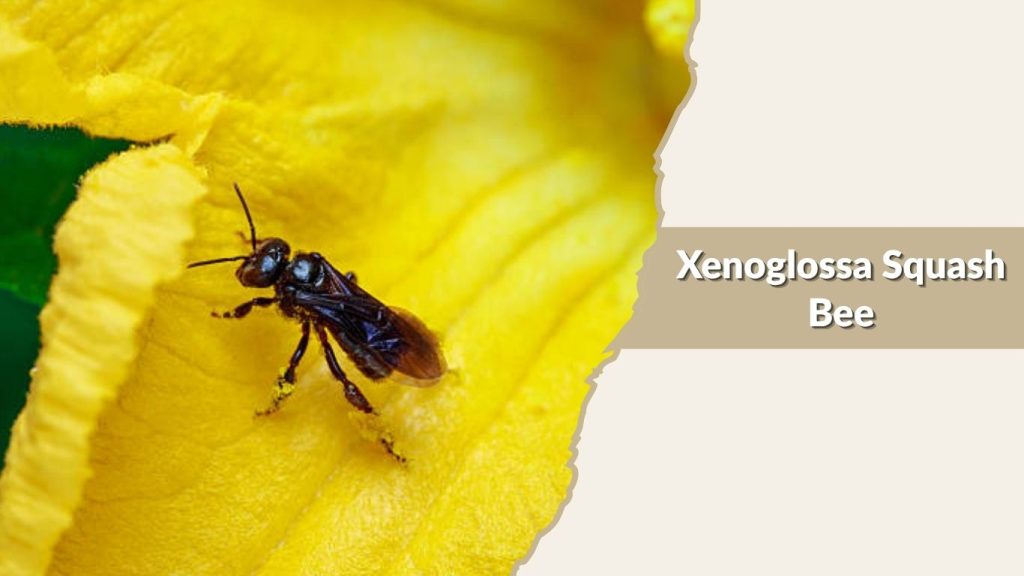
The Xenoglossa squash bee is another type of long-horned bee closely linked with squash, pumpkin, and gourd flowers. It is an important pollinator in gardens and farms, especially where cucurbit plants grow. These bees are usually active early in the morning when squash flowers are fresh and open.
Identification
- Commonly found on squash and pumpkin flowers
- Males have long antennae
- Medium-sized, hairy body
- Brown, tan, or golden appearance
- Females collect pollen on hind legs
- Often active early in the morning
- Ground-nesting bee
Appearance
Xenoglossa bees have a hairy body that helps them collect and move pollen between flowers. They often look brownish or golden, similar to some honey bees, but their strong connection with squash flowers helps identify them. Male bees have longer antennae, while females are usually seen collecting pollen.
Habitat
These bees are usually found in gardens, farms, fields, and open areas where squash, pumpkins, gourds, or related plants grow. Females make nests in the ground, often near food plants. Dry, loose, and well-drained soil can provide a good nesting place for them.
Behavior
Xenoglossa squash bees are active pollinators of cucurbit flowers. They often visit flowers in the early morning, when the blooms are open. Females collect pollen for their nests, while males may search for mates or rest inside flowers. They are generally gentle and not aggressive.
7. Tetraloniella Long-Horned Bee
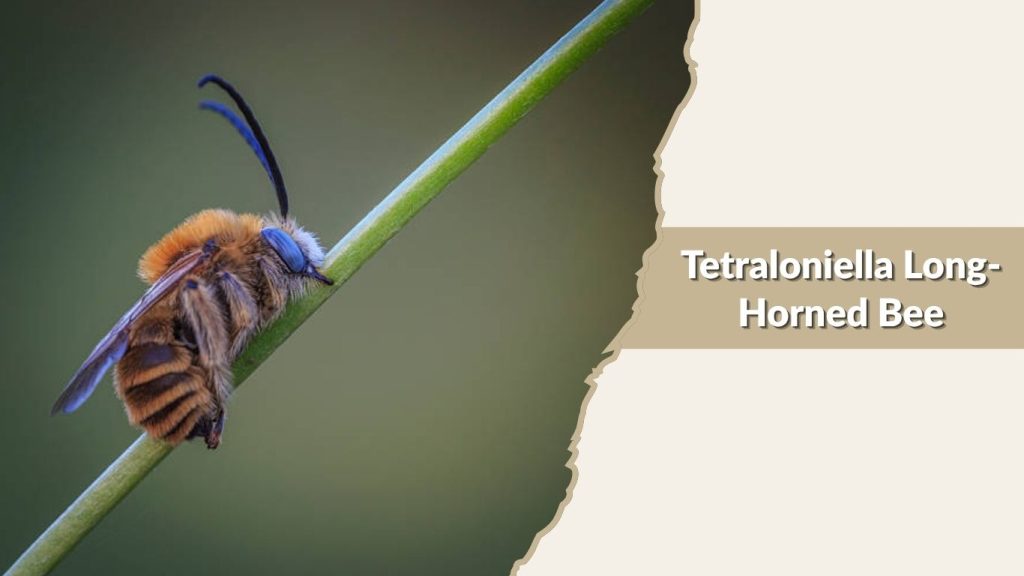
The Tetraloniella long-horned bee is a small to medium-sized native bee known for its hairy body and long male antennae. It belongs to the long-horned bee group and is often seen visiting flowers in warm, sunny areas. These bees help pollinate wildflowers and other blooming plants.
Identification
- Males have long antennae
- Small to medium-sized body
- Hairy body surface
- Often dark with pale or brownish hairs
- Females have pollen-carrying hairs
- Commonly found around flowers
- Usually nests in the ground
Appearance
Tetraloniella bees usually have a fuzzy body with dark coloring and lighter hairs. Male bees are easier to recognize because of their longer antennae. Females have shorter antennae and stronger pollen-collecting hairs on their legs. Their appearance can be similar to other long-horned bees, so close observation is often needed.
Habitat
These bees are often found in meadows, grasslands, gardens, field edges, and dry open habitats. They prefer places with plenty of flowering plants. Females usually dig nests in the soil, creating small underground tunnels where they place pollen and eggs.
Behavior
Tetraloniella long-horned bees spend much of their time visiting flowers for nectar and pollen. Males may fly around flower patches while looking for females. Females collect pollen to feed their young. These bees are usually peaceful and play a useful role in natural pollination.
8. Thygater Long-Horned Bee
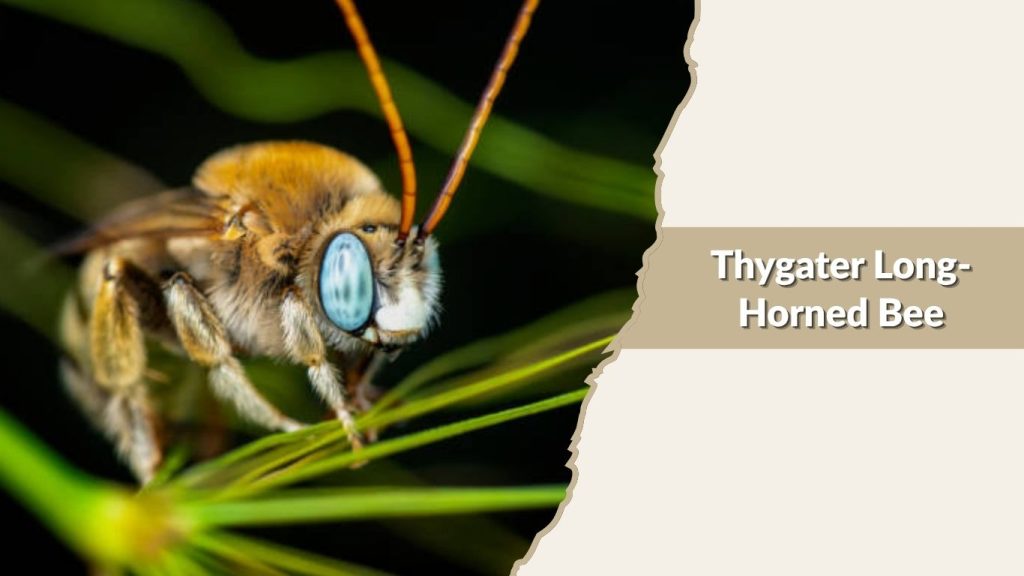
The Thygater long-horned bee is a type of long-horned bee found mainly in warmer regions. Like other bees in this group, males are known for their long antennae. These bees are flower visitors and help with pollination in natural habitats, gardens, and areas with many blooming plants.
Identification
- Males have long, noticeable antennae
- Medium-sized hairy bee
- Dark body with pale or brownish hairs
- Females have shorter antennae
- Pollen-carrying hairs on females
- Often seen on flowers
- Usually active in warm weather
Appearance
Thygater bees have a hairy body that helps them carry pollen while feeding on flowers. Their color may vary, but many have dark bodies with lighter hairs across the head, thorax, or abdomen. Male antennae are longer and more noticeable, making them easier to separate from females.
Habitat
These bees are commonly found in warm, flower-rich environments such as gardens, forest edges, grasslands, and open natural areas. They depend on blooming plants for nectar and pollen. Females usually nest in the ground, choosing suitable soil where they can dig tunnels.
Behavior
Thygater long-horned bees are active pollinators and visit flowers for food. Males often fly around plants in search of females, while females collect pollen for their nests. They are not usually aggressive and mostly focus on feeding, nesting, and reproduction.
FAQs
What are long-horned bees?
Long-horned bees are native bees known for the very long antennae found on many males. They are usually hairy, medium-sized, and active around flowers. These bees help pollinate many wild plants, garden flowers, and some crops.
Are long-horned bees dangerous?
Long-horned bees are not usually dangerous. They are generally calm and spend most of their time feeding, pollinating, or nesting. Females can sting if handled roughly, but they rarely bother people when left alone.
Where do long-horned bees live?
Most long-horned bees live in flower-rich areas such as meadows, gardens, grasslands, farms, and field edges. Many species nest in the ground, often choosing dry, sunny soil where females can dig small tunnels.
What do long-horned bees eat?
Adult long-horned bees feed on nectar for energy and collect pollen for their young. Some types visit many different flowers, while squash bees are closely linked with squash, pumpkin, gourd, and other cucurbit flowers.
How can I identify a long-horned bee?
Look for a hairy bee with long antennae, especially if it is male. Females usually have shorter antennae but may carry pollen on their hind legs. Flower choice, body hair, color, size, and nesting behavior can also help with identification.