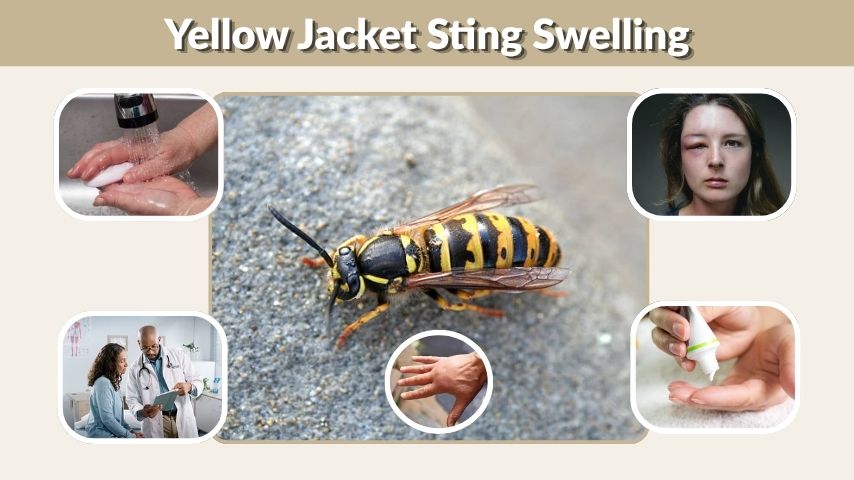
Yellow jacket sting swelling is common after being stung. For many people, the area becomes painful, red, itchy, warm, and swollen soon after the sting. Mild swelling often improves within a few days, but larger swelling can last longer and may look worse the next day. Knowing what is normal, how to reduce swelling, and when to seek medical care can help you respond safely.
What Causes Swelling From a Yellow Jacket Sting?
Yellow jackets are wasps, not bees, although many people call the injury a “yellow jacket bee sting.” When a yellow jacket stings, it injects venom into the skin. The body reacts to that venom with inflammation, which causes pain, redness, itching, and swelling.
Swelling happens because your immune system sends fluid and inflammatory cells to the sting area. This is part of the body’s normal defense response. The swelling can be small and limited to the sting site, or it can spread over a larger area, especially on the hand, foot, arm, or leg.
Unlike honey bees, yellow jackets usually do not leave a stinger in the skin. They can also sting more than once. Multiple stings can cause more pain and swelling than a single sting.
Is Swelling Normal After a Yellow Jacket Sting?
Yes, swelling is normal after a yellow jacket sting. A small swollen bump, redness, itching, and tenderness around the sting are common. The area may feel hot or tight for a short time.
A normal local reaction usually stays close to the sting site. For example, if you are stung on a finger, the finger may swell. If you are stung on the ankle, the ankle area may become puffy and itchy.
Common Normal Symptoms
Normal yellow jacket sting symptoms may include:
- Sharp pain or burning at first
- Redness around the sting
- Mild to moderate swelling
- Itching as the pain fades
- Warmth near the sting site
- Tenderness when touched
These symptoms are uncomfortable but not always dangerous. However, swelling that spreads quickly, affects the face or throat, or comes with breathing problems is not a simple local reaction.
How Long Does Swelling Last From a Yellow Jacket Sting?
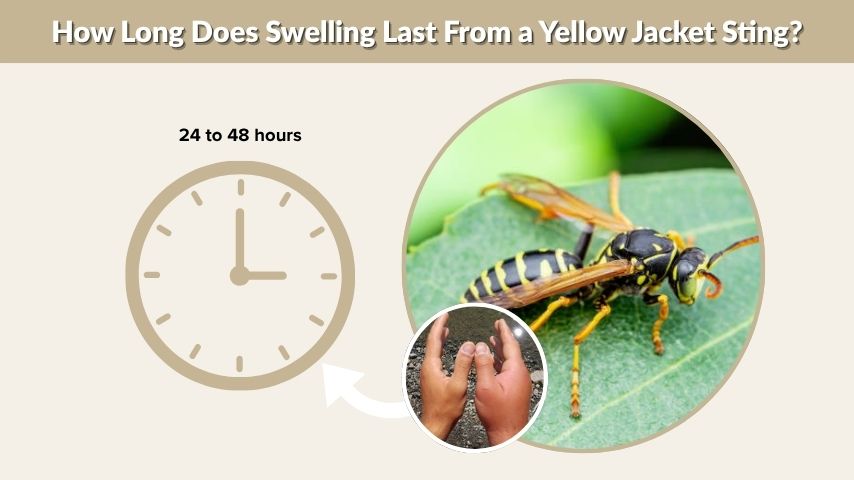
The length of swelling depends on how strongly your body reacts. Mild swelling may improve within 24 to 48 hours. Itching and redness can last a few days. A larger local reaction may last up to a week or sometimes longer.
Swelling can also look worse the next day. This does not always mean infection. In many cases, inflammation continues to build for the first 24 to 48 hours before it starts improving.
| Type of reaction | What it may look like | Typical timeline |
|---|---|---|
| Mild local swelling | Small red, itchy bump near sting | Improves in 1–3 days |
| Moderate swelling | Larger red or swollen area | May last several days |
| Large local reaction | Swelling spreads across hand, foot, arm, or leg | Can last about a week or more |
| Allergic reaction | Hives, throat swelling, breathing trouble, dizziness | Emergency care needed |
| Possible infection | Increasing redness, heat, pus, fever, worsening pain | Medical evaluation needed |
If swelling is still getting worse after 48 hours, becomes very painful, or is joined by fever, pus, red streaks, or spreading warmth, it is wise to contact a healthcare professional.
Yellow Jacket Sting Swelling the Next Day
Swelling the next day is common. Many people notice that a sting looks more swollen after sleeping, especially if the sting is on the hand, finger, foot, or ankle. Gravity and inflammation can make fluid collect in these areas.
For example, a yellow jacket sting on the hand may cause swelling that spreads across the fingers or back of the hand by the next morning. This can be alarming, but it may still be a large local reaction rather than an emergency.
When Next-Day Swelling Is Usually Less Concerning
Next-day swelling may be less concerning if:
- It stays near the sting area
- It is itchy more than severely painful
- You do not have fever
- You do not have breathing problems
- You do not have swelling of the lips, tongue, or throat
- The swelling slowly begins to improve after 24–48 hours
When Next-Day Swelling Needs Medical Advice
Get medical advice if the swelling is spreading rapidly, the area becomes very hot and painful, you see pus, you develop fever, or the swelling affects your face, eye, mouth, or throat.
Yellow Jacket Sting Swelling After 48 Hours
Yellow jacket sting swelling after 48 hours can still happen with a large local reaction. Some people have swelling that peaks around the second day and then slowly improves. Large local reactions can be dramatic, especially on the hand, arm, foot, or leg.
However, swelling that keeps getting worse after 48 hours deserves closer attention. Infection, cellulitis, or a stronger allergic reaction may need medical treatment.
Watch for These Warning Signs
Contact a healthcare provider if you notice:
- Redness spreading farther each day
- Increasing heat and pain
- Pus or drainage
- Fever or chills
- Red streaks moving away from the sting
- Swelling that limits movement
- Worsening swelling after several days
A large itchy swelling is often inflammatory. A painful, hot, spreading swelling with fever may suggest infection.
How to Reduce Swelling From a Yellow Jacket Sting
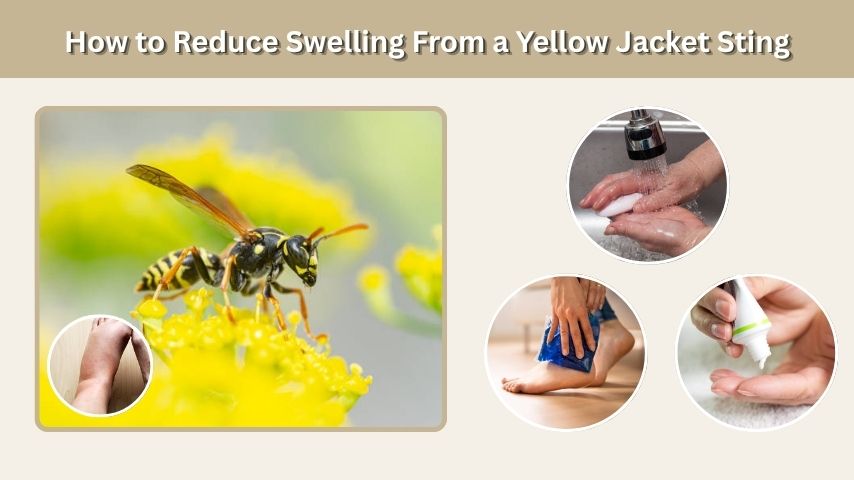
Most mild yellow jacket sting swelling can be treated at home. The goal is to reduce inflammation, ease itching, and prevent irritation.
First Steps After the Sting
Move away from the area first. Yellow jackets can sting repeatedly, and nests may contain many wasps. Once safe, wash the sting site with soap and water.
Then apply a cold compress. Use a wrapped ice pack or cold cloth for 10 to 15 minutes at a time. Repeat as needed during the first day. Do not place ice directly on bare skin because it can cause skin injury.
Home Care for Swelling
To help bring down swelling:
- Elevate the affected hand, arm, foot, or leg.
- Apply a cold compress several times a day.
- Keep the area clean and avoid scratching.
- Use an over-the-counter antihistamine for itching if safe for you.
- Use hydrocortisone cream or calamine lotion for itch relief.
- Take acetaminophen or ibuprofen for pain if you can use them safely.
Avoid squeezing, cutting, or aggressively rubbing the sting area. These actions can irritate the skin and may increase the chance of infection.
Yellow Jacket Sting Swelling on the Hand or Finger
Hand and finger swelling can look dramatic because there is limited space for fluid. A sting on one finger may cause swelling across nearby fingers or the back of the hand. Rings can become tight quickly.
What to Do for Hand Swelling
If you are stung on the hand or finger:
- Remove rings immediately before swelling increases.
- Elevate the hand above heart level.
- Apply cold compresses.
- Move fingers gently if movement is comfortable.
- Watch for numbness, severe pain, or color change.
Seek medical care if the swelling becomes severe, the fingers feel numb, the skin turns blue or pale, or you cannot move the hand normally.
Yellow Jacket Sting Swelling on the Face, Eye, or Lip
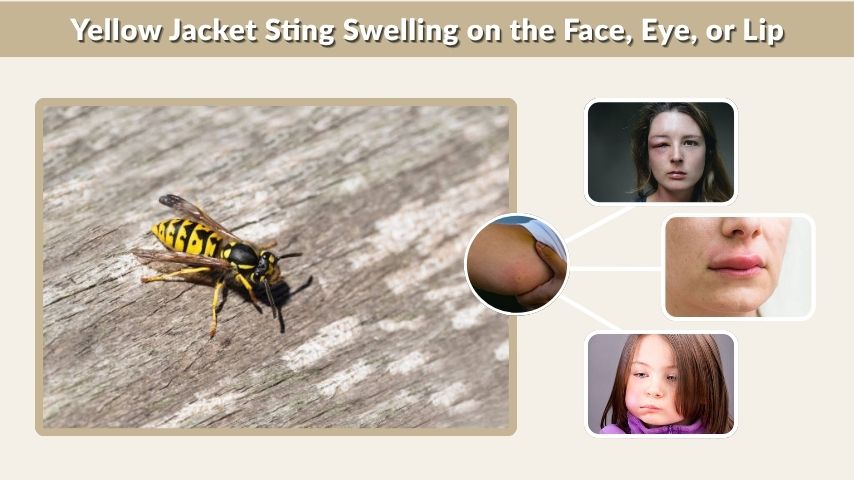
Swelling on the face needs more caution. The skin around the eyes and lips is loose, so even a local reaction can look intense. However, swelling of the lips, tongue, throat, or around the mouth can also be a warning sign of a serious allergic reaction.
Eye Swelling
If the sting is near the eye, swelling may close the eyelid or make the area puffy. Do not put strong creams near the eye unless a clinician recommends them. Seek medical care if there is eye pain, vision change, swelling inside the eye area, or the sting is on the eyeball or eyelid margin.
Lip or Mouth Swelling
Lip, tongue, or throat swelling can be serious, especially if it happens away from the sting site or comes with breathing trouble. Emergency care is needed if swelling affects breathing, swallowing, speech, or the throat.
Severe Swelling After a Yellow Jacket Sting
Severe swelling can mean different things. A large local reaction can cause major swelling in one limb but may not be life-threatening. A systemic allergic reaction affects the whole body and can be dangerous.
Large Local Reaction
A large local reaction may cause swelling that spreads across a hand, arm, foot, or leg. It can be itchy, red, warm, and uncomfortable. It may last several days. This reaction can be frightening, but it is different from anaphylaxis.
Allergic Reaction
An allergic reaction may include symptoms beyond the sting area. This can happen quickly and may become life-threatening.
Call emergency services if there is:
- Trouble breathing
- Wheezing
- Throat or tongue swelling
- Dizziness or fainting
- Widespread hives
- Vomiting or severe stomach cramps
- Confusion or weakness
- Rapid worsening symptoms
If the person has a prescribed epinephrine auto-injector, use it as directed and seek emergency medical care.
Yellow Jacket Sting Swelling and Cellulitis
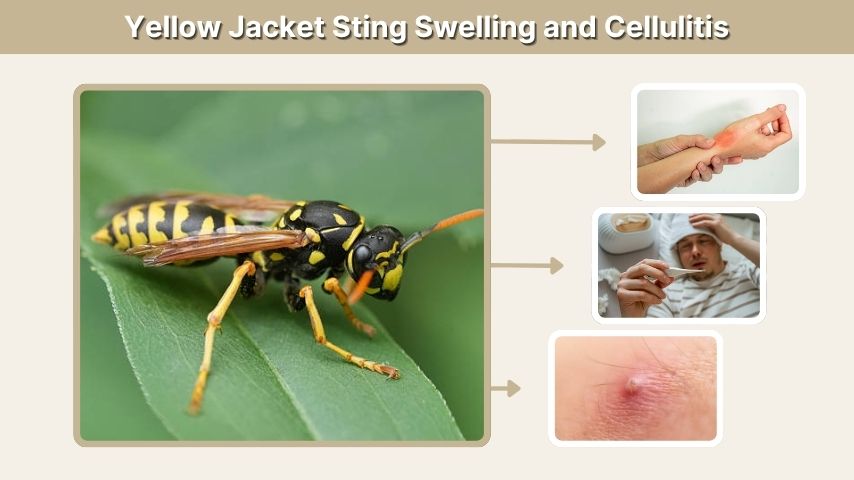
Cellulitis is a bacterial skin infection that can sometimes develop after skin injury, including a sting. It can be hard to tell the difference between a large local reaction and cellulitis because both can cause redness, warmth, and swelling.
Signs That May Suggest Cellulitis
Possible cellulitis signs include:
- Increasing pain rather than mostly itching
- Redness that continues spreading
- Skin that feels very hot
- Fever or chills
- Pus or drainage
- Red streaks from the area
- Swollen lymph nodes
A large local sting reaction often itches and peaks within the first couple of days. Cellulitis often becomes progressively more painful and may include fever. If you are unsure, contact a medical professional.
Delayed Swelling From Yellow Jacket Sting
Delayed swelling can happen. Some people feel pain right away but do not see major swelling until later that day or the next day. This delayed swelling is often part of the body’s inflammatory response.
Delayed swelling is more likely to be a local reaction if it is centered around the sting and does not come with whole-body symptoms. However, delayed hives, widespread rash, fever, or swelling away from the sting site should be taken more seriously.
Best Treatment for Yellow Jacket Sting Swelling
The best treatment depends on the reaction. Mild swelling usually responds to home care. Severe allergic symptoms need emergency treatment.
For Mild to Moderate Swelling
Use cold compresses, elevation, gentle washing, anti-itch cream, and over-the-counter pain relief when appropriate. An oral antihistamine may help itching and swelling for some people.
For Large Local Swelling
A large local reaction may need medical advice, especially if swelling limits movement or keeps worsening. A clinician may recommend stronger anti-inflammatory treatment or other care based on your symptoms.
For Severe Allergic Symptoms
Emergency treatment may include epinephrine, monitoring, breathing support, and other medicines. People with known sting allergy should talk with an allergist about prevention, carrying epinephrine, and whether venom immunotherapy is appropriate.
What Not to Do After a Yellow Jacket Sting
Some home remedies can irritate the skin or delay proper care. It is better to use simple, safe steps.
Avoid:
- Scratching the sting area
- Applying harsh chemicals
- Cutting the skin
- Squeezing the sting site
- Ignoring breathing symptoms
- Waiting at home with throat or tongue swelling
- Wearing tight rings after a finger sting
Also avoid returning to the nest area. Yellow jackets may become aggressive when disturbed.
When to See a Doctor
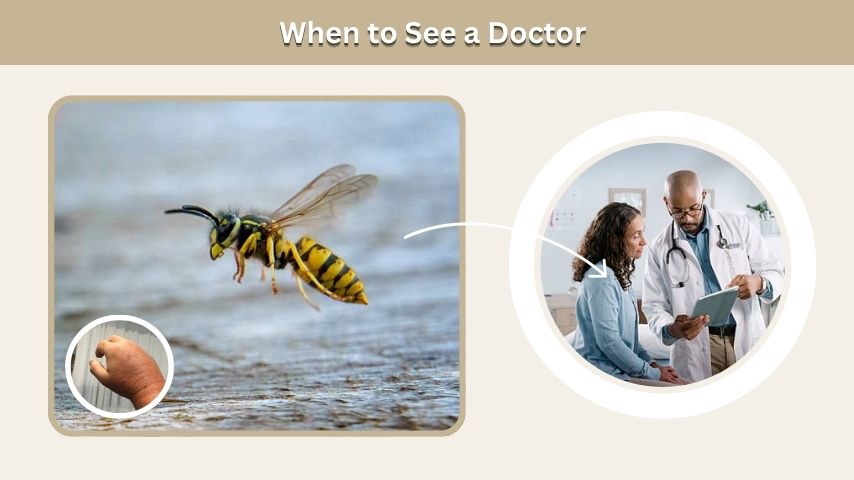
Most yellow jacket sting swelling can be managed at home, but some symptoms need medical attention.
See a doctor or urgent care provider if:
- Swelling keeps getting worse after 48 hours
- The area is very painful, hot, or spreading
- You have fever, pus, or red streaks
- Swelling affects the eye, face, mouth, or throat
- You were stung many times
- You have a history of severe sting reactions
- The sting is in the mouth or throat
- You are unsure whether it is infection or allergy
Call emergency services immediately for trouble breathing, throat swelling, fainting, widespread hives, severe dizziness, or rapid whole-body symptoms.
FAQs
How long does swelling last from a yellow jacket sting?
Mild swelling often improves within 1 to 3 days. A larger local reaction can last several days to about a week or more. Swelling may look worse during the first 24 to 48 hours before it slowly improves. Worsening pain, fever, pus, or spreading redness needs medical advice.
How do you reduce swelling from a yellow jacket sting?
Move away from the nest, wash the area with soap and water, apply a cold compress, and elevate the affected limb. Anti-itch cream, calamine lotion, an oral antihistamine, or pain relievers may help if they are safe for you. Avoid scratching because it can irritate the skin.
Is it normal for a yellow jacket sting to swell the next day?
Yes, swelling the next day can be normal. Inflammation may increase for the first 24 to 48 hours, especially on the hand, finger, foot, or ankle. However, swelling with fever, pus, severe pain, red streaks, or breathing symptoms should be checked right away.
When is yellow jacket sting swelling dangerous?
Swelling is dangerous if it affects breathing, swallowing, the tongue, lips, throat, or comes with dizziness, fainting, vomiting, or widespread hives. These may be signs of anaphylaxis. Rapidly spreading, very painful, hot swelling with fever may suggest infection and also needs medical care.
Can a yellow jacket sting cause cellulitis?
Yes, cellulitis can develop after any break in the skin, including a sting, although many swollen stings are just inflammatory reactions. Cellulitis is more likely if redness spreads, pain increases, the skin feels very hot, pus appears, or fever develops. A clinician can decide if antibiotics are needed.