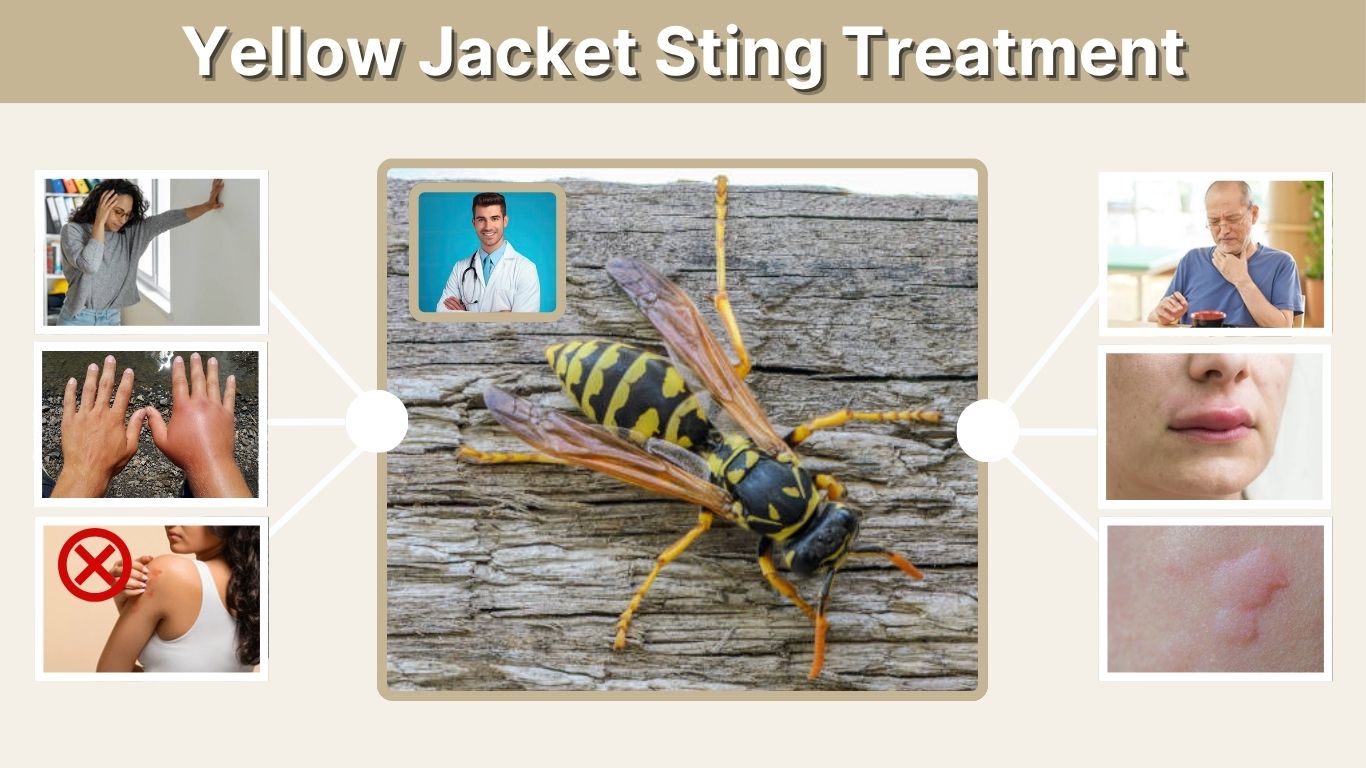
A yellow jacket sting can cause sudden burning pain, redness, swelling, itching, and tenderness. For most people, the reaction stays around the sting area and improves with simple first aid. However, yellow jacket stings can be dangerous for people with venom allergy, and they can also be serious if someone receives many stings at once. The most important steps are to move away from the insects, check for emergency symptoms, clean the sting area, reduce swelling, and watch for worsening reactions. Yellow jackets can sting more than once and usually do not leave a stinger behind, unlike honeybees.
Step 1: Move Away From the Yellow Jackets
Before treating the sting, get away from the area where the yellow jackets are active. Yellow jackets may become aggressive when their nest is disturbed, and more stings can happen if you stay nearby.
Move calmly but quickly to a safe indoor area or enclosed vehicle. Do not swat wildly if yellow jackets are still around, because sudden movements may make them more defensive. If the sting happened near a trash can, picnic table, fallen fruit, outdoor food, or ground nest, leave that area immediately.
Why This Step Matters
Yellow jackets can sting repeatedly. A single sting is usually manageable, but multiple stings can cause stronger pain, swelling, and in some cases a more serious toxic reaction. Children, older adults, and people with allergies should be especially careful after repeated stings.
Step 2: Check for Emergency Symptoms First
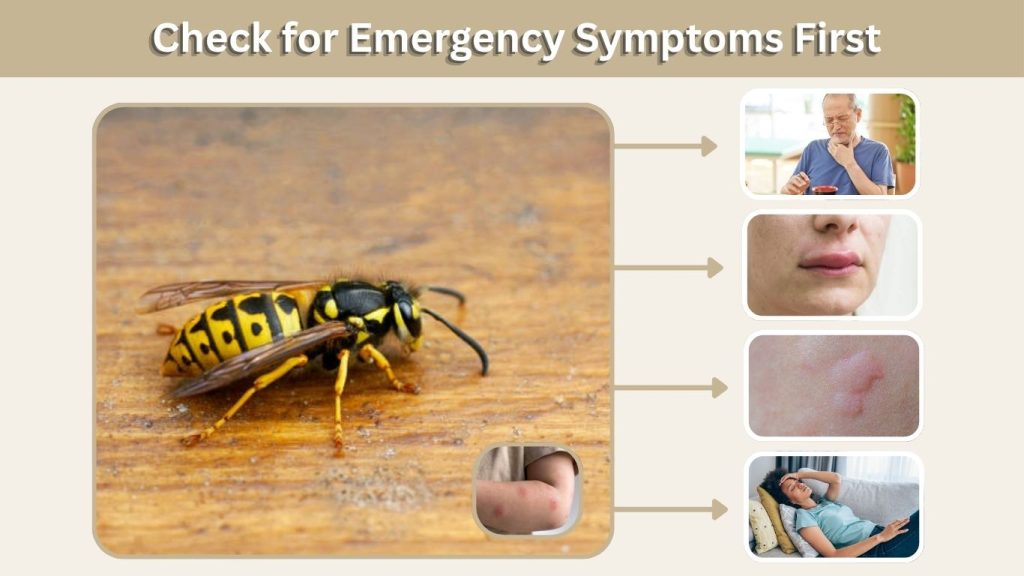
After you are safe, check for signs of a severe allergic reaction, also called anaphylaxis. This is rare, but it can be life-threatening and needs emergency care. Symptoms may include trouble breathing, wheezing, throat tightness, swelling of the lips or tongue, dizziness, fainting, widespread hives, vomiting, rapid pulse, or a sudden drop in blood pressure.
Call Emergency Help If You Notice
- Trouble breathing or swallowing
- Swelling of the face, lips, tongue, or throat
- Hives or rash spreading beyond the sting area
- Dizziness, fainting, confusion, or weakness
- Chest tightness or wheezing
- Nausea, vomiting, or stomach cramps with other allergic symptoms
- A known yellow jacket or wasp allergy
- Many stings, especially in a child or older adult
If the person has an epinephrine auto-injector, use it right away for anaphylaxis and still get emergency medical care. Epinephrine is the key treatment for anaphylaxis, and medical evaluation is still needed afterward.
Step 3: Look at the Sting Site
Once emergency symptoms are ruled out, examine the sting area. A normal local reaction may include sharp pain, redness, warmth, mild swelling, itching, and tenderness. You may see a small red puncture mark where the sting entered the skin.
Yellow jackets usually do not leave a stinger in the skin. Honeybees often do, but wasps and yellow jackets can usually pull their stinger back and sting again. Still, check the skin carefully. If you see a stinger, remove it gently. Mayo Clinic recommends removing stingers, washing the area, and using cold compresses for insect stings.
Do Not Squeeze the Skin Hard
If something looks like a stinger, avoid digging deeply into the skin with a needle or dirty tool. That can irritate the area or increase infection risk. If you cannot remove something easily, leave it and ask a healthcare professional.
Step 4: Wash the Area With Soap and Water
Clean the sting area with mild soap and running water. This helps remove dirt, bacteria, sweat, and venom residue from the skin surface. Pat the area dry with a clean towel.
Do not scrub aggressively. The skin may already be irritated, and rough scrubbing can make pain and redness worse.
Why Cleaning Helps
A yellow jacket sting punctures the skin. Even though infection is not the most common problem, bacteria can enter through irritated or scratched skin. Cleaning the area early is a simple way to lower that risk.
Step 5: Apply a Cold Compress
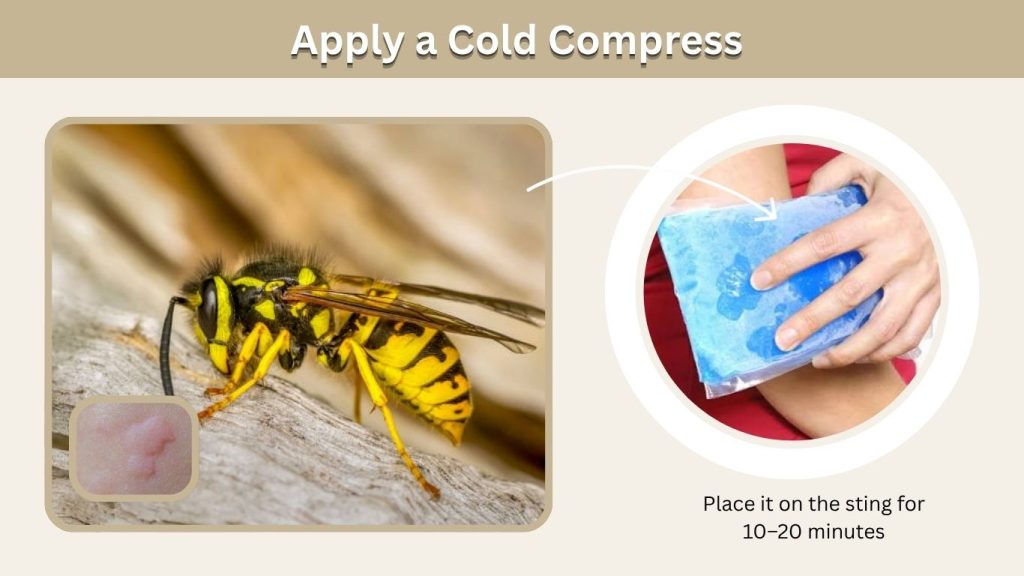
Apply a cold compress or an ice pack wrapped in a thin cloth to the sting area for 10 to 20 minutes. This can help reduce pain, itching, and swelling. Do not place ice directly on the skin because it can cause cold injury. Mayo Clinic recommends cold application for 10 to 20 minutes for insect bites and stings.
You can repeat this several times during the first day, especially if the area feels hot, swollen, or painful.
Best Way to Use Ice
Use this simple method:
- Wrap ice or a cold pack in a towel
- Place it on the sting for 10–20 minutes
- Remove it and let the skin rest
- Repeat as needed
Cold treatment works best during the first several hours after the sting.
Step 6: Elevate the Area If Possible
If the sting is on your hand, arm, foot, or leg, raise the area above heart level when resting. Elevation helps reduce swelling by improving fluid drainage.
For example, if you are stung on the hand, rest your arm on pillows. If you are stung on the foot or ankle, lie down and raise your leg. Swelling can increase during the first day or two, so elevation can be helpful even after the first few hours.
Step 7: Use Medicine for Pain and Itching
For mild reactions, over-the-counter treatments may help. An oral antihistamine can reduce itching, while acetaminophen or ibuprofen may help with pain. A topical hydrocortisone cream, calamine lotion, or baking soda paste may also ease itching and irritation. Mayo Clinic lists calamine lotion, baking soda paste, and 0.5% or 1% hydrocortisone cream as options for sting symptoms.
Common Options for Mild Stings
- Oral antihistamine for itching
- Acetaminophen for pain
- Ibuprofen for pain and swelling, if safe for you
- Hydrocortisone cream for itching
- Calamine lotion for skin irritation
- Baking soda paste for mild discomfort
Always follow the label instructions. Do not give aspirin to children unless a doctor specifically recommends it. People with kidney disease, stomach ulcers, blood thinner use, pregnancy, or other medical conditions should ask a healthcare professional before using certain pain relievers.
Step 8: Do Not Scratch the Sting
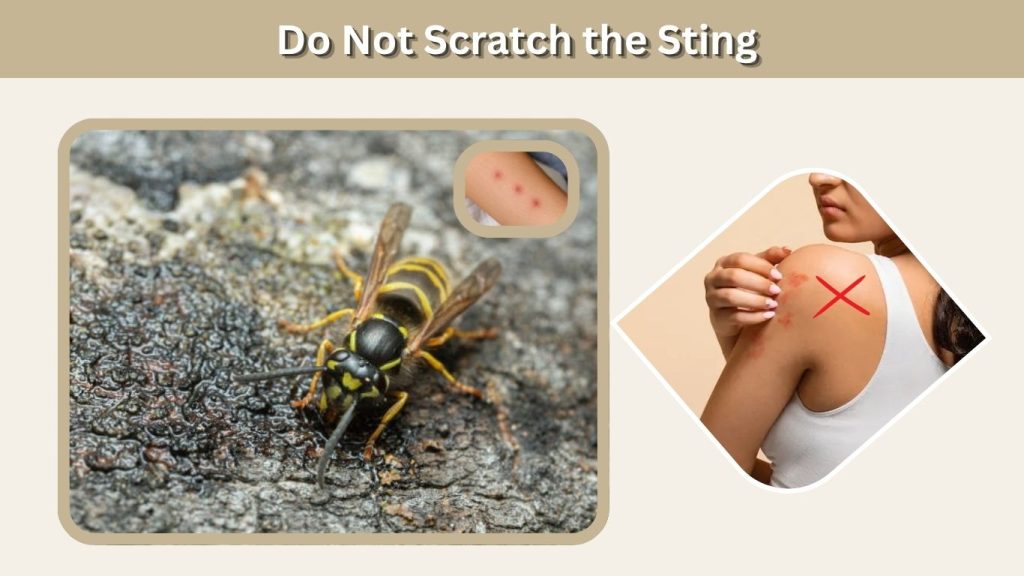
The sting may itch as it heals, but scratching can break the skin and increase the chance of infection. If itching is strong, use a cold compress, antihistamine, or anti-itch cream instead.
Keep fingernails short if the sting is on a child. Covering the area with a clean bandage may help prevent scratching, especially at night.
Signs of Possible Infection
Watch for symptoms such as:
- Redness spreading after the first couple of days
- Increasing warmth and pain
- Pus or drainage
- Red streaks moving away from the sting
- Fever
- Swelling that keeps getting worse instead of slowly improving
Seek medical care if these signs appear.
Step 9: Watch the Reaction for 24–48 Hours
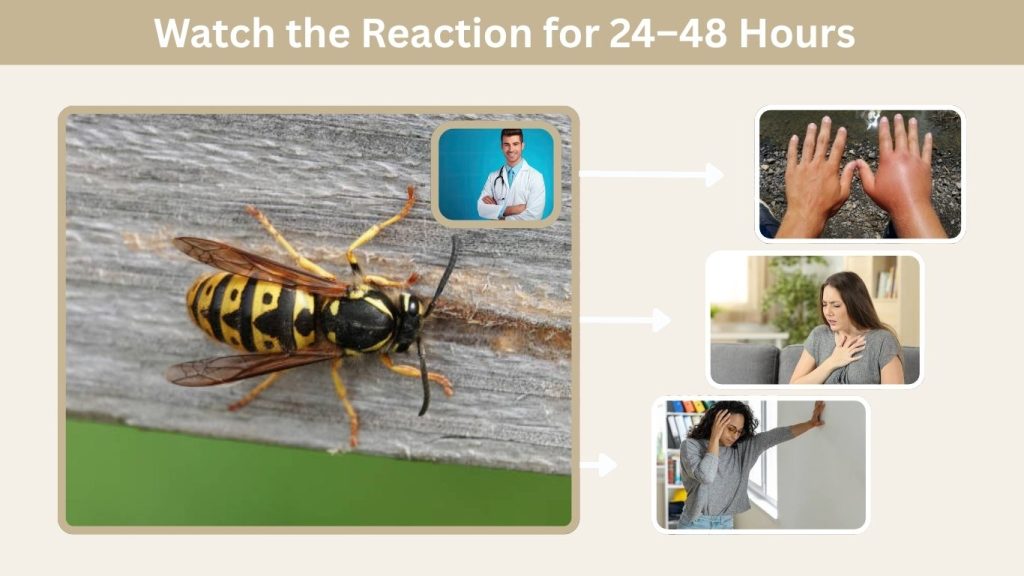
A mild sting reaction often improves within hours, but swelling and itching can last longer. In some people, swelling may become larger over the next day or two. This is called a large local reaction. It can look alarming, but it is not always the same as anaphylaxis.
However, you should watch carefully. If symptoms spread beyond the sting site, if breathing problems occur, or if the person feels faint or very ill, get emergency help.
When to Call a Doctor
Call a healthcare professional if:
- Swelling is very large or painful
- The sting is near the eye, mouth, or throat
- Symptoms are not improving after a few days
- You see signs of infection
- The person was stung many times
- The person has a history of severe reactions
- A child has unusual symptoms after a sting
Step 10: Plan Ahead If You Had a Strong Reaction
If you had a severe allergic reaction, you should talk with a doctor or allergy specialist. People with insect sting allergy may be advised to carry epinephrine and consider venom immunotherapy. The American College of Allergy, Asthma & Immunology says insect sting allergy management may include avoiding insects, using epinephrine for anaphylaxis, and considering allergy shots.
Venom immunotherapy can greatly reduce the risk of future severe reactions for many people with confirmed sting allergy. Research reviews report that venom immunotherapy is highly effective in preventing sting anaphylaxis.
What Not to Do After a Yellow Jacket Sting
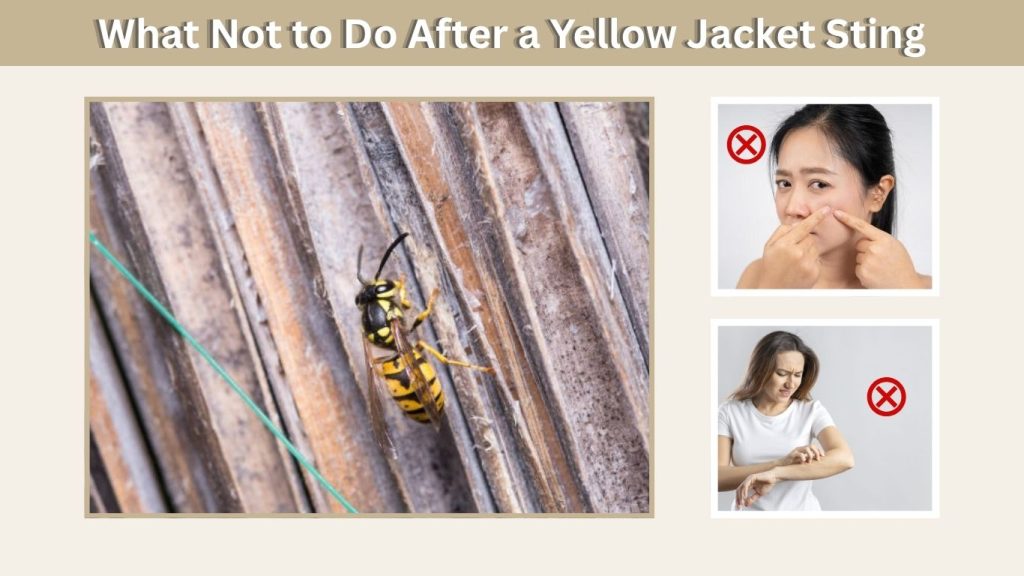
Some home remedies can irritate the skin or delay proper care. Avoid cutting the sting area, squeezing the skin hard, applying harsh chemicals, or using unverified treatments. Do not ignore breathing problems, throat swelling, fainting, or widespread hives.
Also, do not assume that a reaction will stay mild just because the first few minutes seem manageable. Severe allergic reactions often develop quickly, but symptoms can change, so observation is important.
How to Prevent Yellow Jacket Stings
Yellow jackets are often attracted to sweet drinks, meat, trash, fruit, and outdoor food. They may also nest in the ground, wall gaps, logs, or protected spaces around homes.
To reduce the risk:
- Keep food and drinks covered outdoors
- Use lids on trash cans
- Avoid drinking from open cans outside
- Wear shoes in grassy areas
- Avoid strong perfumes or sweet-smelling lotions
- Stay away from nests
- Do not disturb ground holes where yellow jackets are active
- Hire a pest professional for nest removal
If you are allergic, carry your prescribed epinephrine and make sure family members know how to use it.
FAQs
How long does a yellow jacket sting hurt?
Pain is usually strongest right after the sting and may improve within a few hours. Redness, itching, and swelling can last longer, sometimes for a few days.
Do yellow jackets leave a stinger?
Usually, no. Yellow jackets normally do not leave their stinger behind and can sting more than once. Still, check the skin because people sometimes confuse yellow jacket stings with bee stings.
What is the fastest way to reduce swelling?
Move to safety, wash the area, apply a cold compress for 10–20 minutes, and elevate the limb if the sting is on an arm or leg. An antihistamine may help if itching and swelling are bothersome.
When should I worry about a yellow jacket sting?
Worry if there is trouble breathing, throat swelling, dizziness, fainting, widespread hives, vomiting with allergic symptoms, or many stings. These symptoms need urgent medical attention.
Can I treat a yellow jacket sting at home?
Yes, most mild local reactions can be treated at home with washing, cold compresses, elevation, anti-itch cream, antihistamines, and pain relievers. But severe allergic symptoms need emergency care immediately.