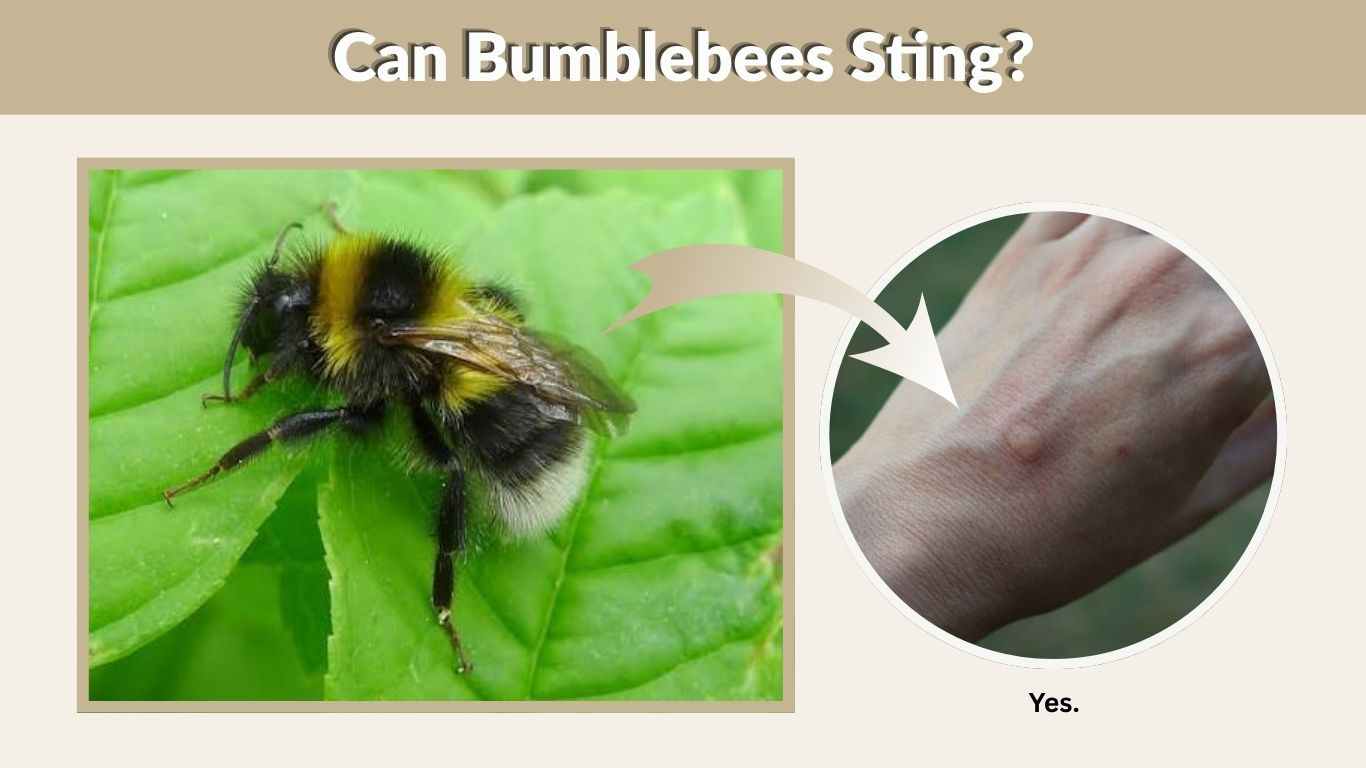
Yes, bumblebees can sting, but they are generally calm insects that rarely sting unless they feel threatened, trapped, handled, or their nest is disturbed. Only female bumblebees—including workers and queens—have functional stingers; males cannot sting. Unlike worker honey bees, bumblebees can usually withdraw their stinger and use it again, meaning one bee may sting more than once. Most stings cause temporary pain and swelling, although severe allergic reactions can occasionally occur.
Can a Bumblebee Sting You?
A bumblebee is physically capable of delivering a painful venomous sting, but stinging is primarily defensive behavior. Bumblebees visiting flowers are usually interested in collecting nectar and pollen rather than interacting with people. Problems are more likely when someone accidentally steps on a bee, squeezes one, traps it against clothing, or approaches an active nest too closely.
Which Bumblebees Can Sting?
Not every bumblebee has a stinger.
Bumblebees capable of stinging include:
- Female worker bumblebees
- Queen bumblebees
- Female cuckoo bumblebees
Male bumblebees cannot sting because they do not possess a functional stinger. Therefore, even males seen flying around a nest entrance cannot sting a person.
Why Do Bumblebees Sting?
Bumblebees normally sting because they perceive danger rather than because they are hunting or attacking people.
A sting is more likely if a bee is caught in clothing, grabbed, stepped on, or its nesting area is disturbed. Lawn mowers and other vibrations near a nest can also trigger defensive behavior.
If a bumblebee is simply feeding on flowers, giving it some space is usually enough to avoid a problem.
How Many Times Can a Bumblebee Sting?
A female bumblebee can sting more than once. This is an important difference between bumblebees and worker honey bees. A bumblebee’s stinger normally remains attached to its body after the sting, allowing the insect to withdraw it and potentially sting again.
Can a Bumblebee Sting Multiple Times?
Yes. A bumblebee can potentially sting twice or several times during the same defensive encounter.
There is no useful fixed number such as “two” or “three” stings that applies to every bumblebee. If it remains threatened and is physically capable of continuing, it may deliver repeated stings.
The safest response after being stung is therefore to calmly move away from the insect and especially from any nearby nest.
Does a Bumblebee Die After Stinging?
Usually, no.
Worker honey bees commonly leave their barbed stinger embedded in mammalian skin and suffer fatal damage when they fly away. Bumblebees do not usually experience this problem and can generally survive after stinging.
This is why the answer to “how many times can a bumblebee sting before it dies?” is different from the answer for a worker honey bee.
What Does a Bumblebee Sting Feel Like?
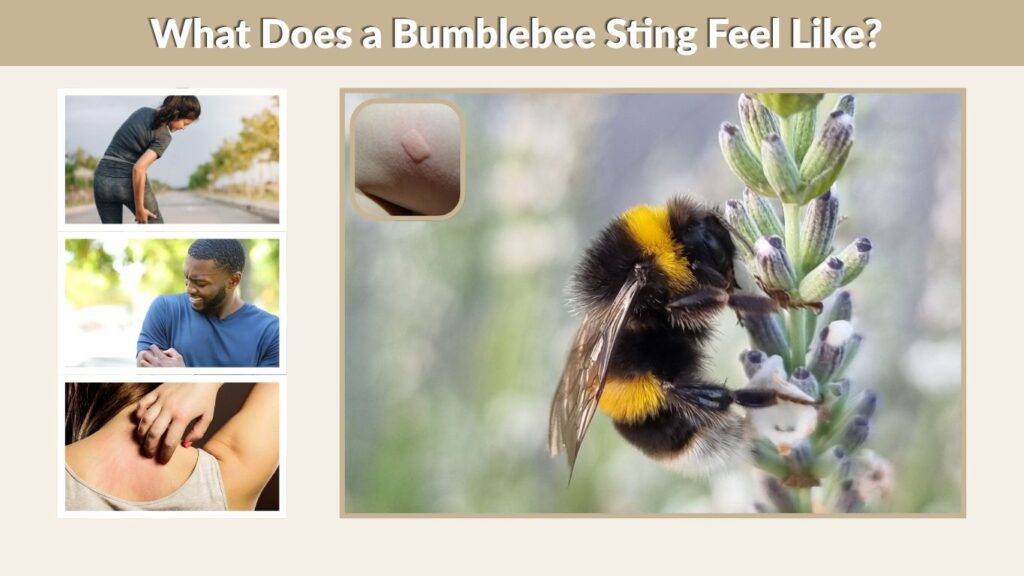
A bumblebee sting typically causes immediate sharp or burning pain at the place where the stinger enters the skin. Soon afterward, a small raised area, redness, itching, tenderness, or swelling may develop. Most ordinary insect-sting reactions improve without serious complications within several days.
Common Bumblebee Sting Symptoms
Typical local symptoms may include:
- Sudden sharp or burning pain
- A small red or swollen bump
- Tenderness around the sting
- Itching
- Warmth
- Local swelling
- Mild soreness lasting beyond the initial pain
A larger swollen area does not automatically mean someone is experiencing a life-threatening allergy. However, symptoms affecting breathing, the throat, circulation, or areas far from the sting are much more concerning.
Can a Bumblebee Sting Make You Sick?
It can.
Most people experience only a local reaction, but some may develop nausea, dizziness, significant swelling, or an allergic response. Multiple stings may also increase the amount of venom received.
Medical advice is particularly important when symptoms are worsening, a person feels dizzy or unwell, the sting occurred inside the mouth or throat, or several stings occurred.
Can a Bumblebee Sting Kill You?
A single bumblebee sting is unlikely to be life-threatening for most people. The main serious danger is anaphylaxis, a severe allergic reaction that can develop rapidly after an insect sting. Large numbers of stings can also pose greater medical risk because they deliver more venom.
Signs of a Severe Allergic Reaction
Seek emergency medical assistance if symptoms include:
- Difficulty breathing
- Wheezing or noisy breathing
- Swelling of the tongue or throat
- Difficulty swallowing
- Widespread hives
- Severe dizziness
- Confusion
- Fainting or collapse
Anaphylaxis can develop quickly and requires immediate treatment. Someone who has been prescribed an adrenaline/epinephrine auto-injector should follow their personal emergency treatment instructions.
Multiple Bumblebee Stings
Being stung multiple times deserves more attention than a single uncomplicated sting.
The NHS recommends seeking urgent medical advice after multiple insect stings, especially if symptoms are worsening or the person feels unwell.
Children, older adults, people with known venom allergies, and anyone receiving many stings should be observed particularly carefully.
What Can You Put on a Bumblebee Sting?
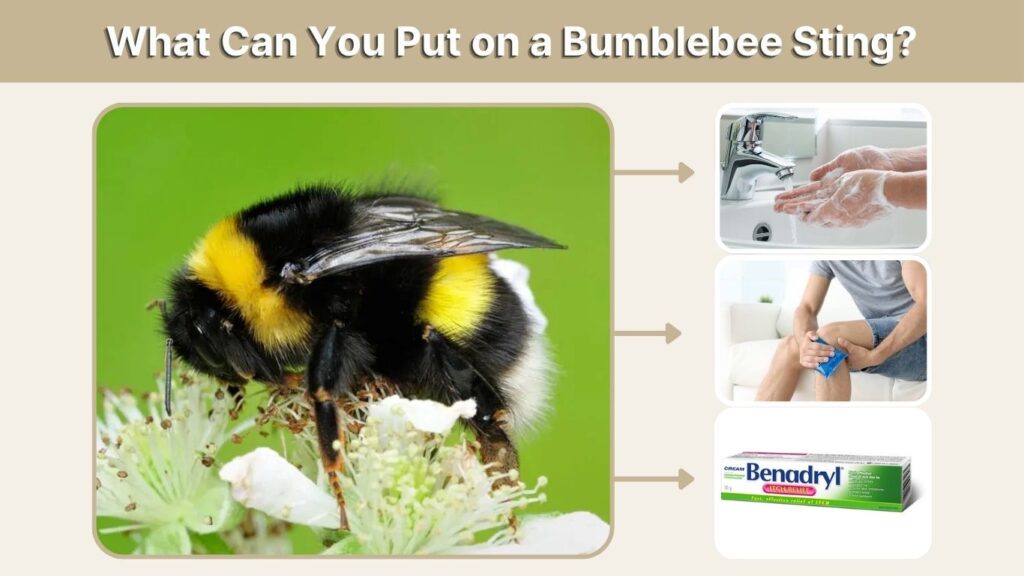
Most mild bumblebee stings can be treated with straightforward first aid. Treatment focuses on reducing discomfort, controlling swelling, keeping the skin clean, and watching for signs of a serious reaction.
How to Treat a Bumblebee Sting
For an uncomplicated sting:
- Move away from the bee and nest area.
- Check whether anything remains embedded in the skin.
- Wash the area with soap and water.
- Apply a cold pack wrapped in cloth.
- Keep the affected limb elevated when practical.
- Avoid scratching the sting.
- Ask a pharmacist about appropriate treatment for significant itching or discomfort.
Cold treatment can help control pain and swelling, while keeping the site clean reduces the chance of secondary infection.
Does a Bumblebee Leave a Stinger?
Usually, a bumblebee does not leave its stinger behind because it can generally withdraw it.
If you find a clearly visible stinger after a bee encounter, remove it promptly. General bee-sting first-aid guidance recommends washing the skin and applying a cold pack afterward.
Can a Bumblebee Sting a Dog?
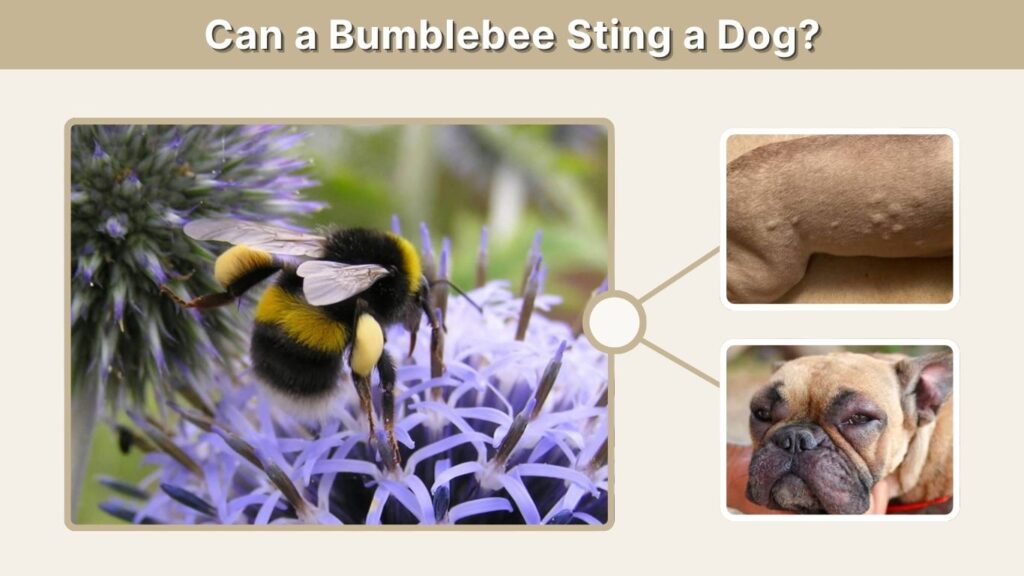
Yes. A female bumblebee can sting a dog, particularly if the dog sniffs, paws at, bites, or tries to catch the insect.
Stings around a dog’s face and mouth deserve special attention because swelling in these locations can become more concerning. Veterinary sources note that bee and wasp stings may cause localized pain and swelling, while severe allergic reactions can occasionally occur.
Signs to Watch for in Dogs
After a suspected sting, watch for:
- Facial swelling
- Swollen lips or muzzle
- Hives
- Vomiting
- Weakness
- Difficulty breathing
- Collapse
Contact a veterinarian promptly if substantial swelling or unusual symptoms develop, and seek emergency veterinary care for breathing problems or signs of a severe systemic reaction.
Can a Dead Bumblebee Sting You?
A dead bumblebee cannot intentionally attack or actively sting. However, it is still sensible to avoid pressing or stepping on dead bees because the sharp sting apparatus can potentially puncture skin if enough pressure is applied.
This risk is well documented with dead honey bees, whose stingers may still inject venom when the insect is compressed. Because the exact mechanism differs among bee species, simply handling dead bumblebees with bare hands is best avoided.
Can Bumblebees Sting Through Clothing?
Clothing lowers the chance that a stinger will reach your skin, but ordinary clothing should not be considered completely sting-proof.
Thicker protective clothing that covers exposed skin provides greater protection than thin or tight-fitting material. General occupational guidance for stinging insects recommends wearing clothing that covers as much of the body as possible when exposure is likely.
Even with protective clothing, avoiding disturbance of an active bumblebee nest remains the safest strategy.
FAQs
Can a bumblebee sting you more than once?
Yes. Female bumblebees can sting more than once because their stinger normally remains attached to their body rather than being torn out after a sting. This allows the bee to withdraw it and potentially sting again.
Can a male bumblebee sting?
No. Male bumblebees do not have functional stingers. Workers and queens are female and can sting when threatened, whereas male bumblebees cannot sting people.
How many times can a bumblebee sting before it dies?
There is no fixed number. Bumblebees normally survive after stinging and can potentially deliver repeated stings. This differs from worker honey bees, which commonly die after their barbed stinger becomes lodged in mammalian skin.
Can a tree bumblebee sting?
Yes. Female Tree bumblebees can sting defensively, particularly around a disturbed nest. However, males commonly seen hovering around Tree bumblebee nest entrances cannot sting.
What should you do immediately after a bumblebee sting?
Move away from the bee, wash the affected skin with soap and water, and apply a wrapped cold pack to reduce swelling. Monitor for worsening symptoms or signs of a severe allergic reaction, especially breathing or throat problems.