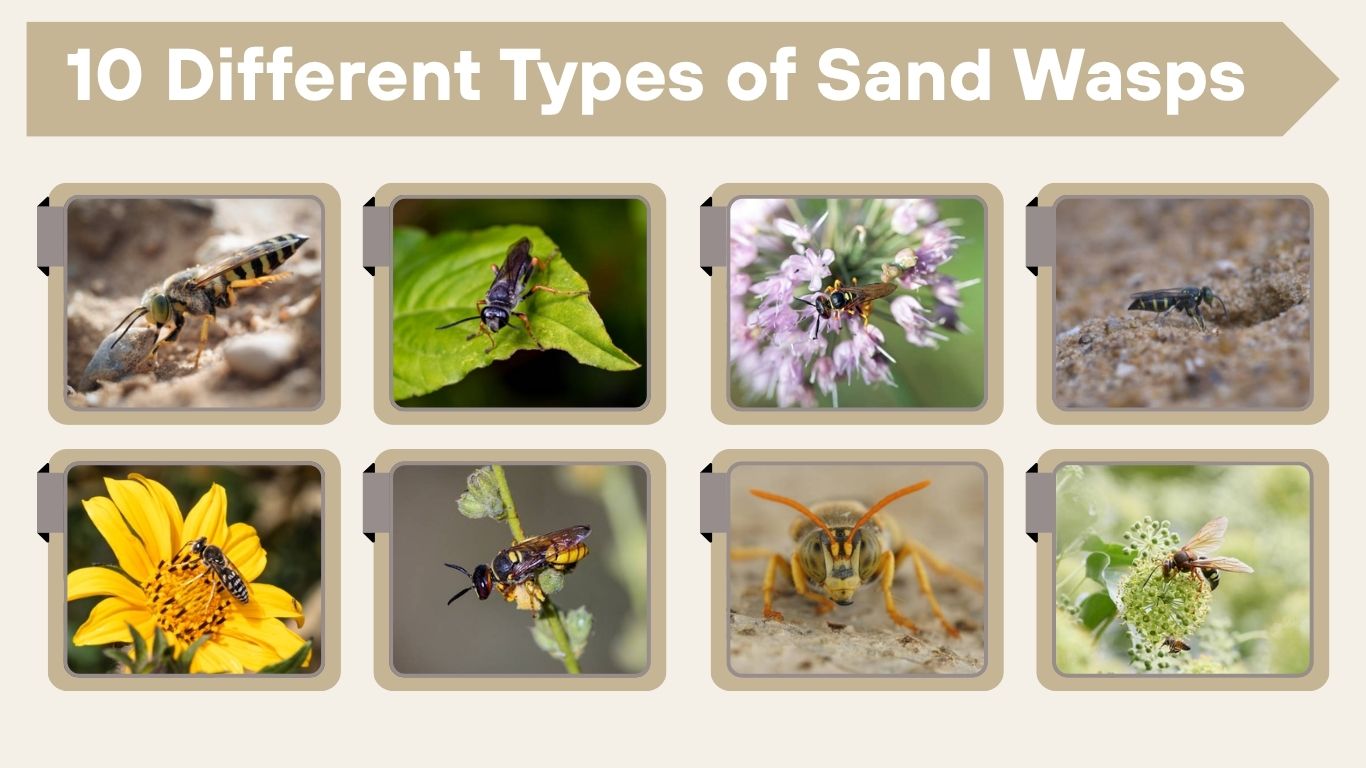
Sand wasps are fascinating solitary insects commonly found in sandy and dry environments around the world. Unlike social wasps that live in large colonies, these wasps usually hunt alone and build underground nests to raise their young. Many species play an important role in controlling insect populations naturally, making them beneficial to ecosystems and gardens. From the large cicada killer wasp to the fast-moving Tachysphex wasp, each species has unique characteristics, behaviors, and habitats. Understanding different types of sand wasps can help people appreciate their ecological importance and recognize their generally non-aggressive nature.
1. Cicada Killer Wasp
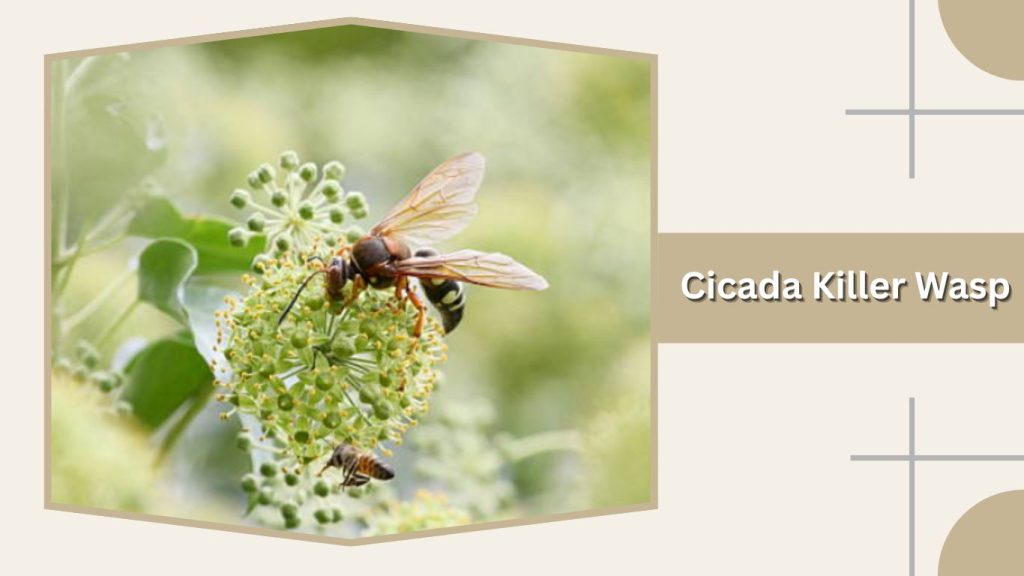
Cicada killer wasps are large, solitary sand wasps commonly found in sandy soils, gardens, and open landscapes. Despite their intimidating size, they are generally non-aggressive toward humans and are best known for hunting cicadas to feed their larvae.
Identification
- Large body measuring around 1.5 to 2 inches long
- Black or dark brown body with yellow band markings
- Reddish-brown wings with a transparent appearance
- Thick waist and robust body structure
- Females are larger than males
- Often seen flying low over sandy ground
Habitat
Cicada killer wasps prefer dry, sandy, or loose soil where they can easily dig underground burrows. They are commonly found in lawns, gardens, forest edges, golf courses, and sandy banks. Their nests are often noticeable because of small piles of soil near the entrance holes.
Behavior
These wasps are solitary hunters and do not live in colonies like honey bees or yellowjackets. Females hunt cicadas by stinging and paralyzing them before dragging them into underground chambers. Each chamber contains a cicada that serves as food for developing larvae.
Diet
Adult cicada killer wasps mainly feed on nectar and plant juices. Their larvae depend entirely on paralyzed cicadas placed inside the nest by the female wasp. This hunting behavior helps naturally control cicada populations.
Life Cycle
The female digs a burrow and prepares several underground chambers. After capturing cicadas, she lays one egg on each prey item. The larva hatches, feeds on the cicada, and later pupates underground before emerging as an adult during the warmer months.
Are Cicada Killer Wasps Dangerous?
Cicada killer wasps are usually harmless to humans. Males cannot sting, and females sting only when directly handled or threatened. They are considered beneficial insects because they help manage cicada numbers naturally.
2. Bembix Wasp
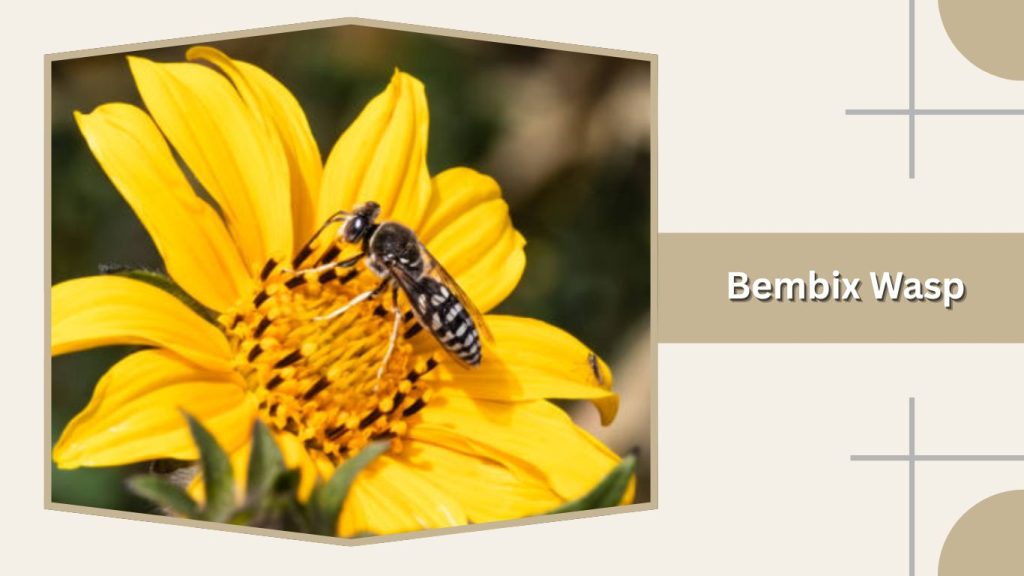
Bembix wasps are fast-moving sand wasps commonly seen flying over sandy ground in warm and sunny environments. These solitary insects are recognized for their distinctive black-and-yellow markings and their habit of nesting in loose soil near coastal dunes, deserts, and open sandy habitats.
Identification
- Medium-sized wasp with a compact body
- Black body marked with yellow or white patterns
- Large green or bluish compound eyes
- Transparent wings with rapid flight movement
- Short antennae and strong legs for digging
- Often observed hovering close to sandy surfaces
Habitat
Bembix wasps prefer dry, sandy locations where they can create underground nests. They are commonly found in beaches, dunes, deserts, riverbanks, and sandy trails. Loose soil is important because it allows females to dig tunnels quickly and efficiently.
Behavior
These wasps are solitary and highly active during sunny weather. Females dig burrows in sand and hunt flying insects to feed their larvae. Unlike social wasps, Bembix wasps do not form colonies and generally avoid human interaction.
Diet
Adult Bembix wasps feed mainly on nectar from flowers. Females capture flies and other small insects, paralyzing them before carrying them back to the nest as food for developing larvae.
Life Cycle
The female creates a nest chamber underground and places captured prey inside. After laying an egg, the larva hatches and feeds on the stored insects. Once fully developed, it pupates within the nest and later emerges as an adult wasp.
Are Bembix Wasps Dangerous?
Bembix wasps are not considered dangerous to humans. They are non-aggressive and rarely sting unless directly handled. Their presence is often beneficial because they help control populations of flies and other insects naturally.
3. Digger Sand Wasp
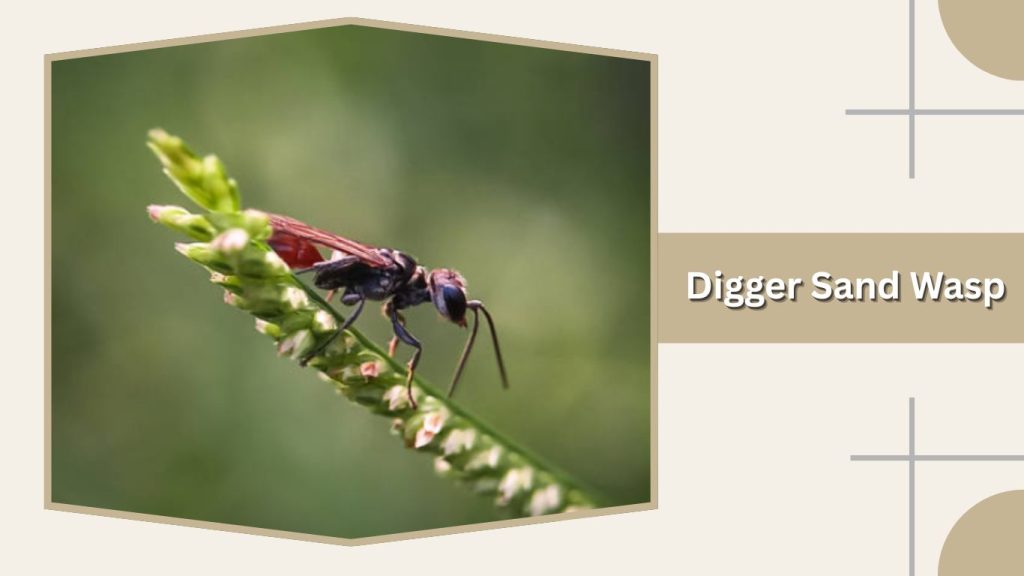
Digger sand wasps are solitary ground-nesting wasps known for their excellent digging abilities and active hunting behavior. They are commonly found in sandy or loose soil environments where they create underground burrows to raise their young.
Identification
- Slender body with a narrow waist
- Usually black, brown, or reddish in color
- Long legs adapted for digging in sand
- Clear or lightly tinted wings
- Medium-sized body with smooth appearance
- Fast-moving and often seen near the ground
Habitat
Digger sand wasps prefer open areas with dry, sandy, or loose soil. They are often found in gardens, coastal dunes, trails, grasslands, and desert-like environments. Their nests are usually small tunnels hidden beneath the soil surface.
Behavior
These wasps live alone rather than in colonies. Females spend much of their time digging burrows and hunting prey for their larvae. They are active hunters and can often be seen flying low over the ground while searching for insects.
Diet
Adult diggers and wasps feed mainly on flower nectar and sweet plant substances. Their larvae feed on paralyzed insects or spiders that the female stores inside underground nest chambers.
Life Cycle
The female digs a burrow with several small chambers and places prey inside each one. After laying an egg, the larva feeds on the stored prey until it is ready to pupate. Adult wasps emerge from the soil during warm seasons.
Are Digger Sand Wasps Dangerous?
Digger sand wasps are generally harmless to humans and are not aggressive. Females can sting if threatened, but stings are uncommon. They are considered beneficial insects because they help reduce populations of pest insects naturally.
4. Stizus Wasp
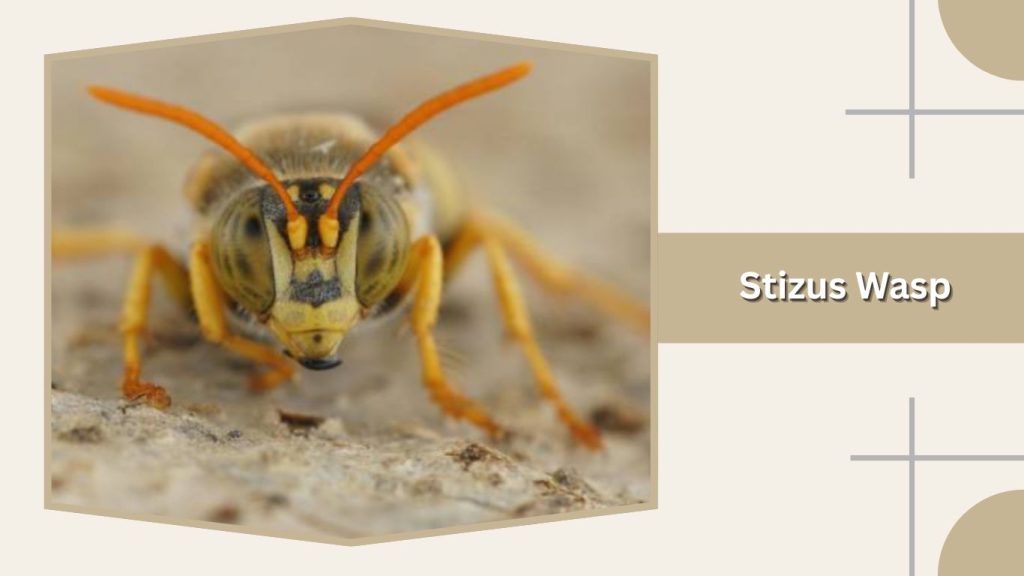
Stizus wasps are large solitary sand wasps known for their strong hunting skills and burrowing behavior. They are commonly found in warm, sandy regions where they dig nests underground and hunt insects to provide food for their developing larvae.
Identification
- Large and robust body structure
- Black or dark brown body with yellow markings
- Strong wings with a smoky or transparent appearance
- Thick legs adapted for digging
- Noticeable narrow waist between body sections
- Fast and powerful flight movement
Habitat
Stizus wasps prefer dry, sandy, and open habitats with loose soil suitable for nesting. They are commonly found in deserts, sandy fields, grasslands, and coastal regions. Their underground burrows are often hidden beneath loose sand or soil.
Behavior
These wasps are solitary and spend much of their time hunting prey and maintaining nests. Females dig tunnels underground and capture insects to feed their larvae. They are active during warm daylight hours and usually avoid human contact.
Diet
Adult Stizus wasps mainly consume nectar from flowering plants. Their larvae feed on paralyzed insects placed inside the nest by the female. Grasshoppers, crickets, and other insects are common prey items.
Life Cycle
The female digs a burrow with separate chambers and stores captured prey in each section. She lays an egg on the prey, allowing the larva to feed after hatching. The larva later pupates underground before emerging as an adult wasp.
Are Stizus Wasps Dangerous?
Stizus wasps are generally non-aggressive and rarely sting humans. Females may sting if directly threatened or handled, but encounters are uncommon. They are considered beneficial because they naturally help control insect populations.
5. Philanthus Wasp
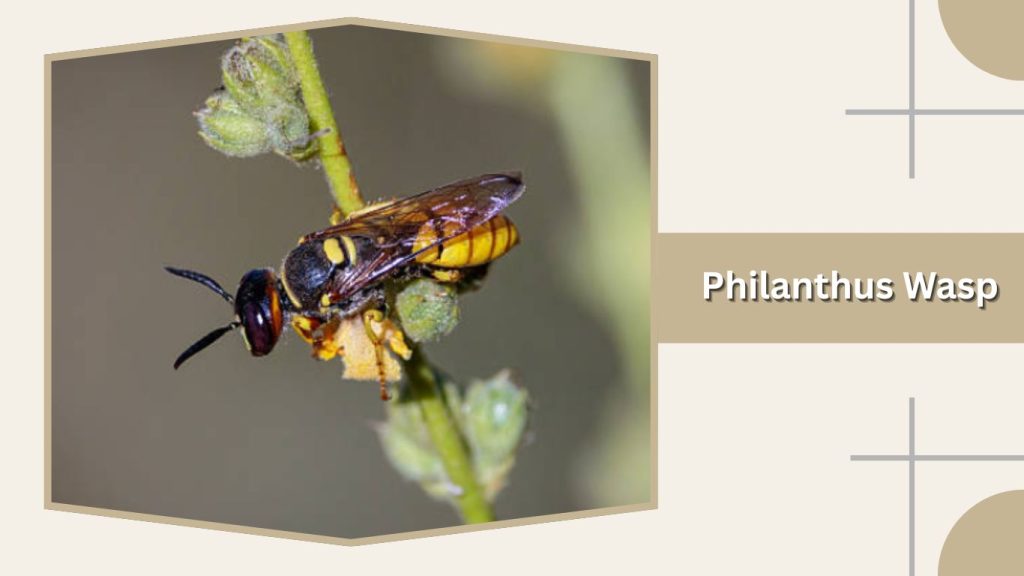
Philanthus wasps, commonly called beewolves, are solitary sand wasps famous for hunting bees as food for their larvae. They are skilled diggers that create underground nests in sandy soil and are often found in warm, open environments.
Identification
- Medium-sized wasp with a slender body
- Bright yellow and black striped markings
- Large eyes and strong jaws
- Narrow waist with smooth body texture
- Transparent wings with rapid flight
- Females are usually larger than males
Habitat
Philanthus wasps prefer sandy or loose soil in sunny areas. They are commonly found in grasslands, dunes, gardens, and dry open fields. Their nests are hidden underground and may contain multiple chambers for larvae.
Behavior
These wasps are solitary hunters and do not form social colonies. Females capture bees and carry them into underground nests to feed developing larvae. They are active during the daytime and are often seen flying close to flowers or sandy ground.
Diet
Adult Philanthus wasps mainly feed on nectar and sugary plant liquids. Their larvae feed on paralyzed bees stored inside the nest chambers by the female wasp.
Life Cycle
The female digs a tunnel with several chambers beneath the soil. She hunts bees, places them inside a chamber, and lays an egg on the prey. After hatching, the larva feeds on the stored insects before pupating underground and emerging as an adult.
Are Philanthus Wasps Dangerous?
Philanthus wasps are generally harmless to humans and rarely sting unless threatened. Although they prey on bees, they are part of the natural ecosystem and help maintain insect population balance in their habitats.
6. Ammophila Wasp
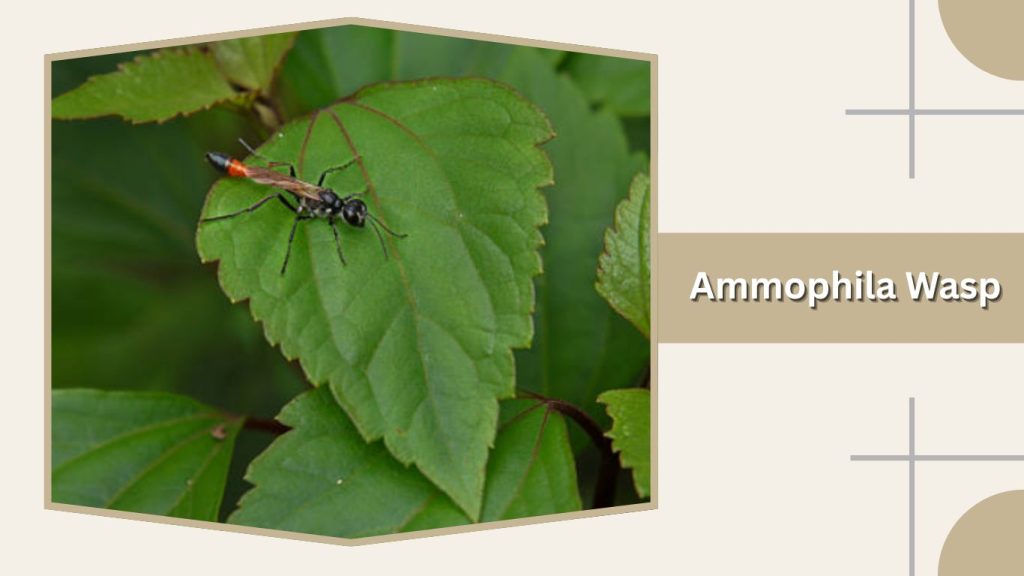
Ammophila wasps are slender solitary sand wasps recognized for their extremely narrow waist and graceful appearance. They are skilled hunters that build nests in sandy soil and are commonly seen in gardens, grasslands, and open dry habitats.
Identification
- Long and slender black body
- Extremely thin thread-like waist
- Reddish or orange coloration on part of the abdomen
- Long legs and narrow wings
- Smooth shiny body surface
- Medium to large body size
Habitat
Ammophila wasps prefer dry, sandy, or loose soil where they can easily dig burrows. They are often found in gardens, meadows, deserts, woodland edges, and coastal dunes. Their nests are usually simple underground tunnels hidden in open sunny areas.
Behavior
These wasps are solitary and highly active hunters. Females dig nests and search for caterpillars or similar prey to feed their larvae. They are known for carefully sealing nest entrances with small stones or soil after placing prey inside.
Diet
Adult Ammophila wasps feed mainly on flower nectar. Their larvae feed on paralyzed caterpillars stored inside underground nest chambers by the female wasp.
Life Cycle
The female digs a burrow and hunts caterpillars to place inside the nest. After laying an egg on the prey, the larva hatches and feeds until fully grown. Pupation takes place underground before the adult emerges during warm weather.
Are Ammophila Wasps Dangerous?
Ammophila wasps are peaceful and rarely sting humans. Females only sting when threatened or handled directly. They are considered beneficial insects because they help naturally control caterpillar populations in many environments.
7. Sand-loving Crabronid Wasp
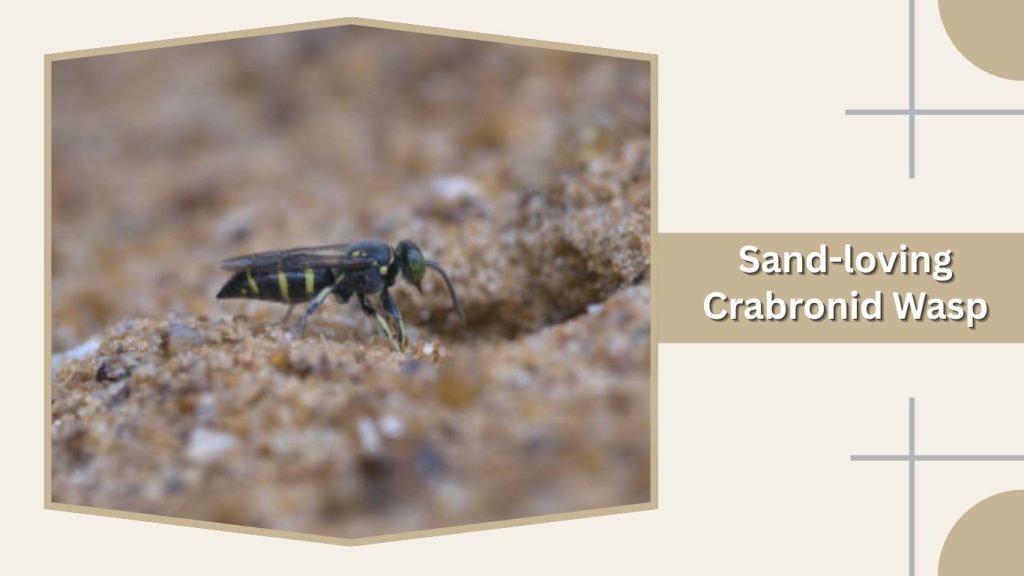
Sand-loving crabronid wasps are solitary hunting wasps that belong to the Crabronidae family. They are commonly associated with sandy habitats where they dig underground nests and hunt small insects to feed their larvae.
Identification
- Small to medium-sized slender body
- Black, brown, or yellow patterned coloration
- Narrow waist with elongated abdomen
- Strong legs adapted for digging
- Clear wings with fast flight movement
- Large eyes and short antennae
Habitat
These wasps thrive in sandy environments such as beaches, dunes, dry riverbanks, and open fields. Loose soil allows them to build underground burrows where they raise their young safely away from predators.
Behavior
Sand-loving crabronid wasps are solitary and highly active during sunny weather. Females spend time digging nests and hunting prey, while males are often seen hovering near nesting areas. They are generally non-aggressive and avoid human interaction.
Diet
Adult crabronid wasps feed mainly on nectar and plant juices. Their larvae consume paralyzed insects captured by the female, including flies, leafhoppers, and other small arthropods.
Life Cycle
The female constructs a burrow with one or more chambers underground. She captures prey, places it inside the chamber, and lays an egg on it. The larva feeds on the stored prey, pupates in the nest, and later emerges as an adult wasp.
Are Sand-loving Crabronid Wasps Dangerous?
These wasps are considered harmless to humans because they rarely sting unless directly threatened. They are beneficial insects that help control populations of small pest insects in natural and agricultural environments.
8. Beewolf Wasp
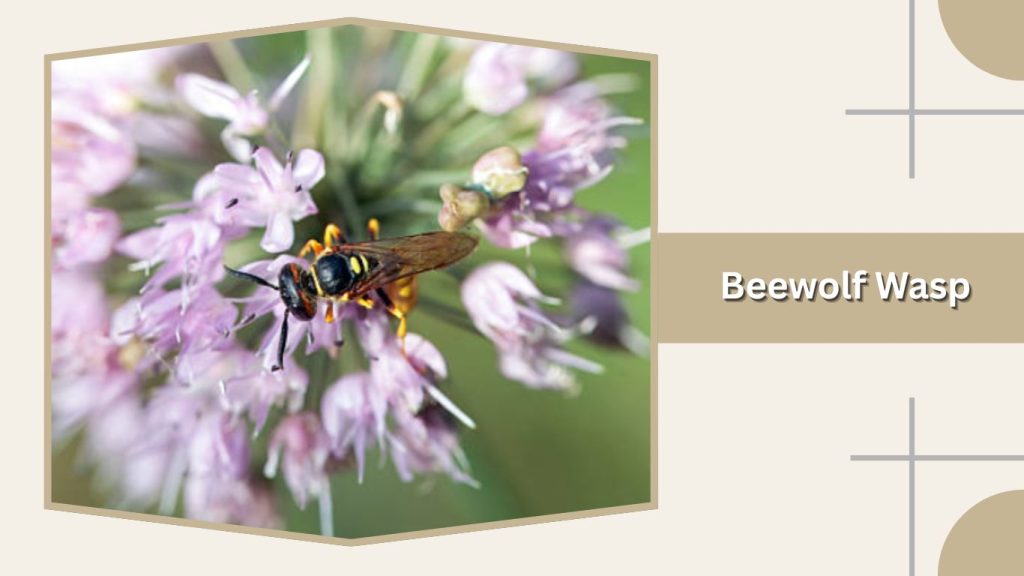
Beewolf wasps are solitary sand wasps best known for hunting bees to feed their larvae. They are skilled burrowers that build underground nests in sandy soil and are commonly found in warm, open landscapes with plenty of flowering plants.
Identification
- Medium-sized body with slim appearance
- Bright yellow and black markings
- Large eyes and strong mandibles
- Narrow waist between thorax and abdomen
- Transparent wings with rapid flight
- Females are typically larger than males
Habitat
Beewolf wasps prefer sandy or loose soil in sunny areas. They are often found in grasslands, gardens, dunes, and dry open habitats. Their nests are hidden underground and usually contain several chambers for offspring.
Behavior
These wasps are solitary and do not form colonies. Females actively hunt honeybees and other bee species, paralyzing them before carrying them into underground burrows. They are active during the daytime and are usually seen near flowers or sandy nesting sites.
Diet
Adult beewolf wasps feed mainly on nectar and sugary liquids from plants. Their larvae feed on paralyzed bees placed inside the nest chambers by the female wasp.
Life Cycle
The female digs a tunnel with multiple chambers beneath sandy soil. After capturing bees, she stores them in the nest and lays an egg on the prey. The larva hatches, feeds on the stored insects, pupates underground, and later emerges as an adult.
Are Beewolf Wasps Dangerous?
Beewolf wasps are generally harmless to humans and rarely sting unless disturbed. They are not aggressive and usually avoid contact with people. Their role as predators helps maintain balance within insect populations in natural ecosystems.
9. Tachysphex Wasp
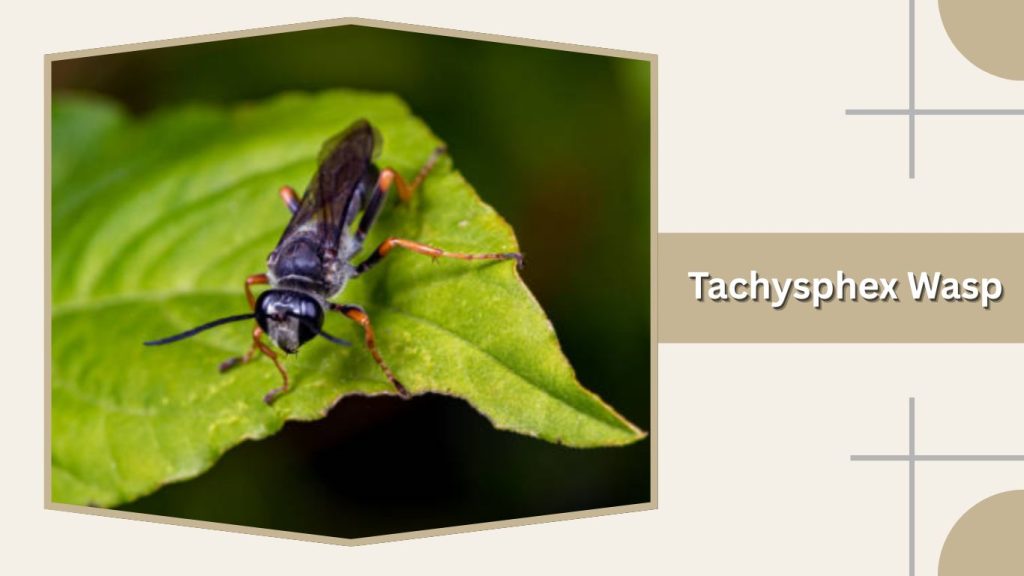
Tachysphex wasps are small solitary sand wasps known for their fast movements and efficient hunting behavior. They commonly nest in sandy soil and prey on small insects, making them important natural predators in many ecosystems.
Identification
- Small to medium-sized slender body
- Black or dark brown coloration
- Narrow waist with elongated abdomen
- Clear wings folded along the body at rest
- Strong legs designed for digging
- Quick running and flying movements
Habitat
Tachysphex wasps prefer dry sandy or loose soil habitats. They are commonly found in grasslands, gardens, deserts, trails, and coastal dunes. Their underground nests are usually hidden in open sunny areas with little vegetation.
Behavior
These wasps are solitary and spend most of their time hunting prey and maintaining nests. Females dig burrows in sandy soil and capture insects to provide food for their larvae. They are active during warm daylight hours and generally avoid humans.
Diet
Adult Tachysphex wasps feed mainly on nectar from flowers. Their larvae feed on paralyzed insects, especially grasshoppers, crickets, and small bugs stored inside underground chambers.
Life Cycle
The female digs a nest tunnel and creates separate chambers for her offspring. After hunting prey, she places it inside the chamber and lays an egg on it. The larva develops by feeding on the stored prey before pupating underground and emerging as an adult wasp.
Are Tachysphex Wasps Dangerous?
Tachysphex wasps are non-aggressive and rarely sting humans. They are considered beneficial insects because they naturally help control populations of grasshoppers and other small insect pests.
10. Larra Sand Wasp
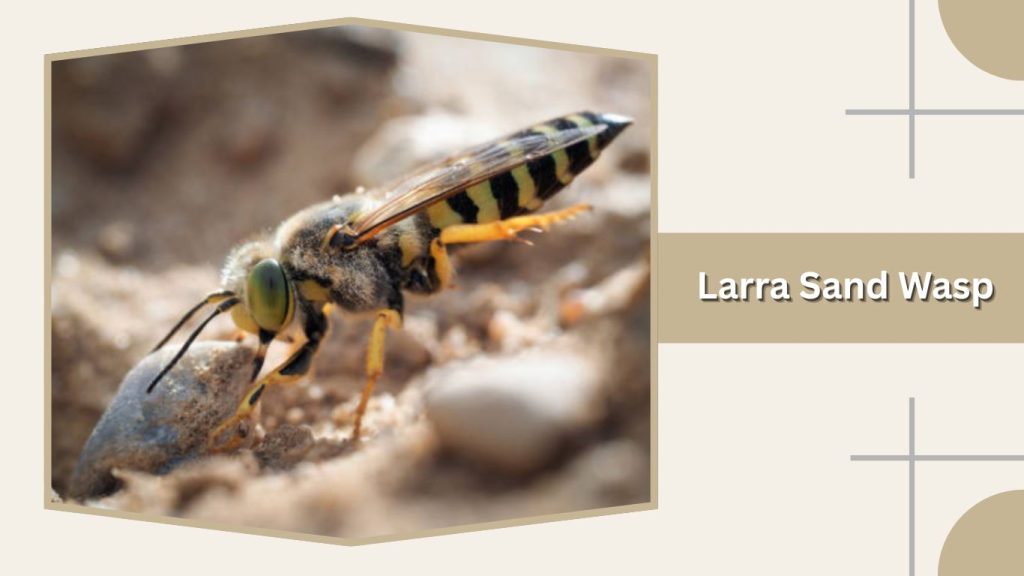
Larra sand wasps are solitary hunting wasps recognized for preying on mole crickets. They are beneficial insects often found in sandy environments where they dig nests and help naturally reduce pest populations.
Identification
- Slender black or dark brown body
- Medium-sized wasp with long legs
- Narrow waist with smooth body texture
- Transparent wings with a slight smoky tint
- Long antennae and strong digging legs
- Fast and active flight behavior
Habitat
Larra sand wasps prefer warm regions with sandy or loose soil. They are commonly found in lawns, gardens, open fields, coastal areas, and grasslands. Sandy ground provides ideal conditions for nesting and hunting activities.
Behavior
These wasps are solitary and spend most of their time searching for mole crickets. Females sting and temporarily paralyze their prey before laying eggs on them. They are active during the daytime and are often seen near flowers or grassy sandy areas.
Diet
Adult Larra sand wasps feed mainly on nectar from flowering plants. Their larvae feed on mole crickets, which serve as the primary food source inside the underground nest.
Life Cycle
The female hunts a mole cricket and lays an egg on the prey after paralyzing it. Once the larva hatches, it feeds externally on the mole cricket until fully developed. Pupation occurs in the soil before the adult wasp emerges.
Are Larra Sand Wasps Dangerous?
Larra sand wasps are not aggressive toward humans and rarely sting unless directly threatened. They are considered highly beneficial because they naturally control mole cricket populations that can damage lawns and crops.
FAQs
What are sand wasps?
Sand wasps are solitary hunting wasps that usually live in sandy or loose soil habitats. They dig underground burrows and capture insects or spiders to feed their larvae. Most species are non-aggressive and beneficial to the environment.
Are sand wasps dangerous to humans?
Most sand wasps are harmless and rarely sting people. Females may sting only when directly threatened or handled. Unlike social wasps, they do not defend large colonies, so they are generally much less aggressive.
Where do sand wasps build their nests?
Sand wasps typically build nests in dry, sandy, or loose soil. Common nesting locations include beaches, gardens, grasslands, dunes, trails, and open fields with plenty of sunlight and soft ground.
What do sand wasps eat?
Adult sand wasps mainly feed on nectar and sugary plant liquids. Their larvae feed on paralyzed prey such as cicadas, bees, flies, caterpillars, grasshoppers, or crickets brought to the nest by the female.
Are sand wasps beneficial?
Yes, sand wasps are considered beneficial insects because they help naturally control populations of pest insects. Many species prey on insects that can damage gardens, lawns, or crops, making them useful in maintaining ecological balance.