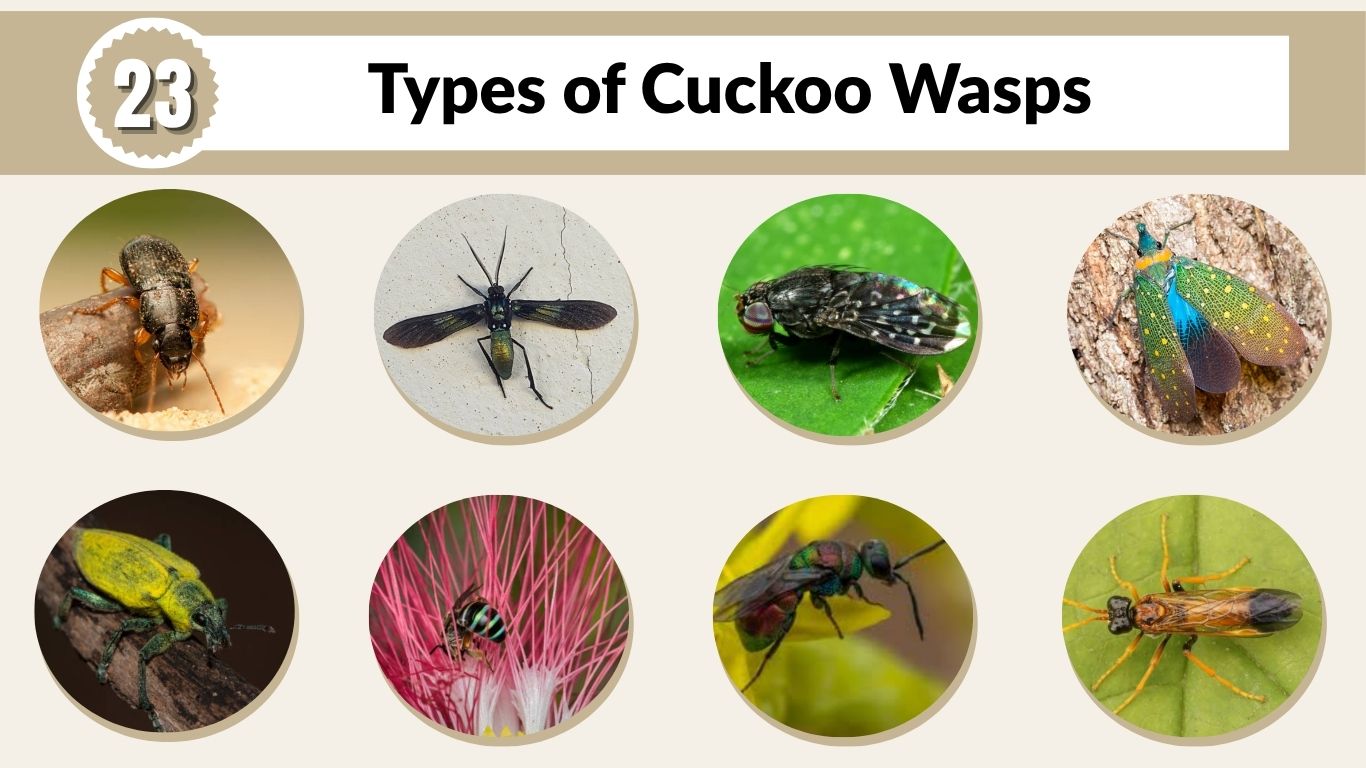
Cuckoo wasps are among the most colorful and fascinating insects in the world. Known for their brilliant metallic shades of green, blue, red, and gold, these tiny parasitic wasps belong to the Chrysididae family. Most species survive by laying eggs inside the nests of solitary bees and wasps, where their larvae develop using the host’s food supply or offspring. Despite their dazzling appearance, cuckoo wasps are harmless to humans and play an important role in natural ecosystems. These jewel-like insects can be found in gardens, grasslands, forests, and sandy habitats across many parts of the world.
1. Ruby-tailed Wasp
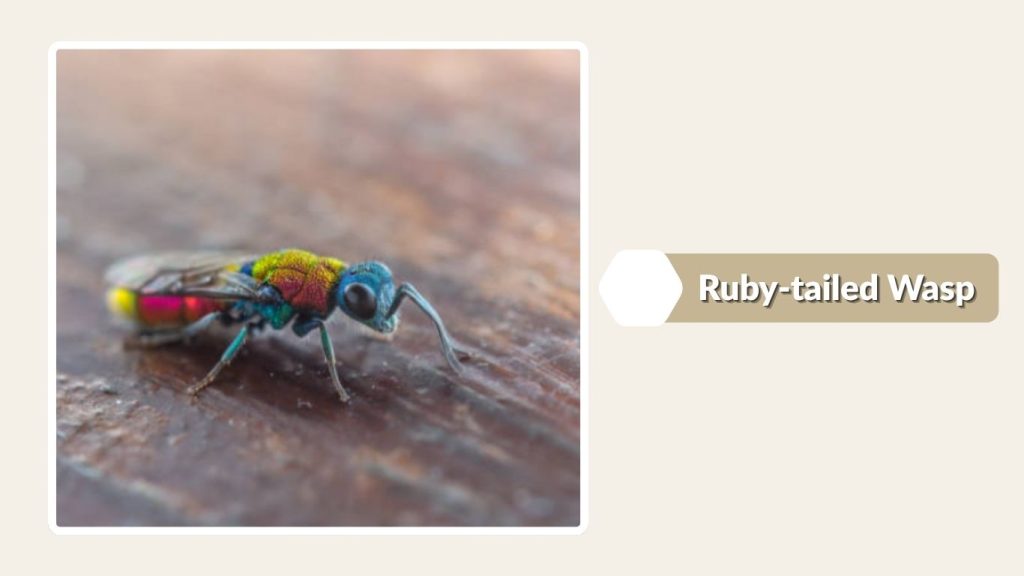
Ruby-tailed wasps are among the most colorful cuckoo wasps, recognized for their metallic red, green, and blue body shades. These tiny parasitic wasps are known for invading the nests of other solitary bees and wasps, where they lay their eggs. Their jewel-like appearance makes them one of the most visually striking insects in the wasp family.
Identification
- Metallic red, green, and blue body coloration
- Small body size, usually under 12 mm
- Hard, sculptured exoskeleton
- Rounded abdomen capable of curling inward
- Shiny, jewel-like appearance in sunlight
- Wings are transparent with slight brown tint
Habitat
Ruby-tailed wasps are commonly found in gardens, meadows, forests, and sandy areas where solitary bees and wasps build nests. They prefer warm and sunny environments with plenty of flowers and nesting sites for host insects.
Behavior
These wasps are kleptoparasites, meaning they depend on other insects to raise their young. Females secretly enter host nests and deposit eggs inside. The larvae later consume the host larva or its stored food supply.
Diet
Adult ruby-tailed wasps mainly feed on nectar from flowers. Their larvae survive by feeding on the developing larvae or food provisions found inside the host’s nest.
Distribution
Ruby-tailed wasps are widely distributed across Europe, Asia, Africa, and parts of North America. Different species within this group can adapt to various climates, from dry grasslands to woodland habitats.
2. Common Cuckoo Wasp
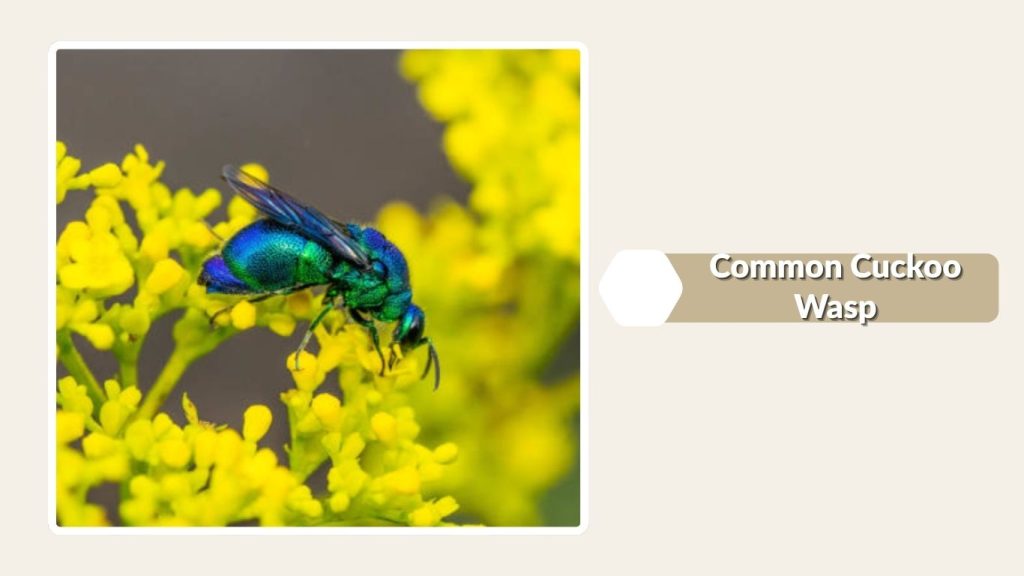
The Common Cuckoo Wasp is a brilliantly colored parasitic wasp famous for its metallic green, blue, and reddish body. It belongs to the Chrysididae family and is often seen flying around dead wood, walls, and sunny gardens searching for host nests. Despite its dazzling appearance, this wasp is harmless to humans.
Identification
- Metallic green or blue body with reddish abdominal segments
- Small size, usually 6–10 mm long
- Compact and heavily armored body
- Fine sculptured texture across the exoskeleton
- Transparent wings with brownish veins
- Capable of rolling into a ball when threatened
Habitat
Common Cuckoo Wasps prefer warm, dry habitats such as gardens, woodland edges, rocky areas, and old buildings. They are commonly found near nesting sites of solitary bees and wasps.
Behavior
Females sneak into the nests of other solitary insects to lay their eggs. Once the larvae hatch, they consume the host larva or its stored food. Adults are active during sunny weather and are often seen resting on wooden surfaces or flowers.
Diet
Adult Common Cuckoo Wasps feed mainly on flower nectar and sugary plant substances. Their larvae depend entirely on host nests for nourishment and development.
Distribution
This species is widely distributed across Europe and parts of Asia. It is especially common in temperate regions with abundant solitary bee and wasp populations.
3. Hedychrum rutilans
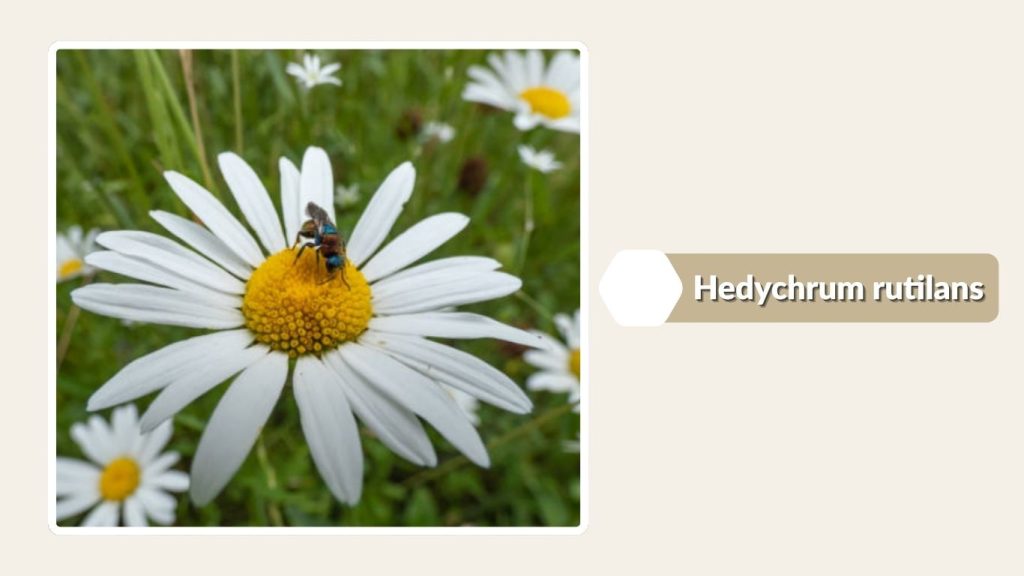
Hedychrum rutilans is a brightly colored cuckoo wasp species known for its metallic green and red body. Like other cuckoo wasps, it is a parasitic insect that relies on the nests of solitary wasps for reproduction. Its vivid coloration and reflective surface make it easy to notice in sunny habitats.
Identification
- Metallic green head and thorax
- Bright red or copper-colored abdomen
- Small and compact body structure
- Strong, armored exoskeleton
- Transparent wings with delicate veins
- Body length typically around 5–10 mm
Habitat
This species is commonly found in dry grasslands, sandy habitats, woodland edges, and flower-rich meadows. It prefers areas where solitary wasps are active and nesting.
Behavior
Females invade the nests of host wasps to lay their eggs. The larvae later feed on the host offspring or food supplies inside the nest. Adults are fast-moving and frequently visit flowers during warm daylight hours.
Diet
Adult Hedychrum rutilans feed mainly on nectar and sugary plant secretions. The larvae survive as parasites within the nests of solitary wasps.
Distribution
Hedychrum rutilans is widely distributed across Europe, North Africa, and parts of Asia. It is most often observed in warm regions with sandy or open habitats.
4. Chrysis ignita
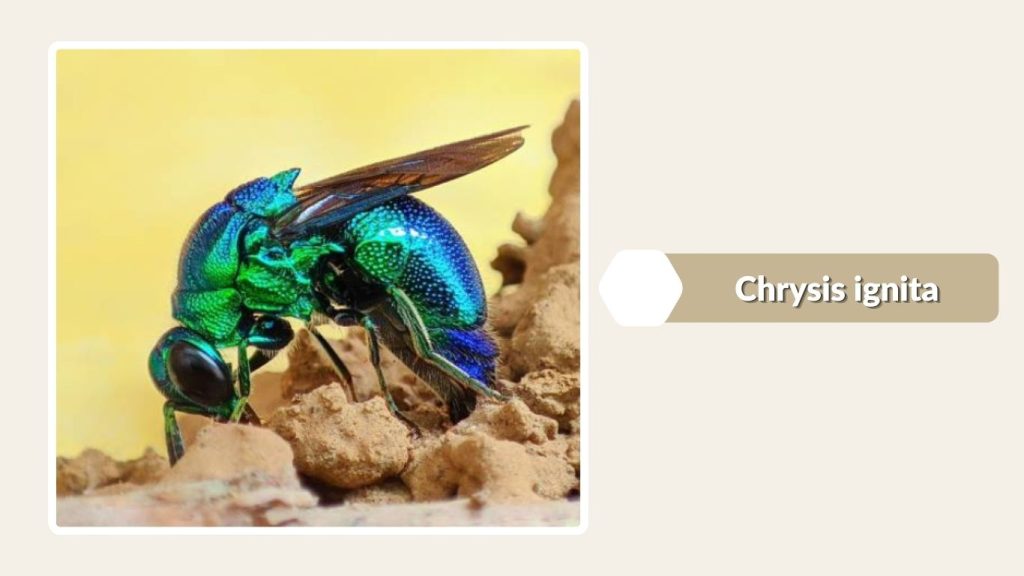
Chrysis ignita is one of the best-known cuckoo wasp species, admired for its brilliant metallic coloration and jewel-like shine. This tiny parasitic wasp commonly targets solitary bees and wasps, placing its eggs inside their nests. It is harmless to humans and frequently appears in sunny gardens, woodland edges, and areas with abundant nesting insects during warmer months.
Identification
- Metallic blue-green thorax
- Bright red or crimson abdomen
- Small body measuring around 7–13 mm
- Thick armored exoskeleton
- Transparent wings with brown veins
- Finely sculptured body texture
Habitat
Chrysis ignita prefers warm and sunny environments with active solitary bee and wasp populations. It is commonly found near wooden fences, dead wood, stone walls, and flower-rich meadows. The species thrives in gardens, woodland edges, and open countryside where suitable host nests are available for reproduction and larval development.
Behavior
This species behaves as a nest parasite, secretly entering the nests of solitary bees and wasps to lay eggs. After hatching, the larvae consume the host larva or food supply. Adults are highly active in sunlight and often rest on warm surfaces while searching for nesting locations nearby.
Diet
Adult Chrysis ignita mainly feeds on flower nectar and sugary substances produced by plants. The larvae do not hunt independently because they survive inside host nests. They consume stored food or developing host larvae, allowing them to complete growth without building nests or gathering resources themselves naturally.
Distribution
Chrysis ignita is widely distributed across Europe and parts of Asia. It commonly occurs in temperate regions with suitable nesting habitats for solitary insects. The species adapts well to rural gardens, woodland margins, grasslands, and urban locations where old wood and nesting cavities remain available throughout seasons.
5. Chrysis fulgida
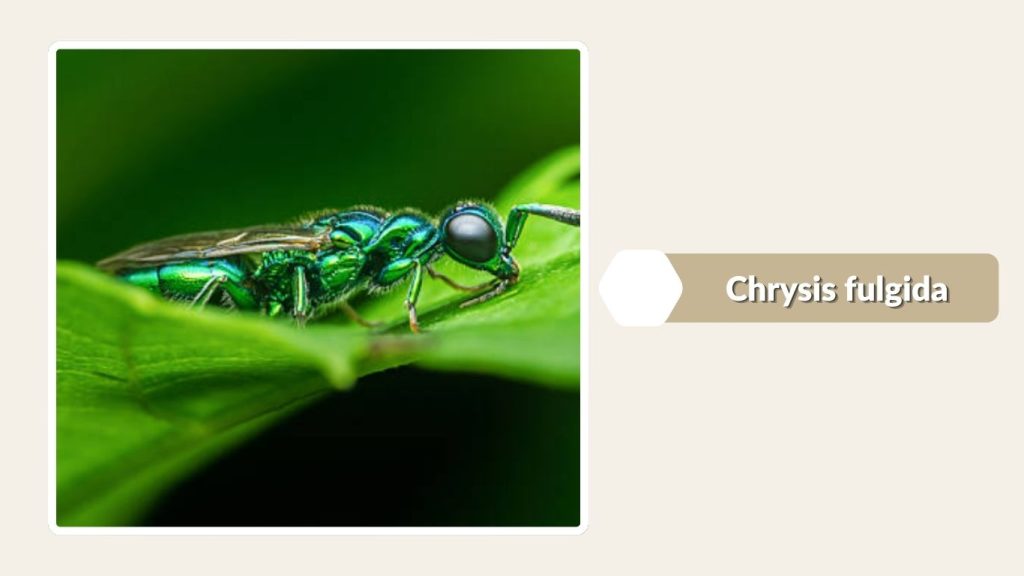
Chrysis fulgida is a striking cuckoo wasp species recognized for its vivid metallic body and smooth, reflective appearance. This parasitic wasp targets the nests of solitary wasps, where it lays eggs for its developing larvae. Its colorful body often flashes green, blue, and red shades under sunlight, making it one of the most attractive jewel wasps in nature.
Identification
- Metallic green and blue thorax
- Bright reddish or golden abdomen
- Small body length around 6–12 mm
- Hard, heavily armored exoskeleton
- Transparent wings with fine veins
- Glossy body with sculptured surface texture
Habitat
Chrysis fulgida commonly inhabits warm grasslands, woodland edges, sandy banks, and flower-filled gardens. It prefers sunny habitats where solitary wasps build nests in wood, soil, or stone crevices. Areas with abundant flowering plants and exposed surfaces provide ideal conditions for feeding, mating, and locating suitable host nesting sites nearby.
Behavior
This species behaves as a brood parasite by entering host nests unnoticed and depositing eggs inside. After hatching, the larvae consume host larvae or food reserves. Adults are active during sunny daytime conditions and often move quickly across flowers, wooden surfaces, and walls while searching for nesting opportunities nearby.
Diet
Adult Chrysis fulgida feeds mainly on nectar and sweet plant secretions collected from flowers. The larvae depend entirely on host nests for nourishment and development. They survive by feeding on the stored provisions or immature host insects found within the nests after successful parasitism occurs naturally.
Distribution
Chrysis fulgida is distributed throughout many parts of Europe and Asia, especially in temperate climates. It occurs in open habitats with active solitary wasp populations and suitable nesting areas. The species is regularly observed in gardens, meadows, forests, and rural environments during warmer months of the year.
6. Chrysis angustula
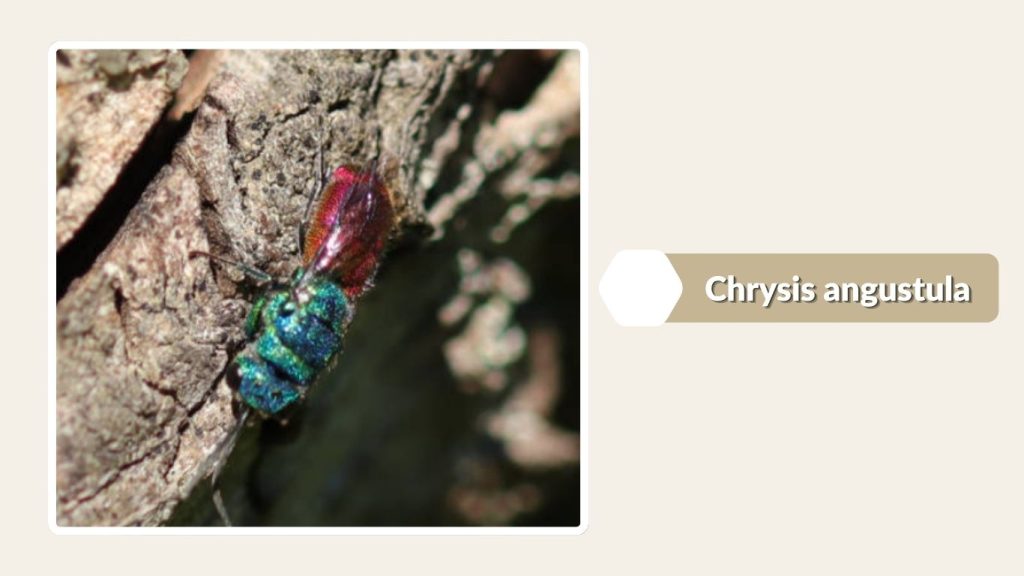
Chrysis angustula is a small but brilliantly colored cuckoo wasp known for its metallic green and reddish body. Like many members of the Chrysididae family, it survives as a parasite within the nests of solitary bees and wasps. Its compact size, reflective coloration, and quick movements make it difficult to notice despite its beautiful jewel-like appearance in natural habitats.
Identification
- Metallic green or bluish thorax
- Reddish or copper-colored abdomen
- Small body measuring about 5–9 mm
- Thick protective exoskeleton
- Transparent wings with delicate veins
- Fine punctured texture across the body
Habitat
Chrysis angustula commonly lives in sunny woodland edges, gardens, grasslands, and sandy habitats. It prefers locations where solitary bees and wasps create nests in soil, dead wood, or cracks in walls. Warm environments with flowering plants and exposed nesting surfaces provide suitable conditions for feeding and successful reproduction activities.
Behavior
This species acts as a brood parasite by entering host nests and laying eggs secretly inside them. After hatching, the larvae consume the host offspring or food supplies stored within the nest. Adults are active in bright sunlight and often move rapidly across flowers, wood, and stone surfaces during the day.
Diet
Adult Chrysis angustula mainly feeds on nectar collected from flowers and other sweet plant substances. The larvae depend entirely on host nests for nourishment. They survive by consuming stored food provisions or immature host insects, allowing them to complete development without constructing nests or gathering resources independently.
Distribution
Chrysis angustula occurs across several parts of Europe and Asia, mainly in temperate regions with warm weather conditions. It is often found in meadows, woodland margins, gardens, and rural habitats where solitary bees and wasps are abundant and suitable nesting sites remain available throughout the active season.
7. Chrysis viridula
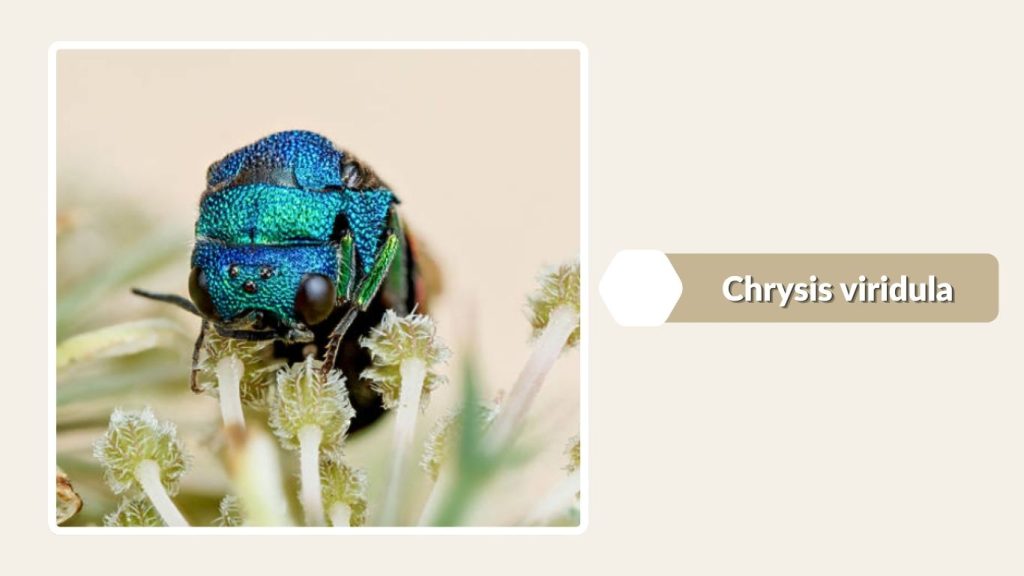
Chrysis viridula is a colorful cuckoo wasp species admired for its metallic green and red body coloration. This tiny parasitic insect depends on solitary wasps for reproduction, placing its eggs inside their nests. Its hardened exoskeleton provides protection against host attacks, while its reflective jewel-like appearance makes it one of the most fascinating wasps found in sunny natural environments.
Identification
- Metallic green or blue-green thorax
- Bright red or copper abdomen
- Body length around 6–10 mm
- Thick armored body structure
- Transparent wings with visible veins
- Finely textured and shiny exoskeleton
Habitat
Chrysis viridula prefers warm and dry habitats such as gardens, meadows, woodland edges, and sandy landscapes. It commonly appears in areas where solitary wasps nest in soil, wood, or wall crevices. Flower-rich environments and sunny surfaces provide suitable locations for feeding, mating, and locating active host nests nearby.
Behavior
This species behaves as a brood parasite, entering the nests of solitary wasps to deposit eggs. Once hatched, the larvae feed on host larvae or stored provisions inside the nest. Adults are highly active during warm daylight hours and are frequently seen moving across flowers, wood, and exposed stones in search of hosts.
Diet
Adult Chrysis viridula feeds mainly on nectar and sugary plant secretions gathered from flowers. The larvae rely completely on resources inside host nests for survival. They consume stored food supplies or developing host insects, enabling them to mature successfully without building nests or collecting food on their own naturally.
Distribution
Chrysis viridula is widely distributed across Europe and parts of Asia, especially in temperate climates. It thrives in open habitats with healthy populations of solitary wasps. The species is commonly recorded in rural gardens, grasslands, woodland margins, and warm countryside environments during the active months of spring and summer.
8. Chrysis cyanea
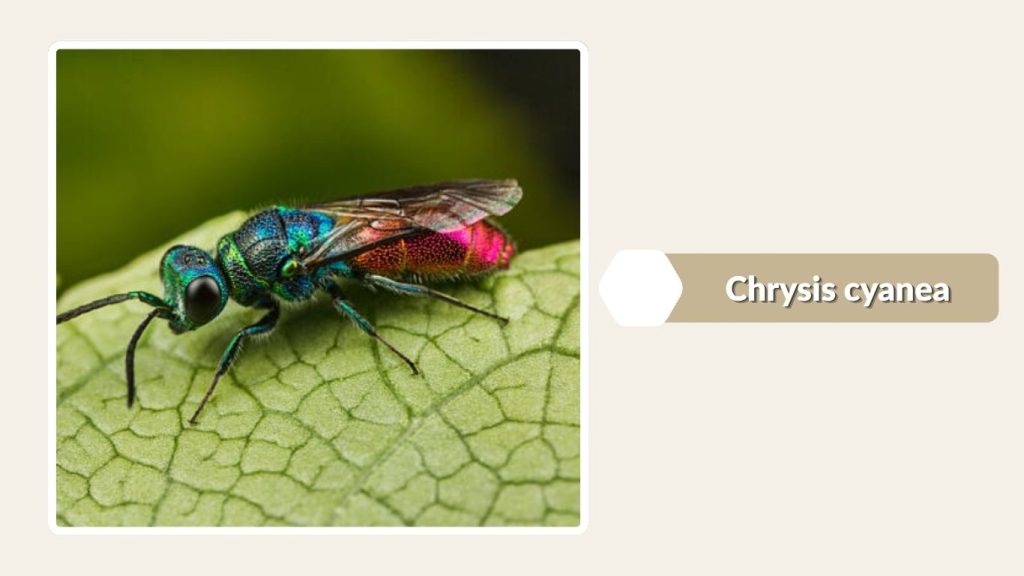
Chrysis cyanea is a brilliantly colored cuckoo wasp species recognized for its deep metallic blue and green body. This parasitic insect belongs to the jewel wasp family and relies on solitary wasps for reproduction. Its smooth reflective surface, compact shape, and armored body help protect it while invading host nests in warm outdoor environments during active seasons.
Identification
- Metallic blue or blue-green body coloration
- Small body measuring around 6–10 mm
- Strong armored exoskeleton
- Transparent wings with dark veins
- Rounded abdomen with sculptured texture
- Bright reflective shine under sunlight
Habitat
Chrysis cyanea commonly inhabits gardens, woodland edges, meadows, and dry open landscapes. It prefers warm habitats where solitary wasps create nests in wood, walls, or soil. Areas with abundant flowers and exposed sunny surfaces provide ideal conditions for feeding, mating, and searching for suitable host nests nearby naturally.
Behavior
This species acts as a brood parasite by secretly laying eggs inside the nests of solitary wasps. After hatching, the larvae consume host larvae or stored food reserves. Adults are active during sunny weather and frequently move across flowers, fences, stones, and wooden structures while searching for reproductive opportunities.
Diet
Adult Chrysis cyanea feeds primarily on flower nectar and sugary plant secretions available in natural habitats. The larvae survive entirely within host nests, consuming stored food provisions or immature host insects. This parasitic lifestyle allows them to complete development without building nests or gathering food independently in the environment.
Distribution
Chrysis cyanea is distributed throughout Europe and parts of Asia, especially within temperate regions. It commonly occurs in grasslands, woodland margins, gardens, and rural landscapes where solitary wasps are abundant. The species is most active during warm spring and summer months when host nesting activity reaches peak levels.
9. Chrysura hirsuta
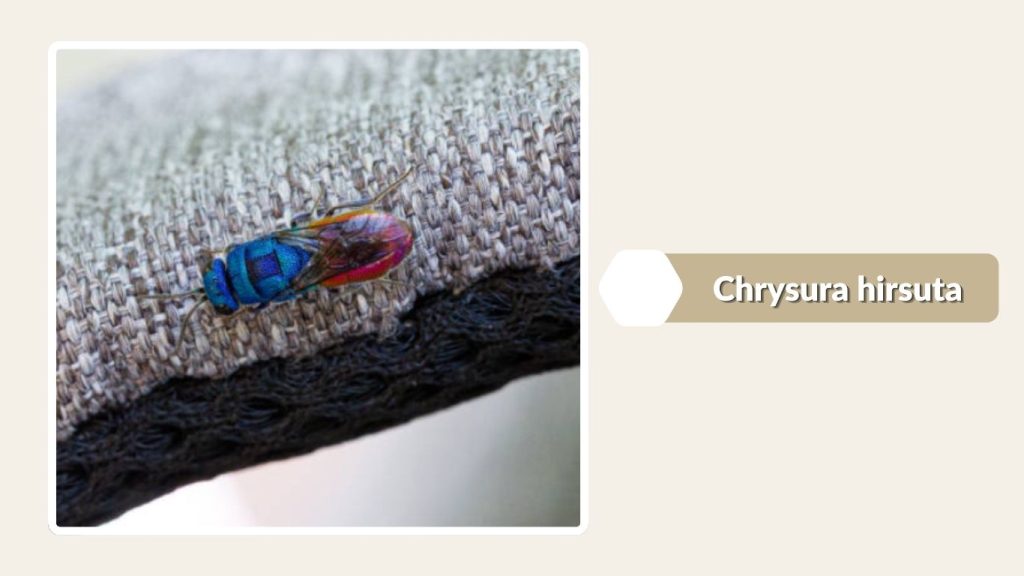
Chrysura hirsuta is a distinctive cuckoo wasp species known for its metallic body colors and slightly hairy appearance compared to many other jewel wasps. This parasitic insect invades the nests of solitary bees and wasps to reproduce successfully. Its reflective green, blue, and reddish shades make it highly noticeable in sunlight across warm natural habitats and flowering environments.
Identification
- Metallic green and blue body coloration
- Reddish or golden abdominal segments
- Slightly hairy body surface
- Small size around 6–11 mm
- Thick protective exoskeleton
- Transparent wings with visible veins
Habitat
Chrysura hirsuta prefers sunny habitats such as woodland edges, flower-rich meadows, dry grasslands, and gardens. It is commonly associated with areas containing solitary bee and wasp nests in wood, soil, or wall crevices. Warm conditions and abundant flowering plants provide ideal environments for feeding and reproductive activity naturally.
Behavior
This species behaves as a brood parasite by entering host nests and laying eggs inside unnoticed. The larvae later consume the host offspring or stored food provisions. Adults are active during daylight hours and often rest on flowers, stones, or wooden surfaces while searching for suitable nesting sites nearby.
Diet
Adult Chrysura hirsuta feeds mainly on nectar and sugary substances collected from flowering plants. The larvae depend entirely on host nests for nourishment and development. They consume stored food supplies or developing host larvae, allowing successful growth without building nests or collecting food resources independently within the environment.
Distribution
Chrysura hirsuta is distributed across many parts of Europe and Asia, especially in temperate climates with warm seasonal conditions. It commonly occurs in meadows, gardens, woodland margins, and rural landscapes where solitary bees and wasps are abundant and suitable nesting habitats remain available throughout the active months.
10. Chrysura radians
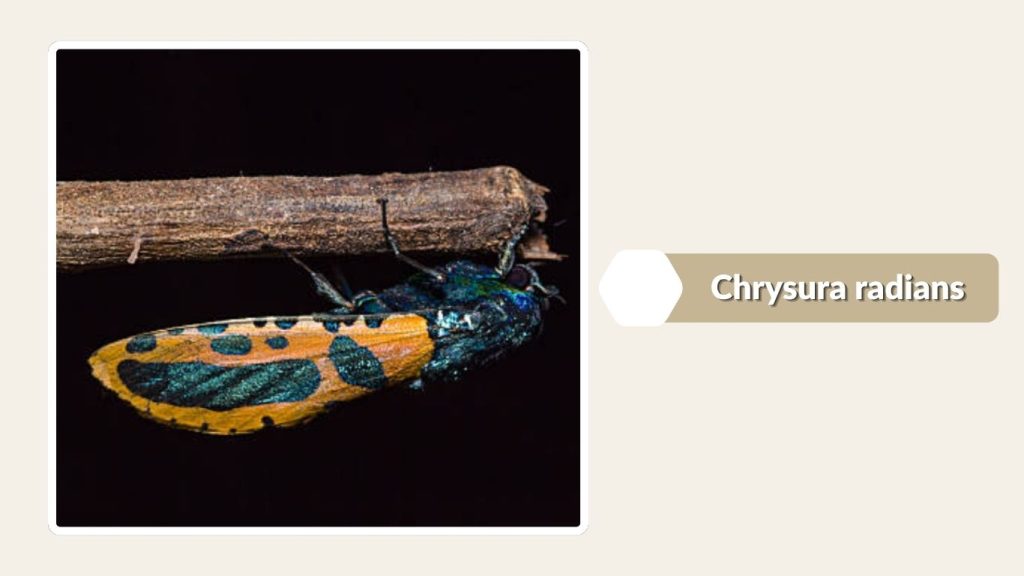
Chrysura radians is a brilliantly colored cuckoo wasp species admired for its metallic green, blue, and reddish body tones. This jewel-like parasitic wasp depends on solitary bees and wasps for reproduction, placing its eggs within their nests. Its reflective appearance and armored body help it survive in warm outdoor habitats filled with flowering plants and active host insects nearby.
Identification
- Metallic green and blue thorax
- Reddish or copper-colored abdomen
- Small body length around 5–10 mm
- Strong armored exoskeleton
- Transparent wings with dark veins
- Bright reflective shine in sunlight
Habitat
Chrysura radians commonly inhabits warm meadows, woodland edges, gardens, and dry grasslands. It prefers sunny locations where solitary bees and wasps build nests in soil, dead wood, or cracks in walls. Flower-rich environments provide ideal conditions for feeding, resting, and locating suitable host nests for reproduction activities.
Behavior
This species acts as a brood parasite by secretly depositing eggs inside host nests. After hatching, the larvae consume host offspring or food supplies stored within the nest. Adults remain highly active during sunny weather and are often observed moving quickly across flowers, stones, and wooden structures in search of hosts.
Diet
Adult Chrysura radians mainly feeds on flower nectar and sugary plant secretions found in natural habitats. The larvae rely entirely on nourishment available within host nests, consuming stored provisions or immature host insects. This parasitic lifestyle removes the need to construct nests or gather food independently during development stages.
Distribution
Chrysura radians is found across various parts of Europe and Asia, particularly in temperate regions with warm seasonal climates. It commonly occurs in gardens, woodland margins, open countryside, and grasslands where solitary bees and wasps are abundant and suitable nesting habitats remain available throughout spring and summer months.
11. Parnopes grandior
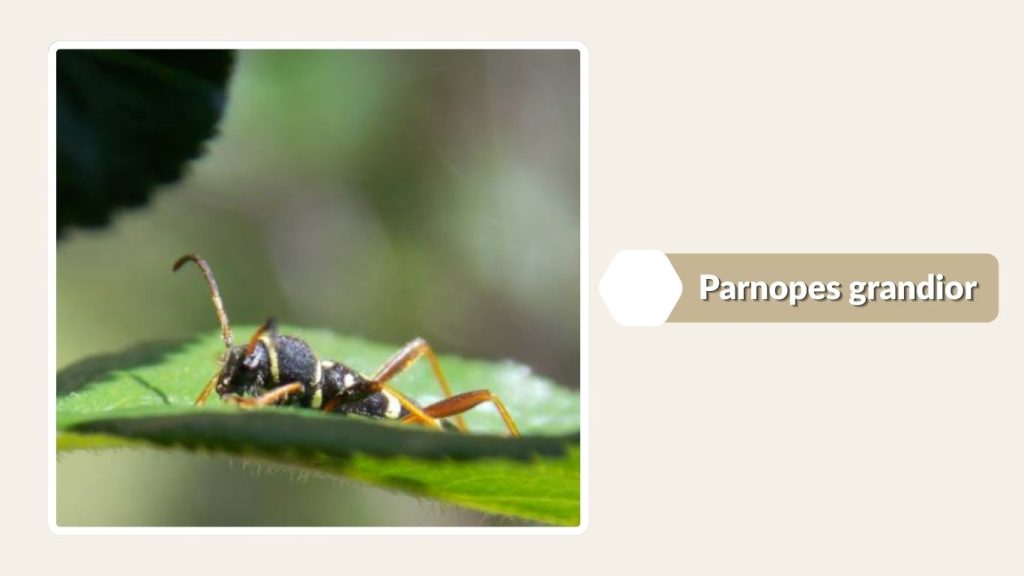
Parnopes grandior is one of the largest and most striking cuckoo wasp species, easily recognized by its metallic blue-green body and reddish abdomen. This parasitic jewel wasp targets burrowing solitary wasps for reproduction. Its large size, vivid coloration, and fast movements make it a remarkable insect commonly seen in warm sandy habitats during sunny summer months.
Identification
- Metallic blue-green thorax
- Bright reddish abdomen with black markings
- Larger size than most cuckoo wasps
- Body length around 8–14 mm
- Thick armored exoskeleton
- Transparent wings with brownish veins
Habitat
Parnopes grandior mainly inhabits warm sandy areas, dry grasslands, dunes, and open countryside habitats. It prefers locations where solitary digger wasps create underground nests. Sunny environments with loose soil and flowering plants provide suitable conditions for feeding, mating, and searching for active host nests during reproductive periods naturally.
Behavior
This species behaves as a brood parasite by entering the nests of solitary digger wasps and laying eggs inside. The larvae later consume the host larva or stored provisions. Adults are active during bright sunny weather and often fly rapidly over sandy ground while searching for suitable nesting sites nearby.
Diet
Adult Parnopes grandior feeds mainly on flower nectar and sweet plant substances found in open habitats. The larvae survive entirely within host nests, feeding on stored food supplies or developing host larvae. This parasitic reproductive strategy allows them to complete development without building nests or collecting resources independently.
Distribution
Parnopes grandior is widely distributed across Europe, North Africa, and parts of Asia. It is especially common in warm temperate regions with sandy or dry habitats supporting solitary digger wasps. The species is most active during spring and summer when host insects are actively nesting in exposed ground areas.
12. Hedychridium roseum
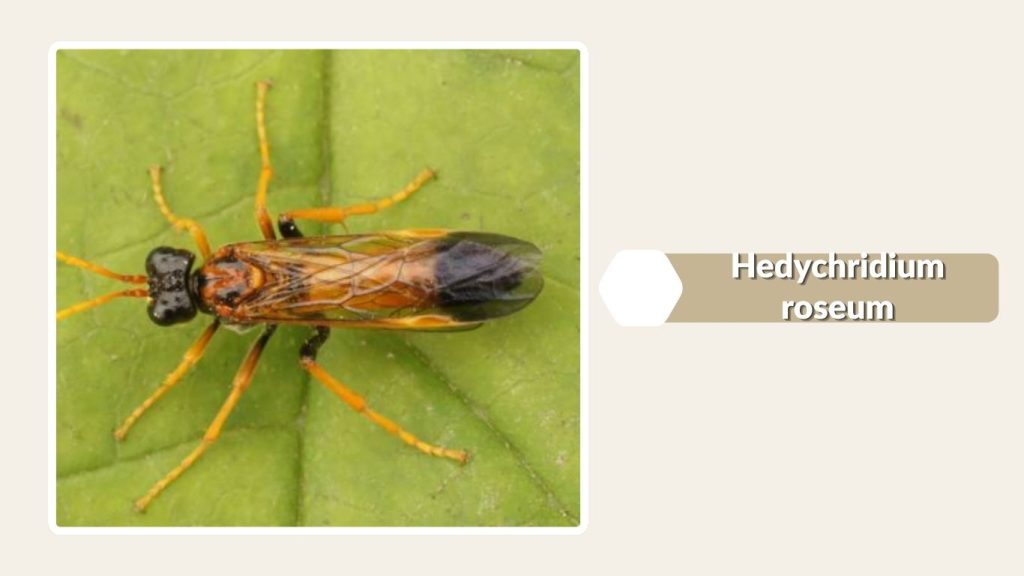
Hedychridium roseum is a small and brightly colored cuckoo wasp species known for its metallic green, blue, and rosy-red body shades. This jewel-like parasitic insect depends on solitary wasps for reproduction by laying eggs inside their nests. Its compact body, reflective appearance, and fast movements make it a fascinating species commonly observed in warm sunny habitats.
Identification
- Metallic green or blue thorax
- Rosy-red or copper abdomen
- Small body size around 4–8 mm
- Thick and armored exoskeleton
- Transparent wings with fine veins
- Bright reflective shine in sunlight
Habitat
Hedychridium roseum commonly lives in dry grasslands, sandy areas, woodland edges, and gardens. It prefers warm habitats where solitary wasps create nests in soil, wood, or stone crevices. Flower-rich environments with exposed sunny surfaces provide ideal conditions for feeding, mating, and locating suitable host nests throughout active seasons naturally.
Behavior
This species acts as a brood parasite by secretly laying eggs inside the nests of solitary wasps. After hatching, the larvae feed on host offspring or stored provisions within the nest. Adults are highly active during warm daylight hours and frequently move across flowers, walls, stones, and wooden surfaces while searching for hosts.
Diet
Adult Hedychridium roseum mainly feeds on nectar and sugary plant secretions gathered from flowers. The larvae survive entirely inside host nests, consuming stored food or immature host insects. This parasitic lifestyle enables successful growth and development without constructing nests or collecting food independently in natural environments during maturity stages.
Distribution
Hedychridium roseum is distributed across Europe, Asia, and parts of North Africa, especially within temperate regions. It commonly occurs in meadows, gardens, dry countryside habitats, and woodland margins where solitary wasps remain abundant. The species is most active during spring and summer when host nesting activity reaches seasonal peak levels.
13. Hedychridium ardens
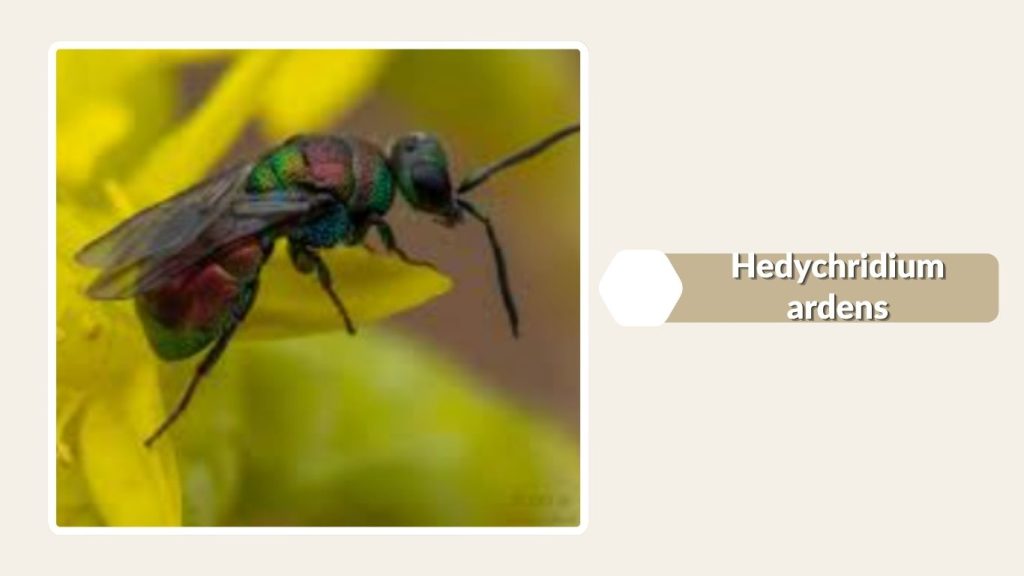
Hedychridium ardens is a brilliantly colored cuckoo wasp species admired for its metallic green, blue, and fiery red body tones. This small parasitic wasp relies on solitary wasps for reproduction, placing eggs within their nests. Its reflective jewel-like appearance and armored body help protect it while moving through sunny habitats filled with active host insects and flowering plants.
Identification
- Metallic green or blue thorax
- Bright fiery red abdomen
- Small body measuring around 4–8 mm
- Thick armored exoskeleton
- Transparent wings with delicate veins
- Highly reflective body surface
Habitat
Hedychridium ardens commonly inhabits dry grasslands, sandy landscapes, gardens, and woodland edges. It prefers warm sunny environments where solitary wasps build nests in exposed soil, dead wood, or stone crevices. Flowering plants and open habitats provide suitable conditions for feeding, mating, and locating active host nests during reproductive periods naturally.
Behavior
This species behaves as a brood parasite by entering host nests and laying eggs secretly inside them. The larvae later consume host offspring or stored provisions found within the nest. Adults remain highly active during sunny weather and often move rapidly across flowers, rocks, walls, and wooden surfaces while searching for hosts.
Diet
Adult Hedychridium ardens mainly feeds on flower nectar and sweet plant secretions collected from natural habitats. The larvae depend entirely on nourishment inside host nests, consuming stored food supplies or immature host insects. This parasitic strategy allows successful development without the need to build nests or gather food resources independently.
Distribution
Hedychridium ardens is distributed across Europe and parts of Asia, especially in temperate climates with warm seasonal conditions. It commonly occurs in meadows, dry countryside habitats, gardens, and woodland margins where solitary wasps are abundant and suitable nesting sites remain available throughout the active spring and summer months.
14. Hedychrum niemelai
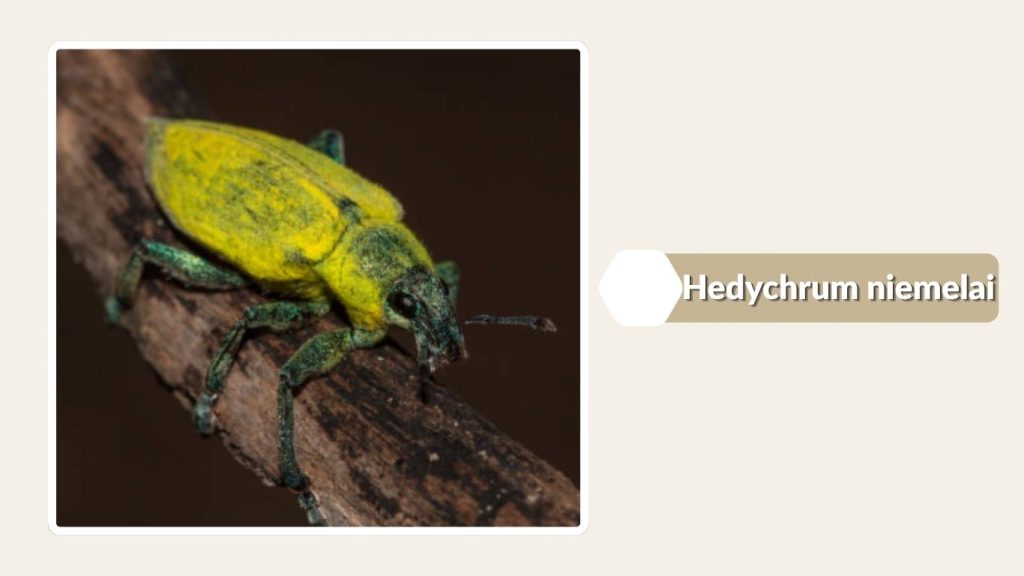
Hedychrum niemelai is a colorful cuckoo wasp species recognized for its metallic green and reddish body coloration. Like other jewel wasps, it survives as a parasite by laying eggs inside the nests of solitary wasps. Its compact armored body and reflective surface help it remain protected while moving through warm habitats filled with flowers and active host insects.
Identification
- Metallic green or blue-green thorax
- Reddish or copper-colored abdomen
- Small compact body structure
- Thick protective exoskeleton
- Transparent wings with visible veins
- Bright reflective metallic appearance
Habitat
Hedychrum niemelai commonly inhabits dry grasslands, sandy areas, woodland margins, and gardens. It prefers warm sunny habitats where solitary wasps build nests in soil, wood, or wall crevices. Open environments with flowering plants and exposed surfaces provide ideal conditions for feeding, mating, and locating suitable host nesting areas nearby naturally.
Behavior
This species acts as a brood parasite by entering host nests and depositing eggs secretly inside. After hatching, the larvae feed on host larvae or stored food provisions within the nest. Adults remain active during sunny daylight hours and frequently move across flowers, stones, fences, and wooden structures while searching for hosts.
Diet
Adult Hedychrum niemelai feeds mainly on nectar and sugary plant secretions available from flowers. The larvae depend entirely on resources found inside host nests, consuming stored food or immature host insects. This parasitic lifestyle allows them to complete development successfully without constructing nests or gathering food independently in natural environments.
Distribution
Hedychrum niemelai is found across several parts of Europe and Asia, especially within warm temperate regions. It commonly occurs in meadows, countryside habitats, woodland edges, and gardens where solitary wasps remain abundant. The species is most active during spring and summer when host nesting activity is at its highest levels.
15. Stilbum cyanurum
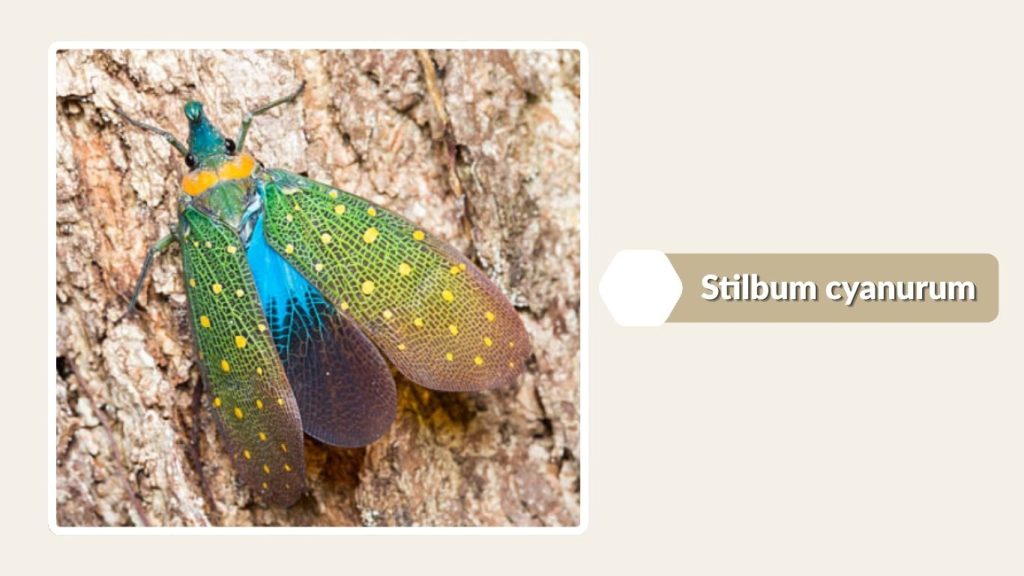
Stilbum cyanurum is a dazzling cuckoo wasp species famous for its intense metallic blue-green body and jewel-like shine. This parasitic wasp targets the nests of solitary wasps and bees, where it lays eggs for larval development. Its smooth reflective body, fast flight, and vivid coloration make it one of the most visually impressive members of the cuckoo wasp family.
Identification
- Metallic blue-green body coloration
- Bright reflective exoskeleton
- Small body length around 8–12 mm
- Thick armored body structure
- Transparent wings with brownish veins
- Smooth and glossy body surface
Habitat
Stilbum cyanurum commonly inhabits warm dry regions, sandy landscapes, gardens, grasslands, and woodland edges. It prefers sunny habitats where solitary bees and wasps create nests in soil, wood, or cracks within rocks and walls. Flower-rich environments provide excellent conditions for feeding, mating, and locating active host nests naturally.
Behavior
This species behaves as a brood parasite by secretly entering host nests and depositing eggs inside them. Once the larvae hatch, they consume the host offspring or stored food supplies. Adults are active during warm sunny weather and frequently fly rapidly across flowers, stones, and wooden surfaces while searching for nesting opportunities nearby.
Diet
Adult Stilbum cyanurum mainly feeds on flower nectar and sugary plant secretions found in natural habitats. The larvae depend entirely on nourishment within host nests, consuming stored provisions or immature host insects. This parasitic reproductive strategy allows them to develop successfully without building nests or collecting food independently during growth stages.
Distribution
Stilbum cyanurum is widely distributed across Africa, southern Europe, the Middle East, and parts of Asia. It is especially common in warm and arid climates supporting large populations of solitary bees and wasps. The species is most active during spring and summer in sunny open habitats with abundant flowering vegetation.
16. Stilbum splendidum
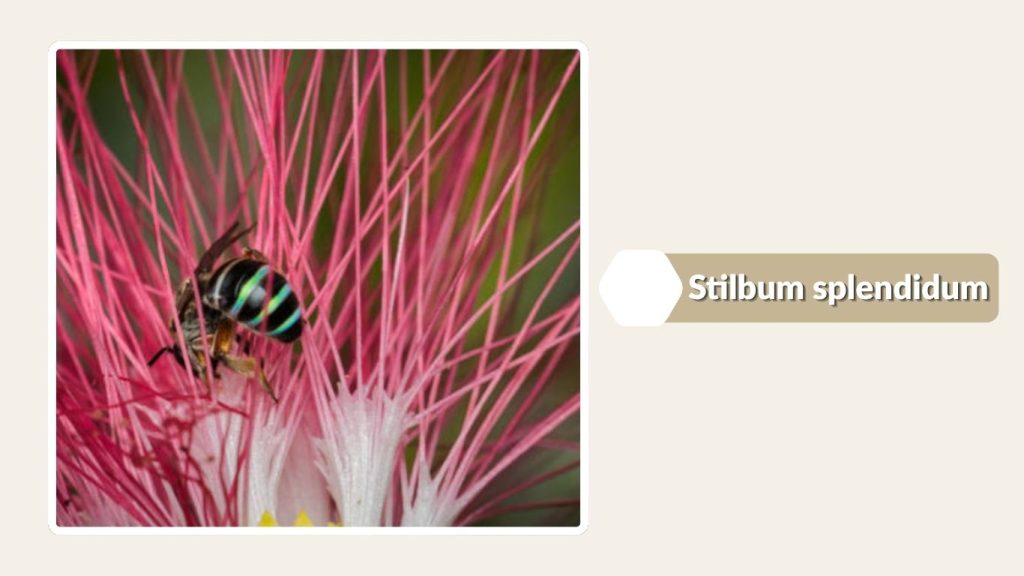
Stilbum splendidum is a brilliantly colored cuckoo wasp admired for its shimmering metallic body and jewel-like appearance. This parasitic insect lays eggs inside the nests of solitary bees and wasps, where its larvae later develop. Its vivid blue-green coloration, smooth reflective body, and quick flight make it one of the most beautiful cuckoo wasps found in warm natural habitats.
Identification
- Metallic blue-green body coloration
- Bright reflective and glossy surface
- Small body measuring around 8–13 mm
- Thick armored exoskeleton
- Transparent wings with visible veins
- Rounded abdomen with smooth texture
Habitat
Stilbum splendidum commonly inhabits warm dry habitats such as grasslands, deserts, woodland edges, and gardens. It prefers sunny areas where solitary bees and wasps build nests in soil, wood, or wall crevices. Flower-rich environments provide ideal conditions for feeding, mating, and searching for suitable host nests throughout active seasons naturally.
Behavior
This species behaves as a brood parasite by entering host nests unnoticed and depositing eggs inside them. After hatching, the larvae consume host larvae or stored food provisions. Adults remain highly active during sunny weather and are often observed flying rapidly across flowers, stones, and exposed surfaces while searching for hosts nearby.
Diet
Adult Stilbum splendidum feeds mainly on nectar and sugary plant secretions gathered from flowering plants. The larvae depend entirely on nourishment found inside host nests, consuming stored food or immature host insects. This parasitic lifestyle enables them to complete development successfully without constructing nests or collecting resources independently during maturity stages.
Distribution
Stilbum splendidum is distributed across Africa, southern Europe, the Middle East, and parts of Asia. It thrives in warm climates with abundant solitary bee and wasp populations. The species is commonly found in open sunny landscapes, rural gardens, dry countryside habitats, and desert-edge environments during spring and summer months.
17. Euchroeus purpuratus
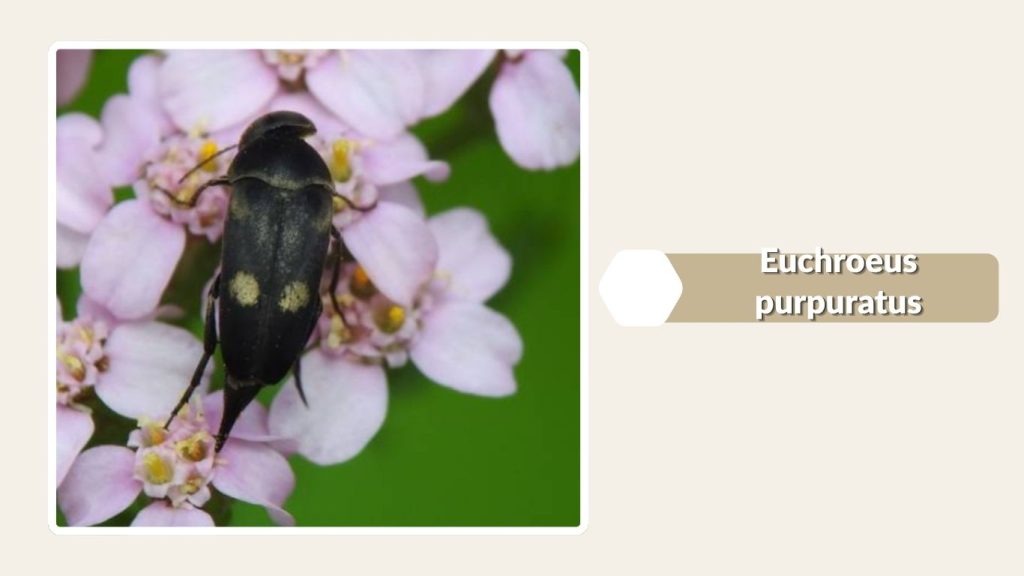
Euchroeus purpuratus is a striking cuckoo wasp species recognized for its vivid metallic purple, blue, and green coloration. This parasitic jewel wasp depends on solitary bees and wasps for reproduction by laying eggs inside their nests. Its reflective body, compact structure, and fast movements help it survive in sunny habitats rich with flowering plants and active host insects.
Identification
- Metallic purple and blue body coloration
- Green reflective highlights on thorax
- Small body length around 7–12 mm
- Thick armored exoskeleton
- Transparent wings with dark veins
- Smooth shiny body texture
Habitat
Euchroeus purpuratus commonly inhabits warm grasslands, woodland edges, gardens, and sandy countryside habitats. It prefers sunny environments where solitary bees and wasps build nests in soil, wood, or wall crevices. Areas filled with flowering plants provide suitable conditions for feeding, mating, and locating active host nests during seasonal reproductive activity naturally.
Behavior
This species acts as a brood parasite by secretly entering host nests and laying eggs inside them. After hatching, the larvae consume host larvae or stored food provisions within the nest. Adults remain active during warm sunny weather and frequently move across flowers, stones, fences, and wooden surfaces while searching for hosts nearby.
Diet
Adult Euchroeus purpuratus feeds mainly on nectar and sweet plant secretions collected from flowers. The larvae survive entirely within host nests by consuming stored food or immature host insects. This parasitic reproductive strategy allows successful development without the need to build nests or gather food resources independently in natural habitats.
Distribution
Euchroeus purpuratus is distributed across Europe, Asia, and parts of North Africa, especially within warm temperate regions. It commonly occurs in meadows, gardens, woodland margins, and open countryside habitats where solitary bees and wasps remain abundant and suitable nesting environments are available throughout spring and summer months.
18. Holopyga fervida
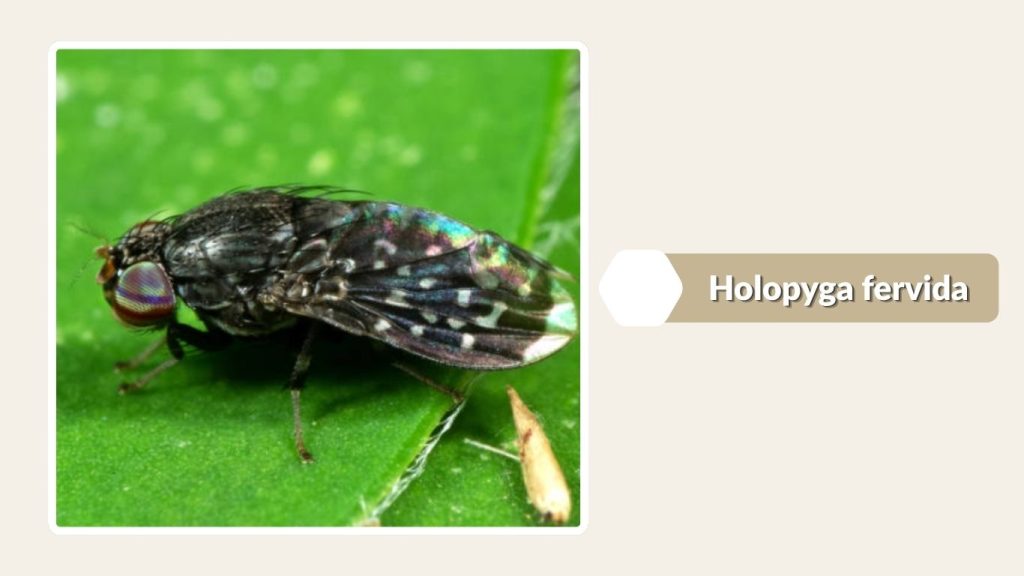
Holopyga fervida is a small and brilliantly colored cuckoo wasp species known for its metallic green, blue, and fiery red body shades. This parasitic jewel wasp relies on solitary bees and wasps for reproduction by laying eggs inside their nests. Its reflective appearance, compact structure, and armored body help it survive in warm sunny habitats with abundant host insects.
Identification
- Metallic green and blue thorax
- Bright reddish or copper abdomen
- Small body measuring around 4–9 mm
- Thick armored exoskeleton
- Transparent wings with fine veins
- Highly reflective metallic surface
Habitat
Holopyga fervida commonly inhabits warm grasslands, sandy habitats, woodland edges, and gardens. It prefers sunny locations where solitary bees and wasps create nests in soil, dead wood, or wall crevices. Flower-rich environments and exposed surfaces provide ideal conditions for feeding, mating, and locating suitable host nests during active reproductive periods naturally.
Behavior
This species behaves as a brood parasite by entering host nests secretly and laying eggs inside them. After hatching, the larvae consume the host offspring or stored food supplies. Adults remain highly active during warm sunny weather and often move rapidly across flowers, rocks, fences, and wooden structures while searching for hosts nearby.
Diet
Adult Holopyga fervida mainly feeds on nectar and sugary plant secretions gathered from flowering plants. The larvae depend entirely on nourishment available inside host nests, consuming stored provisions or immature host insects. This parasitic lifestyle allows successful development without constructing nests or collecting food resources independently during maturity stages naturally.
Distribution
Holopyga fervida is distributed across Europe, Asia, and parts of North Africa, especially in warm temperate climates. It commonly occurs in meadows, dry countryside habitats, gardens, and woodland margins where solitary bees and wasps remain abundant and suitable nesting environments are available throughout spring and summer seasons.
19. Holopyga generosa
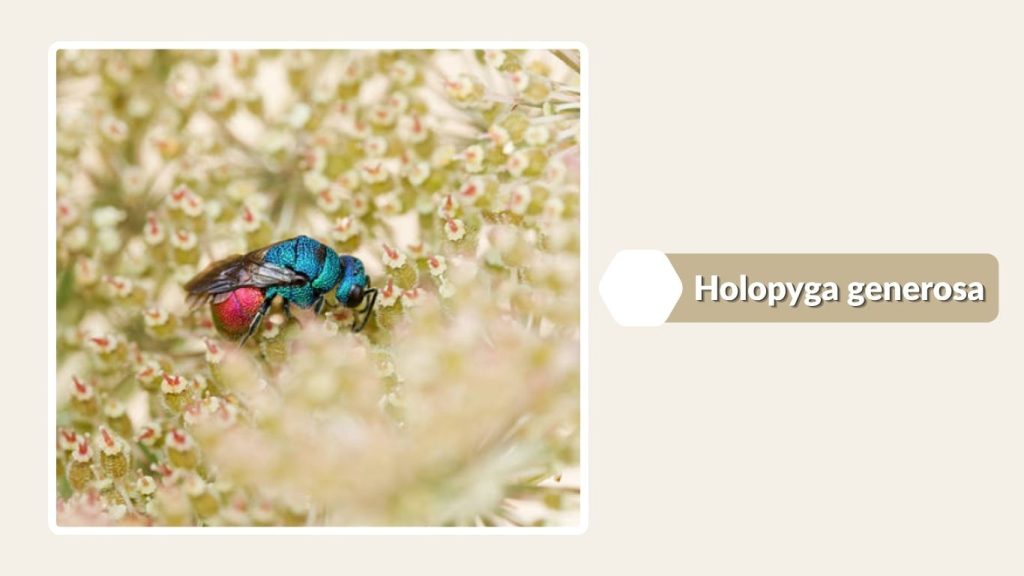
Holopyga generosa is a brightly colored cuckoo wasp species admired for its metallic green, blue, and reddish body tones. This parasitic jewel wasp survives by placing eggs inside the nests of solitary bees and wasps. Its reflective body surface, compact shape, and protective exoskeleton help it thrive in warm sunny habitats with active host insects nearby.
Identification
- Metallic green and blue body coloration
- Reddish or copper abdominal segments
- Small body length around 4–9 mm
- Thick armored exoskeleton
- Transparent wings with visible veins
- Smooth reflective metallic surface
Habitat
Holopyga generosa commonly inhabits warm grasslands, woodland margins, sandy habitats, and gardens. It prefers sunny areas where solitary bees and wasps create nests in exposed soil, wood, or stone crevices. Flower-rich environments provide excellent conditions for feeding, mating, and locating suitable host nests throughout the active reproductive season naturally.
Behavior
This species behaves as a brood parasite by secretly entering host nests and depositing eggs inside them. After hatching, the larvae feed on host larvae or stored food supplies. Adults are highly active during warm daylight hours and frequently move across flowers, rocks, wooden fences, and walls while searching for hosts nearby.
Diet
Adult Holopyga generosa mainly feeds on flower nectar and sugary plant secretions found in natural habitats. The larvae survive entirely within host nests, consuming stored provisions or immature host insects. This parasitic reproductive strategy allows them to complete development successfully without building nests or collecting food resources independently during growth stages.
Distribution
Holopyga generosa is distributed across parts of Europe and Asia, especially in warm temperate regions with abundant solitary bee and wasp populations. It commonly occurs in meadows, countryside habitats, gardens, and woodland edges where suitable nesting environments remain available throughout spring and summer months during seasonal activity periods.
20. Omalus aeneus
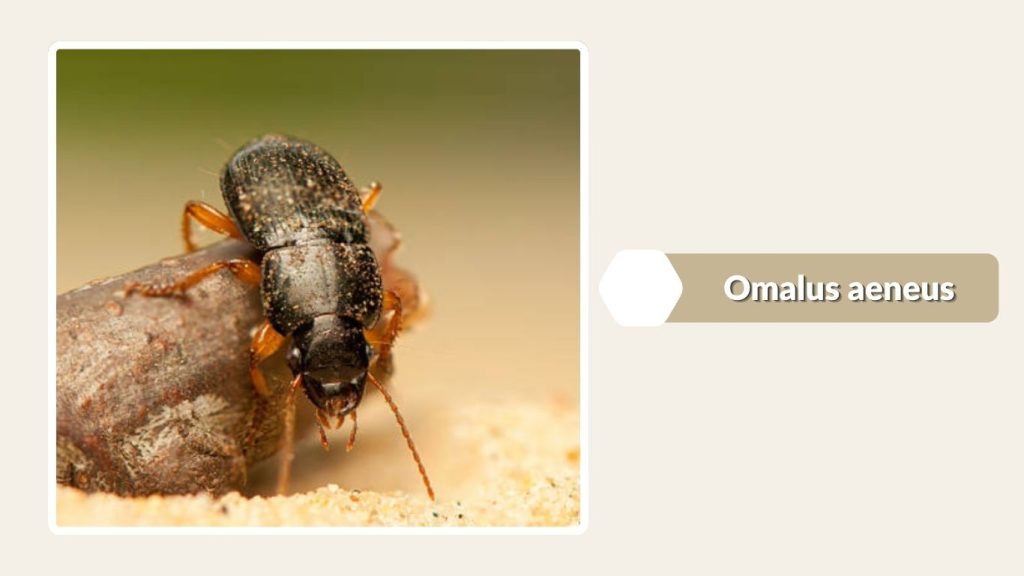
Omalus aeneus is a small metallic cuckoo wasp species recognized for its shining green and bronze body coloration. This parasitic insect depends on solitary wasps for reproduction, placing eggs inside their nests where the larvae later develop. Its compact size, reflective surface, and armored body help it survive in sunny habitats rich with flowering plants and host insects.
Identification
- Metallic green or bronze body coloration
- Small body measuring around 3–7 mm
- Thick armored exoskeleton
- Transparent wings with delicate veins
- Rounded abdomen with sculptured texture
- Bright reflective shine under sunlight
Habitat
Omalus aeneus commonly inhabits gardens, woodland edges, dry grasslands, and sandy environments. It prefers warm sunny areas where solitary wasps build nests in wood, soil, or wall crevices. Flower-rich habitats with exposed surfaces provide suitable conditions for feeding, mating, and locating active host nests throughout the reproductive season naturally.
Behavior
This species behaves as a brood parasite by secretly entering host nests and laying eggs inside them. After hatching, the larvae consume host larvae or stored food provisions. Adults remain active during sunny weather and often move across flowers, wooden structures, rocks, and walls while searching for suitable host nesting locations nearby.
Diet
Adult Omalus aeneus mainly feeds on nectar and sugary plant secretions gathered from flowering plants. The larvae survive entirely within host nests by consuming stored provisions or immature host insects. This parasitic reproductive strategy allows successful development without building nests or collecting food resources independently during growth and maturity stages naturally.
Distribution
Omalus aeneus is widely distributed across Europe, Asia, and parts of North Africa, especially in temperate climates. It commonly occurs in meadows, gardens, countryside habitats, and woodland margins where solitary wasps remain abundant and suitable nesting environments are available throughout the active spring and summer months annually.
21. Elampus bidens
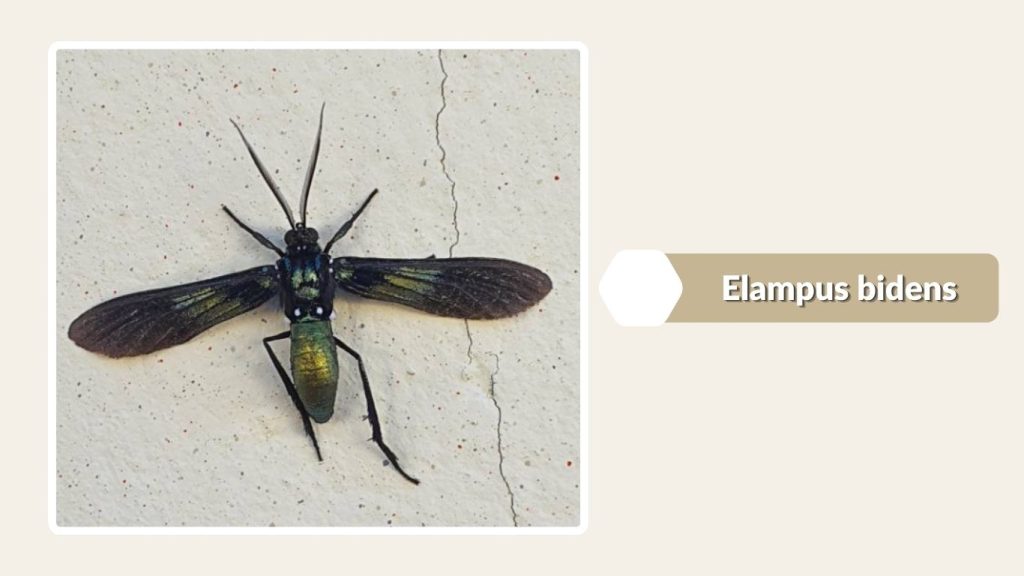
Elampus bidens is a small and colorful cuckoo wasp species known for its metallic green, blue, and reddish body tones. This parasitic jewel wasp survives by laying eggs inside the nests of solitary wasps, where its larvae later develop. Its armored exoskeleton, reflective appearance, and quick movements make it well adapted to warm sunny habitats with abundant host insects.
Identification
- Metallic green and blue body coloration
- Reddish or copper abdominal segments
- Small body length around 4–8 mm
- Thick protective exoskeleton
- Transparent wings with fine veins
- Distinct sculptured body texture
Habitat
Elampus bidens commonly inhabits dry grasslands, gardens, woodland edges, and sandy countryside habitats. It prefers sunny locations where solitary wasps create nests in exposed soil, wood, or wall crevices. Flower-rich environments provide excellent conditions for feeding, mating, and locating suitable host nests throughout active reproductive seasons naturally.
Behavior
This species acts as a brood parasite by entering host nests unnoticed and depositing eggs inside them. After hatching, the larvae feed on host larvae or stored food supplies within the nest. Adults remain active during warm daylight hours and frequently move across flowers, rocks, wooden fences, and sunny walls while searching for hosts.
Diet
Adult Elampus bidens mainly feeds on nectar and sugary plant secretions gathered from flowers. The larvae depend entirely on nourishment found inside host nests, consuming stored food provisions or immature host insects. This parasitic reproductive strategy allows successful development without constructing nests or collecting resources independently during maturity stages naturally.
Distribution
Elampus bidens is distributed across Europe and parts of Asia, particularly in warm temperate regions. It commonly occurs in meadows, countryside habitats, gardens, and woodland margins where solitary wasps remain abundant and suitable nesting sites are available throughout spring and summer when reproductive activity reaches peak seasonal levels.
22. Trichrysis cyanea
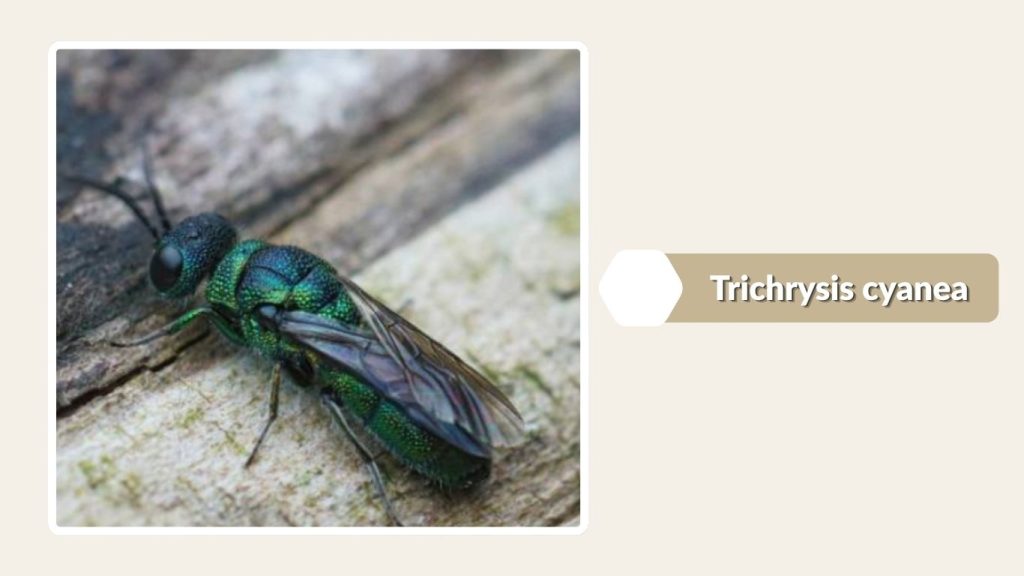
Trichrysis cyanea is a brilliantly colored cuckoo wasp species recognized for its metallic blue and green body coloration. This parasitic jewel wasp depends on solitary bees and wasps for reproduction by placing eggs inside their nests. Its reflective exoskeleton, compact body, and quick movements make it a remarkable insect commonly found in warm sunny habitats with flowering plants.
Identification
- Metallic blue or blue-green body coloration
- Small body measuring around 5–10 mm
- Thick armored exoskeleton
- Transparent wings with dark veins
- Rounded abdomen with sculptured texture
- Bright reflective metallic shine
Habitat
Trichrysis cyanea commonly inhabits gardens, woodland edges, grasslands, and dry countryside habitats. It prefers warm sunny environments where solitary bees and wasps build nests in wood, soil, or cracks in walls. Flower-rich habitats provide ideal conditions for feeding, mating, and locating suitable host nests throughout active reproductive periods naturally.
Behavior
This species behaves as a brood parasite by secretly entering host nests and laying eggs inside them. Once hatched, the larvae consume host larvae or stored food supplies. Adults remain highly active during sunny weather and often move rapidly across flowers, stones, fences, and wooden surfaces while searching for suitable hosts nearby.
Diet
Adult Trichrysis cyanea mainly feeds on nectar and sugary plant secretions collected from flowering plants. The larvae survive entirely within host nests, consuming stored provisions or immature host insects. This parasitic reproductive strategy allows successful development without constructing nests or independently gathering food resources during maturity and growth stages naturally.
Distribution
Trichrysis cyanea is widely distributed across Europe, Asia, and parts of North Africa, especially in temperate climates. It commonly occurs in meadows, gardens, woodland margins, and rural habitats where solitary bees and wasps remain abundant and suitable nesting environments are available throughout spring and summer activity seasons annually.
23. Cleptes semiauratus
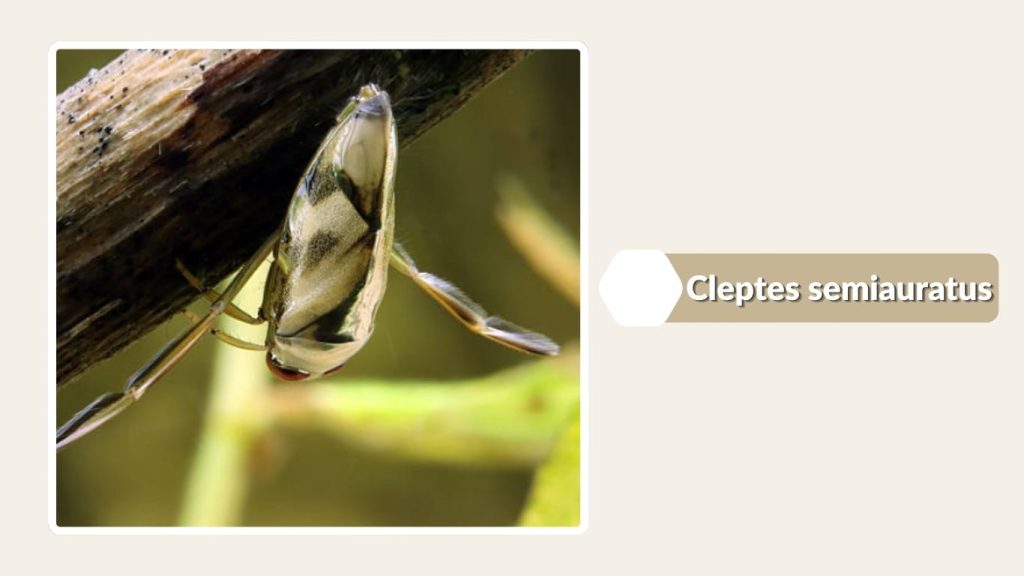
Cleptes semiauratus is a unique cuckoo wasp species known for its metallic green and golden body coloration. Unlike many other cuckoo wasps that parasitize bees and wasps, this species commonly targets sawfly larvae. Its shiny appearance, compact body, and armored exoskeleton make it a fascinating jewel wasp often observed in warm woodland and countryside habitats during active seasons.
Identification
- Metallic green and golden body coloration
- Small body length around 4–8 mm
- Thick armored exoskeleton
- Transparent wings with visible veins
- Smooth reflective body surface
- Compact and slender body structure
Habitat
Cleptes semiauratus commonly inhabits woodland edges, gardens, meadows, and countryside habitats with abundant vegetation. It prefers warm sunny environments where sawflies and other host insects remain active. Areas containing shrubs, trees, flowering plants, and exposed surfaces provide ideal conditions for feeding, mating, and locating suitable host larvae naturally.
Behavior
This species behaves as a parasite by laying eggs on or near host larvae, particularly sawflies. After hatching, the larvae feed on the host insect to complete development. Adults remain active during warm daylight hours and frequently move across leaves, flowers, branches, and vegetation while searching for reproductive opportunities nearby.
Diet
Adult Cleptes semiauratus mainly feeds on nectar and sweet plant secretions collected from flowers. The larvae survive entirely by consuming host larvae after successful parasitism occurs. This reproductive strategy allows them to complete development without building nests or gathering food resources independently during their immature growth stages naturally.
Distribution
Cleptes semiauratus is distributed across Europe and parts of Asia, especially in temperate regions with healthy woodland and countryside ecosystems. It commonly occurs in forests, gardens, meadows, and rural habitats where suitable host insects remain available throughout spring and summer during the species’ active reproductive season annually.
FAQs
Are cuckoo wasps dangerous to humans?
Cuckoo wasps are generally harmless to humans because they rarely sting. Their bodies are protected by a thick armored exoskeleton, which helps defend them from host insects instead of relying on aggressive behavior. Most species are small and avoid direct contact with people in natural environments.
Why are cuckoo wasps called jewel wasps?
Cuckoo wasps are often called jewel wasps because of their brilliant metallic colors. Their bodies can display bright shades of green, blue, red, gold, and purple that shine in sunlight. This reflective appearance gives them a jewel-like look that makes them stand out among many other insects.
What do cuckoo wasps eat?
Adult cuckoo wasps mainly feed on nectar and sweet plant secretions collected from flowers. Their larvae survive differently by feeding on host larvae or stored food supplies inside the nests of solitary bees and wasps. This parasitic lifestyle allows the young wasps to develop without gathering food themselves.
Where are cuckoo wasps commonly found?
Cuckoo wasps are commonly found in gardens, meadows, forests, grasslands, deserts, and sandy habitats. They prefer warm sunny areas where solitary bees and wasps build nests. Many species are distributed across Europe, Asia, Africa, and North America depending on climate and habitat availability.
How do cuckoo wasps reproduce?
Cuckoo wasps reproduce by laying eggs inside the nests of solitary bees or wasps. After hatching, the larvae consume the host larva or its stored food supply. This reproductive strategy is known as brood parasitism and allows cuckoo wasps to survive without building their own nests.