
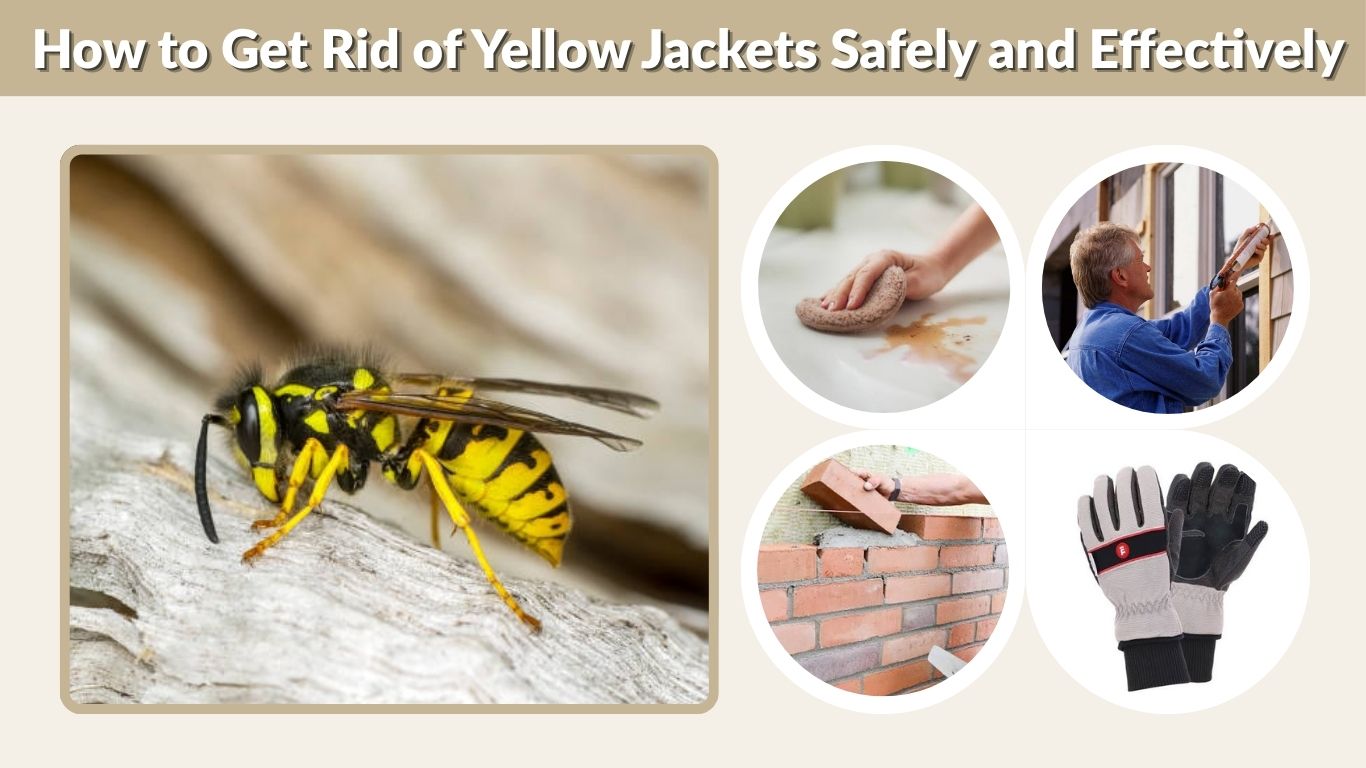
How to Get Rid of Yellow Jackets Safely and Effectively
Yellow jackets can become a serious problem when they build nests near lawns, entrances, siding, wall cavities, or outdoor gathering areas. Unlike many bees, these … Read More
Yellow jackets can become a serious problem when they build nests near lawns, entrances, siding, wall cavities, or outdoor gathering areas. Unlike many bees, these … Read More
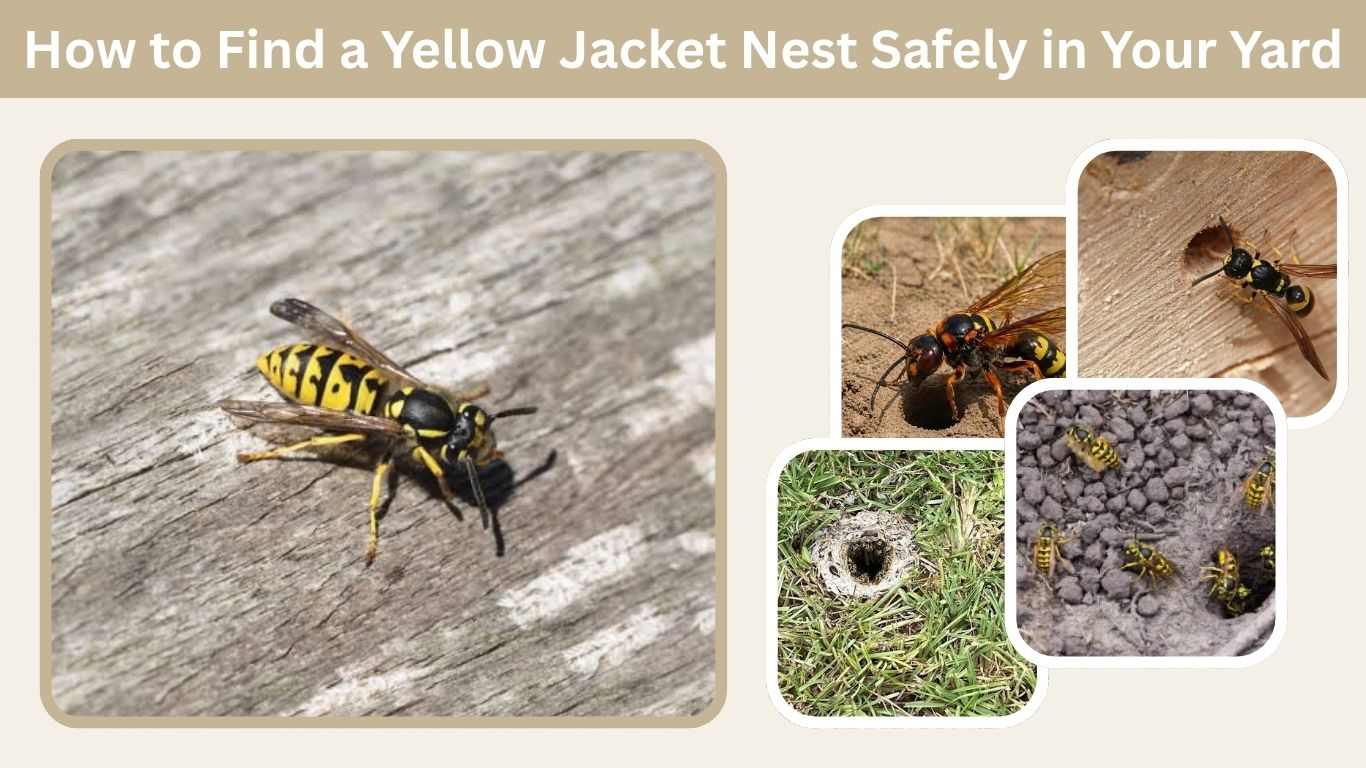
Finding a yellow jacket nest requires patience and careful observation—not digging, poking holes, or approaching active wasps. These defensive social wasps commonly establish colonies underground, … Read More
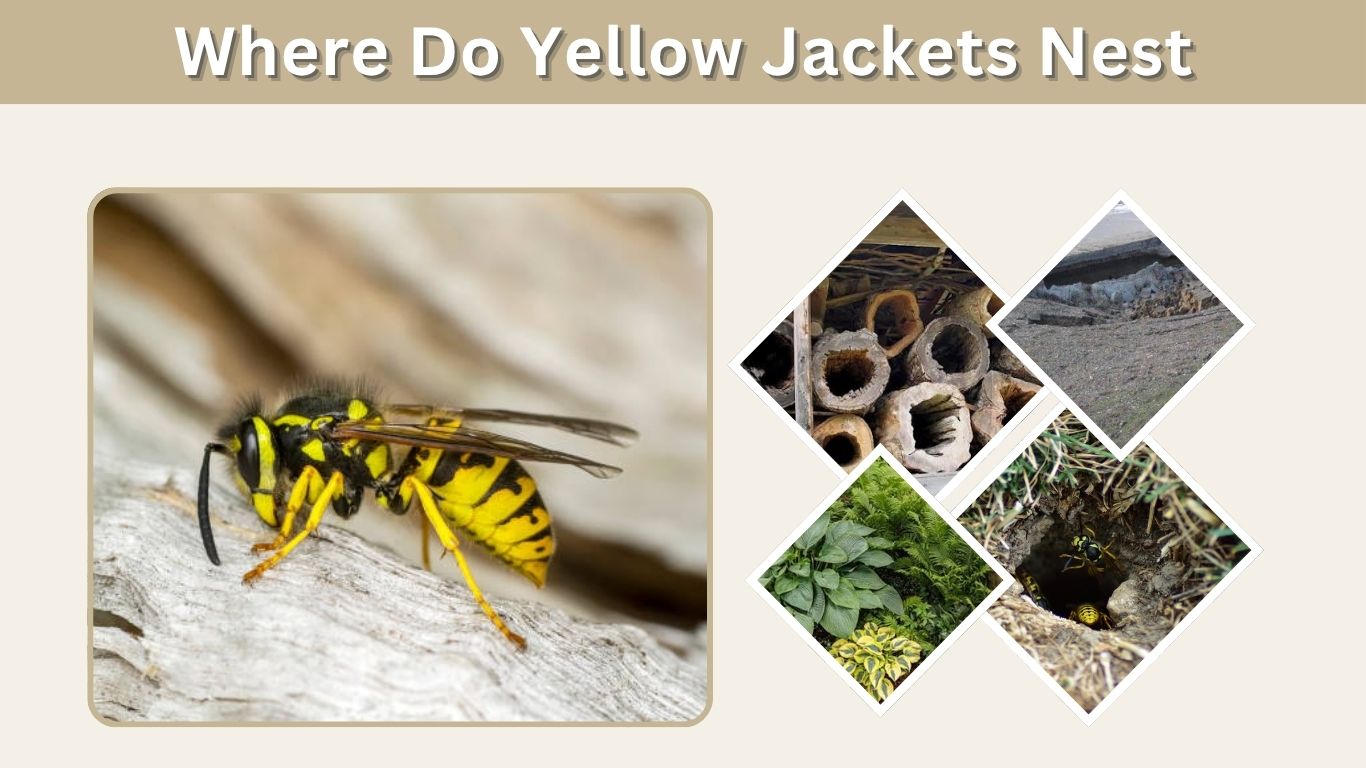
Yellow jackets nest in hidden, protected places. Many species build nests underground, but they can also nest in wall voids, attics, hollow trees, eaves, fences, … Read More
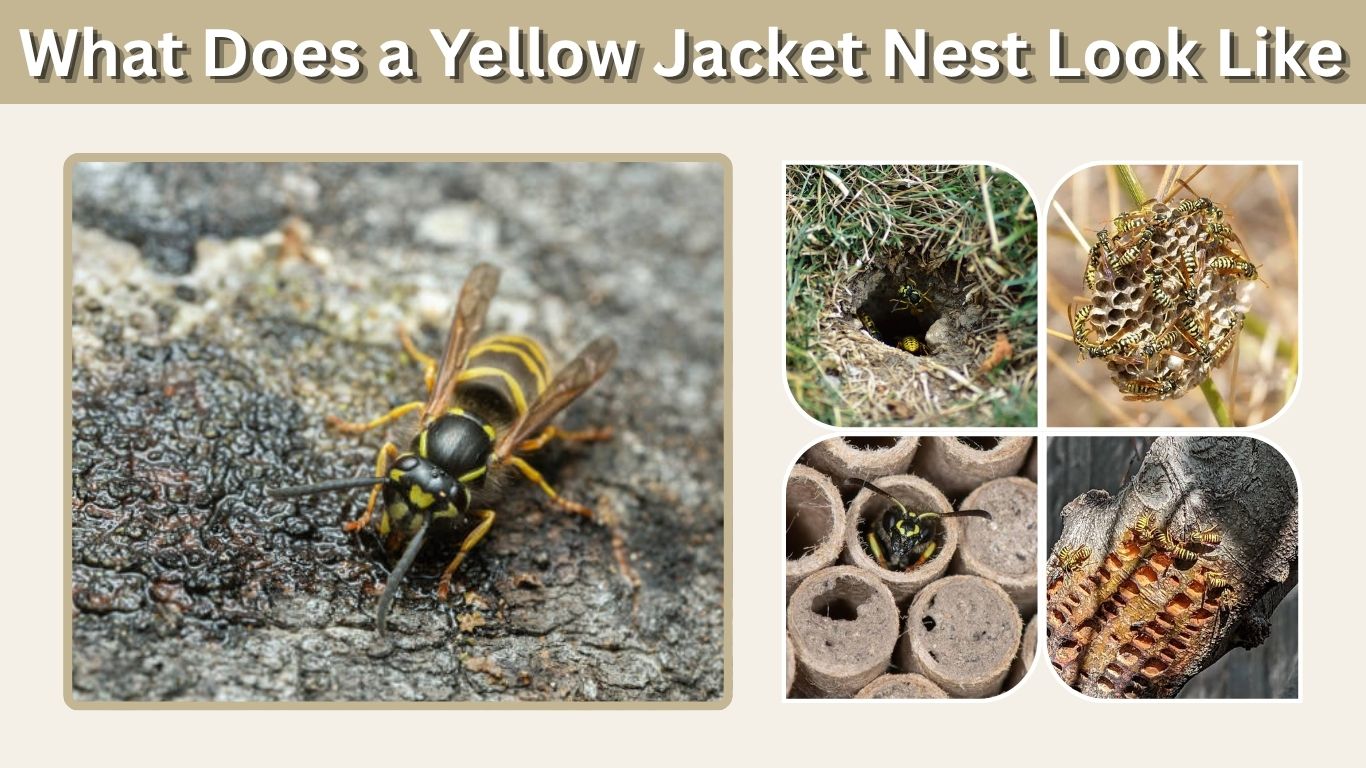
A yellow jacket nest usually looks like a hidden papery nest with a small entrance hole. Many yellow jacket nests are underground, so you may … Read More
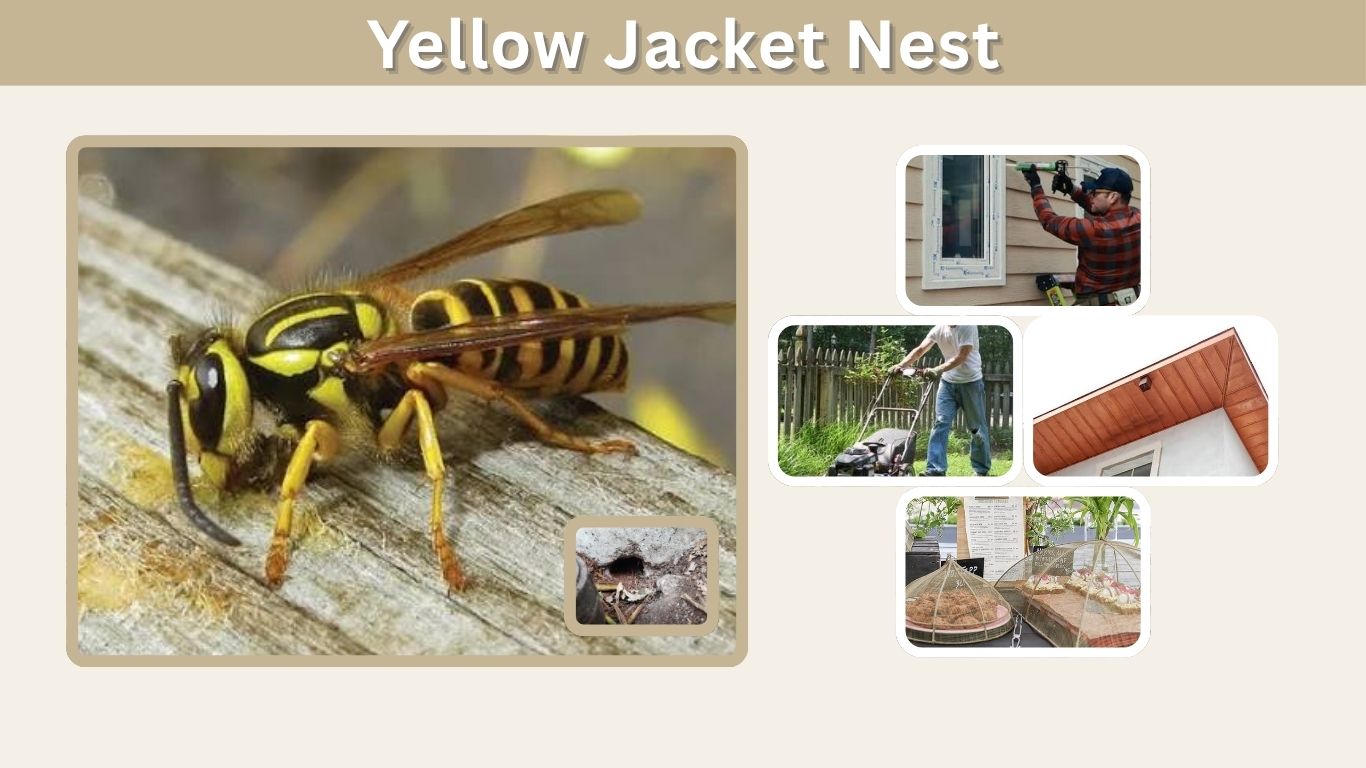
Yellow jacket nests can be hard to notice until the colony becomes active and defensive. Many nests are hidden in the ground, inside wall voids, … Read More
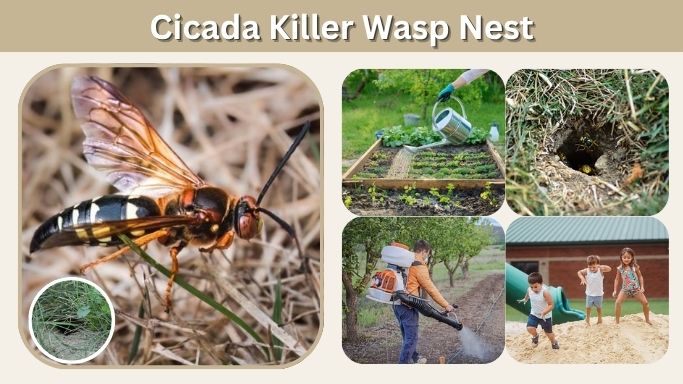
A cicada killer wasp nest can look scary because these wasps are large, fast, and often fly low over lawns. However, cicada killers are solitary … Read More
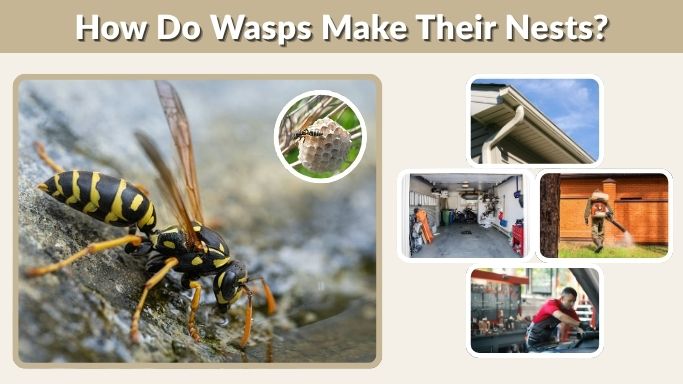
Wasps are skilled builders. They can create strong nests from wood fibers, mud, soil, or plant material depending on the species. Some wasps hang paper-like … Read More
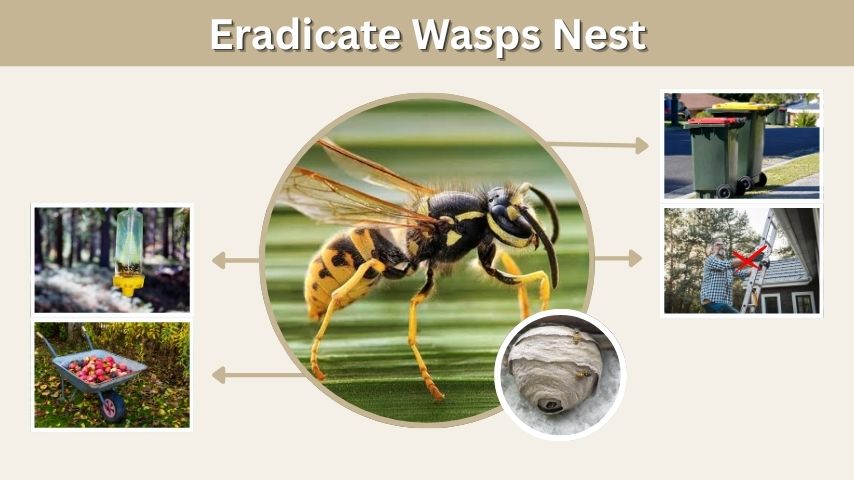
Finding a wasp nest near your home can be stressful, especially when wasps become aggressive around doors, gardens, roof spaces, sheds, or play areas. The … Read More
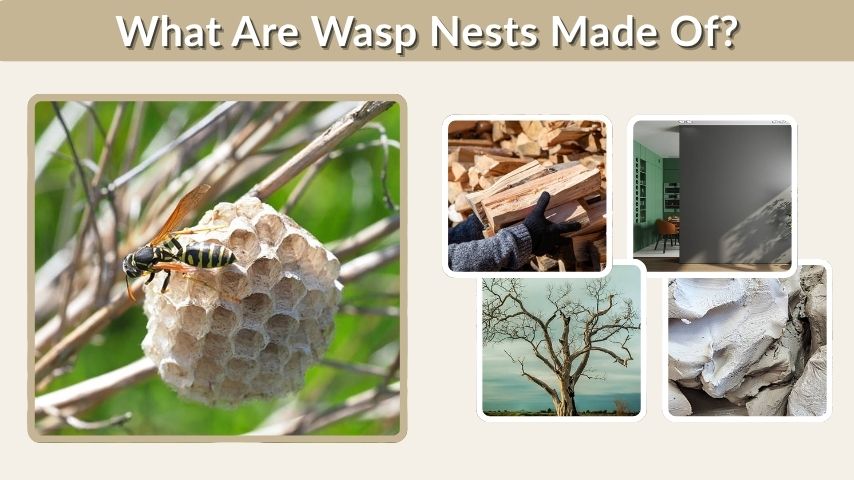
Wasp nests are made from natural materials that wasps collect, chew, and shape into a strong paper-like structure. Most familiar wasp nests are built from … Read More
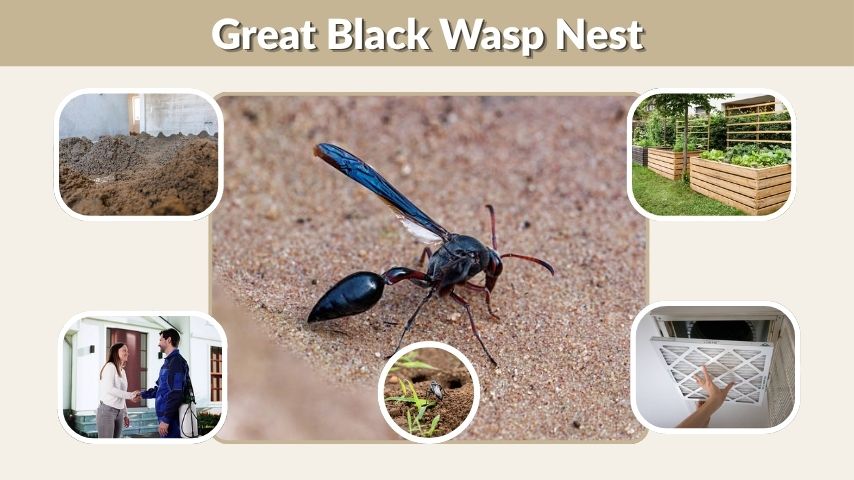
A great black wasp nest can be easy to miss because it does not look like the paper nests made by hornets or yellowjackets. The … Read More