
Get to Know Bees and Wasps Like Never Before
We explore the busy world of wasps and bees in a clear and simple way. Learn how they live, build, and help nature grow. From hives to nests, we share easy facts, tips, and guides to help you understand and appreciate these amazing insects every day.
Our Blog About Us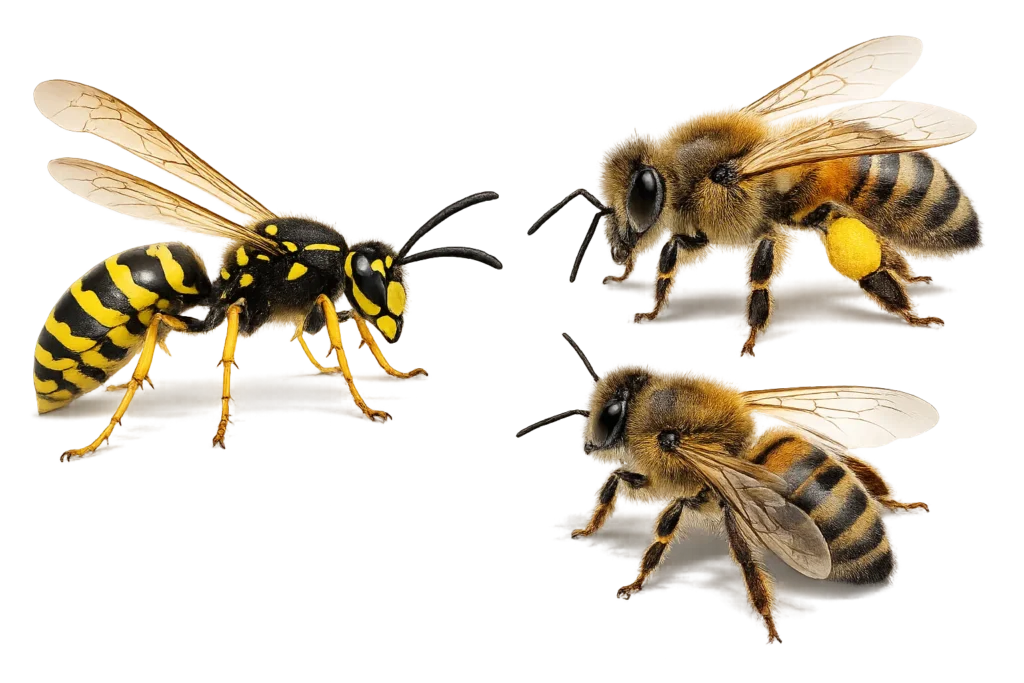
Wasp and Bees Identification Guide
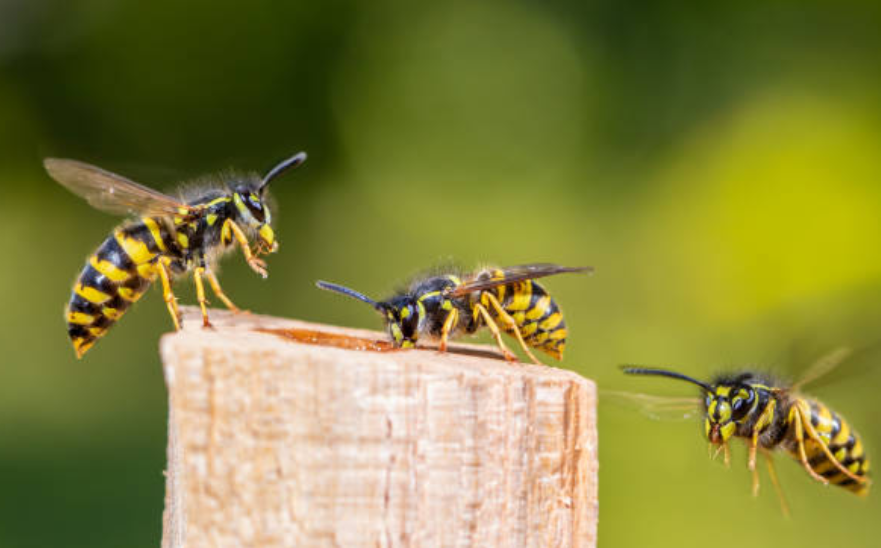
- Bees are round and hairy, while wasps are slim and smooth.
- Bees look fuzzy, wasps look shiny.
- Bees are mostly calm, wasps can be more aggressive.
- Bees eat pollen and nectar, wasps often eat insects or food scraps.
- Bees have thicker bodies, wasps have narrow waists.
- Bees are usually brown or yellow, wasps are bright yellow and black.
- Bees help pollinate plants, wasps mostly hunt pests.
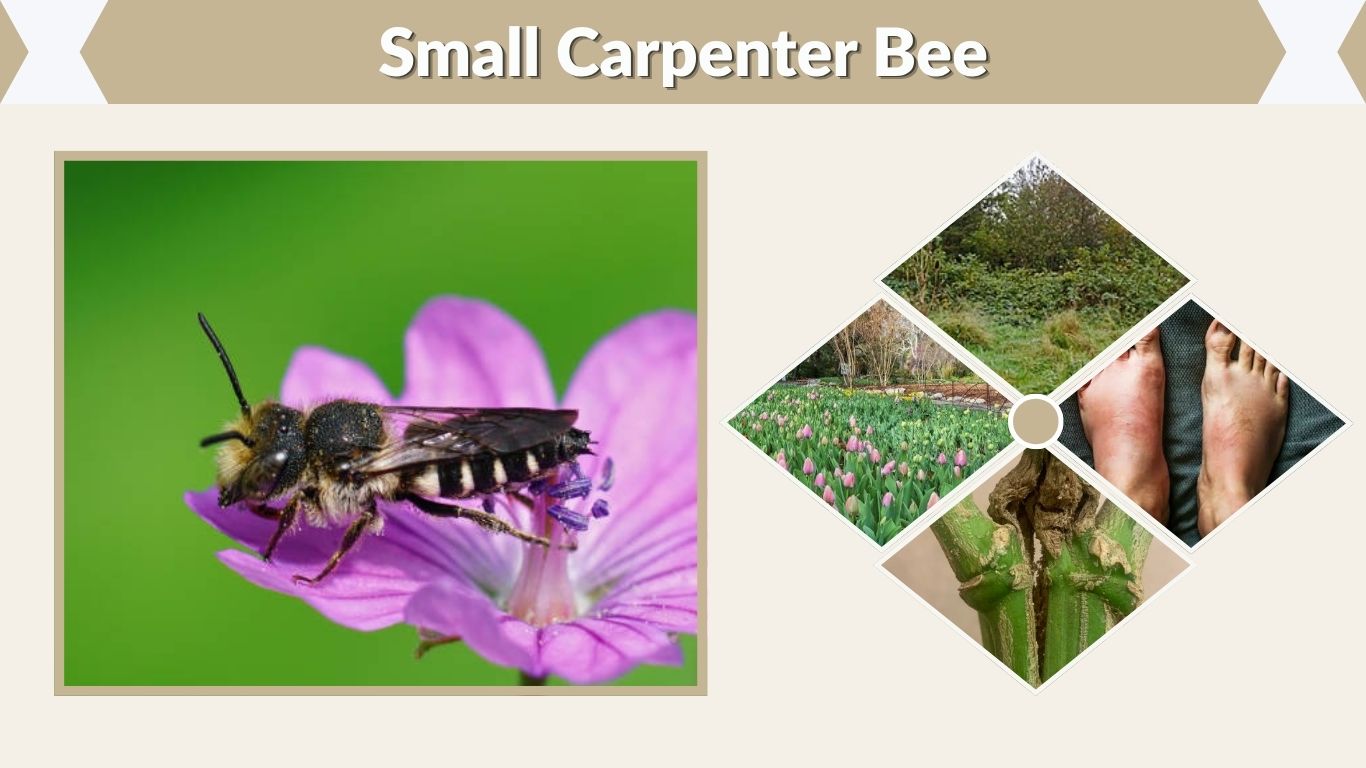
Small Carpenter Bee: Identification, Sting, Nest & Facts
August 19, 2026
Small carpenter bees are tiny native bees that are easy to overlook in gardens, meadows, and around flowering plants. Unlike the much larger carpenter bees
Read more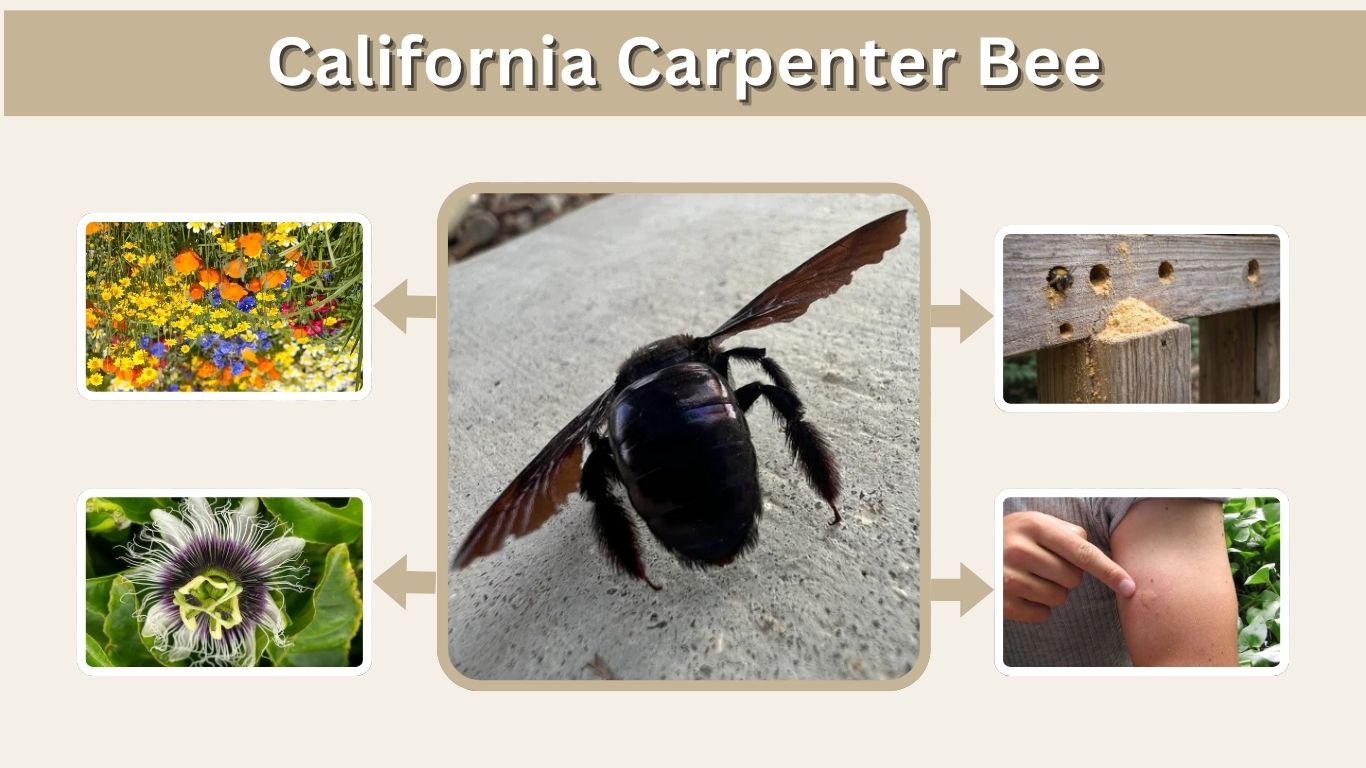
California Carpenter Bee: Identification, Sting & Facts
August 19, 2026
California carpenter bees are large, noticeable native bees often seen around gardens, flowering plants, fences, decks, and wooden structures. Several carpenter bee species occur throughout
Read more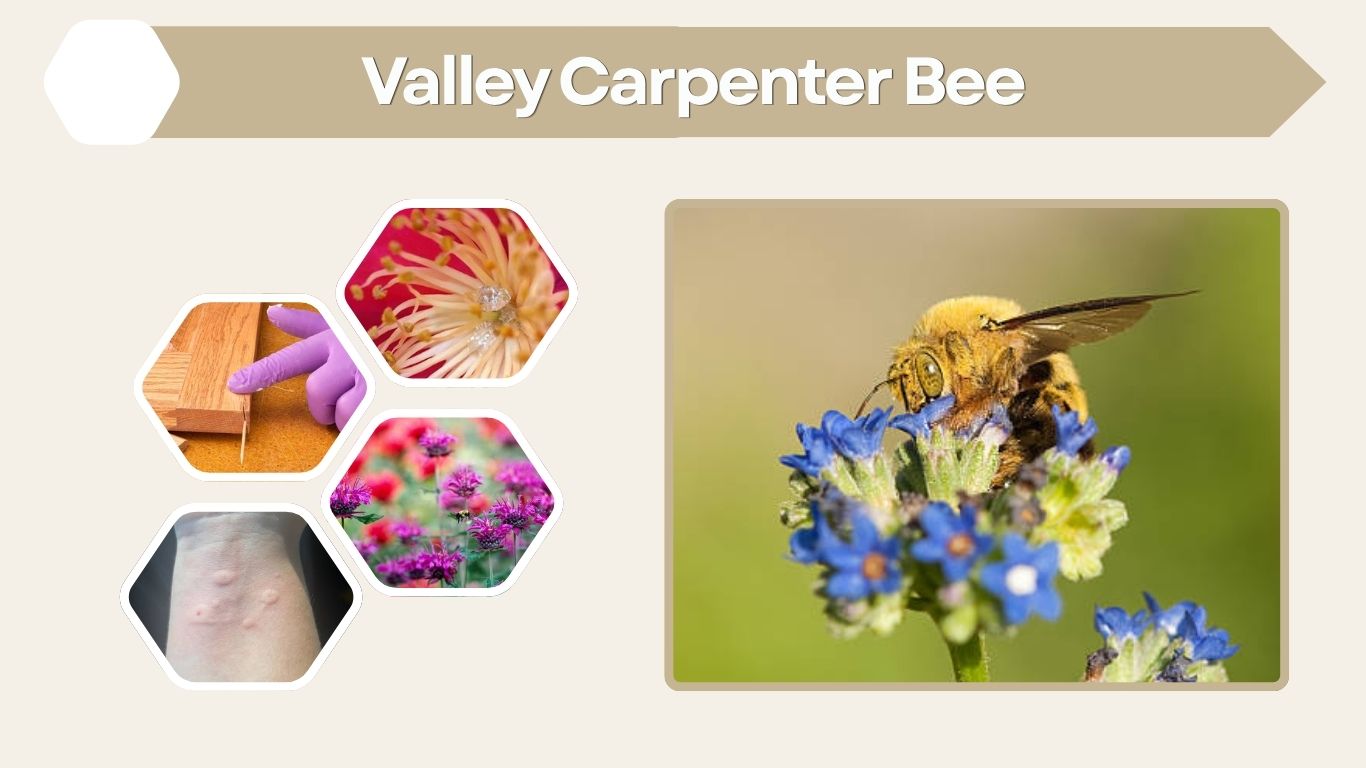
Valley Carpenter Bee: Identification, Sting, Size & Facts
August 18, 2026
The valley carpenter bee is one of the largest and most distinctive bees found in the southwestern United States. Females are large and glossy black,
Read more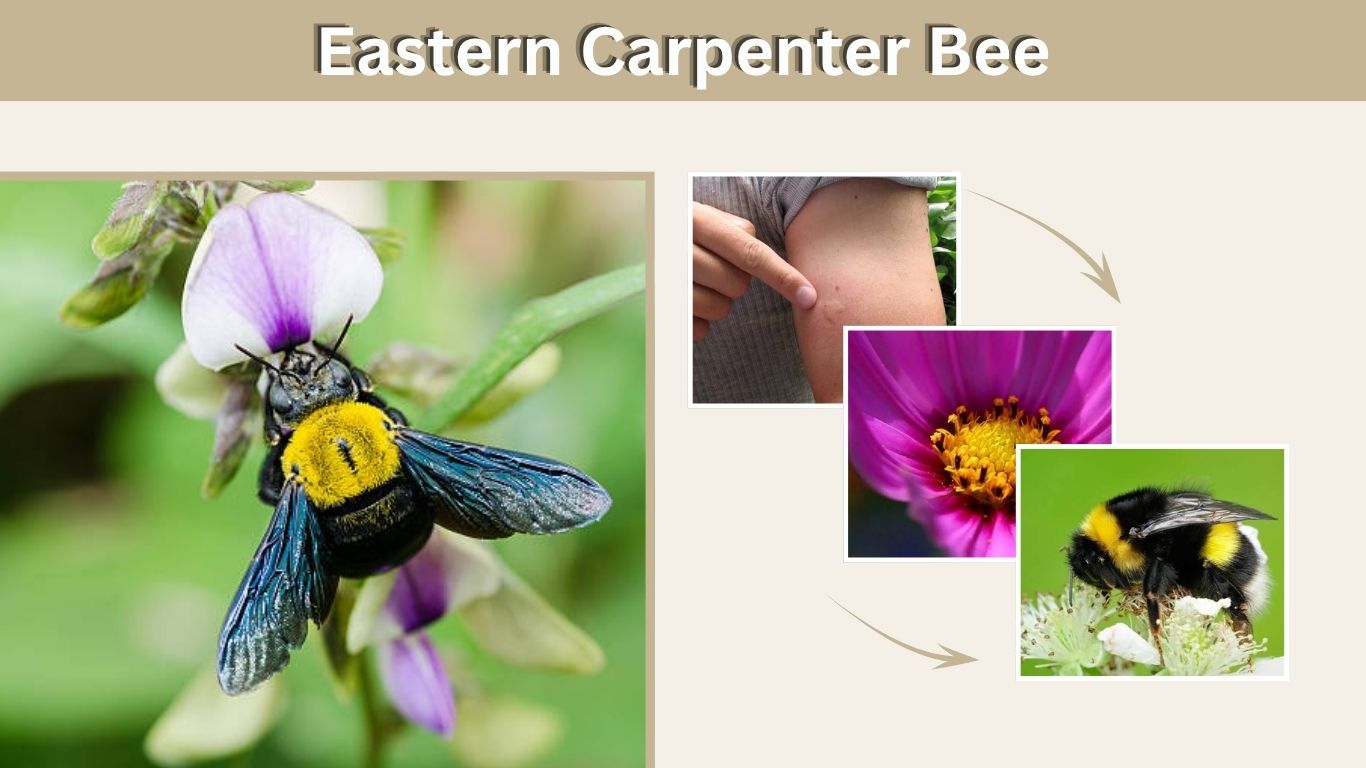
Eastern Carpenter Bee: Identification, Sting, Nest & Control
August 18, 2026
The eastern carpenter bee (Xylocopa virginica) is a large native bee commonly seen hovering around flowers, decks, fences, porches, and other wooden structures. Although its
Read more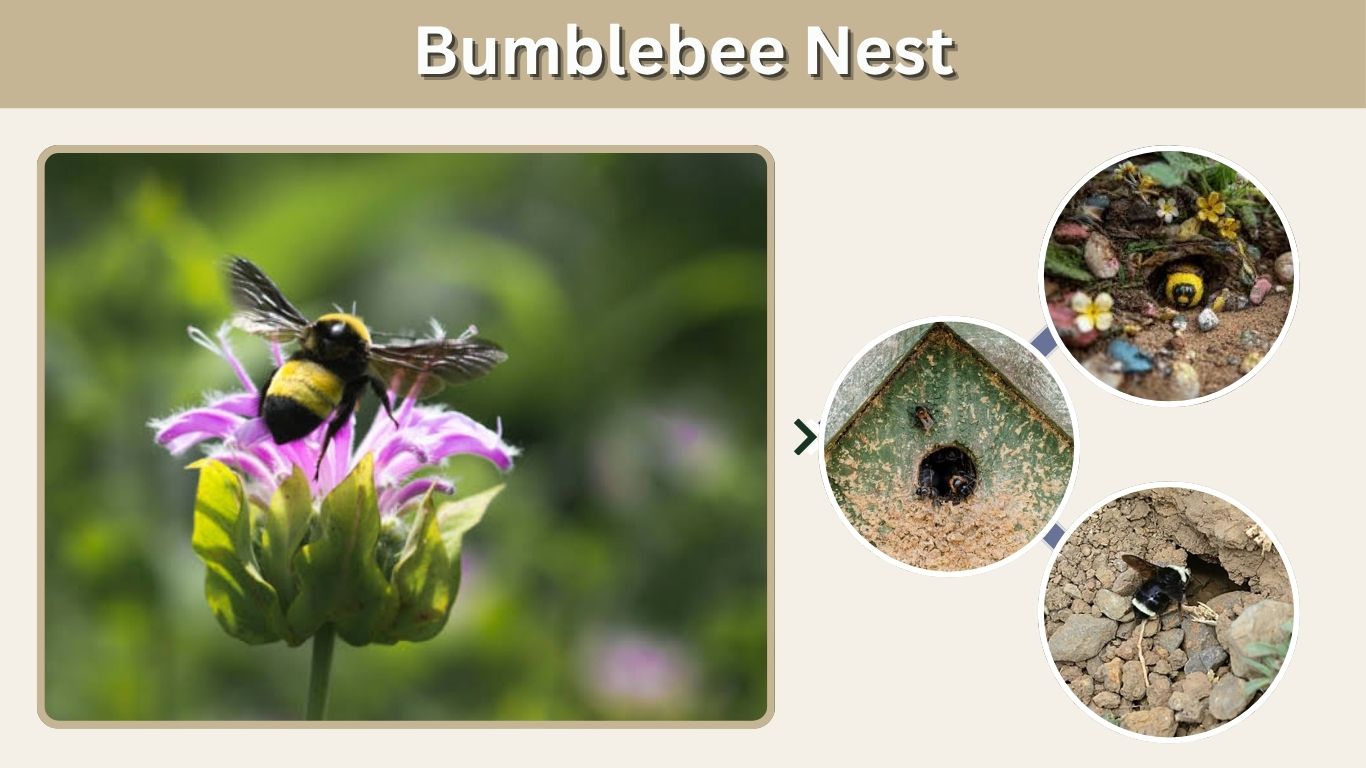
Bumblebee Nest: Identification, Locations and Removal
August 17, 2026
A bumblebee nest can appear in the ground, beneath a shed, inside a wall cavity, in a bird box, or even within an old compost
Read more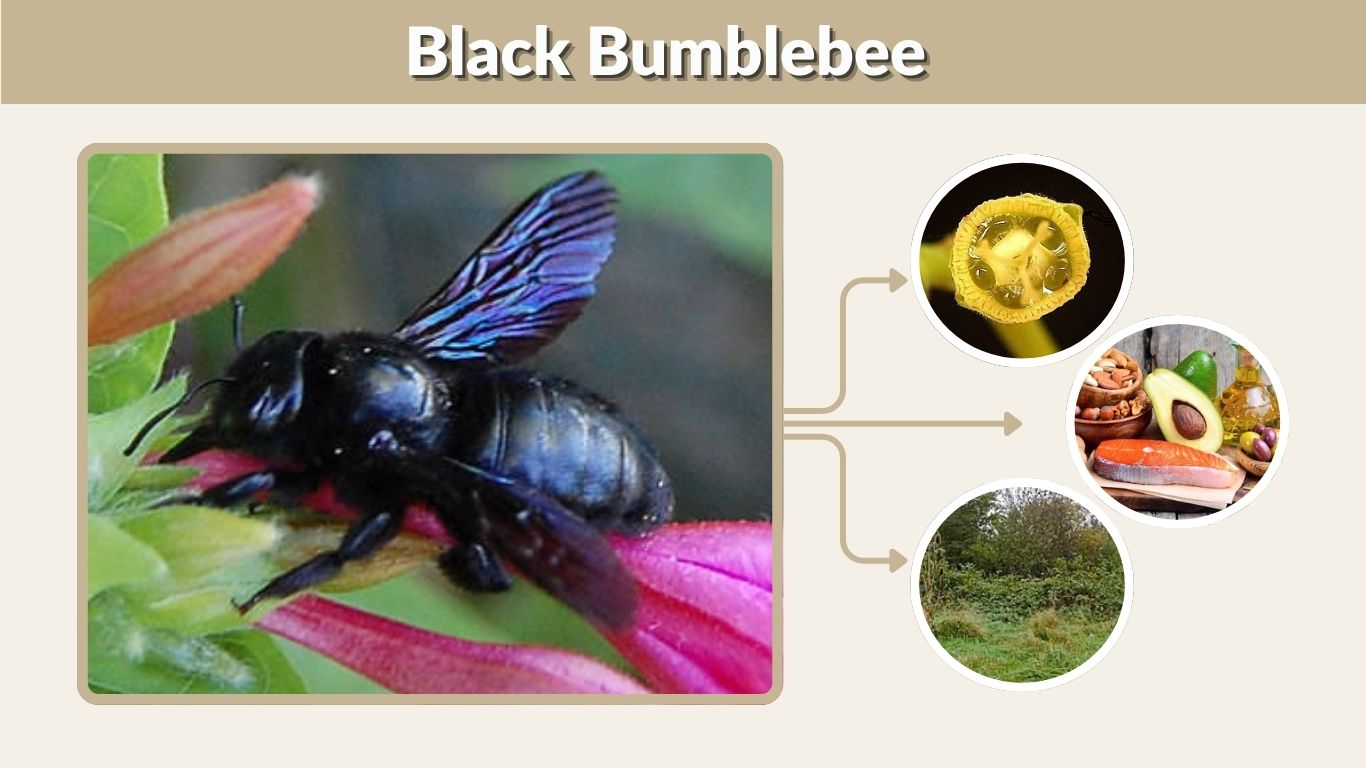
Black Bumblebee: Identification, Sting, Size and Facts
August 17, 2026
A black bumblebee can be striking to see, especially when it appears almost completely dark or has only a few yellow, white, orange, or red
Read more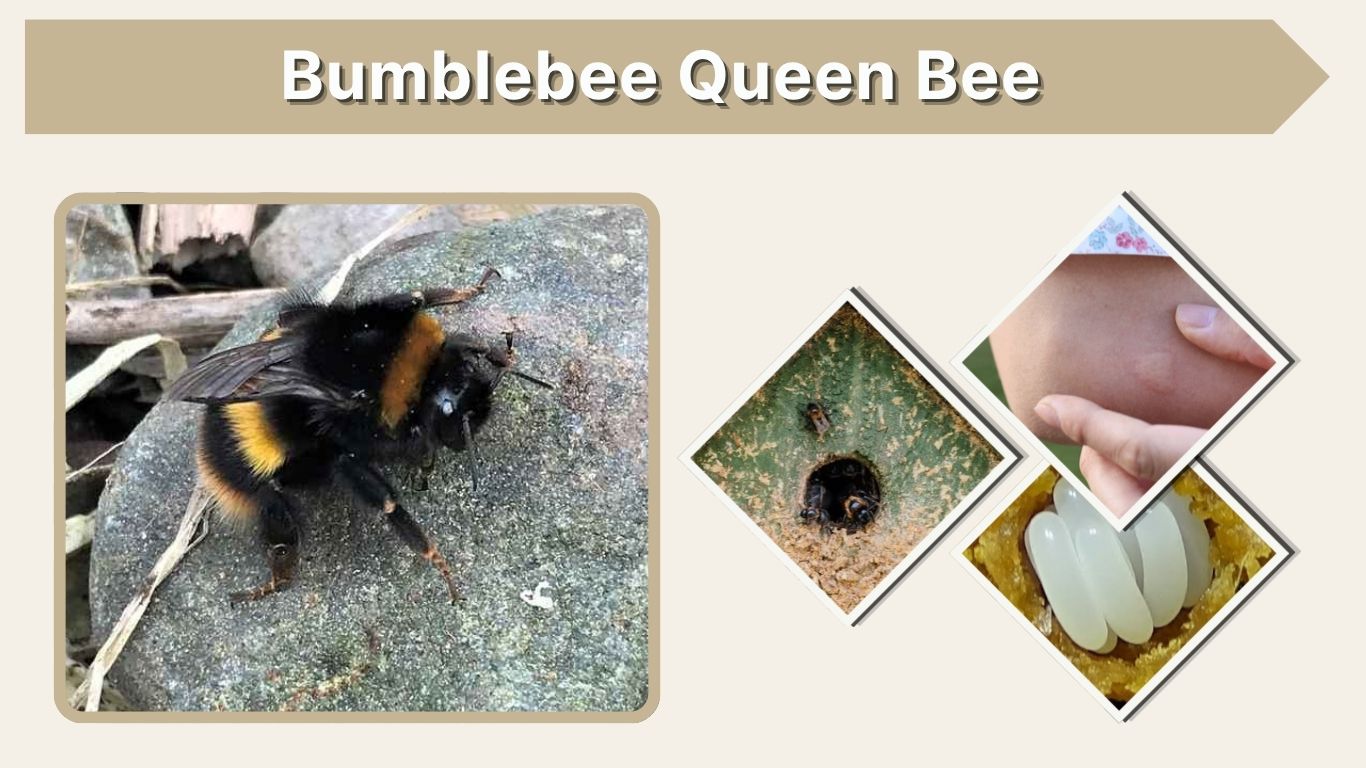
Bumblebee Queen Bee: Size, Life Cycle, Role & Identification
August 16, 2026
A bumblebee queen bee is the reproductive female that starts and leads a bumblebee colony. Unlike honey bee colonies, which can survive for several years,
Read more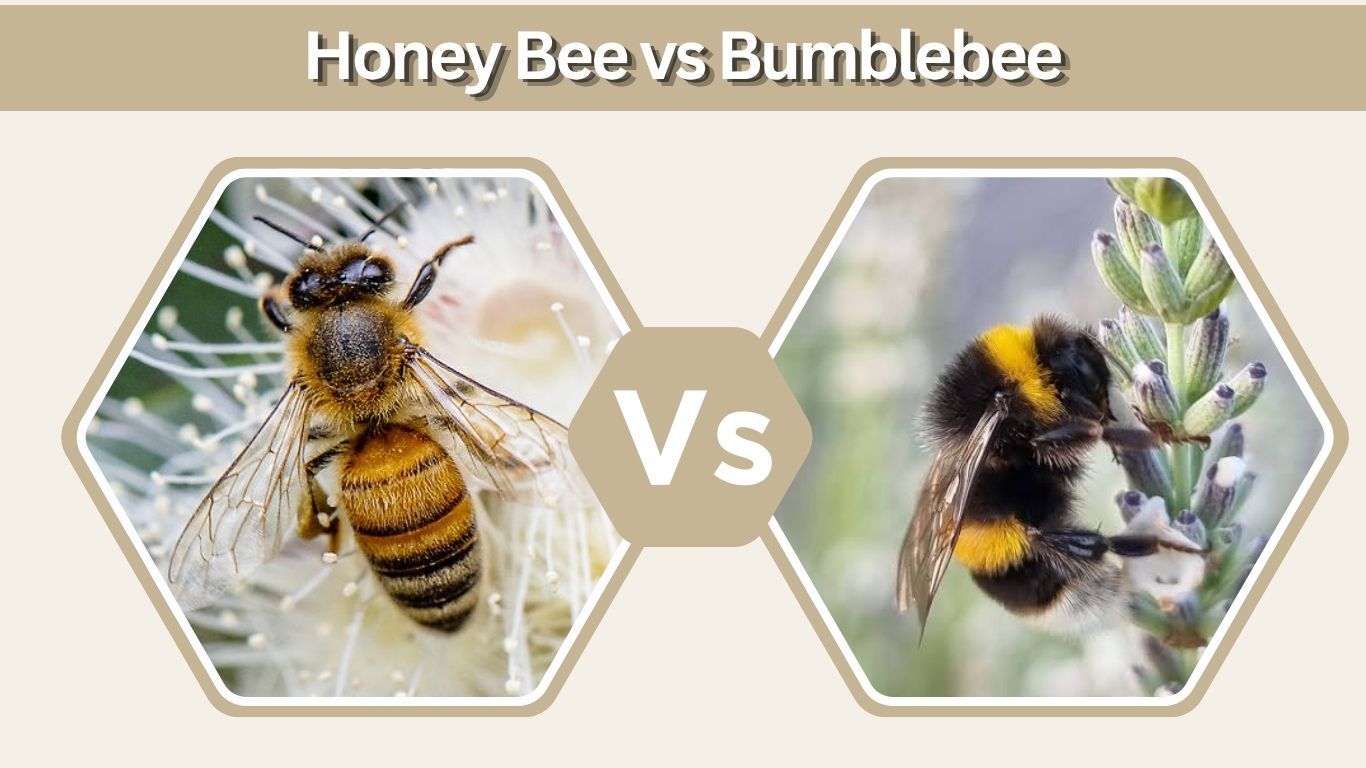
Honey Bee vs Bumblebee: Size, Sting, Nest & Behavior
August 16, 2026
Honey bees and bumblebees are both important pollinators, but they differ greatly in appearance, colony size, nesting habits, honey production, and stinging behavior. Honey bees
Read more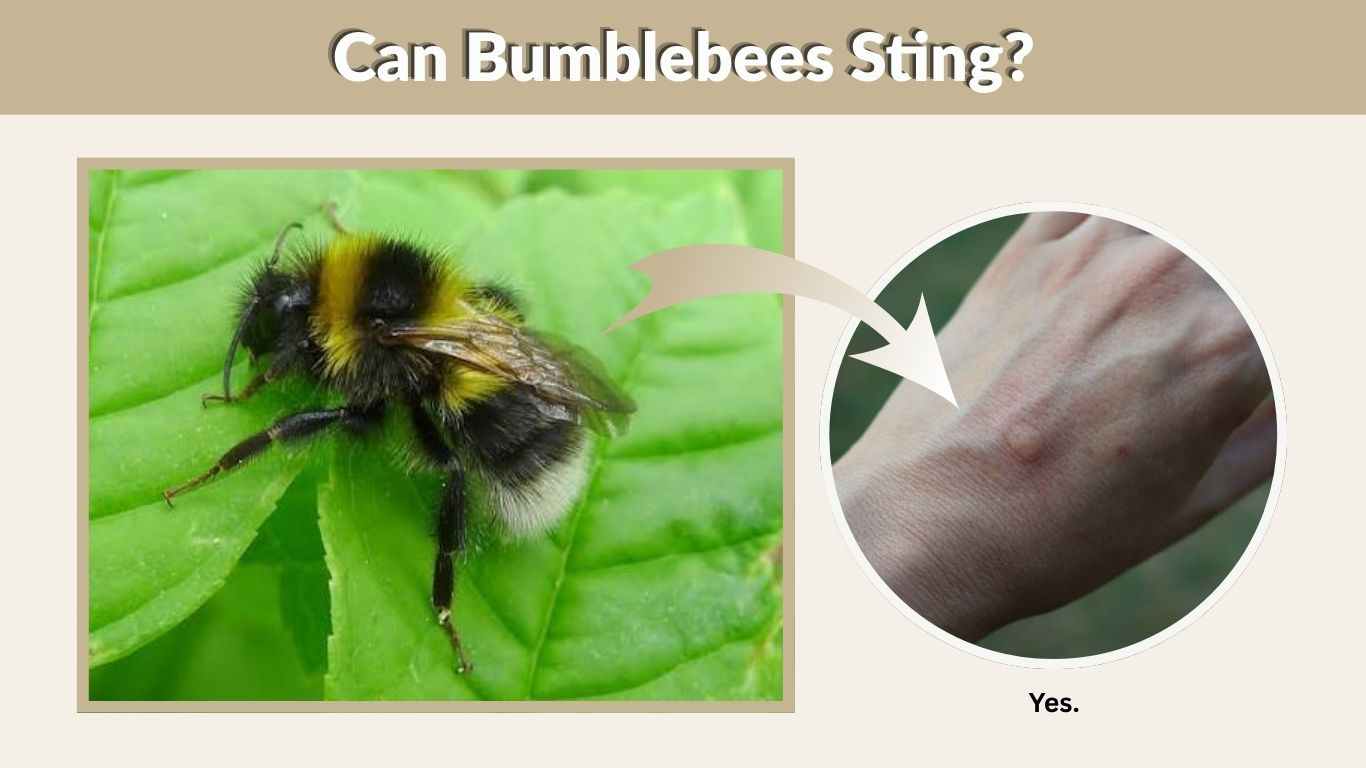
Can Bumblebees Sting? How Often, Risks & Treatment Guide
August 10, 2026
Yes, bumblebees can sting, but they are generally calm insects that rarely sting unless they feel threatened, trapped, handled, or their nest is disturbed. Only
Read more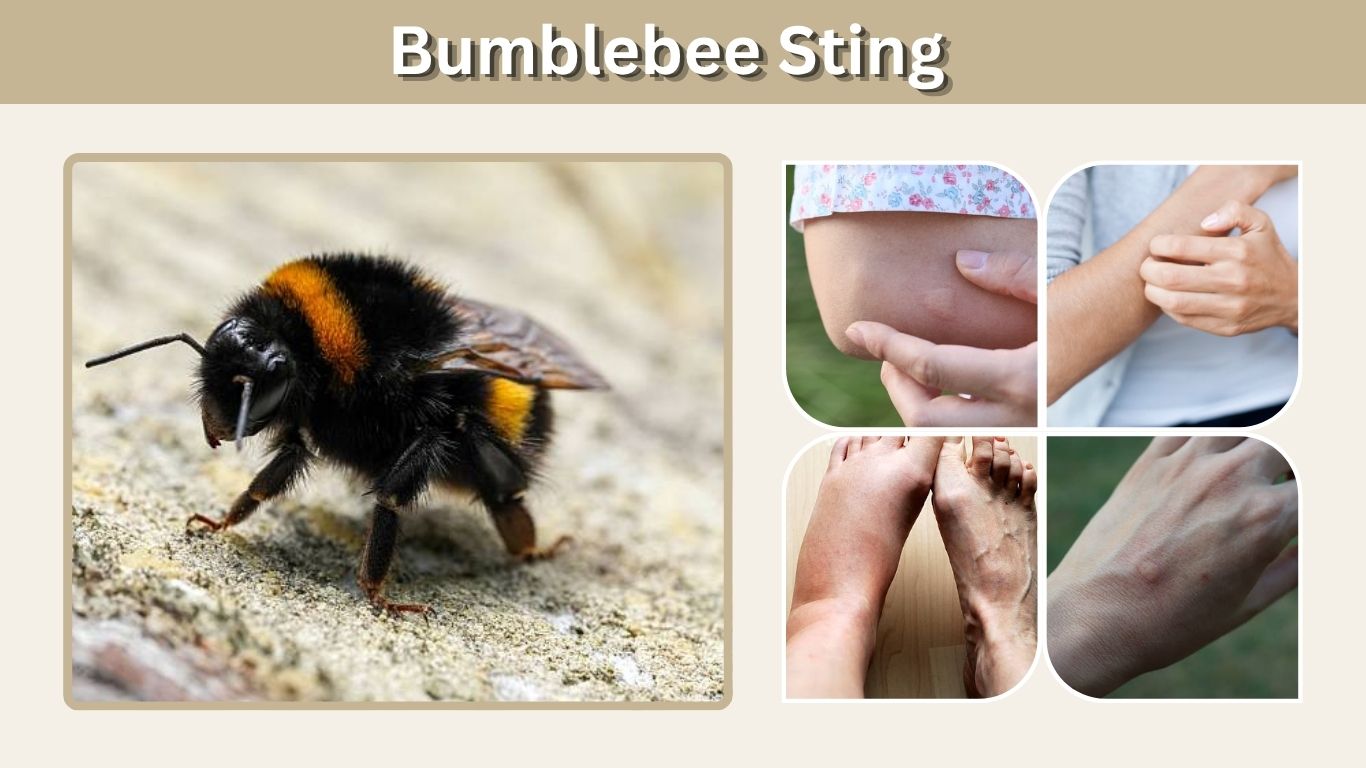
Bumblebee Sting: Symptoms, Treatment, Pain & Reactions
August 10, 2026
A bumblebee sting can cause sudden sharp pain, redness, itching, and swelling around the affected area. Fortunately, bumblebees are generally docile insects and usually sting
Read more