
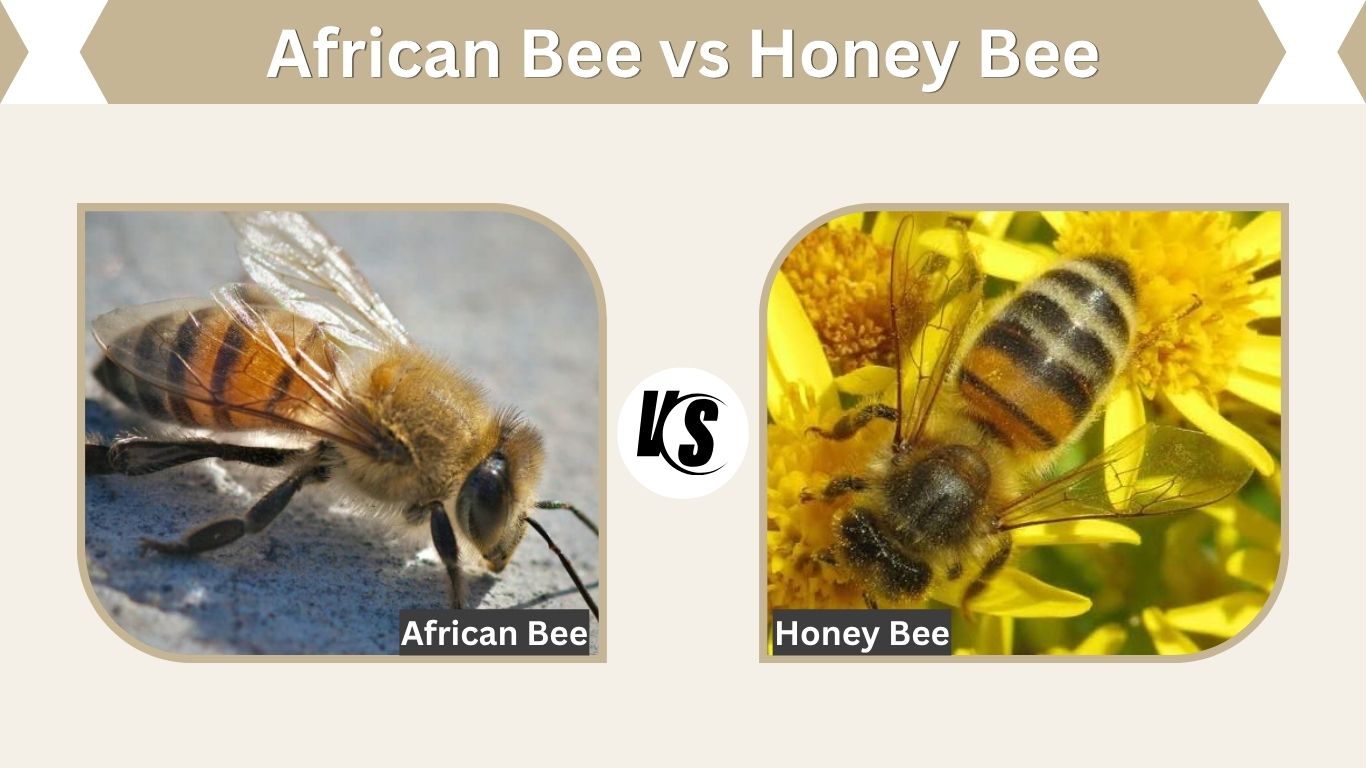
African Bee vs Honey Bee: Key Differences
The African bee vs honey bee comparison can be confusing because African bees are themselves honey bees. In most comparisons, “regular honey bee” means the … Read More
The African bee vs honey bee comparison can be confusing because African bees are themselves honey bees. In most comparisons, “regular honey bee” means the … Read More

The African honey bee is a highly adaptable honey bee best known for strong colony defense, frequent swarming, and success in warm climates. The East … Read More

The European honey bee (Apis mellifera), also called the western honey bee, is one of the most familiar and economically important bee species in the … Read More

The western honey bee (Apis mellifera), also called the European honey bee, is one of the world’s best-known and most important pollinating insects. It lives … Read More
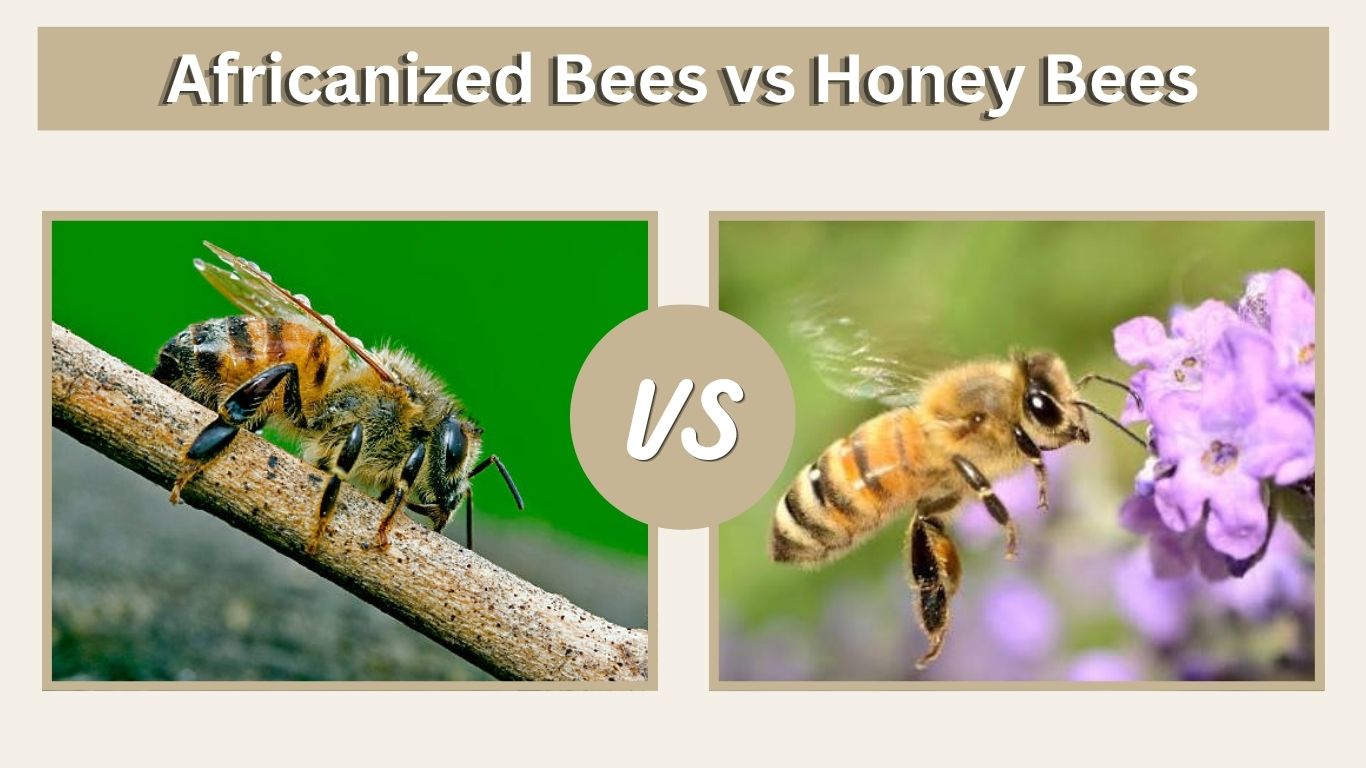
Africanized bees and regular honey bees are extremely similar in appearance, but their colony behavior can be very different. Both belong to the western honey … Read More
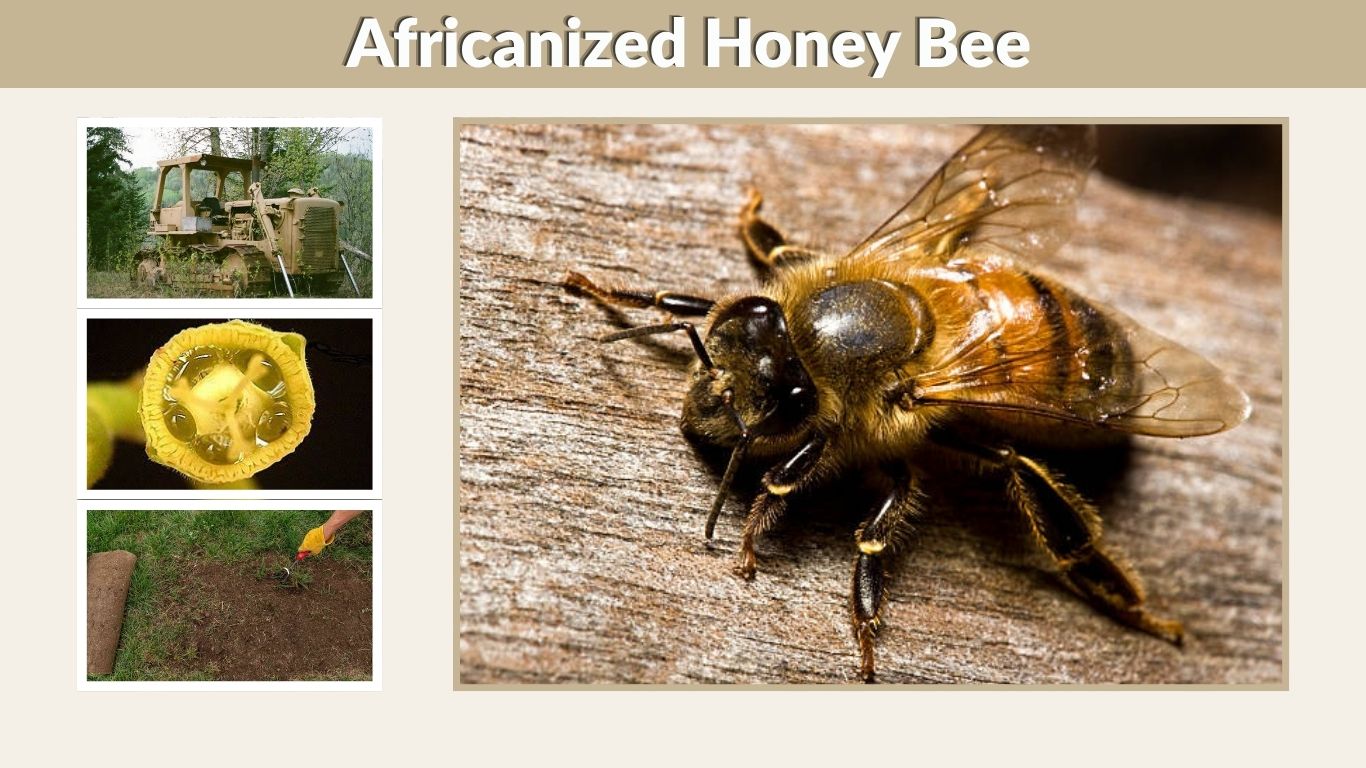
The Africanized honey bee is a type of Apis mellifera known mainly for its highly defensive colony behavior. Often called the “killer bee,” it is … Read More

Squash bees are specialized native pollinators closely associated with squash, pumpkin, zucchini, gourds, and other plants in the genus Cucurbita. These solitary bees often begin … Read More
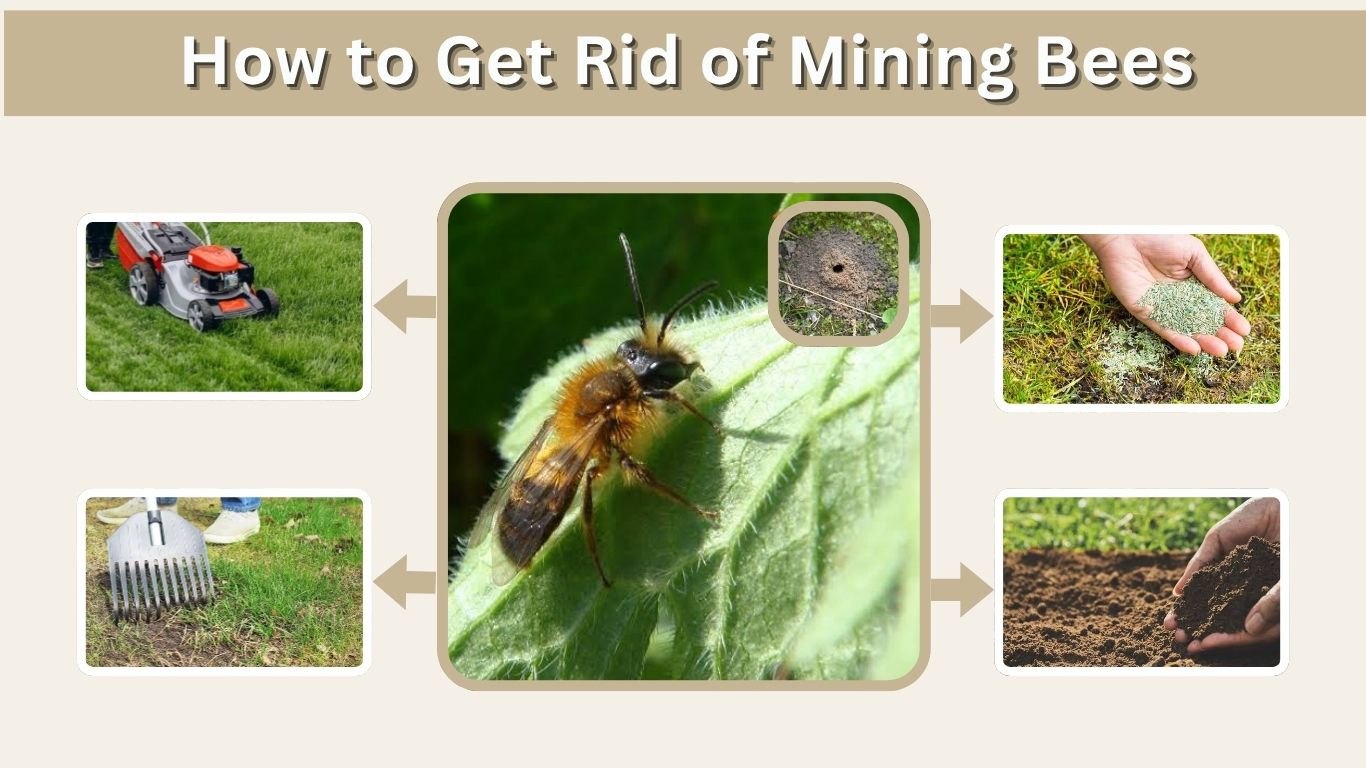
Mining bees are solitary ground-nesting bees that often appear in lawns, gardens, flower beds, and patches of bare soil during spring or early summer. Although … Read More

Honey bees are among the world’s most important pollinating insects. They live in highly organized colonies containing a queen, thousands of female workers, and seasonal … Read More
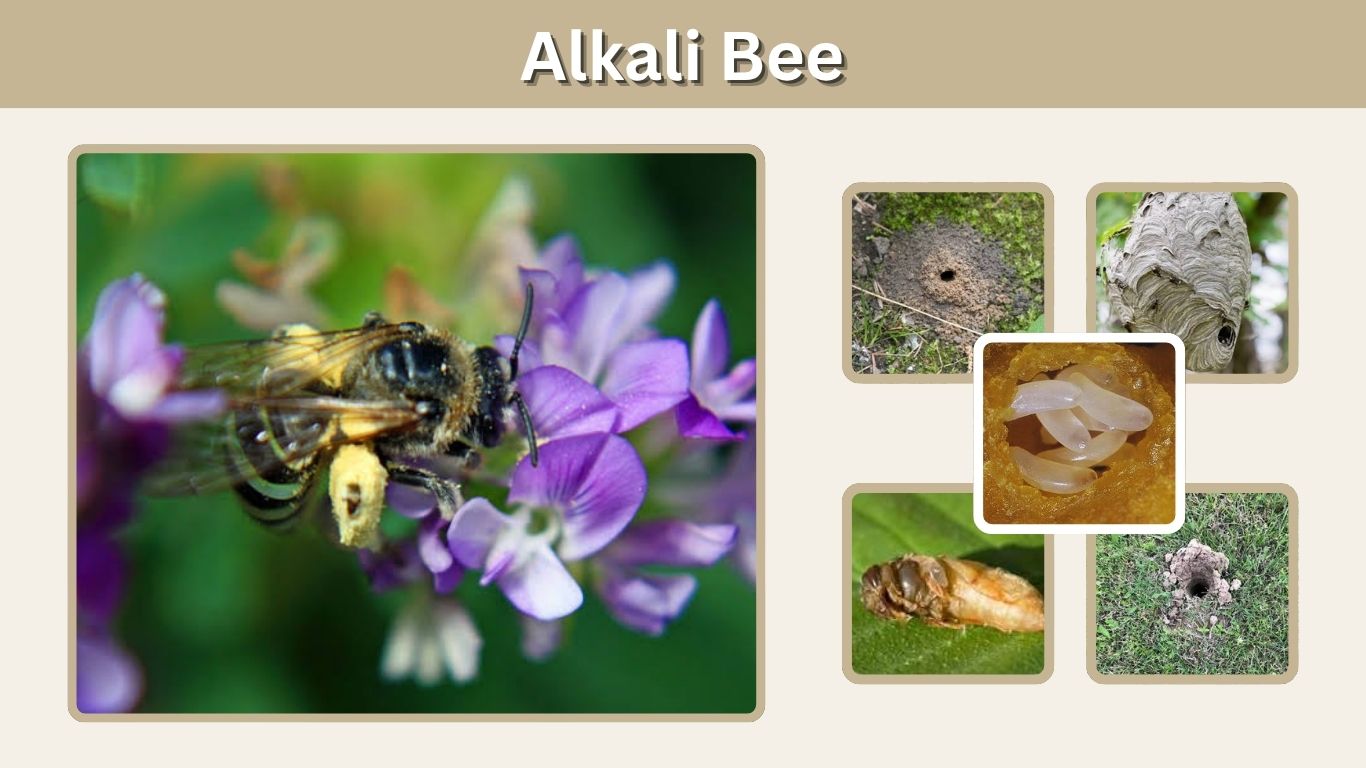
The alkali bee is a solitary ground-nesting bee best known for its remarkable ability to pollinate alfalfa. Scientifically called Nomia melanderi, this native North American … Read More