
Get to Know Bees and Wasps Like Never Before
We explore the busy world of wasps and bees in a clear and simple way. Learn how they live, build, and help nature grow. From hives to nests, we share easy facts, tips, and guides to help you understand and appreciate these amazing insects every day.
Our Blog About Us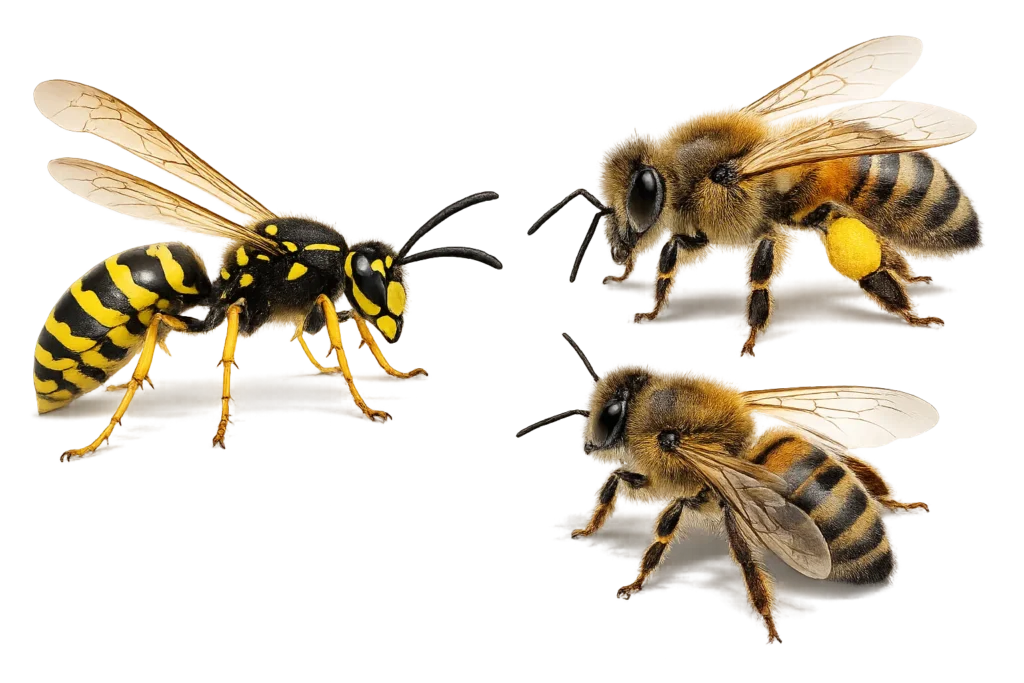
Wasp and Bees Identification Guide
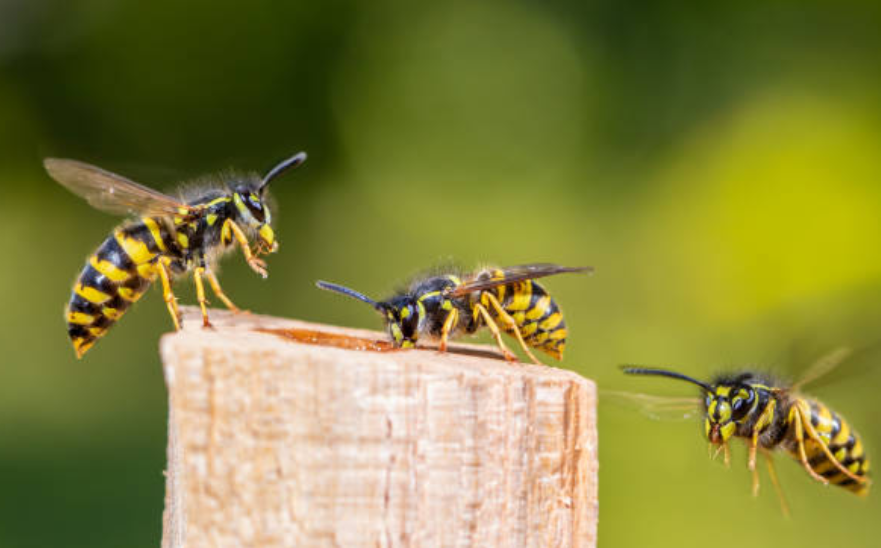
- Bees are round and hairy, while wasps are slim and smooth.
- Bees look fuzzy, wasps look shiny.
- Bees are mostly calm, wasps can be more aggressive.
- Bees eat pollen and nectar, wasps often eat insects or food scraps.
- Bees have thicker bodies, wasps have narrow waists.
- Bees are usually brown or yellow, wasps are bright yellow and black.
- Bees help pollinate plants, wasps mostly hunt pests.
African Bee vs Honey Bee: Key Differences
September 5, 2026
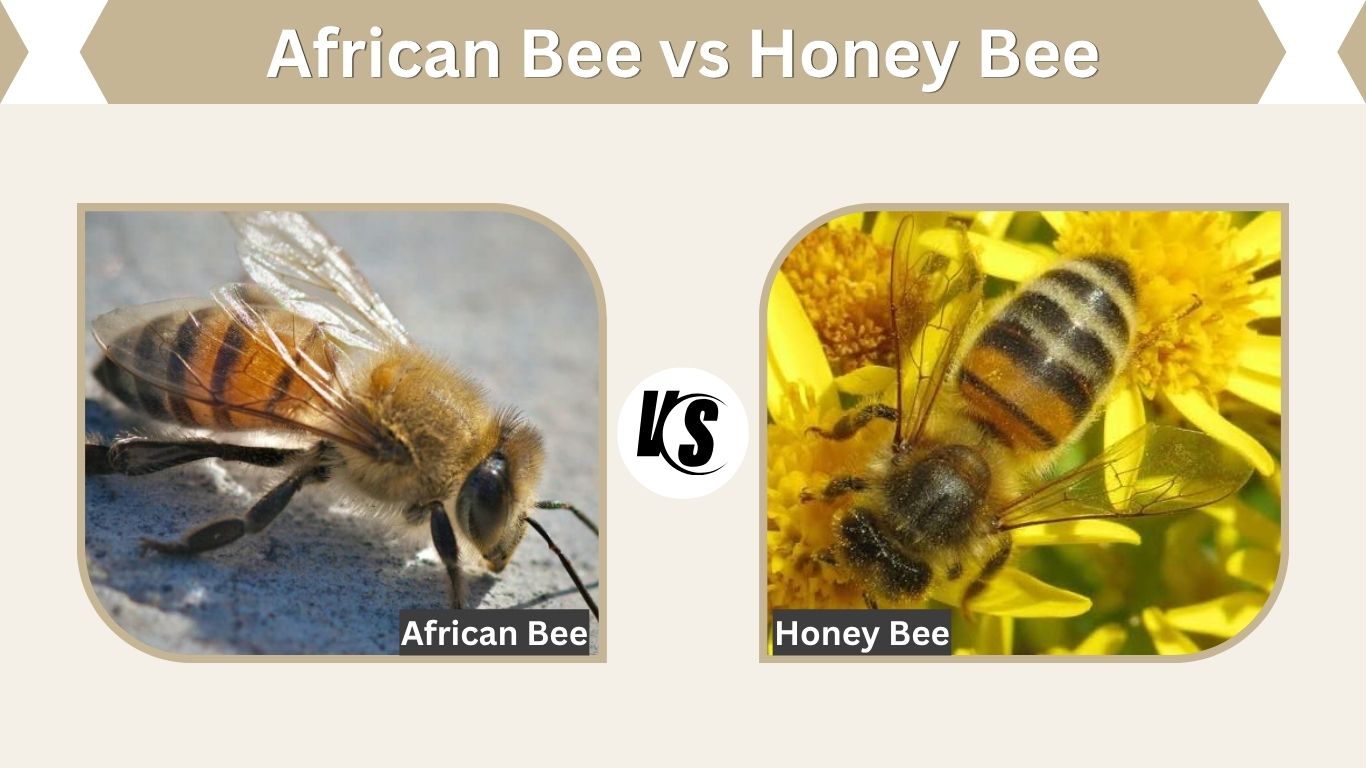
The African bee vs honey bee comparison can be confusing because African bees are themselves honey bees. In most comparisons, “regular honey bee” means the
Read more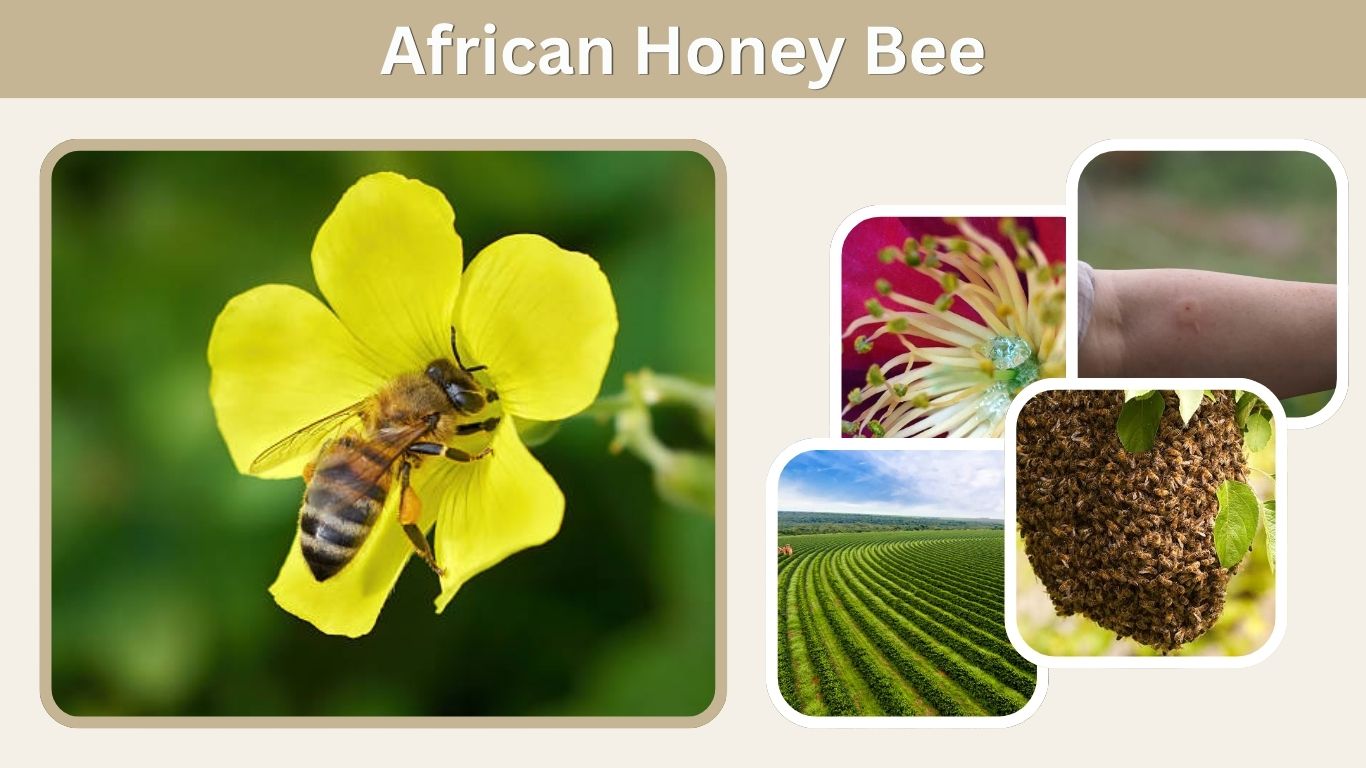
African Honey Bee: Habitat, Sting, Behavior, Range & Facts
September 5, 2026
The African honey bee is a highly adaptable honey bee best known for strong colony defense, frequent swarming, and success in warm climates. The East
Read more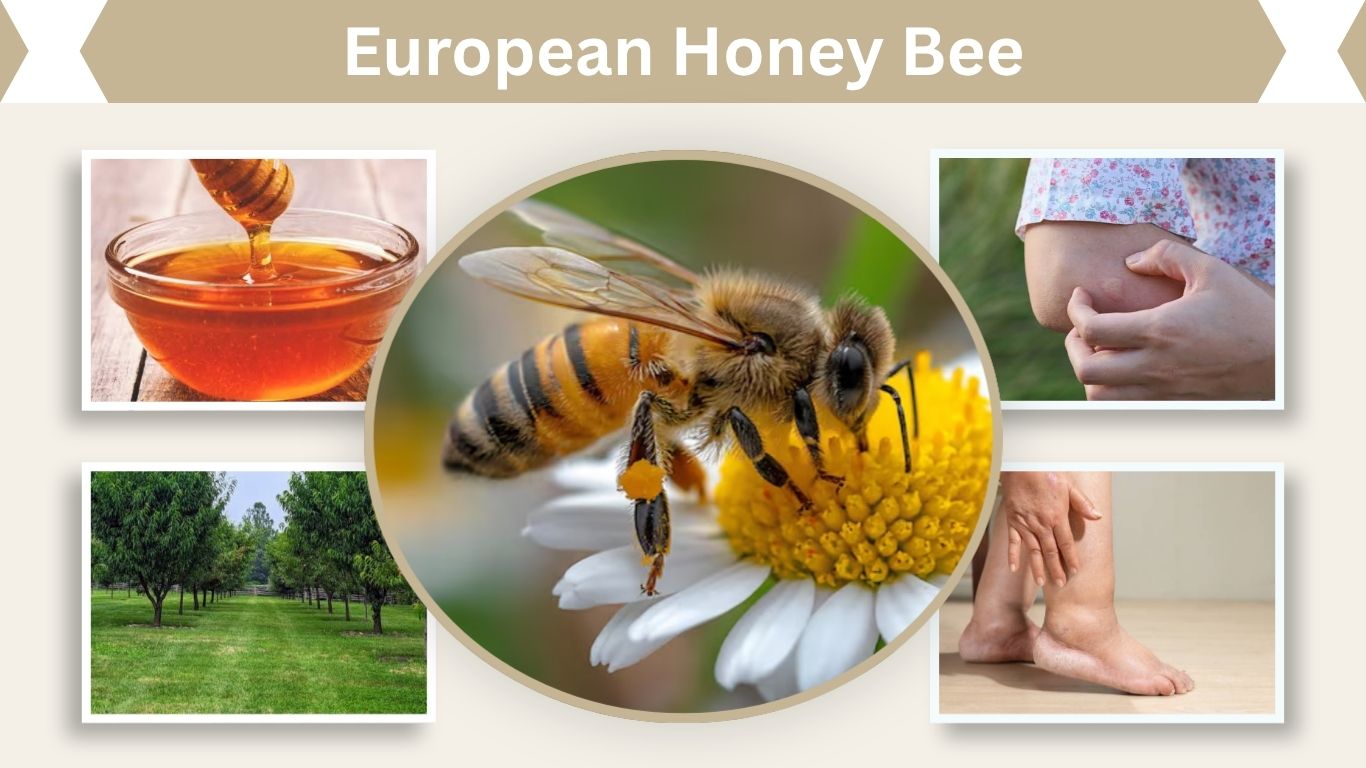
European Honey Bee: Facts, Habitat, Sting and Life Cycle
September 4, 2026
The European honey bee (Apis mellifera), also called the western honey bee, is one of the most familiar and economically important bee species in the
Read more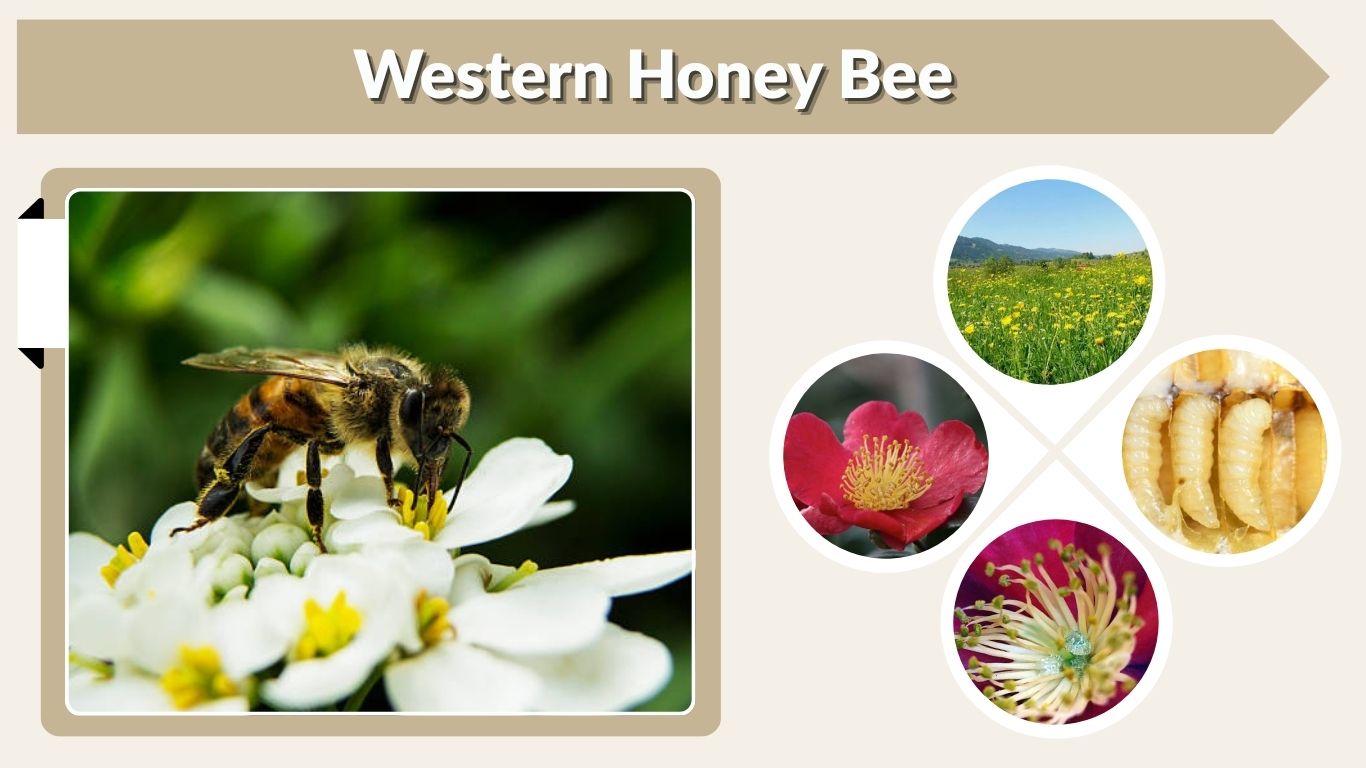
Western Honey Bee: Facts, Habitat, Sting and Life Cycle
September 4, 2026
The western honey bee (Apis mellifera), also called the European honey bee, is one of the world’s best-known and most important pollinating insects. It lives
Read more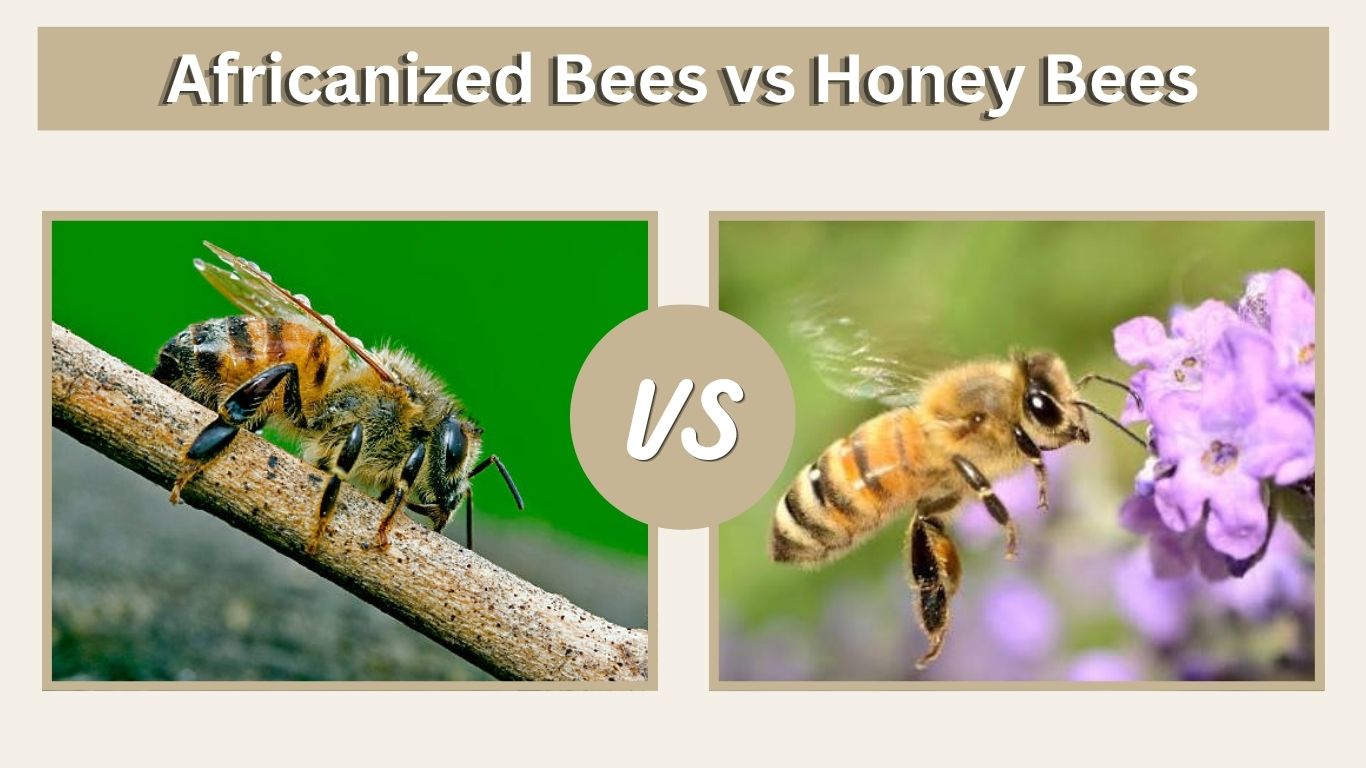
Africanized Bees vs Honey Bees: Key Differences
September 2, 2026
Africanized bees and regular honey bees are extremely similar in appearance, but their colony behavior can be very different. Both belong to the western honey
Read more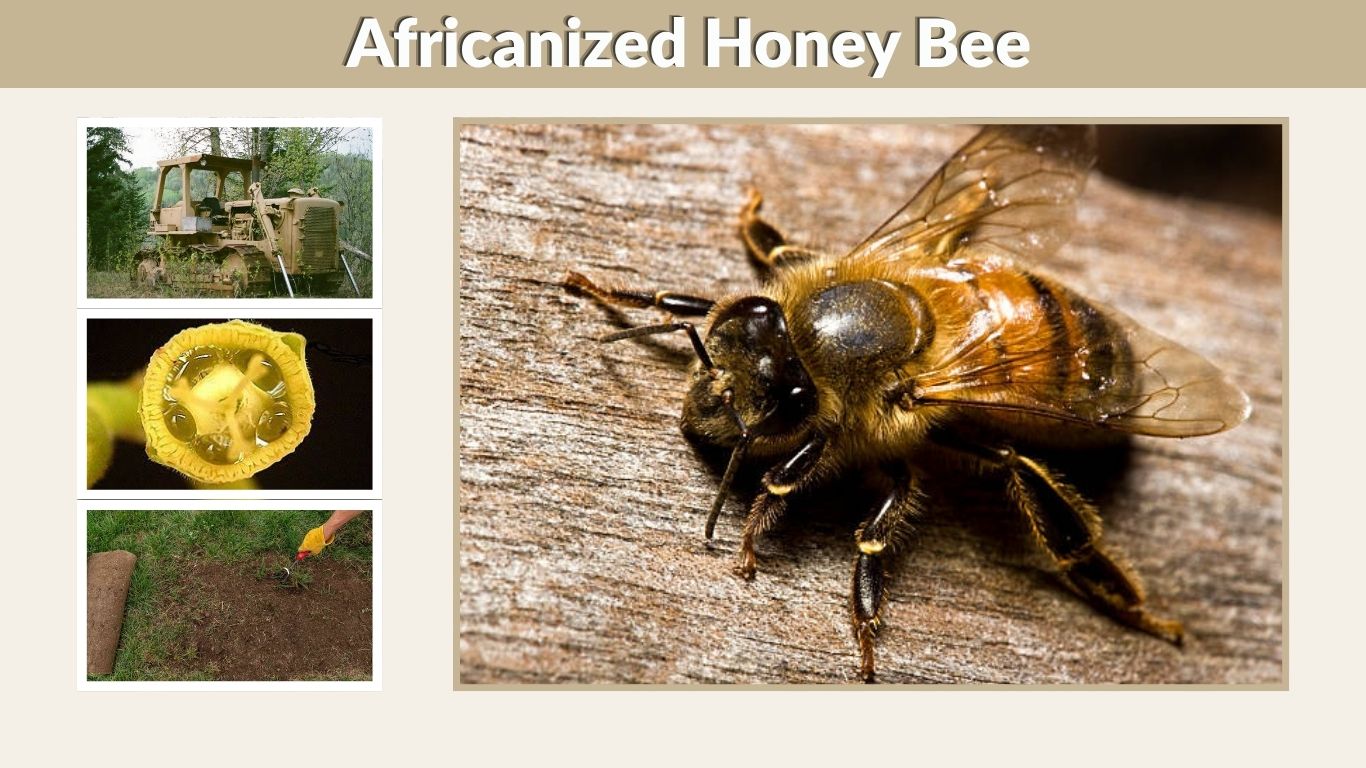
Africanized Honey Bee: Identification, Range, Sting, Facts & Behavior
September 2, 2026
The Africanized honey bee is a type of Apis mellifera known mainly for its highly defensive colony behavior. Often called the “killer bee,” it is
Read more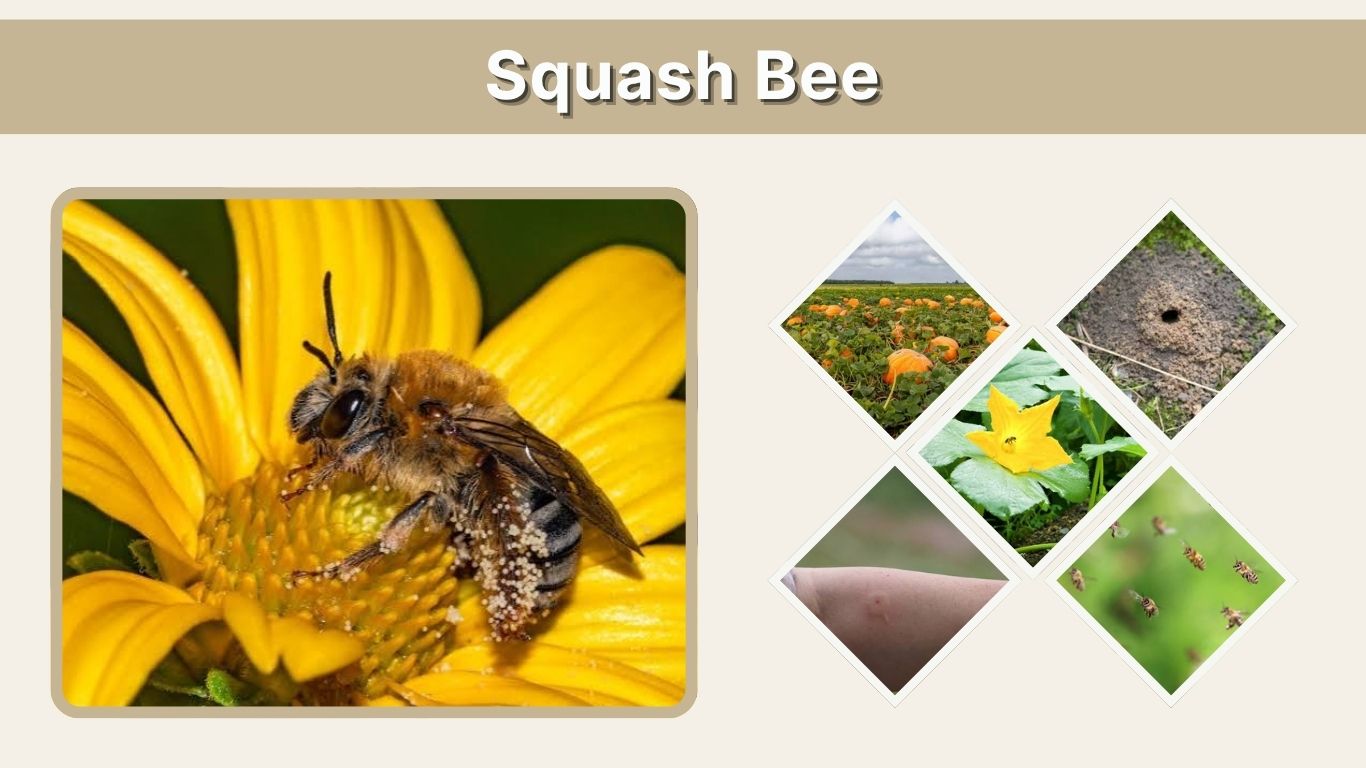
Squash Bee: Identification, Habitat, Nesting and Pollination
September 1, 2026
Squash bees are specialized native pollinators closely associated with squash, pumpkin, zucchini, gourds, and other plants in the genus Cucurbita. These solitary bees often begin
Read more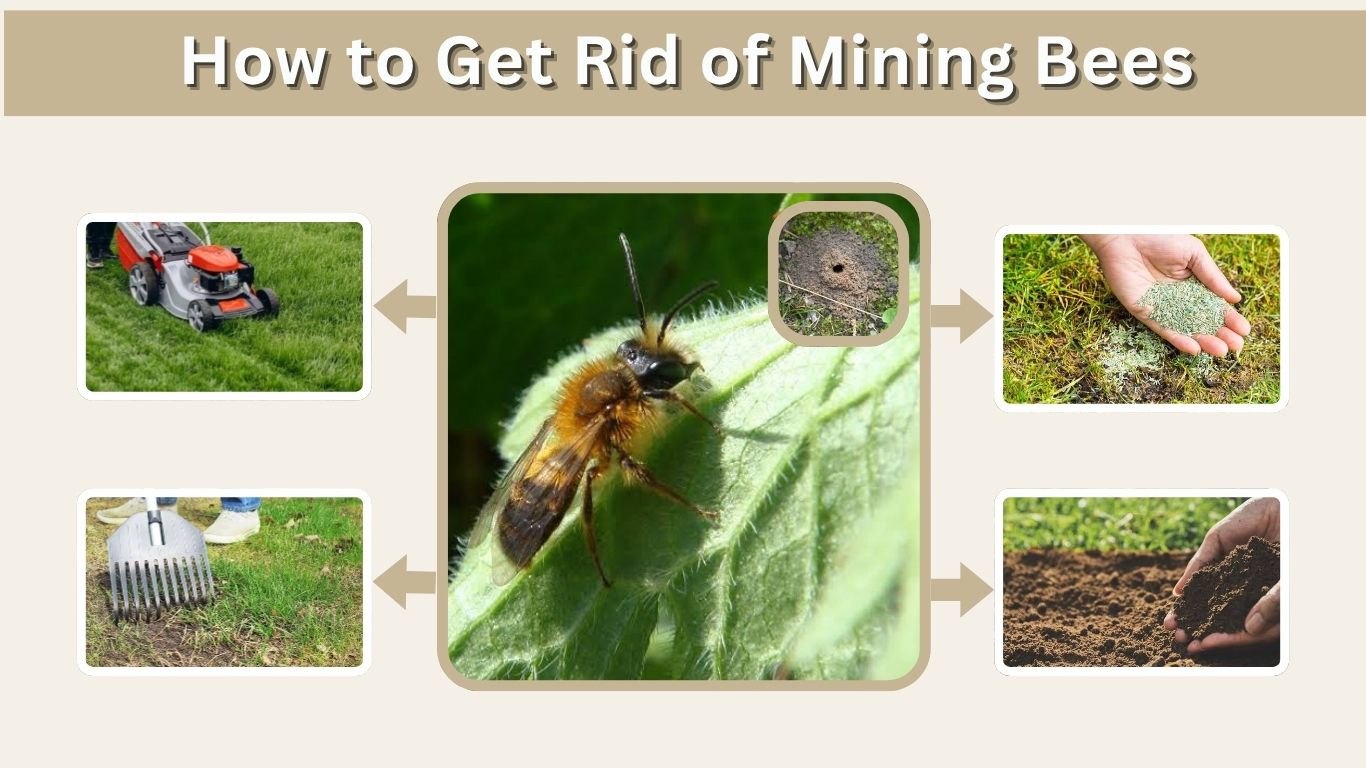
How to Get Rid of Mining Bees Naturally and Safely
September 1, 2026
Mining bees are solitary ground-nesting bees that often appear in lawns, gardens, flower beds, and patches of bare soil during spring or early summer. Although
Read more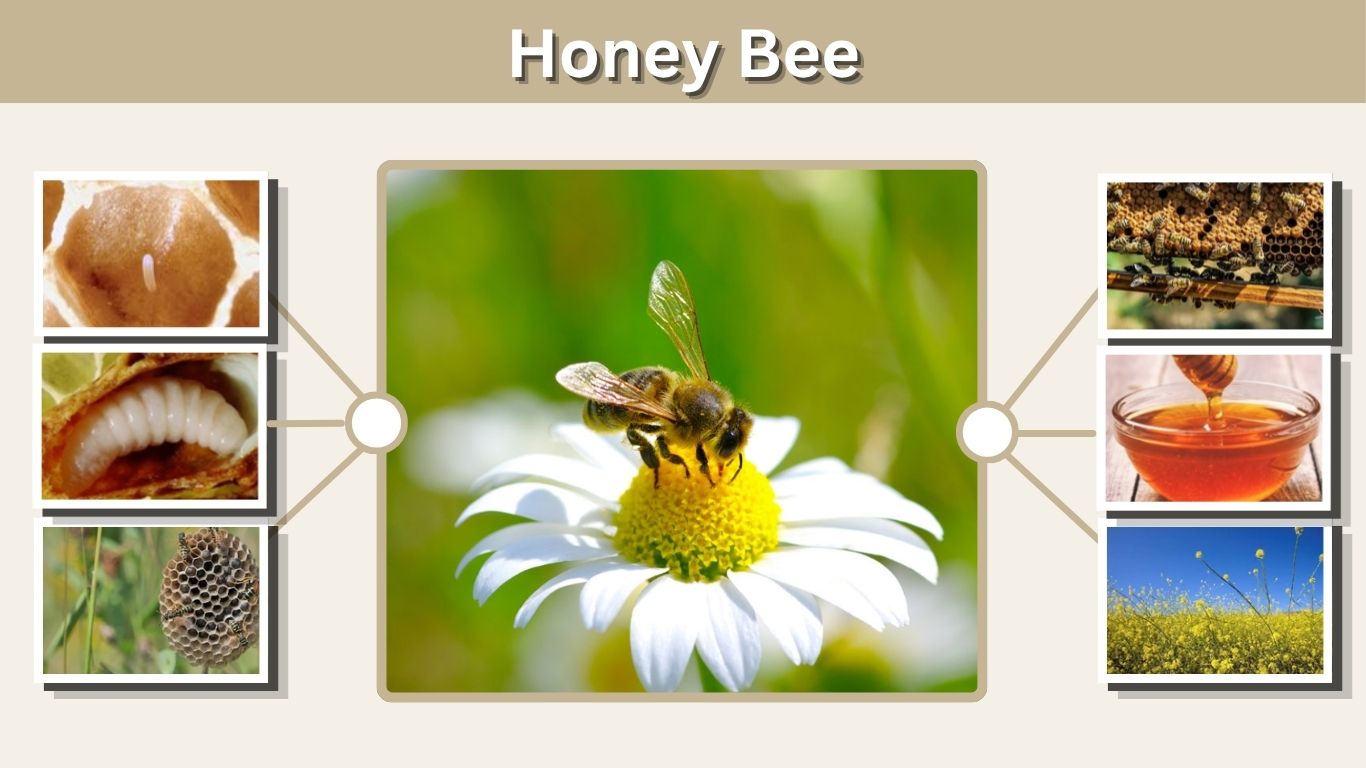
Honey Bee: Identification, Life Cycle, Hive and Facts
September 1, 2026
Honey bees are among the world’s most important pollinating insects. They live in highly organized colonies containing a queen, thousands of female workers, and seasonal
Read more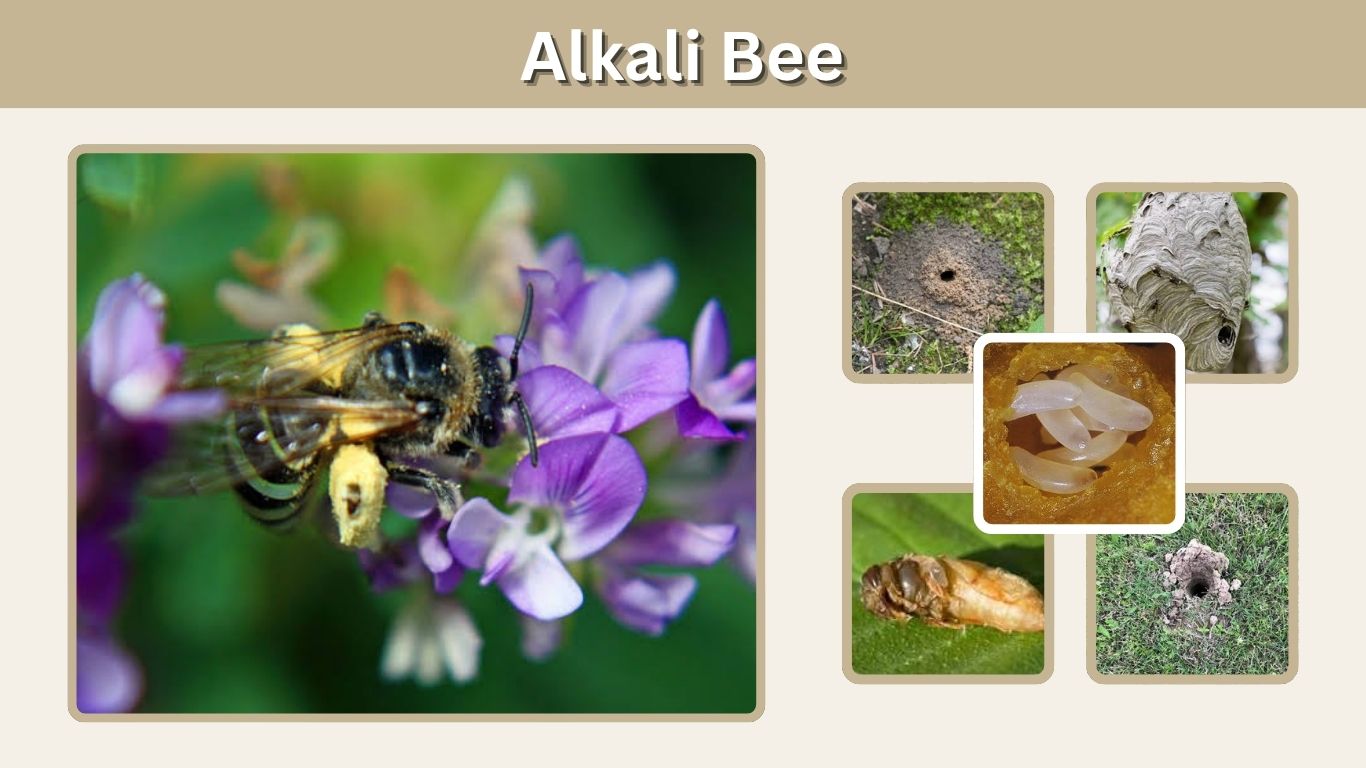
Alkali Bee: Habitat, Nesting, Sting and Alfalfa Pollination
September 1, 2026
The alkali bee is a solitary ground-nesting bee best known for its remarkable ability to pollinate alfalfa. Scientifically called Nomia melanderi, this native North American
Read more