
Get to Know Bees and Wasps Like Never Before
We explore the busy world of wasps and bees in a clear and simple way. Learn how they live, build, and help nature grow. From hives to nests, we share easy facts, tips, and guides to help you understand and appreciate these amazing insects every day.
Our Blog About Us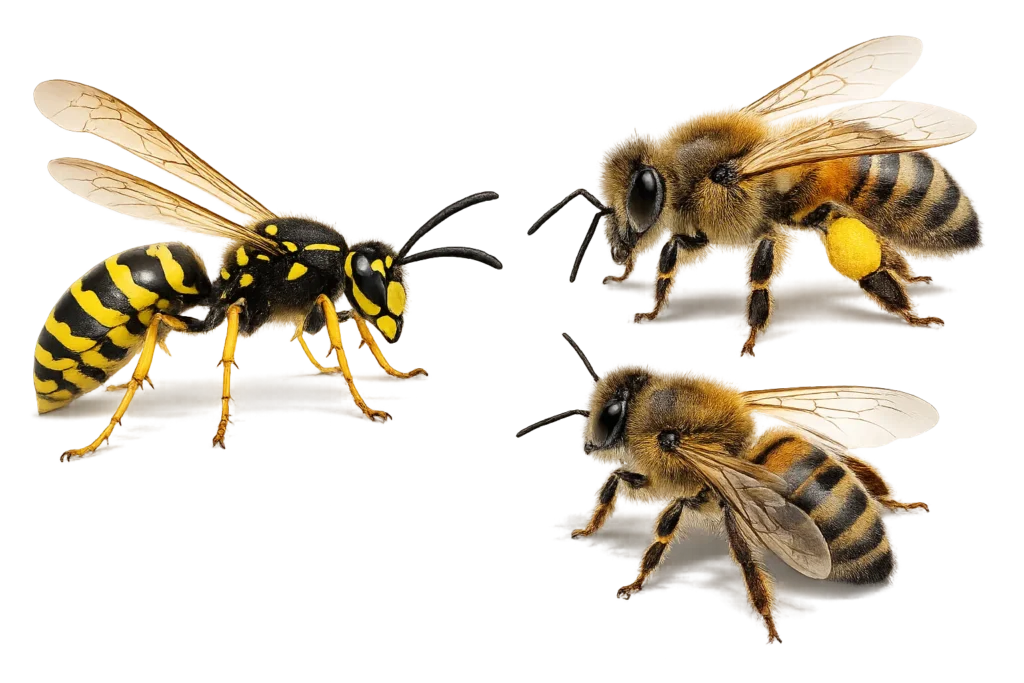
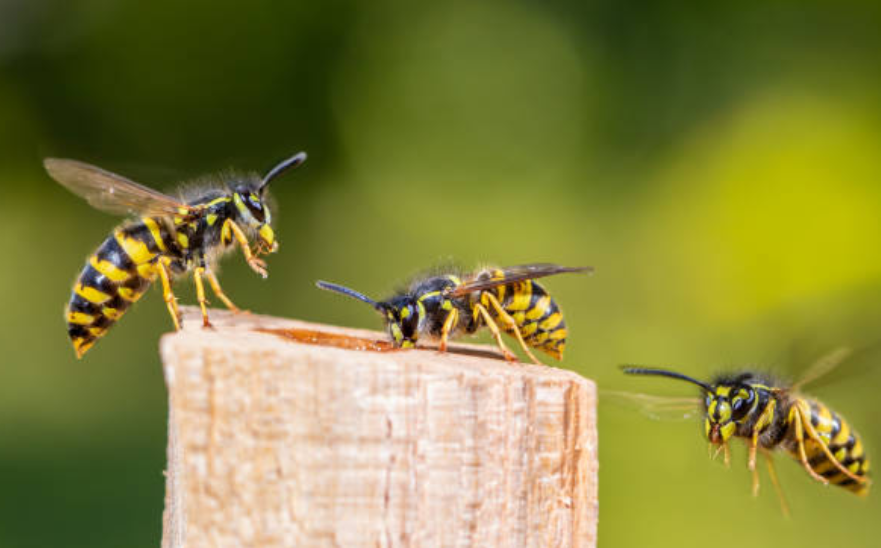
Wasp and Bees Identification Guide
- Bees are round and hairy, while wasps are slim and smooth.
- Bees look fuzzy, wasps look shiny.
- Bees are mostly calm, wasps can be more aggressive.
- Bees eat pollen and nectar, wasps often eat insects or food scraps.
- Bees have thicker bodies, wasps have narrow waists.
- Bees are usually brown or yellow, wasps are bright yellow and black.
- Bees help pollinate plants, wasps mostly hunt pests.
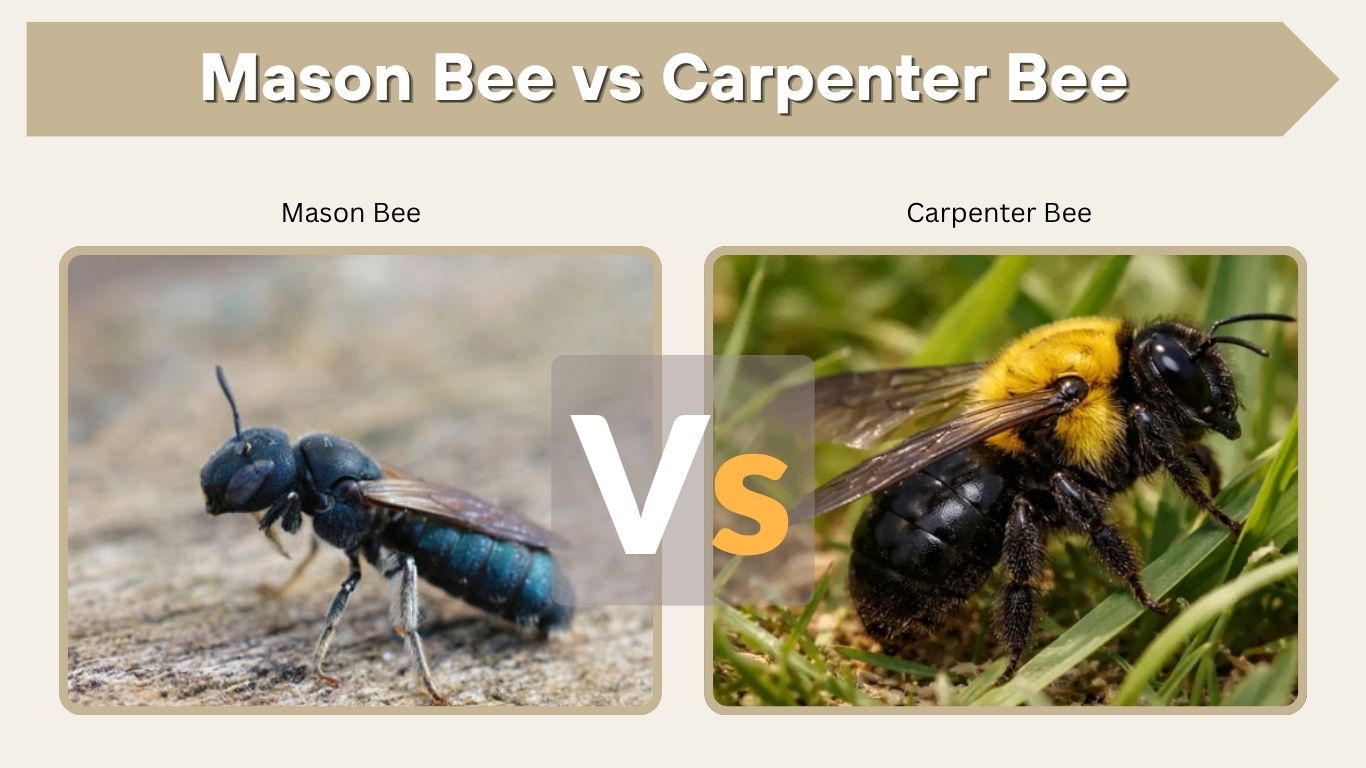
Mason Bee vs Carpenter Bee: Key Differences
September 13, 2026
The mason bee vs carpenter bee comparison can be confusing because both are solitary native bees and valuable pollinators. However, they differ considerably in appearance,
Read more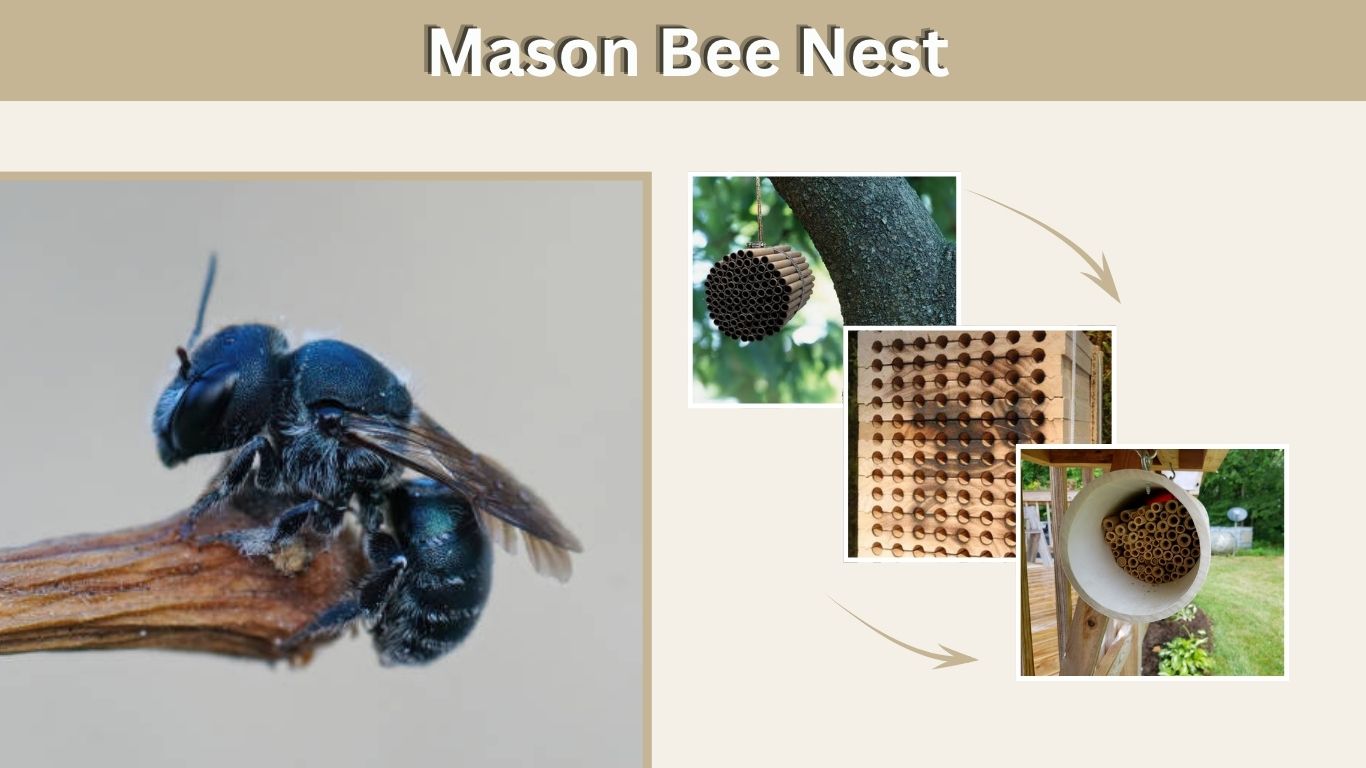
Mason Bee Nest: How to Build, Place, and Maintain One
September 13, 2026
A mason bee nest provides safe nesting cavities for solitary mason bees, valuable spring pollinators that readily visit fruit trees, berries, and garden flowers. Unlike
Read more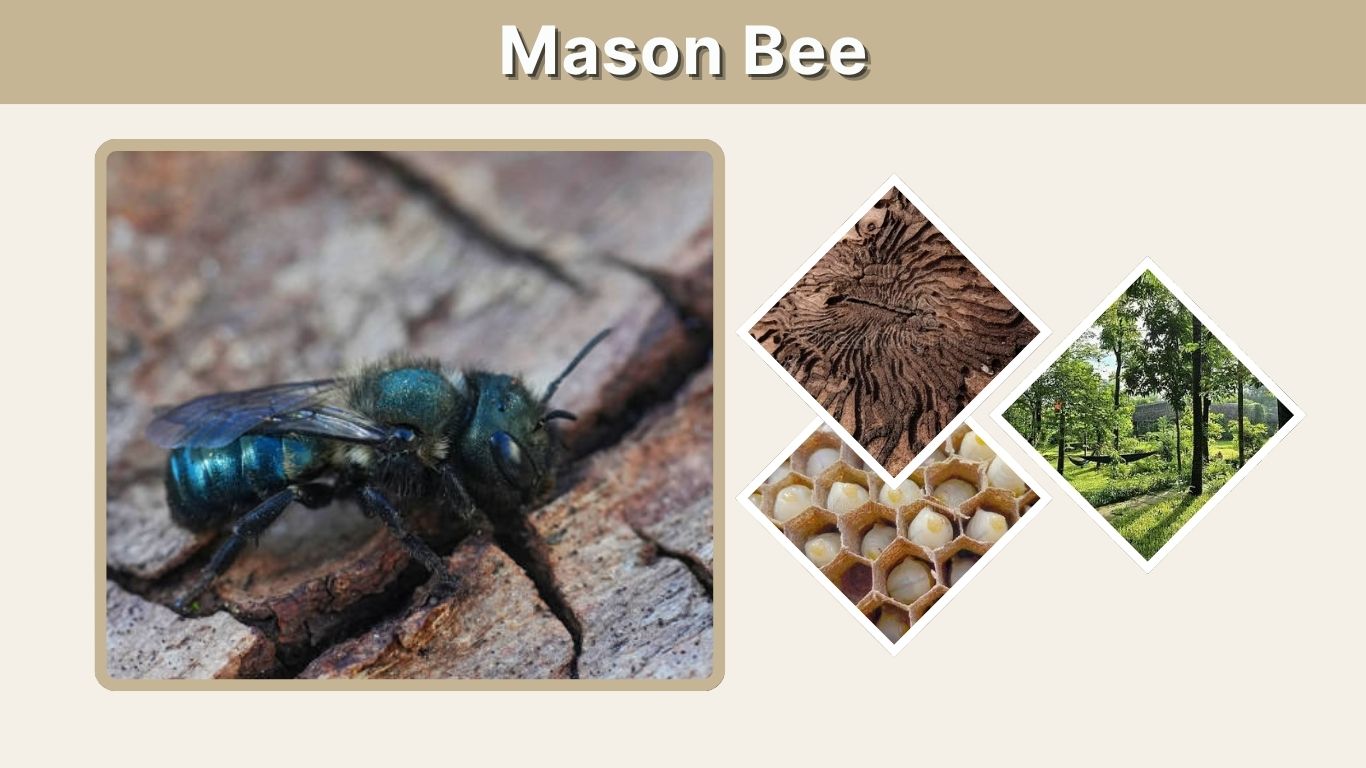
Mason Bee: Identification, Habitat, Nesting & Life Cycle
September 10, 2026
The mason bee is a solitary, gentle pollinator known for nesting in small holes and sealing its nest chambers with mud. Unlike honey bees, mason
Read more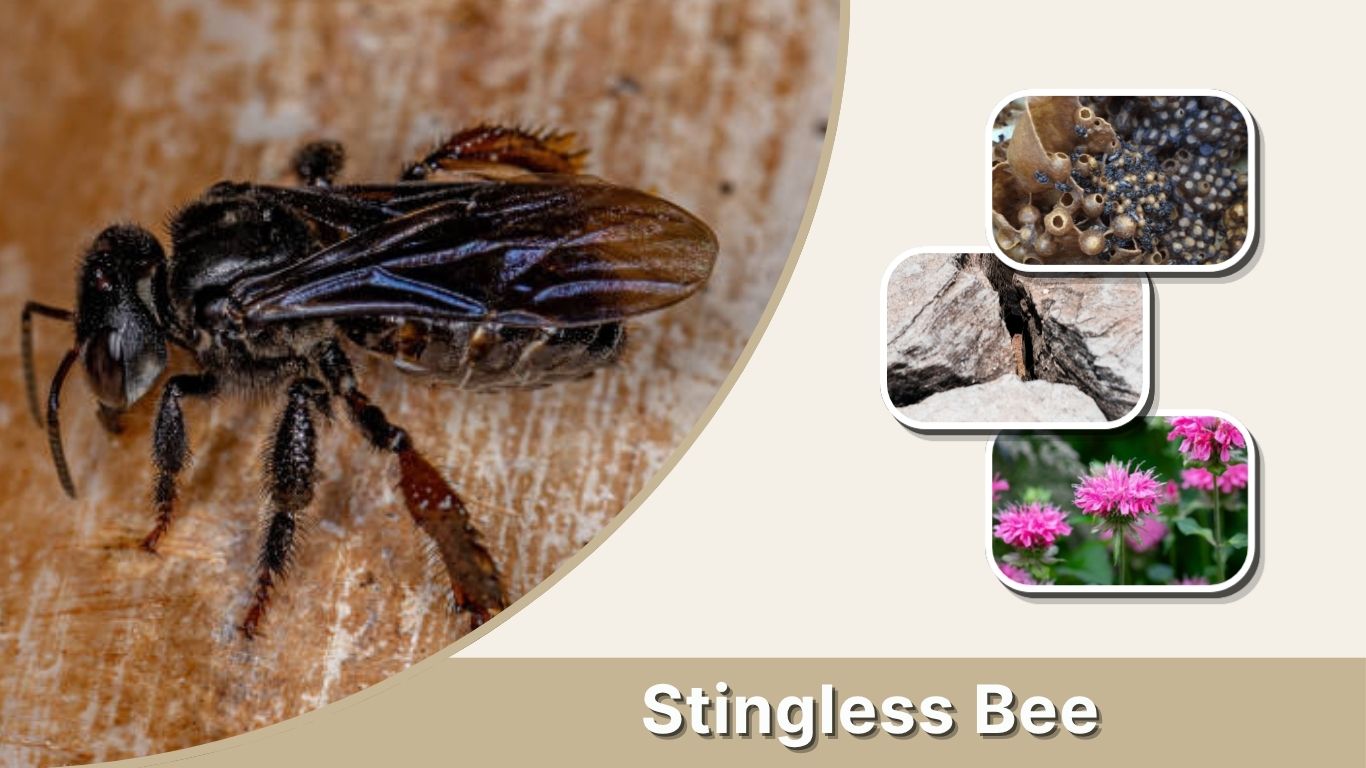
Stingless Bee: Honey, Hive, Benefits & Facts
September 10, 2026
The stingless bee is a highly social tropical bee belonging to the tribe Meliponini. Unlike familiar honey bees, these bees have a greatly reduced, nonfunctional
Read more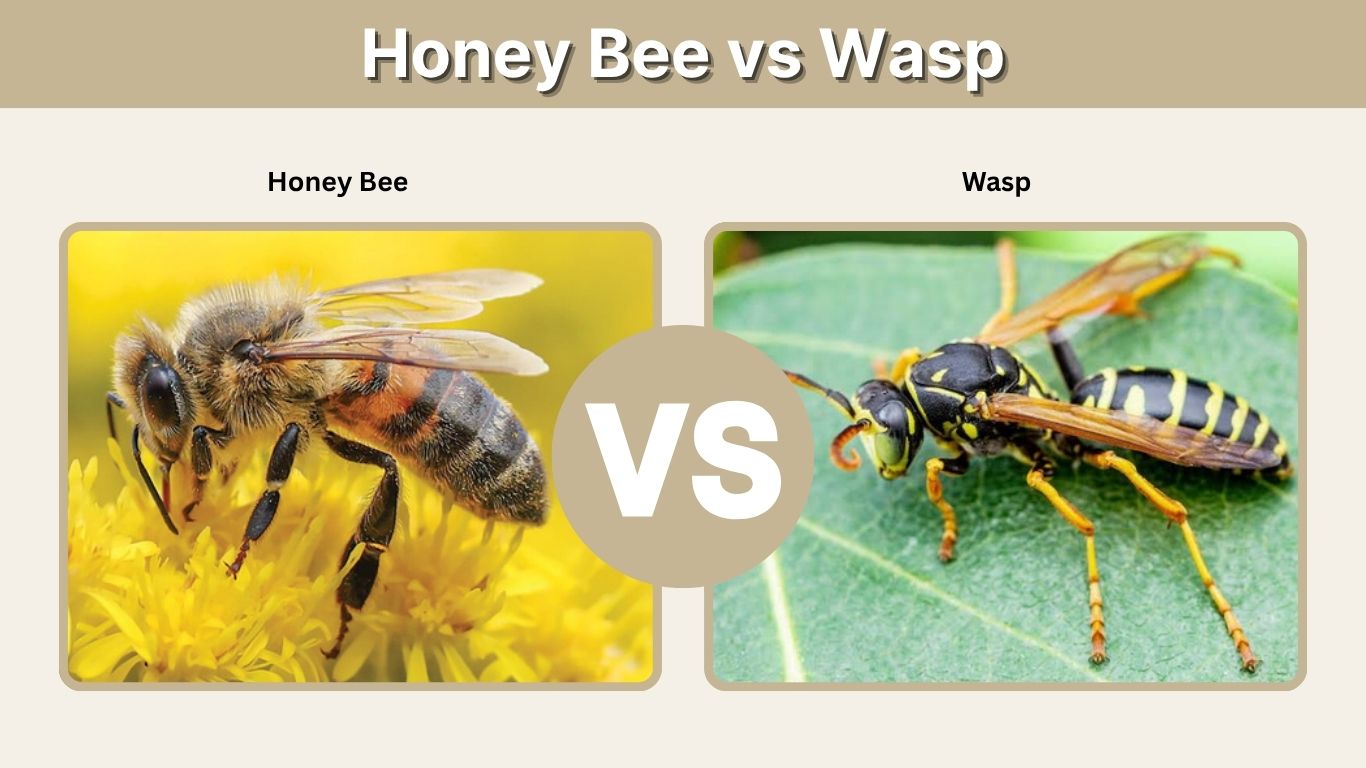
Honey Bee vs Wasp: Differences in Looks, Nests, and Stings
September 8, 2026
A honey bee vs wasp comparison becomes much easier once you look beyond their yellow-and-black coloring. Honey bees are fuzzy, thick-bodied insects that collect pollen
Read more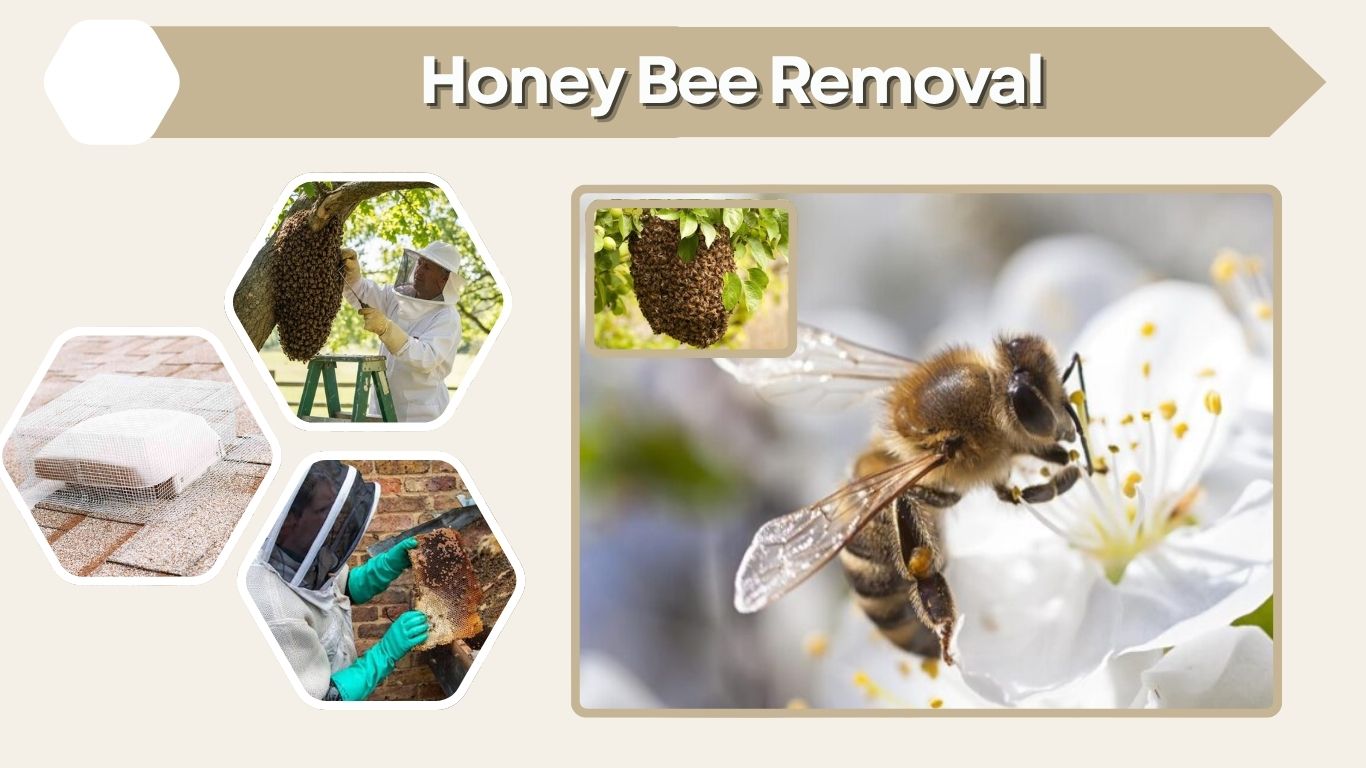
Honey Bee Removal: Safe Hive, Swarm, and Wall Removal
September 8, 2026
Honey bee removal becomes necessary when a swarm or established colony settles too close to people, inside a wall, roof, chimney, tree cavity, or another
Read more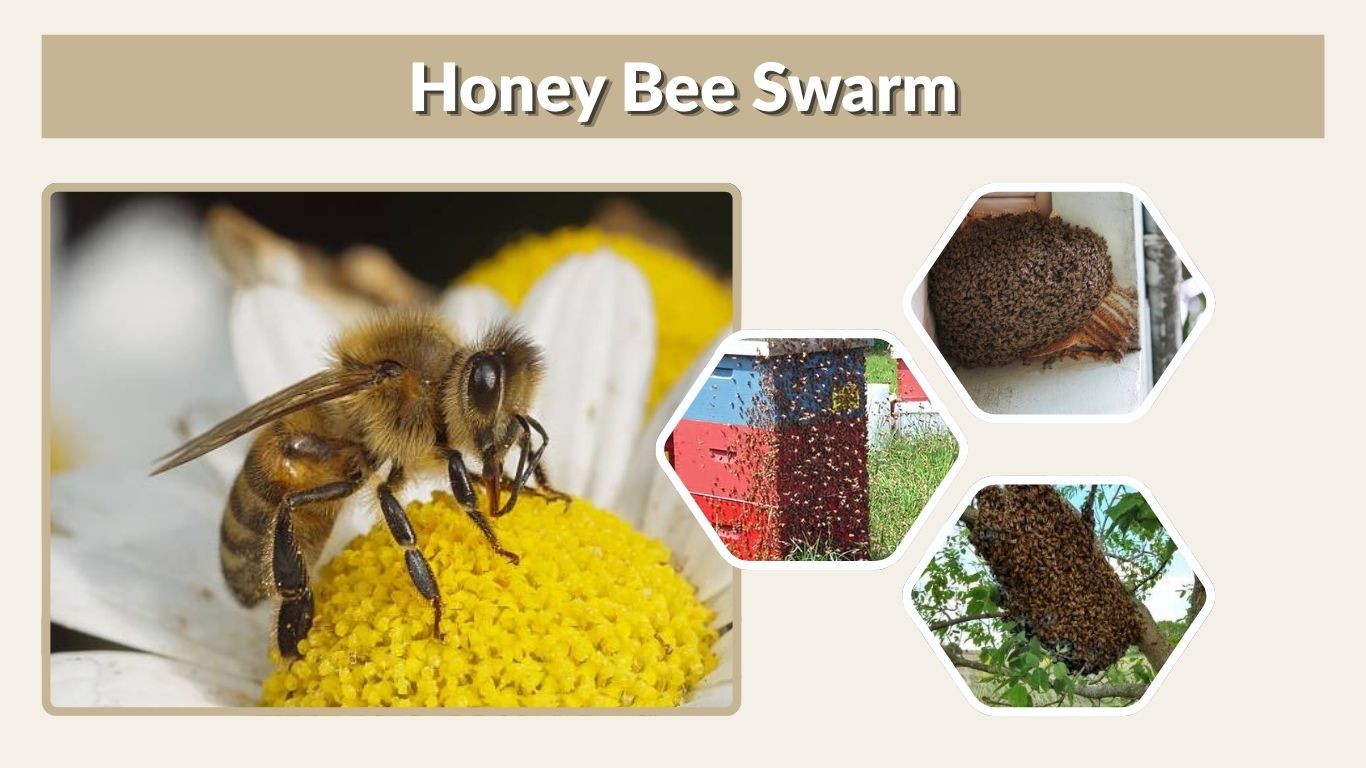
Honey Bee Swarm: Behavior, Removal, Traps & Prevention
September 7, 2026
A honey bee swarm can look alarming when hundreds or thousands of bees suddenly gather on a tree, fence, wall, or other surface. However, swarming
Read more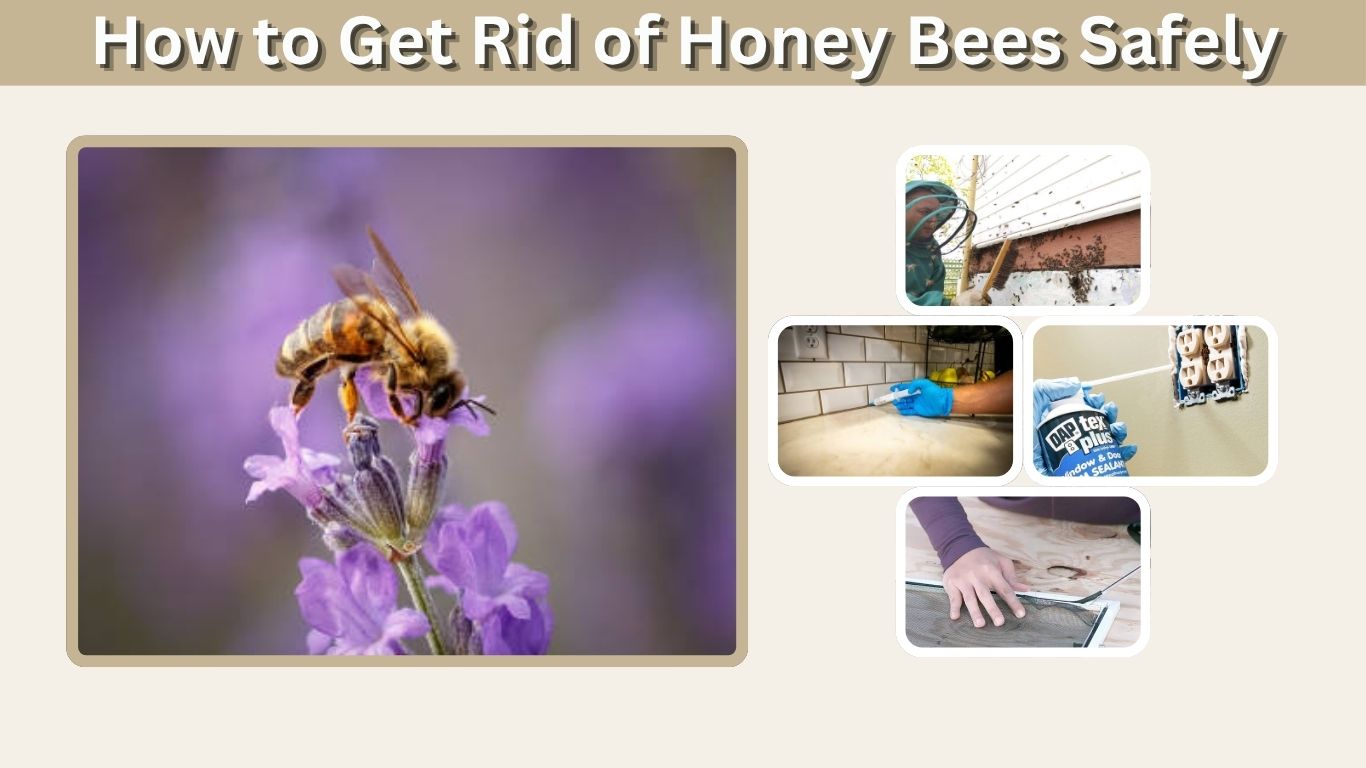
How to Get Rid of Honey Bees Safely and Effectively
September 7, 2026
Honey bees are valuable pollinators, but a colony inside a wall, roof, tree cavity, or other part of your home can create safety and structural
Read more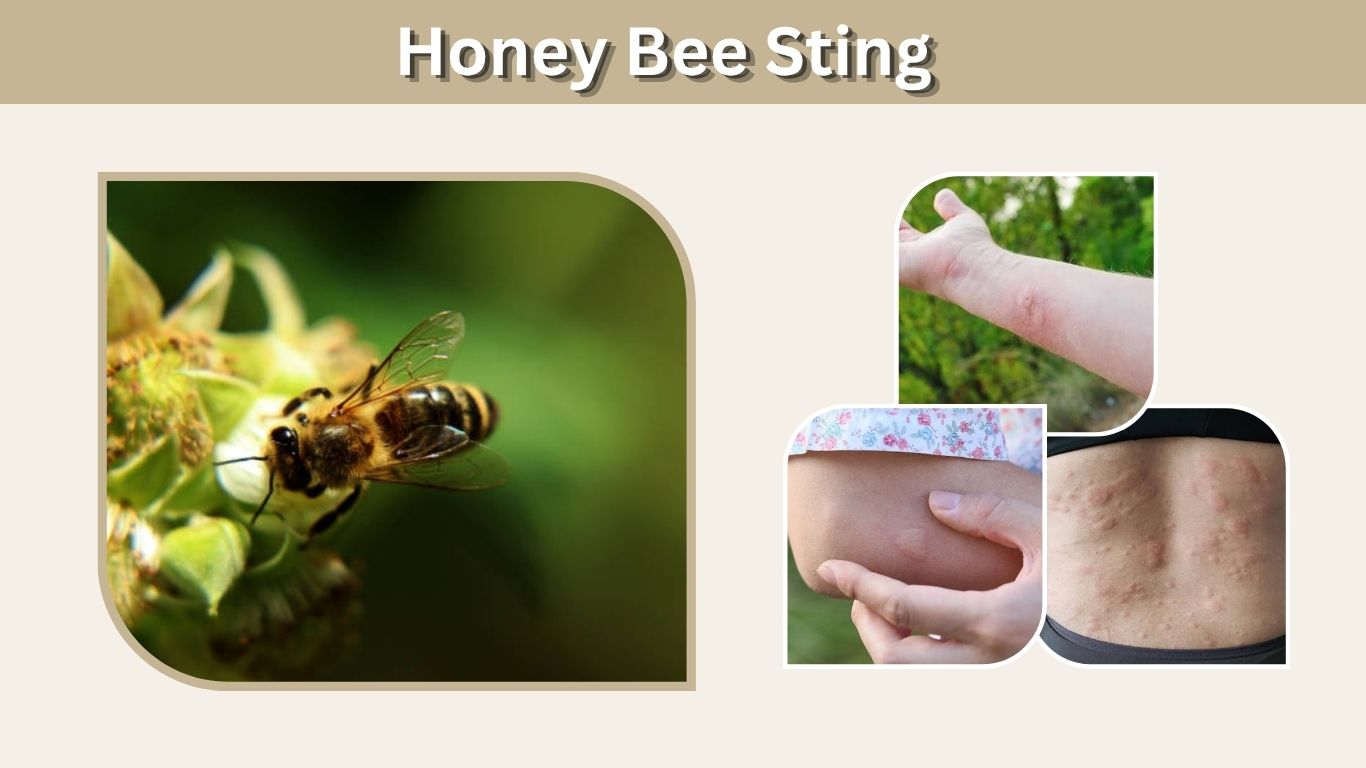
Honey Bee Sting: Symptoms, Treatment, Swelling & Relief
September 6, 2026
A honey bee sting can cause sudden sharp pain, redness, itching, and swelling where the bee’s stinger enters the skin. Unlike many wasps, a worker
Read more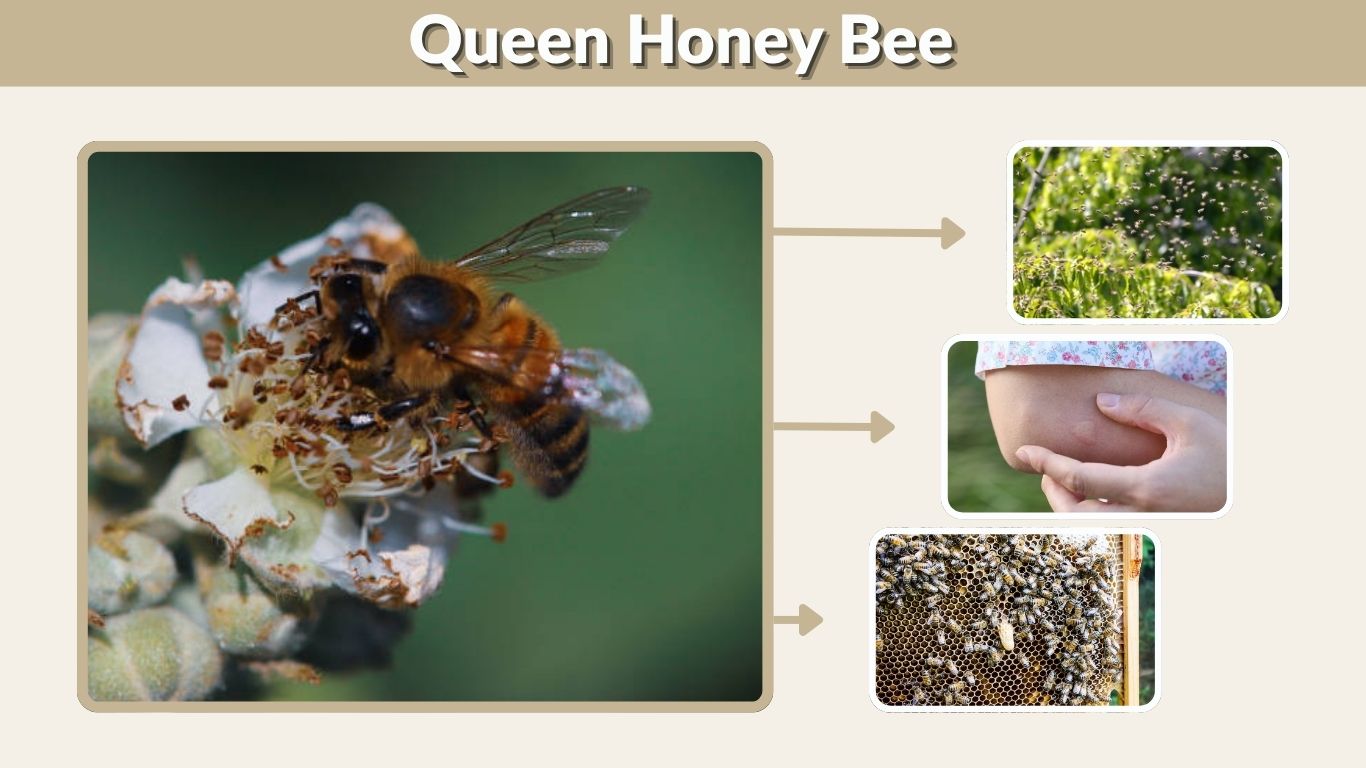
Queen Honey Bee: Identification, Life Cycle & Lifespan
September 6, 2026
The queen honey bee is the primary reproductive female in a honey bee colony and the mother of nearly every worker and drone living inside
Read more