
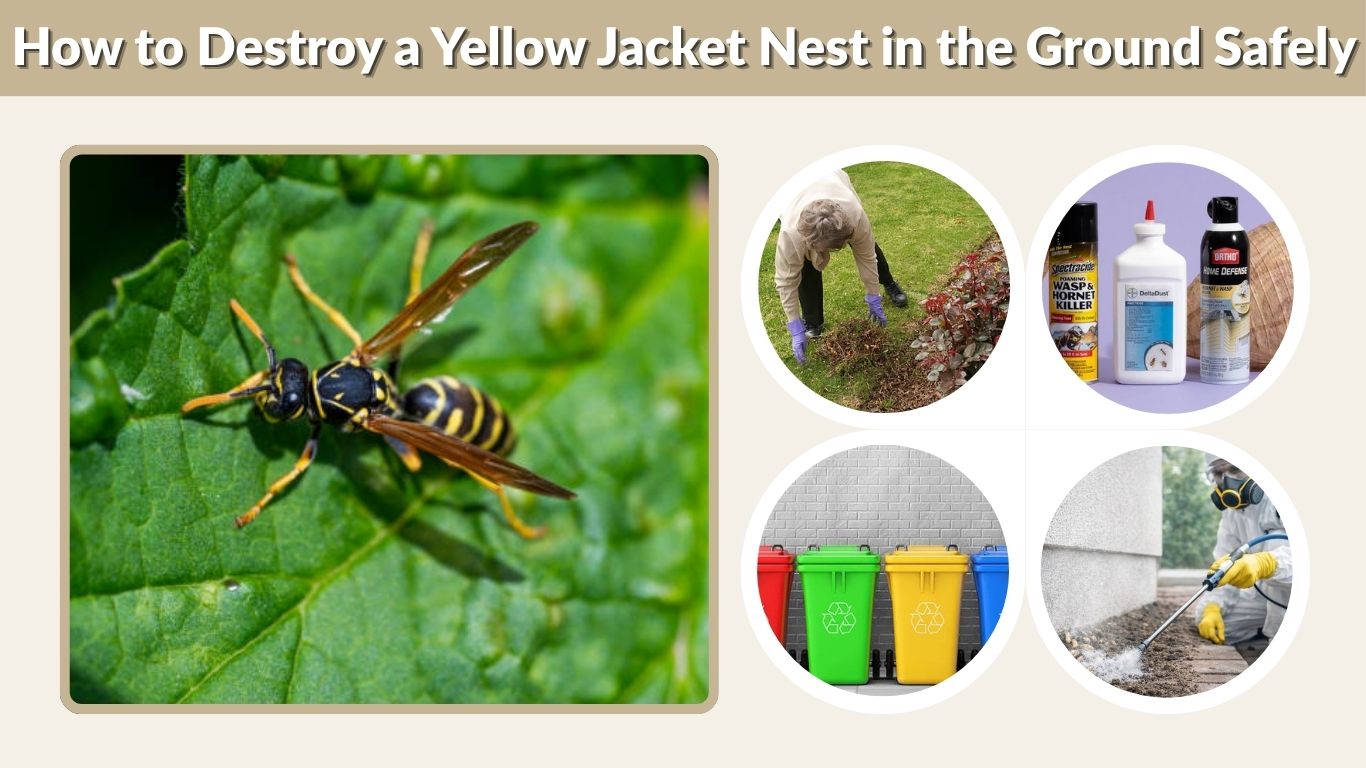
How to Destroy a Yellow Jacket Nest in the Ground Safely
Finding yellow jackets flying into a small hole in your lawn can be alarming. These social wasps often occupy abandoned rodent burrows and other underground … Read More
Finding yellow jackets flying into a small hole in your lawn can be alarming. These social wasps often occupy abandoned rodent burrows and other underground … Read More
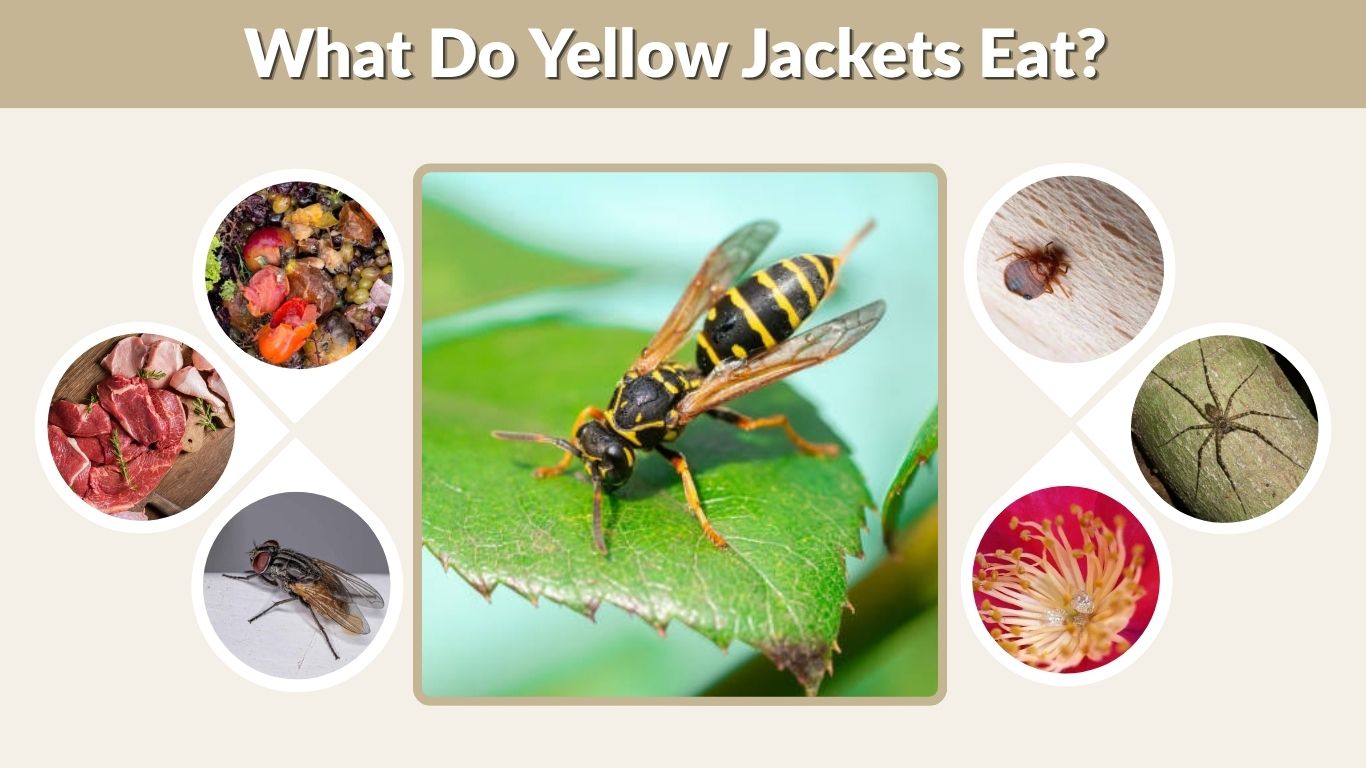
Yellow jackets are opportunistic predators and scavengers that eat both natural foods and human leftovers. Their diet changes with the season and the needs of … Read More
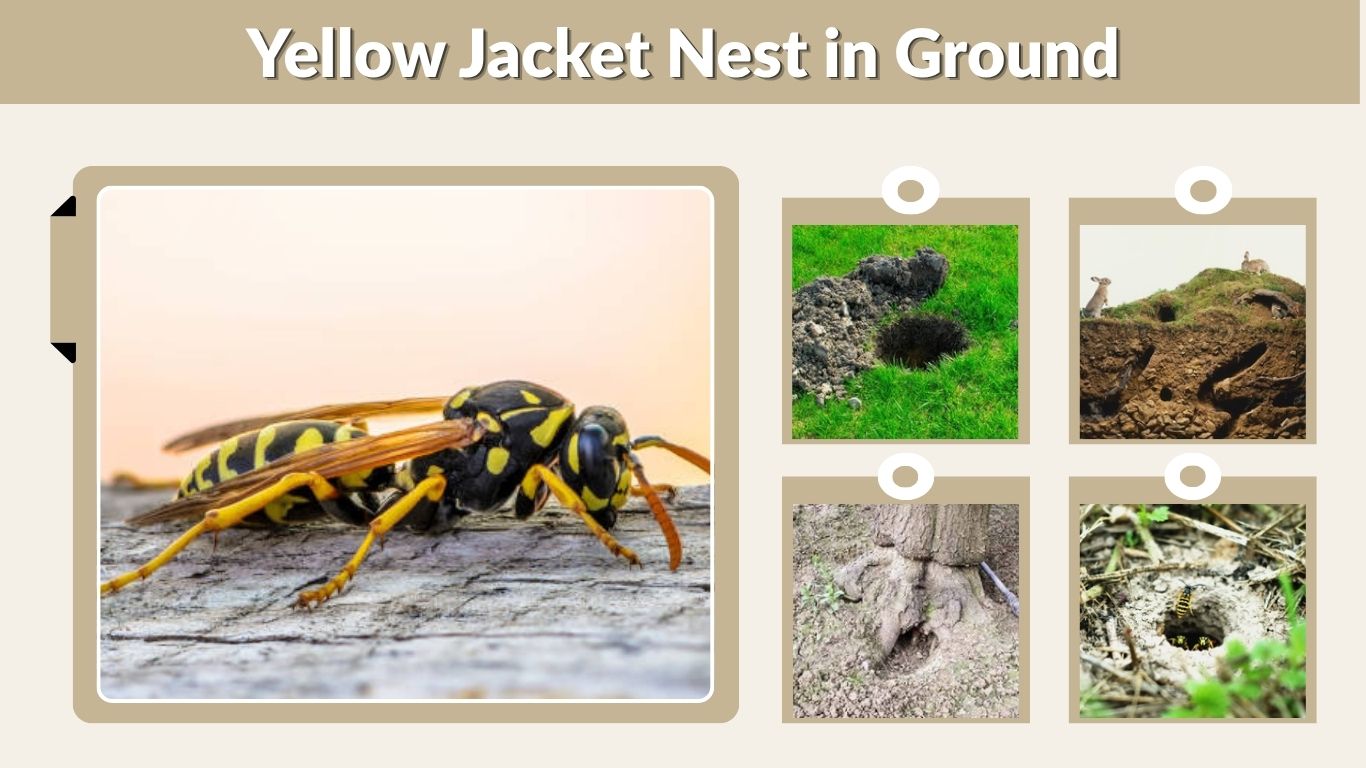
A yellow jacket nest in the ground can be difficult to notice until someone walks nearby, operates a lawn mower, or accidentally disturbs its entrance. … Read More
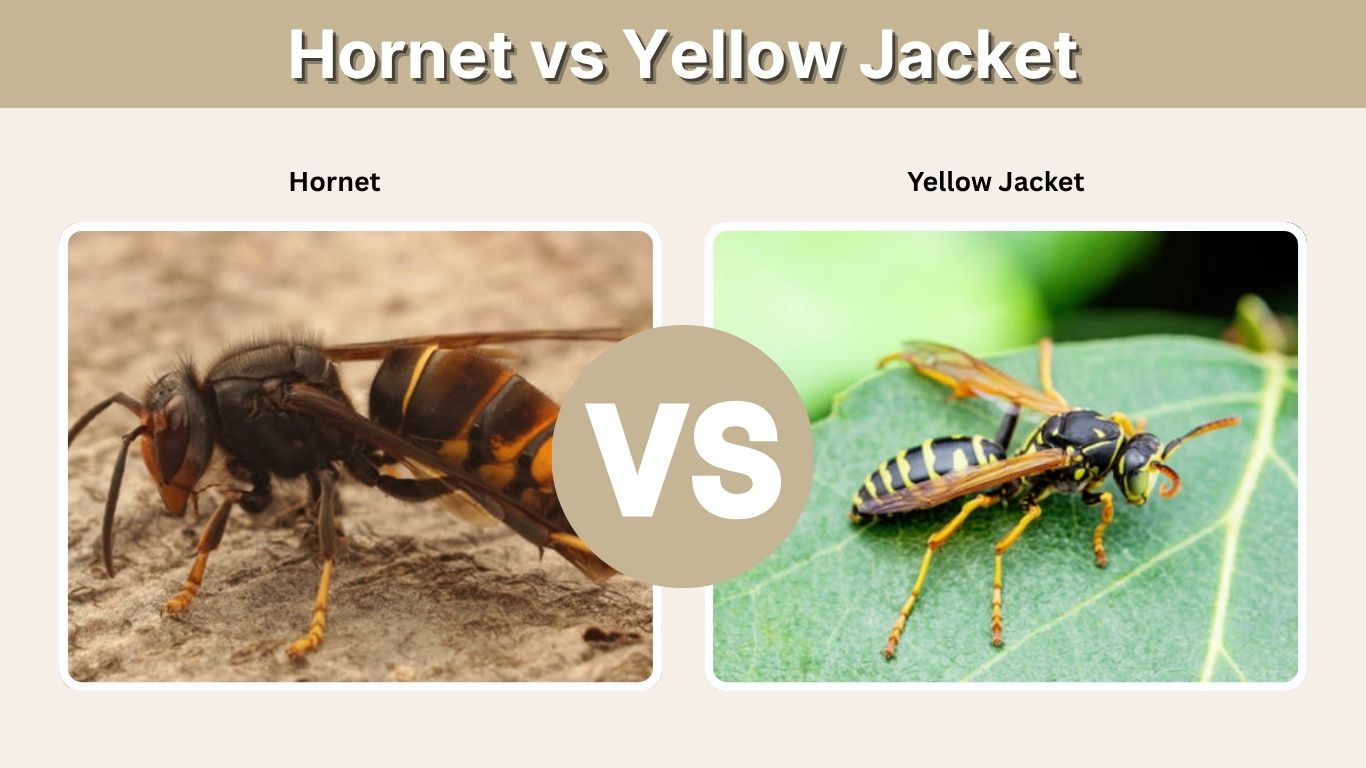
Hornets and yellow jackets are closely related social wasps, but they differ in size, color, nesting habits, and behavior. Yellow jackets are usually small, brightly … Read More
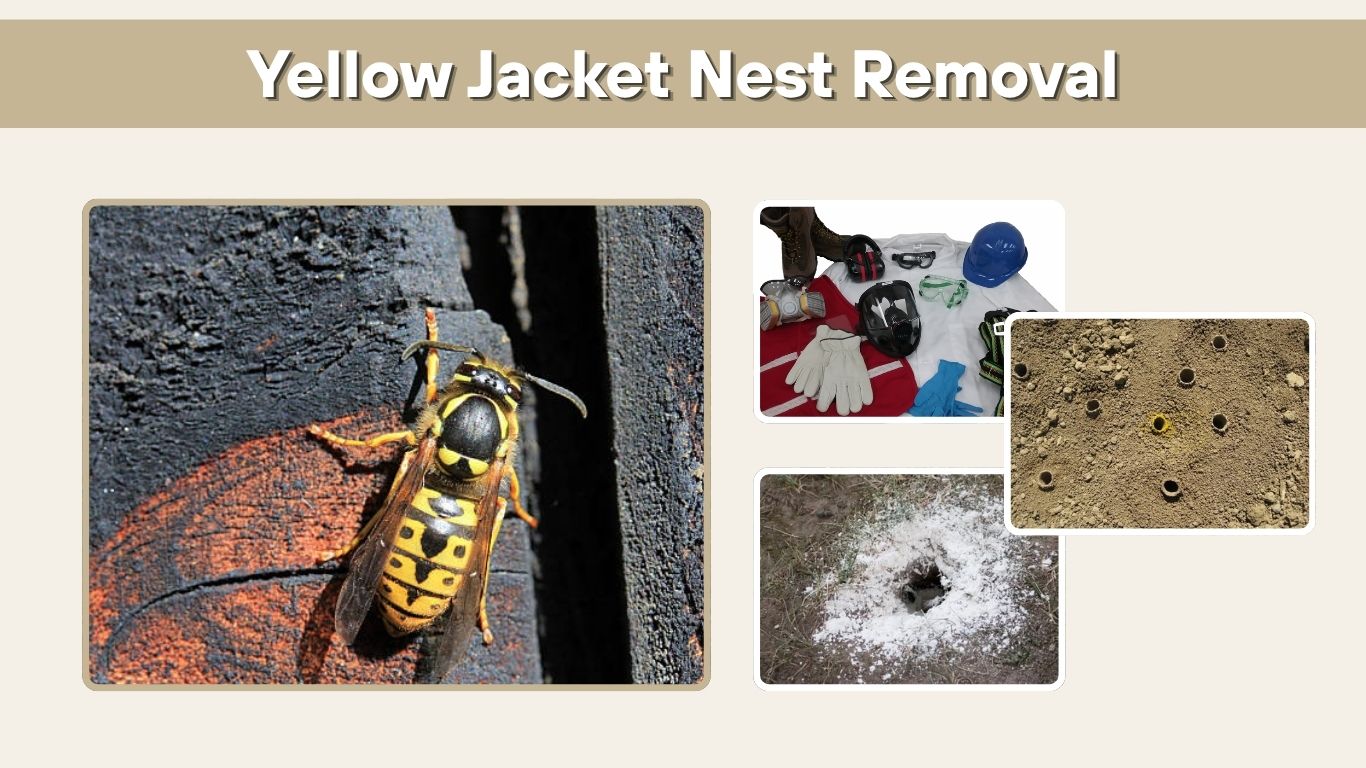
Yellow jacket nest removal can be dangerous because these social wasps aggressively defend their colony and may sting repeatedly. Nests may be underground, beneath decks, … Read More
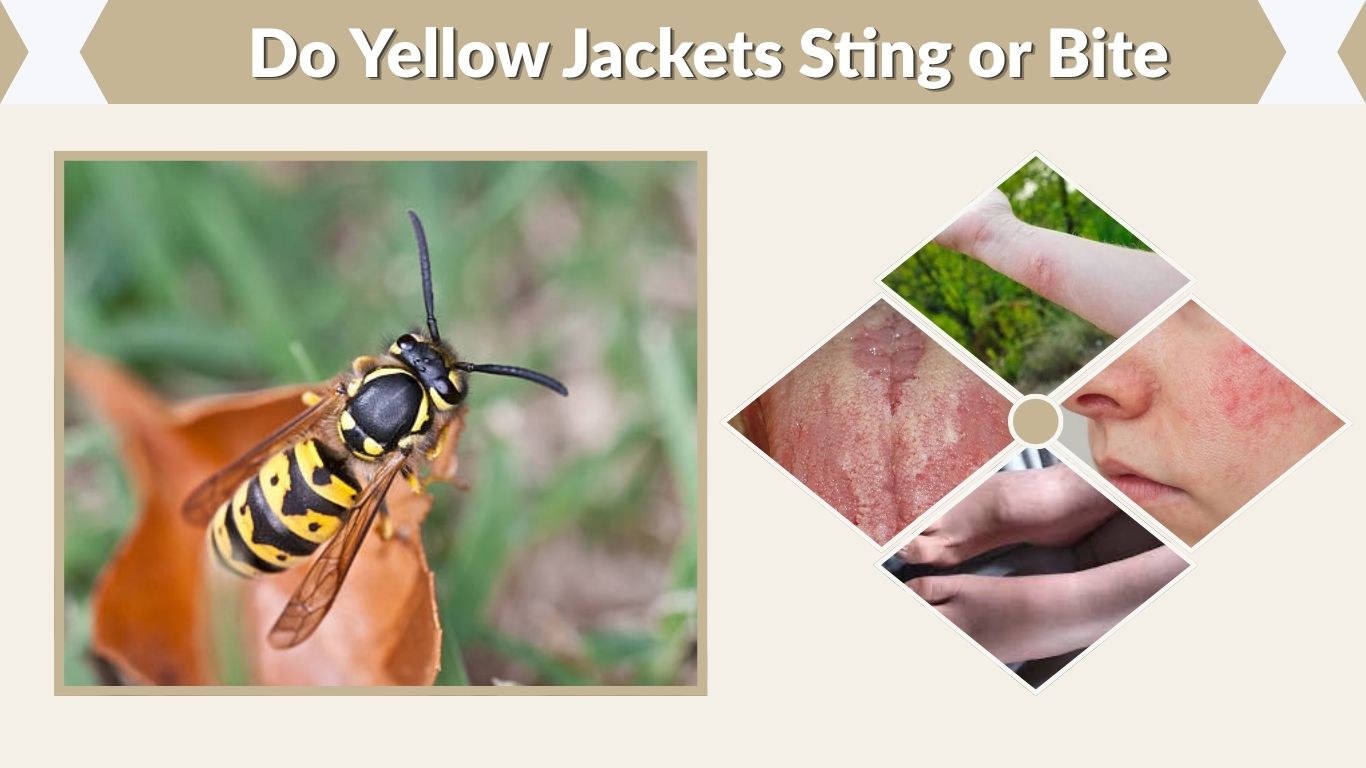
Yellow jackets primarily sting, but they can also use their strong jaws to bite or grip. For humans, the painful injury usually comes from the … Read More
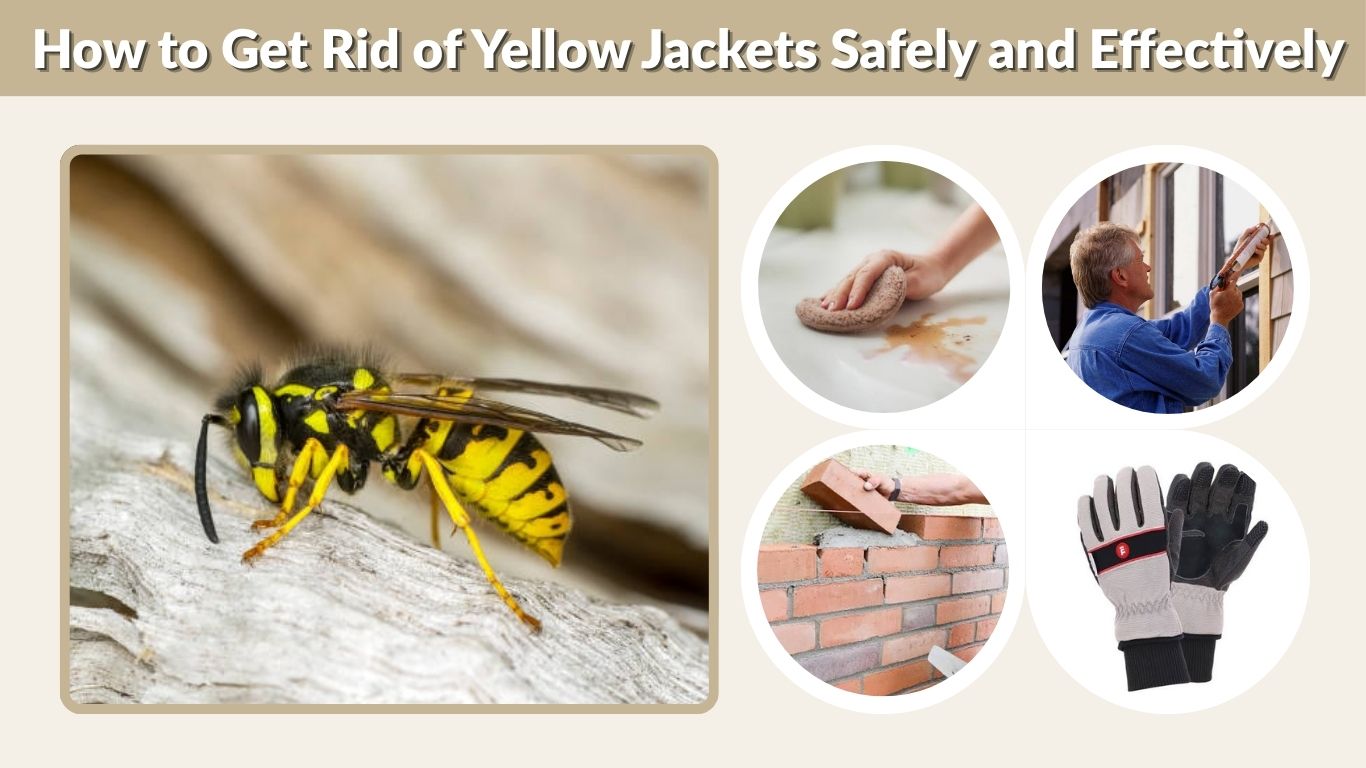
Yellow jackets can become a serious problem when they build nests near lawns, entrances, siding, wall cavities, or outdoor gathering areas. Unlike many bees, these … Read More
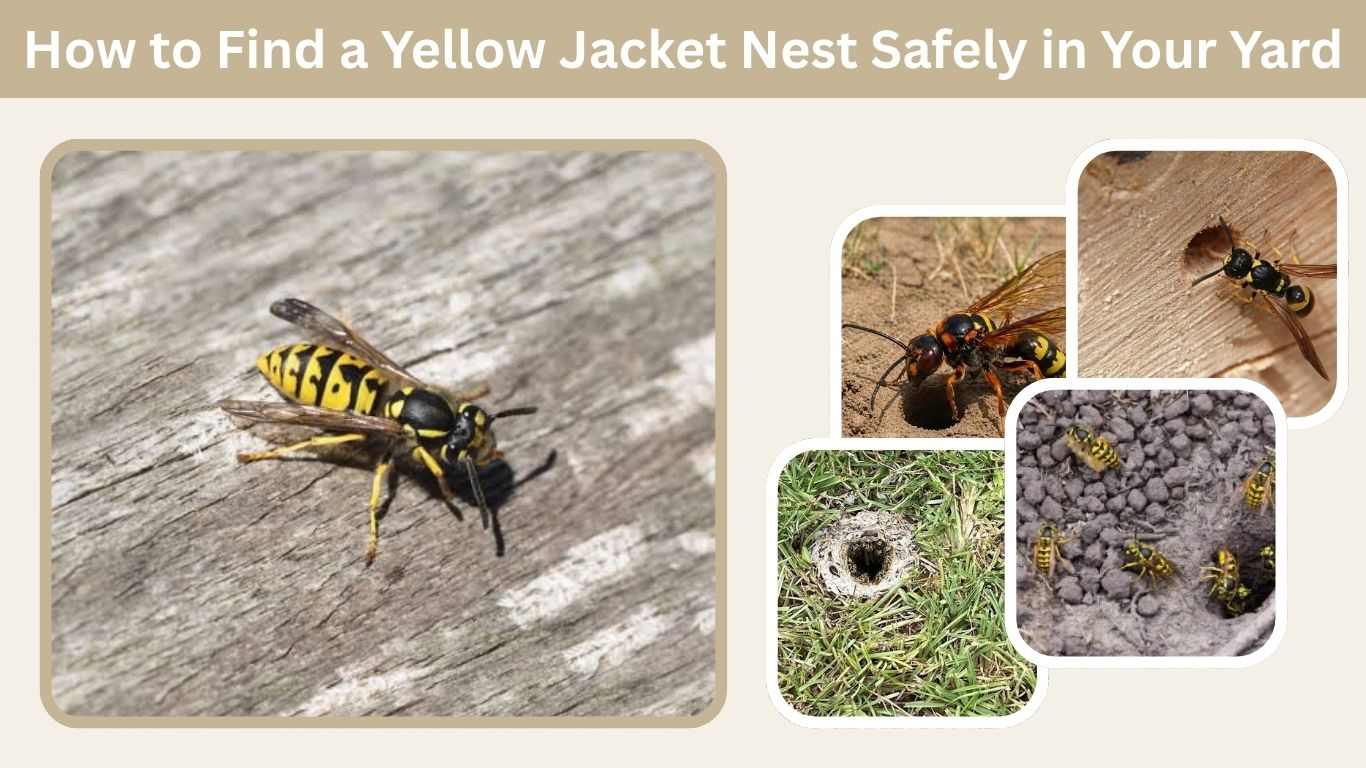
Finding a yellow jacket nest requires patience and careful observation—not digging, poking holes, or approaching active wasps. These defensive social wasps commonly establish colonies underground, … Read More
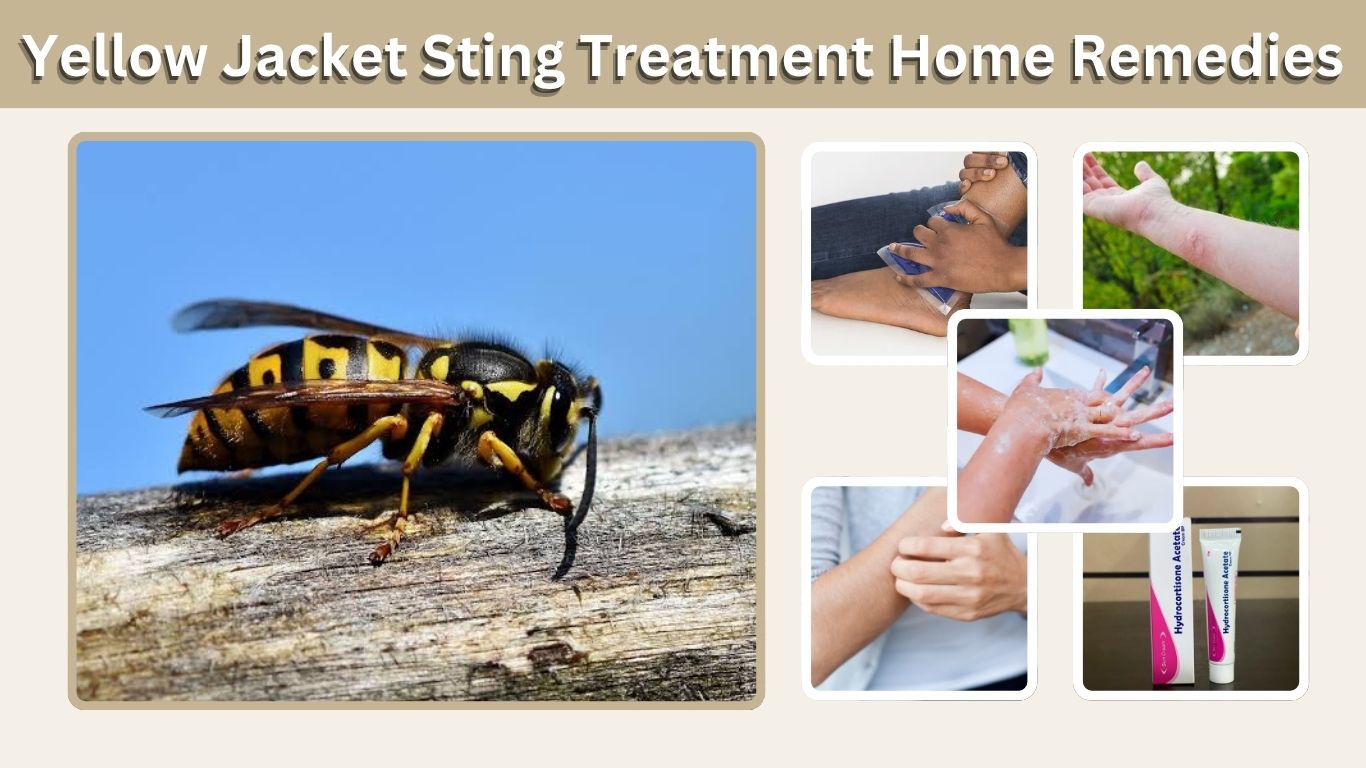
A yellow jacket sting usually causes sudden burning pain, redness, itching, and swelling around the affected area. Mild reactions can often be treated at home … Read More
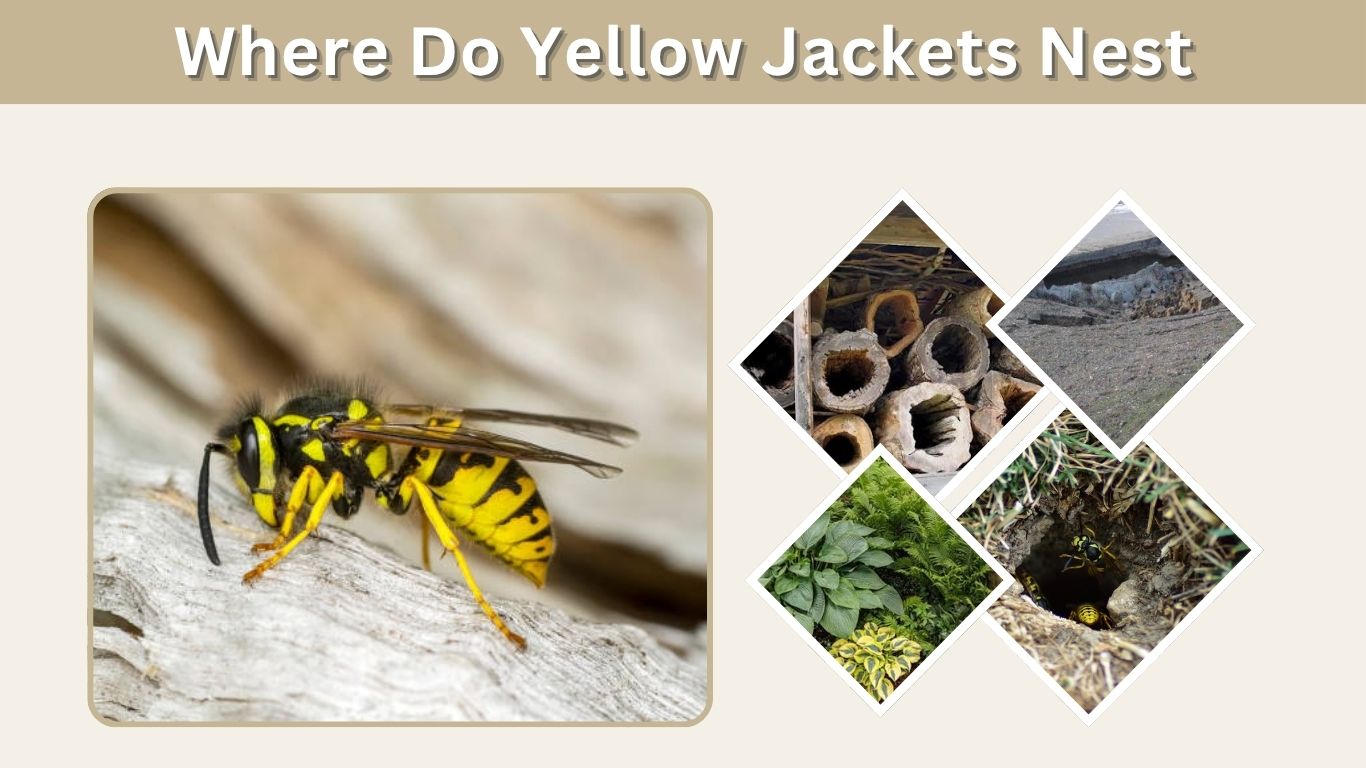
Yellow jackets nest in hidden, protected places. Many species build nests underground, but they can also nest in wall voids, attics, hollow trees, eaves, fences, … Read More