
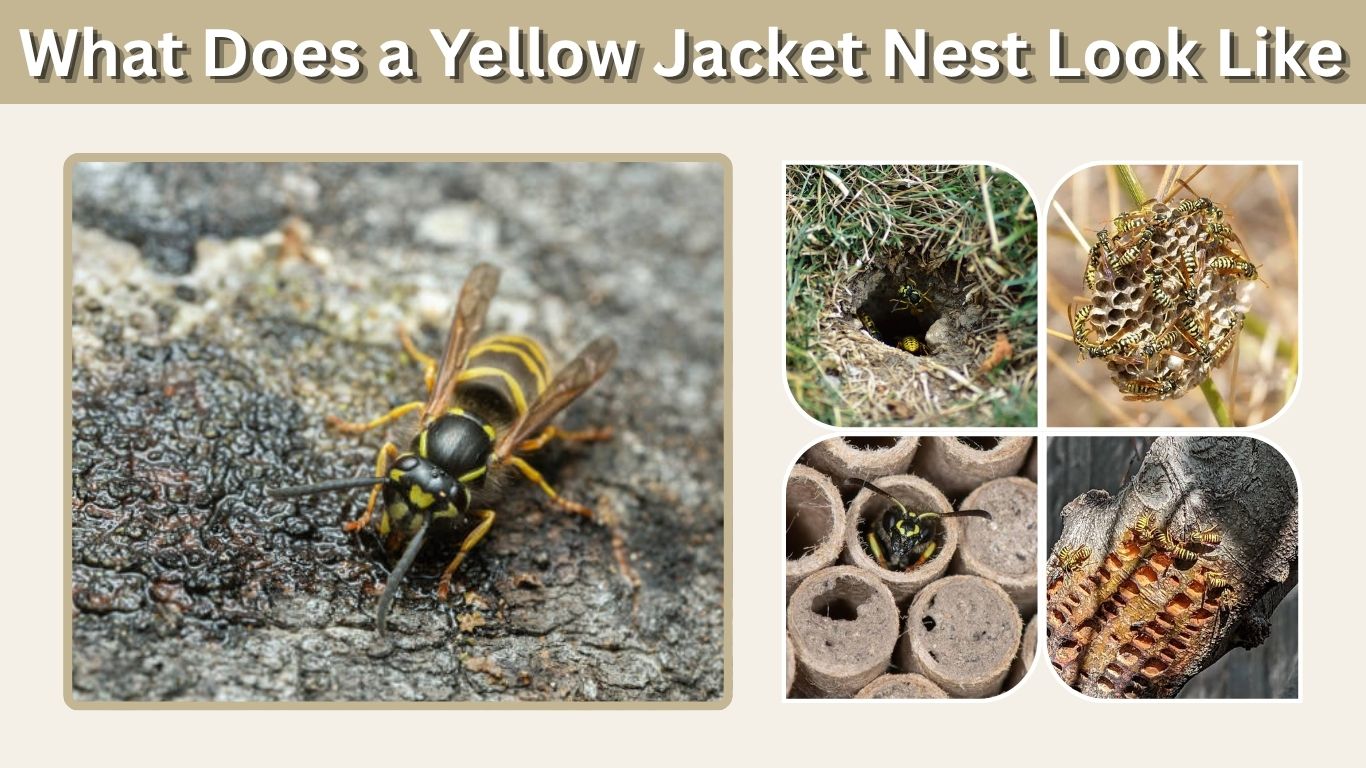
What Does a Yellow Jacket Nest Look Like? Easy ID Guide
A yellow jacket nest usually looks like a hidden papery nest with a small entrance hole. Many yellow jacket nests are underground, so you may … Read More
A yellow jacket nest usually looks like a hidden papery nest with a small entrance hole. Many yellow jacket nests are underground, so you may … Read More
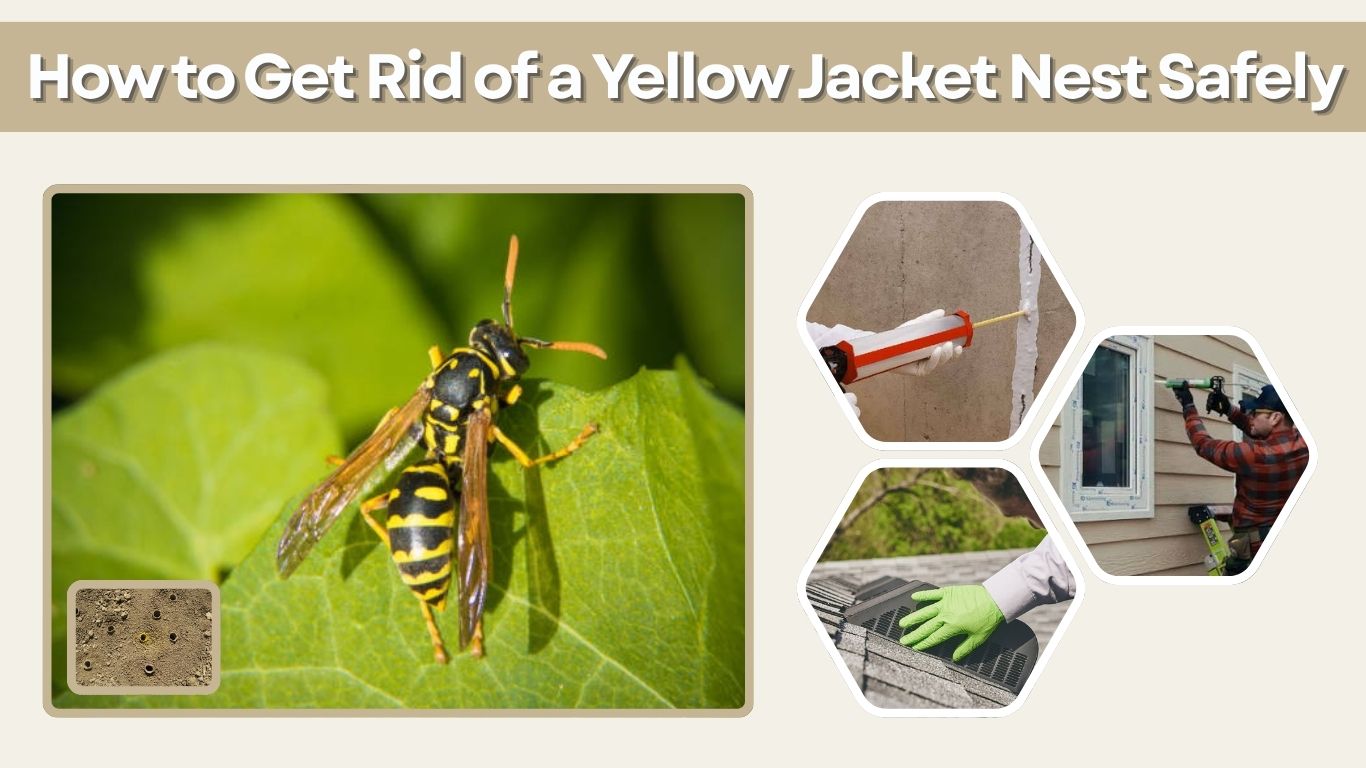
Yellow jacket nests can become dangerous when they are close to your home, yard, deck, attic, siding, or walkway. These wasps are defensive around their … Read More
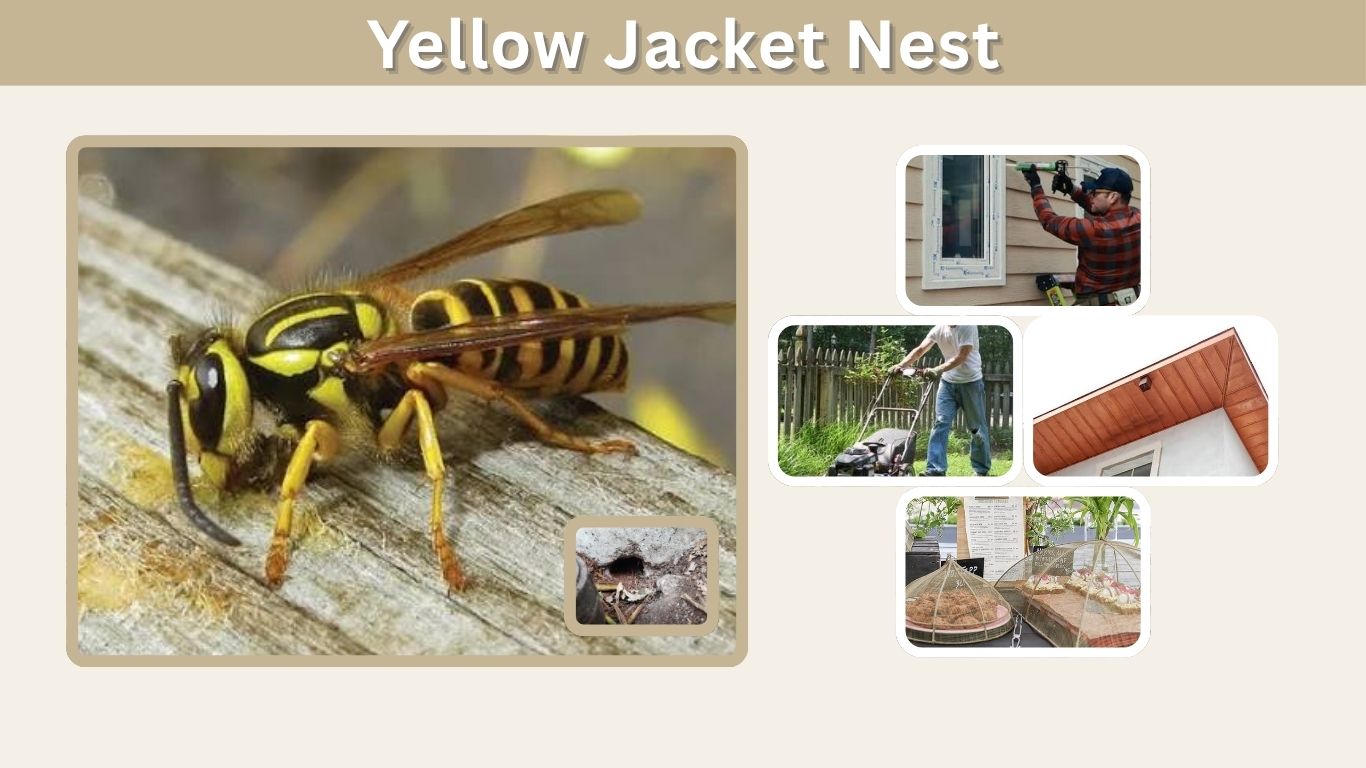
Yellow jacket nests can be hard to notice until the colony becomes active and defensive. Many nests are hidden in the ground, inside wall voids, … Read More
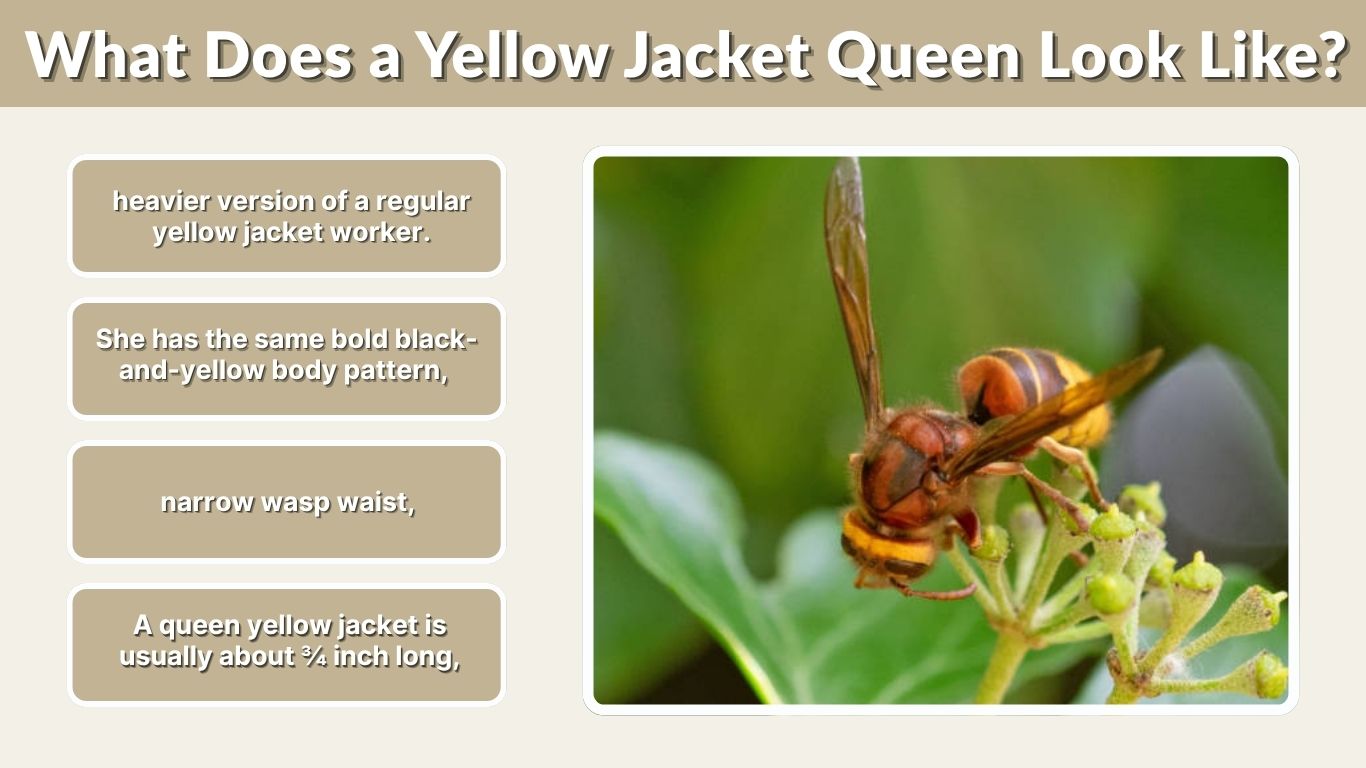
A yellow jacket queen looks like a larger, heavier version of a regular yellow jacket worker. She has the same bold black-and-yellow body pattern, narrow … Read More
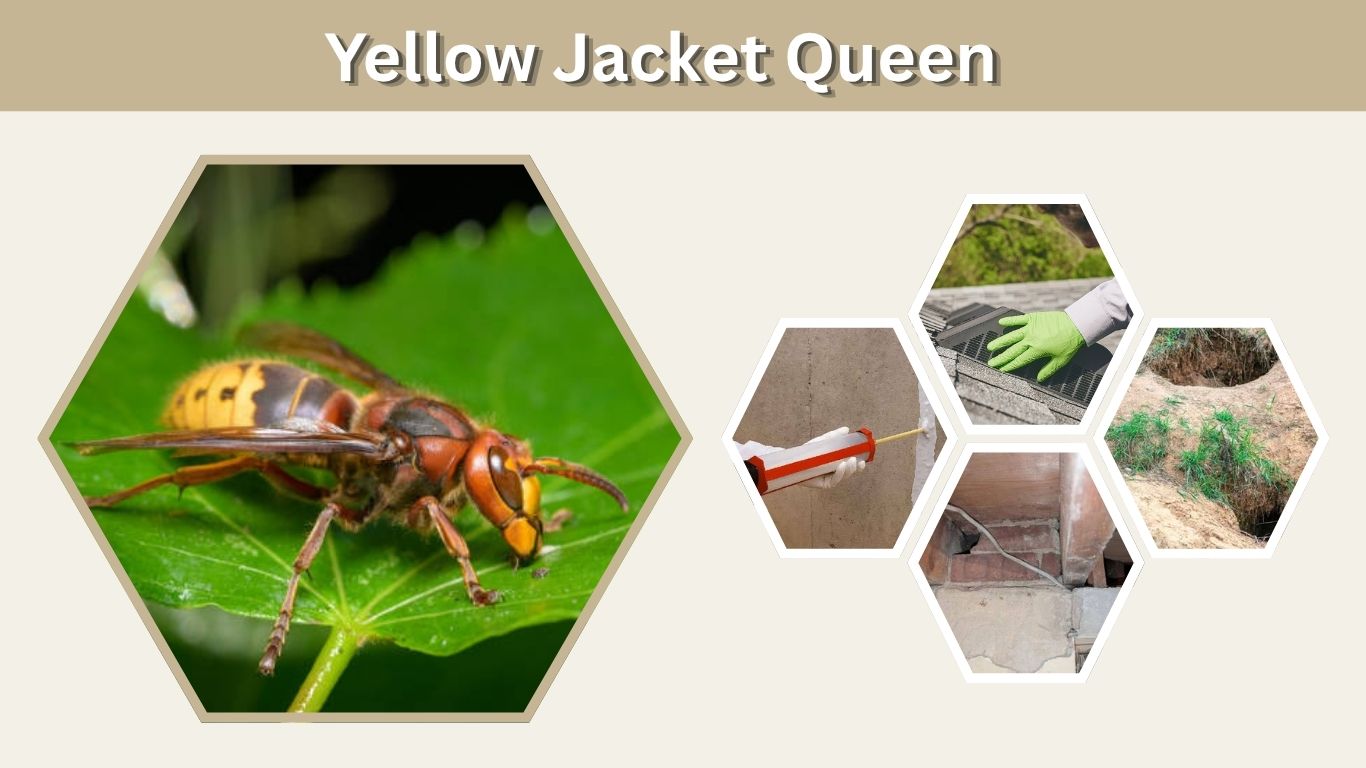
A yellow jacket queen is the most important member of a yellow jacket colony. She starts the nest, lays eggs, and produces the workers that … Read More
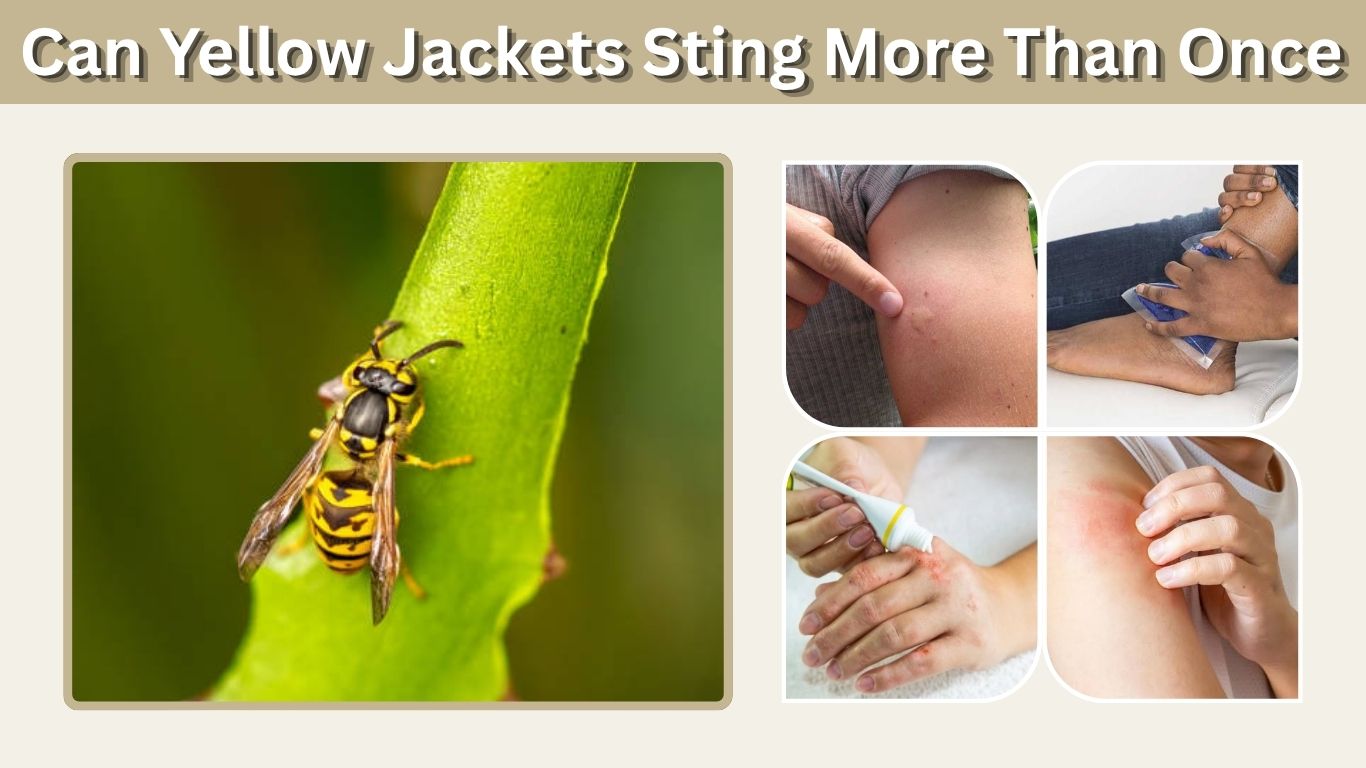
Yes, yellow jackets can sting more than once. Unlike honey bees, they usually do not lose their stinger after one sting, so the same yellow … Read More
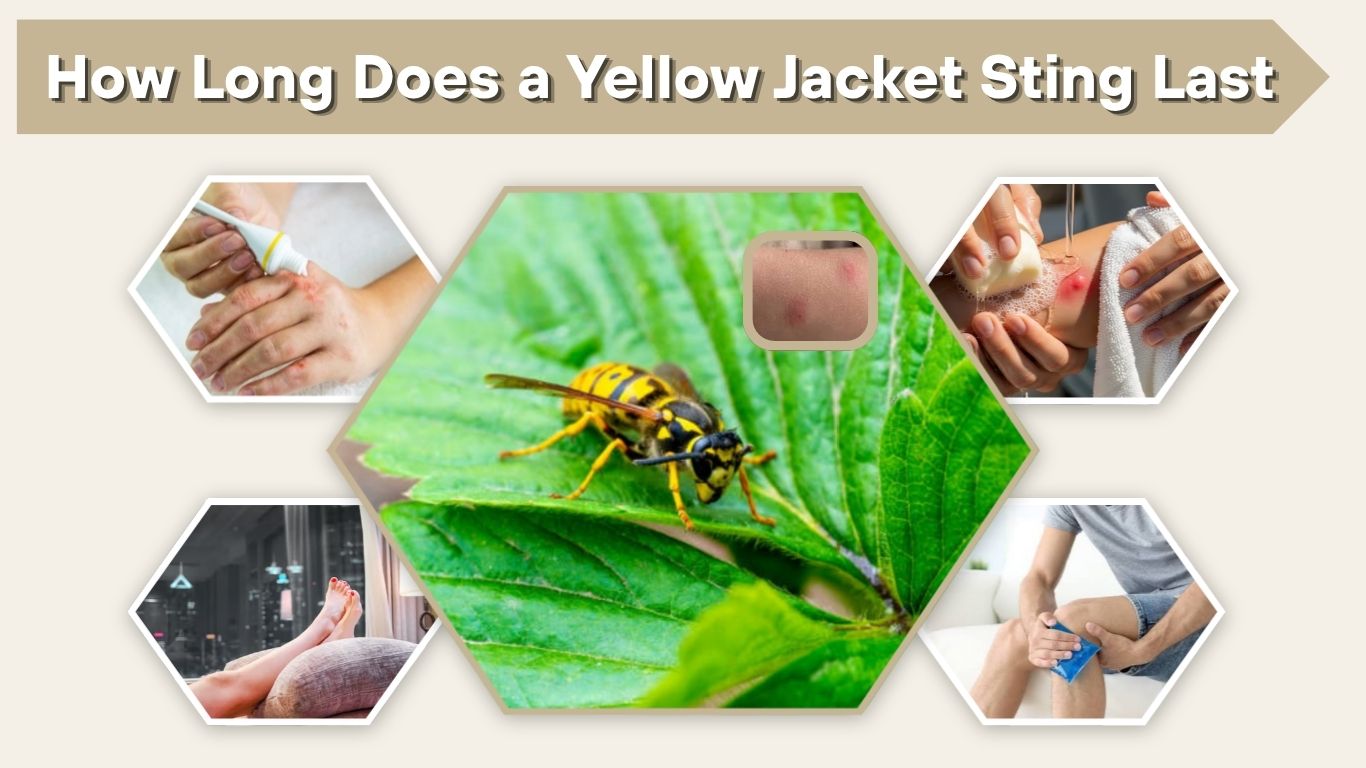
A yellow jacket sting usually causes sharp pain right away, followed by redness, swelling, and itching around the sting site. For most people, the worst … Read More
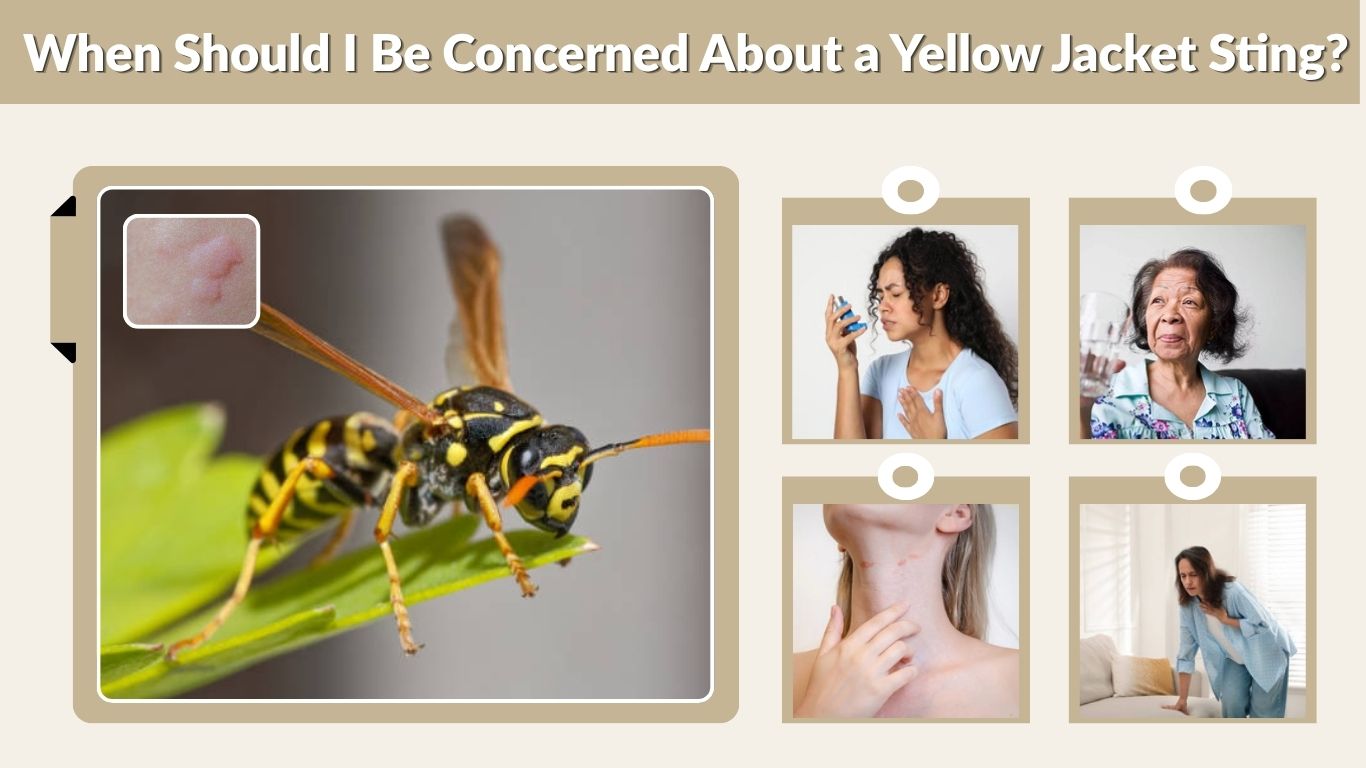
A yellow jacket sting is usually painful, red, swollen, and itchy, but most mild stings can be treated at home with soap, water, ice, and … Read More
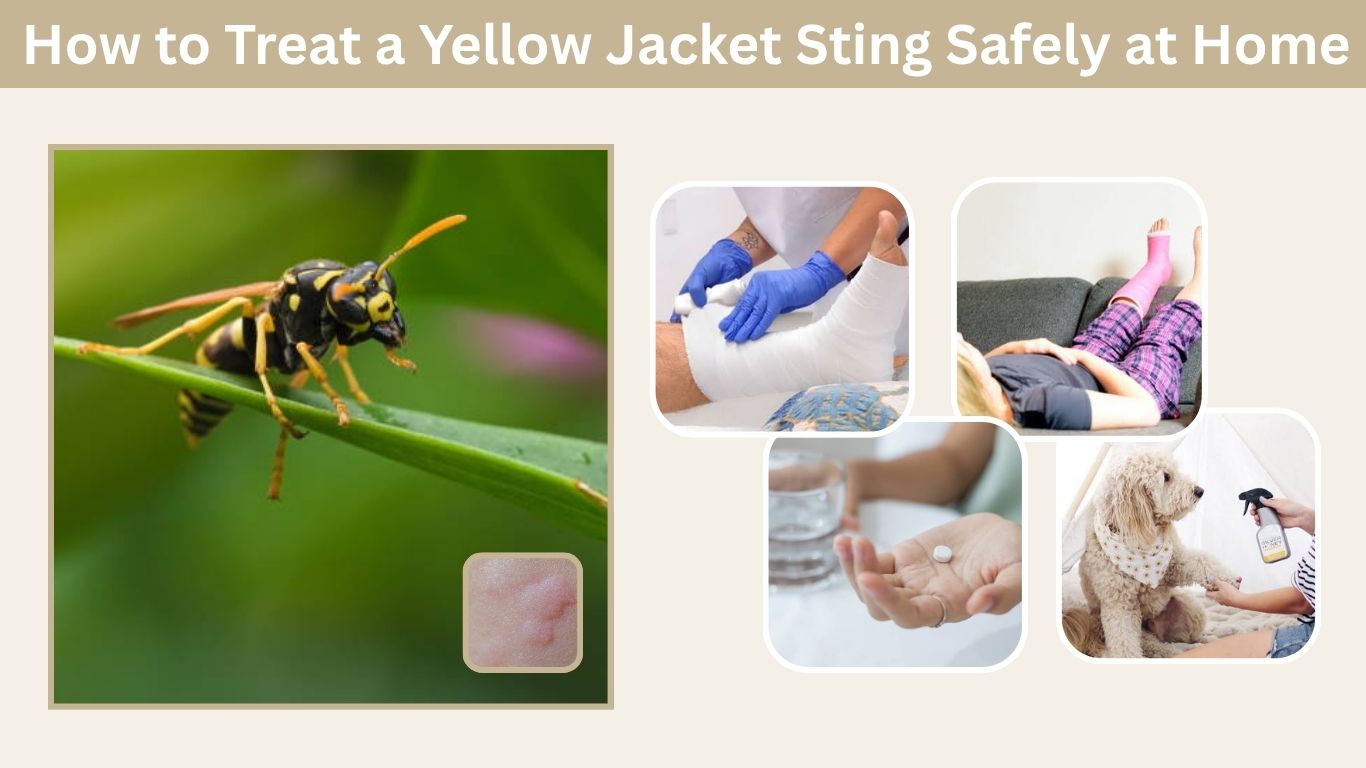
A yellow jacket sting can cause sudden sharp pain, redness, swelling, itching, and burning around the sting area. For most people, it can be treated … Read More
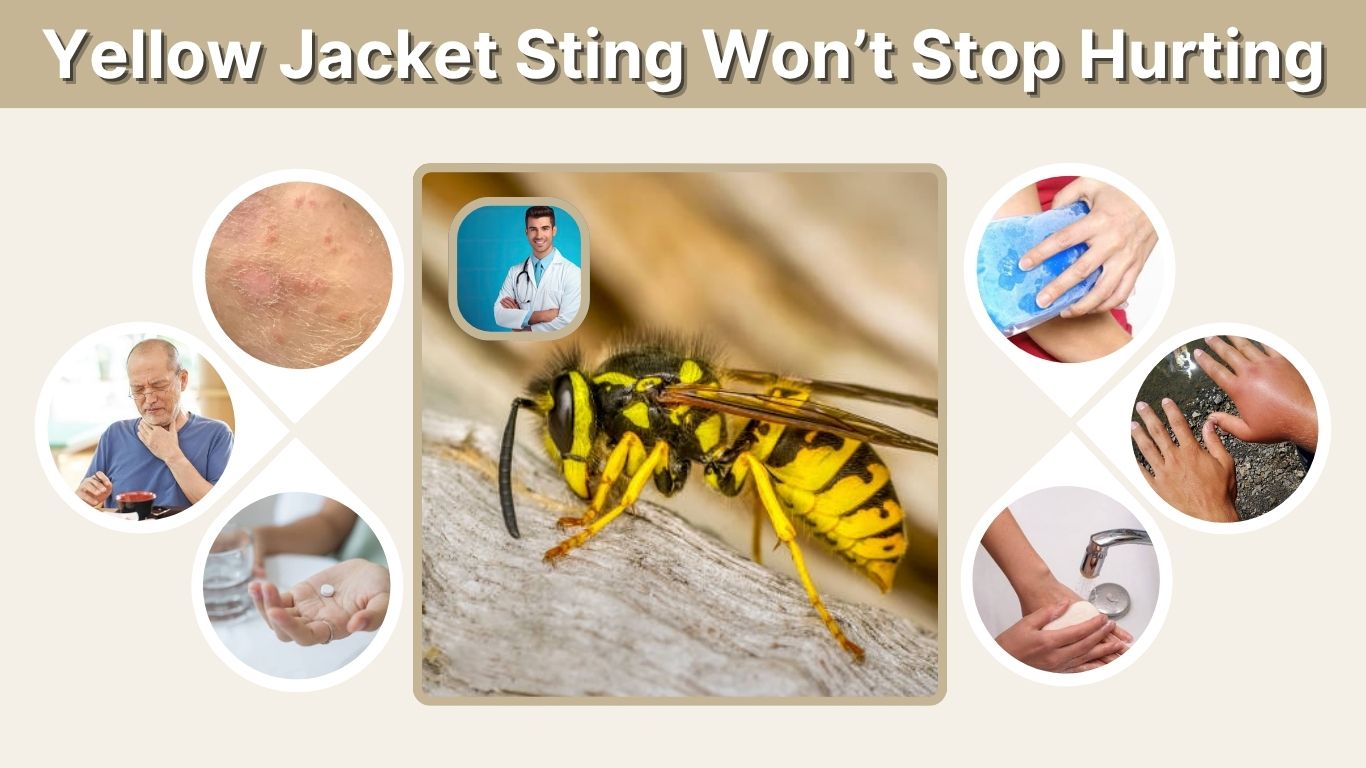
A yellow jacket sting can hurt a lot because yellow jackets inject venom into the skin. The pain often starts as a sharp burning feeling, … Read More