
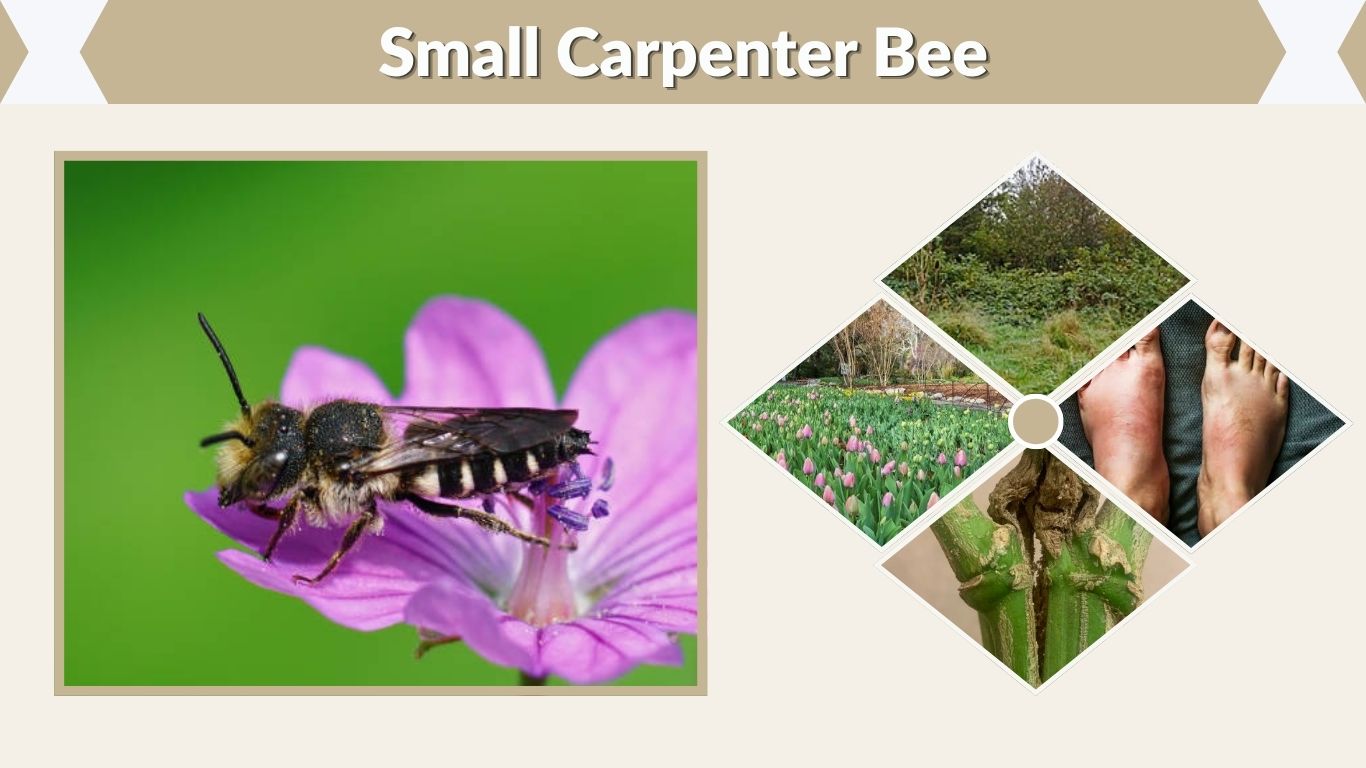
Small Carpenter Bee: Identification, Sting, Nest & Facts
Small carpenter bees are tiny native bees that are easy to overlook in gardens, meadows, and around flowering plants. Unlike the much larger carpenter bees … Read More
Small carpenter bees are tiny native bees that are easy to overlook in gardens, meadows, and around flowering plants. Unlike the much larger carpenter bees … Read More
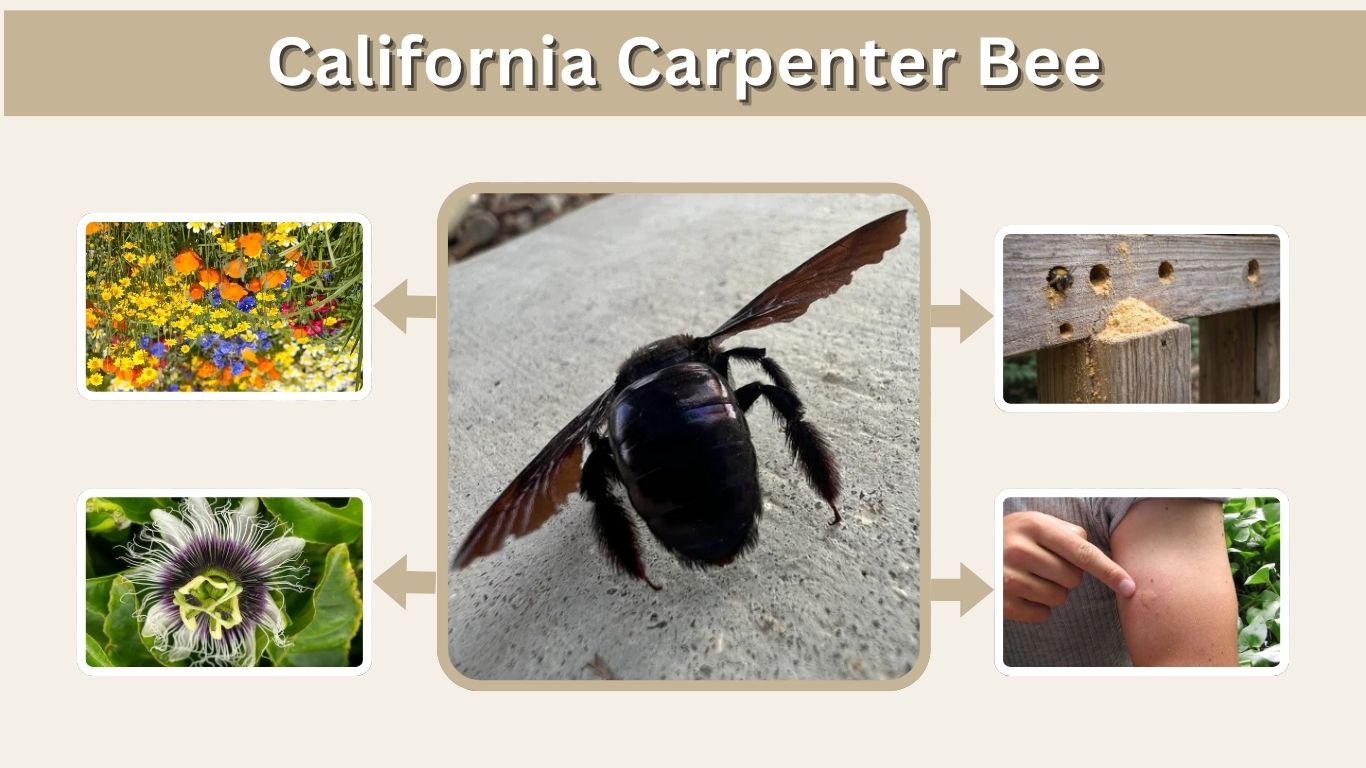
California carpenter bees are large, noticeable native bees often seen around gardens, flowering plants, fences, decks, and wooden structures. Several carpenter bee species occur throughout … Read More
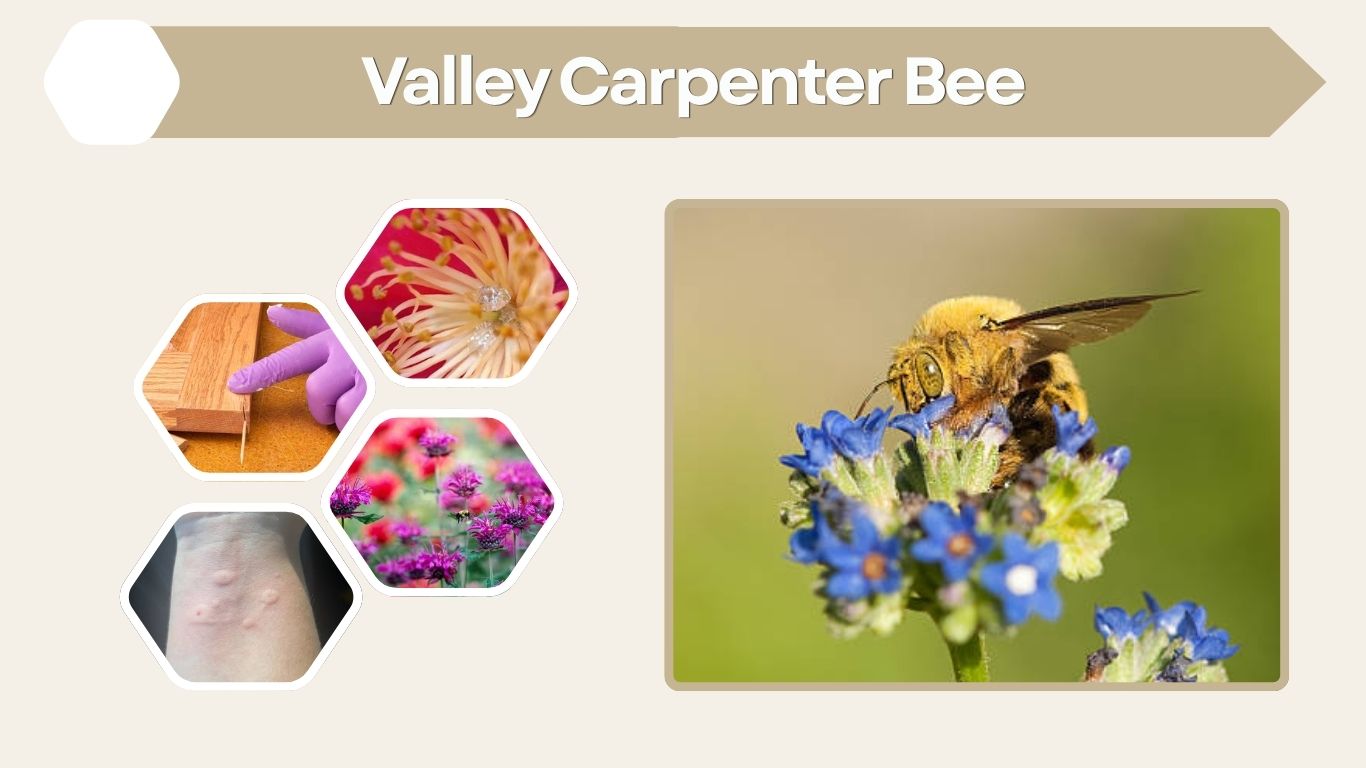
The valley carpenter bee is one of the largest and most distinctive bees found in the southwestern United States. Females are large and glossy black, … Read More
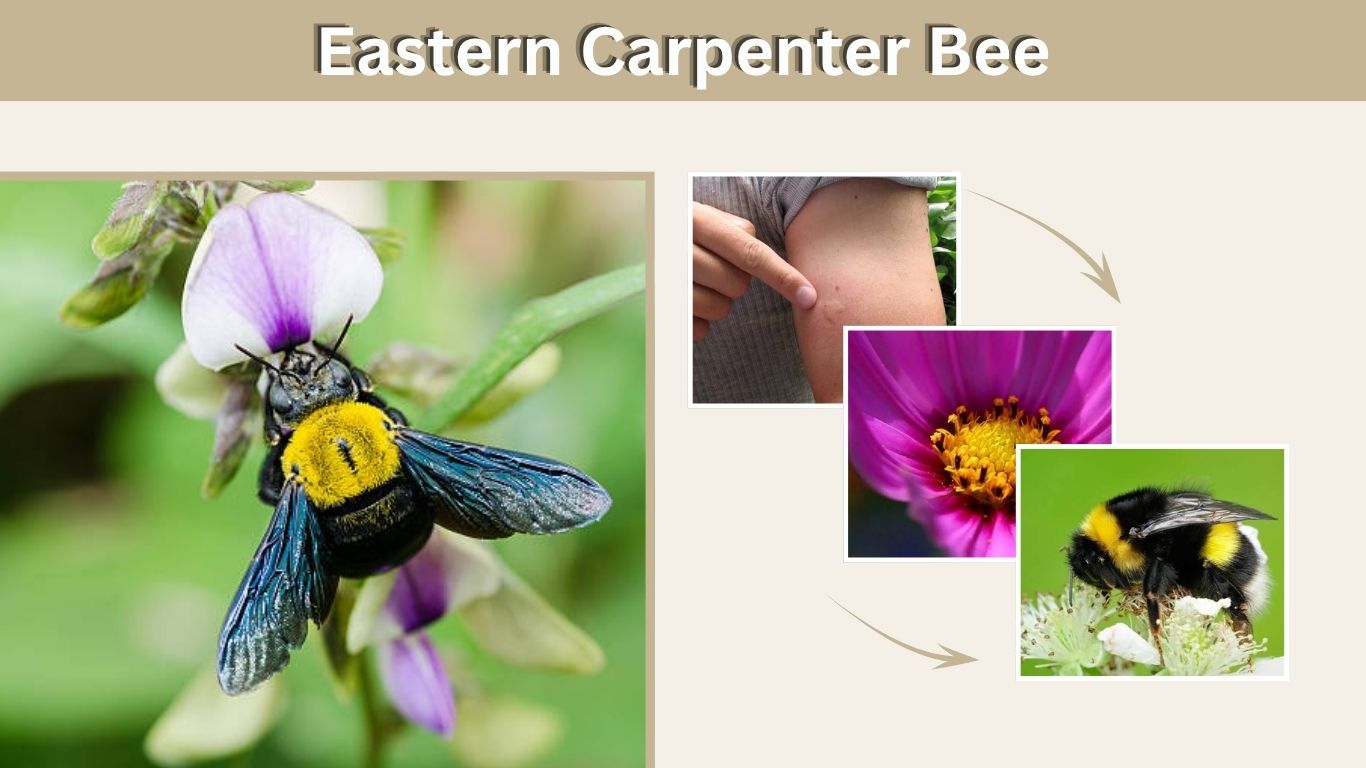
The eastern carpenter bee (Xylocopa virginica) is a large native bee commonly seen hovering around flowers, decks, fences, porches, and other wooden structures. Although its … Read More
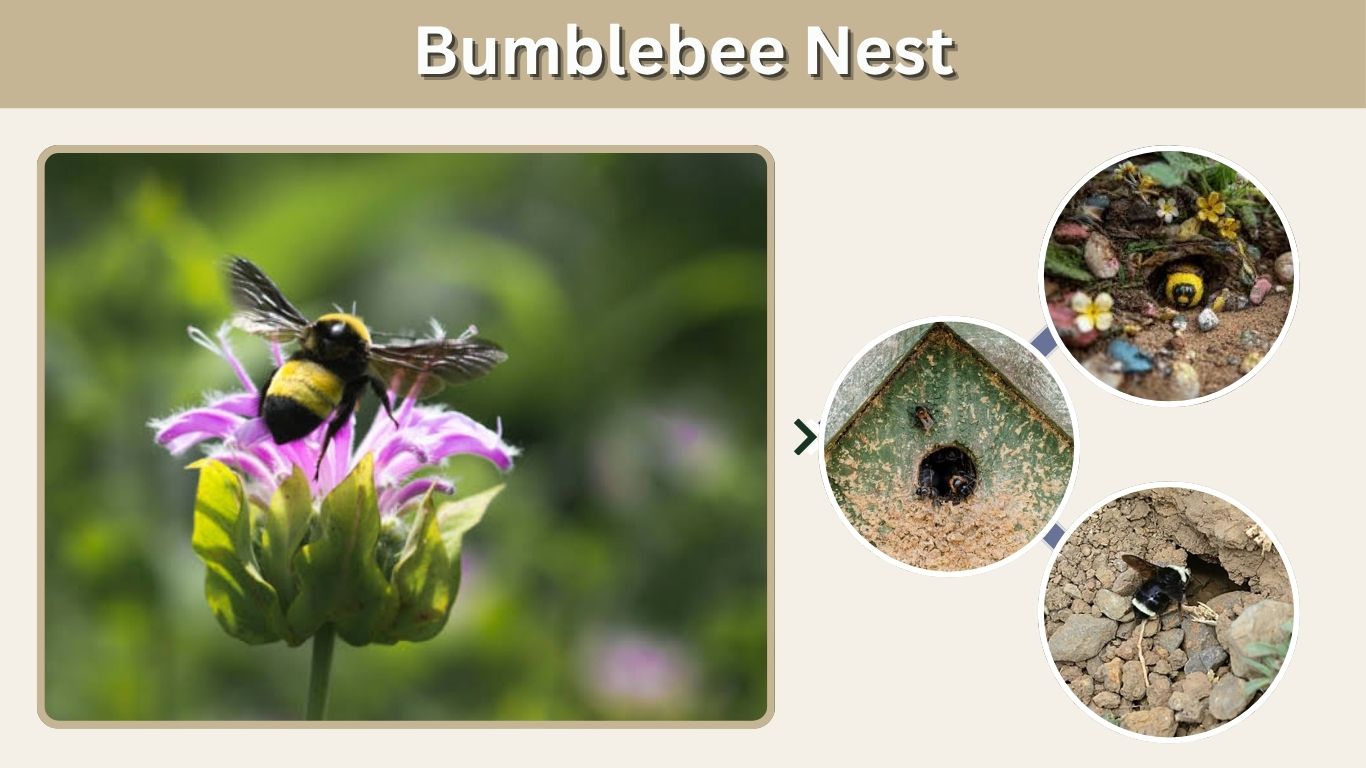
A bumblebee nest can appear in the ground, beneath a shed, inside a wall cavity, in a bird box, or even within an old compost … Read More
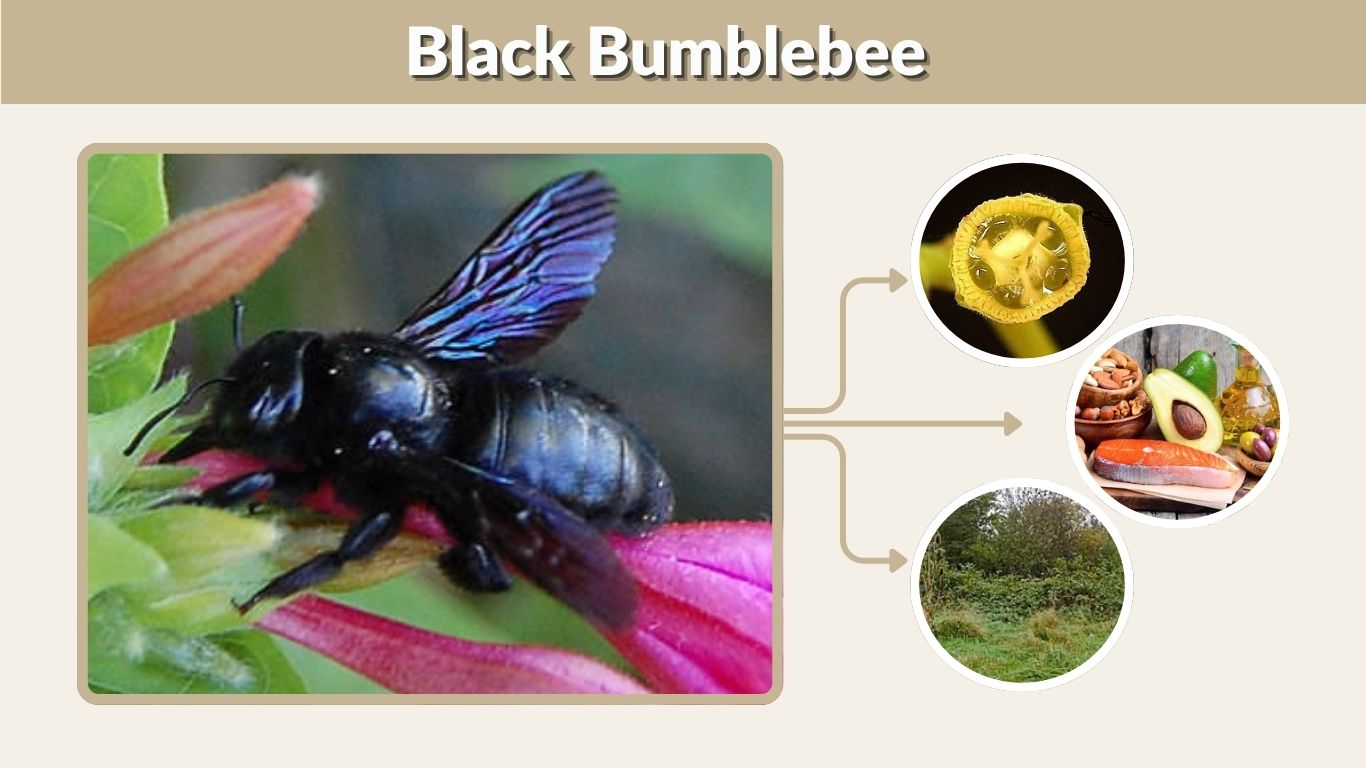
A black bumblebee can be striking to see, especially when it appears almost completely dark or has only a few yellow, white, orange, or red … Read More
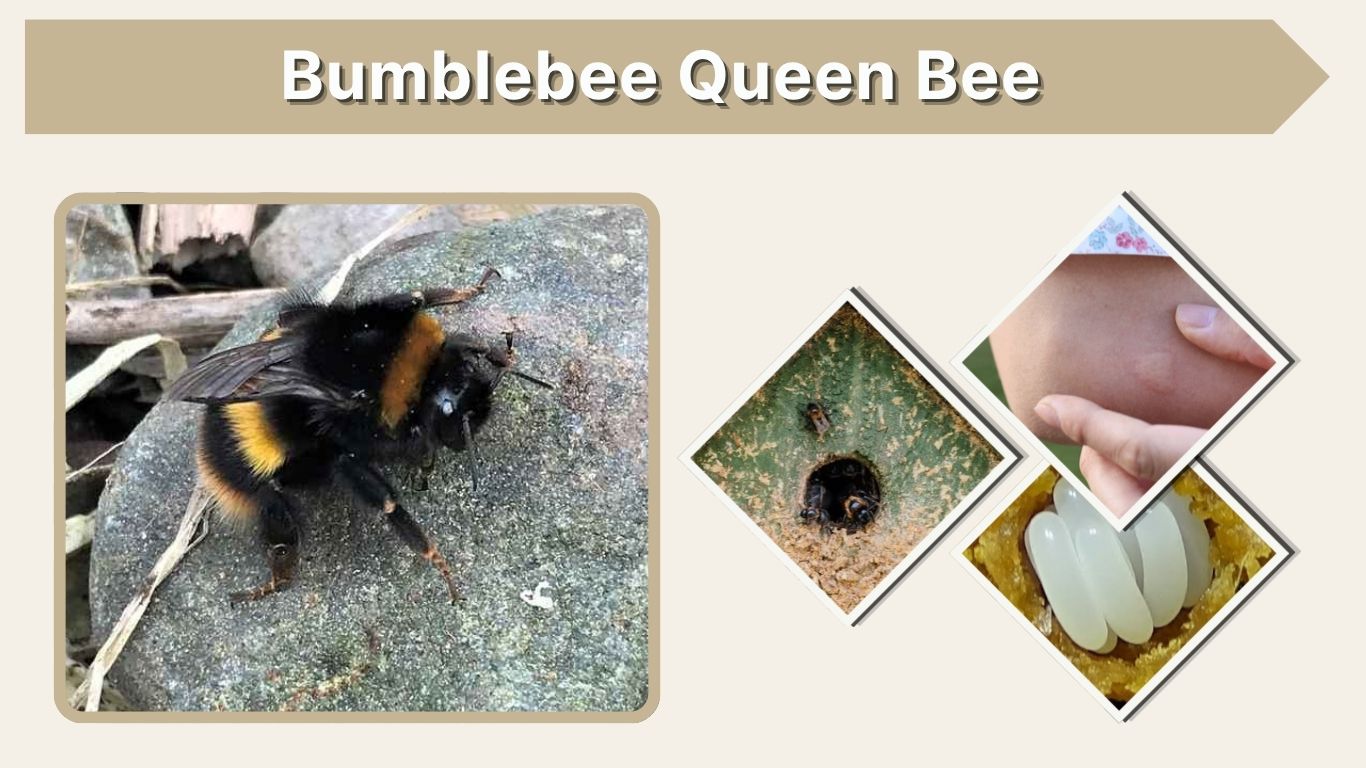
A bumblebee queen bee is the reproductive female that starts and leads a bumblebee colony. Unlike honey bee colonies, which can survive for several years, … Read More
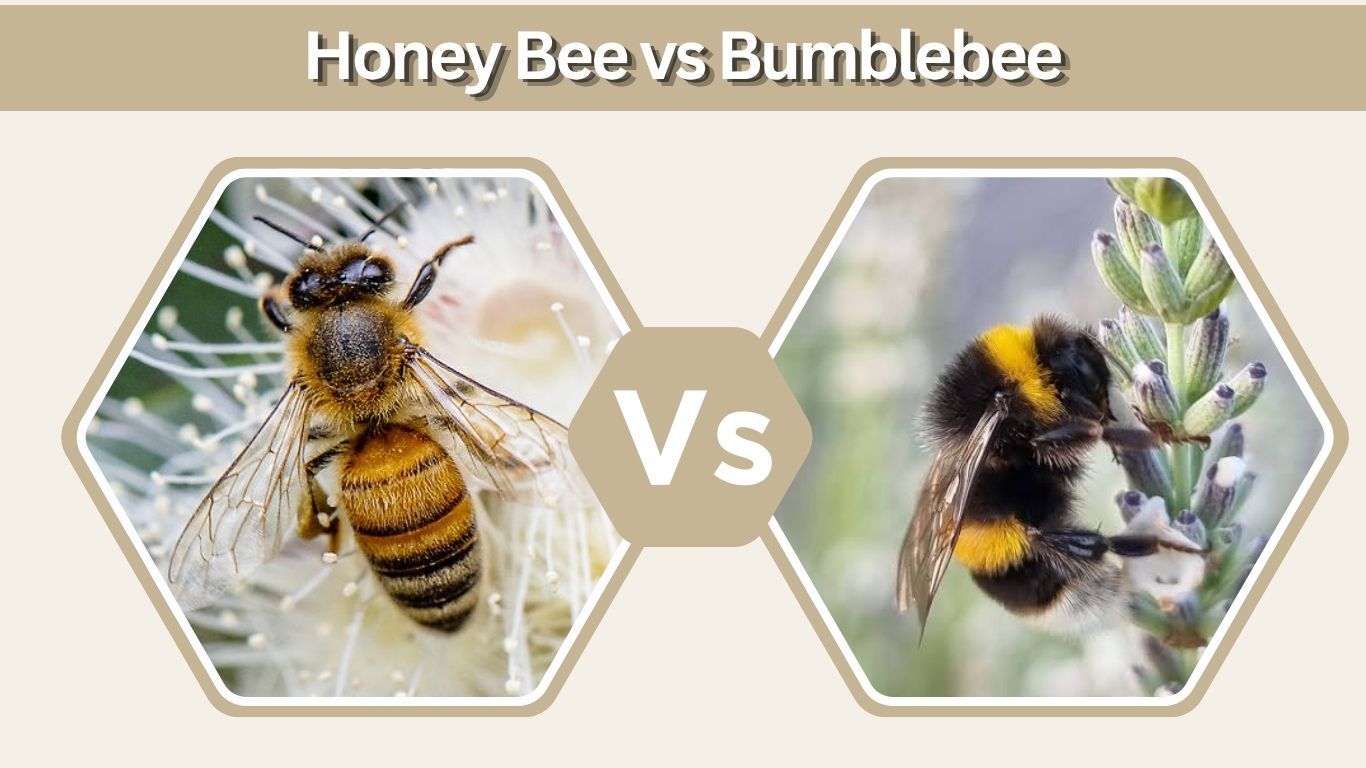
Honey bees and bumblebees are both important pollinators, but they differ greatly in appearance, colony size, nesting habits, honey production, and stinging behavior. Honey bees … Read More
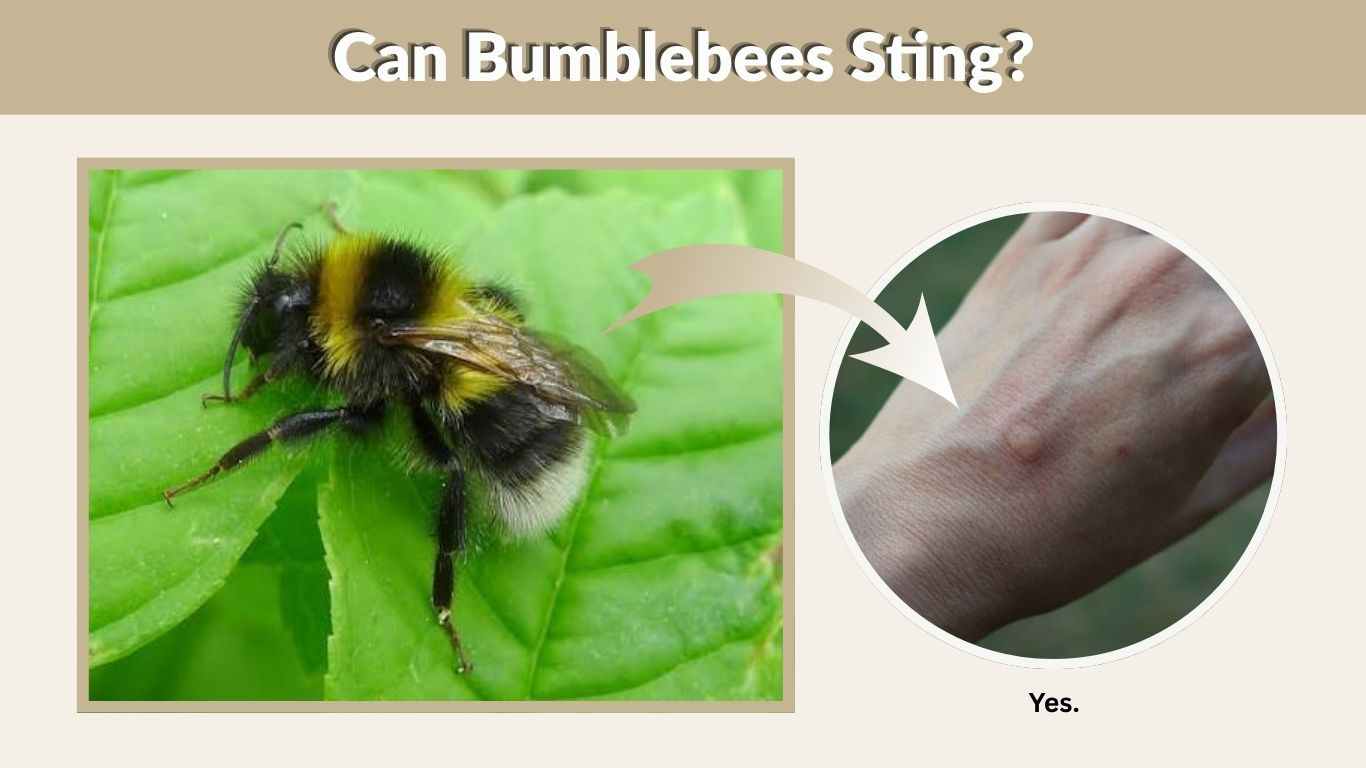
Yes, bumblebees can sting, but they are generally calm insects that rarely sting unless they feel threatened, trapped, handled, or their nest is disturbed. Only … Read More
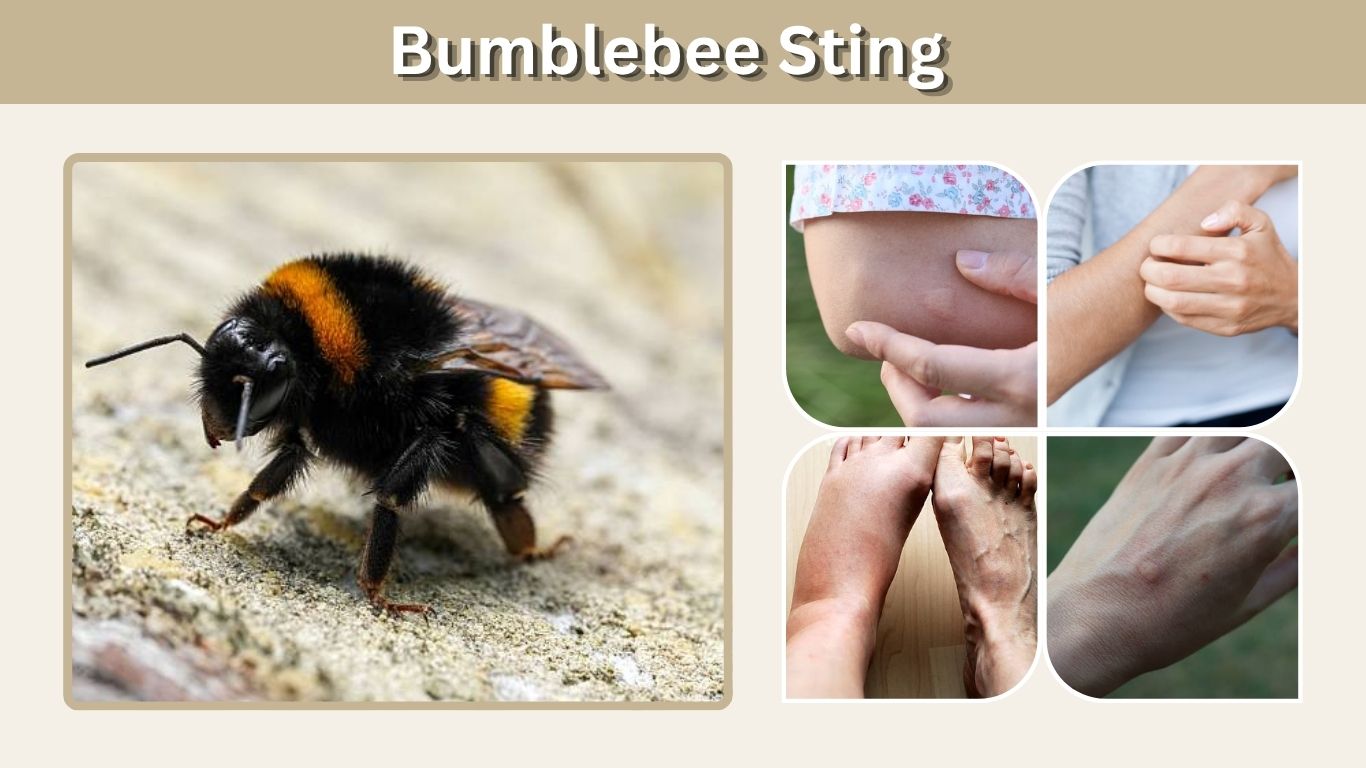
A bumblebee sting can cause sudden sharp pain, redness, itching, and swelling around the affected area. Fortunately, bumblebees are generally docile insects and usually sting … Read More