
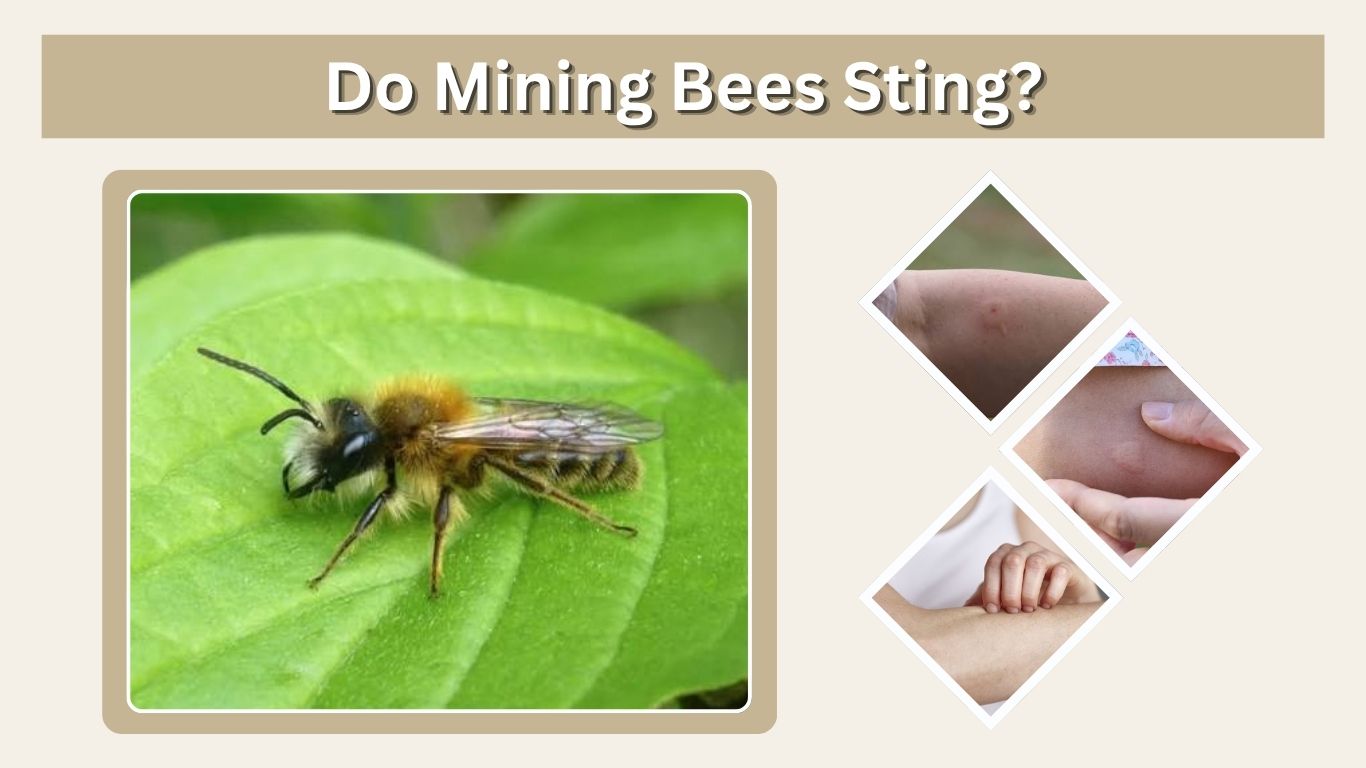
Do Mining Bees Sting? Risks, Symptoms and Treatment
Mining bees can sting, but stings are extremely uncommon. Only females possess stingers, and they normally use them as a last defense when trapped, squeezed, … Read More
Mining bees can sting, but stings are extremely uncommon. Only females possess stingers, and they normally use them as a last defense when trapped, squeezed, … Read More
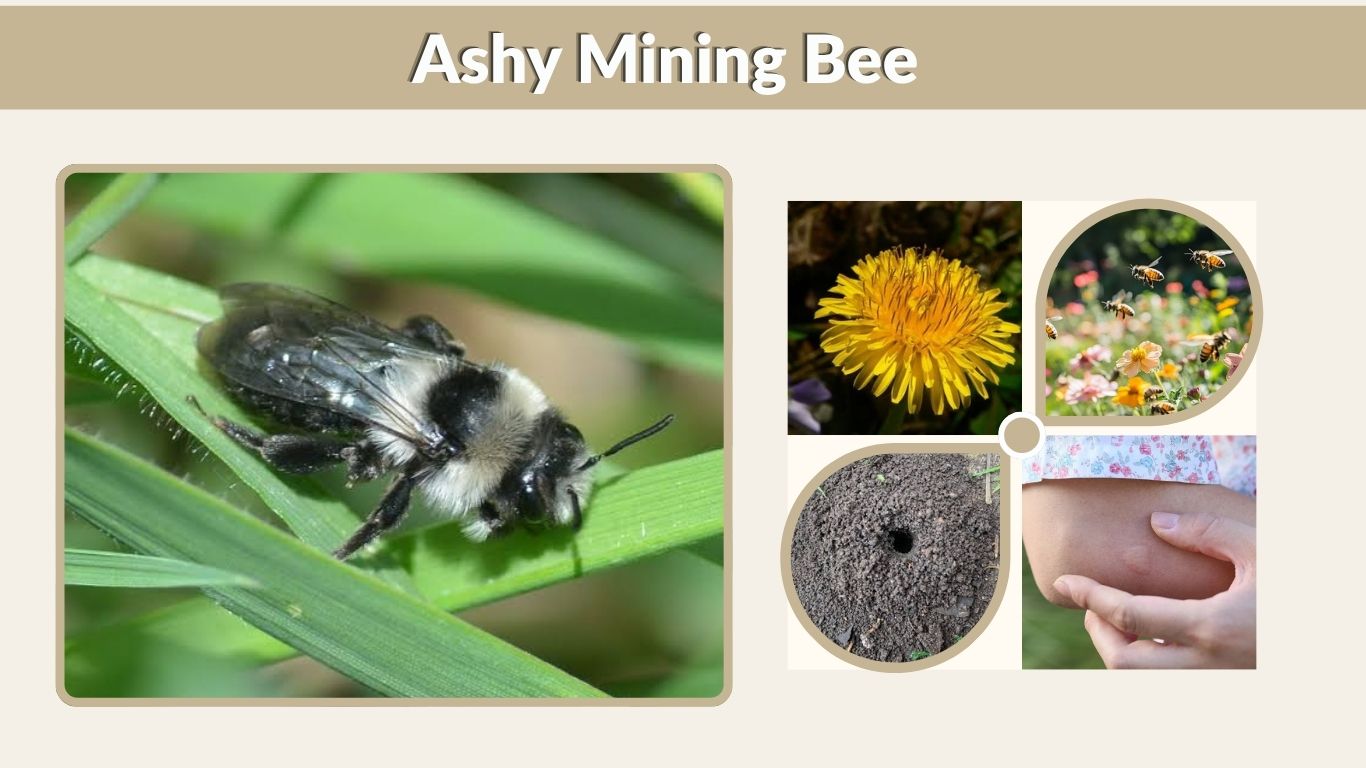
The ashy mining bee (Andrena cineraria) is a distinctive solitary bee known for its glossy black body and ash-grey hair. It appears mainly during spring, … Read More
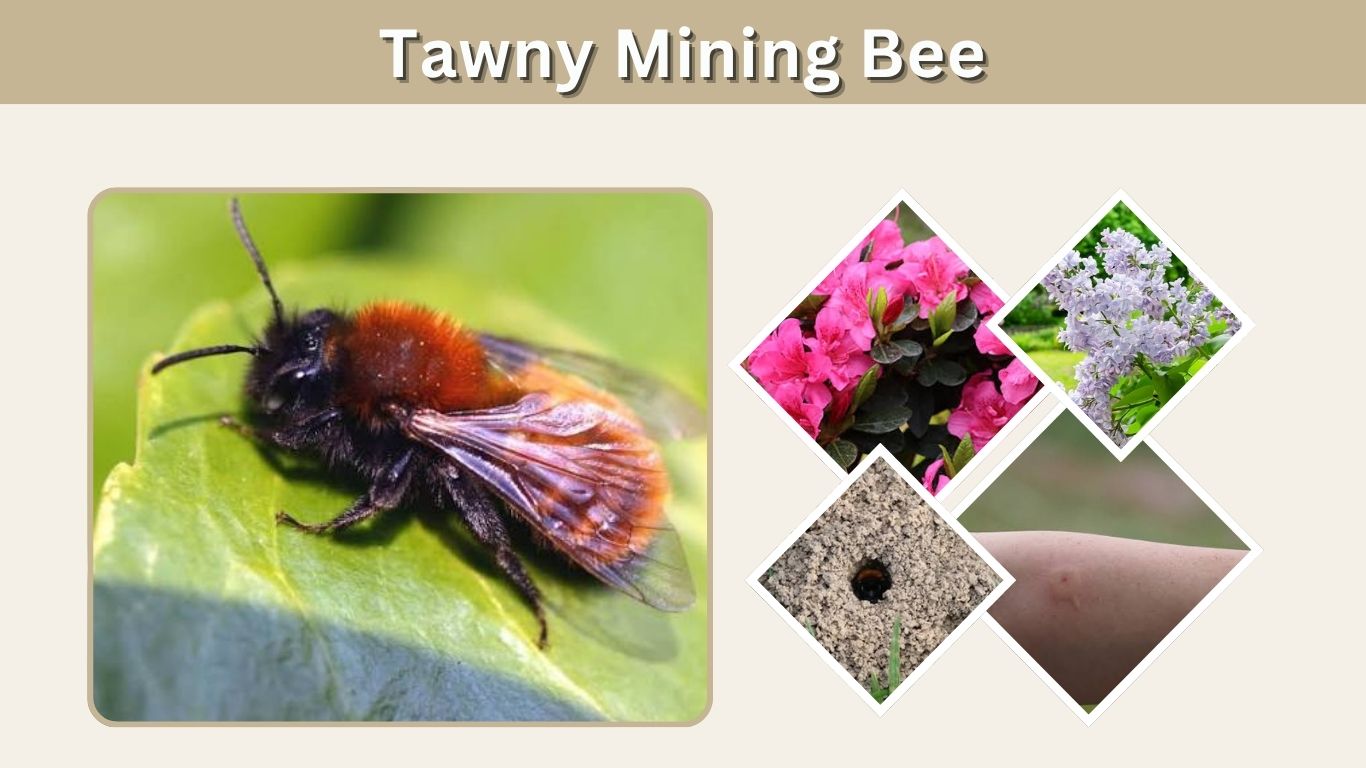
The tawny mining bee (Andrena fulva) is a distinctive spring bee recognized by the female’s bright orange-red coat and dark head and legs. These solitary … Read More
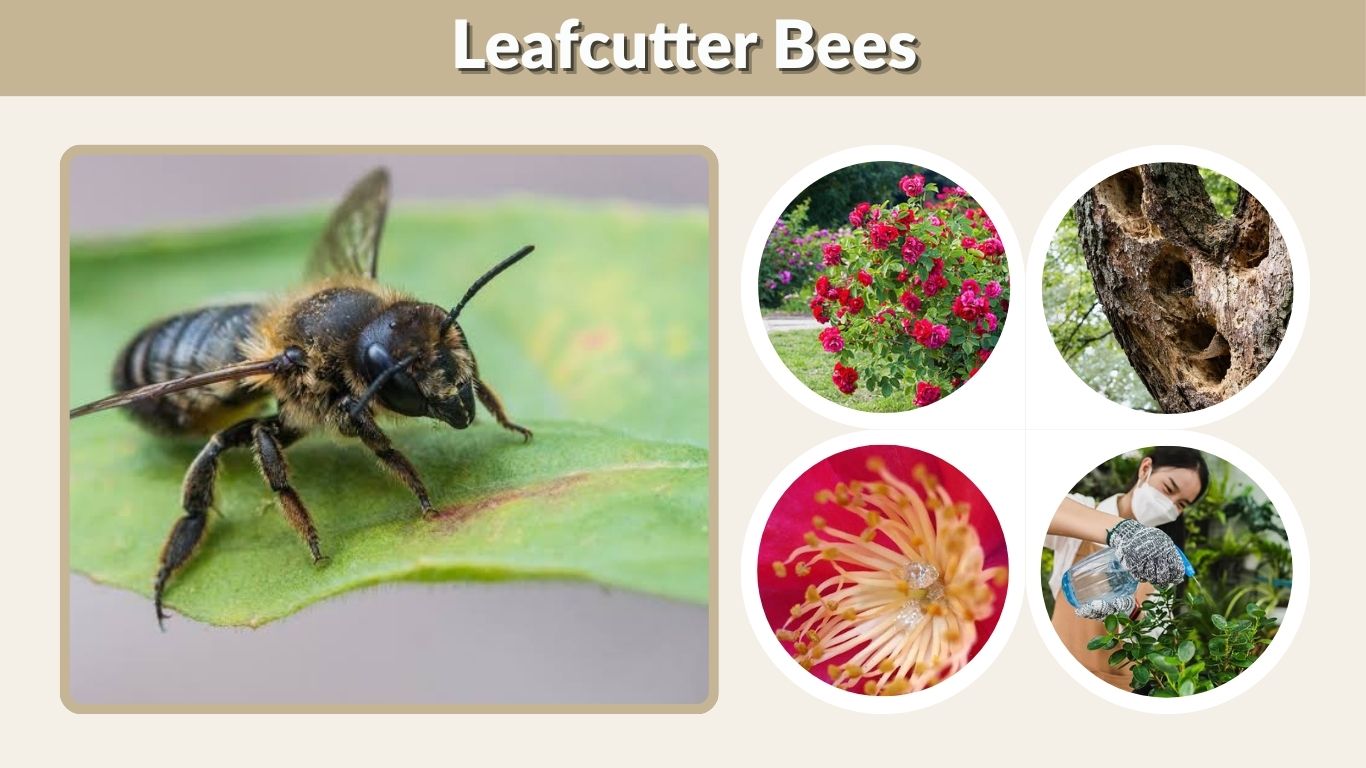
Leafcutter bees are solitary bees best known for cutting neat, circular or oval pieces from leaves. Instead of eating these leaf sections, females carry them … Read More
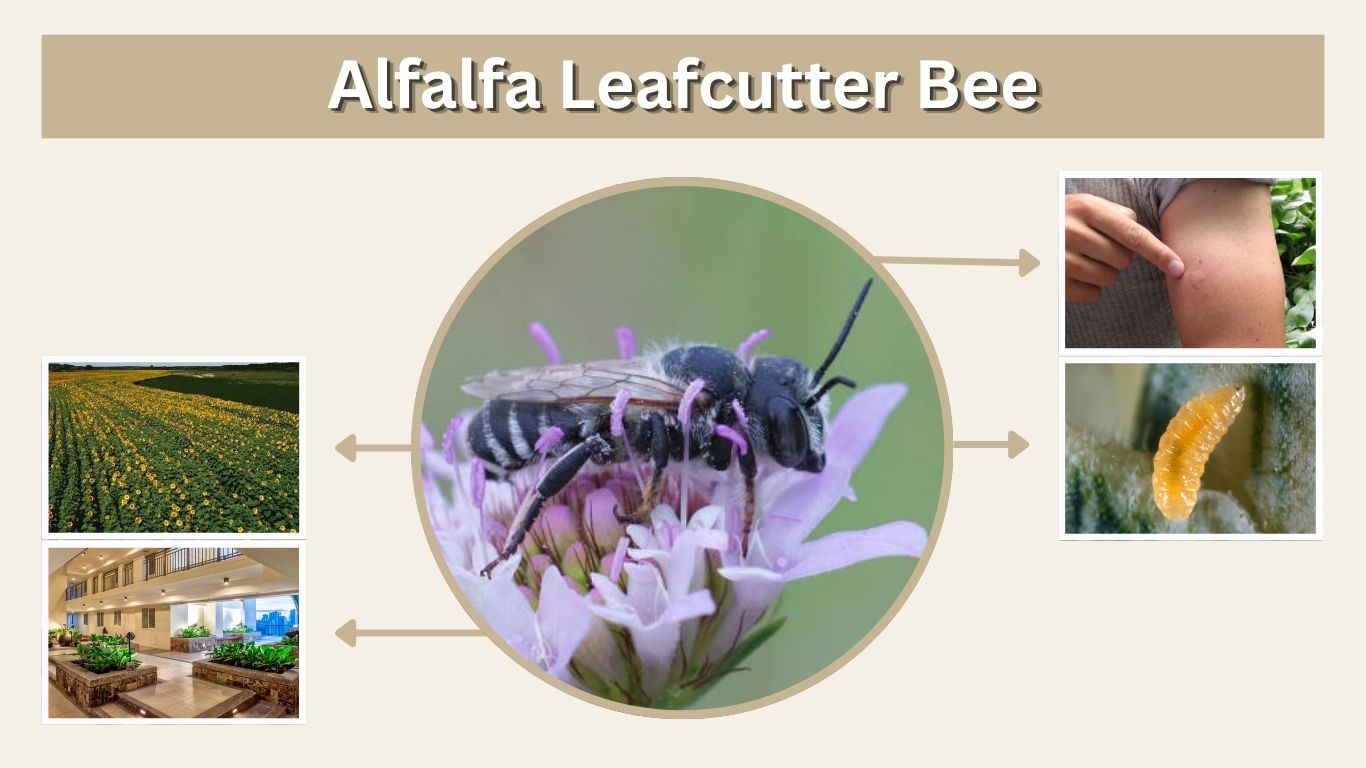
The alfalfa leafcutter bee is a small solitary bee widely used for pollinating alfalfa seed crops. Unlike honey bees, these bees do not live in … Read More
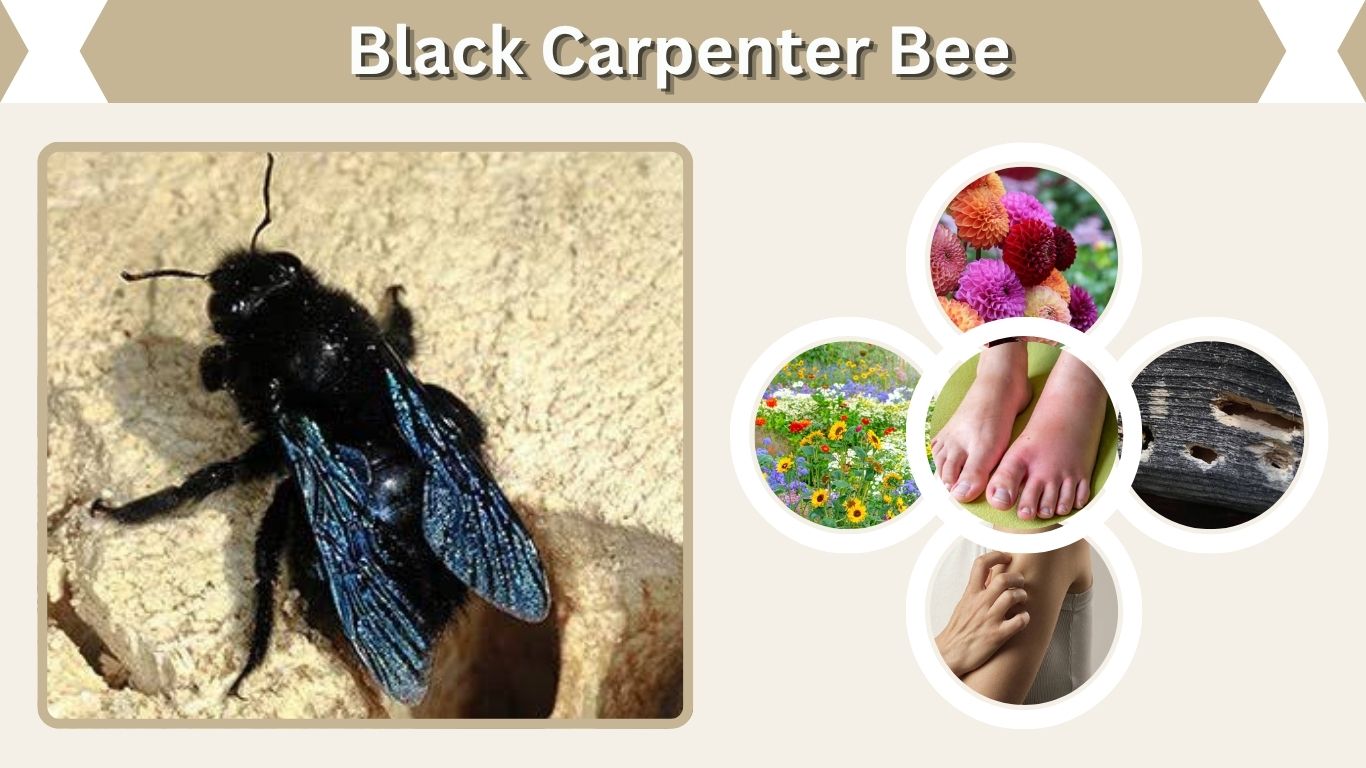
The black carpenter bee is a large, dark-colored bee best known for its shiny abdomen and habit of nesting inside wood. These bees are often … Read More
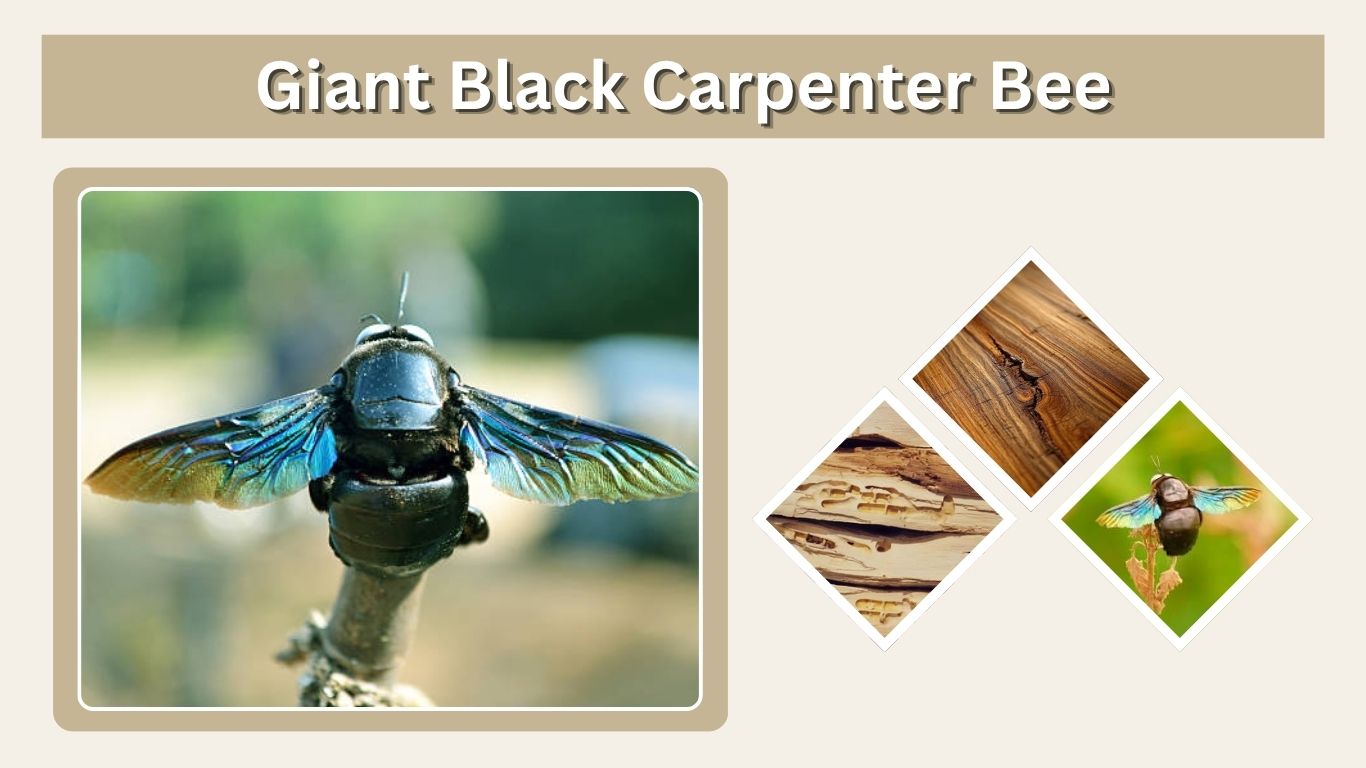
The giant black carpenter bee is an impressive, heavy-bodied bee usually belonging to the genus Xylocopa. These bees are recognized by their glossy black bodies, … Read More
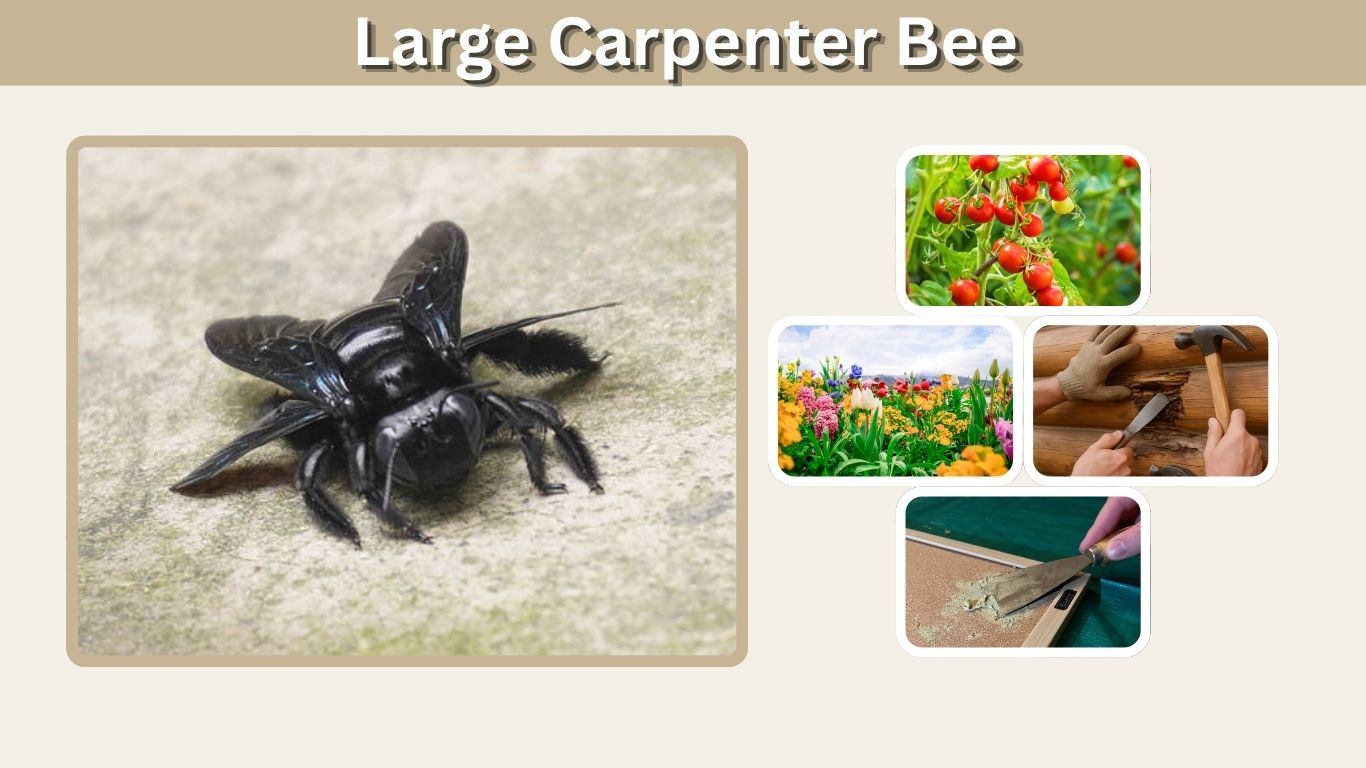
The large carpenter bee is a robust, heavy-bodied bee best known for its shiny abdomen and habit of tunneling into wood to build nests. Most … Read More
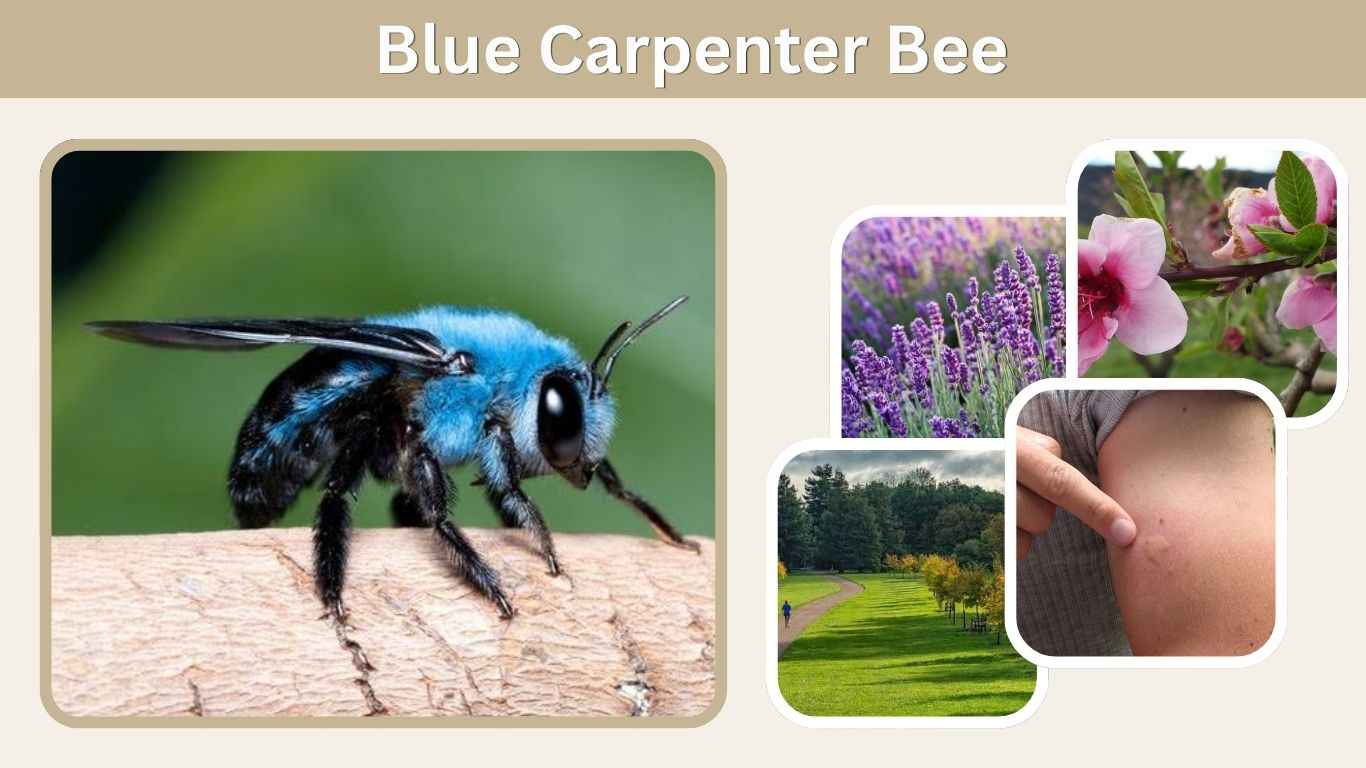
The blue carpenter bee (Xylocopa caerulea) is a large, eye-catching bee known especially for the brilliant blue hairs covering females. Native mainly to South and … Read More
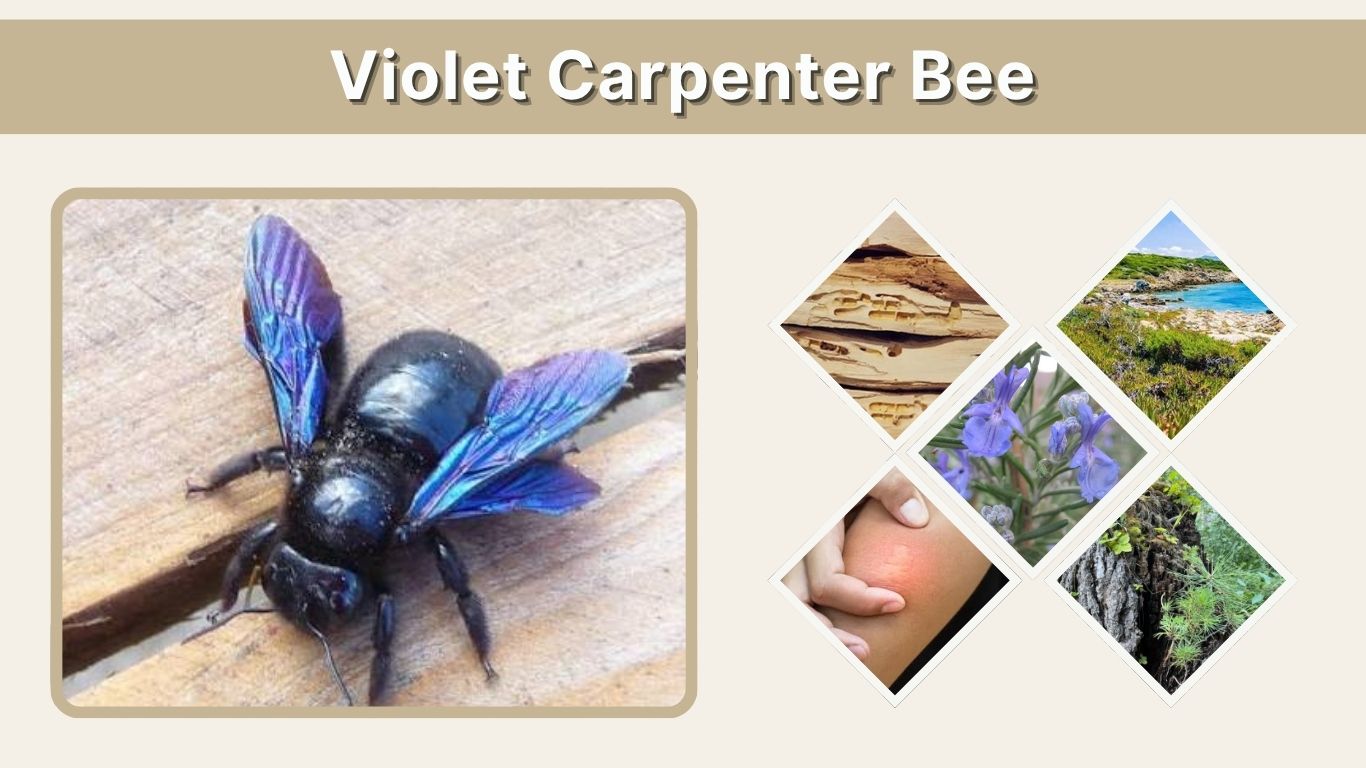
The violet carpenter bee (Xylocopa violacea) is one of Europe’s largest and most striking bees. Its glossy black body, powerful build, and violet-blue wings can … Read More